


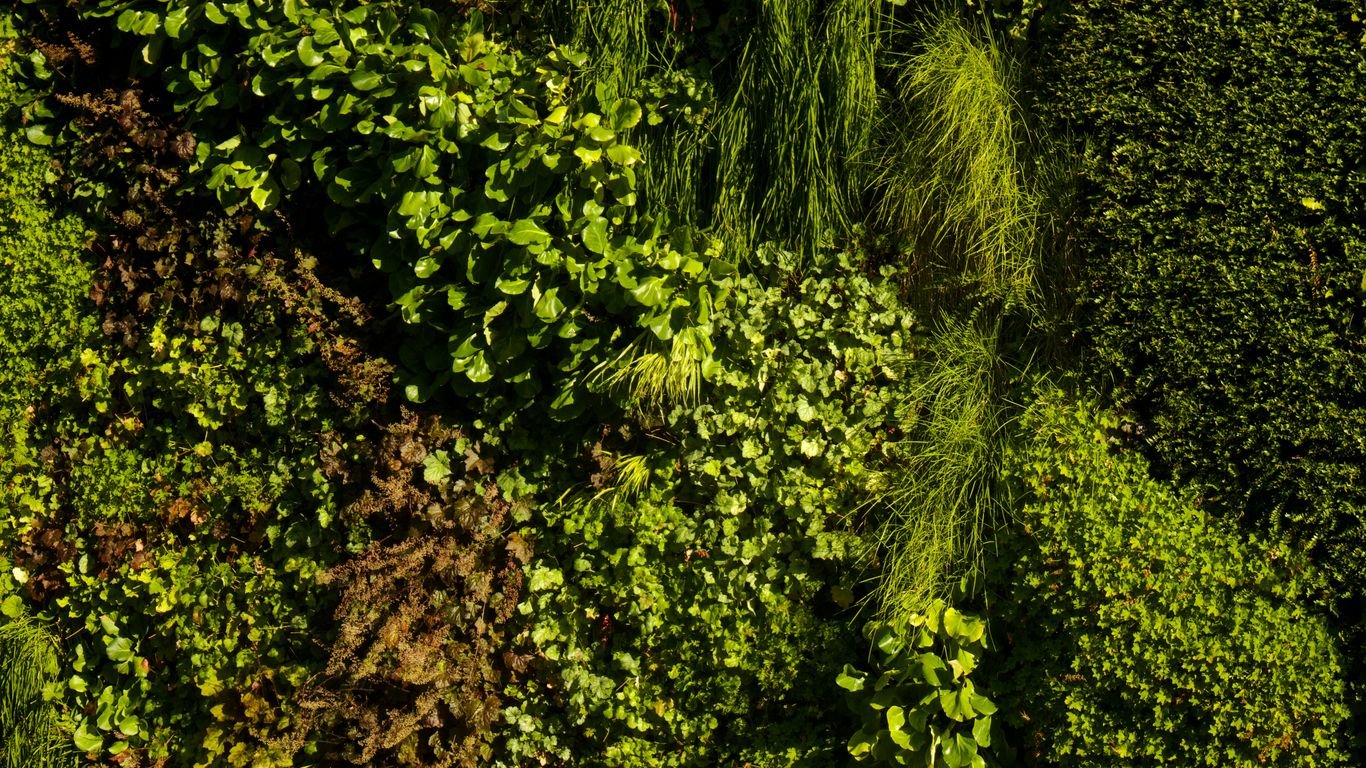
Living in a city doesn’t mean we have to give up on growing our own food. We’ve found that creating a vertical micro homestead garden is totally doable, even with limited space. It’s a fantastic way to bring more green into our lives and have fresh ingredients right outside our door. We’re excited to share how we’ve tackled this, from finding the right spot to picking the best plants for our little patch of green.
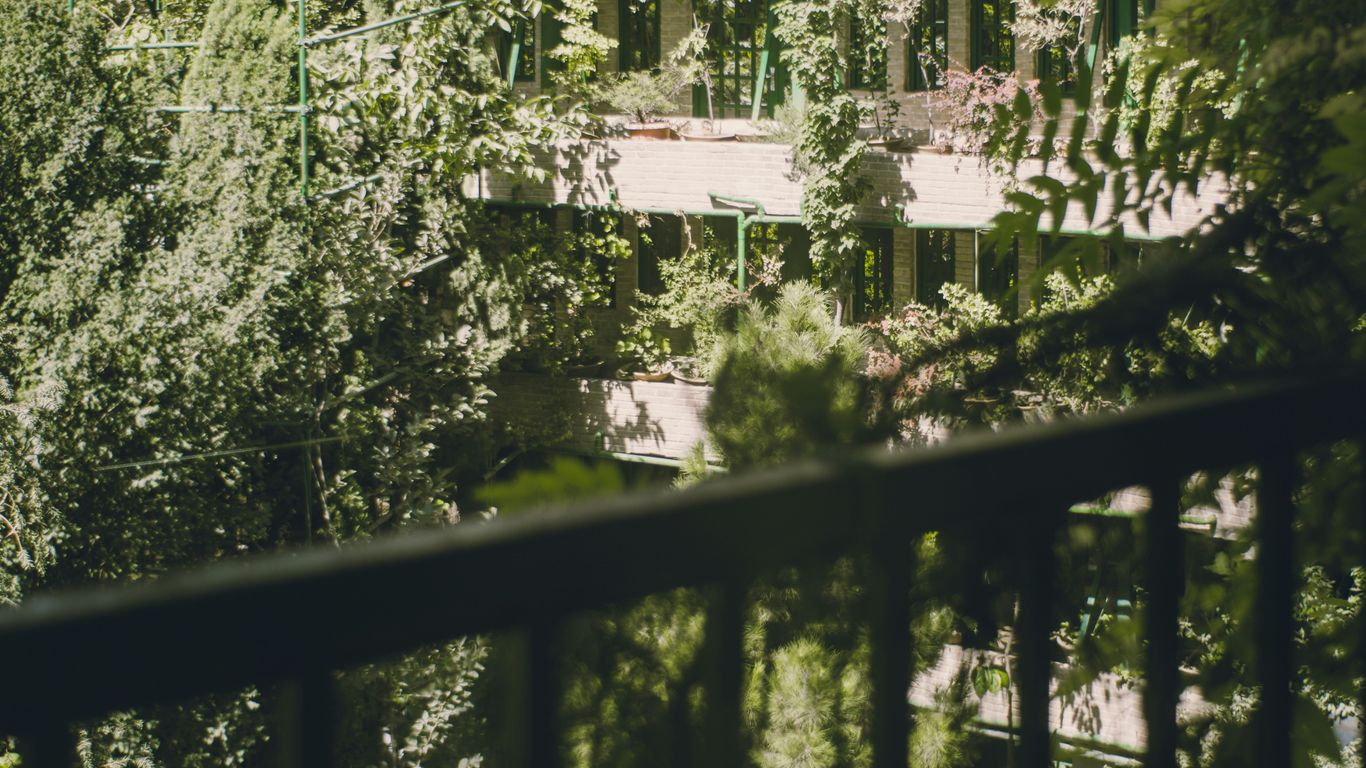
When we first thought about setting up our vertical garden, we spent a good amount of time just looking around our yard. It’s not huge, but we knew we wanted to make the most of every inch. The biggest thing we had to figure out was where to put it, and that really came down to two main things: sunlight and structure.
This is probably the most important factor. Most of the plants we wanted to grow, like tomatoes and peppers, need a good amount of sun. We learned that at least six to eight hours of direct sunlight is ideal for most vegetables and herbs. If you don’t have a spot that gets that much sun, don’t worry! Some plants, like leafy greens (lettuce, spinach, kale) and certain herbs (cilantro, parsley), can do pretty well with just three to four hours of sun, or even partial shade. It’s all about matching the plant to the light you have available.
Here’s a quick look at what different plants generally need:
| Plant Type | Sunlight Requirement |
|---|---|
| Fruiting Veggies | 6-8+ hours (Full Sun) |
| Leafy Greens | 3-6 hours (Partial Shade) |
| Root Vegetables | 6+ hours (Full Sun) |
| Herbs (most) | 6+ hours (Full Sun) |
| Herbs (shade-tol.) | 3-6 hours (Partial Shade) |
We ended up picking a spot on our south-facing wall because it gets the most sun throughout the day. If your best spot is north-facing, you’ll just need to be more selective about what you plant.
Sometimes, you don’t have a wall or fence that’s just right. That’s where freestanding structures come in. Think about trellises that can stand on their own, maybe in the middle of a patio or deck. The tricky part here is making sure they’re stable. Wind can be a real problem, especially when your plants get big and heavy. We saw a neighbor’s setup that looked great, but a strong gust of wind nearly took it down. You might need to anchor it or use a heavier base. We considered a teepee-style trellis made from sturdy branches, but we knew we’d need to secure it well with a strong central post to keep it from tipping over.
This is often the easiest route if you have the right kind of wall or fence. Attaching planters or trellises to a wall or fence saves space and provides a built-in support system. We have a wooden fence that gets good sun, so we attached some modular planters directly to it. It was pretty straightforward. Just make sure whatever you’re attaching to is sturdy enough to hold the weight of the soil, plants, and water. We also have a brick wall on one side of our house that gets morning sun, which is perfect for some of the more delicate herbs.
Before you buy anything or start drilling, take a good, long look at your available space. Think about the sun’s path throughout the day and the different structures you have. Sometimes the best spot isn’t the most obvious one, and a little planning now can save a lot of headaches later.
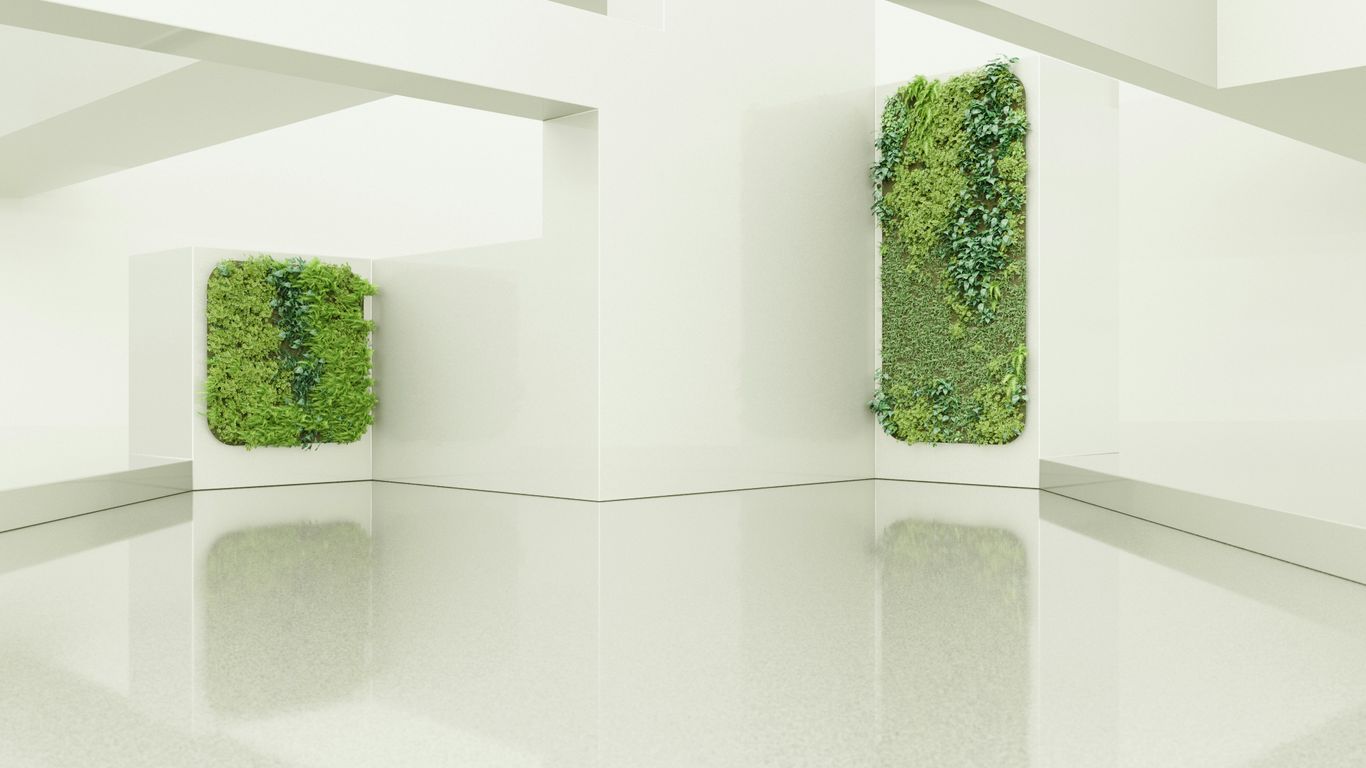
So, we’ve found the perfect spot and figured out our structure. Now comes the fun part: picking what to grow! Not everything is cut out for a vertical setup, but a lot of good stuff is. We want plants that don’t get too huge, don’t have massive root systems, and ideally, don’t try to take over the whole garden.
Herbs are practically made for vertical gardens. They tend to be compact, and having them right outside your kitchen door is super convenient. Think about what you use most when you’re cooking. Fresh basil for pasta, mint for tea, or chives for a little oniony kick on your eggs? We can grow all of those!
When it comes to veggies, we’re looking for the little guys or those that grow upwards without getting too wild. Vining plants like full-sized cucumbers or sprawling squash are usually a no-go because they can get messy and heavy. We also want to avoid root veggies like carrots or potatoes that need deep soil.
Here are some winners:
We’re aiming for plants that give us a good return for the space they occupy. Think about quick harvests and plants that can be picked multiple times. This way, our vertical garden keeps on giving!
Don’t forget about the pretty stuff that you can also eat! Edible flowers add a splash of color to your salads and dishes, and many are surprisingly easy to grow vertically.
Choosing the right plants is key to a successful and enjoyable vertical garden. We want a mix that looks good, tastes good, and is manageable for our small-space setup.
Now that we’ve figured out where to put our garden and what to grow, let’s talk about making it look good. We want our vertical garden to be functional, sure, but we also want it to be a nice-looking addition to our space. It’s not just about growing food; it’s about creating a little oasis.
Think about the containers themselves. We don’t have to use all the same boring plastic pots. Mixing different materials can really make things pop. We could use some glazed ceramic pots for a bit of shine, maybe some rustic terracotta, or even some galvanized metal containers for an industrial vibe. Even woven baskets, as long as they’re suitable for outdoor use, can add a lot of texture. The key is to create visual interest by varying the look and feel of the containers. It’s like putting together an outfit; you want different textures and colors to make it work.
To make our small garden feel bigger and more dynamic, we need to play with height. We can achieve this by using different types of supports or by placing pots at different levels. Maybe we hang some smaller pots from a bracket, use a tiered planter, or even just place some pots on small stools or crates. This layering effect draws the eye up and makes the whole setup feel more intentional and less like just a bunch of pots stacked up. It gives the garden a sense of dimension.
Finally, let’s add some personality! This is where we can really make the garden our own. Think about adding some string lights for a cozy evening glow, a small lantern, or even a quirky garden sculpture. These little details can transform a functional garden into a charming retreat. It’s about making the space feel inviting and reflecting our personal style. We can even add a small seating area nearby if space allows, turning it into a spot to relax and enjoy our homegrown bounty.
Alright, so we’ve picked our spot and chosen our plants. Now, let’s talk about what we actually need to get this vertical garden going. It’s not a ton of stuff, but getting the right things makes a big difference.
Forget about just grabbing any old dirt from the yard. For vertical gardens, we really want a good quality potting mix. Why? Because it’s lighter, drains better, and has the right stuff in it for containers. Garden soil tends to get too compacted in pots, which is bad for roots. We’re looking for mixes that have things like peat moss, coir, or compost. These help hold moisture but also let excess water escape, which is super important when you’ve got plants stacked on top of each other.
Here’s a quick rundown of what to look for:
Watering is probably the trickiest part of vertical gardening. Because the soil volume is smaller and things are exposed to more air, they can dry out faster. We have a few options here:
The best watering system for you depends on your budget, how much time you have, and how forgetful you are!
While you can totally DIY a vertical garden, using a kit can make things a lot simpler, especially when we’re just starting out. These kits are designed specifically for growing upwards.
There are a bunch of different types:
When choosing a kit, think about the material (plastic, wood, fabric), the size, how many plants it can hold, and whether it has a watering system built-in. Some kits are super simple, while others are quite elaborate. We found that kits with built-in watering are a real game-changer for keeping things consistently moist without a lot of fuss.
We learned pretty quickly that the type of watering system integrated into a vertical garden kit can make or break your success. If you’re new to this, opting for a kit with a reservoir or a simple drip setup can save you a lot of guesswork and potential plant loss due to inconsistent watering.
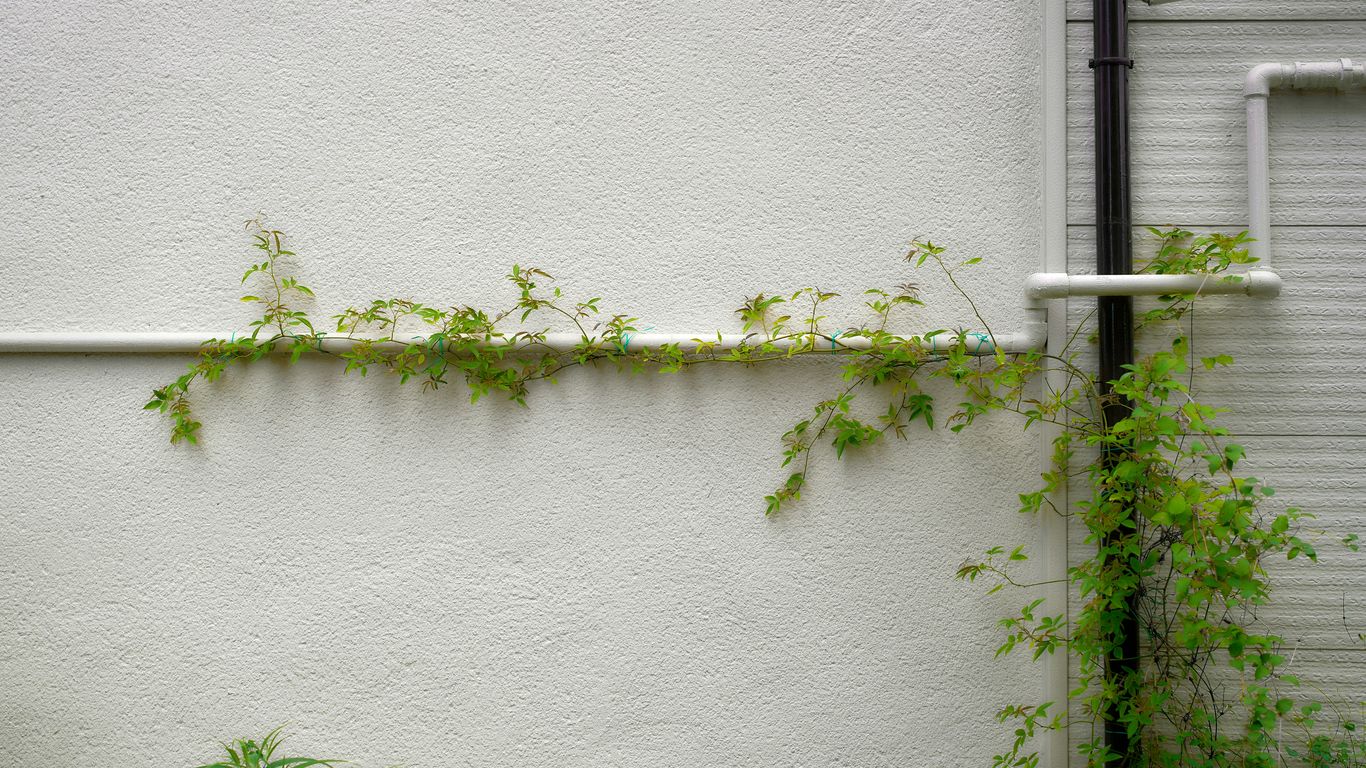
We all know vertical gardening is a lifesaver when space is tight, but it offers so much more than just fitting more plants into a small area. Think about it: when your plants are growing upwards, they get better air circulation. This can mean fewer problems with diseases that love damp, crowded conditions. Plus, with plants elevated off the ground, we often see fewer pests munching on our precious produce. It’s like giving our plants their own little elevated kingdom, away from the ground-level troubles.
Honestly, one of the best parts of growing vertically is how easy it makes harvesting. No more crawling around on your hands and knees, digging through leaves to find that one ripe tomato or pepper. Everything is right there, at eye level. This makes picking your produce a breeze and saves our backs and knees a lot of strain. We’ve all been there, missing a perfectly ripe cucumber hidden under a big leaf – not anymore! It makes the whole process more enjoyable and less of a chore.
Vertical gardening really lets us embrace the idea of homesteading, even if we live in the city or have a small yard. It’s about being more self-sufficient and connecting with our food. We can grow a surprising amount of fresh herbs, veggies, and even some fruits right outside our door. It’s incredibly rewarding to step out and pick what you need for dinner, knowing exactly where it came from. It adds a wonderful sense of accomplishment and brings a bit of the country to our urban lives.
Here are some of the perks we’ve noticed:
So there you have it! Building a vertical micro-homestead garden might seem like a lot at first, but we’ve shown you it’s totally doable, even if you don’t have a ton of space. We’ve covered where to put it, what to grow, and how to make it look good. Remember, it’s all about getting creative and making the most of what you’ve got. Don’t be afraid to experiment and find what works best for you. Soon enough, you’ll be harvesting your own fresh goodies right outside your door. Happy gardening, everyone!
We found that picking a sunny spot is key! Most plants need about 6 to 8 hours of direct sunlight each day. If you don’t have a super sunny area, don’t worry! Some plants, like leafy greens, can do well with less sun. We also learned that walls or fences can be great supports, but if we’re building something freestanding, we need to make sure it’s strong enough to handle wind and the weight of plants.
We love growing herbs like basil, mint, and chives because they don’t need a lot of space. For veggies, we’ve had success with things like cherry tomatoes, lettuce, and radishes. We learned to avoid plants with super deep roots or ones that vine out everywhere, like big squash plants, because they can get messy and take over. Oh, and don’t forget edible flowers like nasturtiums – they add a pop of color and taste great in salads!
We think it’s fun to mix and match different kinds of pots and planters to make things interesting. Using pots made of ceramic, metal, or even woven materials can add texture. We also found that arranging plants at different heights makes the garden look deeper and more inviting. Adding little touches like lights or decorative items can really make it feel like our own special space.
The most important thing is a good potting mix. We prefer an organic one because it has stuff like peat moss that helps with drainage. For watering, some vertical garden kits have built-in systems that make it super easy, while others might need us to water them by hand every few days. There are also ready-made kits that have everything you need to get started, which can be really handy.
It’s amazing how much food we can grow in a small area! It makes us feel more self-sufficient, especially when we live in the city. Plus, it’s incredibly satisfying to just walk outside and pick fresh ingredients for a meal. It really connects us to our food and the process of growing it.
You sure can mix things up! However, we’ve noticed that sometimes different plants have different watering needs, so grouping similar ones can make watering easier. If we’re going for a really pretty look, we try to plant things that are related, like different kinds of herbs or greens, together.
 March 7, 2026
How to Turn Food Preservation Into a Side Hustle
Canning
Homestead Kitchen
Homesteading
Sustainable Living
March 7, 2026
How to Turn Food Preservation Into a Side Hustle
Canning
Homestead Kitchen
Homesteading
Sustainable Living
We've all got those hobbies or skills that we love doing, right? Maybe it's baking, gardening, or even making your own jam. What if we told you that you could turn those passions into a little extra cash? It might...
Read More March 7, 2026
High-Output Crops Perfect for Micro Homesteads
Gardening
Homestead Planning
Homesteading
Starting a Homestead
March 7, 2026
High-Output Crops Perfect for Micro Homesteads
Gardening
Homestead Planning
Homesteading
Starting a Homestead
Thinking about growing your own food but only have a little space? We get it. Many of us are looking for ways to be more self-sufficient, even if we don't have acres to work with. The good news is, you...
Read More March 6, 2026
10 Low-Cost Homestead Side Hustles That Make Money
Homestead Planning
Homesteading
Starting a Homestead
March 6, 2026
10 Low-Cost Homestead Side Hustles That Make Money
Homestead Planning
Homesteading
Starting a Homestead
We all dream of a simpler life, right? One where we're more connected to the land and the seasons. But let's be real, that dream needs some funding. That's where low cost homestead side hustles come in. These aren't about...
Read More