


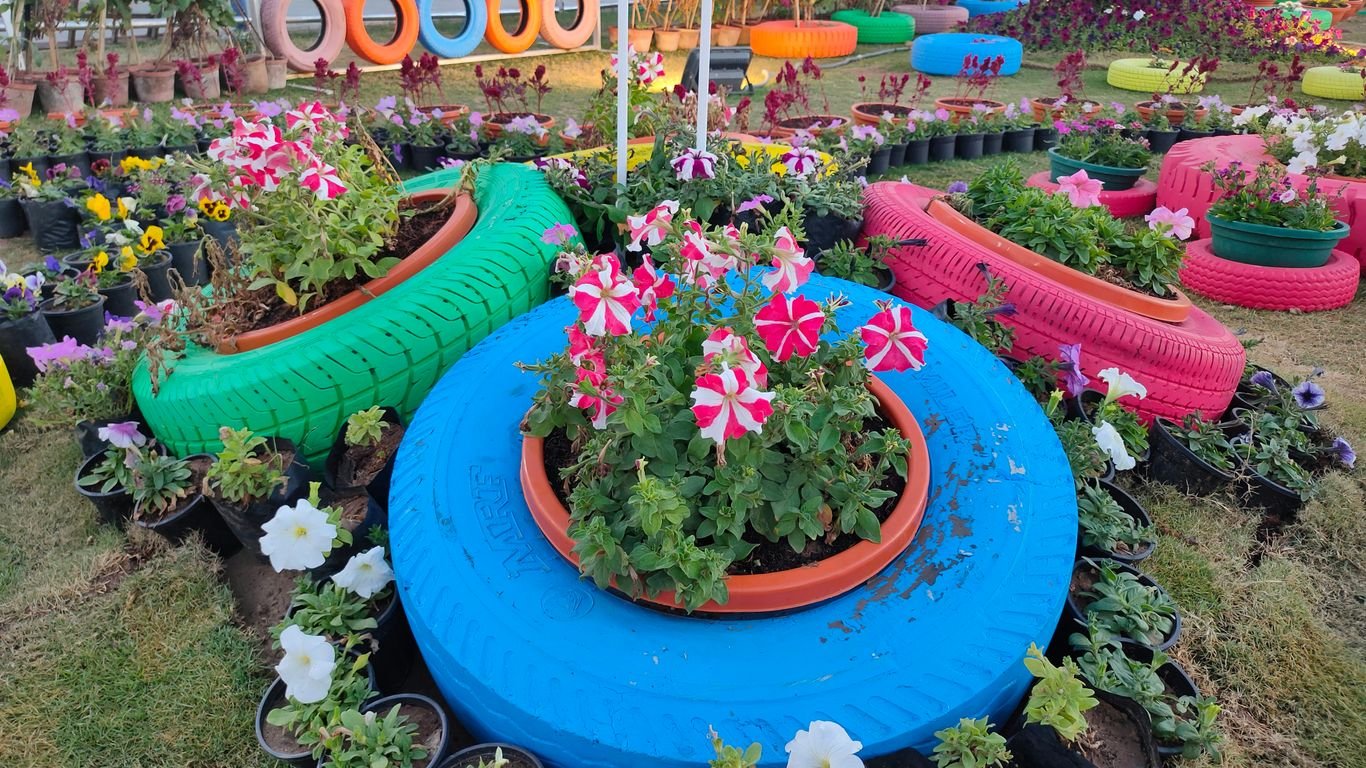
We’ve been dreaming about creating a beautiful hobby farm garden aesthetic for our place. It’s more than just planting some seeds; it’s about designing a space that feels right, works for us, and looks good too. We wanted to share some of the ideas we’ve gathered to help you make your own garden goals a reality.
We all have that picture in our heads, right? That perfect little hobby farm garden, looking like it came straight out of a magazine. It’s more than just growing food; it’s about creating a whole vibe, a space that feels like us. So, how do we get from dreaming to doing? It starts with really thinking about what we want this garden to be.
Honestly, the best place to start is by just looking. We love scrolling through Pinterest and saving all the gorgeous farm and garden pictures. It’s amazing how many different styles there are, from super rustic and charming to more modern and clean. We’ve found that creating a digital mood board or even a physical scrapbook helps us see what we’re drawn to. Do we like the look of weathered wood planters, or are we leaning more towards clean lines and stone borders? Thinking about the overall aesthetic is key here. We’re aiming for that cozy, inviting feel that makes you want to spend all day outside. For us, finding inspiration for our ideal space often means looking at farmhouse decor ideas and seeing how we can translate that feeling into our garden.
Beyond just looking pretty, what do we actually want to do in our garden? This is where we get real about our lifestyle. Are we dreaming of lazy afternoons sipping lemonade under a shady tree, or are we planning to host big family dinners right in the middle of the garden? Maybe we want a dedicated spot for the kids to play and get their hands dirty, or perhaps a quiet corner for just us to unwind. We also need to consider the practicalities. What fruits, veggies, and herbs does our family actually eat? Knowing this helps us prioritize what to plant and how much space we’ll need. It’s also about thinking about the rhythm of the farm: when will we harvest? When will we need to tend to the animals?
This isn’t just one person’s project; it’s a family affair! Getting everyone on board from the start makes the whole process more fun and ensures the final space works for everyone. We like to sit down with the kids (and our partner, of course!) and talk about their ideas. What do they want to see? What do they want to grow? Sometimes their ideas are the most creative! We’ve found that even small things, like letting them pick out a few flower seeds or design a small patch for themselves, makes them feel more connected to the garden. It’s all about building something together that we can all enjoy for years to come.
Thinking about the purpose and aesthetic of your garden early on helps guide all the future decisions. It’s the foundation for creating a space that is both beautiful and functional for your family’s unique needs and dreams.
Okay, so we’ve got a vision, which is awesome! But now comes the part where we actually figure out where everything is going to live. This is where we take those dreamy ideas and make them work with what we’ve actually got on our property. It’s not just about making it look pretty; it’s about making it work for us, day in and day out.
First things first, we need to get real about our space. Grab a measuring tape and a notebook, or even better, sketch out your property. We need to know where the sun hits throughout the day and year, where the water flows when it rains (and where it pools!), and any existing trees or slopes. Understanding these natural elements is key to placing everything strategically. For instance, knowing where the sun shines longest helps us decide where the garden beds should go, and understanding drainage can prevent soggy spots. We also need to think about wind patterns – is there a spot that’s always getting blasted? Maybe that’s not the best place for delicate plants.
If we’re planning on having any critters, this is a big one. We absolutely have to check local zoning laws and any homeowner association rules. These will dictate where we can put things like chicken coops or goat shelters. Often, there are rules about how far these structures need to be from property lines or our own house. It’s not the most glamorous part of planning, but it’s super important to avoid headaches later. We need to figure out the best spot that meets all the requirements and still makes sense for our daily chores. For example, placing the chicken coop closer to the house makes morning feeding easier, but zoning might push it further back. We also need to think about space for them to roam, if that’s part of the plan.
Now we tie it all together. How do we move around our space? We want paths that make sense, leading us from the house to the garden, to the animal areas, and to our relaxation spots. Think about how you’ll get a wheelbarrow full of compost to the beds or how you’ll collect eggs. We want to minimize unnecessary steps and make daily tasks easier. This is also where we think about zones, like the permaculture concept of placing things you use most often closest to the house (Zone 1). So, maybe the herb garden and a comfy seating area are right outside the kitchen door, while the fruit trees are a bit further out. It’s all about creating a system that feels natural and efficient for us. We can even start thinking about how to make income from our homesteading efforts, perhaps by selling excess produce or crafts through various avenues.
Here’s a quick way to think about zones:
When we’re planning the layout, it’s easy to get caught up in the ‘ideal’ picture. But we also need to be realistic about our time and energy. Starting with a solid plan that considers how we’ll actually use the space makes a huge difference in whether the garden becomes a joy or a chore. We want it to feel like a natural extension of our home life, not a burden.
Now that we’ve got a general idea of our garden’s look and feel, let’s talk about the actual beds where our plants will live. This is where we can really start to make things pretty and functional.
We’ve found that raised garden beds are a game-changer for hobby farms. For starters, they make gardening so much easier on our backs. No more bending way down! Plus, they give us better control over the soil quality, which is a big win when we’re trying to grow specific things. They also help keep our plants safe from little feet (or paws!) and can prevent waterlogged roots during heavy rains. And if our yard isn’t naturally the best for gardening, raised beds let us create our own perfect spots.
Here are a few reasons we love them:
This is where we can really lean into the Pinterest-worthy aesthetic. The materials we choose for our raised beds can totally change the vibe of our garden. We can go for a rustic look with reclaimed wood or natural stone, or something more modern with corrugated metal or even gabion cages filled with rocks. The key is to pick materials that complement our home and the overall style we’re going for. Think about how they’ll look over time, too. Some materials age more gracefully than others.
Here’s a quick look at some popular options:
| Material | Look & Feel | Durability | Cost (Approx.) |
|---|---|---|---|
| Treated Timber | Classic, Rustic | Good | Medium |
| Corrugated Steel | Modern, Industrial | Very Good | Medium |
| Recycled Bricks | Vintage, Charming | Excellent | Varies |
| Gabion Cages | Contemporary, Solid | Excellent | High |
| Corten Steel | Earthy, Unique | Excellent | High |
This is super important, and we learned this the hard way! Plants need the right amount of sun. Most vegetables and many flowers do best with about 6-8 hours of direct sunlight each day. We try to place our sun-loving plants in spots that get the most sun, usually on the south side of our property. For plants that prefer a bit of shade, especially during the hot afternoon, we’ll position them where they get some protection, maybe near a tree or a taller structure. It’s all about observing our yard throughout the day and across the seasons to find those sweet spots.
We learned that making our garden beds no wider than 4 feet is a good rule of thumb. This way, we can easily reach the middle from either side without having to step into the bed, which keeps the soil from getting compacted. Also, make sure the paths between beds are wide enough for a wheelbarrow – about 3 feet is usually plenty.
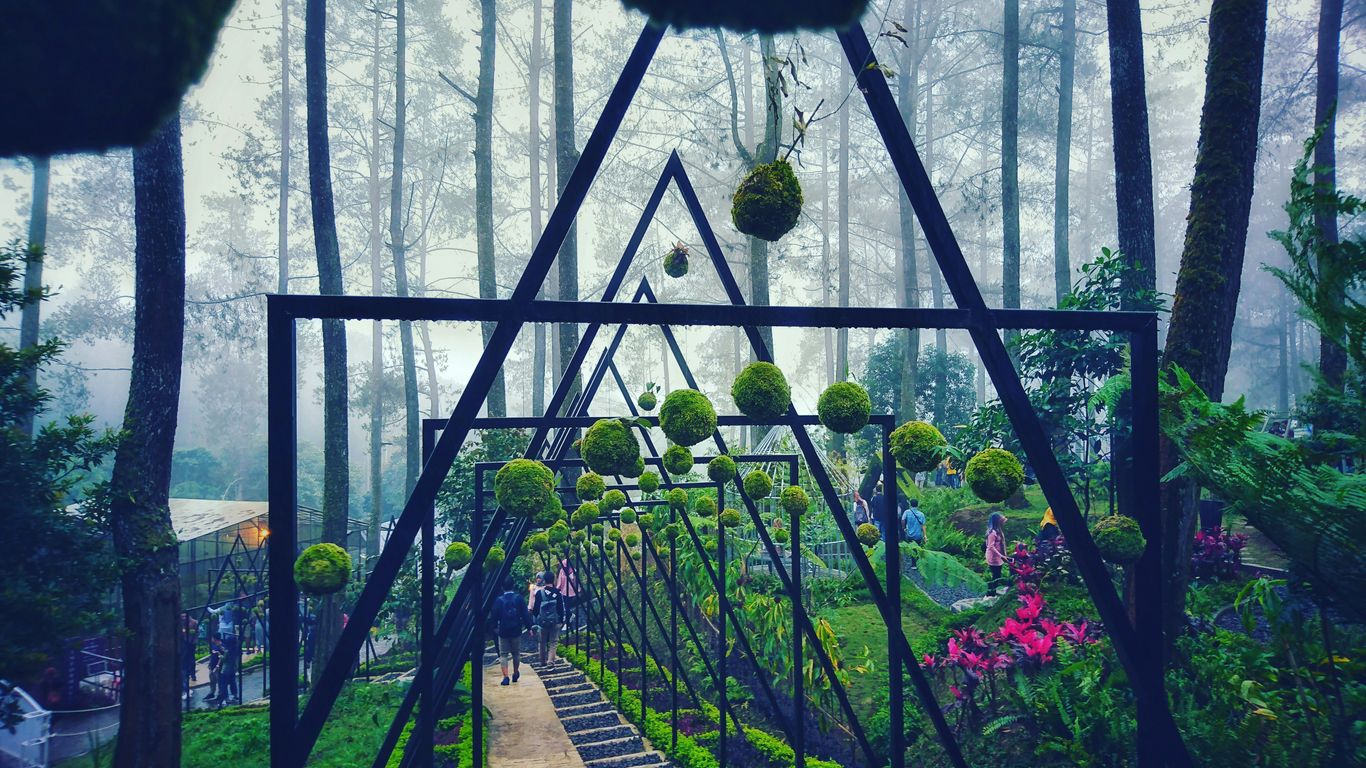
When we think about making our hobby farm garden look like it’s straight out of a magazine, we often focus on the ground level. But what about the space above? Adding vertical elements is a fantastic way to maximize your growing area, add visual interest, and create that lush, layered look we all love. It’s like giving your garden a whole new dimension!
Limited space doesn’t mean limited greenery. Vertical gardening is our secret weapon for fitting more plants into our garden without it feeling cluttered. Think about those bare walls or fences – they’re prime real estate for climbing plants or stacked planters. This method is especially great for smaller plots or even just sprucing up a patio area. We’ve found that growing upwards can make a small garden feel so much bigger and more abundant. It’s a smart way to grow herbs, flowers, or even some smaller vegetables.
Forget boring old pots. We can get really creative with how we house our vertical plants. Wooden planters, repurposed milk crates, or even old pallets can be transformed into charming vertical displays. Imagine a wall covered in cascading flowers or a tiered system overflowing with herbs. We’ve seen some amazing setups using repurposed materials that look both rustic and chic. Don’t be afraid to think outside the box – the more unique, the better for that Pinterest-worthy vibe. For a more structured look, consider modular systems that can be adapted to fit your space perfectly. You can find some really neat options for vertical plant walls that come with irrigation kits, making maintenance a breeze.
Creating a green wall isn’t just about hanging plants; it’s about building a living tapestry. We like to mix textures and colors for a dynamic look. Consider plants that trail, climb, or have interesting foliage. For a truly abundant feel, we often plant densely. This not only looks great but also helps the plants support each other as they grow.
Here are a few ideas for creating that lush effect:
Building a vertical garden is a rewarding project that adds beauty and functionality. It transforms blank spaces into vibrant displays and can even help improve air quality. We find it’s a great way to add a touch of the wild while keeping things tidy.
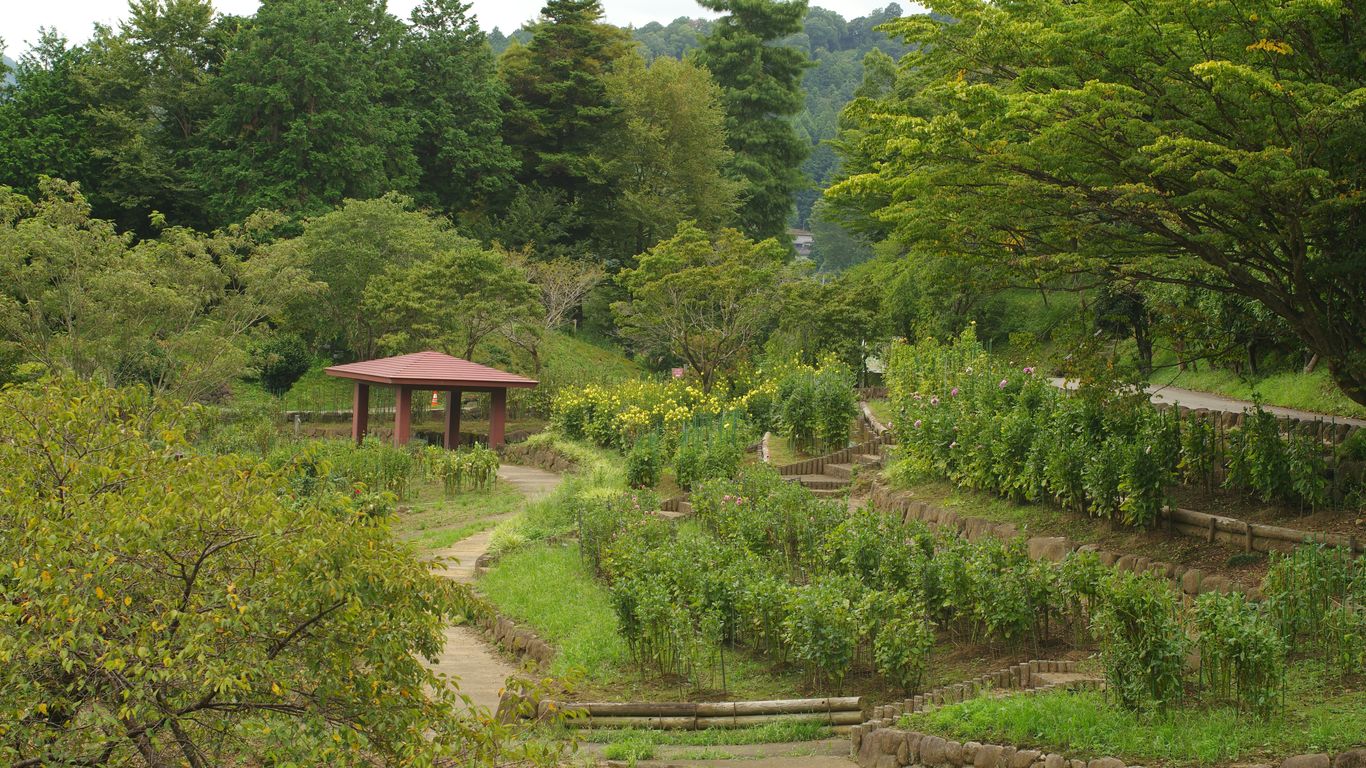
We love how rock borders can instantly give our hobby farm garden a finished look. They’re not just pretty; they help define different areas. Think about using them to edge your garden beds, separate a grassy area from a gravel path, or even to create a visual guide that draws the eye towards a special feature. You can grab stones that all match for a neat, uniform look, or mix and match different sizes and colors for a more rustic, natural feel. It’s pretty simple to do, too. We usually dig a shallow trench, place the rocks, and then fill in around them. These borders are a fantastic way to add structure and charm without a lot of fuss.
Forget straight lines! Meandering pathways add a sense of discovery and flow to our garden. They can mimic the gentle curve of a natural stream bed, which is totally Pinterest-worthy. These paths aren’t just for looks; they guide us through the garden and invite exploration. When planning, we try to make sure our main paths are wide enough to comfortably push a wheelbarrow, usually around 3 feet. Smaller, secondary paths can be a bit narrower, just enough for one person to stroll along.
Borders and paths work together to create distinct zones within our garden. This helps us organize different types of plants or activities. For instance, a rock border might clearly separate the vegetable patch from a seating area. A winding path could lead from the main house to a quiet reading nook tucked away under a tree. This intentional design makes the whole space feel more intentional and easier to manage. We find that clearly defined areas make the garden feel larger and more purposeful.
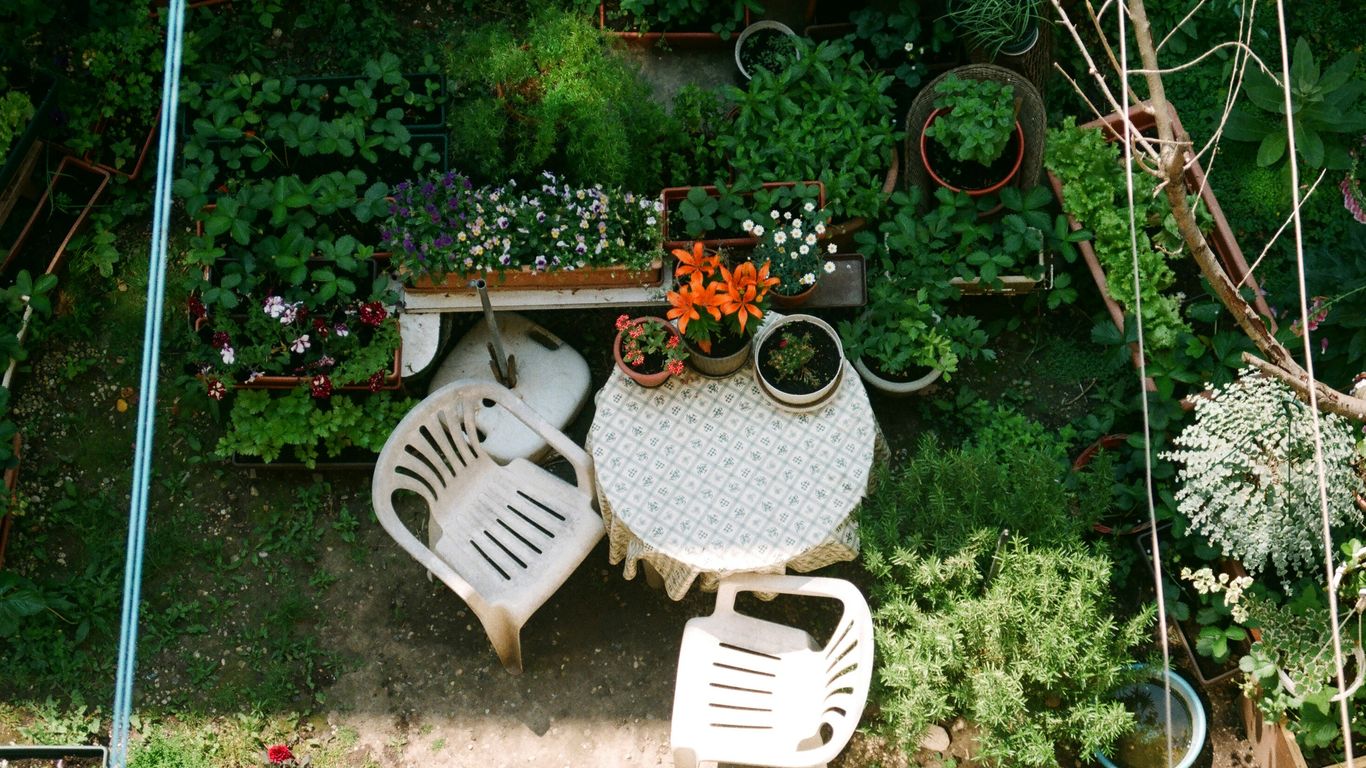
Once we’ve got our garden beds planned and maybe even some vertical elements going, it’s time to think about where we’re going to actually enjoy all this hard work. A hobby farm garden isn’t just about growing things; it’s about creating a lifestyle, and that includes having cozy spots to relax and places to gather with friends and family. We want our garden to feel like an extension of our home, a place where we can truly unwind.
Think of your garden not just as a collection of plants, but as a series of outdoor rooms. We can use pathways, borders, or even strategically placed shrubs to define these spaces. One area might be a quiet nook for reading, perhaps with a comfortable bench tucked under a shady tree. Another could be a more open space, perfect for a picnic table where we can share meals al fresco. The key is to create distinct zones that serve different purposes. This makes the garden feel larger and more dynamic.
If we envision hosting garden parties or casual get-togethers, we need to plan for that. Consider a central gathering area that can accommodate a decent number of people. A sturdy farm table is always a classic choice, but we could also think about a cluster of comfortable chairs around a fire pit for cooler evenings. Easy access from the house to this main gathering spot is also something we should keep in mind. We don’t want guests traipsing through muddy beds to get to the fun!
Beyond entertaining, we need spots just for us. Maybe it’s a simple swing seat overlooking a favorite flower bed, or a couple of Adirondack chairs placed at the edge of a vegetable patch so we can watch the bees at work. Even a small, well-placed bench can make a big difference. We want to encourage ourselves to spend more time outdoors, soaking in the atmosphere we’ve created. It’s about finding those little moments of peace and connection with nature. For inspiration on how to integrate these spaces, looking at permaculture garden zones can be really helpful in thinking about proximity and function.
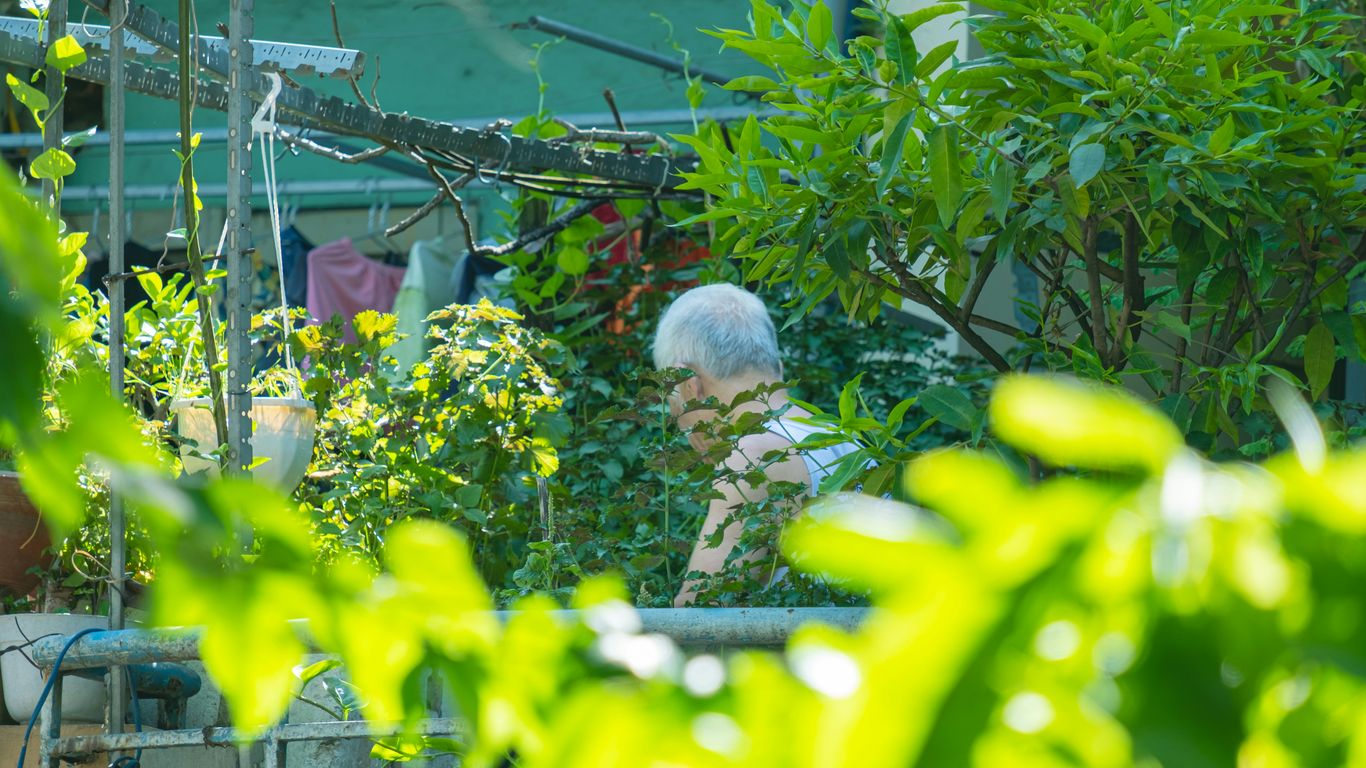
We all know how precious water is, and when we’re designing our hobby farm gardens, thinking about how we use water is a big deal. Instead of relying solely on the tap, we can get clever with how we collect and use rainwater. It’s a simple way to be kinder to the environment and our water bills. Setting up a rain barrel or two is a fantastic starting point. We can connect them to our downspouts, and voilà – free water for our plants! We can even get a bit fancy and create a whole system to capture runoff from our roofs or sheds. This collected water is perfect for watering our vegetable beds, fruit trees, and flower borders, especially during those drier spells. It’s amazing how much water we can save just by being mindful of what falls from the sky.
Talk about closing the loop! Composting is one of those practices that feels like magic, turning what we might consider waste into something incredibly useful for our garden. We can take all those kitchen scraps – vegetable peels, coffee grounds, eggshells – and combine them with garden trimmings like leaves and grass clippings. If we have animals, their manure (once properly composted, of course!) can also be a fantastic addition. This rich, dark compost is like a superfood for our soil, adding nutrients and improving its structure. It means less waste going to landfill and healthier, happier plants for us. We can set up a simple bin or a more elaborate multi-bin system, depending on how much we’re composting.
Here’s a quick look at what we can compost:
Permaculture is a fancy word, but at its heart, it’s about working with nature, not against it. It’s about designing our gardens and farms in a way that mimics natural ecosystems. Think about how forests work – everything is connected and supports everything else. We can apply this by creating zones in our garden, placing things we use most often closer to the house and less-used elements further away. We can also think about companion planting, where certain plants help each other grow better. For example, planting basil near tomatoes is said to improve the tomato’s flavor and deter pests. Another key idea is to observe our land – how does water flow? Where does the sun hit? Using this knowledge helps us place things where they’ll thrive naturally. It’s about creating a resilient, self-sustaining system that requires less input from us over time.
We want our hobby farm garden to be a place that not only looks beautiful but also functions in harmony with the environment. By using rainwater, turning waste into compost, and thinking like nature with permaculture, we’re building a garden that’s good for us and good for the planet.
So there you have it! Designing a hobby farm garden that looks good enough for Pinterest is totally doable. It’s all about planning, getting creative, and really thinking about how you want to use your space. Remember to start small, have fun with the process, and don’t be afraid to let your personality shine through. We’ve seen how you can mix function with beauty, whether it’s with rock borders, vertical gardens, or raised beds. The most important thing is to create a space that brings you joy and connects you with nature. We hope this guide has given you the inspiration and the tools to get started on your own picture-perfect garden. Now go on, get your hands dirty and build something amazing!
We start by thinking about what we want our garden to do for us. Do we want a place to relax and enjoy nature, or do we want to grow a lot of food? We also look at pictures online, like on Pinterest, to get ideas and see what looks good. It’s fun to get the whole family involved in dreaming up the perfect space!
First, we check out our yard to see where the sun shines, where water flows, and if there are any natural features we can use. We also need to think about where any animal homes, like a chicken coop, will go, and make sure we follow any local rules. Then, we draw it all out, making sure it’s easy to move around and use everything.
We can build raised garden beds, which are great because they protect plants and are easier on our backs. We can choose materials like wood or stone that match the look we want. It’s also super important to put the beds where they’ll get the right amount of sun for the plants we choose.
Vertical gardening is awesome for saving space and making walls look amazing! We can use things like trellises, hanging planters, or even old crates to grow plants upwards. This creates a lush, green look without taking up too much ground space.
We can use rocks to make beautiful borders that define different areas of our garden. For paths, we can make them curve and wind through the garden, like a gentle stream. This makes the garden feel more inviting and guides us through the space.
We need spots where we can relax and enjoy our garden! This could be a bench under a shady tree, a table for outdoor meals, or even a cozy corner for reading. Thinking about these spots early helps us create inviting outdoor rooms that make us want to spend time outside.
 March 7, 2026
How to Turn Food Preservation Into a Side Hustle
Canning
Homestead Kitchen
Homesteading
Sustainable Living
March 7, 2026
How to Turn Food Preservation Into a Side Hustle
Canning
Homestead Kitchen
Homesteading
Sustainable Living
We've all got those hobbies or skills that we love doing, right? Maybe it's baking, gardening, or even making your own jam. What if we told you that you could turn those passions into a little extra cash? It might...
Read More March 7, 2026
High-Output Crops Perfect for Micro Homesteads
Gardening
Homestead Planning
Homesteading
Starting a Homestead
March 7, 2026
High-Output Crops Perfect for Micro Homesteads
Gardening
Homestead Planning
Homesteading
Starting a Homestead
Thinking about growing your own food but only have a little space? We get it. Many of us are looking for ways to be more self-sufficient, even if we don't have acres to work with. The good news is, you...
Read More March 6, 2026
10 Low-Cost Homestead Side Hustles That Make Money
Homestead Planning
Homesteading
Starting a Homestead
March 6, 2026
10 Low-Cost Homestead Side Hustles That Make Money
Homestead Planning
Homesteading
Starting a Homestead
We all dream of a simpler life, right? One where we're more connected to the land and the seasons. But let's be real, that dream needs some funding. That's where low cost homestead side hustles come in. These aren't about...
Read More