



We’ve all been there, staring at a fridge full of homemade bone broth and wondering how to keep it from going bad. Making your own bone broth is incredibly rewarding, both for your wallet and your health. But once you’ve got that golden liquid, you need a plan for storing it. We’re going to walk through how to get your homemade bone broth ready for the long haul, so you can enjoy its benefits whenever you need them.
Before we can even think about storing our delicious homemade bone broth, we need to make sure we’ve prepared it properly. This isn’t just about tossing bones in a pot and calling it a day; a little extra effort upfront makes a huge difference in the final product, especially when you want it to last.
So, you’ve got your bones, maybe from a roast chicken or a beef roast. Before they go into the main pot, we like to give them a quick bath. This is called blanching. We toss the bones into a big pot, cover them with cold water, bring it to a boil, and let it simmer for about 10-15 minutes. Then, we drain and rinse them. Why do we do this? It helps get rid of any impurities, like blood and bits of tissue, that can make your broth cloudy and taste a bit off. It might seem like an extra step, but it really leads to a cleaner, more pleasant broth, and the nutrient loss is pretty minimal, in our opinion.
This is where we really build flavor. After blanching and rinsing, we spread the bones out on a baking sheet and roast them in a hot oven, usually around 450°F (230°C). We want them to get nicely browned and caramelized. This browning process, called the Maillard reaction, is what gives your broth that rich, deep flavor that store-bought stuff just can’t match. We’re not trying to burn them, just get a good, dark color. If you’re adding vegetables like carrots, onions, and celery, you can roast them alongside the bones for even more flavor.
Once your bones are roasted and everything is in the pot, it’s time for the long, slow simmer. This is where the magic happens, and it requires patience. We usually let our broth simmer for at least 8-12 hours, and sometimes up to 24 hours. The longer it simmers, the more goodness leaches out of the bones. Don’t rush this part! A short simmer just won’t extract all those wonderful minerals and collagen. We aim for a gentle simmer, not a rolling boil, to keep the broth clear and prevent it from becoming cloudy.
We’ve found that using a mix of different bones, like beef knuckle bones and marrow bones, really adds complexity to the flavor and richness of the broth. Don’t be afraid to experiment with what you have available.
Alright, so you’ve got this amazing pot of bone broth simmering away, and now it’s time to get it ready for the long haul. This part is pretty important, and honestly, it’s not too complicated once you get the hang of it. We want to cool it down efficiently and deal with that fat layer.
Letting a big pot of broth cool down on its own can take ages, and we don’t want it hanging out in the ‘danger zone’ (that’s between 40°F and 140°F) for too long. A quick way to speed things up is to use an ice bath. You can do this by placing your pot into a larger sink or basin filled with ice water. Stirring the broth occasionally will help it cool more evenly and faster. Another trick is to add a few handfuls of ice directly into the hot broth. This works especially well if you’re planning to use the broth soon or if you’re going to freeze it right away. Just remember, if you add ice, you’re essentially diluting your broth a bit, so keep that in mind.
Once your broth has cooled down, you’ll notice a layer of fat has solidified on top. This is totally normal! Skimming this fat off is optional, but we usually do it for a cleaner final product and sometimes for better storage. The easiest way to do this is after the broth has chilled in the fridge for a few hours, or even overnight. The fat will be firm and easy to scoop off with a spoon or a ladle. Some folks save this fat for cooking later, like for sautéing veggies, so don’t just toss it if you think you might use it!
If you’ve done it right, your cooled bone broth should have a jiggly, gelatinous texture. This is a good sign! It means you’ve extracted plenty of collagen and other good stuff from the bones. This gelatin is what gives the broth its body and is packed with nutrients. Don’t be alarmed if it looks like brown Jell-O; that’s exactly what we’re aiming for. It’ll melt right back into liquid when you reheat it.
We usually aim for a broth that’s firm enough to hold its shape when chilled. This makes skimming the fat super easy and gives us confidence that we’ve got a good, concentrated batch ready for storage.
So, you’ve made a big batch of delicious, nutrient-packed bone broth. Awesome! Now comes the part where we figure out how to keep it fresh and ready for when we need it. We’ve got a few solid options, and the best one for you really depends on how quickly you plan to use it and how much space you have.
This is a really popular method, and for good reason. Glass jars are sturdy and reusable, plus they make portioning super easy. When you’re filling them, just remember that liquids expand when they freeze. We usually leave about 1.5 to 2 inches of headspace at the top of the jar to give the broth room to expand. It’s also a good idea to wipe down the rims of the jars before putting on the lids to make sure there’s no moisture that could cause issues later. Don’t screw the lids on super tight; a firm close is usually enough for freezing. After filling, we like to place them on a rack in the freezer for the first 24 hours, just to prevent any condensation from freezing them to the freezer shelf.
If you’re tight on freezer space or just prefer a more flexible option, BPA-free freezer bags are a great choice. We like to portion our broth into specific amounts – like 1, 2, or 4 cups – based on how we typically use it. This helps cut down on waste. Make sure you’re using good quality freezer bags, not just regular storage bags, as they’re designed to withstand freezing temperatures without cracking. Labeling is key here; write the type of broth, the amount, and the date on the bag before you fill it. Trying to write on a full, sloshy bag is a recipe for a mess!
Beyond jars and bags, there are tons of reusable containers out there. Think sturdy plastic or glass containers with good lids. These are fantastic for larger batches or if you plan to use the broth relatively soon. Similar to bags, labeling these containers is super important. We usually write the contents and expiration date right on the lid with a permanent marker. The main thing to watch out for with containers is making sure the lids seal well to prevent freezer burn. If you’re using containers that aren’t specifically designed for freezing, keep an eye out for potential cracking, though most good quality ones should be fine. We’ve found that containers with flexible sides tend to hold up a bit better than rigid ones when freezing.
So, you’ve made a big batch of glorious bone broth, and now you’re wondering how long it’s going to last. It’s a super important question, especially if you’re planning on storing it for later. We don’t want all that hard work going to waste, right?
When we store our bone broth in the fridge, we’re usually looking at a shorter window. Generally, it’s good for about 4 to 5 days. If you’ve added a lot of veggies or other ingredients, this timeframe might even be a bit shorter. It’s always best to err on the side of caution. We usually keep it in a covered pot or a sealed container. If you’re not sure, give it a sniff – if it smells off, it’s time to toss it.
This is where bone broth really shines for long-term storage. When we freeze our broth, we can expect it to last much longer. Properly stored in airtight containers or freezer bags, it can easily last for 4 to 6 months, sometimes even longer. We like to freeze ours in smaller portions, like ice cube trays or pint-sized jars, so it’s easy to grab just what we need. Just make sure your containers are freezer-safe and have a good seal to prevent freezer burn.
Knowing when your broth has turned is pretty straightforward, but it’s good to have a checklist. Here are the main things we look out for:
Remember, the gelatinous texture when cold is a good sign of quality collagen. If your broth doesn’t gel up after chilling, it might mean it wasn’t simmered long enough or didn’t have enough collagen-rich bones. This doesn’t necessarily mean it’s bad, but it might not have all the benefits we’re looking for.
Here’s a quick rundown of typical storage times:
| Storage Location | Approximate Shelf Life |
|---|---|
| Refrigerator | 4-5 days |
| Freezer | 4-6 months |
So, we’ve made a big batch of bone broth, and now we need to think about how to keep it around for a while. Freezing is great, but sometimes we forget to thaw it out, right? Luckily, there are a few other cool ways we can preserve our liquid gold.
This is a really solid method for long-term storage, but it’s super important to do it right. You absolutely must use a pressure canner for bone broth – a water bath canner just won’t get hot enough to make it safe. Before you even start canning, make sure you’ve skimmed off all the fat. Fat can get in the way of the heat penetrating properly, and we don’t want any safety issues. If you’ve tossed in veggies with your bones, you’ll need to bump up the processing time a bit. Pints usually take 60 minutes, and quarts go for 75 minutes.
Who knew we could turn our liquid broth into a powder? It sounds a bit wild, but it’s totally doable. You basically just keep simmering your broth with the lid off until it gets really concentrated. Then, you pour it into trays and use a freeze-dryer. It shrinks down a lot, making it super space-efficient for storage. You end up with a nutrient-dense powder that’s easy to rehydrate when you need it.
This is a clever one! You can cook down your broth even further until it’s super thick, almost like a paste. Then, you can portion it out into ice cube trays (or similar small molds) and freeze them. These little cubes are perfect for adding a quick flavor boost to sauces, gravies, or even just a mug of hot broth. It’s a great way to use up smaller amounts of broth and have convenient flavor packets ready to go.
When pressure canning, remember that the fat layer needs to be removed before processing. It acts as an insulator, preventing the broth from reaching the safe temperatures needed for preservation. Always follow the specific instructions for your pressure canner model and adjust processing times if vegetables were added to the broth.
Making a truly delicious and nourishing bone broth is all about paying attention to a few key details. We’ve found that using a variety of bones really makes a difference in the final taste and texture. Don’t just stick to one type; mix it up!
We like to use a combination of bones for our broth. For beef broth, think about using things like knuckle bones, short ribs, and oxtail. If you’re making chicken broth, chicken feet are surprisingly great for gelatin content. The more cartilage and connective tissue, the better the broth will gel, which is a sign of good collagen extraction. Asking your local butcher for broth-specific bones is a smart move; they often know exactly what to recommend and can even cut larger bones down to fit your pot. This variety helps create a richer, more complex flavor profile that you just can’t get from a single type of bone. For a deeper dive into bone selection, check out Chef Jon Kung’s method.
While it’s tempting to throw in all sorts of vegetables and spices, we’ve learned that less is often more when it comes to the base broth. The star of the show is the bones, after all. We usually stick to aromatics like onions, celery, and garlic, maybe a bay leaf or some peppercorns. If you want to add more complex flavors, it’s often better to do that when you’re using the broth in a specific recipe, rather than simmering them for hours in the broth itself. This keeps the broth versatile for all sorts of uses.
Salt is a flavor enhancer, plain and simple. We always add salt towards the end of the simmering process. This way, we can taste and adjust it as needed. A good starting point is about a teaspoon per quart of broth, but it really depends on your preference and how you plan to use the broth later. Remember, you can always add more salt to a dish when you’re using the broth, but you can’t take it away if you oversalt the broth itself. A little bit of salt makes all the difference in bringing out the rich, savory notes of the bone broth.
So there you have it! Making and storing your own bone broth is totally doable, and honestly, it’s pretty rewarding. We’ve gone over how to get a good simmer going, how to store it safely in the fridge for a few days, or how to freeze it for months. Whether you’re using jars, bags, or containers, the goal is to have that liquid gold ready when you need it. It might seem like a lot of steps at first, but once you get into the rhythm, it becomes second nature. Plus, knowing you’ve got a stash of homemade broth ready for soups, stews, or just a warm drink is a pretty great feeling. Give it a try, and enjoy the benefits!
We can usually keep our homemade bone broth in the refrigerator for about 4 to 6 days. It’s best to store it in a sealed container so it stays fresh.
We love freezing our bone broth in glass jars or BPA-free bags. It’s important to leave some space at the top of the jars because the liquid expands when it freezes. This helps prevent the jars from breaking.
When we freeze our bone broth properly, it can last for a good 4 to 6 months. For the best quality, we aim to use it within this timeframe.
While we can add some veggies and herbs for flavor, it’s best to keep them minimal if we plan to store the broth for a long time. Too many extras can affect the broth’s taste and how well it stores. We prefer to keep our broth simple so the bone flavor really comes through.
That’s a great sign! When our bone broth cools down, it should become thick and jelly-like. This means it’s packed with gelatin, which comes from the bones and is super good for us. It will turn back into a liquid when we heat it up.
We should always trust our senses! If the bone broth smells sour or off, or if it has any mold growing on top, it’s time to toss it. Also, if it looks cloudy or has a strange color, it’s probably not good to eat anymore.
 March 7, 2026
How to Turn Food Preservation Into a Side Hustle
Canning
Homestead Kitchen
Homesteading
Sustainable Living
March 7, 2026
How to Turn Food Preservation Into a Side Hustle
Canning
Homestead Kitchen
Homesteading
Sustainable Living
We've all got those hobbies or skills that we love doing, right? Maybe it's baking, gardening, or even making your own jam. What if we told you that you could turn those passions into a little extra cash? It might...
Read More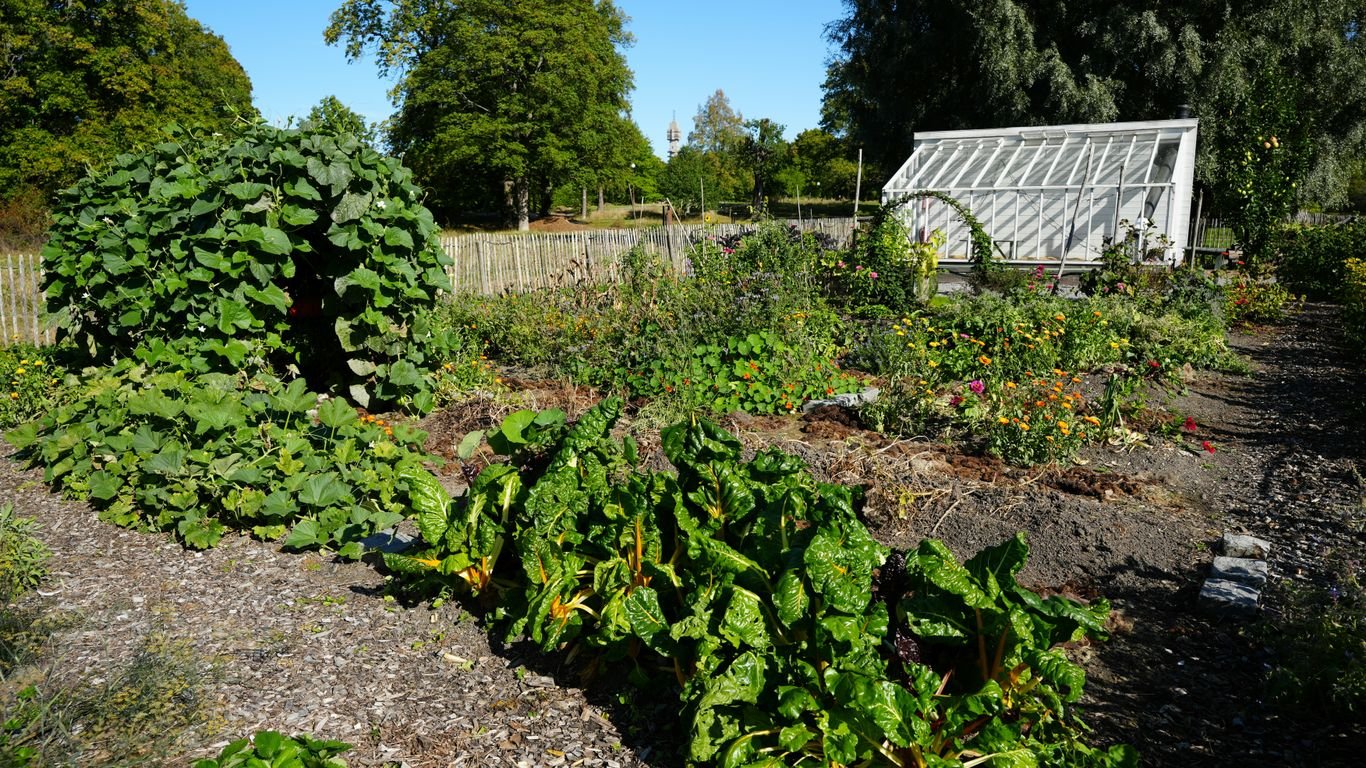 March 7, 2026
High-Output Crops Perfect for Micro Homesteads
Gardening
Homestead Planning
Homesteading
Starting a Homestead
March 7, 2026
High-Output Crops Perfect for Micro Homesteads
Gardening
Homestead Planning
Homesteading
Starting a Homestead
Thinking about growing your own food but only have a little space? We get it. Many of us are looking for ways to be more self-sufficient, even if we don't have acres to work with. The good news is, you...
Read More March 6, 2026
10 Low-Cost Homestead Side Hustles That Make Money
Homestead Planning
Homesteading
Starting a Homestead
March 6, 2026
10 Low-Cost Homestead Side Hustles That Make Money
Homestead Planning
Homesteading
Starting a Homestead
We all dream of a simpler life, right? One where we're more connected to the land and the seasons. But let's be real, that dream needs some funding. That's where low cost homestead side hustles come in. These aren't about...
Read More