


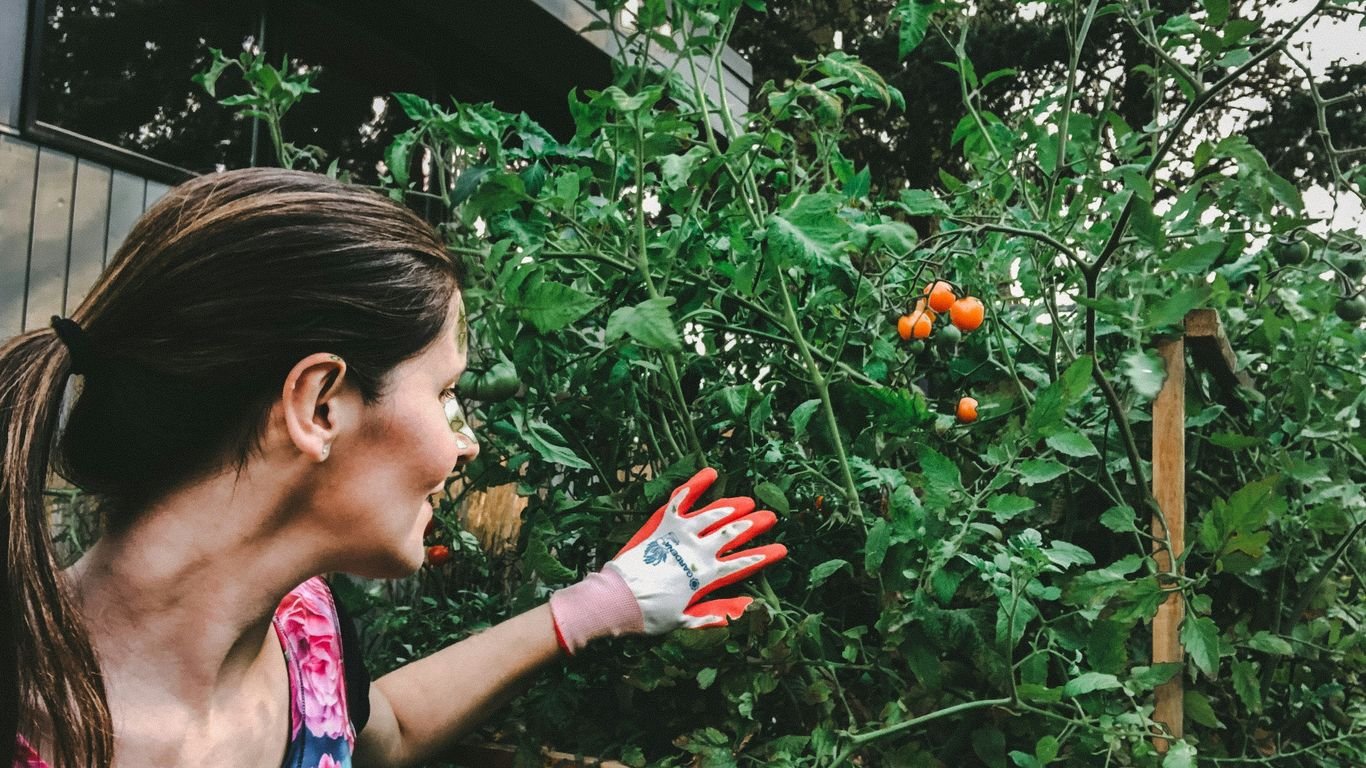
Thinking about how to make money homesteading? We get it. The idea of living a more self-sufficient life, connected to the land, and bringing in extra income from our own efforts sounds pretty great. It’s not always easy, and it definitely takes some planning and hard work, but it’s totally doable, even if you don’t have acres and acres. We’ve found that combining old-school skills with a bit of modern savvy can really make a difference. Here are some realistic ways we’ve seen people, and ourselves, make money homesteading, turning a passion into a profit.
Selling potted plants is honestly one of our favorite ways to make extra cash around the homestead. It’s not just flowers, either—herbs, native plants, even woody ornamentals can find eager buyers if we put in a little effort. The trick is all in choosing what grows well in our region and making each pot look healthy and appealing. People love seeing well-tended potted plants, especially when they know they’re getting something grown locally.
Here’s how we usually make it work:
| Plant Type | Average Selling Price (6” pot) | Potential Pots Per Parent Plant |
|---|---|---|
| Herbs (Basil, etc) | $5–$7 | 10–20 |
| Native Perennials | $8–$12 | 5–8 |
| Small Fruit Trees | $35–$60 | 2–5 |
We’ve found that plain packaging is fine, but a simple handwritten label or a pot wrapped in burlap adds a little bit of charm people can’t resist. Showing up at the farmers market with a full selection usually means we’re heading home from the day with way fewer plants than we brought.
If there’s one thing we’ve learned, it’s that the difference between an unsold clump and a $10 pot is all in a little TLC and a good label.
We also keep an eye out online—local Facebook groups or community buy/sell boards are great spots for listing extra plants, and word-of-mouth brings in a surprising number of neighbors looking for something green. Whether it’s a tray of kitchen herbs or a batch of small elderberry cuttings, there’s always some market for living things if we put some care into it.
Selling regular eggs is a common way homesteaders bring in a little cash, but honestly, it often just covers feed costs. We found that out the hard way. But hatching eggs? That’s a different story. People are willing to pay a good bit more for fertile eggs, especially if you’ve got some sought-after breeds.
Focusing on quality genetics is key here. If you have heritage breeds or chickens that lay unique egg colors, like chocolate brown or olive green, you’re in a better position. It takes about the same amount of work to care for a hen that lays a regular egg as it does one that lays a fertile egg, but the profit margin is much higher. It’s a great way to get into selling livestock without the full commitment of raising chicks.
Here’s a quick look at why hatching eggs can be a good move:
When you start selling hatching eggs, think of yourself as selling healthy genetics. Buyers are looking for reliable sources for their own flocks. Clear communication about fertility rates and breed standards goes a long way in building a loyal customer base. It’s about providing a product people can trust for their own homesteading or farming goals.
If you’re looking to get started, consider researching breeds that are popular or have unique traits. You can often find resources online that detail which breeds are in demand and how to manage your flock for optimal fertility. Selling fertile eggs for hatching can be a rewarding step in turning your flock into a profitable venture.
Making soap from scratch might sound a little intimidating at first, especially when you think about working with lye. But honestly, it’s not as scary as it seems, and it can be a really rewarding way to make some extra cash from the homestead. Plenty of folks want nice, handmade soap, but they don’t want to deal with the process themselves. If you learn the cold process method, you can tap into that market.
We’ve found that the ingredients aren’t usually as expensive as people imagine. A little bit of lye goes a long way, and once you have your basic oils, molds, and a solid recipe, the cost per bar stays pretty predictable. Plus, if you can add herbal infusions from your own garden, you’ve got a great story to tell about your product, which really helps it connect with customers.
Here’s a quick look at potential pricing:
| Product Type | Estimated Cost Per Bar | Typical Selling Price | Profit Margin (Est.) |
|---|---|---|---|
| Basic Cold Process | $0.50 – $1.00 | $5.00 – $8.00 | 400% – 700% |
| Herbal Infused | $0.75 – $1.25 | $6.00 – $9.00 | 480% – 1100% |
Tallow soap is making a big comeback, and it’s something that’s hard to find readily available. Making a few batches of this yourself can really make you stand out at the market. It’s a great way to offer something unique.
Starting out with melt and pour soap is also an option if you want to avoid working with lye altogether. It’s a simpler method and still allows you to create attractive, sellable products.
Making salves is another fantastic way to turn your homesteading skills into cash. These are essentially ointments made from herbs infused into oil, then thickened with beeswax. They’re great for soothing minor skin irritations, cuts, and burns.
We’ve found that using herbs we grow ourselves, like calendula, comfrey, or plantain, really adds to the appeal and profitability. People love knowing exactly what’s in the products they’re using on their skin. Plus, the cost to make them is super low when you’re using homegrown ingredients.
Here’s a basic idea of how we approach making them:
The profit margin on salves can be surprisingly good. A small tin that costs us less than a dollar to make can easily sell for $5 to $8 at a local market or online. It’s all about the natural ingredients and the care that goes into making them.
Making tinctures is another fantastic way to turn those homegrown or foraged herbs into a profitable product. Think of them as concentrated herbal extracts, usually made with alcohol or sometimes vinegar. People are really interested in natural health remedies, and tinctures are a super convenient way for them to get their daily dose of beneficial plant compounds.
We’ve found that selling tinctures can be quite rewarding. The cost of the herbs, especially if you’re growing them yourself or wild-harvesting responsibly, is pretty low. Even buying alcohol in bulk isn’t too expensive. Then you just need some small glass bottles and labels. When you see what people are willing to pay for a quality tincture, the profit margin can be really good. We’ve seen prices easily go for $15 an ounce, sometimes more, depending on the herb and the quality.
Here are a few popular options to get started with:
The key is to use good quality herbs and a reliable extraction method. Making sure your bottles are clearly labeled with the herb, the base (like alcohol or glycerin), and the recommended dosage is important for customer confidence and safety. Plus, having a nice story about how you grew or sourced the herbs adds a lot of appeal.
It’s not complicated to get started. You’ll need your herbs, a menstruum (that’s the liquid used for extraction, usually high-proof alcohol like everclear or vodka, or sometimes vegetable glycerin for an alcohol-free option), and some dark glass dropper bottles. The process involves steeping the herbs in the menstruum for several weeks, shaking them regularly, and then straining out the plant material. This simple process allows us to create shelf-stable products that people actively seek out.
We’ve found that growing mushrooms can be a surprisingly profitable venture, especially if you focus on high-demand varieties like oyster or shiitake. These don’t need a ton of space, and once you get logs inoculated, they can keep producing for years with minimal fuss. It’s pretty neat turning simple hardwood logs into a steady income stream.
Oyster mushrooms are particularly easy to grow, and you can even use things like coffee grounds or straw as a substrate. The satisfaction of turning waste into food is immense. They’re delicate, which is why people are willing to pay a premium for them. We’ve seen them packaged in small containers and sell for a good price per pound.
Here’s a quick look at some popular types and their potential:
If you’re looking to get started, there are some great resources available to help you learn the ropes of mushroom cultivation. It’s a rewarding process that can yield delicious results and a nice bit of income.
Growing mushrooms is a fantastic way to utilize small spaces and even recycled materials. The market for fresh, locally grown mushrooms is strong, and with a little knowledge, you can tap into it effectively. Consider exploring different mushroom cultivation techniques to find what works best for your homestead.
We’ve found that growing medicinal herbs can be a surprisingly good way to bring in some extra cash on the homestead. While vegetable gardens might get nibbled by deer or pests, many herbs seem to be left alone. Think about sage, bee balm, or valerian – they just keep growing and reseeding, no matter how much we harvest.
The real money is in value-added products. Making things like tinctures, salves, or dried herb blends from what we grow or even forage can significantly boost profits. For instance, a simple echinacea or elderberry tincture can sell for a good price, often $15 an ounce or more, especially if you’re growing the herbs yourself. It’s a way to turn a small garden into a profitable venture. We’ve seen entire aisles dedicated to tinctures at local stores, which tells us there’s a solid market for them. If you’re interested in learning more about growing these plants, resources like The Organic Medicinal Herb Farmer offer great insights.
Here are a few ideas for medicinal herbs that tend to do well:
Growing and processing your own medicinal herbs requires some knowledge, but the payoff can be substantial. Starting with a few reliable growers and focusing on a couple of key products can build a steady income stream without overwhelming your homestead.
Who doesn’t love a good homemade treat? Baking is a classic homesteading income stream, and for good reason. We can turn simple ingredients like flour, eggs from our own hens, and butter into delicious goods that people are happy to buy. The key is to focus on quality and presentation.
Think about what sells well at local farmers’ markets or community events. While a whole pie is nice, consider making individual-sized portions. For example, a dozen personal pan pies can often bring in more revenue than one large pie, especially if you price them right. These are easy for people to grab and eat on the go. Brownies are another fantastic option – they’re quick to make, use up those extra eggs, and can be decorated to stand out. Adding a local twist, like using berries from your garden or a hint of lavender, makes them extra special.
Here’s a quick look at how pricing can work:
| Item | Potential Sale Price (Each) | Potential Revenue (Dozen) | Notes |
|---|---|---|---|
| Large Pie | $15 | $15 | High ingredient cost, time-intensive |
| Personal Pies | $5 | $60 | Easier to sell, good profit margin |
| Brownies | $3 | $36 | Fast to make, uses farm-fresh eggs |
Remember to check your local cottage food laws before selling any baked goods. These laws dictate what you can sell and where, often focusing on items that don’t require refrigeration. Proper labeling is usually a must, too.
We’ve found that using real butter and fresh ingredients makes a noticeable difference in taste and customer satisfaction. It’s worth the effort to source the best ingredients, whether that’s from our own farm or other local producers. Making your own baked bread and other staples can also be a great way to save money at home, which means more profit when you sell.
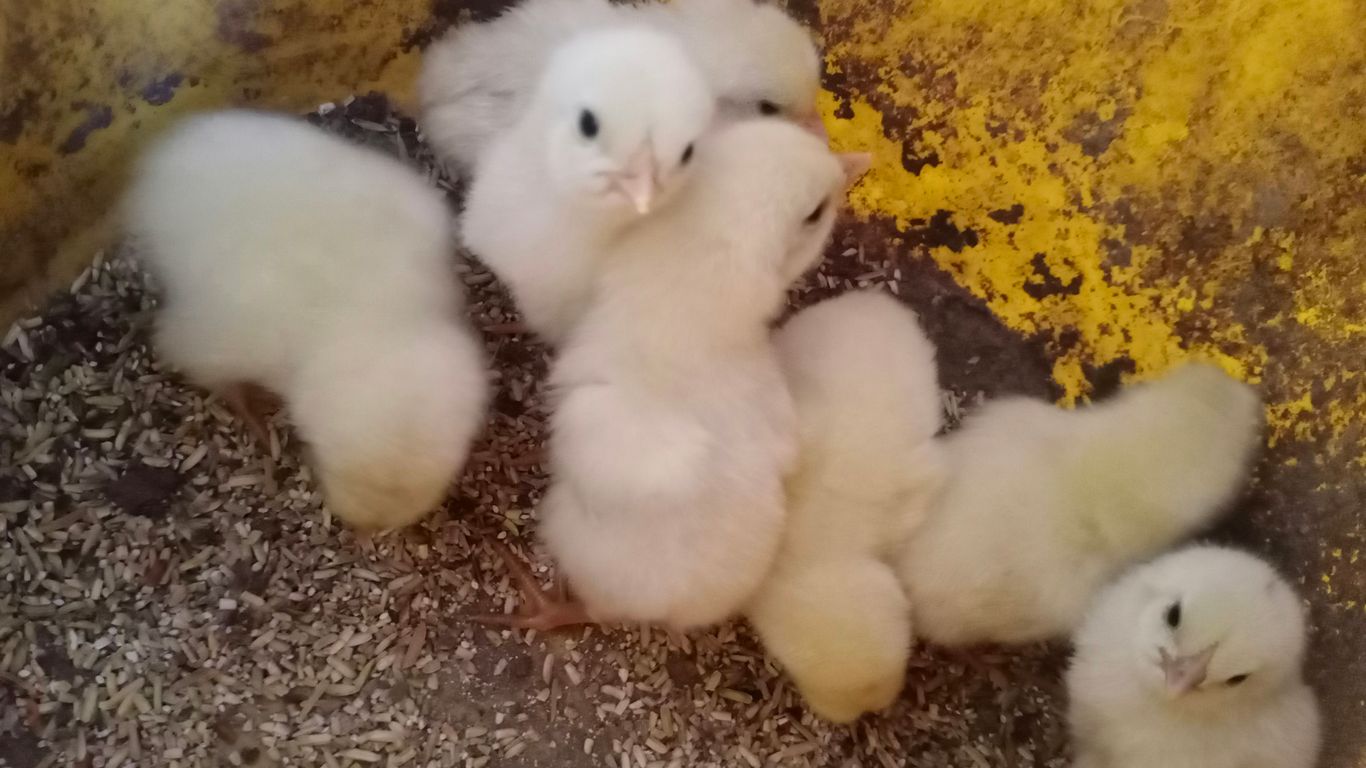
Selling day-old chicks can be a pretty neat way to bring in some extra cash from your flock. It’s a step up from just selling eggs, and honestly, it’s not overly complicated if you’ve got a good setup. We found that once we started hatching our own eggs, we had more chicks than we knew what to do with, so selling them seemed like the logical next step.
The key is to have fertilized eggs ready to go. You can incubate them yourself or let a broody hen do the work. Depending on the breed, you can charge anywhere from a couple of dollars to upwards of $18 per chick. If you focus on heritage or rare breeds, you can often get even more. We usually sell ours as ‘straight-run,’ meaning they aren’t sexed – you get a mix of potential roosters and hens. This simplifies things for us and is usually what beginners are looking for.
Here’s a quick look at what we typically see for pricing:
It’s a good idea to have a plan for how you’ll ship them if you’re selling online, or be prepared for local pickups. We’ve had good luck with local sales, and it cuts down on the stress of shipping live animals. If you’re looking to get started with selling chicks, there are some great resources out there to help you sell baby chicks online.
Remember, chicks need warmth and proper care right from day one. Having a good brooder setup ready to go is just as important as having the chicks themselves. This means a heat source, appropriate bedding, and chick starter feed.
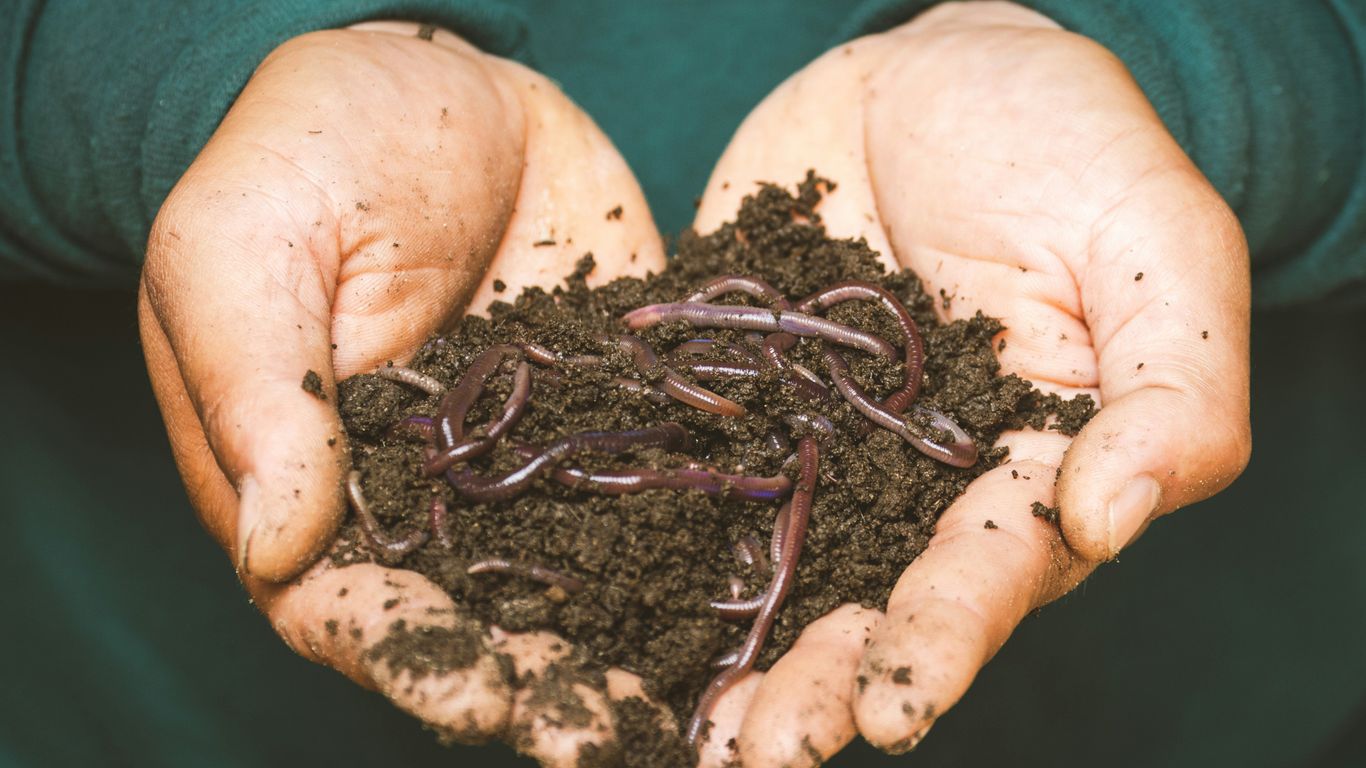
We’ve found that raising worms can be a surprisingly good little side hustle on the homestead. It’s not just about fishing bait, though that’s certainly a market. People are actively looking for red wigglers to improve their compost bins and gardens. It’s a pretty low-overhead operation once you get going.
Getting started is straightforward. You’ll need a bin, some bedding material (like shredded newspaper or coconut coir), and of course, the worms themselves. Red wigglers are the go-to for composting. You can buy starter cultures online or from other worm farmers.
Here’s a basic setup:
The real money comes from selling the worms and their castings. Castings, often called ‘worm poop,’ are an incredibly rich fertilizer that gardeners swear by. You can sell them by the pound or in small bags.
We found that marketing them to local gardening clubs and farmers’ markets worked well. You can also sell starter kits for people who want to begin their own worm farm. It’s a great way to generate income from what might otherwise be considered waste. Plus, you get amazing fertilizer for your own garden out of it!
Worm farming is a fantastic way to turn kitchen scraps into valuable fertilizer and a source of income. It requires minimal space and can be done indoors or outdoors, making it adaptable to many homestead setups. We’ve seen people successfully sell bait worms to local bait shops and anglers, which is another avenue to explore.
We’ve found that dairy goats can be a really rewarding part of homesteading, both for personal use and for earning a little extra cash. They’re smaller than cows, which makes them easier to manage on less land, and their milk is incredibly versatile. Think fresh milk for drinking, or you can turn it into delicious cheeses, yogurt, and butter right in your own kitchen.
Selling goat milk or products made from it can be a steady income stream. It’s important to know your local regulations regarding selling raw milk, as these can vary quite a bit. Some areas are very strict, while others allow direct sales. If raw milk sales are tricky, consider setting up a goat share program. This way, people buy a share in your goat and then get a portion of the milk.
Here’s a quick look at how you might make money with dairy goats:
Raising dairy goats requires some knowledge about their care, feeding, and breeding. It’s not just about milking; it’s about managing a small herd responsibly. We learned a lot through trial and error, but the rewards, both in product and income, have been well worth it.
Sheep are one of those animals that fit right into a homestead and give us lots of ways to earn money. Whether folks are interested in wool, meat, or want to get started with their own little flock, sheep are kind of the Swiss Army knife of farm animals.
We can raise sheep for lamb, sell their wool, or breed them and sell the offspring. Lamb is often in demand, especially if we sell straight from the farm, and people like knowing where their food comes from. Plus, raising lamb doesn’t require a ton of land, so even if our property isn’t huge, it’s possible.
Here’s a simple breakdown of the common ways sheep can earn us extra cash:
When it comes to wool, not every breed puts out the same quality or quantity, so it’s important we pick what works best for us. Some folks buy raw fleeces, others want washed and carded wool ready to spin. And let’s not forget, there’s a steady market for healthy lambs and breeding stock
| Product | Average Price Per Sheep | Notes |
|---|---|---|
| Wool/Fleece | $25–$50/year | Breed and quality matter |
| Lamb Meat | $150–$300/lamb | Direct sale is simplest |
| Breeding | $200–$400/lamb | Registered or rare breeds |
We discovered that connecting with local crafters and small farm enthusiasts helps us sell wool and young sheep, not just meat. Building those relationships goes a long way.
There’s room for other side hustles, too. Some people do farm tours or sheep shearing demonstrations, while others sell sheep milk products. If you want even more ideas, there are lots small farm income ideas waiting to be explored—all it takes is a little creativity and a willingness to try new things on the homestead.
Raising goats for meat can be a surprisingly profitable venture for homesteaders. Goats are efficient foragers, meaning they can thrive on pasture and browse that might not be suitable for other livestock, which can cut down on feed costs. They also reproduce relatively quickly, allowing for a faster turnaround time compared to larger animals like cattle.
We’ve found that focusing on specific breeds known for their meat production, like Boer or Spanish goats, makes a big difference. These breeds are typically hardy and grow well. When we started, we focused on selling the animals directly to consumers or local butchers. This often bypasses some of the stricter regulations associated with selling processed meat, making it a simpler way to get started.
Here are a few ways we’ve seen success with meat goats:
It’s important to understand the market and your customers. Many people are looking for ethically raised, pasture-fed meat, and goats fit this bill perfectly. We also learned that proper pasture management is key to keeping the animals healthy and reducing parasite loads. Learning about managing goats through winter is also a good idea if you plan to raise them year-round.
Building a good relationship with a local butcher can be incredibly helpful. They can offer advice on processing and sometimes even help connect you with customers looking for specific cuts or types of meat. It’s a partnership that can benefit everyone involved.
We’ve found that the demand for locally raised meat is growing, and meat goats are a fantastic way to meet that demand while utilizing our land effectively. It takes work, sure, but the rewards, both financially and in terms of self-sufficiency, are definitely worth it.
Raising bottle calves can be a rewarding, albeit labor-intensive, way to bring in some extra cash on the homestead. It’s not just about feeding them; it’s about nurturing them from wobbly newborns into healthy young animals. We started with just a couple, and honestly, it was a learning curve. You’re essentially becoming their mom, making sure they get the right nutrition and stay warm and dry.
It’s a commitment, for sure. These little guys need feeding multiple times a day, especially in the beginning. We found that sticking to a schedule was key.
Here’s a basic rundown of what we learned:
Selling them is where the income comes in. Once they’re weaned and healthy, you can sell them to other farmers or homesteaders looking to raise their own beef or dairy animals. We found that advertising them as well-started calves made a big difference. People are often looking for animals that have had a good start, and that’s exactly what you’re providing. It’s a way to get into livestock without the huge upfront cost of buying a mature cow, and it can be a good stepping stone for those new to raising livestock.
If we have sheep on the homestead, we can make money from their wool. It’s not just about having sheep for meat; their fleece is a valuable resource. We can shear them once or twice a year, depending on the breed and climate, and collect the wool. This raw wool can then be sold to spinners, crafters, or even local textile mills. Some folks even process it themselves into yarn and sell that.
The key is to have healthy sheep with good quality fleece. Different breeds produce different types of wool, so knowing what you have is important. For example, Merino sheep are known for their fine, soft wool, while breeds like Lincoln or Cotswold produce coarser, longer fibers that are great for rugs or outerwear.
Here’s a quick look at what you might expect:
We’ve found that selling raw wool is the easiest entry point. We just bag it up after shearing and list it on local classifieds or at the farmer’s market. It’s a good way to get started without a huge investment in equipment.
Selling wool can be a nice little side income, especially if you already have sheep for other reasons. It doesn’t require a lot of extra work beyond the regular shearing, and there’s a consistent demand from people who love working with natural fibers.
Making candles can be a really rewarding way to bring in some extra cash from the homestead. We’ve found that people are always looking for unique, handmade items, and candles fit that bill perfectly. Plus, the startup costs aren’t too bad, especially if you start small.
We like to experiment with different waxes, like soy or beeswax, and adding essential oils for natural scents. It’s amazing how much variety you can create. Think about offering different sizes, from small votives to larger pillar candles. The key is to make them look good and smell great.
Here are a few ideas to get you started:
We found that packaging really makes a difference. Simple labels with your homestead name and a nice ribbon can make a basic candle look really special. Selling at local farmers’ markets or craft fairs has been our best bet for moving inventory. It’s also a great way to connect with customers and get feedback. Remember to research local regulations regarding selling handmade goods, especially if you plan to sell at larger events. We also found that offering a variety of scents helps cater to different tastes. If you’re looking to expand your homestead income, consider looking into raising animals as another option.
If you’ve got trees on your property, especially ones that have fallen, you might have a ready source of income. We’ve found that cutting and selling firewood can be a pretty good earner, especially if you already have some of the basic equipment.
Having a chainsaw and a log splitter makes this whole process much easier. It’s not just about cutting down trees; it’s about processing them into usable lengths and splitting them so they dry properly. People are often looking for seasoned firewood for their wood stoves or outdoor fire pits, and if you can provide it, they’ll pay.
Here’s a quick rundown of what’s involved:
It’s important to understand the costs involved, like fuel for the chainsaw and maintenance for your equipment. Also, be aware of any local regulations regarding selling firewood; you can find guidance on producing and selling firewood in many areas.
Selling firewood can be a great way to utilize natural resources on your land. It requires physical work and the right tools, but the demand is often steady, making it a reliable income stream for homesteaders.
We all know that animals make waste, right? Well, that waste is actually gold for your garden. We’re talking about compost, and it’s a fantastic way to build up your soil. If you’ve got livestock, you’ve got a steady supply of manure and bedding. Instead of just letting it pile up, we can turn it into something really useful.
Making good compost takes a bit of know-how, but it’s not rocket science. You need a good mix of ‘greens’ (like kitchen scraps and fresh manure) and ‘browns’ (like dried leaves and straw). Turning it regularly helps it break down faster. The richer your compost, the better your yields will be in your garden or crops.
We usually have more compost than we can use ourselves, especially after cleaning out the chicken coop or the barn. So, what do we do with the extra? We sell it! There’s always a demand for good quality compost from local gardeners and farmers who want to improve their soil. It’s a simple way to make a little extra cash while also creating a valuable product for your homestead. You can bag it up in smaller portions for home gardeners or sell larger loads to bigger operations. It’s a win-win situation for everyone involved. Plus, it feels good to turn something that might otherwise be considered waste into a resource that helps things grow. We’ve found that selling our compost is a great way to connect with other people interested in gardening and soil health. It’s amazing how much people appreciate a good, homemade fertilizer.

We’ve found that starting a small nursery right from our own backyard has been a surprisingly good way to bring in some extra cash. It’s all about getting a jump on the growing season. Think about all those folks who want to get their gardens going early but don’t have the space or the patience to start seeds indoors. That’s where we come in!
We focus on popular vegetables like tomatoes, peppers, and squash, but also throw in some herbs and flowers that do well in our area. The key is to start way more seeds than we need for our own garden. We use simple seed trays and a basic grow light setup in a spare room. Once they get their first true leaves and are big enough to handle, we pot them up into small containers.
The real magic happens when you realize how many plants you can get from just a few seed packets. It doesn’t take a huge amount of space to get started, and the return on investment can be pretty good, especially if you’re already starting your own garden plants anyway. We’ve found that people are happy to pay for healthy, ready-to-plant seedlings, saving them the hassle of starting from scratch.
We usually start our seeds in late winter and have plants ready to sell by early spring. It’s a great way to make use of those colder months when outdoor work is limited. Plus, seeing those little green sprouts turn into healthy plants ready for someone else’s garden is pretty rewarding.
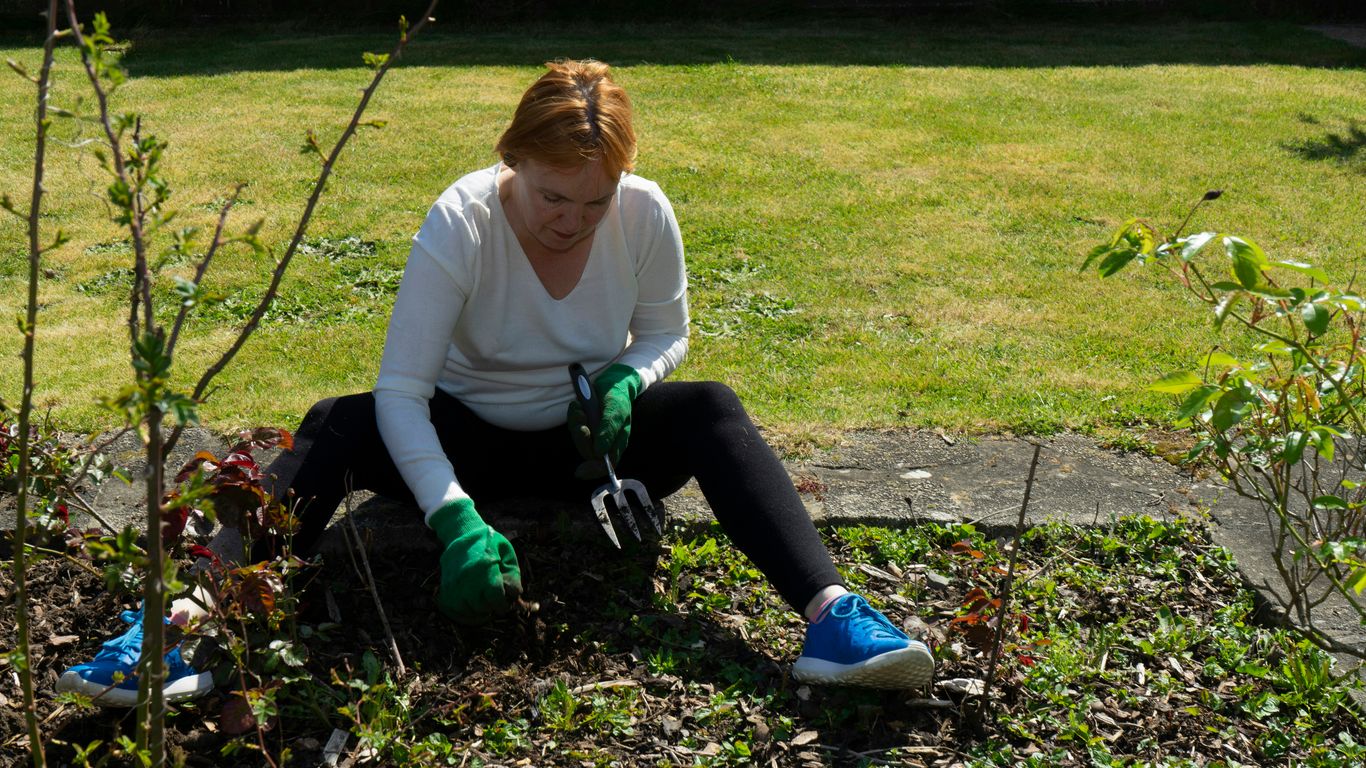
If you’re already starting plants for your own garden, why not grow a few extra to sell? It’s a pretty straightforward way to bring in a little extra cash, especially in the spring. We found that people are always looking for healthy vegetable seedlings, and if you grow popular items like tomatoes, peppers, or squash, you’ll likely find buyers pretty quickly. Starting a small backyard nursery can be surprisingly profitable.
It doesn’t take a huge amount of space to get started. You can begin with just a few seed trays and some good potting soil. Think about what grows well in your area and what your neighbors might want. We started by selling extra tomato and pepper plants, and it wasn’t long before we had people asking for specific varieties.
Here are a few tips to get you going:
Selling seedlings is a great way to make money because the initial investment is relatively low, and you can scale up as you get more comfortable. Plus, it connects you with other gardeners in your community.
Don’t be discouraged if sales are slow at first. Building a reputation takes time. Advertise on local social media groups, put up a small sign if you have a roadside stand, or even participate in local farmers’ markets. Before you know it, you might have a steady stream of customers looking for your homegrown seedlings.
Alright, we’ve gone through a bunch of ways we can actually make some money from our homesteads. It’s not always easy, and yeah, it takes work, but seeing those ideas laid out makes it feel a lot more doable, right? Whether you’re selling eggs, crafting soaps, or even teaching others what you know, there’s definitely a path for most of us. Don’t feel like you have to do everything at once. Pick one or two things that sound fun and fit your life, and just start there. We’re all learning as we go, and the goal is to build something that works for us, little by little. Keep at it, and you’ll find your own rhythm.
Absolutely! Many of us have found ways to earn money from our homesteads even if we only have a small backyard or a suburban lot. Things like selling plants, baked goods, or handmade crafts don’t require vast amounts of space. It’s more about using what you have creatively.
Starting with things you already enjoy or are good at is usually the easiest path. If you love gardening, selling extra seedlings or potted plants is a great start. If you enjoy baking, farmers’ markets are a good place to sell your treats. We found that building on our existing skills made it feel less like work and more like a natural extension of our lifestyle.
The amount you can make really varies. Some ideas might bring in a little extra cash for fun money, while others, with more effort and planning, could potentially replace a full-time job. It depends on the idea, how much time and energy we put in, and what our local community needs.
Not necessarily! While some skills, like soap making or animal husbandry, are valuable, many income ideas come from basic gardening, cooking, or crafting. The most important skill is often the willingness to learn, adapt, and put in the effort. We’ve learned so much along the way!
It can take some effort to find the right customers, but it’s definitely doable. We’ve had success selling at local farmers’ markets, through social media, and even by word-of-mouth in our community. Building relationships with people who appreciate handmade or homegrown goods is key.
Raising animals can be very rewarding, but it also requires more planning and care. We need to learn about the specific needs of the animals, like proper housing, food, and health care. Selling things like hatching eggs, day-old chicks, or even wool from sheep can be good starting points for animal-based income.
Living on a homestead offers a unique way of life, and it can also be a fantastic way to save money. We've found that by embracing self-sufficiency, we can significantly cut down our monthly expenses. If you're looking for ways...
Read More March 2, 2026
The Ultimate Pantry Staples List for Homesteaders
Homestead Kitchen
Homesteading
Starting a Homestead
March 2, 2026
The Ultimate Pantry Staples List for Homesteaders
Homestead Kitchen
Homesteading
Starting a Homestead
Getting our homestead pantry staples in order feels like a big job, but it doesn't have to be. We've learned that a well-stocked pantry is more about having the right basics on hand than filling every shelf. It’s about building...
Read More March 2, 2026
How to Make Money With Herbal Products
Homesteading
Sustainable Living
March 2, 2026
How to Make Money With Herbal Products
Homesteading
Sustainable Living
We've all got a passion for herbs, right? Maybe you love making soothing teas, or perhaps you're great at whipping up natural skincare. Whatever it is, you've probably wondered if you could turn that hobby into something more, maybe even...
Read More