



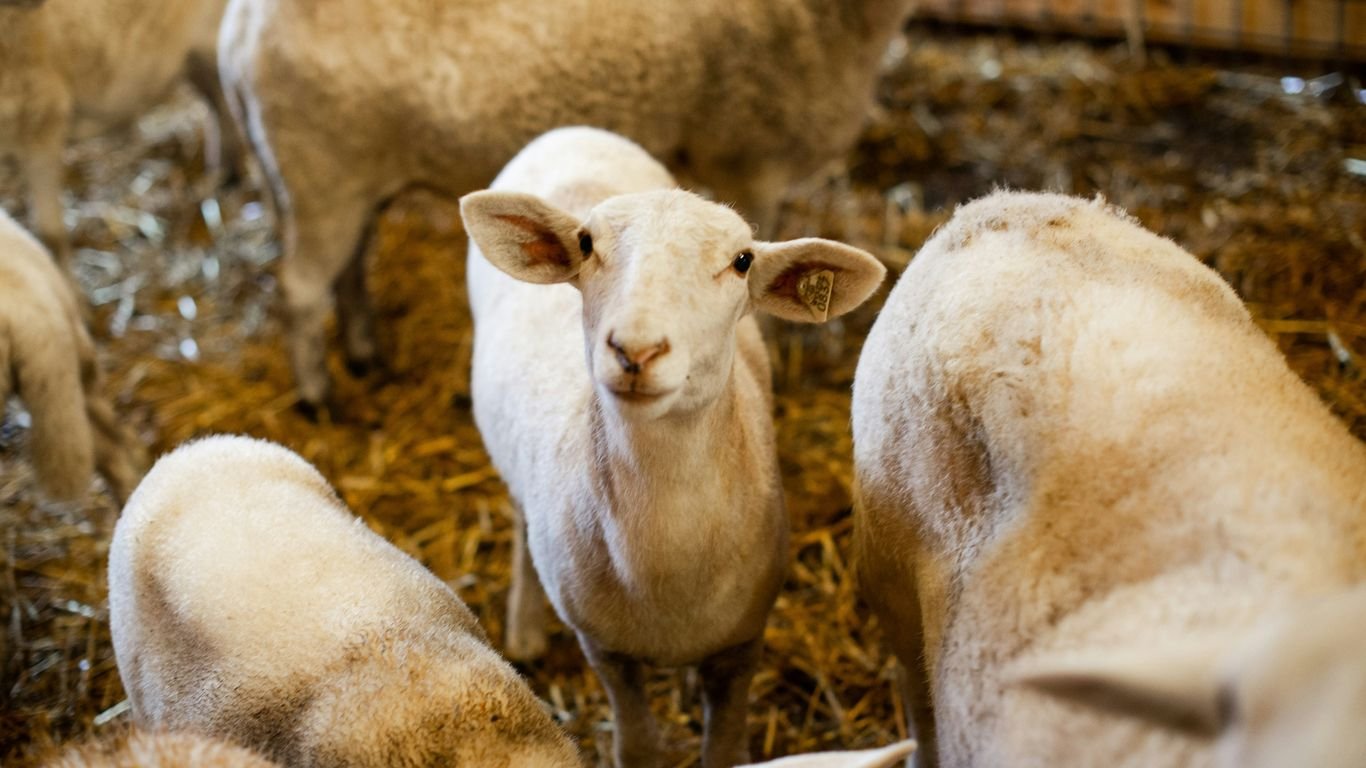
We’ve been exploring ways to make our homestead pay for itself, and honestly, it’s a lot of work. But it’s also incredibly rewarding to see our land produce not just food for us, but also income. There’s a real satisfaction in knowing that the animals we raise and the products we create can support our lifestyle. It’s about more than just self-sufficiency; it’s about building a sustainable future right here on our own land. We’ve learned that with a bit of planning and hard work, there are many opportunities to turn our passion for animals into profitable homestead animals.
Getting started with raising animals on our homestead for profit can feel like a big step, but it’s totally doable. We’ve found that picking the right animals is key to making sure we’re not just feeding mouths, but actually bringing in some extra cash. It’s not just about what we like to raise, but what the market wants and what makes sense for our land and our time.
When we first started thinking about this, we looked at a few things. First, what do people around us actually want to buy? Are they looking for fresh eggs, backyard chicken meat, or maybe something a bit more unique like goat cheese? We also considered how much space we have and what kind of climate we’re dealing with. Some animals need a lot more room or specific shelter than others. The goal is to find that sweet spot between what’s in demand and what we can realistically manage.
Here are a few popular choices we considered:
This is where we really dug in. We spent time talking to folks at the local farmers’ market and even chatted with chefs at nearby restaurants. We wanted to know what they were having trouble sourcing locally. Sometimes, it’s as simple as asking your neighbors what they wish they could buy from a local farm. We learned that there’s a growing interest in pasture-raised products, meaning animals that spend their days out grazing rather than being confined.
We found that:
There’s a definite trend towards wanting to know where our food comes from, and pasture-raised meats fit right into that. Animals that are allowed to roam and forage tend to be healthier, and many consumers believe this translates to better taste and nutritional value. It also aligns with a more natural, sustainable way of farming, which resonates with a lot of people. Selling pasture-raised products can often fetch a higher price, making it a worthwhile endeavor if you have the space and the setup for rotational grazing. We’ve seen a lot of success selling our pasture-raised chicken directly to consumers who appreciate the difference.
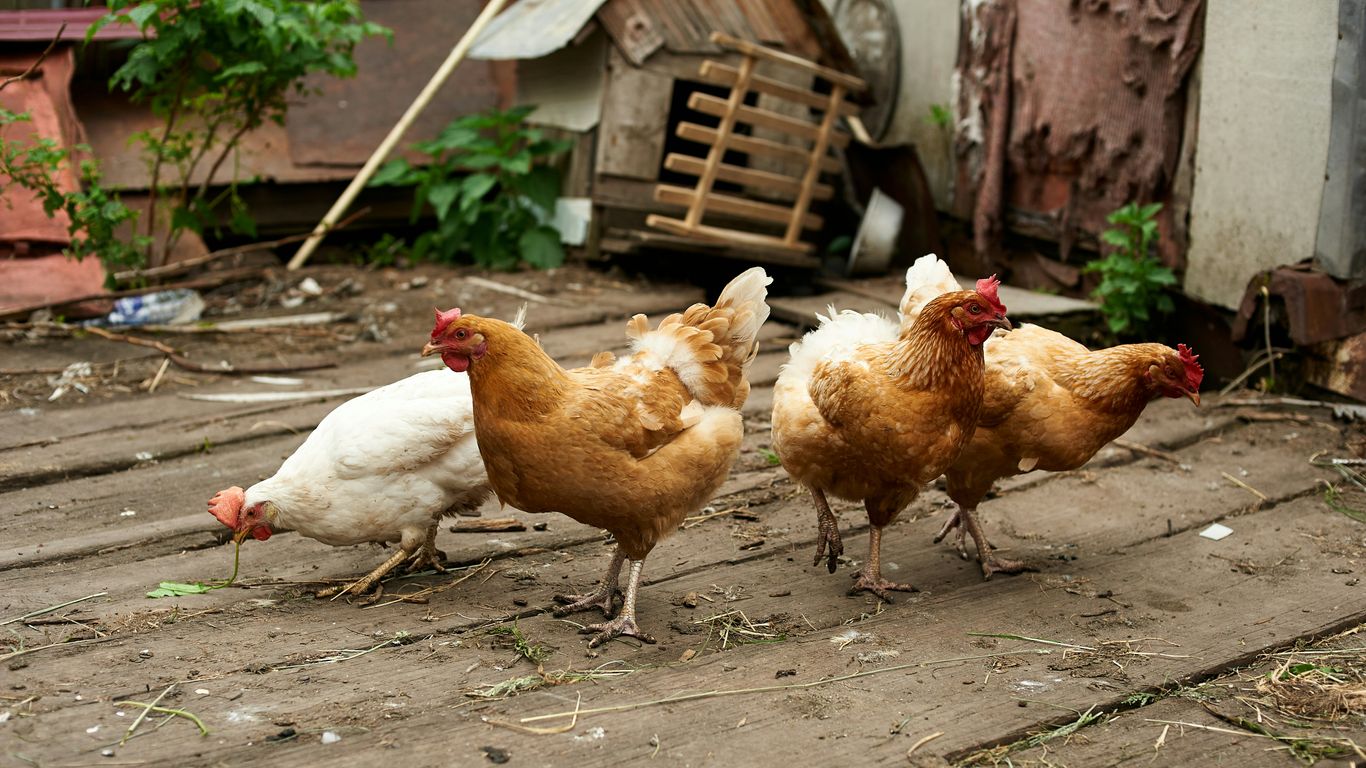
When we think about homesteading for profit, poultry often comes to mind first. And for good reason! Chickens, turkeys, and even quail can be surprisingly good money-makers, offering multiple income streams from a relatively small footprint. We’ve found that getting into poultry is a fantastic way to start generating income because the startup costs are generally lower than with larger livestock.
Chickens are the workhorses of the homestead poultry world. They’re incredibly versatile, providing us with both eggs and meat. Selling fresh eggs is probably the most straightforward way to begin making money. Even if it doesn’t make us rich, selling a dozen eggs can help offset the cost of feed and care, and it’s a great way to get our name out there in the community. We’ve found that happy, healthy chickens lay better eggs, and people are willing to pay a bit more for quality.
Beyond fresh eggs, we can also sell fertile hatching eggs. This is a step up in profit, especially if we’re raising popular breeds or those that lay unique egg colors. It takes a lot of the work out of selling live chicks, which can be a bit more challenging to ship and care for.
If you’re willing to go a step further, hatching chicks yourself can increase your earnings even more. With an incubator or some broody hens, you can turn those fertile eggs into day-old chicks. Depending on the breed, these can sell for a decent price, and some folks have even turned specialty chick hatching into a full-time business. We also like to sell our extra chicks to other aspiring homesteaders, helping them get started.
For those who aren’t squeamish about processing, raising broiler chickens can offer a faster return on investment. These birds are bred for rapid growth and can be ready for processing in as little as 8 to 12 weeks. While taking them to a professional butcher is an option, doing it yourself significantly boosts your profit margins. We appreciate being able to offer hormone-free, ethically raised meat to our customers, and broilers are a great way to do that. It’s a good way to generate income if you’re looking for quicker turnover compared to other livestock. We’ve seen people make a good income just by focusing on this niche.
Turkeys are another excellent option, especially if you’re already raising chickens. Instead of just raising a few for your own Thanksgiving table, consider raising a few extra to sell. The demand for locally raised turkeys can be quite high around the holidays. It’s a simple way to add another product to your homestead offerings. We’ve found that adding a few turkeys to our flock didn’t add a huge amount of extra work, but it did add a nice chunk to our income.
Quail, while smaller, can also be a profitable venture. They reproduce quickly and can be raised in smaller spaces, making them suitable for homesteads with limited room. You can sell quail eggs, which are considered a delicacy by some, or raise them for meat. Their fast growth cycle means you can have multiple harvests throughout the year. We’re still exploring quail ourselves, but the potential for quick, consistent income is definitely there. It’s a good option if you want to diversify your poultry operation without needing a lot of extra land. You can find resources on raising quail to help you get started raising quail.
Poultry offers a fantastic entry point into profitable homesteading. The relatively low startup costs, quick turnaround times for some breeds, and multiple income streams from eggs, meat, and even hatching eggs make it a smart choice for many homesteaders. We’ve found that focusing on quality and ethical practices helps us stand out in the market.
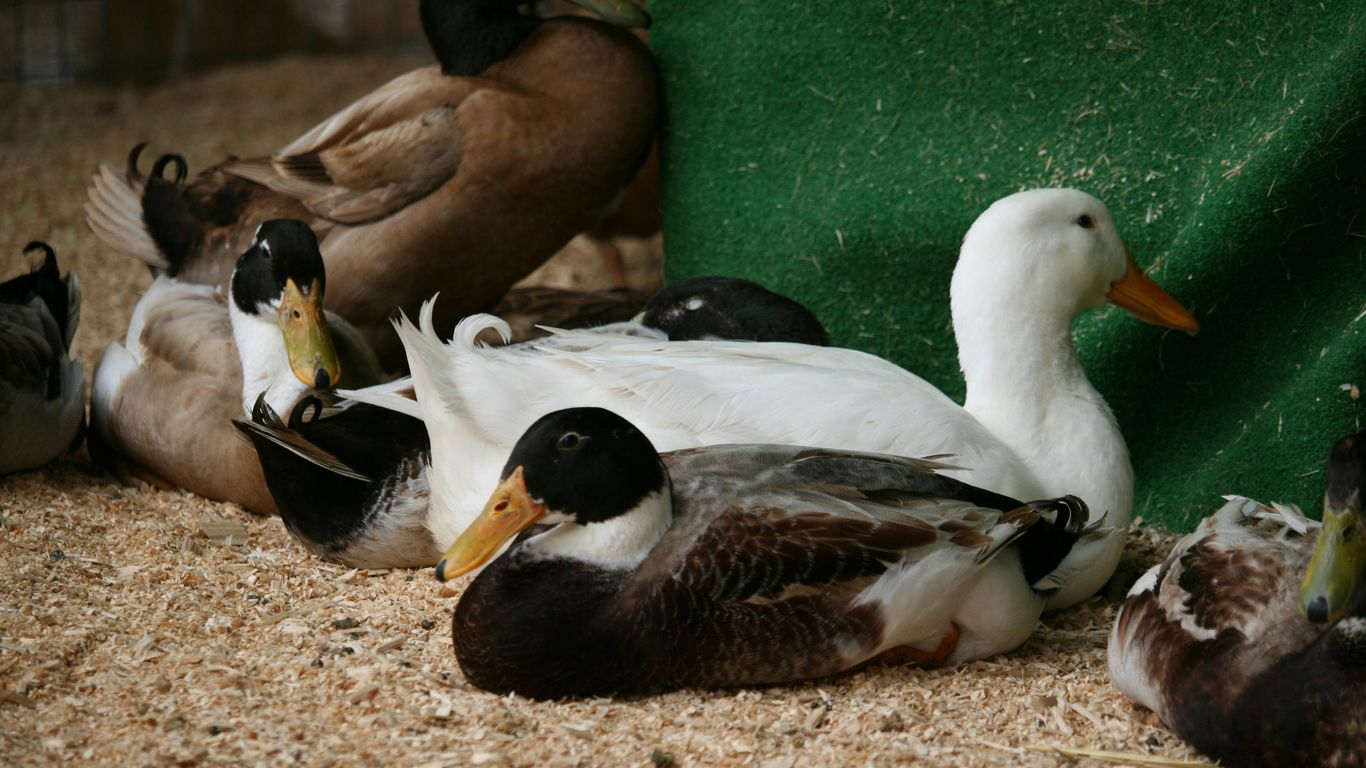
When we think about making money on the homestead, dairy and specialty livestock often come to mind. These animals can provide a steady income stream beyond just meat or eggs. Let’s look at some of the most popular and profitable options we can consider.
Goats are fantastic for smaller homesteads because they don’t need a ton of space. Their milk is incredibly versatile. We can sell it fresh, which is great for people who want to make their own cheese or yogurt at home. Or, we can take it a step further and make our own goat cheese, butter, or even soap. The market for artisanal cheeses is growing, and homemade goat cheese can fetch a good price. It takes a bit of practice to get the cheesemaking process down, but the rewards are definitely worth it. Remember to check local regulations regarding selling dairy products directly to consumers.
Cattle might seem like a big commitment, but raising even a few head can be quite profitable. The demand for pasture-raised beef is strong, and people are willing to pay a premium for meat from animals raised humanely and without a lot of additives. If you’re interested in dairy, a good dairy cow can provide a significant amount of milk daily. Similar to goat milk, this can be sold fresh or turned into value-added products like butter and cheese. It’s a bigger investment in terms of space and feed, but the potential returns are substantial. Many homesteaders find success by selling beef directly to consumers, often through pre-orders for whole or half animals selling farm-fresh eggs.
Don’t overlook the power of pollinators! Beekeeping is a unique and rewarding venture. Honey bees are relatively easy to manage once you get the hang of it, and they offer multiple income streams. The most obvious is honey, and local, raw honey is always in demand. Beyond honey, beeswax is another valuable product used in candles, cosmetics, and other crafts. We can even rent out our hives for pollination services to local farmers, which can be a nice seasonal income boost. Protecting your hives from predators is key, so consider a simple electric fence setup to keep curious critters away.
Managing specialty livestock requires a different approach than poultry or common farm animals. It often involves more specialized knowledge, but the niche markets can lead to higher profit margins. Researching your local market and understanding the specific needs of these animals are the first steps to success.
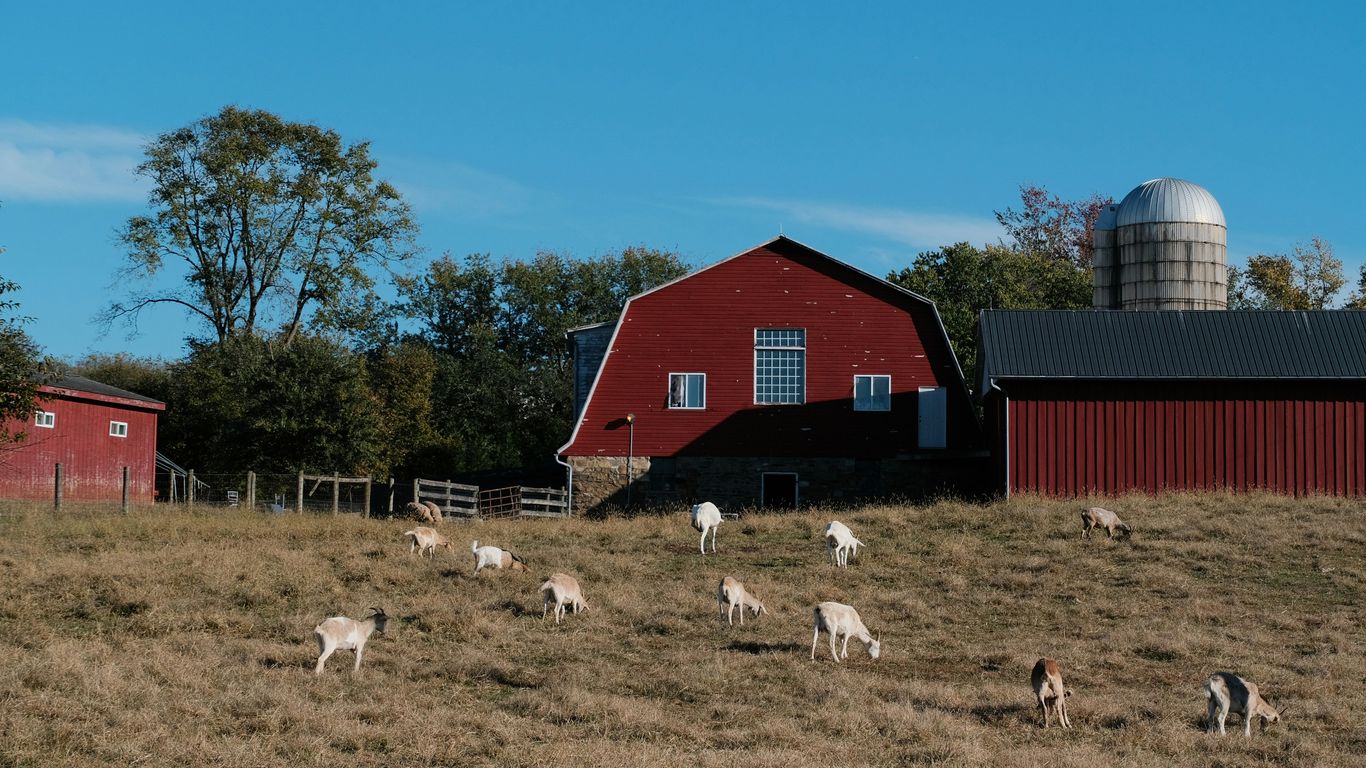
We all love our animals, but sometimes, the real money on a homestead doesn’t come directly from selling meat or eggs. It’s about looking at everything we do and seeing how it can turn into a little extra cash. Think about it – there’s always something happening on the homestead, from planting seeds to harvesting crops, and even taking down an old barn. We’ve found that by getting creative, we can make money from almost every part of our homesteading journey.
Beyond the obvious products like milk and meat, our animals give us other things we can sell. If you’re raising sheep, their wool is a fantastic byproduct. People are always looking for natural fibers for crafting, and raw wool can fetch a decent price. We’ve found that cleaning and carding it ourselves adds even more value. And let’s not forget manure! It’s gold for gardeners. We collect ours, compost it properly, and sell it by the bag to local garden centers and individuals. It’s a win-win: we get rid of waste, and others get nutrient-rich fertilizer for their plants. It’s a great way to add to our income without needing more animals.
Once we got a good handle on raising our animals, we started thinking about breeding. This can be a really smart way to increase our income, especially if we focus on quality stock. We’re not just selling meat or eggs anymore; we’re selling the potential for someone else to start their own profitable homestead. This means paying close attention to genetics, health, and temperament. We’ve found that offering well-socialized chicks or piglets from healthy, productive parents allows us to charge a premium. It takes more knowledge and effort, but the returns can be significant. We’ve even started a small side hustle offering homestead side hustle ideas to folks looking to diversify.
Our homesteading skills aren’t just for us; they can be for others too. Think about all the things we build and make for our own place – chicken coops, garden beds, rustic furniture, even things like soap or candles from our animal products. There’s a huge market of people who want that handmade, homestead-style quality but don’t have the time or skills to make it themselves. We’ve sold handcrafted items at local farmers’ markets and online. Even taking down an old, unusable barn can yield valuable salvaged wood and tin that people will pay good money for. It’s about recognizing the value in every part of the homesteading process.
Before we get too deep into raising animals, we need to talk about the practical stuff. It’s easy to get excited about fluffy chicks or a milk goat, but we also have to be smart about how we integrate them into our lives and communities. First off, we need to know what the rules are. Every town, county, and state has different regulations about what animals you can keep, how many, and where. Ignoring these can lead to fines or even having to get rid of your animals, which is a total bummer. We always check with our local zoning office or agricultural extension office to get the lowdown. It’s also super important to be a good neighbor. Talk to them before you get that rooster that crows at dawn or the herd of goats that might wander. A friendly chat can prevent a lot of headaches down the road. Sometimes, just letting them know what you’re up to and how you plan to manage things can go a long way.
So, we’ve got our animals, and they’re producing! Now, how do we get our goods out there and make some money? This is where we get to be creative. We’ve found that a mix of approaches works best. Selling directly to consumers is often the most profitable. Think farmers’ markets, farm stands, or even a local CSA (Community Supported Agriculture) program. People are increasingly looking for fresh, locally sourced food, and they’re willing to pay for quality. We also look into selling to local restaurants or small grocery stores. Building relationships with chefs or store owners can open up consistent sales channels. Don’t forget about online options too! Social media can be a great tool for advertising, and some folks even sell processed goods or specialty items through online platforms. The key is to know your audience and where they shop.
Here’s a quick look at some common sales channels:
Once we’ve got a system that works and we’re seeing a profit, the next thought is often, "How can we do more?" Scaling up isn’t just about getting more animals; it’s about doing it smartly. This means looking at our infrastructure. Can our current fencing handle more animals? Do we have enough space for them to thrive? We also need to think about feed. Buying in bulk can save money, but we need storage. Record-keeping becomes even more vital at this stage. We track everything – feed costs, labor, sales, and animal health. This data helps us see where our profits are really coming from and where we might be losing money. It’s also about diversifying. Maybe we started with chickens for eggs, but now we’re looking at adding meat birds or even a few goats for milk. Each addition needs careful planning. If you’re thinking about buying land for expansion, it’s wise to have a solid plan for purchasing your first farm to avoid common pitfalls.
Growing your operation takes time and careful planning. It’s not just about adding more animals; it’s about improving your systems, understanding your costs, and making informed decisions based on what you’ve learned. Don’t rush into it; let your successes guide your growth.
Well, we’ve covered a lot of ground, haven’t we? From raising beef and chickens to milking goats and even selling manure, it’s clear that our homesteads can be more than just a place to live. They can be a source of income, too. It might not be easy, and we’ll definitely have some long days, but by picking a few things that really interest us and fit our land, we can start making a little extra money. Maybe, just maybe, we can even turn this passion into our full-time gig. It all starts with taking that first step, so let’s get to it!
For beginners, chickens are usually a great choice. They give us eggs almost every day, and we can also sell them for meat. They don’t need a lot of space, and there’s a big market for both eggs and chicken meat. Plus, they are pretty hardy animals.
It really depends on the animal! Chickens and rabbits can do well in smaller areas, even in town. For larger animals like cattle or goats, we’ll need more land for grazing. We can also rent out extra land if we have too much.
There are many options! We can sell extra eggs from our chickens, milk and cheese from our goats, or even wool from sheep. Animal waste, like manure, is also valuable for gardens. We can also sell byproducts like barn wood or tin if we have old structures.
It can be challenging, but we can make it easier. We should focus on what people in our area want. Selling directly to neighbors, at local markets, or through social media can help. Highlighting that our products are ‘locally raised’ or ‘organic’ can also attract buyers.
We absolutely must check local rules and town laws. Some places have limits on what animals we can keep, especially in towns or neighborhoods with homeowner associations. It’s also smart to think about our neighbors and make sure our animals won’t cause problems for them.
It’s tough to make a full-time living from just one thing. However, by combining different animals, selling byproducts, and maybe even offering services like boarding dogs or renting out our barn for events, we can build up enough income to support our homesteading dream.
 March 7, 2026
How to Turn Food Preservation Into a Side Hustle
Canning
Homestead Kitchen
Homesteading
Sustainable Living
March 7, 2026
How to Turn Food Preservation Into a Side Hustle
Canning
Homestead Kitchen
Homesteading
Sustainable Living
We've all got those hobbies or skills that we love doing, right? Maybe it's baking, gardening, or even making your own jam. What if we told you that you could turn those passions into a little extra cash? It might...
Read More March 7, 2026
High-Output Crops Perfect for Micro Homesteads
Gardening
Homestead Planning
Homesteading
Starting a Homestead
March 7, 2026
High-Output Crops Perfect for Micro Homesteads
Gardening
Homestead Planning
Homesteading
Starting a Homestead
Thinking about growing your own food but only have a little space? We get it. Many of us are looking for ways to be more self-sufficient, even if we don't have acres to work with. The good news is, you...
Read More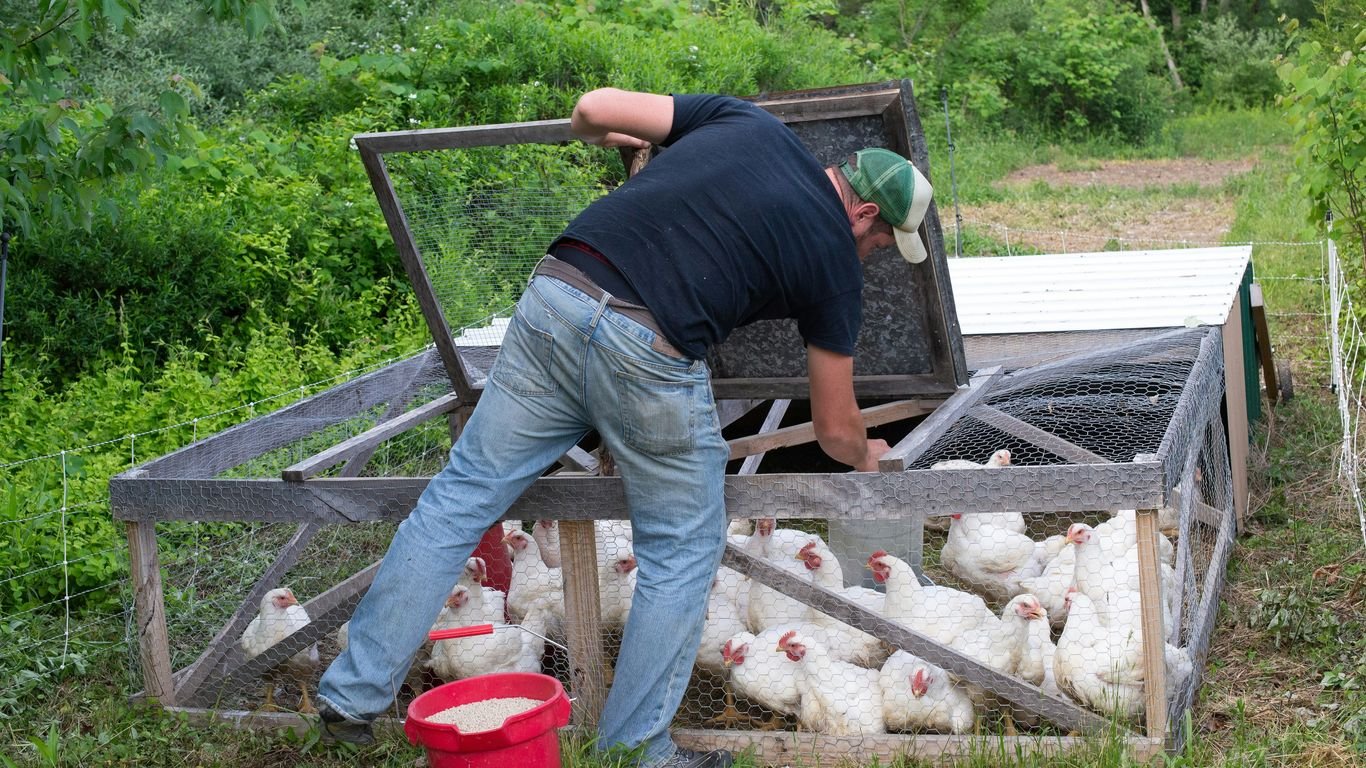 March 6, 2026
10 Low-Cost Homestead Side Hustles That Make Money
Homestead Planning
Homesteading
Starting a Homestead
March 6, 2026
10 Low-Cost Homestead Side Hustles That Make Money
Homestead Planning
Homesteading
Starting a Homestead
We all dream of a simpler life, right? One where we're more connected to the land and the seasons. But let's be real, that dream needs some funding. That's where low cost homestead side hustles come in. These aren't about...
Read More