



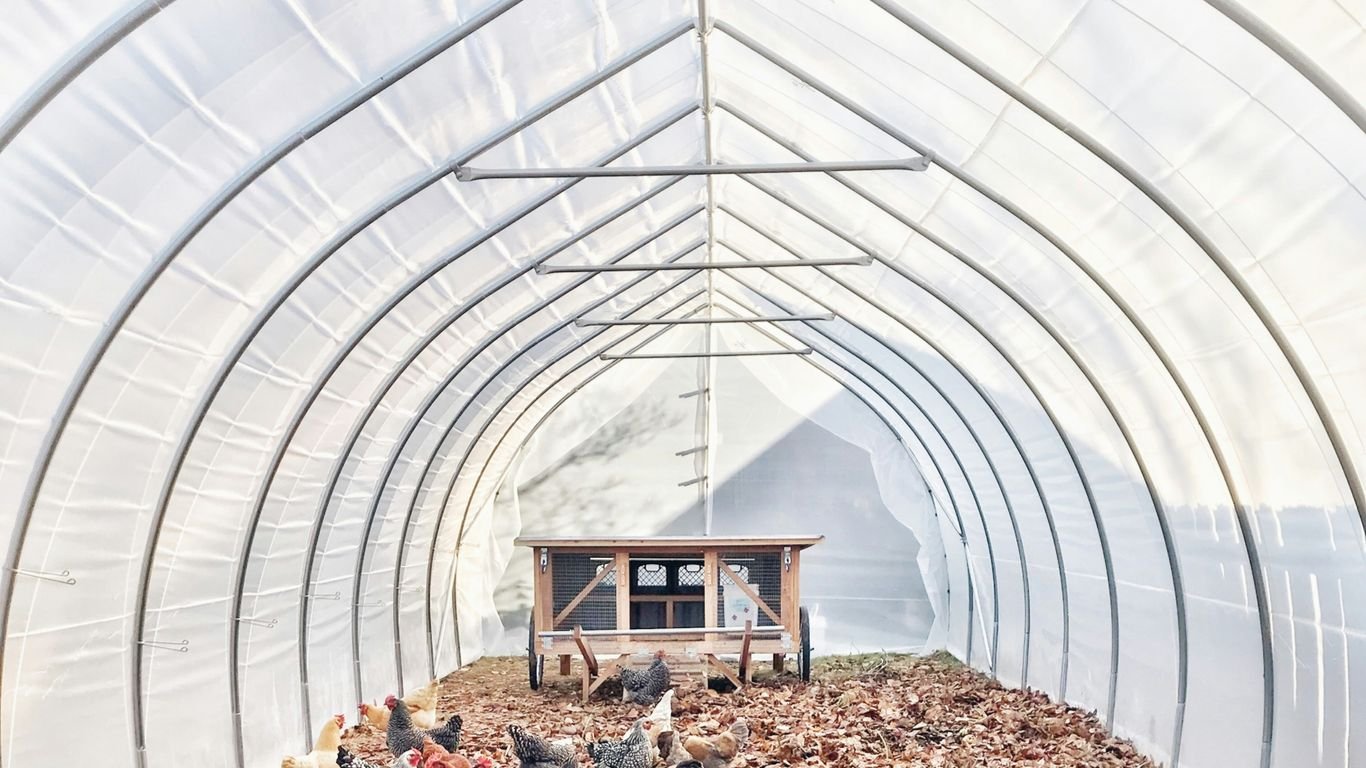
We’ve been looking into ways to make our garden work smarter, not harder, and stumbled upon this brilliant chicken composting system. It sounds a bit wild at first, but it’s actually a really neat way to get our chickens involved in managing garden areas and creating super rich compost. We’re excited to share how we’re setting ours up, and hopefully, you’ll find it useful for your own garden too.
So, you’re thinking about setting up a chicken composting system, specifically a chicken tunnel? That’s awesome! We’re going to break down what this whole setup is about and why it’s such a smart move for your garden and your flock.
Think of a chicken tunnel as a long, enclosed walkway that connects your chickens’ coop to different parts of your garden. It’s basically a safe passage for them to explore and work in areas you want them to help out with. These tunnels are usually built with sturdy wire mesh and a frame, making them predator-proof. They allow us to give our chickens a larger roaming area while keeping them protected from things like foxes or hawks. We can connect these tunnels to portable pens or directly to garden beds, giving us a lot of flexibility in how we manage our flock and our land.
There are some really great perks to using chickens in your garden this way. For starters, they’re fantastic at turning over soil and eating pests. Plus, their manure is like gold for your garden beds. We can significantly reduce our need to buy fertilizers by using what our chickens produce. It’s a natural way to add nutrients and organic matter back into the soil, making our plants happier and healthier. This system also helps us manage garden areas that might be overgrown or need a good tilling before planting. It’s a win-win for everyone involved – the chickens get a varied diet and exercise, and our garden gets a boost.
Here’s a quick look at what you gain:
Chickens are surprisingly effective garden managers. When we guide them into specific areas using tunnels and pens, they go to work. They’ll scratch through leaf litter, gobble up weed seeds, and eat insects that might otherwise damage our crops. This natural foraging behavior helps clear out garden beds, aerate the soil, and distribute manure evenly. It’s like having a small, feathered crew working for you! We can use portable pens to let them focus on a particular bed for a set amount of time, ensuring they don’t overdo it in one spot. This targeted approach means they help us prepare the soil and fertilize it all at once. It’s a really practical way to manage different parts of our garden throughout the year, especially during off-seasons. You can even use them in areas with cover crops to help break them down before tilling Poultry manure, rich in microbes and nutrients.
Using chickens in this way isn’t just about getting fertilizer; it’s about creating a more dynamic and self-sustaining garden ecosystem. They become active participants in the health and productivity of our growing spaces.
When we first started thinking about building a chicken tunnel, we wanted something simple and effective. We’ve found that using readily available materials makes the whole process much smoother. For the main structure of the tunnel itself, heavy-duty welded wire fencing is our go-to. We usually opt for a 2×4 inch mesh, about 4 to 5 feet wide. This gives us enough room to bend it into a tunnel shape that’s roughly 3 feet wide and 1 to 2 feet tall once secured. To connect it to existing fences or structures, simple tie wire or even sturdy zip ties work well. If you’re attaching it to wooden posts, nails are also an option. For securing the tunnel to the ground, especially in softer soil, we’ve used everything from heavy-duty tent stakes to custom-made pegs fashioned from strong, high-tensile wire. The key is to make sure it stays put, even when the chickens are enthusiastically scratching around.
Beyond the main tunnel, we often build portable pens to place over specific garden beds. These are usually made from the same type of welded wire fencing, bent into a rectangular shape with sides about 1 to 2 feet high. A common size we use is 5 to 6 feet wide, which bends down to a 3-foot width. These pens are great because we can move them around the garden as needed. For gates, both for the portable pens and for connecting them to the main tunnel, we keep it simple. A flap of wire fencing that can be easily opened and closed works perfectly. Sometimes, we’ll fold a section of fencing in half to make it stiffer and more durable for a gate.
Connecting your chicken tunnel system to their main coop is pretty straightforward. The tunnel essentially acts as a conduit, allowing your flock to move safely from their sleeping quarters out into the garden areas. We usually position the coop so that one end of the tunnel system leads directly to it. This way, the chickens can easily access their tunnel network whenever they please. For the coop itself, it doesn’t need to be elaborate. Depending on the number of birds, a custom-built structure, a couple of large storage tubs, or even sturdy dog houses can work. The most important thing is that it keeps them dry and protected from wind, as chickens are quite hardy in colder weather as long as they’re comfortable.
Alright, so we’ve got our structure in place, and now it’s time to get this composting party started! This is where we really get to see our chickens shine as garden helpers. It’s not just about letting them roam; it’s about directing their natural talents to make our garden soil amazing.
First things first, let’s think about the layout. We want to create specific areas for our feathered friends to work their magic. Think of these as their personal composting zones. We’re aiming for beds that are easy for them to access and for us to manage later. A good starting point is to make your garden beds a consistent width, say around 3 feet. This makes it super simple to use portable pens later on. We can also plan out where our permanent tunnels will connect to these beds. It’s all about creating a flow that works for both us and the chickens.
Now, let’s link everything up. The permanent tunnels we built are like highways for the chickens, and we want to give them access points to the garden beds. We can do this by installing small gates or openings between the tunnels and the beds. These openings should be easy for us to open and close. When we want the chickens to work a specific bed, we just open the gate. When we want them to rest or move on, we close it. This control is key to managing where they deposit their manure and scratchings. We can use simple flaps made of wire fencing that attach to the tunnel and the bed’s edge, making it easy to swing open or closed.
Most of the time, chickens are pretty curious and will explore new spaces readily. If you’ve connected the tunnel to their coop or a familiar area, they’ll likely wander into it. The real trick is getting them to go from the tunnel into the garden beds. Start by opening the gates to a bed that has some tasty treats or scratch grains scattered inside. They’ll follow the food, and once they’re in the bed, they’ll start scratching and doing their thing.
We found that scattering a bit of scratch grain inside the garden bed we wanted them to work was the fastest way to get them interested. They’d follow the trail right through the tunnel and into the bed, and before we knew it, they were happily scratching away.
Once they get the hang of it, they’ll start using the tunnels and beds more independently. It’s pretty neat to watch them figure out their new routine.
Once your chickens are comfortable using the tunnels, we can start getting them to work on specific garden areas. This is where those portable pens, sometimes called chicken tractors, really shine. We can move these pens over garden beds that need a good dose of natural fertilizer. Think of it as a very effective, free-range weeding and fertilizing service, all managed by your flock. Just open the gate from the tunnel, let them into the pen on the garden bed, and they’ll scratch, peck, and poop their way through the area. This targeted approach helps us concentrate the manure where we need it most.
While the tunnels and portable pens are great for active composting in the garden, we also want to capture the manure that happens back at the coop. A lot of chicken droppings happen overnight and first thing in the morning. By using a deep litter method in their main housing area, we can collect a significant amount of future fertilizer. We’re talking about layering materials like straw, wood shavings, or even fall leaves directly under where they roost. Over time, this bedding mixes with their manure, creating a rich compost material that we can later move to the garden beds. It’s a simple way to make sure we’re not wasting any of that valuable chicken output.
Here’s a quick look at what to layer:
Just like we rotate crops in the garden, we need to rotate where our chickens are working and roosting. This keeps the soil healthy and prevents our birds from getting bored or stressed. If they spend too much time in one spot, the ground can get compacted and unsanitary. By moving the portable pens regularly and managing the deep litter in the coop, we’re constantly giving them fresh ground to work and ensuring the compost process is efficient. This rotation is key to having both happy chickens and fertile garden beds.
Moving your chickens around is more than just about fertilizer. It’s about soil health. When they scratch and peck, they aerate the soil and break down organic matter. Rotating them prevents over-fertilization or compaction in any single spot, which is good for the soil’s long-term structure and microbial life. It also helps break pest and disease cycles that might build up if they stayed in one place too long.
Keeping our feathered friends safe is a top priority, and with a chicken composting system, we need to think about protection from both predators and the elements. It’s not just about keeping them in; it’s about keeping the bad stuff out.
Predators are a real concern, whether it’s a sneaky fox, a determined raccoon, or even a hawk circling overhead. We’ve found that using sturdy materials for our tunnels and pens makes a big difference. Think about using welded-wire fencing with smaller openings, like 2-by-4-inch mesh, for the main structure. For extra security, especially against smaller critters like rabbits or groundhogs trying to dig in, we add a lower skirt of chicken wire bent outwards at the bottom. This makes it harder for them to get a foothold and burrow underneath. A well-built structure is our first line of defense.
We also pay attention to how the tunnels connect to the main coop and any portable pens. Making sure there are no gaps where a predator could squeeze through is key. Sometimes, we use simple flap gates made from wire mesh that the chickens can easily push through but are a bit more of a deterrent for other animals. For areas with high predator pressure, we’ve even considered adding a layer of livestock panels around the perimeter for added strength. It’s all about creating a secure environment so we can rest easy.
Beyond just predator-proofing, we want our chickens to have a comfortable and safe place to hang out. This means ensuring their coop and any tunnel sections they use regularly are dry and free from drafts. Chickens are surprisingly hardy, but a damp, windy environment can make them sick. We make sure our tunnels are tall enough that we can easily get in to rake out manure and bedding, and that the coop itself has enough space for the birds to move around without feeling cramped. If we’re using portable pens, we ensure they have enough shade during hot weather and protection from harsh winds.
Good ventilation is super important, especially in enclosed spaces like tunnels and coops. We don’t want ammonia from manure to build up, as it’s not good for our birds’ respiratory systems. We achieve this by making sure our tunnel structures aren’t completely sealed off. Even a slight airflow helps. For the main coop, we ensure there are vents, but positioned so they don’t create direct drafts on the roosting birds. It’s a balance: keeping the air fresh without making it too cold. We also regularly clean out the deeper litter in the tunnels, which helps manage moisture and odor, contributing to better air quality overall. This attention to detail helps keep our flock healthy and happy, and it makes managing the compost much easier too. We’ve found that using natural bedding materials like straw or wood shavings helps absorb moisture and keeps things from getting too rank.
We learned that even simple structures can be made quite secure with a little planning. It’s about thinking like a predator and closing off any potential entry points. We also found that our chickens seem to appreciate having a bit of extra space and protection, especially during bad weather. It makes them feel more secure, and honestly, it makes us feel better knowing they’re safe.
We’ve talked a lot about how the tunnels help manage manure, but they can do even more. Think about using those tunnels and the portable pens not just for composting, but for season extension too. You can plant cover crops in the beds your chickens have worked over, and then use clear plastic or row covers over your portable pens. This creates a mini-greenhouse effect, letting you get a jump on spring planting or extend your harvest into the fall. It’s a neat way to get more out of your garden space throughout the year.
This system isn’t just for the peak gardening months. Even when the garden beds are empty, the tunnels can be a great place for your chickens. Toss in some fall leaves or wood chips, and let the chickens do their thing. They’ll mix it all up with their droppings, creating a fantastic compost starter. This means you’re always working towards that rich soil, no matter the season. Plus, keeping them in a protected tunnel during colder months is much easier than trying to manage free-ranging birds when the weather’s bad.
Sometimes, things don’t go exactly as planned. If your chickens aren’t using the tunnel as much as you’d hoped, check if there are any drafts or if the entrance feels too exposed. Sometimes, a little extra encouragement, like scattering some treats just inside, can help. We also found that if the tunnel gets too wet or smelly, it’s a sign we need to add more dry bedding material like straw or wood shavings. It’s all about observation and making small adjustments.
Here are a few common hiccups and how we deal with them:
Remember, the goal is a system that works for you and your flock. Don’t be afraid to experiment and adapt the design based on your specific needs and what your chickens seem to prefer. It’s a learning process, and the rewards are well worth the effort.
So there you have it! Setting up a chicken tunnel system might seem like a bit of work at first, but we think you’ll find it’s totally worth it. We’ve seen how these tunnels can really help manage chicken manure, turn garden waste into gold, and even keep pesky weeds in check. Plus, our feathered friends get to explore more and stay safe. It’s a win-win for everyone involved, really. Give it a try, and let us know how it goes in your garden!
A chicken tunnel is basically a long, narrow walkway, often made of wire mesh, that we can build along our garden beds or fence lines. It lets our chickens travel safely through different parts of the garden. They help keep weeds down and fertilize the soil as they go, making our gardening job a lot easier and our plants healthier.
Using chickens in our garden compost system is super helpful! They scratch and peck, breaking down garden waste and mixing it with their manure, which speeds up composting. Plus, they eat bugs and weeds. It’s a natural way to enrich our soil and reduce waste, saving us time and effort.
Getting chickens to use the tunnel is usually pretty easy. We can start by luring them in with treats like scratch grains the first few times. Once they realize the tunnel leads to new areas with tasty bugs and plants, they’ll catch on quickly and use it on their own.
Yes, we can use chicken tunnels year-round! In warmer months, they help manage garden areas and compost. In colder months, we can add bedding like leaves or wood chips to the tunnels, and the chickens will help turn it into compost while staying warm and dry. It’s a great way to keep them busy and productive no matter the season.
We need to make sure our tunnels are secure against predators. Using strong wire mesh, like welded wire fencing, and making sure the tunnels are well-attached to the ground or sturdy structures helps. We also need to ensure there are no gaps where animals could get in or our chickens could get out and become vulnerable.
For a basic chicken tunnel, we primarily need sturdy wire fencing, like welded wire mesh, which is strong enough to keep predators out. We’ll also need some way to secure it to the ground, such as stakes or heavy-duty zip ties, and possibly some tools for cutting and shaping the wire. It’s a straightforward build that doesn’t require a lot of fancy equipment.
 March 7, 2026
How to Turn Food Preservation Into a Side Hustle
Canning
Homestead Kitchen
Homesteading
Sustainable Living
March 7, 2026
How to Turn Food Preservation Into a Side Hustle
Canning
Homestead Kitchen
Homesteading
Sustainable Living
We've all got those hobbies or skills that we love doing, right? Maybe it's baking, gardening, or even making your own jam. What if we told you that you could turn those passions into a little extra cash? It might...
Read More March 7, 2026
High-Output Crops Perfect for Micro Homesteads
Gardening
Homestead Planning
Homesteading
Starting a Homestead
March 7, 2026
High-Output Crops Perfect for Micro Homesteads
Gardening
Homestead Planning
Homesteading
Starting a Homestead
Thinking about growing your own food but only have a little space? We get it. Many of us are looking for ways to be more self-sufficient, even if we don't have acres to work with. The good news is, you...
Read More March 6, 2026
10 Low-Cost Homestead Side Hustles That Make Money
Homestead Planning
Homesteading
Starting a Homestead
March 6, 2026
10 Low-Cost Homestead Side Hustles That Make Money
Homestead Planning
Homesteading
Starting a Homestead
We all dream of a simpler life, right? One where we're more connected to the land and the seasons. But let's be real, that dream needs some funding. That's where low cost homestead side hustles come in. These aren't about...
Read More