


Thinking about turning your homestead skills into a business? We get it. Many of us on our land are already creating amazing things, and the idea of selling them feels like a natural next step. The good news is, with cottage food laws, you can often start selling your homemade goodies without the huge hassle and expense of a commercial kitchen. It’s a fantastic way to make a little extra money right from your own home. Let’s explore how we can get your cottage food homestead business up and running.
So, you’re thinking about turning your passion for baking, jam-making, or crafting delicious snacks into a little business right from your homestead? That’s fantastic! But before you start whipping up batches, we need to talk about the rules of the road: cottage food laws. Think of these laws as your friendly guide, created by states to let folks like us sell certain kinds of food made in our home kitchens without needing a full-blown commercial kitchen. It’s a way to make it easier and more affordable to get our homemade goodies out into the world. These laws are designed to allow home-based food businesses to operate legally, often with fewer regulations than larger food operations. They’re a big deal for homesteaders looking to add to their income stream.
This is where things get specific, and it really depends on where you live. Generally, cottage food laws are for non-potentially hazardous foods. What does that mean? It means foods that don’t require special temperature control to stay safe. We’re talking about things that can sit on a shelf without spoiling quickly.
Commonly allowed items include:
What’s usually not allowed? Anything that needs refrigeration, like dairy-based desserts (cheesecakes, custards), meat products, or cut fruits and vegetables that can easily spoil. These are often called
Getting your cottage food business off the ground legally is simpler than you might think, especially when you’re starting from your homestead. Most states have specific rules for ‘cottage food’ operations, which are designed to let you sell certain foods made in your home kitchen without needing a full commercial kitchen setup. This often means fewer permits and licenses compared to a traditional food business. The exact requirements vary a lot by state, so checking your local regulations is the very first step. Some places might just need you to fill out a simple application, while others might ask for a basic food safety course or even a quick inspection of your kitchen. It’s usually not a big hurdle, but it’s important to get it right.
Beyond the specific cottage food permits, you’ll likely need a general business license. Think of it like getting a permit to operate any kind of business from your home, even if it’s not food-related. Most cities and counties require some form of business license. Again, this is where state and local rules come into play. Some states are really streamlined and might not require a separate business license for cottage food operations, but don’t assume this is the case everywhere. It’s worth looking into what your specific town or county requires. This license helps legitimize your operation and shows you’re playing by the rules.
Cottage food laws are basically the rules that allow us to do this whole home-based food business thing. They were put in place to make it easier for people to start small food businesses without a ton of upfront cost and hassle. These laws recognize that many people already have the skills and the kitchen space to make great food. They’re designed to help folks like us test the waters, maybe earn a little extra income, or even grow into a larger business down the line. It’s all about creating opportunities and supporting local food entrepreneurs right from their own homes. The legislation often sets limits on what you can sell and how much you can earn, which we’ll get into more later.
So, what exactly can we whip up and sell from our homestead kitchens under cottage food laws? It’s a pretty exciting question because it opens the door to sharing our culinary talents with the community. Generally, these laws are designed for non-potentially hazardous foods. Think of it this way: if it can sit on your counter or pantry shelf for a reasonable amount of time without spoiling, it’s likely a good candidate.
We’ve found that most states allow a wide variety of baked goods and other shelf-stable items. This is where we can really get creative!
The key is that these items are shelf-stable and don’t require refrigeration before opening.
On the flip side, there are certain foods that are generally not allowed under cottage food laws because they can be more easily contaminated or require specific temperature controls to remain safe. These are often called "potentially hazardous foods."
It’s always best to err on the side of caution. If you’re unsure whether an item is considered potentially hazardous, it’s wise to check with your local health department or state cottage food administrator.
Let’s talk about a couple of popular items that sometimes have specific rules:

So, you’ve got your delicious, home-baked goods ready to go. Now, where do you actually sell them? This is where understanding your state’s specific cottage food laws really comes into play. Direct sales are almost always the name of the game for cottage food businesses. Think of it as a personal connection between you and the person enjoying your food.
This is where we get to interact with our customers face-to-face, which is pretty great. Here are some common ways we can sell our creations:
This is a big one to remember. Generally, cottage food laws are designed to allow small, home-based businesses to sell directly to the end consumer. This means you typically cannot sell your products to other businesses for them to resell. So, no selling to your local grocery store or fancy restaurant unless you get a different type of license. Consignment sales, where a store pays you only if your item sells, are also usually off-limits.
Cottage food laws are state-specific, and so are the sales rules. You’ll need to know what your particular state allows. Most states restrict sales to within their own borders. This means you can’t just ship your cookies to a friend in another state. The transaction needs to happen within the state where you are licensed to operate your cottage food business. Always double-check your state’s Department of Agriculture or health department website for the most current rules on sales territories.
It’s important to remember that cottage food laws are designed to support small, home-based businesses. They often have specific rules about who you can sell to and where, primarily focusing on direct sales to the end consumer to keep things simple and manageable for us homesteaders.
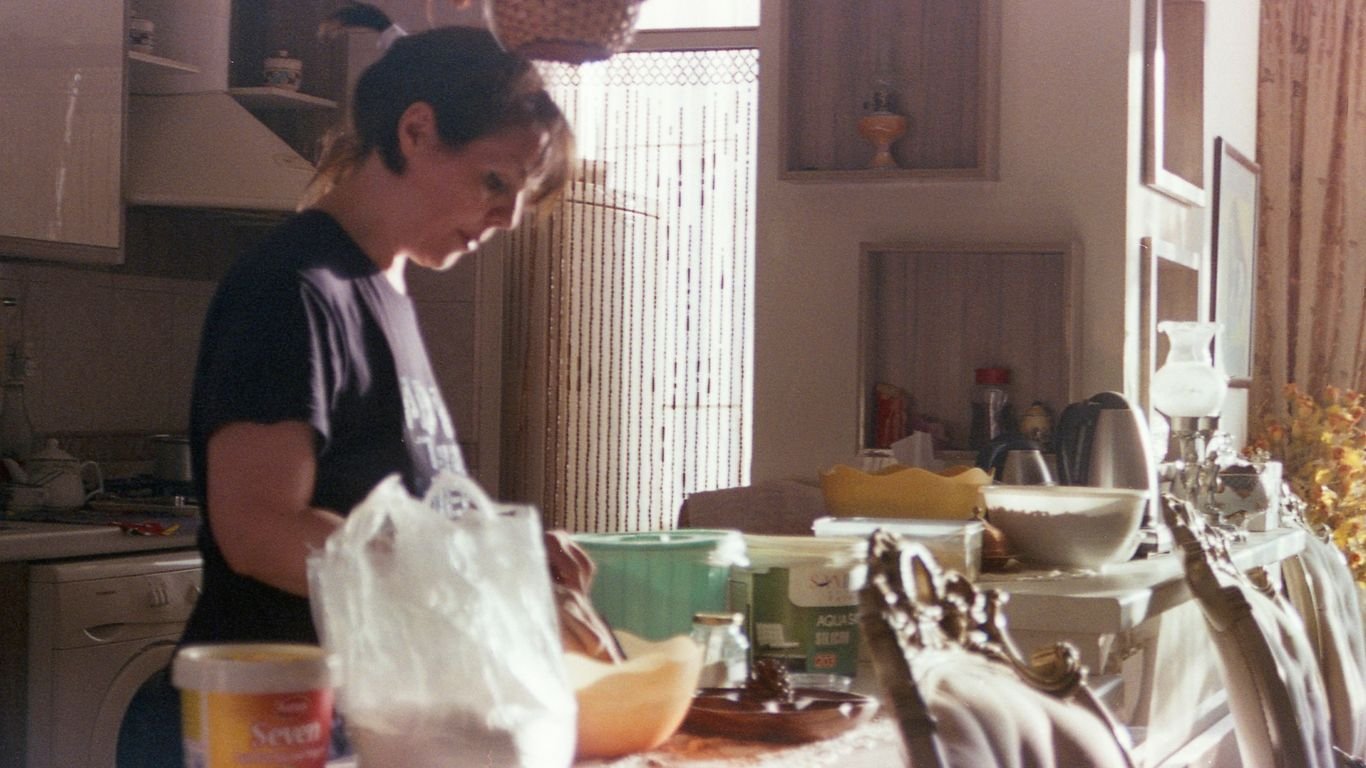
Alright, let’s talk about turning your home kitchen into a place where you can actually make some money selling your delicious creations. It’s exciting, but it also means we need to think a little differently about our kitchen space. It’s not just where we whip up dinner anymore; it’s now a place of business.
Think of your kitchen as the heart of your operation. It’s where the magic happens! But to make it work for a business, we need to get organized. This means setting aside specific times and areas for your cottage food production. It’s a good idea to try and separate your business baking from your everyday family cooking. This helps keep things clear and makes sure you’re focused when you’re making products to sell. It might feel a bit strange at first, going from making cupcakes for a birthday to making them for customers, but creating that mental and physical separation is key.
This is super important. Since we’re working from home, we have to be extra diligent about keeping things clean and safe. Most states will have some guidelines you need to follow, and sometimes there are even online courses you can take to learn about food safety. It’s not usually a big deal, but it shows you’re serious about making safe food.
Here are some basic food safety practices we should all adopt:
We need to be really careful about cross-contamination. That means keeping raw ingredients away from cooked foods and making sure our surfaces are spotless. It’s all about preventing anything that could make someone sick.
Beyond just cleanliness, think about how you can make your kitchen space work for you. This might mean organizing your pantry so your most-used ingredients are easy to grab. Maybe you need a dedicated shelf for your business supplies or a specific spot to let baked goods cool. Even small changes can make a big difference in how smoothly things run. If you’re doing a lot of baking, having your tools and ingredients readily accessible will save you time and frustration. It’s about making your kitchen a place where you can efficiently produce high-quality goods without a lot of fuss.
Alright, let’s talk about the money side of things. When we first started thinking about selling our homestead goodies, we mostly focused on the fun parts – baking, growing, creating. But keeping track of the finances is just as important, if not more so, for making this a real business. It’s not just about how much we sell, but also about understanding where every dollar is going.
This is where we really started to think like business owners. Before, if we bought extra flour or sugar, it just kind of blended in with our regular grocery shopping. Now, every single purchase related to our cottage food products needs to be logged. We keep a simple spreadsheet, but you could use a notebook too. We list everything: the cost of ingredients, packaging supplies, any fees for farmers’ markets, even the gas we use for deliveries. On the flip side, we track every sale. This helps us see what’s selling well and, more importantly, if we’re actually making a profit after all our costs are accounted for. It’s a bit of work upfront, but it gives us a clear picture of our business’s health. It’s also really empowering to see those numbers add up and know that our hard work is paying off. We found that tracking our miles for deliveries or even the cost of a new baking pan are legitimate expenses now, which is a big shift from just treating it as a hobby. See how others succeed.
Most states have rules about how much money you can make in a year under cottage food laws before you need to upgrade to a more commercial setup. These limits are there to keep things simple for small home-based businesses. It’s really important to know what your state’s limit is. If you’re getting close to it, you might need to start planning for the next steps, like getting a commercial kitchen or a different type of license. We keep an eye on our total sales throughout the year to make sure we stay within the allowed amount. It’s a good problem to have if you’re hitting the limit, but you still need to be aware of the regulations.
While our cottage food venture is exciting, we also know that relying on just one thing can be risky. That’s why we look for ways to diversify. Maybe it’s selling different types of baked goods, or perhaps it’s offering jams and preserves alongside our bread. We also consider other homestead income streams that complement our food business, like selling handmade soaps or offering gardening workshops. The idea is to create multiple avenues for income, so if one area slows down, others can help keep things steady. It makes our whole homestead operation more resilient and, honestly, more interesting!
Keeping your home kitchen separate for business use can be a challenge. Try to set aside specific times for baking and production, distinct from family meal prep. This mental and physical separation helps maintain focus and food safety standards, making your business operations more efficient.
So, there you have it. Starting a cottage food business from your homestead might seem like a lot at first, but really, it’s a pretty straightforward path. We’ve talked about how these laws let you use your own kitchen, which is super convenient. Plus, it’s a great way to make a little extra money or even build a whole new income stream, which is always good for a homestead. Remember to check your specific state’s rules, because they do vary. But overall, it’s a fantastic opportunity to share what you make with your community. Give it a try – you might surprise yourself with what you can do!
Think of cottage food laws as special rules that let us sell food we make in our own kitchens, right from our homesteads! They’re super helpful because they let us start a food business without needing a big, fancy commercial kitchen or going through tons of complicated paperwork. It’s like a shortcut to legally sharing our tasty creations with others.
Generally, we can sell foods that are safe to sit on a shelf without needing to be kept cold. This includes things like cookies, cakes, breads, jams, jellies, and even popcorn. We just need to make sure we check our specific state’s rules, as they can be a little different everywhere.
Yes, there are definitely some foods we need to steer clear of. These are usually called ‘potentially hazardous foods.’ Basically, anything that needs to be kept at a specific temperature to stay safe, like meats, dairy products, or cut fruits and veggies, is a no-go. We can’t sell things that could easily spoil or grow harmful bacteria.
We can usually sell directly to people in our own state. This means selling at farmers’ markets, local fairs, or even from our own homes. However, we generally can’t sell to stores or ship our products out of state. It’s all about keeping it local and direct.
It really depends on where we live! Some states don’t require any special permits at all, meaning we could start selling almost right away. Other states might ask for a simple application, a food safety course, or a quick look at our kitchen. It’s best to look up the specific rules for our state to be sure.
Cottage food laws often have limits on how much money we can earn each year. This is to keep the business small and home-based. If we start making more than the limit, we might need to switch to a commercial kitchen setup. But for many of us, these limits are high enough to make a nice bit of extra income for our homestead!
 March 7, 2026
How to Turn Food Preservation Into a Side Hustle
Canning
Homestead Kitchen
Homesteading
Sustainable Living
March 7, 2026
How to Turn Food Preservation Into a Side Hustle
Canning
Homestead Kitchen
Homesteading
Sustainable Living
We've all got those hobbies or skills that we love doing, right? Maybe it's baking, gardening, or even making your own jam. What if we told you that you could turn those passions into a little extra cash? It might...
Read More March 7, 2026
High-Output Crops Perfect for Micro Homesteads
Gardening
Homestead Planning
Homesteading
Starting a Homestead
March 7, 2026
High-Output Crops Perfect for Micro Homesteads
Gardening
Homestead Planning
Homesteading
Starting a Homestead
Thinking about growing your own food but only have a little space? We get it. Many of us are looking for ways to be more self-sufficient, even if we don't have acres to work with. The good news is, you...
Read More March 6, 2026
10 Low-Cost Homestead Side Hustles That Make Money
Homestead Planning
Homesteading
Starting a Homestead
March 6, 2026
10 Low-Cost Homestead Side Hustles That Make Money
Homestead Planning
Homesteading
Starting a Homestead
We all dream of a simpler life, right? One where we're more connected to the land and the seasons. But let's be real, that dream needs some funding. That's where low cost homestead side hustles come in. These aren't about...
Read More