



We all love our chickens, but what if they could help pay for themselves? It turns out, that chicken coop income is totally possible. We’ve been looking into ways to make our flock more than just pets, and there are actually a lot of options out there. From selling eggs to getting creative with feathers, we’re sharing how we can turn our chicken hobby into a little side hustle.
So, you’ve got a flock, and they’re doing what chickens do best: laying eggs. That’s fantastic! Those beautiful, fresh eggs are more than just breakfast; they’re a direct path to earning some cash. We’ve found that selling our extra eggs is one of the simplest ways to start making money from our chickens. Forget competing with the grocery store prices; people are looking for something special when they buy from a local flock.
This is usually the first step for most chicken keepers looking to make a little extra income. It’s pretty straightforward: collect those eggs, make sure they’re clean (but not washed, as that removes their natural protective coating), and find buyers. A simple sign in your yard can work wonders, or you could explore local farmers’ markets. Just be sure to check your local regulations about selling eggs from home; some places have specific rules you need to follow. We found that using recycled egg cartons is a great way to keep costs down, and most people don’t mind at all. Offering farm-fresh eggs directly to your neighbors and community builds connections and provides a superior product.
When pricing your eggs, remember you’re not selling the same thing as a supermarket. Your eggs likely have richer yolks, better flavor, and come from hens that have been treated well. Don’t be afraid to charge a bit more than the conventional store price. We usually aim for a price that reflects the quality and the care we put into our flock. A good starting point might be around $5-$7 per dozen, depending on your area and breed. It’s about offering something premium. You can also offer different sizes or types of eggs if your flock produces them, like jumbo or extra-large.
Here’s a rough idea of how we price things:
| Egg Size/Type | Price Per Dozen |
|---|---|
| Large | $6.00 |
| Extra Large | $6.50 |
| Specialty (e.g., colored eggs) | $7.00+ |
To really make egg sales worthwhile, you need a consistent supply. There are several things you can do to encourage your hens to lay more.
We learned that consistent egg sales can help offset the costs of feeding and caring for our flock, and it feels good to provide our community with good food. It’s not always about huge profits, but about sustainability and connection.
If you’re looking to expand your garden’s income potential alongside your eggs, consider looking into high-value crops that can be grown in small spaces.

So, you’ve got a steady stream of fresh eggs, which is awesome! But what if you’re looking to get even more out of your flock? We’ve found that branching out beyond just selling eggs can really boost your income. It’s about using your chickens in different ways and meeting other needs in the poultry community.
This is a natural next step if you have a rooster or two hanging around. Instead of just selling eggs for breakfast, you can sell fertilized eggs to folks who want to hatch their own chicks. This is especially popular if you have a specific breed that people are looking for, like those that lay colorful eggs or are purebred. It takes a bit more effort than just collecting eggs, but the payoff can be higher. You’re essentially selling potential, and people are willing to pay for that. We found that marketing these through local chicken groups or online forums works best. Remember to check your local regulations about selling hatching eggs, too.
Taking it a step further, you can hatch those fertilized eggs yourself! All you need is an incubator, or if you’re lucky, a broody hen. Selling day-old chicks can be quite profitable, especially during peak seasons like spring. People love getting fluffy chicks for pets or to start their own flocks. The price can vary a lot depending on the breed, but common breeds might go for a few dollars each, while specialty breeds can fetch a much higher price. It’s important to have a plan for any extra roosters you might hatch, as they are less in demand. We learned this the hard way! Selling chicks requires more space and care, but it’s a direct way to make more money from your breeding pairs. You can even sell pullets (young hens ready to lay) for a higher price if you want to wait a few weeks.
This is a different ballgame than egg layers, but it can be a significant income source. Broiler chickens are raised specifically for meat. They grow quickly and can be processed at a young age. This requires a different setup and a focus on meat breeds. You’ll need to consider the space, feed costs, and processing. Many people who are looking for high-quality, home-raised meat chickens are willing to pay a premium. It’s a more involved process, but it can be very rewarding if you’re looking to diversify your income streams. You might even consider partnering with local restaurants or butchers who are looking for fresh, locally sourced poultry. This is a great way to get your homesteading skills out there.
Once we got into keeping chickens, we found ourselves getting pretty handy with building things. It turns out that building a chicken coop, nesting boxes, or even a simple run isn’t rocket science. We’ve learned a lot about what works and what doesn’t, and we’ve even gotten pretty good at it. This is where you can really start to make some money if you’ve got the knack for it.
We’ve seen a lot of people getting into backyard chickens, and many of them are total newbies. They want a nice coop, but they don’t have the time or the skills to build one themselves. This is your chance! You can offer to build custom coops tailored to their needs and space. Think about offering different sizes, styles, and features. Some people might want a simple, basic coop, while others might want something more elaborate with automatic feeders or solar lighting. Pricing these right is key to making a good profit.
Here’s a rough idea of how you might price a custom coop:
| Coop Size | Materials Cost | Labor (Est.) | Profit Margin | Selling Price |
|---|---|---|---|---|
| Small (2-4 birds) | $150 | $100 | $150 | $400 |
| Medium (6-8 birds) | $250 | $175 | $225 | $650 |
| Large (10-12 birds) | $350 | $250 | $300 | $900 |
Remember, these are just estimates. Your costs will vary based on materials, your local market, and how fast you can build.
Not everyone needs a whole coop right away. Sometimes, people just need a good nesting box or a secure run for their existing setup. We’ve built plenty of these as add-ons for people who bought our older coops or just needed something extra. You can sell these as standalone items at local farmers’ markets or through online classifieds. It’s a great way to get your foot in the door with new chicken keepers.
Building these smaller items can be a fantastic way to test the waters of selling your creations. It requires less upfront investment in materials and time compared to a full coop, making it a lower-risk entry point into this side hustle. Plus, happy customers who start with your nesting boxes might come back to you later for a full coop!
Think about offering:
We all know chickens give us amazing eggs, but they’re like a little farm-fresh factory that keeps on giving! It’s a shame to let anything go to waste. We’ve found that really looking at our flock, from their feathers to their droppings, opens up some surprising ways to make a little extra cash.
Have you ever looked closely at the feathers from different chicken breeds? Some are just stunning! We have a few breeds with really unique colors and patterns, and we’ve discovered that crafters and artists are actually looking for these. Think about fly-fishing lures, dreamcatchers, or even just decorative arrangements. We started collecting the prettier feathers, cleaning them up a bit, and listing them online. It’s not a huge moneymaker, but it’s a nice little bonus for something we’d otherwise just toss.
Okay, this might sound a little "out there" at first, but hear us out. Chicken manure, when properly composted, is like black gold for gardens. It’s packed with nutrients that plants absolutely love. We started bagging up our aged manure and selling it to local gardeners and even a few small nurseries. It’s important to let it compost for a good while – fresh manure can be too strong for plants. We usually let it sit in a pile for at least six months, turning it occasionally. The demand surprised us, especially from folks who are really into organic gardening.
Here’s a quick look at how we manage our compost:
This is a bit more niche, but if you have breeds with specific types of feathers, you can tap into this market. Fly-fishing enthusiasts are always on the hunt for natural materials to tie their own lures. Certain feathers, like those from the hackle of a rooster, are highly sought after. We found a local fly-fishing shop that was happy to take some of our rooster feathers off our hands. It’s a small market, but again, it’s using something that would otherwise be discarded.
So, you’ve spent some time with your flock, learned a thing or two, and maybe even made a few mistakes along the way. That’s exactly what people want to hear about! Sharing what you know can be a surprisingly good way to bring in some extra cash.
Think about it: there are tons of folks out there who are just starting out with chickens or are thinking about it. They’re looking for real stories, not just dry facts. You can write about your daily life with the chickens, the funny things they do, the challenges you face, and how you overcome them. Your personal experiences are what make your blog stand out. It doesn’t have to be perfect; in fact, a little bit of realness goes a long way. You can share tips on everything from coop building to dealing with picky eaters in your flock. Over time, as your blog grows, you might find opportunities for ads or sponsored posts from companies that sell chicken-related products.
Beyond your own blog, there are websites that pay writers to create content. Many of these sites focus on DIY projects, homesteading, or gardening, and they often need articles about raising chickens. You could write guides on specific topics, like "How to Properly Clean Your Chicken Coop" or "Choosing the Right Breed for Your Climate." These sites usually have editors who will help you polish your work, so you don’t have to be a professional writer. It’s a great way to get paid for sharing your knowledge in a structured way.
If you’re more comfortable on camera, a YouTube channel might be your thing. You can film yourself doing coop maintenance, demonstrating how to collect eggs, or even showing off your flock’s antics. Video is a powerful way to connect with people. Like with blogging, building an audience can lead to income through ads, sponsorships, or even selling your own merchandise. Plus, seeing your chickens in action is just plain fun for viewers!
Beyond the usual egg sales and meat birds, we’ve found some really interesting ways to get our chicken setup to bring in a little extra cash. It’s all about looking at what we already have and thinking a bit outside the box.
We’ve noticed that local schools and 4-H clubs are often looking for hands-on projects for their students. Renting out our extra incubators, especially around hatching season, can be a neat little earner. It’s a win-win: they get a cool educational experience watching chicks hatch, and we make some money from equipment that might otherwise just sit around. We usually charge a weekly rental fee, plus a small amount for a starter pack of feed and bedding. It’s a fantastic way to introduce kids to where food comes from while earning a bit on the side.
We spend a good chunk of money on chicken feed, so we started experimenting with making our own. Once we got the hang of it and found a good mix that our flock loves, we realized other chicken keepers might be interested too. We started small, selling bags to a few neighbors. We focus on using quality, wholesome ingredients, and we can even offer custom mixes for different needs, like laying hens or starter feed for chicks. It’s not a huge profit margin per bag, but the demand is steady, and it cuts down on our own feed costs too.
If you’ve got a knack for raising specific breeds that are popular for showing or have unique traits, like fancy feather patterns or unusual egg colors, you can market them as show birds. These birds often fetch a much higher price than standard flock birds. It takes more effort to raise them to show quality, and you need to know the breed standards well, but the return can be quite good. We’ve found that advertising these birds through breed-specific clubs or online forums dedicated to poultry shows can attract serious buyers.
Alright, we’ve talked about a bunch of ways to get your chickens to pay for themselves, and maybe even make you a little extra cash. It’s pretty cool, right? From selling eggs and chicks to building coops or even writing about your feathered friends, there are options for pretty much everyone. Don’t feel like you have to do it all at once. Pick one or two things that sound fun and doable for you. Remember, the goal is to enjoy your chickens and maybe make a little profit along the way. Happy chicken keeping, and here’s to a more profitable flock!
We can sell our fresh eggs directly to neighbors or at local farmers’ markets. It’s important to price them a bit higher than store-bought eggs because ours are fresher and often taste better. We can also boost our egg production by making sure our hens are healthy and have the right conditions to lay more often.
If we have a rooster, we can sell fertilized eggs for people who want to hatch their own chicks. We can also hatch the eggs ourselves and sell day-old chicks. Another option is to raise broiler chickens, which grow fast and can be sold for meat.
Yes, if we are good at building, we can make and sell custom chicken coops. Many people want unique coops that look nice. We could also build and sell nesting boxes or chicken runs for people who are just starting out with chickens.
We can collect pretty feathers, especially from roosters, and sell them to crafters who use them for decorations or jewelry. Fly fishermen might also buy certain feathers for making fishing lures. Chicken manure is like ‘garden gold’ because it’s great for plants, so we can sell it to gardeners.
We can start a blog or a YouTube channel where we share our experiences and tips about raising chickens. People interested in chickens love to learn from others. We might also be able to write articles for websites that pay for content about chickens.
We could rent out incubators to schools or youth groups that want to teach kids about hatching eggs. We might also be able to make and sell our own special chicken feed recipes, especially if commercial feed is expensive. If we raise fancy breeds, we could sell show birds.
 March 7, 2026
How to Turn Food Preservation Into a Side Hustle
Canning
Homestead Kitchen
Homesteading
Sustainable Living
March 7, 2026
How to Turn Food Preservation Into a Side Hustle
Canning
Homestead Kitchen
Homesteading
Sustainable Living
We've all got those hobbies or skills that we love doing, right? Maybe it's baking, gardening, or even making your own jam. What if we told you that you could turn those passions into a little extra cash? It might...
Read More March 7, 2026
High-Output Crops Perfect for Micro Homesteads
Gardening
Homestead Planning
Homesteading
Starting a Homestead
March 7, 2026
High-Output Crops Perfect for Micro Homesteads
Gardening
Homestead Planning
Homesteading
Starting a Homestead
Thinking about growing your own food but only have a little space? We get it. Many of us are looking for ways to be more self-sufficient, even if we don't have acres to work with. The good news is, you...
Read More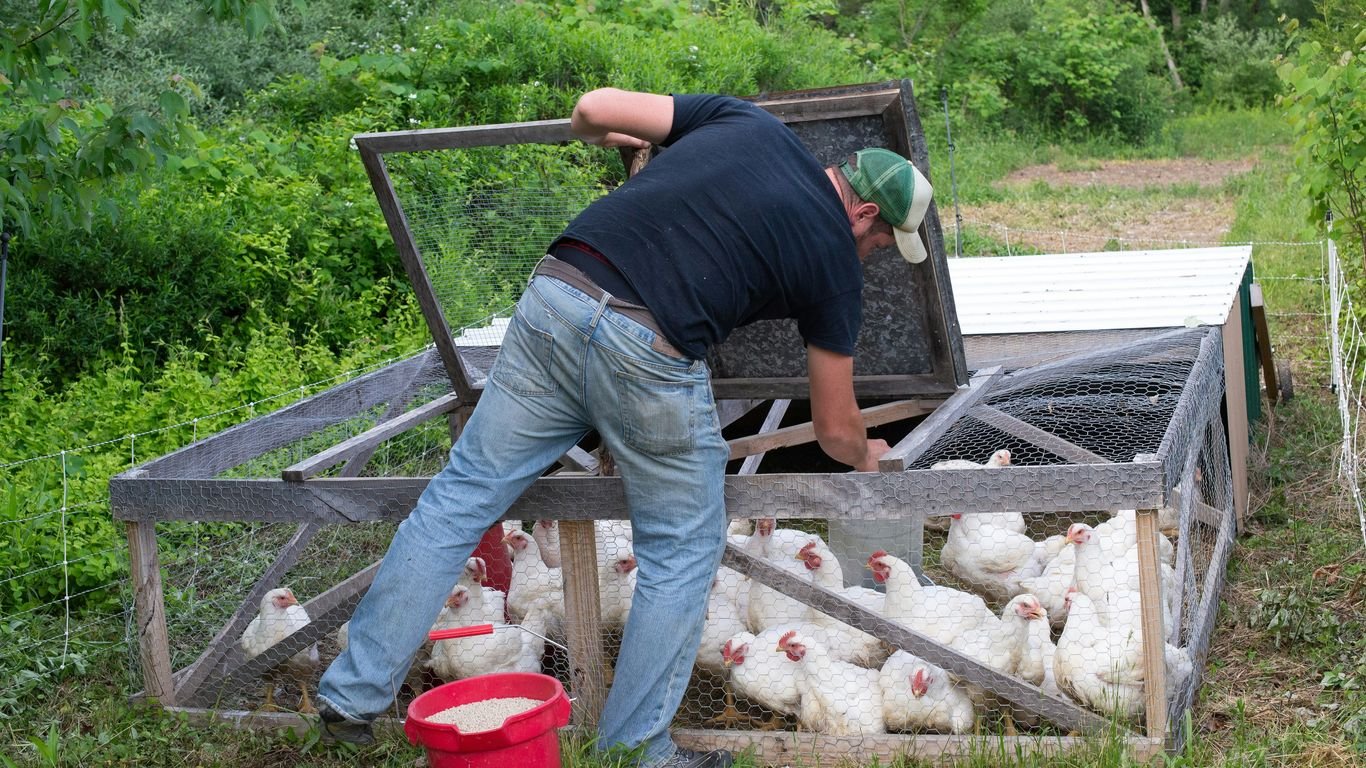 March 6, 2026
10 Low-Cost Homestead Side Hustles That Make Money
Homestead Planning
Homesteading
Starting a Homestead
March 6, 2026
10 Low-Cost Homestead Side Hustles That Make Money
Homestead Planning
Homesteading
Starting a Homestead
We all dream of a simpler life, right? One where we're more connected to the land and the seasons. But let's be real, that dream needs some funding. That's where low cost homestead side hustles come in. These aren't about...
Read More