


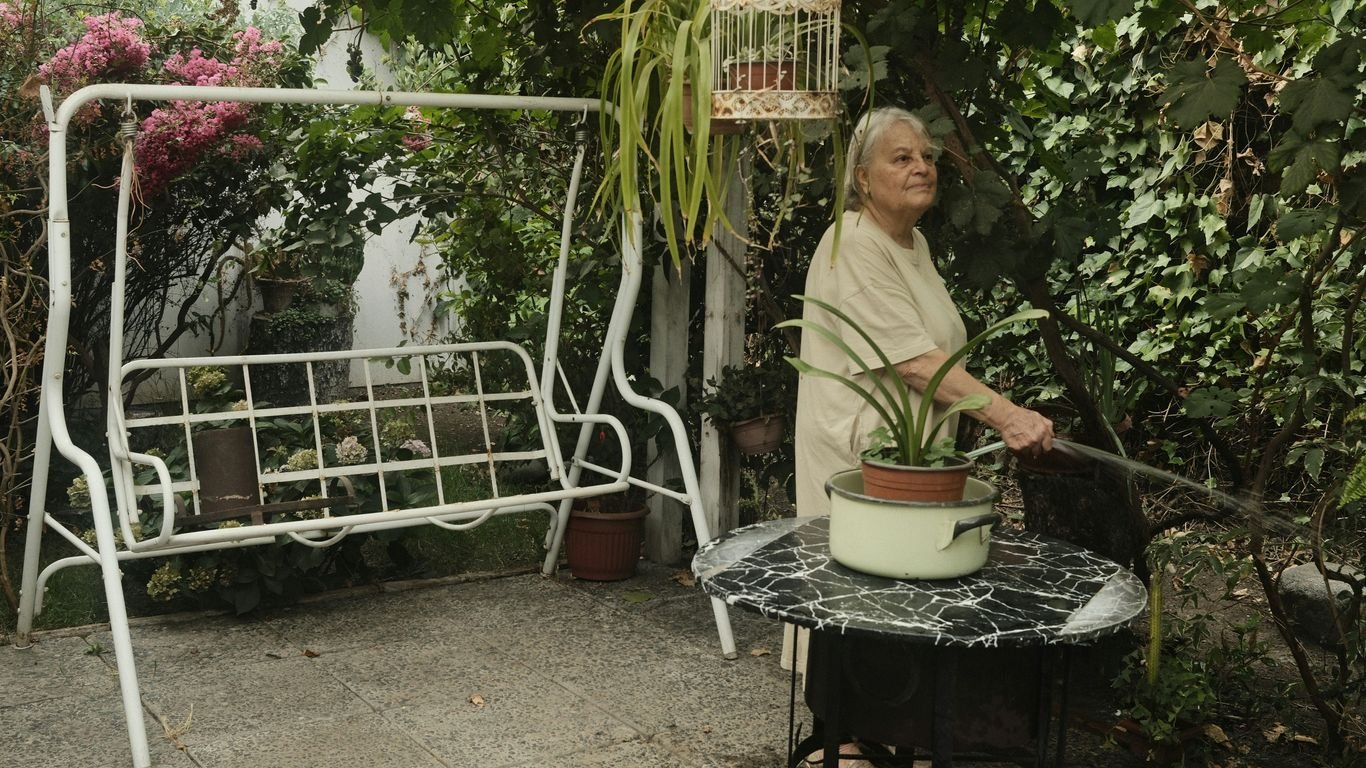
We’ve been exploring micro homesteading ideas for our own small yard, and it’s amazing what you can do with limited space. It’s not about having acres of land; it’s about being resourceful and connecting with where our food and resources come from. We’re finding that even with a tiny plot, we can grow some of our own food, raise a few critters, and learn to be more self-sufficient. It’s a journey, and we’re excited to share some of the cool things we’ve learned and tried.
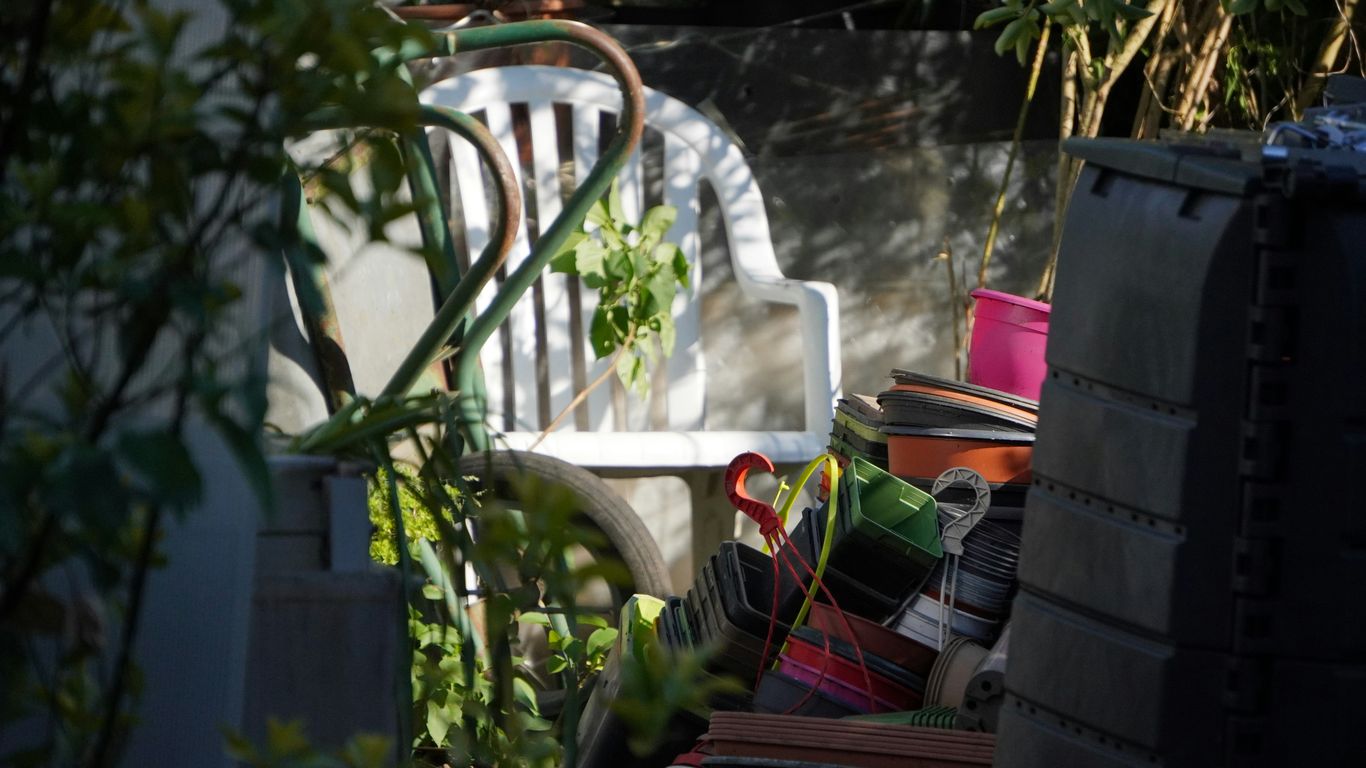
It’s amazing what we can grow, even when space is tight. We’ve found that focusing on what we eat and what grows well in our specific conditions makes all the difference. It’s not about having a huge farm; it’s about smart choices and making the most of what we have.
Don’t let a small yard or balcony fool you. There are so many plants that thrive in containers or tight spots. Think about vertical gardening – climbing beans, cucumbers, or even small melons can be trained upwards. We’ve had great success with herbs like basil, mint, and rosemary in window boxes. Even root vegetables like carrots and radishes can be grown in deeper pots. Choosing plants that give a lot for the space they occupy is key. For instance, bush varieties of tomatoes and peppers are perfect for patios. Don’t forget about fruits! Strawberries, especially everbearing types, do wonderfully in hanging baskets or tiered planters. We also learned that some plants, like certain types of kale, can be harvested repeatedly throughout the season, giving us a continuous supply.
When we first started, we felt a bit overwhelmed by how to get the most food from our limited area. We learned that companion planting can be a game-changer. The
Bringing a few small animals into our micro-homestead setup can feel like a big step, but it’s totally doable and adds so much to our lives. We’re talking about fresh eggs, maybe some extra meat, and even fantastic fertilizer for our gardens. It’s about working with nature, not against it, even in a small space.
Chickens are probably the first thing that comes to mind when we think about backyard critters, and for good reason! They’re relatively easy to care for and provide us with a steady supply of delicious, protein-packed eggs. Even a small flock of 3-6 hens can produce more eggs than a single person or couple can eat. We found that setting up a movable chicken tractor was a game-changer. It’s basically a coop on wheels that we can move around the yard every few days. This gives the chickens fresh grass and bugs to peck at, and it also means their droppings are spread out, fertilizing different parts of our yard instead of creating a concentrated mess.
Rabbits are another fantastic option for micro-homesteaders. They reproduce quickly, meaning you can have a sustainable source of meat if that’s something you’re interested in. Plus, their manure is like gold for the garden – it’s a "cold" manure, meaning you can add it directly to your plants without worrying about burning them. Similar to chickens, we’ve found that rabbit tractors work well. These are essentially floorless hutches that allow rabbits to graze on grass while keeping them safe from predators. Just make sure the wire mesh on the bottom is small enough to prevent them from digging out!
Raising rabbits can be incredibly rewarding, providing both a food source and excellent fertilizer. Their rapid reproduction cycle means a consistent supply, and their manure is a gardener’s dream.
Don’t overlook the power of the humble earthworm! Setting up a worm bin, also known as vermicomposting, is a super efficient way to turn our kitchen scraps into nutrient-rich compost. It doesn’t take up much space – a simple plastic bin or a stacked system works perfectly. We can feed them fruit and vegetable peels, coffee grounds, and even shredded paper. In return, they produce worm castings, which are one of the best soil amendments available. It’s a quiet, odorless way to manage waste and create valuable fertilizer for our plants.
When we think about homesteading, we often picture wide-open spaces, but the truth is, we can tap into nature’s gifts even in the smallest of yards. It’s all about being smart and resourceful with what’s available.
We’ve all seen those downspouts just dumping water onto the pavement during a good rain. It feels like such a waste, right? Collecting rainwater is a simple yet effective way to give our gardens a drink without touching the tap. It’s not just about saving money on water bills, though that’s a nice perk. Using rainwater can actually be better for our plants because it’s free of the chlorine and other chemicals often found in treated water. Setting up a rain barrel is pretty straightforward. We just connect it to a downspout, and voilà! We’ve got a ready supply for watering our plants, especially during those dry spells. Some people even get fancy with larger tanks for bigger needs, but a simple barrel is a great start for most of us.
Think about all the food scraps we toss out daily – vegetable peels, coffee grounds, eggshells. Instead of sending them to the landfill, we can turn them into black gold for our gardens! Composting is like magic for our soil. It breaks down organic matter, creating a nutrient-rich amendment that plants absolutely love. We don’t need a huge yard for this either. There are options like worm bins (vermicomposting) or even compact bokashi systems that work well in small spaces. If that’s still too much, many communities have local drop-off programs. It’s a win-win: we reduce waste and give our plants the best food possible.
Turning our kitchen scraps into garden fertilizer might sound like a lot of work, but it’s actually a pretty low-effort way to make a big difference. It closes the loop on our food system, right in our own backyard (or balcony!).
Here are a few things we can compost:
And here are a few things to avoid putting in our compost bin:
Once we start growing our own food or raising animals, the next logical step is learning to make the most of our harvest right in our own kitchens. It’s incredibly rewarding to transform fresh ingredients into delicious meals and pantry staples. We’ve found that getting comfortable in the kitchen is just as important as getting our hands dirty in the garden.
There’s a special satisfaction in creating things like bread, yogurt, or even cheese from basic ingredients. We started with simple things, like learning to bake a basic loaf of bread. It didn’t take long before we were experimenting with sourdough, which is a whole new adventure! Making your own staples not only saves money but also gives you control over what goes into your food. Think about it: no more mystery ingredients! We’ve found that having a few go-to recipes for things like granola, pizza dough, or pie crusts makes weeknight meals much easier.
This is where we really see the benefits of our gardening efforts pay off throughout the year. Learning to preserve food means we can enjoy the taste of summer in the middle of winter. Canning is a classic method, and it’s not as complicated as it might seem. We learned the basics just by following the instructions on our equipment. Freezing and dehydrating are also fantastic options, and honestly, we use them more often than canning for most of our produce. It’s amazing how much food we can put away this way, whether it’s from our garden or from a local farmer’s market. Check out some beginner-friendly food preservation projects to get started.
With a garden full of fresh produce and a pantry stocked with preserved goods, the possibilities for creative cooking are endless. We’ve learned to be flexible and adapt recipes based on what’s in season or what we have on hand. Sometimes, the best meals come from using up odds and ends that might otherwise go to waste. We’ve also found that cooking at home is a great way to connect with family and friends. Hosting a potluck or a cooking session can be a fun way to share skills and recipes. Don’t be afraid to experiment and find joy in the process. It’s all about making delicious food that nourishes us and our loved ones.
We’ve discovered that the kitchen is truly the heart of the homestead. It’s where our efforts in the garden and from our small livestock come together to create wholesome meals. Embracing these skills means we’re not just eating, we’re actively participating in a cycle of growth, harvest, and nourishment.
When we first started thinking about micro-homesteading, it felt like we needed a huge plot of land and a barn full of animals. But the truth is, homesteading is really about a way of thinking, a DIY spirit that can fit into any space. It’s about being resourceful and making the most of what we have. Efficiency is the name of the game here. Think about your current living situation. Do you have a closet full of things you never use? Maybe those extra blankets could be stored elsewhere, freeing up that space for a small herb garden or a shelf for your canning supplies. We found that decluttering our own place opened up room for a seedling setup under a grow light. It’s amazing what you can do when you look at your space with fresh eyes and a goal in mind. We even found that old popcorn popper can roast coffee beans! It’s all about repurposing and finding new uses for everyday items.
This ties right into efficiency. We’re not about buying new stuff when we can make do with what we already have. Those plastic containers from takeout or yogurt? Perfect for starting seeds. Scraps of wood can become small shelves or plant supports. Even old jars can be used for storing preserves or homemade lotions. The internet is a goldmine for ideas on how to upcycle common household items. Instead of tossing something, we ask ourselves, "Can this be used for something else?" It’s a fun challenge that saves money and reduces waste. We’ve learned to save almost everything that might have a second life, from food containers to fabric scraps. It’s a mindset shift that makes you see potential everywhere.
Homesteading, even on a small scale, is about reconnecting with the natural world. It means paying attention to the seasons, understanding when to plant and when to harvest, and appreciating the cycles of life. It’s about slowing down and observing the world around us. This connection can be as simple as watching the birds at your feeder or noticing how the sun moves across your garden throughout the day. It’s a way to ground ourselves and find a sense of peace in our busy lives. We’ve found that even small actions, like composting kitchen scraps or collecting rainwater, help us feel more in tune with the environment. It’s about living more intentionally and appreciating the simple gifts nature provides. This connection is a big part of why we started this journey in the first place, aiming for a higher quality of life and a better harmony with our surroundings. It’s about being less reliant on external systems and more dependent on the natural world, which is a core part of the homesteading lifestyle.
The homestead mindset isn’t about perfection; it’s about progress. It’s about making small, consistent changes that align with your goals and values. Don’t get discouraged if things don’t work out perfectly the first time. Every attempt is a learning opportunity, and every small success builds momentum.
We often think of homesteading as a solo pursuit, just us against the world, figuring things out on our own. But honestly, that’s not really how it works, or at least, it doesn’t have to be. Building a strong community around your micro-homestead is just as important as growing your own food or composting your scraps. It’s about sharing what we learn, trading what we have, and leaning on each other when things get tough. Think of it as extending your homestead beyond your fence line.
Visiting local farmers’ markets is a fantastic way to start. We love chatting with the vendors, learning about what’s in season, and finding unique produce we wouldn’t see at the grocery store. It’s not just about buying food; it’s about understanding where it comes from and supporting the people who grow it. We’ve found that many farmers are happy to share tips and tricks, especially if you show genuine interest in their work. Sometimes, we even find opportunities to volunteer on farms, which is a great way to learn hands-on skills and get a deeper appreciation for their efforts.
Don’t underestimate the power of your immediate neighbors! Maybe you’ve got an abundance of zucchini, and your neighbor has a surplus of tomatoes. A simple swap can be mutually beneficial. We’ve also found success in sharing tools. Do you really need to buy a specialized tool for one project? See if a neighbor has one you can borrow. It saves money and builds goodwill. We’ve even organized small seed swaps in our neighborhood, which is a fun way to discover new varieties and connect with fellow gardeners.
There are so many people out there doing similar things, whether they’re in a tiny apartment or have a bit more space. Look for local gardening clubs, online forums, or even workshops. We once took a canning class at our local community center, and it was amazing to meet others who were just as excited about preserving food as we were. We learned so much from the instructor and the other participants, and we’ve stayed in touch with a few of them. These connections can provide invaluable advice, support, and even mentorship.
The homesteading journey doesn’t have to be a solitary one. By actively engaging with the people around us, we can create a network of support, knowledge, and shared resources that makes our own efforts more successful and enjoyable. It’s about weaving ourselves into the fabric of our local food system and community.
Here are a few ways we’ve found to connect:
We hope this article has shown you that homesteading isn’t just for folks with acres of land. It’s really about a mindset, a way of living that we can all bring into our own spaces, no matter how small. Whether you’re starting with a few herbs on the windowsill, collecting rainwater, or just making more things from scratch in your kitchen, every little bit counts. It’s about being more connected to our food, our resources, and ourselves. So, let’s get out there and start micro-homesteading!
Absolutely! Even with limited space, we can grow a surprising amount of food. Think vertical gardens for climbing plants like cucumbers and beans, or small pots for herbs and cherry tomatoes on a windowsill. We can also focus on high-yield crops or join a local CSA (Community Supported Agriculture) to get a bigger share of fresh produce.
Raising small animals like chickens or rabbits is doable in smaller areas. We just need to make sure we have the right setup, like a portable coop for chickens or a sturdy hutch for rabbits. It’s important to check local rules first, though!
Composting is simpler than we might think! We can use a small bin on a balcony or even a worm bin indoors. This turns our kitchen scraps into rich soil for our plants, cutting down on waste.
Preserving our harvest is key! We can learn simple techniques like canning, drying, or pickling. Many communities even have shared kitchens or resources to help us do this, ensuring we don’t waste any of our hard-earned food.
It’s all about being smart and resourceful! The homestead mindset in a small space means finding efficient ways to use what we have, repurposing items instead of buying new, and connecting with nature’s cycles. It’s about self-reliance and making the most of our surroundings.
Community is a huge part of homesteading! We can support local farmers by shopping at markets or joining CSAs. Sharing extra produce or resources with neighbors, or joining online groups and local workshops, helps us learn from each other and build strong connections.
 March 7, 2026
How to Turn Food Preservation Into a Side Hustle
Canning
Homestead Kitchen
Homesteading
Sustainable Living
March 7, 2026
How to Turn Food Preservation Into a Side Hustle
Canning
Homestead Kitchen
Homesteading
Sustainable Living
We've all got those hobbies or skills that we love doing, right? Maybe it's baking, gardening, or even making your own jam. What if we told you that you could turn those passions into a little extra cash? It might...
Read More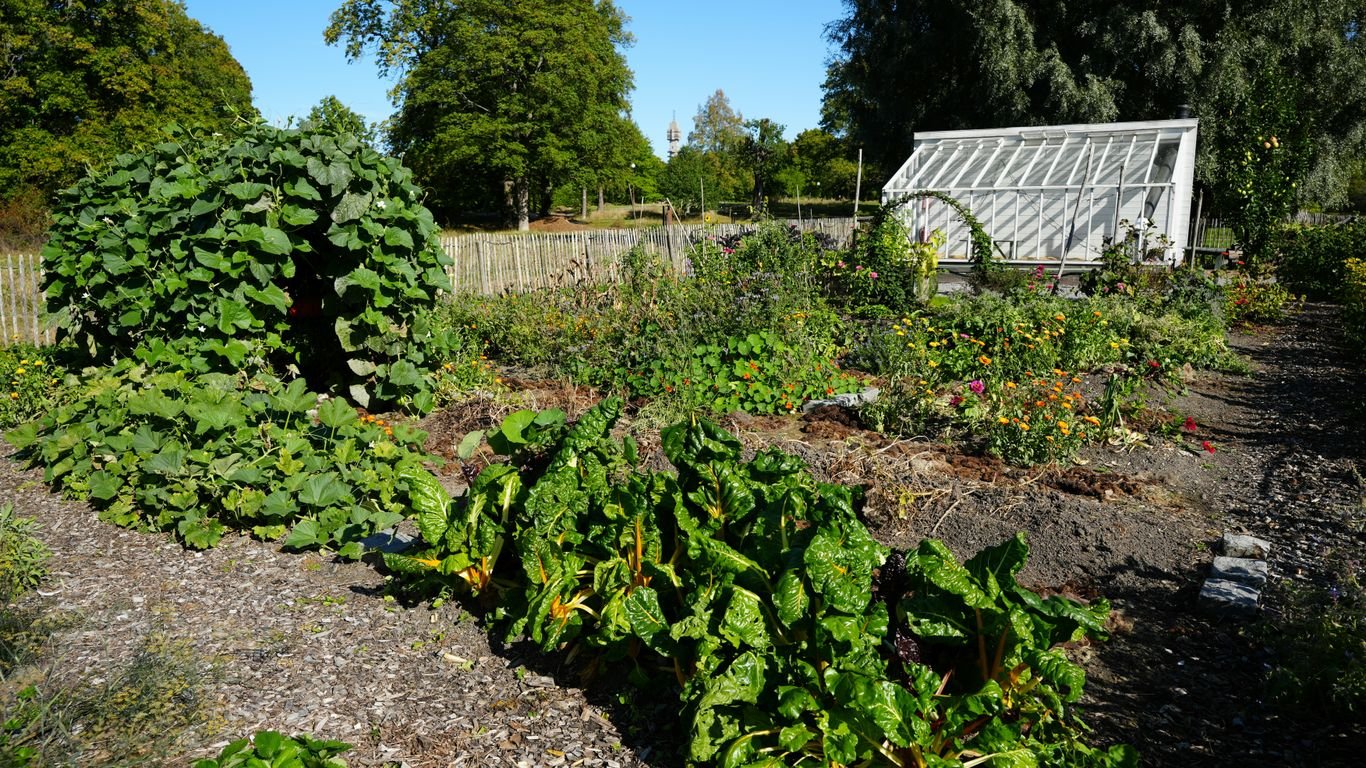 March 7, 2026
High-Output Crops Perfect for Micro Homesteads
Gardening
Homestead Planning
Homesteading
Starting a Homestead
March 7, 2026
High-Output Crops Perfect for Micro Homesteads
Gardening
Homestead Planning
Homesteading
Starting a Homestead
Thinking about growing your own food but only have a little space? We get it. Many of us are looking for ways to be more self-sufficient, even if we don't have acres to work with. The good news is, you...
Read More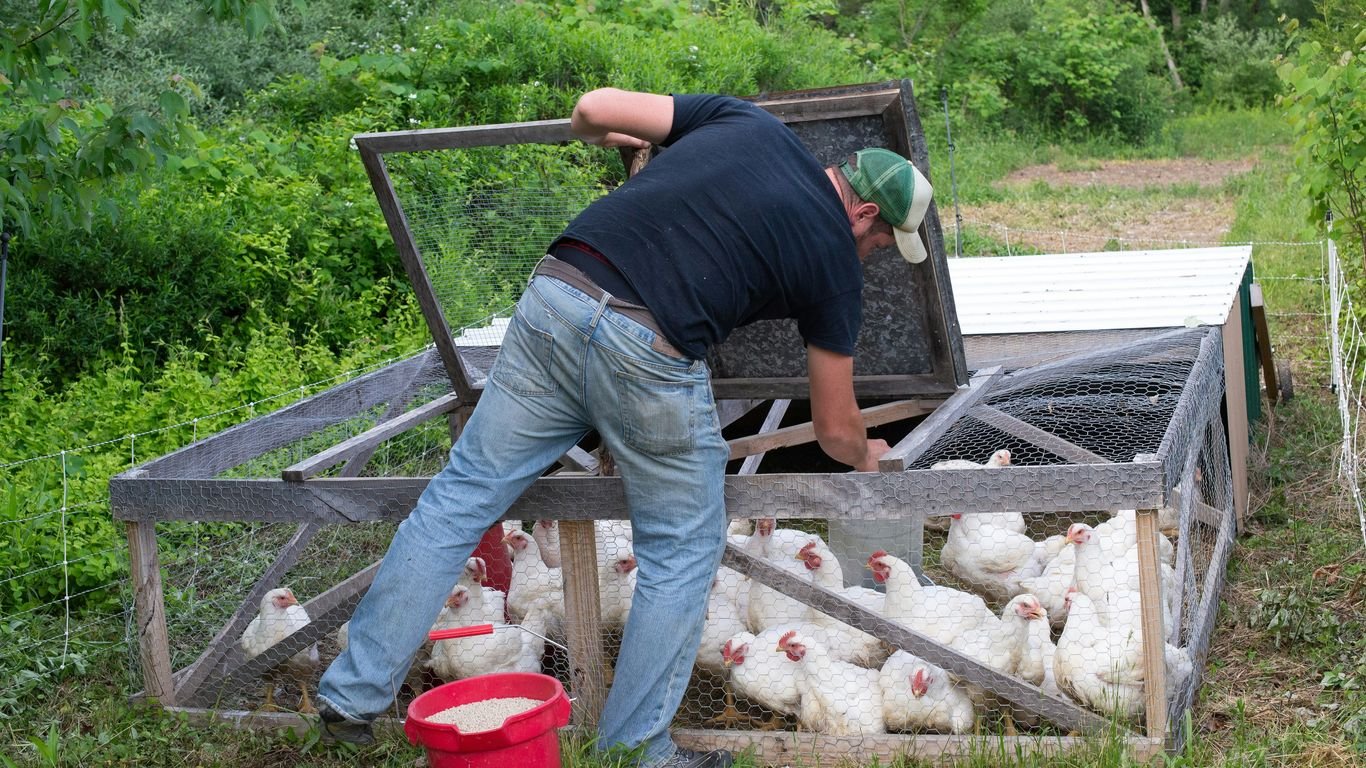 March 6, 2026
10 Low-Cost Homestead Side Hustles That Make Money
Homestead Planning
Homesteading
Starting a Homestead
March 6, 2026
10 Low-Cost Homestead Side Hustles That Make Money
Homestead Planning
Homesteading
Starting a Homestead
We all dream of a simpler life, right? One where we're more connected to the land and the seasons. But let's be real, that dream needs some funding. That's where low cost homestead side hustles come in. These aren't about...
Read More