


We’ve all been there, dreaming of a simpler life, maybe with a few more chickens and a lot less stress. But let’s be real, homesteading takes work, and sometimes it costs money. What if we could make our homestead work for us, a little harder? We’ve been exploring ways to bring in some extra cash, turning our passion for self-sufficiency into actual income. It’s not about getting rich quick, but about building up steady streams of money so we can focus more on the land and less on the daily grind. This is about finding smart passive income homestead ideas that fit our lifestyle.
In today’s world, our homesteads aren’t just physical places; they’re also online. We can use the internet to share our lives and skills, creating income streams that work for us even when we’re busy tending the garden or caring for animals. It’s about taking what we do every day and making it accessible to a wider audience.
If we’ve already got a blog or website documenting our homesteading journey, we’re sitting on a goldmine of potential. Think about it: people are fascinated by real-life homesteading. We can share our experiences, our successes, and even our failures. The key is consistency and authenticity.
Here are a few ways to turn that content into cash:
We’ve all learned so much on this homesteading path, right? From starting seeds to preserving food, we’ve got practical knowledge that others are eager to learn. We can package this knowledge into online courses.
Think about what you’re really good at. Maybe it’s:
Platforms like Teachable or Thinkific make it relatively easy to upload videos, create lesson plans, and set up payment processing. Once a course is created, it can generate income for years with minimal ongoing effort.
Our homestead is probably pretty photogenic, especially if we’ve got animals, gardens, or scenic views. We can capture high-quality video clips and sell them as stock footage. Think about drone shots of the property, close-ups of busy bees, or time-lapses of a sunrise over the fields.
Websites like iStock, Shutterstock, or VideoBlocks are always looking for fresh content. It might take some time to build a portfolio, but once those clips are uploaded, they can earn money passively whenever someone licenses them for their own projects. It’s a great way to make money from the everyday beauty of our homestead.
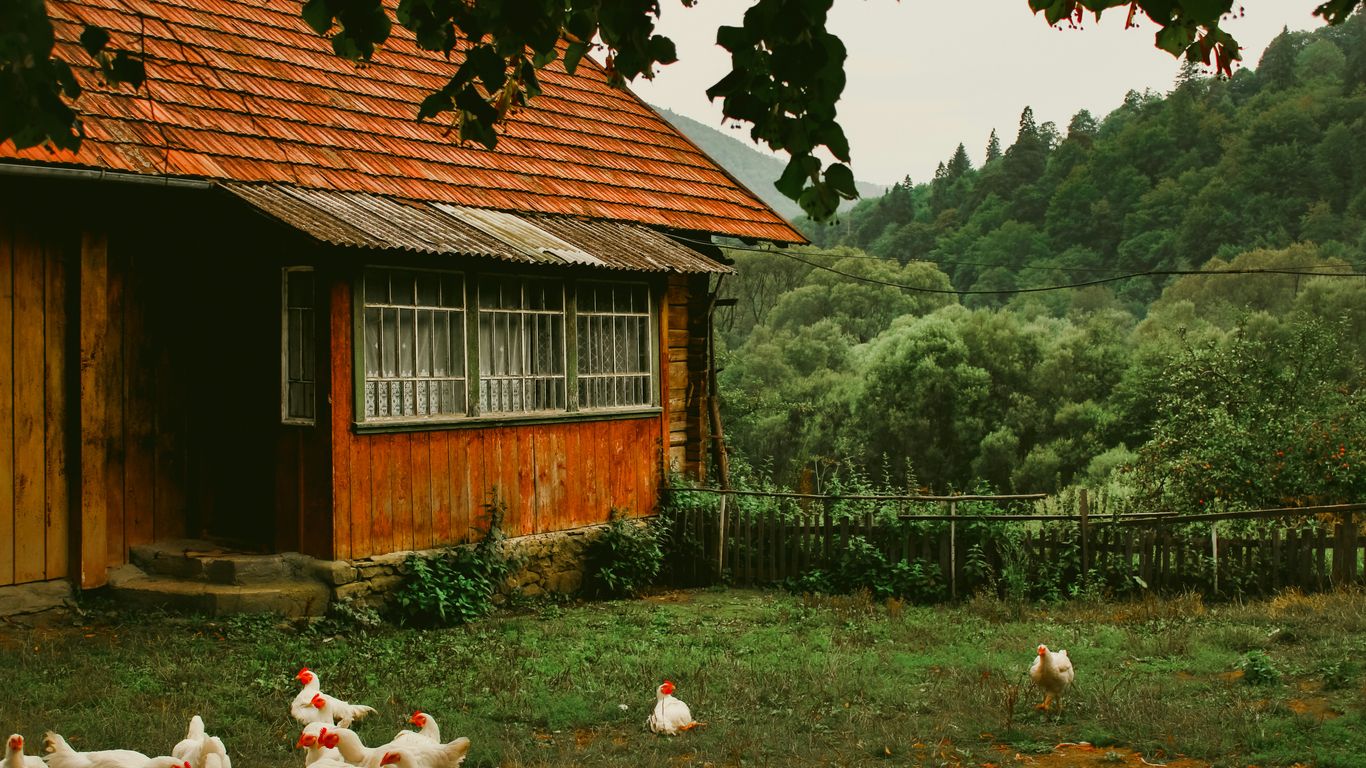
Our land and the animals we choose to keep are often the most obvious sources of income on a homestead. It feels natural to turn what we’re already doing into something that helps pay the bills. We’ve found that focusing on what we grow and raise, and then finding the right market for it, can be really rewarding.
This is a fantastic way to start, especially if you have a green thumb. We began by saving seeds from our favorite vegetables and flowers, then started them indoors under grow lights. Once they were big enough, we sold them as "starts" at the local farmers market. It didn’t take much extra space initially, just some seed trays and potting mix. We found that offering unique or heirloom varieties, things you can’t easily find at big box stores, really made them stand out. People are often looking for something a little different for their own gardens.
Beyond just selling what we grow, we’ve also looked at offering services or products derived from our land and animals. For instance, we have a few extra laying hens, and their eggs are always in demand. We also know folks who rent out their goats for brush clearing – it’s a win-win, as the goats get to eat and the land gets cleared! If you have equipment, like a tractor, offering services such as tilling gardens or hauling materials can also be a good income stream. We’ve also heard of people selling compost they’ve made from their animal manure and garden waste.
Here are some ideas we’ve explored or seen others do:
When selling animal products directly, like meat or raw milk, it’s really important to understand your local regulations. Some places have strict rules about food safety and processing. Selling the live animal itself, or participating in herd-share programs, can sometimes be a way to navigate these rules more easily.
Sometimes, the best income comes from simply letting others use a part of your land. We have a neighbor who leases out a section of his pasture for people to graze their horses. It requires minimal effort from him beyond ensuring the fence is secure. Another idea is leasing hunting rights on your property if you have wooded areas. We’ve also seen people rent out small plots of land for people who want to grow their own food but don’t have the space. Even just offering a spot for someone to park an RV or set up a temporary campsite can bring in some cash.
We’ve all learned a thing or two on our homesteading journey, right? From coaxing stubborn seeds to sprout to figuring out the best way to milk a goat, there are skills we’ve picked up that others are eager to learn. It’s a fantastic way to bring in some extra cash while also helping out folks who are just starting out or looking to improve their own homesteading game.
Think about what you’re really good at. Maybe it’s making cheese, preserving food, basic carpentry for farm repairs, or even just starting seeds effectively. These are all things people want to learn! We can set up workshops right here on our property. You could charge a fee that covers your time, materials, and maybe even a little extra for snacks. It’s a great way to connect with your community and share practical knowledge.
Here’s a simple breakdown of how we might structure a workshop:
Hosting workshops isn’t just about teaching; it’s about building a community around shared interests and practical skills. It feels good to help others succeed.
If writing is more your speed, consider putting your knowledge into a book or a downloadable guide. This could be anything from a detailed guide on raising chickens for beginners to a collection of our favorite family recipes for canning. Self-publishing platforms make it pretty straightforward to get your work out there. Once it’s written and published, it can generate income for a long time with minimal ongoing effort.
For those with deep experience in a specific area, like rotational grazing, permaculture design, or even managing a small homestead business, offering one-on-one consulting or coaching can be a good fit. People might pay for a few hours of your time to get personalized advice for their own situation. This is a more direct way to share your expertise and help others solve specific problems on their homesteads.
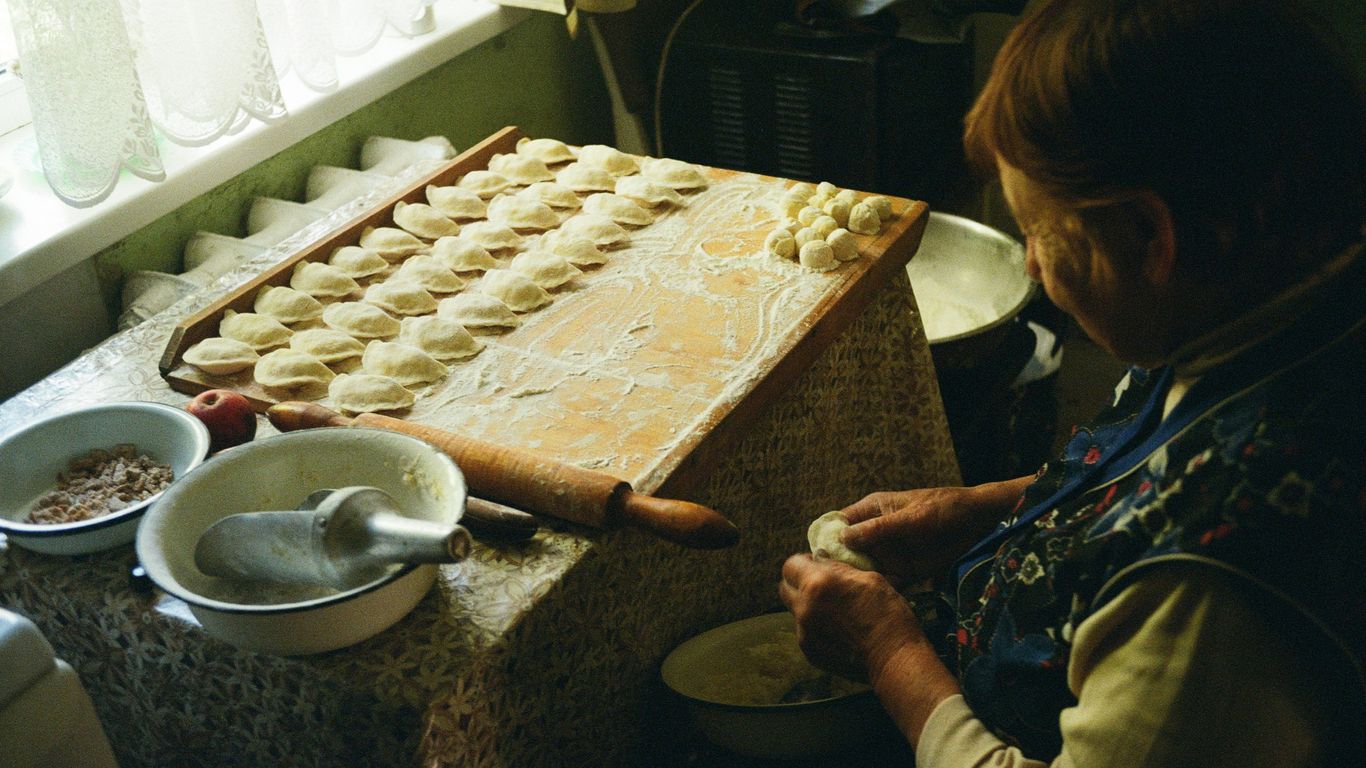
We’ve all got those skills we’ve honed on the homestead, right? Whether it’s knitting, woodworking, or whipping up something delicious in the kitchen, these talents can turn into real income. Think about what you already do. Do you make amazing jams? Can you turn scrap wood into something beautiful? Turning your craft into a business is a fantastic way to add to your homestead’s income.
This is where your creativity really shines. We’ve seen folks make everything from intricate quilts and hand-carved wooden spoons to beautiful pottery and leather goods. If you have a knack for making things with your hands, there’s a market for it. Consider what materials you have readily available on your homestead. Maybe you can use fallen branches for wood carvings, or natural fibers for weaving. Selling these items online through platforms like Etsy, or at local farmers’ markets and craft fairs, can bring in steady cash.
Here are a few ideas to get you started:
Our kitchens are often the heart of the homestead, and they can be a source of income too. If you love to bake, preserve, or ferment, you can sell your creations. Think about local regulations for selling food items, as these can vary. Jams, jellies, baked goods, sourdough starters, fermented vegetables, and even homemade pet treats can be popular.
Consider these popular items:
The key here is quality and uniqueness. What makes your product stand out? Is it the ingredients you use, grown right on your homestead? Is it a special family recipe? Focusing on what makes your food special will help you find customers who appreciate it.
Many homesteaders are drawn to natural living, and this extends to the products we use in our homes. Making your own soaps, lotions, candles, and cleaning supplies from natural ingredients is not only good for you but can also be a profitable venture. You can use herbs and botanicals grown on your property for added appeal and unique scents.
Some ideas include:

We all dream of making money while we sleep, right? That’s the magic of passive income. It’s not about getting rich quick, but about setting up systems that bring in earnings without constant, hands-on effort. For us homesteaders, this often means finding ways to monetize what we’re already doing or what we’re passionate about. The goal is to free up more of our time to actually enjoy our homesteading life.
This is a pretty popular one for homesteaders, and for good reason. If you’re already talking about or using certain products on your homestead – whether it’s gardening tools, animal feed, or even your favorite canning supplies – you can earn a small commission when someone buys through your unique link. It’s a simple way to add a little extra cash without much extra work. We’ve found it works best when we genuinely recommend things we use and love. It’s a win-win: you share something useful, and you get a little something back.
Platforms like Patreon allow your biggest supporters to contribute a recurring amount, often in exchange for exclusive content or early access. Think about sharing behind-the-scenes looks at your homestead, offering special Q&A sessions, or providing downloadable guides. This can create a predictable income stream that helps you plan and invest back into your homestead. It’s a fantastic way to build a community around what you do.
Do you have extra land or outbuildings? Consider renting them out. This could be anything from a spot for someone to park an RV, a section of pasture for a neighbor’s livestock, or even a small cabin or guest house. We know folks who rent out their barns for events or even just for storage. It’s a way to make your existing assets work for you, generating income without you having to do much beyond the initial setup and occasional check-in. It’s a smart way to make your land pay for itself, and you can find opportunities for this kind of rental through various online marketplaces or even just local word-of-mouth. You might even find someone looking for a place to start their own small farm, which could lead to other collaborations down the line. Check out resources for rental property income to get a better idea of how this works.
We’ve talked about a lot of ways to make money from our homesteads, but it’s smart to not put all our eggs in one basket. Diversifying our income streams means we’re not totally reliant on just one thing. If one area has a bad year, others can help pick up the slack. It’s all about building a more stable and resilient homestead economy.
Think about how you’ll get your products to people. Are you going to sell directly at a farmers market, or maybe set up a roadside stand? Another option is a Community Supported Agriculture (CSA) model, where folks pay upfront for a share of your harvest throughout the season. This gives you some guaranteed income early on. We’ve also seen folks partner with local stores or restaurants to carry their goods. Each model has its pros and cons, so it’s worth looking into what fits best for your situation and what you’re selling.
Instead of trying to grow or make everything, focus on what makes your homestead special. Maybe you have a knack for growing heirloom tomatoes that no one else around has, or perhaps you raise a heritage breed of chicken. These niche products can often fetch a higher price because they’re unique. It’s about finding that special something that sets you apart from the competition. We found that focusing on our specialty herbs really paid off.
This is a fun one! Agrotourism means inviting people to your farm for an experience. Think about things like a U-pick berry patch, a pumpkin patch in the fall, or even hosting small events like farm-to-table dinners. You could also set up a simple campsite or offer workshops. The key is to create an enjoyable experience that people will remember and want to share. It’s a way to connect with your community and show them what homesteading life is all about, while also bringing in some extra cash.
So, we’ve talked about a bunch of ways we can bring in some extra cash from our homesteads. It’s not always easy, and honestly, some of these ideas take a good bit of work to get going. But the cool part is, once they’re set up, they can keep bringing in money without us having to be there all the time. Think about what you’re already good at or what you enjoy doing on the homestead. Maybe it’s growing extra plants, making something cool, or even just sharing what you know. Start small, try a few things, and see what sticks. The goal is to make our homesteads work a little harder for us, so we can spend more time actually living on them. Don’t get discouraged if something doesn’t work out right away. Keep trying, keep learning, and you’ll find what fits your life and your land.
Honestly, there isn’t a super-fast way to get rich quick with homesteading income. It takes time and effort to build up. Think of it like planting a garden; you have to nurture it before you see a harvest. We’ve found that focusing on what we’re passionate about and using systems to share that passion is key. It’s about creating ongoing income so we can spend more time enjoying our homestead life.
Yes, absolutely! If we have a blog or website about our homesteading journey, we can share our experiences and knowledge. We can put ads on it, write about products we love and earn a little when someone buys them, or even create our own digital products like ebooks. It takes work to get people to visit, but it can become a steady income source over time.
Definitely! If we have a green thumb, we can grow extra plants and sell them. It’s often best to grow unique varieties that people can’t easily find at big stores. We can sell them at local markets or even online. It doesn’t take much to get started, just some seeds, soil, and a place for them to grow until they’re ready for a new home.
For sure! Many people are interested in learning homesteading skills like making cheese, preserving food, or raising animals. If we’ve become good at something, we can host workshops or classes right on our homestead. People are often happy to pay for hands-on learning from someone with real experience.
Passive income means earning money without constantly trading our time for it. Think of it like creating something once that keeps earning money over and over. Examples include selling an ebook that people can download anytime, or having people pay a small monthly fee to access special content on a membership site. It’s about setting up systems that work for us even when we’re busy with other homestead tasks.
There are several creative ways! We could rent out a portion of our land for unique purposes, like for photographers to use for photo shoots, or even for people who want to camp or park their RVs. If we have extra buildings or space, we could rent that out for storage too. It’s about finding ways to let others use what we have without a lot of extra work from our end.
 March 7, 2026
How to Turn Food Preservation Into a Side Hustle
Canning
Homestead Kitchen
Homesteading
Sustainable Living
March 7, 2026
How to Turn Food Preservation Into a Side Hustle
Canning
Homestead Kitchen
Homesteading
Sustainable Living
We've all got those hobbies or skills that we love doing, right? Maybe it's baking, gardening, or even making your own jam. What if we told you that you could turn those passions into a little extra cash? It might...
Read More March 7, 2026
High-Output Crops Perfect for Micro Homesteads
Gardening
Homestead Planning
Homesteading
Starting a Homestead
March 7, 2026
High-Output Crops Perfect for Micro Homesteads
Gardening
Homestead Planning
Homesteading
Starting a Homestead
Thinking about growing your own food but only have a little space? We get it. Many of us are looking for ways to be more self-sufficient, even if we don't have acres to work with. The good news is, you...
Read More March 6, 2026
10 Low-Cost Homestead Side Hustles That Make Money
Homestead Planning
Homesteading
Starting a Homestead
March 6, 2026
10 Low-Cost Homestead Side Hustles That Make Money
Homestead Planning
Homesteading
Starting a Homestead
We all dream of a simpler life, right? One where we're more connected to the land and the seasons. But let's be real, that dream needs some funding. That's where low cost homestead side hustles come in. These aren't about...
Read More