


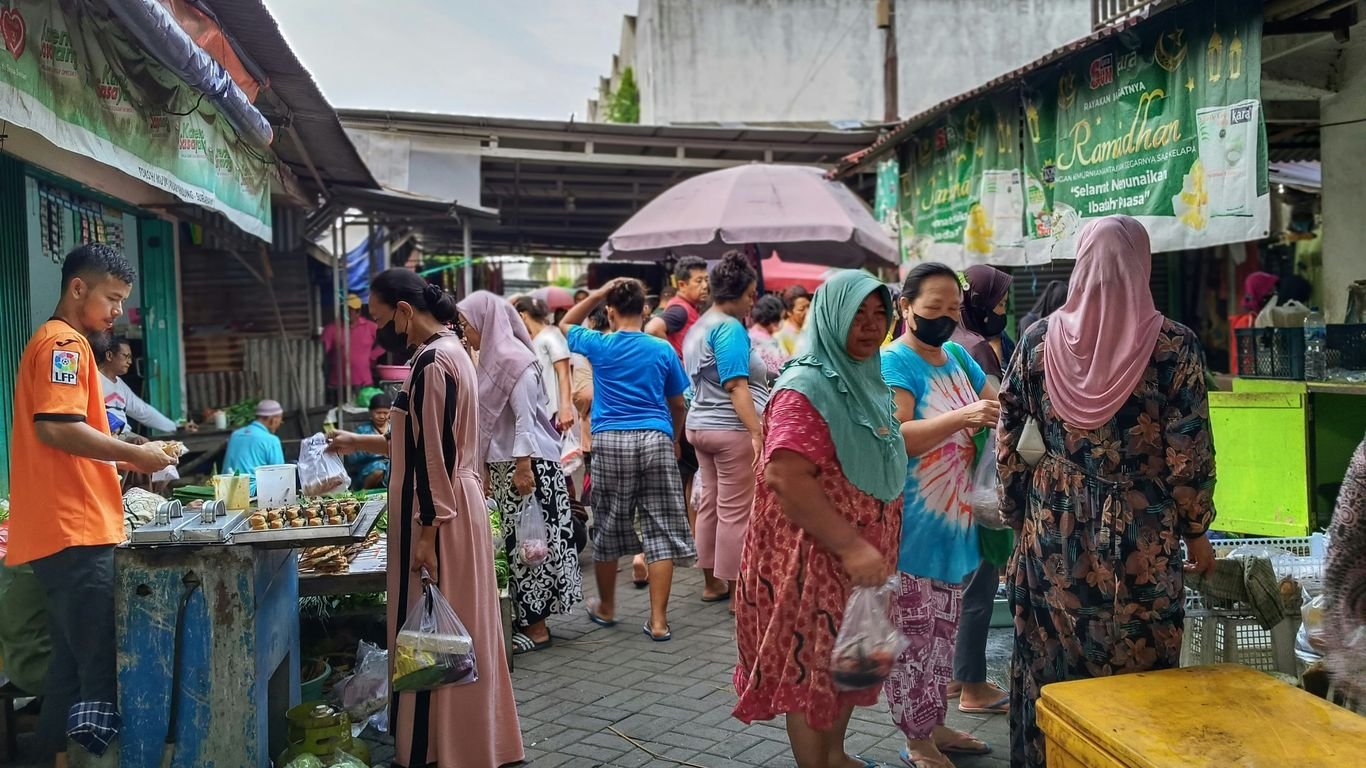
We’re diving into the world of homestead bartering and trade systems. It’s amazing how much we can accomplish when we work together, trading what we have for what we need. This guide is all about making those exchanges smooth and beneficial for everyone involved. We’ll explore how to build trust, swap goods, share skills, and create strong community networks. It’s a way to save money, build relationships, and truly live the homesteading life.
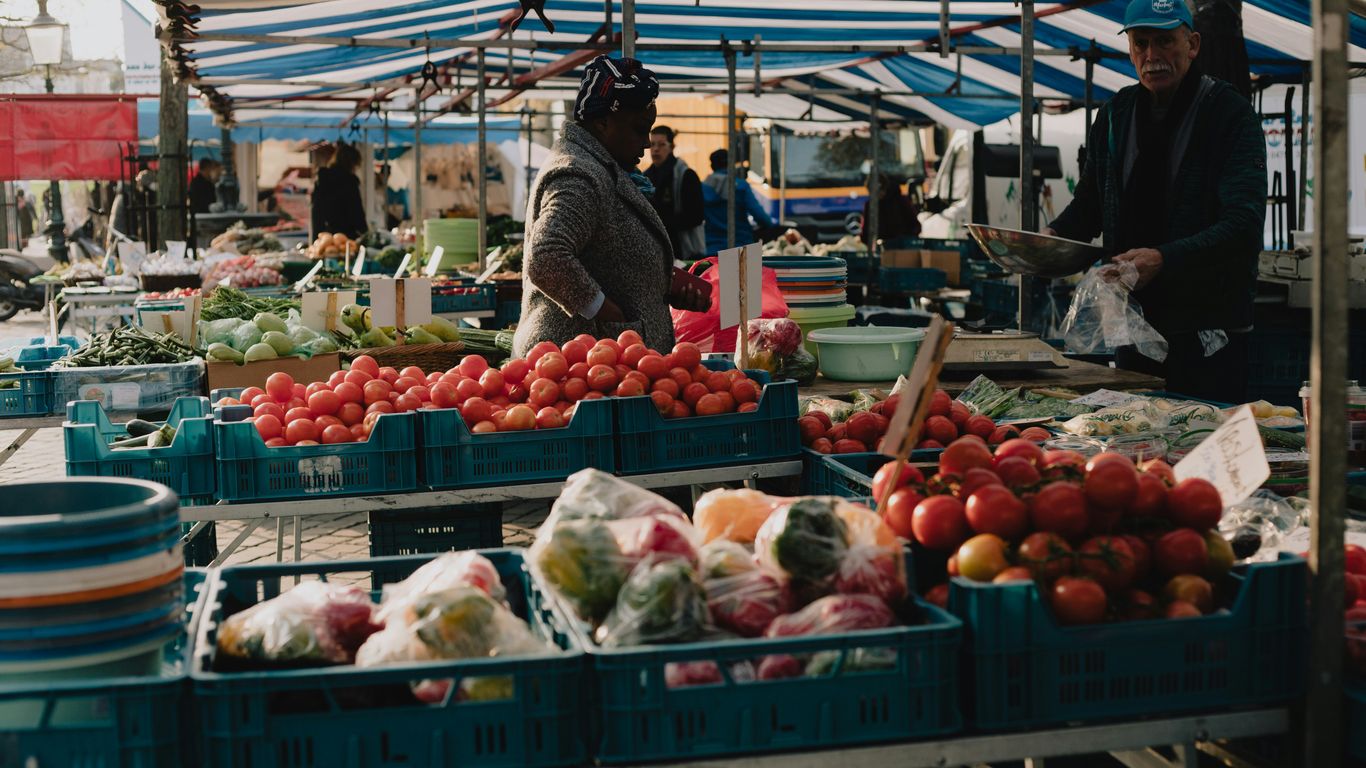
When we talk about homesteading, we often think about growing our own food and being as self-sufficient as possible. But let’s be real, nobody can do it all alone. That’s where bartering comes in. Simply put, homestead bartering is trading goods or services directly with other people, without using money. Think of it as an old-school handshake deal. Maybe you have a ton of extra zucchini from your garden, and your neighbor has too many eggs from their chickens. You swap – you get fresh eggs, they get some veggies. It’s a way to share abundance and get what you need.
For us homesteaders, bartering isn’t just a nice-to-have; it’s often a necessity. Money can be tight, especially when you’re starting out or investing in new projects. Bartering lets us get things we need – like tools, seeds, or even help with a big task – without spending cash. It’s a smart way to stretch our resources. Plus, it helps us build connections with the folks around us. We’re not just isolated on our land; we’re part of a community that can support each other. It’s a way to access things like raw milk or firewood when we can’t produce them ourselves, like trading feeder pigs for a steady supply of milk [65a3].
Bartering works best when everyone involved trusts each other. This isn’t like a quick trip to the store where you don’t know anyone. You’re building relationships. It starts small: maybe you trade some extra jam for a few hours of help weeding. If that goes well, you might trade skills later on. It’s important to be clear about what you expect and what you’re offering. Honesty and reliability are key. Over time, a network of trusted friends and neighbors can become one of your most valuable homestead assets.
Here’s a simple way to think about it:
Building a strong barter network takes time and consistent effort. It’s about more than just the exchange of goods; it’s about fostering mutual respect and understanding within your community.
When we have more of something than we can use ourselves, it’s a perfect opportunity to trade. This is where our surplus harvest and extra goods can really shine. Think about what you’ve grown or made that you have in abundance. Maybe it’s a bumper crop of tomatoes, a dozen extra jars of jam, or even some extra eggs from our chickens. These items are like currency in the homesteading world.
We’ve all been there – the garden produces more zucchini than we know what to do with, or the apple tree is absolutely loaded. Instead of letting it go to waste, we can swap it! This is a fantastic way to get things we need without spending cash. For instance, we might trade a big bag of potatoes for some fresh milk from a neighbor who has a dairy cow. Or perhaps we have an excess of dried herbs that someone else needs for their cooking. It’s all about finding those little pockets of abundance and sharing them.
Here are a few ideas for what we can trade from our harvest:
Trading our surplus is more than just a way to get what we need; it’s a way to build connections. When we share what we have, we strengthen the bonds within our community. It’s a tangible expression of mutual support, showing that we’re all in this together.
Beyond just food, we can also use our surplus to get things we need for the homestead. Maybe we need some lumber for a new fence, or perhaps we’re running low on canning lids for next season. If we have a skill or a product that someone else values, we can offer that in exchange. For example, if we’re great at making soap, we could trade a batch of our homemade soap for some of those much-needed canning lids. It’s about identifying what we have to offer and what we need in return. This practice helps us avoid spending money on things we can acquire through trade.
Food co-ops are a wonderful way to formalize some of these trading relationships. While some co-ops operate on a cash basis, many have systems in place that allow for bartering or trading of goods and services. We might contribute our extra produce to the co-op’s shared pantry and, in return, get access to other members’ goods or services. It’s a structured way to participate in a larger network of exchange, making it easier to find people who need what we have and have what we need.
We all have something we’re good at, right? Maybe you can fix a leaky faucet, bake a mean sourdough, or have a knack for mending clothes. These aren’t just hobbies; they’re valuable skills that can be traded. Think about it: instead of shelling out cash for services, we can offer our own talents. It’s a fantastic way to get things done around the homestead without spending a dime.
This is where the real magic of bartering happens. We’ve found that many folks are happy to trade their expertise for ours. Need someone to help with carpentry or maybe a bit of veterinary advice for your chickens? See if they’d be interested in trading for, say, a batch of your homemade jam or a few hours of your time helping them with their garden. It’s all about finding that sweet spot where both parties feel they’re getting a fair deal.
Keeping things fair is key to making these trades work long-term. We try to stick to a simple principle: an hour of your time for an hour of their time, or a product of similar perceived value. For example, if you spend three hours helping a neighbor mend their fence, you might ask for three hours of their help canning your tomatoes, or perhaps a basket of their extra eggs. It doesn’t have to be an exact science, but a general sense of balance keeps everyone happy.
Here’s a quick look at how we might value some common trades:
| Skill Offered | Service Received | Estimated Time/Value |
|---|---|---|
| Baking (Bread/Pies) | Garden Weeding | 2 Loaves / 1 Hour |
| Basic Plumbing Repair | Chicken Coop Repair | 1 Service / 1 Service |
| Knitting (Scarf) | Firewood Processing | 1 Scarf / 4 Hours |
| Herbal Salve Making | Honey (1 Pint) | 2 Jars / 1 Pint |
Bartering isn’t just about getting things done; it’s also a brilliant way to learn. We’ve met so many talented people in our community who are willing to share their knowledge. We’ve attended free workshops on everything from grafting fruit trees to basic tractor maintenance, often taught by neighbors who are happy to share their skills in exchange for something else. It’s a win-win: they get a little something for their time, and we gain practical knowledge that makes our homesteading journey easier. Don’t be afraid to ask if someone would be willing to teach you something they’re good at – you might be surprised by the response!
We’ve found that the best trades often come from unexpected places. Sometimes, the person who needs your help the most also has a skill you’ve been wanting to learn. It’s all about building those connections and being open to what others can offer.
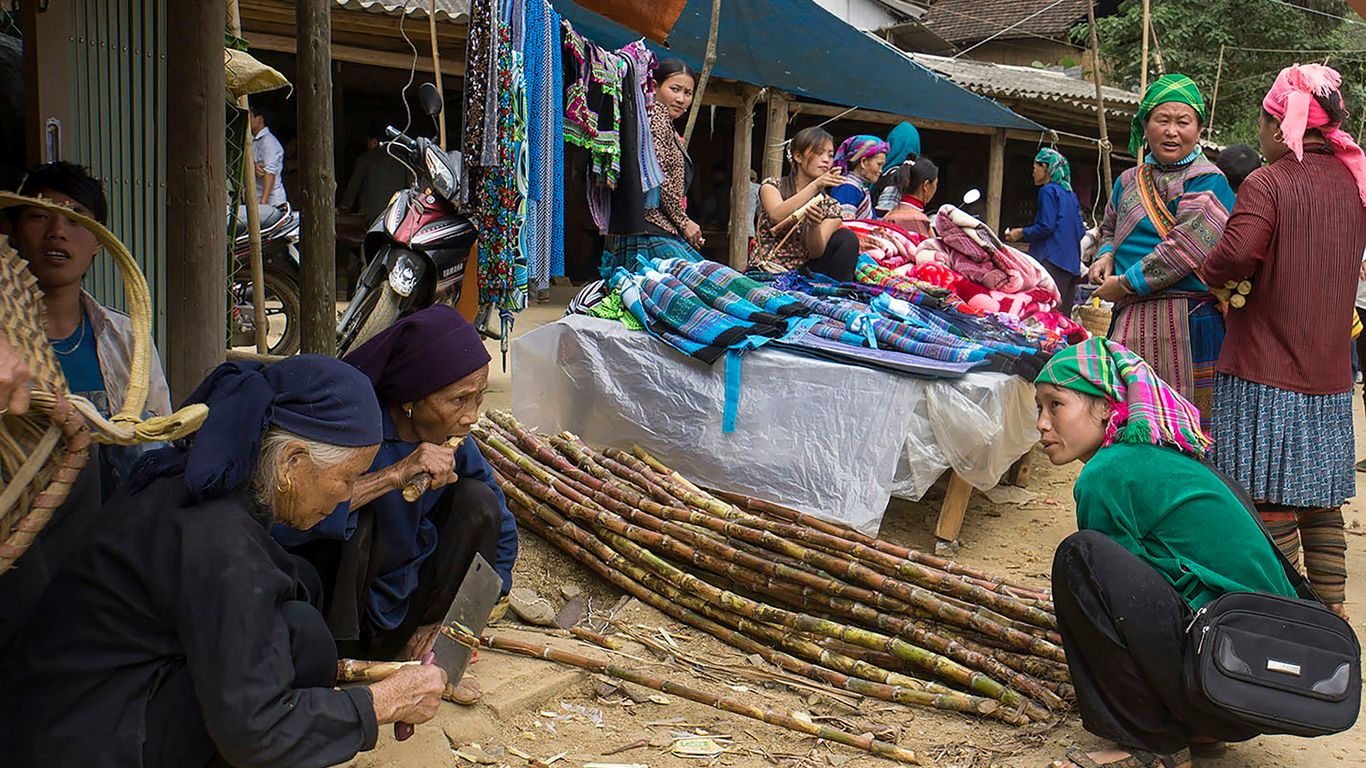
We’ve talked about trading one-on-one, but what about when we want to cast a wider net? That’s where community barter networks come in. These groups are like a big, shared pantry and workshop, where everyone contributes what they can and takes what they need. It’s about building a web of mutual support that makes homesteading a lot less lonely and a lot more doable.
Sometimes, the best way to get something going is to just start it yourself. If you don’t see a barter network in your area, why not create one? It doesn’t have to be complicated. You could start with a few neighbors who are already trading goods or services.
Here’s a simple way to get the ball rolling:
The goal is to make it easy for people to connect and exchange value.
If starting your own feels like too much, don’t worry! There are likely already groups out there. Look for local homesteading groups on social media, check community centers, or ask around at farmers’ markets. Sometimes, places like folkschools operate on a barter system, offering a space for community-based learning and skill-sharing initiatives. You might find a group that’s already well-established and just needs a few more active members. It’s amazing what you can find when you start looking for local skill shares.
These networks are more than just a way to save money; they’re about building resilience. When we pool our resources and skills, we create a safety net for everyone. If one person has a bad harvest, another might have extra canned goods. If someone needs help fixing a fence, a neighbor with carpentry skills can lend a hand. It’s about looking out for each other, sharing abundance, and strengthening the bonds within our community. This kind of mutual aid is what truly makes a homestead thrive, turning individual efforts into collective success.
When we rely on each other, we become stronger. A community that trades and shares is a community that can weather any storm, literal or figurative. It’s about more than just goods and services; it’s about building relationships and a shared sense of security.
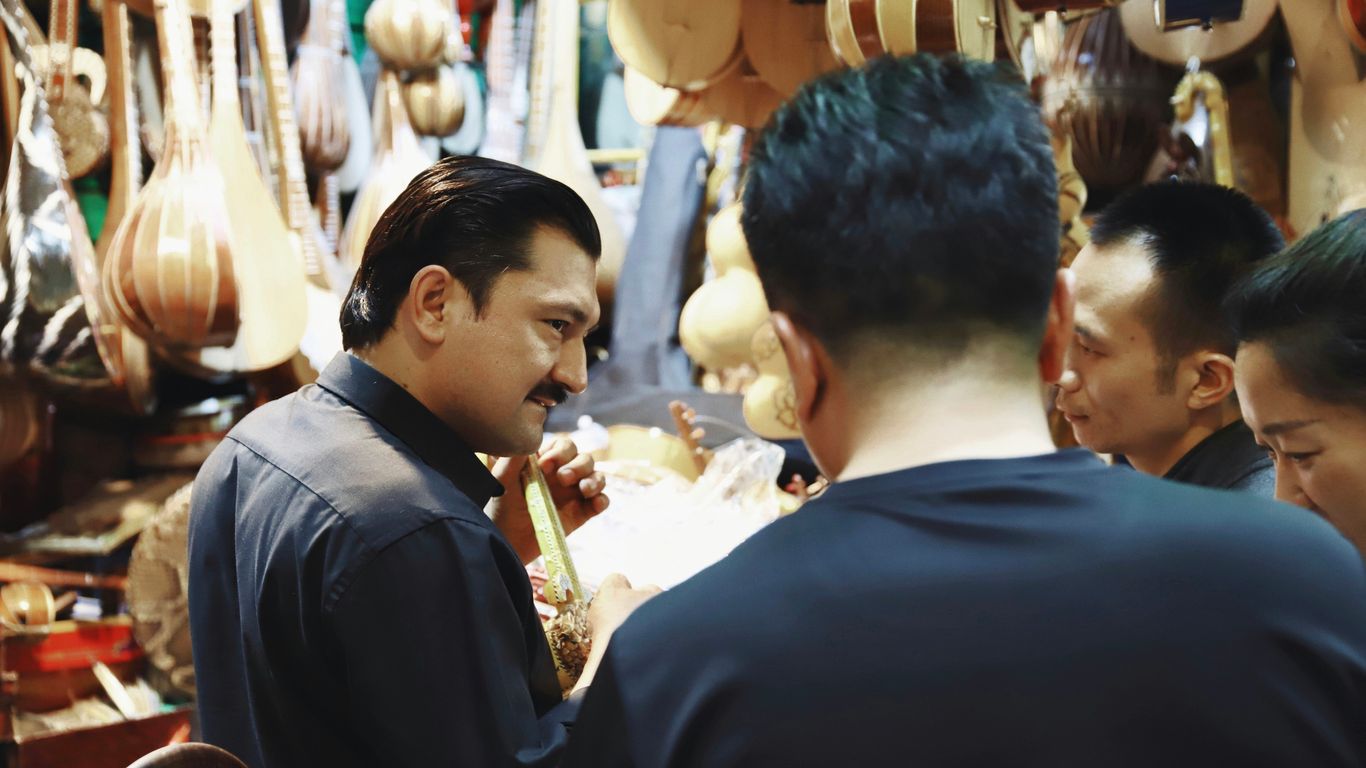
While bartering is fantastic, it’s not the only way we can trade and get what we need without spending cash. Sometimes, we need to think a little outside the box. We’ve found that mixing in a few other methods really rounds out our ability to get by and even thrive.
We’ve all seen Facebook Marketplace, right? It’s a goldmine for finding used tools, furniture, or even garden supplies. We’ve scored some amazing deals on things we needed for the homestead, often for just the cost of hauling them away. Don’t forget about local "Buy Nothing" groups either. People are often just looking to declutter, and we can get perfectly good items for free. It’s a great way to reduce waste and save money at the same time.
Think about it: do we really need our own tiller, a fancy cider press, or a grain mill if we only use it once a year? Probably not. We’ve found that pooling resources with trusted neighbors or friends makes a lot of sense. We can share the cost, the storage space, and the usage. Some communities even have "tool libraries" where you can borrow things for a small fee or even for free. It cuts down on expenses and keeps our sheds from overflowing.
This one might seem a bit different, but hear us out. We’ve attended free workshops at the local library or community center that taught us skills like preserving food, basic carpentry, or even how to care for certain animals. Sometimes, offering to volunteer your time at a farm or with someone who has a skill you want to learn can be a great trade. You get hands-on experience, and they get a helping hand. It’s a win-win, and you meet some great people along the way.
We’ve learned that self-sufficiency doesn’t mean doing everything alone. Building connections and finding creative ways to exchange goods, services, and knowledge is just as important as growing your own food. These alternative trade systems help us stretch our resources further and build a stronger community around us.
So, we’ve talked about what bartering is and why it’s great for homesteaders. Now, let’s get down to the nitty-gritty: how do we actually make it work for us? It’s not always as simple as just swapping a dozen eggs for a loaf of bread. We need to be smart about it.
This is probably the most important part. Before any trade happens, we need to be super clear about what we’re offering and what we expect in return. Are we talking about a one-time swap, or an ongoing arrangement? What’s the quality of the goods or services? For example, if we’re trading our extra zucchini for someone’s help fixing a fence, we should agree on how much zucchini and how much fence-fixing. Clear communication upfront stops misunderstandings later. It’s like planning a garden – you need to know what you’re planting and where.
It’s easy to lose track, especially when you’re trading with multiple people. We’ve found that a simple notebook or a spreadsheet works wonders. Jotting down who we traded with, what we traded, and when helps us remember who owes what and keeps things fair. It’s also handy for figuring out if we’re getting a good deal over time. Think of it as your personal barter ledger. We’ve learned that keeping a record helps us see patterns, like who always has the best tomatoes or who needs our extra firewood.
Sometimes, the most valuable thing we can trade isn’t a physical item, but our time and skills. Don’t underestimate what you have to offer, whether it’s mending clothes, watching a neighbor’s kids, or helping with a tough garden task. These exchanges build strong community bonds.
While bartering is fantastic, it’s not always the perfect solution for every situation. Sometimes, you just need a specific item or service, and the right trade isn’t available. Or maybe the person you’d normally trade with is swamped with their own projects. In those cases, it’s okay to look elsewhere. We’ve learned that sometimes, buying something new or paying for a service is just more practical, especially when time is short or the need is urgent. It’s all about finding the right balance for our homestead and our lives. For instance, if we desperately need a new roof and don’t have anything to trade that matches that value, we might have to consider buying materials or hiring help. It’s not a failure; it’s just being realistic.
So, we’ve talked a lot about how to swap goods and skills, and honestly, it’s one of the best parts of homesteading. It’s not just about saving a few bucks, though that’s nice. It’s about building connections with people around us. When we trade with neighbors, we’re not just getting what we need; we’re becoming part of something bigger. We’re helping each other out, sharing what we have, and learning from one another. It feels good, you know? Like we’re all in this together, making our little corners of the world a bit more resilient and a lot more friendly. Keep those trade networks going, keep sharing those skills, and watch how much richer your homesteading life becomes.
Homestead bartering is basically trading things we have or can do with others, instead of using money. Think of it like swapping your extra garden tomatoes for your neighbor’s fresh eggs, or offering to fix their fence in exchange for them helping you with a big garden task. It’s all about sharing resources and skills within our community.
Bartering is super helpful because it lets us get what we need without spending cash. We often have a lot of one thing, like extra veggies or handmade soap, and someone else might need that. In return, they might have something we lack, like firewood or help with repairs. It saves us money and builds stronger connections with the people around us.
Building trust is key! We start by trading with people we know and feel good about. Being honest about what we’re offering and what we expect in return is crucial. Over time, as we have good experiences and keep our promises, trust grows naturally. It’s like building a good friendship, but with trades involved.
Absolutely! Our skills are just as valuable as the things we grow or make. If you’re great at fixing things, you could trade your repair skills for someone else’s help with canning or childcare. We aim for a fair exchange, like trading an hour of your skill for an hour of theirs, to make sure everyone feels good about the deal.
Don’t worry if you don’t have tons of surplus! We can still participate by offering our time or skills. Maybe you’re good at organizing, writing, or can help with social media. Even small contributions can be valuable. Plus, we can learn new skills from others through bartering, which is a win-win.
We can look for local groups online, like on social media, or ask around at farmers’ markets or community events. If we can’t find one, we can start our own! We could invite a few like-minded neighbors or friends to get together and figure out what we can trade. The more people involved, the more options we have.
 March 7, 2026
How to Turn Food Preservation Into a Side Hustle
Canning
Homestead Kitchen
Homesteading
Sustainable Living
March 7, 2026
How to Turn Food Preservation Into a Side Hustle
Canning
Homestead Kitchen
Homesteading
Sustainable Living
We've all got those hobbies or skills that we love doing, right? Maybe it's baking, gardening, or even making your own jam. What if we told you that you could turn those passions into a little extra cash? It might...
Read More March 7, 2026
High-Output Crops Perfect for Micro Homesteads
Gardening
Homestead Planning
Homesteading
Starting a Homestead
March 7, 2026
High-Output Crops Perfect for Micro Homesteads
Gardening
Homestead Planning
Homesteading
Starting a Homestead
Thinking about growing your own food but only have a little space? We get it. Many of us are looking for ways to be more self-sufficient, even if we don't have acres to work with. The good news is, you...
Read More March 6, 2026
10 Low-Cost Homestead Side Hustles That Make Money
Homestead Planning
Homesteading
Starting a Homestead
March 6, 2026
10 Low-Cost Homestead Side Hustles That Make Money
Homestead Planning
Homesteading
Starting a Homestead
We all dream of a simpler life, right? One where we're more connected to the land and the seasons. But let's be real, that dream needs some funding. That's where low cost homestead side hustles come in. These aren't about...
Read More