


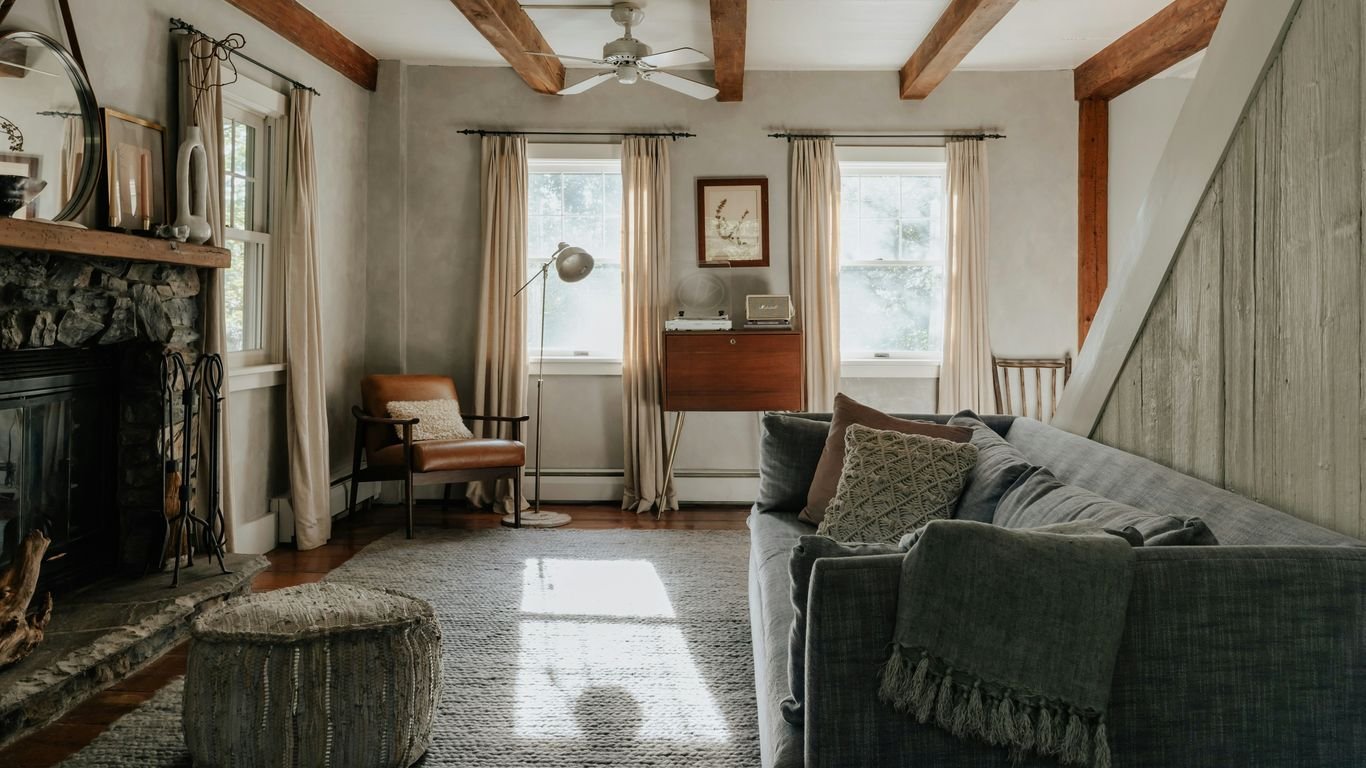
We’ve been thinking a lot lately about how we want our home to feel. You know, that cozy, lived-in vibe? We’re really drawn to the modern homestead aesthetic, which feels so warm and inviting. It’s not just about making a house look pretty; it’s about creating a space that feels authentic and tells a story. We want our home to be a reflection of us, a place where we can relax and feel truly comfortable. This style, with its focus on natural elements and a touch of the past, seems like the perfect fit for us.
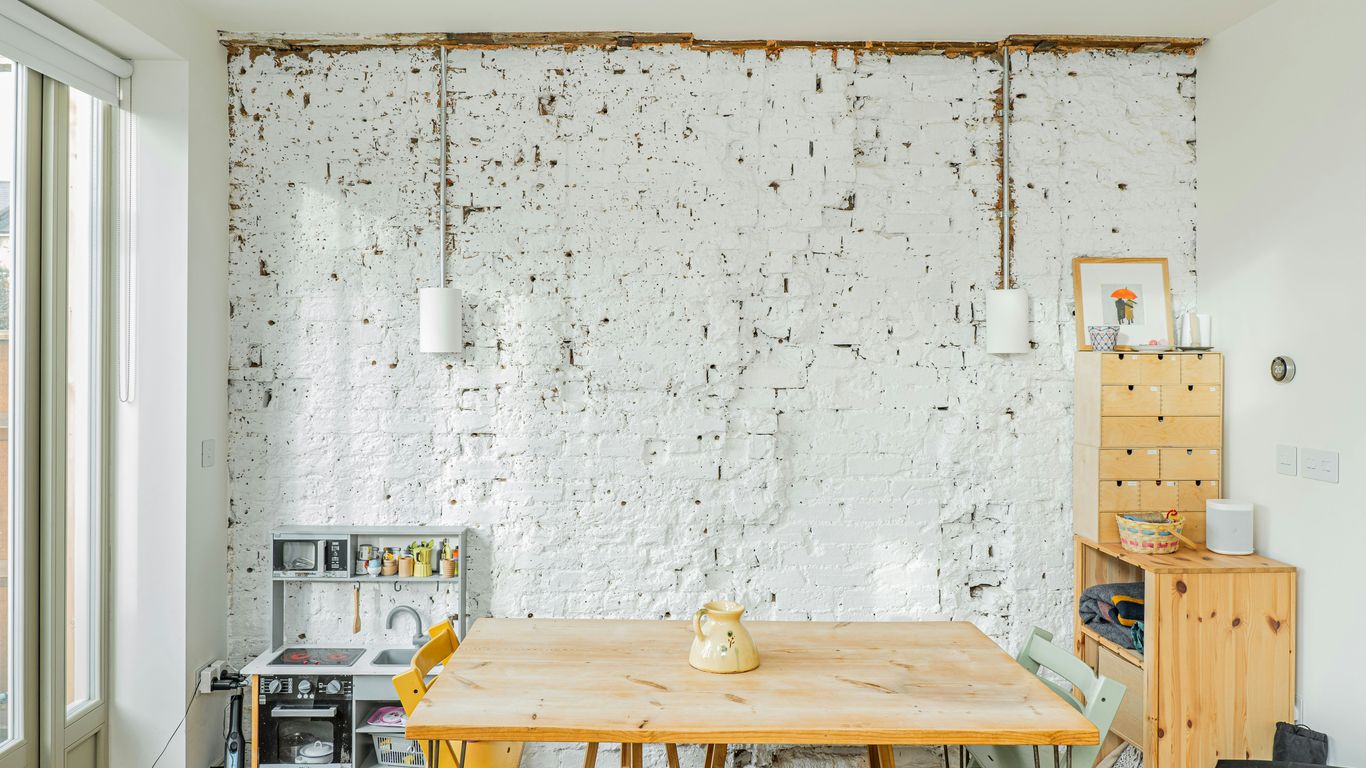
We’ve been thinking a lot lately about how we want our home to feel. You know, that cozy, lived-in vibe? We’re really drawn to the homestead aesthetic, which feels so warm and inviting. It’s not just about making a house look pretty; it’s about creating a space that feels authentic and tells a story. We want our home to be a reflection of us, a place where we can relax and feel truly comfortable. This style, with its focus on natural elements and a touch of the past, seems like the perfect fit for us.
At its heart, homestead decor is about celebrating a connection to the land and a spirit of self-sufficiency. It’s a style that feels grounded, honest, and deeply personal. We’re talking about creating spaces that are both beautiful and functional, reflecting a life lived with intention. Think about the materials we use – lots of wood, stone, and natural fibers that bring the outdoors in. We also love incorporating pieces that have a history, things that show a bit of wear and tell a story. The beauty of imperfection is key here; it’s what makes a space feel real and lived-in, not staged. It’s about embracing the idea that a home can be a sanctuary that’s also a working space, a place where we create, grow, and sustain.
While the terms "farmhouse" and "homestead" are often used interchangeably, there’s a subtle difference we appreciate. Farmhouse style often leans into a more polished, curated look, perhaps with cleaner lines and a brighter palette. Homestead, on the other hand, feels a bit more rugged, more about the practicalities of living off the land and a deeper connection to resourcefulness. It’s less about a specific architectural style and more about a lifestyle and the decor that supports it. We see homestead decor as embracing a bit more of the utilitarian, the handmade, and the truly aged. It’s about the story behind the object and its function, not just its appearance.
We’ve come to really appreciate the charm that comes with things that aren’t perfect. In the homestead aesthetic, this is celebrated. A slightly wobbly chair, a wooden table with a few nicks and scratches, a handmade quilt with a few uneven stitches – these aren’t flaws, they’re character. They speak to the history of the piece and the life it has lived. This approach allows us to feel more relaxed in our homes, knowing that everything doesn’t have to be pristine. It’s about creating a space that feels welcoming and comfortable, where memories can be made without the worry of keeping everything in perfect condition. This embrace of the imperfect is what truly makes a house feel like a home.
When we’re aiming for that cozy homestead feel, we need to think about the core elements that make a space feel grounded and welcoming. It’s not just about picking out furniture; it’s about the materials we choose, the stories those items tell, and the comfort they bring. These are the foundations upon which we build our rustic retreats.
This is where the magic really starts. Natural materials are the backbone of the modern rustic homestead look. They bring an organic, earthy quality into our homes that just feels right. Think about wood, stone, and natural fibers. These aren’t about being perfectly polished; it’s about embracing the inherent beauty and texture of things that have a story. Using these elements helps connect our living spaces to the outdoors, making them feel more peaceful and real. We want our homes to feel like they’ve grown from the land, not just been placed upon it.
Here are some of our favorite natural materials to incorporate:
The goal with natural materials is to create a tactile experience. We want our homes to feel good to the touch, inviting us to slow down and appreciate the simple beauty around us.
To truly capture the homestead spirit, we need to sprinkle in pieces that have a history. Vintage and antique finds are perfect for this. They add character and a sense of lived-in comfort that new items just can’t replicate. We can look for furniture that shows a bit of wear, old kitchenware, or even textiles that have been passed down. These items aren’t just decorative; they bring a soulfulness to our spaces. It’s about mixing the old with the new to create something that feels uniquely ours.
When we think about coziness, textiles are a huge part of that. Soft linens, chunky knit throws, and well-loved quilts are key players in the homestead look. They add warmth, texture, and a sense of comfort that invites you to settle in. Don’t be afraid to layer them up! A mix of patterns and textures can make a space feel richer and more inviting. Consider natural fibers like cotton, linen, and wool – they not only look the part but also feel wonderful to the touch. These elements are what truly make a house feel like a home, a place where we can relax and recharge.
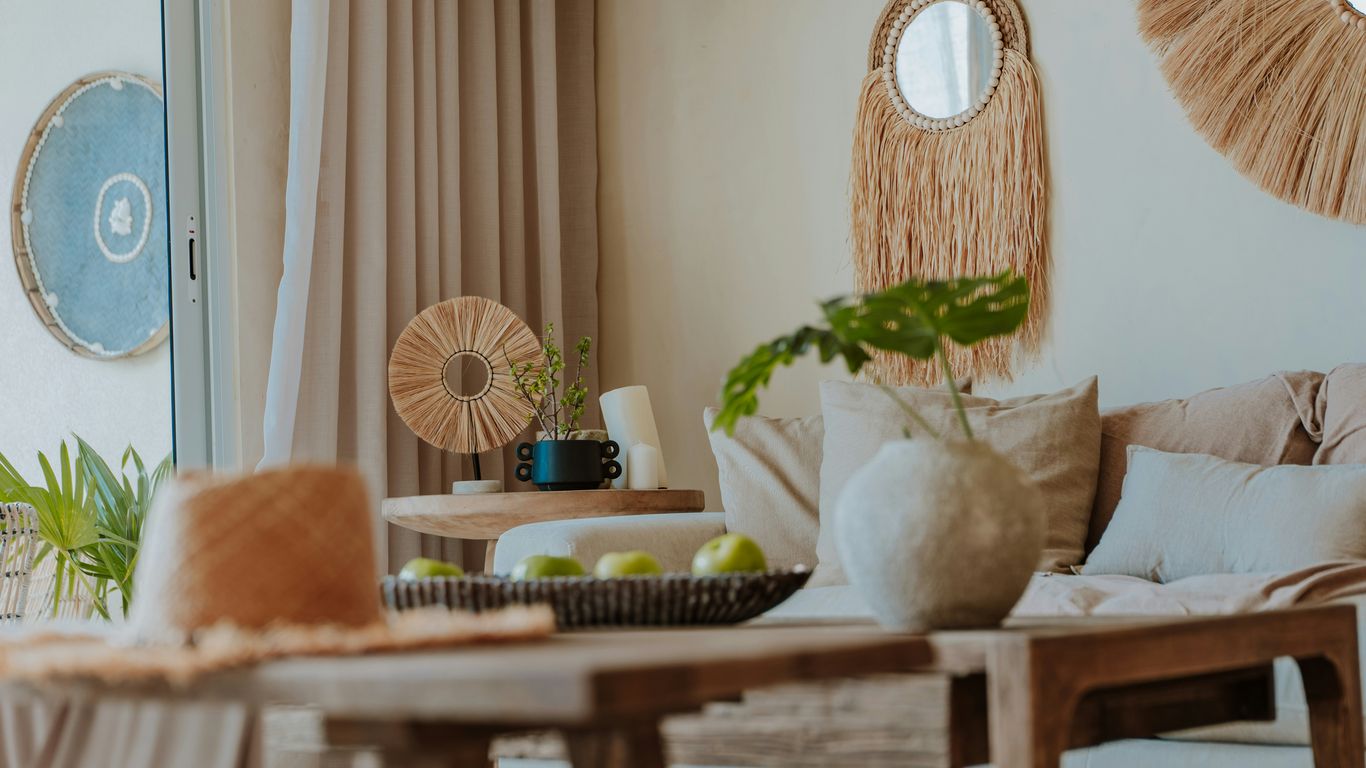
When we’re aiming for that cozy homestead vibe, wood furniture is pretty much the first thing that comes to mind. It’s the backbone of that grounded, welcoming feeling we want. We’re talking solid pieces, maybe with a bit of a weathered look, that just feel real. Think about a sturdy dining table where you can imagine generations gathering, or a chunky wooden sideboard that’s seen its fair share of family meals. It doesn’t have to be perfectly polished; in fact, a few nicks and scratches can add to the charm, telling a story of use and life. We love how wood, in its many forms – from pine to oak, reclaimed to new – brings an instant sense of warmth and history into a space. It’s about choosing pieces that feel substantial and inviting, creating a solid foundation for the rest of your decor.
Now, we don’t want our homes to feel like a museum exhibit from a century ago. That’s where the modern flair comes in. It’s about blending those timeless, rustic elements with touches that feel fresh and current. We can achieve this by mixing and matching. For instance, pair that antique wooden hutch with a sleek, modern sofa. Or, hang a collection of vintage botanical prints above a contemporary, minimalist fireplace. The key is balance. We want to keep that cozy, self-sufficient spirit alive, but also ensure our homes feel comfortable and functional for today’s living. Think about incorporating elements like woven baskets for storage, perhaps alongside some clean-lined metal accents, or using soft, natural textiles on more modern furniture shapes. It’s about creating a look that feels curated, not cluttered, and that speaks to both the past and the present.
Ultimately, the homestead aesthetic is about creating a space that feels like it has always been there, a place that transcends trends. It’s about building a home that feels authentic and lived-in, a sanctuary that offers comfort and peace. We achieve this by focusing on quality over quantity, choosing pieces that have character and meaning. This might mean hunting for unique finds at antique stores, repurposing items in creative ways, or simply selecting furniture and decor that are built to last. The goal is to create a home that feels deeply personal and enduring. When we fill our homes with things we love, things that tell our story, we naturally create a sense of timelessness. It’s about building a foundation of warmth with wood, adding personality with rustic accents, and layering in textiles and personal touches that make a house truly feel like a home, a place that will be cherished for years to come.
The beauty of the homestead aesthetic lies in its ability to blend the practical with the beautiful, the old with the new. It’s a style that celebrates resourcefulness, authenticity, and the simple joys of home. By thoughtfully selecting materials, incorporating vintage finds, and balancing utilitarian elements with refined touches, we can create spaces that are not only visually appealing but also deeply comforting and personal.
When we’re thinking about creating that cozy, lived-in homestead feel, a few things really stand out. It’s all about making our homes feel grounded and authentic, like they’ve gathered stories over time. We want to bring the outside in and embrace a sense of practical beauty.
This is where the magic really happens. Think about the feel of things – rough wood grain, the softness of wool, the coolness of stone. These textures add so much depth and warmth to a space. We can layer different textures to make rooms feel more inviting and interesting. It’s not just about how things look, but how they feel to the touch. We’re aiming for a tactile experience that grounds us.
Here are some ideas for bringing in natural textures:
Homestead style isn’t just about being practical; it’s also about being beautiful. We want our homes to be functional, of course, but we also want them to feel special. This means finding a balance between items that are purely utilitarian and those that are more decorative or refined. For example, we might have a sturdy wooden workbench in our craft room, but we’d pair it with some pretty ceramic storage jars. Or perhaps a simple, well-loved quilt draped over a sleek, modern sofa. The key is to create a look that feels both down-to-earth and thoughtfully curated. It’s this blend that makes a homestead space feel truly cozy and inviting.
To really nail the homestead aesthetic, we need to sprinkle in some pieces that have a history. Vintage and antique finds are perfect for this. They add character and a sense of lived-in comfort that new items just can’t replicate. We can look for furniture that shows a bit of wear, old kitchenware, or even textiles that have been passed down. These items aren’t just decorative; they bring a soulfulness to our spaces. It’s about mixing the old with the new to create something that feels uniquely ours.
We want our homes to tell a story, reflecting not just our current lives but the lives that came before. This connection to the past adds a depth that is hard to find in purely modern design.
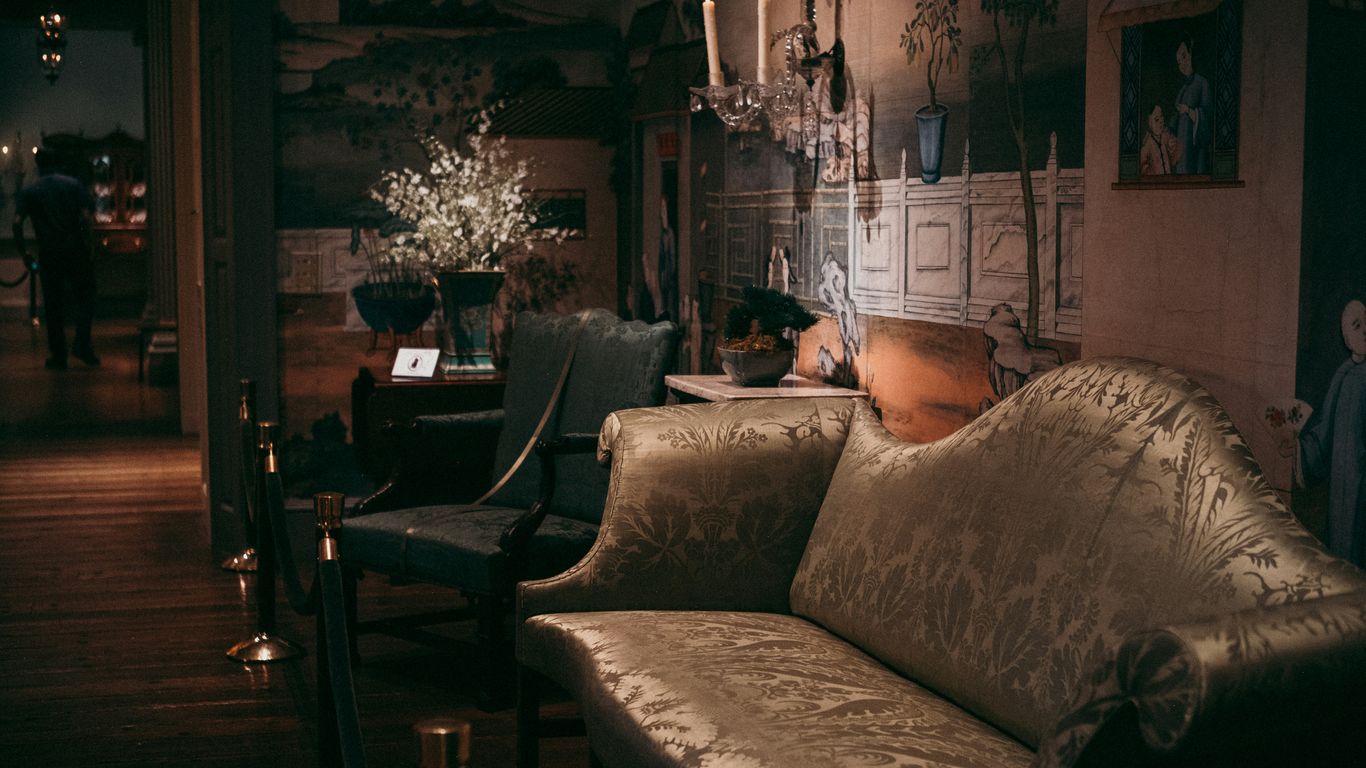
We think the real heart of a modern rustic homestead look comes from pieces that have a story. New stuff is fine, but it just doesn’t have that lived-in feel, you know? That’s where vintage and antique finds really shine. They bring a certain soulfulness to a space that you just can’t buy off the shelf. Think about old kitchen tools, a well-loved quilt, or even just a stack of books that look like they’ve been read a hundred times. These aren’t just decorations; they’re conversation starters and memory keepers. We love mixing these older items with newer ones to create a look that feels totally unique to us.
When we’re hunting for furniture, we’re not always looking for that perfect, smooth finish. Honestly, a bit of wear and tear can be a good thing. It shows the piece has been used and loved. We’re talking about furniture with a bit of a rough edge, maybe some visible wood grain, or even a slightly chipped paint job. These aren’t flaws; they’re character marks. A sturdy wooden table with a few nicks from family dinners, or a dresser with a slightly faded finish – these are the kinds of pieces that make a house feel like a home. They bring a sense of history and authenticity that polished, brand-new items often lack.
Don’t feel like everything has to match perfectly. In fact, we find that mixing different styles and eras is what really makes a homestead space feel dynamic and personal. Instead of buying a matching bedroom set, why not find a cool vintage dresser and pair it with a more modern bed frame? Or in the living room, maybe an antique armchair sits comfortably next to a newer, sleeker sofa. The key is to create a curated look that feels intentional, not accidental. We can use color or texture to tie disparate pieces together, but the goal is to embrace a bit of beautiful chaos. It’s about creating a space that feels collected over time, reflecting our journey and tastes.
When we’re aiming for that cozy homestead feel, the colors we choose play a huge role. We tend to gravitate towards palettes that feel like they’ve been pulled straight from nature. Think about the soft, earthy tones you see on a walk in the woods or a quiet meadow. We’re talking about creamy whites, warm beiges, muted greens that remind us of sage or moss, and gentle browns. These aren’t just colors; they’re the foundation for a peaceful, welcoming atmosphere. Layering these shades is key. It adds depth and prevents the space from feeling too flat or one-dimensional. We can also introduce subtle pops of richer, deeper colors – maybe a touch of terracotta, a dusty blue, or a deep berry – to give the room more personality without overwhelming the calm vibe.
Here’s a simple palette we often use:
| Base Color | Accent Colors | Secondary Accents |
|---|---|---|
| Creamy White | Muted Sage Green | Terracotta |
| Warm Beige | Dusty Blue | Deep Burgundy |
| Soft Gray | Burnt Orange | Forest Green |
This is where the homestead aesthetic really comes alive. We want our homes to feel connected to the natural world, and plants are a fantastic way to do that. Houseplants add a touch of life and freshness to any room. Simple, broad-leafed varieties like ferns or snake plants work wonderfully, and they look great in neutral-toned pots or even woven baskets for an extra layer of texture. Beyond plants, think about natural elements for decor. Muted-tone vases in ceramic or glass, especially in simple shapes, can hold fresh or dried flowers beautifully. Framed botanical prints or artwork with natural themes also add subtle visual interest to walls, keeping the overall feel calm and earthy. Woven baskets, made from materials like jute, wicker, or rattan, are not only stylish storage solutions but also bring in that wonderful natural texture we love.
Natural fibers are the unsung heroes of a cozy homestead look. They add so much warmth and tactile interest. We’re talking about things like chunky knit blankets draped over a sofa, soft linen curtains that let in diffused light, or a textured jute rug underfoot. These materials don’t just look good; they feel good too. They add a layer of comfort and a sense of groundedness to our spaces. Think about mixing different textures – maybe a smooth wooden table paired with a rougher woven placemat, or a soft cotton throw on a slightly more structured linen chair. It’s this interplay of textures that makes a room feel truly inviting and lived-in.
We want our homes to feel like a sanctuary, a place that reflects our connection to the earth and a simpler way of living. It’s about creating spaces that are both beautiful and functional, filled with items that have meaning and tell a story.
When we talk about the modern homestead look, a big part of it is this idea of doing things ourselves. It’s about making our homes feel like they’re not just places we live, but places where we actively create and sustain. This translates into our decor by showing off skills or using items that have a history of being useful. Think about displaying handmade pottery or textiles, or using old crates for storage. It’s about making our spaces feel like they’re part of a life lived with intention and a bit of independence.
We love how the homestead aesthetic lets us show off what we can do. This could be anything from a quilt you stitched yourself to a wooden shelf you built. It adds a personal touch that you just can’t buy. Beyond just showing off skills, we also look for pieces that can do double duty. A sturdy old trunk can be a coffee table and storage all in one. A vintage ladder might hold blankets or serve as a unique bookshelf. These multi-functional items are perfect for a homestead vibe because they’re practical and add character.
This style really taps into being resourceful. Instead of always buying new, we might repurpose old items or look for things that have a story. This not only makes our homes more interesting but also connects us to a more sustainable way of living. It’s about appreciating the beauty in things that are used, reused, and have a history. This approach helps our homes feel more grounded and authentic, reflecting a deeper connection to the natural world and a sense of self-reliance.
The homestead aesthetic is about creating a home that feels both beautiful and functional, reflecting a life lived with intention and a touch of independence. It’s about making choices that feel honest and true to who we are and where we come from.
Here are some ways we can bring this resourcefulness into our homes:
So, we’ve talked a lot about wood, old things, and making our homes feel cozy. It’s really about finding that sweet spot between what’s practical for today and what feels good and real. We don’t need a fancy designer to get this look; it’s more about picking things that have a story, using natural stuff, and not stressing if something isn’t perfectly new. Our homes should feel like us, a place we can actually live in and enjoy. We hope this guide has given you some good ideas to start making your own space feel like a warm, welcoming homestead. Happy decorating, everyone!
Think of farmhouse style as the cozy, rustic look with natural materials and simple furniture. Homestead style takes that a step further by adding elements that remind us of living a self-sufficient life. It’s like farmhouse style with a nod to growing your own food, making things yourself, or using natural energy.
We should definitely lean into natural materials! Wood, especially wood that looks a bit worn or has a rustic feel, is key. Think about things like stone, natural fibers, and finishes that look a little aged or handmade. These materials help create that grounded, earthy vibe we’re going for.
Absolutely! Mixing vintage or antique finds with newer pieces is a great way to get that authentic homestead feel. It shows we value things that have a history and can be repurposed. Just make sure the older items still fit the cozy, practical vibe.
We can start small! Adding natural textures with things like woven baskets, chunky knit blankets, or linen curtains can make a big difference. Bringing in plants, using warm, earthy colors, and displaying items that hint at self-sufficiency, like a nice wooden bowl or some dried herbs, can also help a lot.
We should aim for warm and inviting colors. Think about nature: soft greens, earthy browns, creamy whites, and warm grays. Layering these colors, maybe with a few muted blues or rusty reds, helps create a cozy and welcoming feel without being too loud.
We can display items that have meaning to us. This could be old family photos in simple wooden frames, handmade crafts, or souvenirs from places that remind us of nature. The key is to choose items that tell a story and arrange them thoughtfully, so they add character rather than clutter.
 March 7, 2026
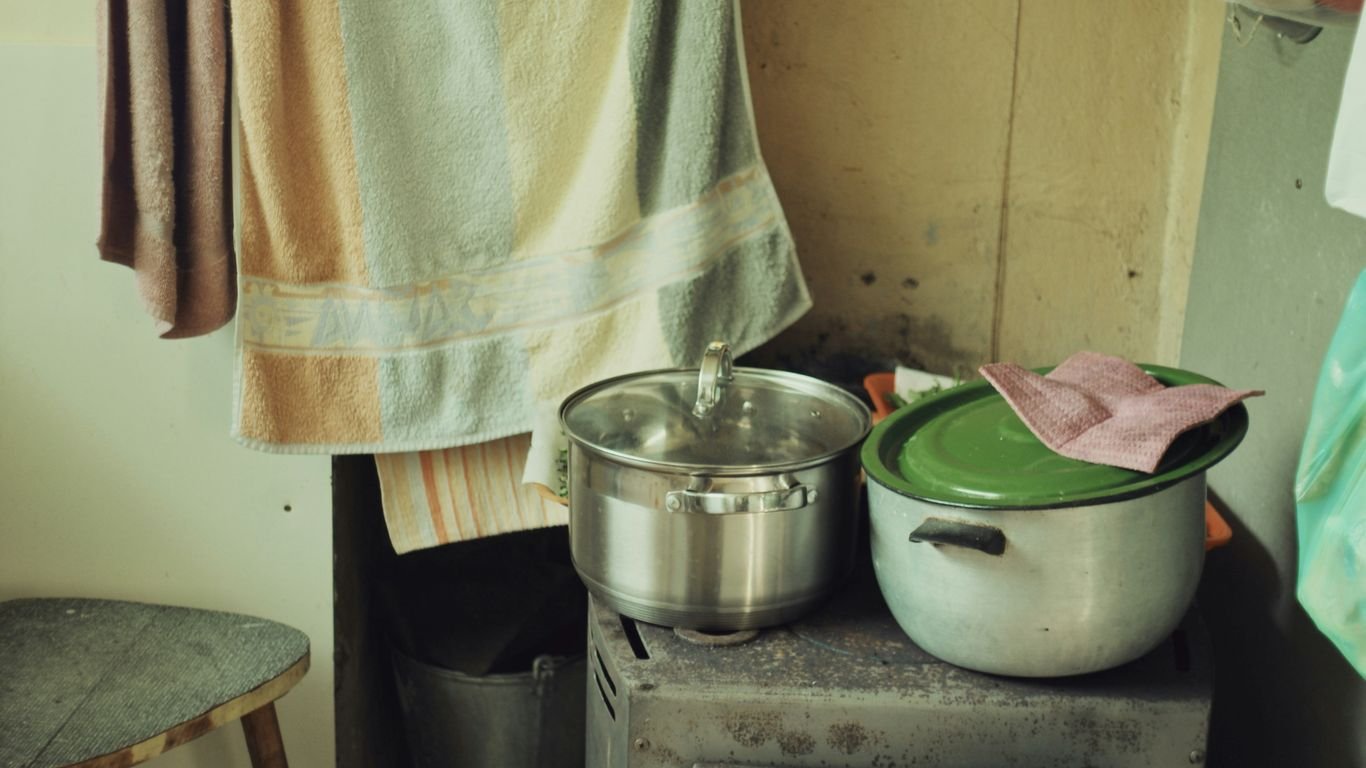
How to Turn Food Preservation Into a Side Hustle
Canning
Homestead Kitchen
Homesteading
Sustainable Living
March 7, 2026
How to Turn Food Preservation Into a Side Hustle
Canning
Homestead Kitchen
Homesteading
Sustainable Living
We've all got those hobbies or skills that we love doing, right? Maybe it's baking, gardening, or even making your own jam. What if we told you that you could turn those passions into a little extra cash? It might...
Read More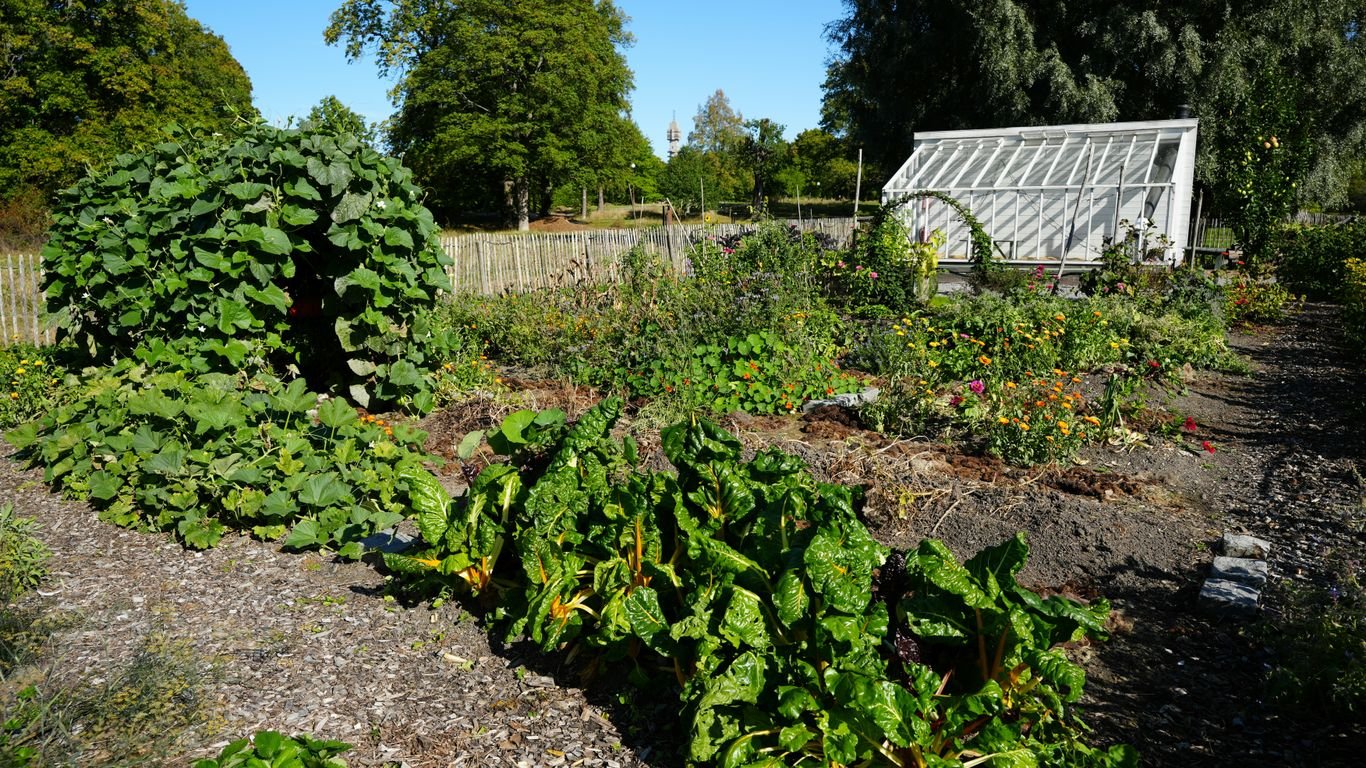 March 7, 2026
High-Output Crops Perfect for Micro Homesteads
Gardening
Homestead Planning
Homesteading
Starting a Homestead
March 7, 2026
High-Output Crops Perfect for Micro Homesteads
Gardening
Homestead Planning
Homesteading
Starting a Homestead
Thinking about growing your own food but only have a little space? We get it. Many of us are looking for ways to be more self-sufficient, even if we don't have acres to work with. The good news is, you...
Read More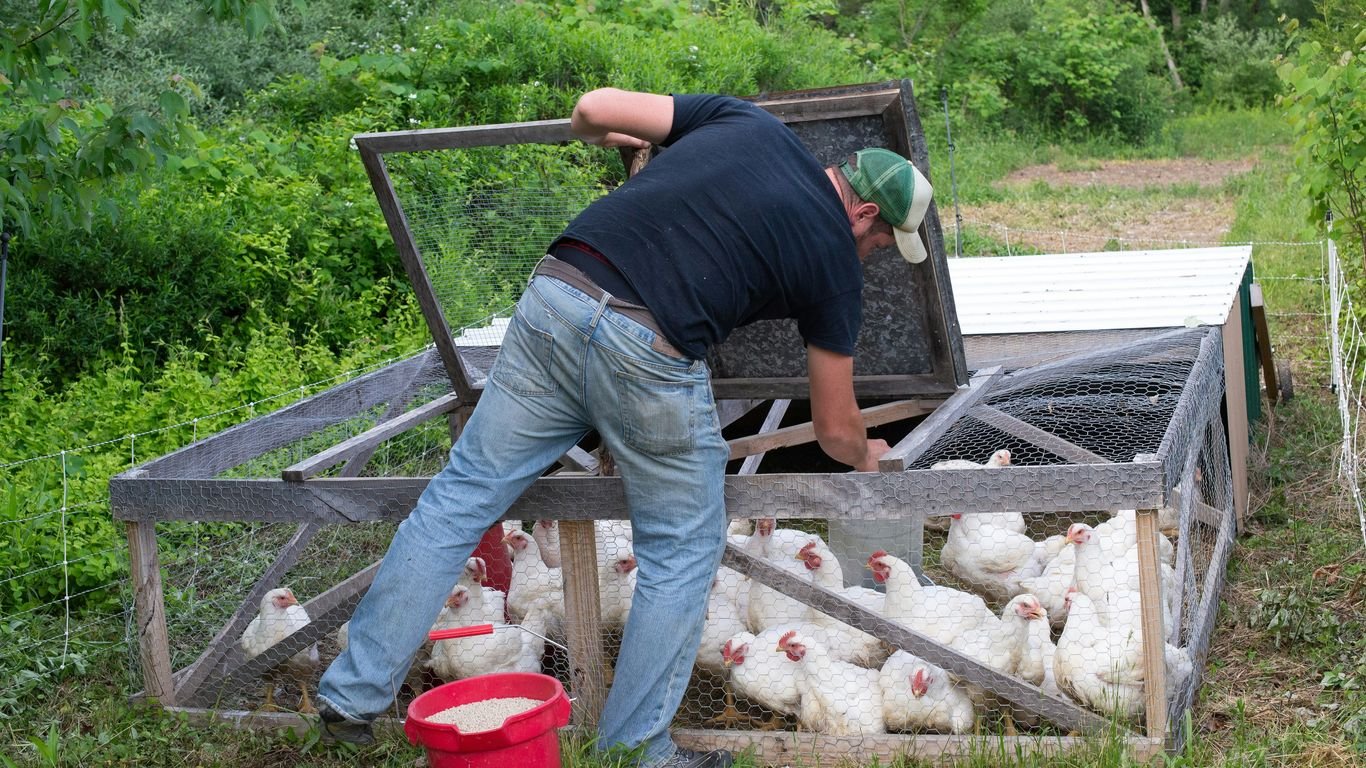 March 6, 2026
10 Low-Cost Homestead Side Hustles That Make Money
Homestead Planning
Homesteading
Starting a Homestead
March 6, 2026
10 Low-Cost Homestead Side Hustles That Make Money
Homestead Planning
Homesteading
Starting a Homestead
We all dream of a simpler life, right? One where we're more connected to the land and the seasons. But let's be real, that dream needs some funding. That's where low cost homestead side hustles come in. These aren't about...
Read More