



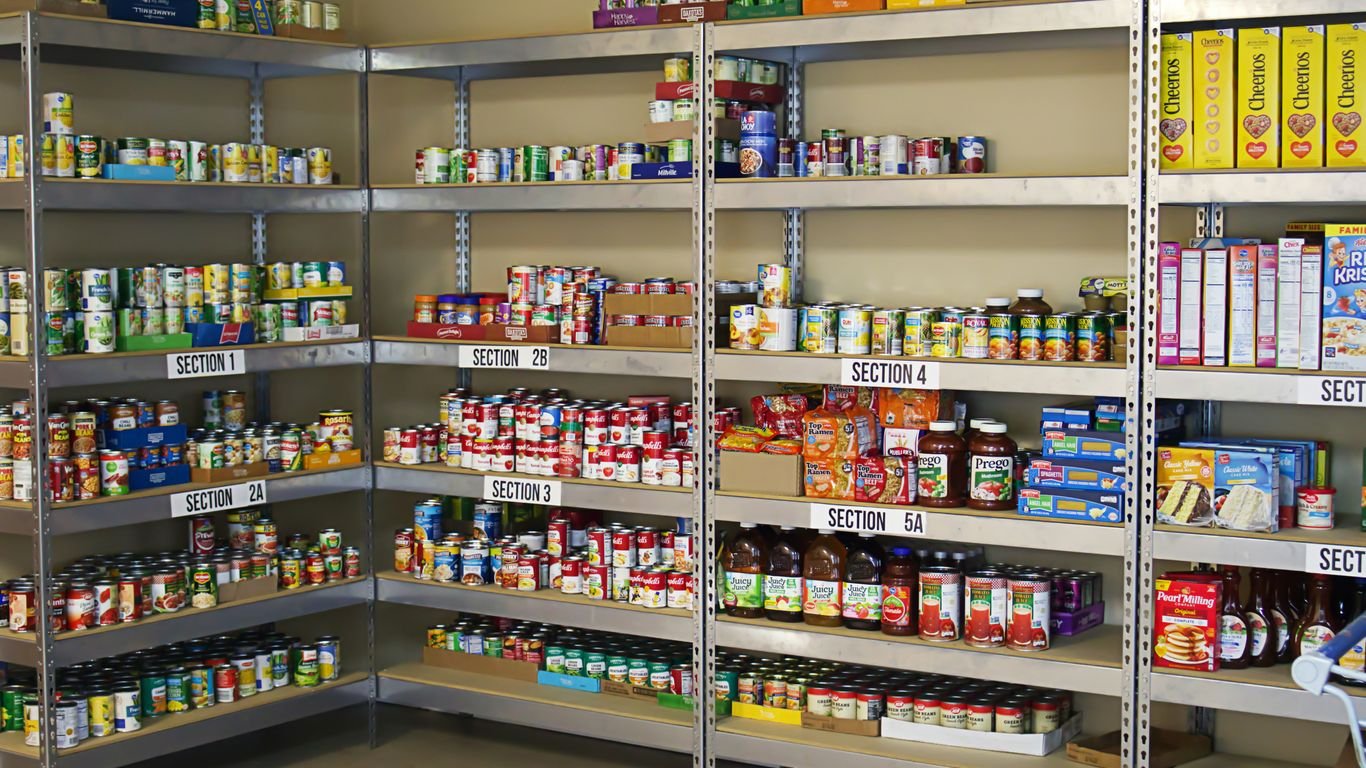
Getting our homestead pantry staples in order feels like a big job, but it doesn’t have to be. We’ve learned that a well-stocked pantry is more about having the right basics on hand than filling every shelf. It’s about building a foundation that lets us cook from scratch, save money, and feel more secure. We’re sharing our approach to building up our homestead pantry staples, focusing on what we actually use and what keeps well, so you can create a system that works for your family too.
When we first started thinking about stocking our pantry for the long haul, grains and legumes were the first things that came to mind. They’re the backbone of so many meals, incredibly filling, and they store for ages. Seriously, a big bag of rice or beans can sit on the shelf for years and still be perfectly good. This is where we build our food security, one sturdy bag at a time.
Grains are like the workhorses of our kitchen. They provide sustained energy and are super versatile. We like to keep a variety on hand because different grains work better for different dishes. Think about rice for stir-fries or side dishes, oats for breakfast or baking, and cornmeal for cornbread or polenta. If you’re feeling ambitious, keeping wheat berries means you can mill your own flour, which is a whole other level of self-sufficiency.
Here’s a quick rundown of what we keep stocked:
Legumes, or beans, are nutritional powerhouses. They’re packed with protein and fiber, which keeps us feeling full and satisfied for hours. Plus, they’re incredibly affordable, especially when bought in bulk. We try to have a mix of different beans and lentils because they add so much variety to our meals. Black beans, pinto beans, and lentils are usually at the top of our list. They can be used in soups, stews, chilis, salads, or even as a meat substitute.
Our go-to legumes include:
Pairing grains with legumes creates a complete protein, meaning we get all the amino acids our bodies need. This is a smart way to maximize nutrition from simple, shelf-stable foods.
While we do keep some all-purpose flour on hand, the idea of milling our own flour from wheat berries is really appealing. It gives us control over the type of flour we use and is a great skill to have. Hard wheat berries are preferred for bread, while softer varieties might be better for cakes and pastries. It takes a bit of effort and the right equipment, but the payoff in terms of freshness and self-reliance is huge. We’re still working up to this, but it’s definitely on our radar for future pantry expansion.
When we think about stocking our pantry, protein is a big one. It keeps us full, fuels our bodies, and is super important for all sorts of bodily functions. We like to have a good mix of animal and plant-based options, because variety is the spice of life, right? Plus, having different kinds means we can whip up all sorts of meals, whether it’s a quick weeknight dinner or something more special.
For quick protein on hand, canned meats are our go-to. Think chicken, tuna, salmon, or even beef. They’re already cooked and ready to go, which is a lifesaver on busy days. We also keep jerky and dehydrated meats around. They last forever and are great for snacks or adding to soups and stews. It’s amazing how much you can save by making over common household items yourself, and protein sources are no exception making over 20 common household items.
Beans and legumes are absolute stars in our pantry. They’re packed with protein and fiber, and they’re so versatile. We always have dried beans like pinto, black, and kidney beans, plus lentils and chickpeas. These are super affordable and last for ages. Nuts and seeds are also fantastic. Almonds, walnuts, sunflower seeds, and pumpkin seeds are great for snacking, adding to salads, or baking. We also love keeping nut butters like peanut and almond butter on hand. They’re not just for toast; they can be added to smoothies, sauces, and baked goods for an extra protein and flavor boost.
Nut butters are more than just a breakfast spread. We use them in all sorts of recipes. A dollop in a smoothie adds creaminess and staying power. They can thicken up sauces for stir-fries or even be incorporated into baked goods for a richer texture and nutty flavor. It’s a simple way to add a good dose of protein and healthy fats to meals without much fuss.
We’ve learned that focusing on what our family actually eats is key. Don’t stock up on foods nobody likes just to fill shelves. Start small, build habits, and prioritize quality ingredients. It’s about creating sustainable systems, not just checking boxes.
When we talk about stocking our homestead pantry, fats and oils are super important. They’re not just for cooking; they add flavor, help us feel full, and are a key part of a balanced diet. We like to keep a good variety on hand because different fats work best for different things.
We try to have a few different cooking oils ready to go. For everyday cooking, like sautéing vegetables or making a quick sauce, a good quality olive oil or avocado oil is usually our go-to. Olive oil has a nice flavor, and avocado oil can handle higher heat, which is handy. Coconut oil is another favorite; it’s great for baking and adds a subtle tropical note to dishes. It’s also solid at room temperature, which can be convenient.
We’ve found that avoiding certain processed seed oils is a good move for healthier cooking. Instead, we focus on traditional fats like tallow, butter, ghee, and lard. These alternatives not only improve our cooking but also contribute to our overall health goals. You can find more information on these traditional cooking fats.
Don’t shy away from animal fats! Lard and tallow are fantastic for cooking, especially for things like frying or baking pie crusts. They give a wonderful richness and crispness that you just can’t get with other fats. Plus, rendering your own lard or tallow from kitchen scraps is a great way to reduce waste on the homestead. It’s a bit of a process, but totally worth it for the flavor and quality.
Now, when we talk about essential oils in this section, we’re not talking about the ones you diffuse for aromatherapy (though those are nice too!). We mean the concentrated flavor and nutritional powerhouses that can really make a dish sing. Think of things like fish oil for omega-3s, or even just using a good quality oil like sesame oil for a finishing touch on stir-fries. These add a layer of complexity and benefit that’s hard to beat. We also keep a small bottle of high-quality fish oil on hand for its nutritional benefits.
Here’s a quick look at what we keep:
Storing fats and oils properly is key to keeping them fresh. Keep oils in dark, cool places, and sealed containers. For animal fats, proper rendering and storage in airtight containers will keep them good for a long time. We’ve found that glass jars work well for most things.
When we talk about baking from scratch, it’s not just about fancy cakes and cookies, though those are great too! It’s about having the building blocks for everyday breads, biscuits, and even thickening sauces. Having these items on hand means we can whip up something delicious and nourishing whenever the mood strikes, or when we need a reliable staple.
These are the unsung heroes of baking. Without them, our breads would be flat and our gravies thin. We always make sure to have a good supply of these on hand.
While refined sugar has its place, we prefer to rely on natural sweeteners that offer a bit more flavor and character. These are also great for preserving fruits.
These are the ingredients that take our baking from good to great. They add depth, aroma, and that special something that makes homemade treats so comforting.
Keeping these baking essentials stocked means we’re always ready to create from scratch. It’s about more than just baking; it’s about self-sufficiency and enjoying the process of making our own food. We find that having a well-organized pantry makes all the difference when we’re ready to start wholesome from-scratch baking.
| Ingredient | Common Uses |
|---|---|
| Baking Soda | Leavening, cleaning |
| Baking Powder | Leavening |
| Yeast | Bread, pizza dough |
| Cornstarch | Thickening sauces, gravies, pie fillings |
| Honey | Sweetener, moisture, flavor |
| Maple Syrup | Sweetener, flavor for breakfast items, cakes |
| Vanilla Extract | Flavoring for most baked goods |
| Cocoa Powder | Chocolate cakes, brownies, cookies |
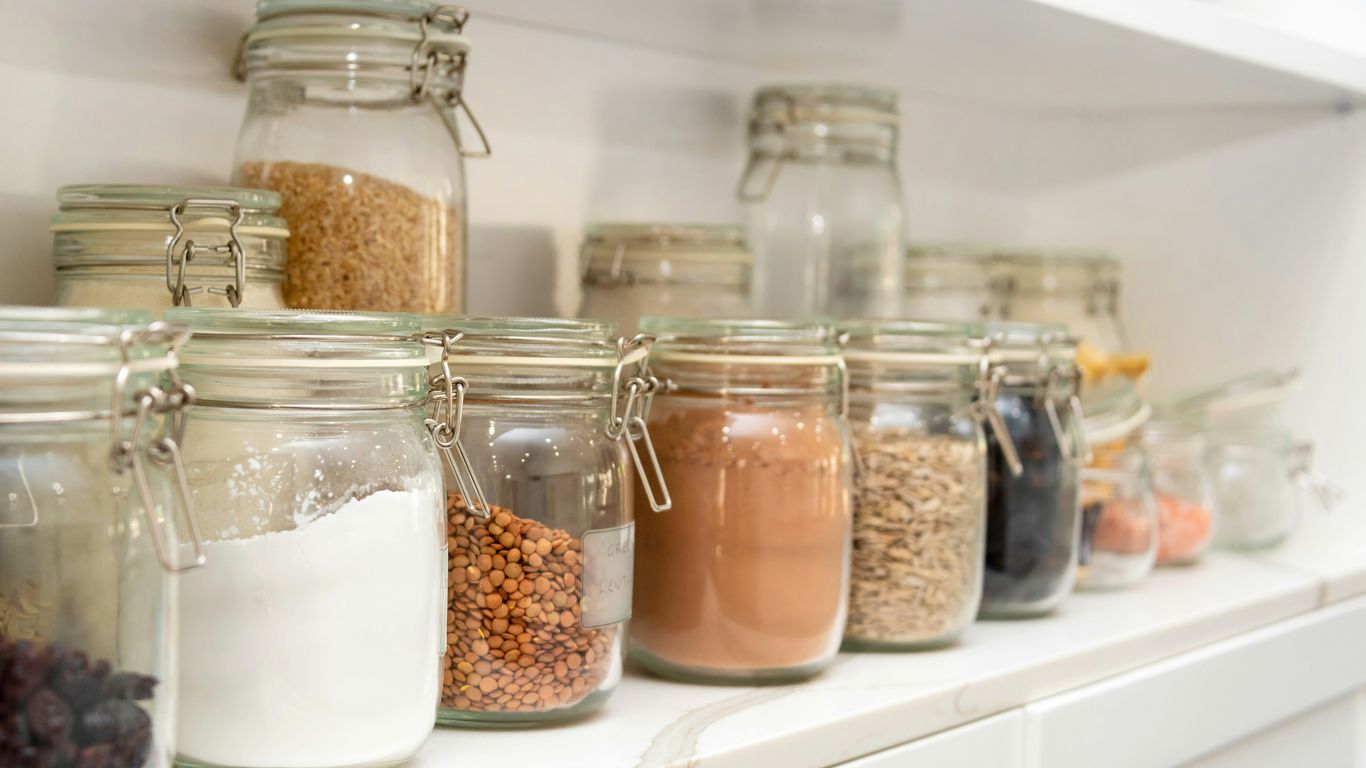
When we think about stocking our pantries for the long haul, we often focus on the big stuff like grains and canned meats. But let’s not forget the powerhouses of flavor and preservation: dried goods and spices. These little wonders can transform bland staples into delicious meals and help keep our food safe and tasty for ages.
Spices are like the secret weapon in our homestead kitchen. They don’t just make food taste good; they can seriously boost morale, especially when we’re relying on basic ingredients. Salt, of course, is non-negotiable. It’s vital for our bodies and a fantastic preservative. But beyond salt, think about building a collection that covers a range of flavors. We like having basics like garlic powder, onion powder, black peppercorns (don’t forget a grinder!), and chili powder. For more complex dishes, consider things like cumin, paprika, and Italian seasoning. Whole spices, like cumin seeds or coriander seeds, last even longer and can be toasted for an extra flavor kick.
Dehydrated veggies and fruits are another game-changer. They take up way less space than their fresh counterparts and rehydrate beautifully in soups, stews, and casseroles. Think dried onions, carrots, and celery for a quick mirepoix base. For a touch of sweetness or a pop of color, dried fruits are fantastic. They’re great for baking, adding to trail mixes, or just snacking on.
Storing dried goods properly is key. We use airtight containers, often Mylar bags with oxygen absorbers inside sealed buckets, to keep out moisture, light, and pests. This makes a huge difference in how long they stay good.
Dried fruits are a homesteader’s best friend for adding natural sweetness to meals and snacks. Raisins, cranberries, apricots, and apples are all great choices. They’re perfect for tossing into oatmeal, baked goods, or even savory dishes like tagines. Plus, they offer a good dose of fiber and nutrients, making them a healthier alternative to processed sweets. We find that having a variety on hand means we can always add a little something special to our meals, even when fresh fruit isn’t available.
Keeping our homestead running smoothly means having the right drinks and flavor boosters on hand. We’ve found that stocking up on a variety of beverages and condiments makes a big difference in our day-to-day lives, especially when we’re deep into projects or just want to whip up a quick, tasty meal.
When it comes to drinks, we like to have a mix of things that last and things that are just plain comforting. Coffee and tea are absolute must-haves for us to start the day or for a mid-afternoon pick-me-up. For milk, we keep both powdered milk and shelf-stable cartons. Powdered milk is fantastic for baking and cooking, and the shelf-stable cartons are great for when we just want a glass of milk or need it for cereal without fuss. Hot cocoa mix is another simple pleasure that brings a lot of cheer, especially on colder days.
Vinegar is one of those unsung heroes in our pantry. We use it for so many things beyond just salad dressings. White vinegar is our go-to for cleaning, but we also rely on apple cider vinegar and red wine vinegar for cooking and preserving. A good quality apple cider vinegar, especially one with ‘the mother,’ is great for health tonics and adds a nice tang to dishes. We also keep balsamic vinegar for when we want something a little richer. Vinegar is incredibly versatile for both adding flavor and helping to preserve other foods.
Condiments are what take a simple meal and make it special. We always have ketchup and mustard on hand, of course. Soy sauce (or coco aminos for a gluten-free option) is vital for so many recipes. Hot sauce is a must for those who like a little heat. We also keep relish and Worcestershire sauce for adding depth to stews, marinades, and sandwiches. Having these on hand means we can always add that extra bit of flavor without needing a lot of fresh ingredients.
Here’s a quick look at what we keep stocked:
Keeping a well-stocked selection of beverages and condiments might seem like a small thing, but it really does make a difference in our daily lives. It means we can always whip up something delicious, whether it’s a simple meal or a more complex recipe, and we always have our favorite drinks ready to go.
When we think about stocking our pantry for the long haul, we often focus on grains, beans, and canned goods. But we can’t forget about the amazing produce that stores naturally for months with hardly any fuss. These are the real MVPs for food security, giving us fresh flavors and nutrients even when the garden is bare. It’s pretty amazing how much food we can keep on hand with just a little planning and the right storage spots.
Root vegetables are absolute champions when it comes to storage. Think potatoes, carrots, beets, parsnips, and turnips. If you can keep them cool and dark, they’ll last for ages. We usually store ours in crates filled with damp sand or sawdust in our basement, but even a cool, unheated garage or a dark corner of a basement works wonders. Just make sure they have some air circulation.
These guys are practically designed for long-term storage. Varieties like butternut, acorn, and spaghetti squash, along with pumpkins, can easily last through the winter months if cured properly. Curing means letting them sit in a warm, dry place for a week or two after harvesting. This hardens their skin and seals any nicks or cuts. Once cured, we store them on shelves in our cool basement, making sure they don’t touch each other.
Onions and garlic are another pantry staple that stores incredibly well. We hang our garlic in braids in a cool, dry place, and onions do best in mesh bags with good airflow, also in a cool, dark spot. For apples and pears, choose varieties known for their storage capabilities. We keep ours in shallow layers in crates, again in a cool, dark place, checking them periodically for any that might be starting to go soft.
Storing these long-keeping produce items is one of the simplest ways we’ve found to boost our food security. It requires minimal effort compared to canning or freezing, and the payoff is huge, providing fresh, healthy food for months on end. It’s about working with nature, not against it.
Here’s a quick look at how long some of these can last under good conditions:
| Produce Item | Typical Storage Time | Best Storage Conditions |
|---|---|---|
| Potatoes | 6-12 months | Cool (45-50°F), dark, humid, good ventilation |
| Onions | 6-12 months | Cool (40-50°F), dark, dry, good ventilation |
| Garlic | 6-12 months | Cool, dark, dry, good ventilation |
| Winter Squash | 3-6 months | Cool (50-55°F), dry, well-ventilated |
| Apples (storage varieties) | 3-6 months | Cool (30-35°F), humid, dark, good ventilation |
| Carrots | 4-6 months | Cool (32-40°F), humid, dark, packed in sand or sawdust |
| Beets | 4-6 months | Cool (32-40°F), humid, dark, packed in sand or sawdust |
| Pears (storage varieties) | 2-4 months | Cool (30-35°F), humid, dark, good ventilation |
When we talk about preserving food on the homestead, canning and other methods of preservation are huge. It’s how we take our garden bounty or a great deal from the store and make it last. This is where we really start to feel like we’re building a self-sufficient pantry.
Canning is a classic for a reason. It’s a fantastic way to keep fruits and vegetables from spoiling. We use a water bath canner for high-acid foods like fruits, pickles, and tomatoes. For lower-acid foods, like green beans, corn, or meats, we absolutely need a pressure canner. It gets hotter than a water bath and is the only safe way to prevent things like botulism. It might seem a little intimidating at first, but once you get the hang of it, it’s incredibly rewarding.
Here’s a quick rundown of what goes where:
Remember, the goal is to remove the air and heat the food to a temperature that kills harmful bacteria. Proper sealing is key to long-term storage.
These are the sweet treats that make our mornings brighter and our toast more interesting. Making your own jams and jellies from seasonal fruit is a wonderful way to capture that fresh flavor. We usually use a water bath canner for these, as they are high in acid. Pectin is your friend here, helping to get that perfect spreadable consistency. Don’t forget about fruit butters and other preserves too – they add a lot of variety to our pantry.
Fermenting is an older method that’s making a big comeback, and for good reason! It not only preserves food but also creates beneficial probiotics that are great for our gut health. Sauerkraut and kimchi are probably the most common, but we also love fermenting pickles and even some other vegetables. It’s a simple process that just requires salt, vegetables, and a bit of patience. The flavor develops over time, and the result is a tangy, delicious food that lasts a good while in the fridge or a cool place.
So, there you have it! Building up our pantry might seem like a big job at first, but it’s really about taking it one step at a time. We’ve learned that having these staples on hand makes cooking from scratch so much easier and honestly, less stressful. It’s not about having a perfect, overflowing pantry overnight. It’s about building a system that works for us, feeding our families well, and feeling a little more prepared for whatever comes our way. Keep adding to it, use what you have, and you’ll be amazed at how much more self-sufficient you feel. Happy stocking!
Having a pantry full of essential items means we can make most of our meals from scratch. This is super helpful, especially if stores run low on certain foods or if we just want to be more prepared for whatever life throws our way. It gives us peace of mind knowing we can feed our family well.
We should always keep staples like rice, beans, oats, and flour. These are the building blocks for so many meals. Don’t forget things like sugar, salt, and cooking oils, as they are used in almost everything we cook.
We can start small by just buying one extra item each time we go shopping, like an extra bag of rice or a can of beans. Buying staples in larger sizes when they’re on sale also helps. We can also focus on growing or preserving foods we love, which can be cheaper in the long run.
It’s important to store bulk foods in clean, cool, and dry places. Using airtight containers helps keep them fresh and safe from pests. We should also make sure to rotate our stock, using the older items first.
Yes, absolutely! The most important rule is to stock up on foods that our family actually enjoys and eats regularly. There’s no point in storing tons of food that will just go to waste because no one likes it.
We should try to make a habit of checking our pantry regularly. Before we go shopping, we should see what we already have and plan meals around those items. This helps us use what we’ve stored before it expires and also saves us money by not buying things we don’t need.
Living on a homestead offers a unique way of life, and it can also be a fantastic way to save money. We've found that by embracing self-sufficiency, we can significantly cut down our monthly expenses. If you're looking for ways...
Read More March 2, 2026
How to Make Money With Herbal Products
Homesteading
Sustainable Living
March 2, 2026
How to Make Money With Herbal Products
Homesteading
Sustainable Living
We've all got a passion for herbs, right? Maybe you love making soothing teas, or perhaps you're great at whipping up natural skincare. Whatever it is, you've probably wondered if you could turn that hobby into something more, maybe even...
Read More March 1, 2026
Zero-Waste Homesteading: 12 Simple Ways to Reduce Household Waste
Homesteading
Starting a Homestead
Sustainable Living
March 1, 2026
Zero-Waste Homesteading: 12 Simple Ways to Reduce Household Waste
Homesteading
Starting a Homestead
Sustainable Living
We've been thinking a lot lately about how much stuff we throw away. It feels like there's always something going into the trash, and honestly, it's a bit overwhelming. That's why we're looking into ways to embrace a zero waste...
Read More