


We’ve all seen the idyllic pictures: vast gardens, happy chickens, and a pantry stocked with homemade goodness. It paints a picture of a simpler, cheaper life. But when we start looking into homesteading ourselves, the reality of the homesteading cost reality can hit hard. It’s not always the budget-friendly escape we imagine. We need to talk about the real costs involved, from the initial setup to the ongoing expenses, and how our own time plays a part.
We’ve all seen the idyllic pictures, right? Rolling hills, overflowing gardens, happy chickens scratching in the dirt. It’s easy to get swept up in the dream of self-sufficiency, thinking homesteading is the ultimate way to cut costs and live a simpler, cheaper life. And while there’s definitely truth to that in some areas, we need to have an honest chat about the reality. Homesteading isn’t always cheaper, especially when we’re just starting out.
Let’s get this straight: nothing about homesteading is truly free. We often hear people talk about how much money they save, but they sometimes forget to factor in the initial investments and ongoing expenses. When we raise our own chickens for meat or eggs, or grow our own vegetables, those costs don’t just disappear. They shift. We might not be paying the grocery store, but we are paying for feed, seeds, equipment, and so much more. It’s more like a reallocation of funds than an elimination.
Moving out to the country often comes with a whole new set of costs that city living doesn’t touch. Think about the increased need for vehicle maintenance if you’re driving further for supplies, or the unexpected costs of maintaining a larger property. Fencing needs mending, wells need servicing, and sometimes, just getting to town costs more in gas than we anticipate. It’s not just about the garden or the animals; it’s about the whole package of rural life.
This is a big one. Many of us start homesteading with the idea of slashing our grocery bill to zero. While we can certainly reduce it, it rarely disappears entirely. Raising livestock or growing produce involves significant upfront costs and continuous spending on feed, supplies, and healthcare. If you’re raising a pig, for example, the cost of feed, vet care, and processing needs to be considered. That ‘free’ pork in your freezer actually represents a substantial investment of time and money. We need to be realistic about how our food budget transforms, rather than vanishes.
It’s easy to get caught up in the romantic notion of homesteading, but we have to be honest about the financial realities. The dream is wonderful, but it’s built on a foundation of real costs and hard work.

When we first started dreaming about homesteading, we pictured endless fields of vegetables and happy animals roaming free. The reality? It takes a serious chunk of change to get things off the ground. It’s not just about buying land; it’s about building everything you need from scratch. The initial setup costs can be surprisingly high, often much more than people anticipate.
Of course, you need a place to homestead. Whether you buy acreage or already own a property, there are often improvements needed. This could mean clearing land, building access roads, or setting up basic utilities if they aren’t already there. We found that even a seemingly small plot needed a lot of work before we could even think about planting a single seed. Think about fencing, too – it’s not just for keeping animals in, but also for keeping pests out of your precious garden. Depending on your area, you might need sturdy fencing to protect against deer, rabbits, or even larger wildlife. This is an expense that pays for itself over time by protecting your food source.
If you plan on having animals, the upfront costs can really start to climb. You’ll need shelters, feeders, waterers, and, of course, the animals themselves. Even something as simple as a flock of chickens requires a coop, nesting boxes, and initial feed. For larger animals, the investment in housing and equipment grows significantly. We learned quickly that a good shelter for your animals is non-negotiable, especially if you live somewhere with harsh weather. Don’t forget the tools! You’ll need shovels, hoes, wheelbarrows, and a host of other items to manage your land and gardens. While you can find used equipment, some things are worth buying new for reliability.
Getting your garden ready is another big step. While you can plant directly into the ground, many homesteaders opt for raised beds to improve soil quality and drainage. Hauling in soil and amendments is an expense, but it can significantly boost your harvest. Then there are the outbuildings: a place to store tools, a woodshed if you heat with firewood, or even a small barn for larger animals. These structures provide necessary protection for your equipment and animals, and while you can get creative with DIY solutions, they still require materials and time. We found that starting with a simple tarp for wood storage worked until we could build a more permanent structure, saving us money initially.
We all dream of the self-sufficient life, but the reality is that homesteading comes with a steady stream of expenses that can catch us off guard. It’s not just about the big initial purchases; it’s the little things, and sometimes not-so-little things, that keep adding up. We need to be prepared for these ongoing costs if we want our homesteading journey to be sustainable and not a constant source of financial stress.
If you’re bringing animals into your homesteading life, get ready for their needs to become a significant part of your budget. Chickens, goats, pigs, or even a cow – they all eat. And they eat a lot. The cost of feed can fluctuate wildly depending on the season and market prices. We learned this the hard way when a bad harvest season sent grain prices through the roof. Beyond feed, there’s bedding to consider, which needs regular replacement to keep things clean and healthy for your animals. And then there are the vet bills. An unexpected illness or injury can lead to a hefty veterinary expense that we often don’t budget for. It’s always wise to have a small emergency fund specifically for animal care. We found that buying feed in bulk when possible helps, but it still requires upfront capital. We also try to grow some of our own fodder, which helps a bit, but it’s not a complete solution.
Owning land means constant upkeep. Fences need mending, especially after harsh winters or if animals decide to test their boundaries. Buildings, whether it’s the barn, coop, or even just the house, require regular maintenance – think roof repairs, painting, or fixing a leaky pipe. We also found that our driveway needed grading more often than we expected, especially after heavy rains. Even simple things like keeping the lawn mowed or managing brush can become time and resource sinks. We learned that investing in good quality tools and materials upfront can save us money in the long run by reducing the frequency of repairs. It’s a continuous cycle of checking, fixing, and improving to keep everything in good working order. For us, keeping fences strong is a constant battle against weather and wildlife.
This is where the "surprise" really comes in. Things break. Tractors need new parts, water pumps fail, the generator sputters out, or a storm takes down a tree. These aren’t usually small expenses. We’ve had to replace a well pump that cost us a pretty penny and fix a tractor transmission that felt like a punch to the gut. It’s not just the big items, either. Canning jars break, tools wear out, and sometimes you just need a replacement part for something you didn’t even know existed until it stopped working. It’s wise to build a buffer into your budget for these inevitable, unforeseen costs. We try to keep a small stash of common replacement parts on hand, but you can never predict everything.
The dream of homesteading often glosses over the reality of constant, often costly, maintenance. From animal care to property upkeep and unexpected breakdowns, these ongoing expenses are a significant part of the lifestyle. Being prepared financially and mentally for these costs is key to long-term success and avoiding burnout.

We often jump into homesteading with visions of self-sufficiency and, yes, saving money. But as we get deeper into it, we start to realize that our time is a significant, and sometimes surprisingly expensive, part of the equation. It’s not just about the dollars and cents spent on supplies; it’s about the hours we pour into tasks that, if we weren’t doing them ourselves, we might be paying someone else for, or perhaps not doing at all.
Think about it: those evenings after work and entire weekends that used to be for relaxing or hobbies are now filled with animal chores, garden tending, mending fences, or preserving food. While we choose this lifestyle, it’s important to acknowledge that this time has a real value. If you were to calculate an hourly wage for the work you do on the homestead, you might be surprised at how low it is, especially in the beginning. We’re essentially trading our leisure time for the benefits of homegrown food and a more connected life. It’s a trade-off, and sometimes, it feels like we’re coming up short on the ‘relaxation’ side of the ledger.
Nobody starts out as a master homesteader. We all have to learn, and learning often involves making mistakes. Did you accidentally overwater your seedlings, leading to rot? Did you miscalculate how much feed your chickens would need, resulting in an emergency trip to the feed store? Or maybe that DIY project you spent all weekend on didn’t quite work out as planned, and you have to buy a pre-made item anyway. These learning experiences, while valuable in the long run, cost us time and often money in the form of wasted resources or the need to correct errors. It’s a steep learning curve, and the tuition fees can be surprisingly high.
So, how do we reconcile this? We have to shift our perspective. Instead of viewing our time solely as a cost, we need to see it as an investment. Every hour spent tending the garden, caring for animals, or learning a new skill is an investment in the lifestyle we’ve chosen. It’s an investment in healthier food, in a deeper connection to nature, and in the satisfaction of providing for ourselves. While the initial financial outlay might be high, and the time commitment can feel overwhelming, the long-term returns – in terms of quality of life, resilience, and personal fulfillment – are often immeasurable. It’s not about being cheaper; it’s about building a life that’s richer in ways that money can’t always buy.
We often get caught up in the idea that homesteading must be cheaper. But when we factor in the sheer amount of labor involved, the learning curve, and the inevitable mistakes, the financial savings can sometimes feel less significant than we initially hoped. It’s crucial to recognize that our time and effort are valuable commodities, and sometimes, the ‘cost’ of doing it ourselves is paid in hours, not just dollars.
It’s easy to get caught up in the dream of a self-sufficient life, but the reality is that homesteading can get expensive fast if we’re not careful. We’ve all seen those glossy pictures of sprawling farms and overflowing pantries, and it’s tempting to think it all comes cheap. But we’ve learned that with a little smart planning and a willingness to get creative, we can absolutely make homesteading work for our budget. The key is to be intentional about where we spend our money and to embrace the resourceful spirit of homesteading.
Nobody expects us to buy a farm and a herd of cows overnight. We can begin with what we have and where we are. Maybe that means starting with a few pots of herbs on the windowsill, a small raised bed in the backyard, or even just learning to compost kitchen scraps. As we gain confidence and see what works for us, we can slowly expand. It’s much easier on the wallet to add a few more chickens next year than to try and house twenty all at once. This gradual approach lets us learn without being overwhelmed, both by the tasks and the costs.
This is where the real savings can happen. Before we buy anything new, we ask ourselves: can we make this? Can we fix something old? Old pallets can become garden beds, discarded lumber can build chicken coops, and old jars are perfect for canning. We’ve found amazing deals on tools, fencing, and even livestock waterers at garage sales, online marketplaces, and local auctions. It takes a bit more effort to hunt for these treasures, but the savings are significant. Learning basic repair skills can also save us a ton of money down the line; check out resources for basic plumbing and electrical skills.
We’re part of a fantastic community of fellow homesteaders, and trading is a huge part of how we keep costs down. Maybe we have too many zucchini and our neighbor has extra eggs. We can trade! We’ve swapped homemade soap for firewood, extra garden produce for help with a big project, and even shared knowledge and skills. There are also so many free resources out there. YouTube, blogs, library books, and local extension offices are goldmines for learning everything from seed saving to animal husbandry. We don’t need to pay for expensive courses when the information is readily available.
The homesteading mindset is about resourcefulness. It’s about seeing potential in what others discard and valuing skills over possessions. When we embrace this, we find that many of the things we thought we needed to buy can be acquired through effort, creativity, or community connection instead.
Let’s be honest, the grocery store is a huge drain on most household budgets. When we started homesteading, one of the biggest shifts we noticed was how much less we were spending on food. Growing even a portion of our own vegetables, fruits, and eggs can make a significant dent in that weekly bill. Think about it: a single tomato plant can produce pounds of fruit over a season, far more than you’d typically buy for a few dollars. And those backyard chickens? Once they get going, fresh eggs become almost a daily abundance, often costing less per dozen than store-bought, especially if you’re aiming for organic or free-range options.
This is where the savings really compound. We’ve learned that a successful growing season isn’t just about what we eat fresh; it’s about what we can put away for later. Canning, freezing, dehydrating, and root cellaring our bounty means we’re not just eating well in the summer, but we’re also eating well (and cheaply) through the winter. Imagine opening a jar of home-canned peaches in January or pulling potatoes from the cellar that you grew yourself. It drastically cuts down on the need to buy produce out of season, which is always more expensive.
Beyond food, there are so many everyday items we used to buy that we now make ourselves. Think about cleaning supplies, soaps, and even simple remedies. Buying these things in small quantities adds up over time. When we started making our own laundry soap or simple salves from herbs we grew, we realized how much we were spending on convenience. It takes a little effort to learn, but the cost savings are real, and often, the homemade versions are better for us too, with fewer chemicals.
The initial investment in homesteading can feel steep, but when you start to see the long-term savings in food, supplies, and even reduced waste, the equation begins to balance out. It’s about shifting your spending from external sources to your own land and labor.
Here’s a quick look at potential savings:

We often hear that homesteading is cheaper, and while there’s truth to that in some areas, it’s not always a straightforward cost-slashing endeavor. Sometimes, the idea of saving money gets tangled up with the idea of better. When we start growing our own food or raising our own animals, we’re often aiming for a higher quality than what we might find at the grocery store. Think about the difference between a store-bought tomato that’s traveled hundreds of miles and a sun-ripened one from your own garden. Or the taste of homegrown chicken versus something mass-produced. We’re not just replacing a cheaper item with a more expensive one; we’re often upgrading the quality of what we consume. This shift in focus means our food budget might not shrink as much as we initially hoped, but the value we get in return – in terms of flavor, nutrition, and knowing exactly what went into it – is immense.
It’s easy to get caught up in comparing the price of a loaf of bread from the discount rack at the store to the cost of ingredients and your time spent baking. But when we talk about the true value of homegrown, it goes way beyond dollars and cents. It’s about the connection to our food, the satisfaction of nurturing something from seed to table, and the security of knowing we can provide for ourselves. This isn’t just about saving money; it’s about building a different kind of wealth – one measured in health, resilience, and a deeper appreciation for the natural world. The skills we learn, the physical activity we get, and the peace of mind that comes from self-sufficiency are benefits that are hard to quantify but incredibly significant.
Let’s be honest, homesteading is a lifestyle choice. It’s about more than just cutting costs. It’s about the rhythm of the seasons, the satisfaction of hard work, and the joy of creating something with our own hands. While we might spend more on certain things than we would if we were just buying the cheapest option at the store, the return on investment in our mental and physical well-being is often far greater. The stress reduction from working outdoors, the connection with family as we work together, and the sense of purpose we gain are invaluable. When we factor in the overall improvement to our quality of life, the ‘cost’ of homesteading often feels less like an expense and more like a worthwhile investment in our happiness and sanity.
Here’s a look at how costs can shift, not always decrease:
| Category | Typical Store-Bought Cost (Monthly Estimate) | Homesteading Cost (Monthly Estimate) |
|---|---|---|
| Produce | $150 – $250 | $50 – $150 (seeds, soil, water) + time |
| Meat | $100 – $200 | $50 – $150 (feed, vet, initial animal cost) + time |
| Dairy/Eggs | $30 – $60 | $20 – $50 (feed, supplies) + time |
| Grains/Baking | $40 – $80 | $30 – $70 (flour, yeast, etc.) + time |
| Total (Approximate) | $320 – $590 | $150 – $420 + significant time investment |
While the numbers might suggest savings, remember this doesn’t account for initial setup costs, equipment, or the learning curve that often leads to mistakes and replacements. The real value often lies in the quality and the lifestyle, not just the dollar amount.
Look, we get it. The idea of homesteading, of living a simpler, more self-sufficient life, is super appealing. And yes, there are definitely ways it can save us money, especially on food and by making our own stuff. But as we’ve seen, it’s not always the cheap escape some folks make it out to be. There are real costs, both upfront and ongoing, and our time is worth something too. The key is being honest with ourselves about what we can afford, what we’re willing to learn (and fail at!), and what truly matters to us. Maybe it’s not about saving every penny, but about gaining a different kind of richness – like better-tasting food, a connection to the land, or just the peace of mind that comes from knowing how to do things yourself. It’s a journey, and for us, the rewards, even the non-monetary ones, make it worthwhile, as long as we go into it with our eyes wide open.
Not always, and that’s a big surprise for many! While we can save money on groceries by growing our own food and raising animals, there are lots of costs that add up. Think about buying land, building fences, getting animals, and all the tools we need. Sometimes, the upfront costs and ongoing expenses can be more than we expect, especially when we’re just starting out. It’s more about shifting where our money goes rather than just cutting it all out.
Getting started can cost a pretty penny. We often need to buy land, which is a major expense. Then there’s improving that land, like putting up fences or setting up water systems. We also need to get livestock, like chickens or goats, and buy essential tools and equipment for gardening, preserving food, and animal care. Building things like chicken coops or sheds can also add to the initial bill.
Once we’re homesteading, the costs don’t stop! We have to keep buying food for our animals, like feed and bedding. Sometimes our animals get sick, and vet bills can be quite high. We also need to maintain our property, which means fixing fences, repairing buildings, and maybe even paying for things like gravel for a long driveway. Unexpected repairs or needing to replace worn-out equipment are also common.
This is a big one! Homesteading takes a huge amount of time and effort. Our evenings and weekends get filled with chores like feeding animals, tending gardens, and fixing things. If we were using that time to earn money elsewhere, we’re essentially giving up potential income. Plus, learning new skills often involves mistakes, and those mistakes can cost us money in wasted supplies or damaged equipment.
We can definitely make homesteading easier on our wallets! A great tip is to start small. We don’t need a huge farm right away; a small garden or a few chickens can be a good beginning. We should also try to reuse and repurpose things we already have instead of buying new. Looking for used tools and equipment at garage sales or online is another smart move. And don’t forget about trading or bartering with neighbors – we can swap goods or skills!
Homesteading can really shine when it comes to our food budget. Growing our own vegetables, fruits, and raising our own meat can significantly cut down on grocery store costs. Preserving our harvest through canning or freezing means we have food all year round without buying it. Plus, making our own goods like soap or cleaning supplies can be cheaper than buying them pre-made. It’s about producing what we need ourselves.
Living on a homestead offers a unique way of life, and it can also be a fantastic way to save money. We've found that by embracing self-sufficiency, we can significantly cut down our monthly expenses. If you're looking for ways...
Read More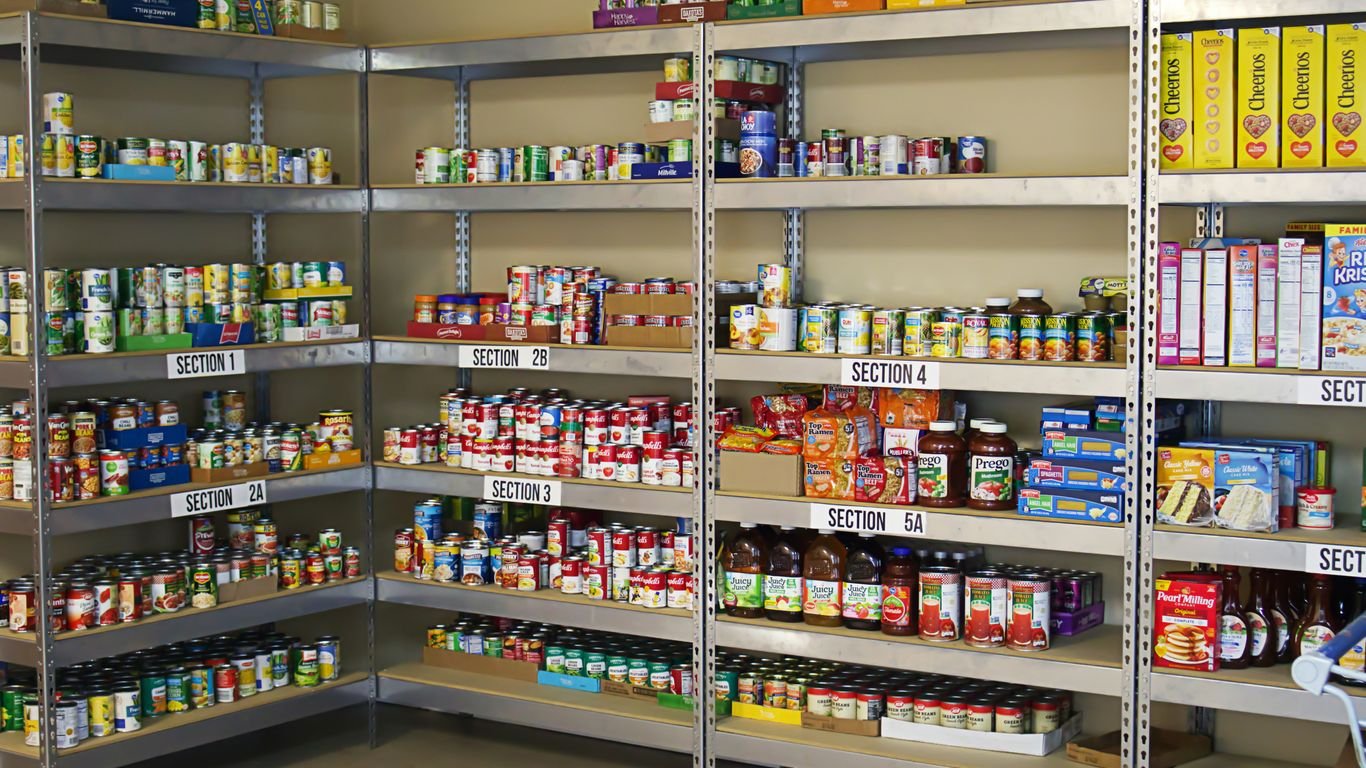 March 2, 2026
The Ultimate Pantry Staples List for Homesteaders
Homestead Kitchen
Homesteading
Starting a Homestead
March 2, 2026
The Ultimate Pantry Staples List for Homesteaders
Homestead Kitchen
Homesteading
Starting a Homestead
Getting our homestead pantry staples in order feels like a big job, but it doesn't have to be. We've learned that a well-stocked pantry is more about having the right basics on hand than filling every shelf. It’s about building...
Read More March 2, 2026
How to Make Money With Herbal Products
Homesteading
Sustainable Living
March 2, 2026
How to Make Money With Herbal Products
Homesteading
Sustainable Living
We've all got a passion for herbs, right? Maybe you love making soothing teas, or perhaps you're great at whipping up natural skincare. Whatever it is, you've probably wondered if you could turn that hobby into something more, maybe even...
Read More