


Getting ready for winter on the homestead can feel like a huge task, right? We always find ourselves rushing to get everything done before the first big snow. It’s not just about pulling out the warm blankets; it’s about making sure our home, our animals, and our supplies are all set for the cold. We’ve put together some of our best winter homesteading tips to help you tackle it all, broken down so it doesn’t feel so overwhelming.
Winter on the homestead can be beautiful, but it also brings its own set of challenges. Before the first snowflake even thinks about falling, we need to make sure our homes, gardens, and animals are ready for the cold. It might seem like a lot, but breaking it down makes it manageable. Let’s get our homestead prepped!
When winter starts knocking, the first things we tackle are the outdoor jobs. These are the tasks that, if left undone, can cause real problems when the weather turns nasty. Think about what absolutely needs to be done outside before the ground freezes solid or snow makes things impossible.
Our garden might be winding down, but it still needs some attention before winter truly sets in. We want to protect the soil and get a head start on next year.
Beyond the garden and buildings, there are a few other key things to consider to make sure our homestead runs smoothly when winter hits.
Getting these outdoor tasks done before the cold weather arrives makes a huge difference. It means less stress when the snow is falling and the temperatures are dropping, and we can focus on staying warm and cozy inside.
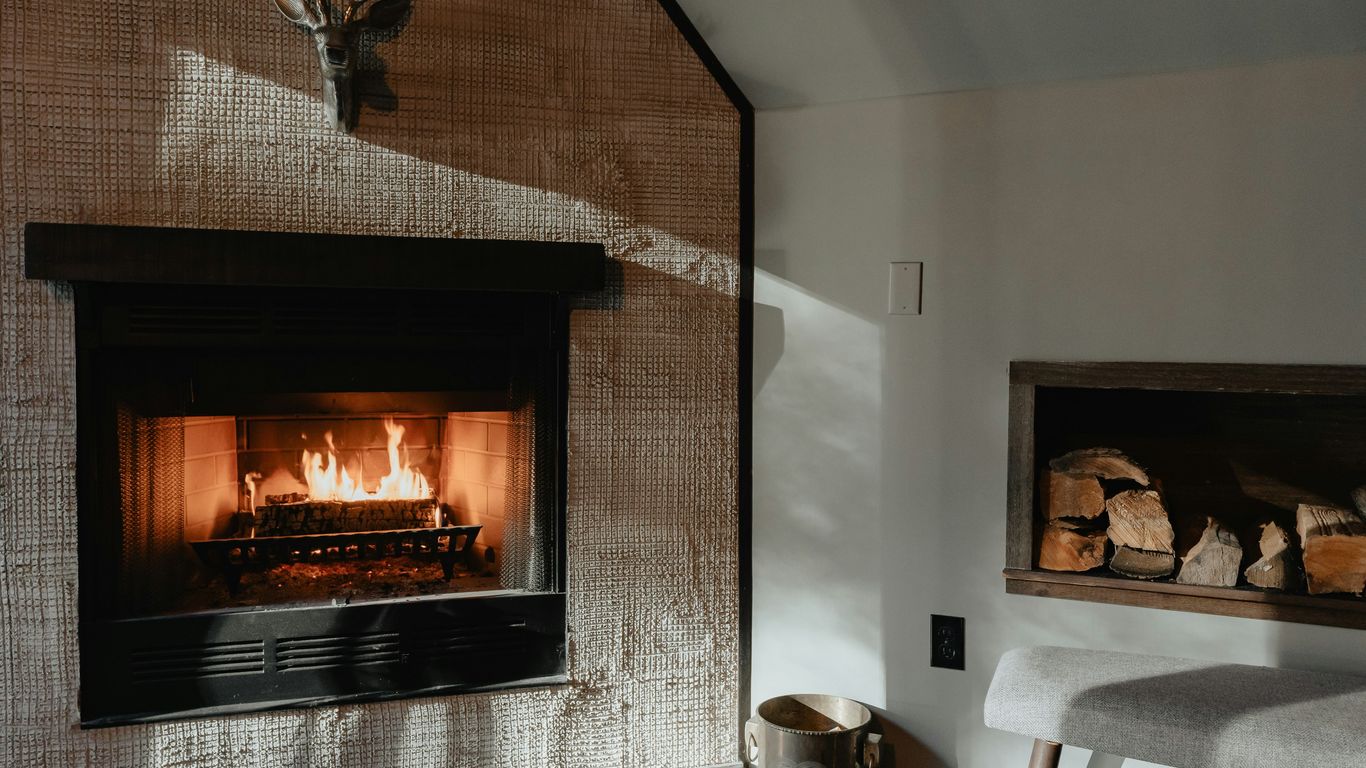
When winter winds start to howl, we want our homes to be a warm refuge. Getting our houses ready for the cold isn’t just about comfort; it’s about making sure everything runs smoothly when the temperatures drop. We need to think about how we’re going to heat our homes, protect our water systems from freezing, and keep our chimneys clear for safe operation.
Deciding how we’ll heat our homes is one of the first big decisions we make before winter truly sets in. For many of us on the homestead, heating with firewood is a popular choice. It offers a sense of independence, especially if we can harvest and process our own wood. However, this route requires a good bit of planning ahead. We need to make sure we have a reliable woodstove and, more importantly, enough dry firewood. If we’re cutting our own, we need to factor in the time it takes for green wood to season properly – usually a full year. If a woodstove isn’t our main plan, we should ensure our central heating system is in good working order and that we have enough fuel, whether it’s propane, oil, or another source, stored safely.
Nobody wants to deal with frozen pipes. It’s a messy, expensive problem that can leave us without water. Before the first freeze, we need to take a good look at any pipes that are exposed to the cold. This includes pipes in crawl spaces, basements, or even those running along exterior walls. We can add insulation wrap or special heat tape to these vulnerable spots. It’s also a good idea to disconnect any outdoor hoses and store them inside. We should also check and close up any vents to our crawl spaces or foundations to stop cold air from getting in. A simple trick is to keep a shorter, expandable hose indoors for any quick watering needs, as these are much easier to manage in the cold and don’t take up much space.
If we’re using a wood stove or a fireplace, a clean chimney is non-negotiable for safety. Creosote buildup can be a fire hazard, so we need to get our chimneys professionally cleaned before we start using them regularly for the season. Even if we don’t have a wood-burning appliance, it’s a good time to check and clean any other heating units and replace air filters. Sometimes, just opening up the windows and running the heat for a bit can help clear out any dust that’s accumulated over the warmer months. It’s also the perfect time to get any outdoor holiday lights installed before the snow makes roof access a dangerous task.
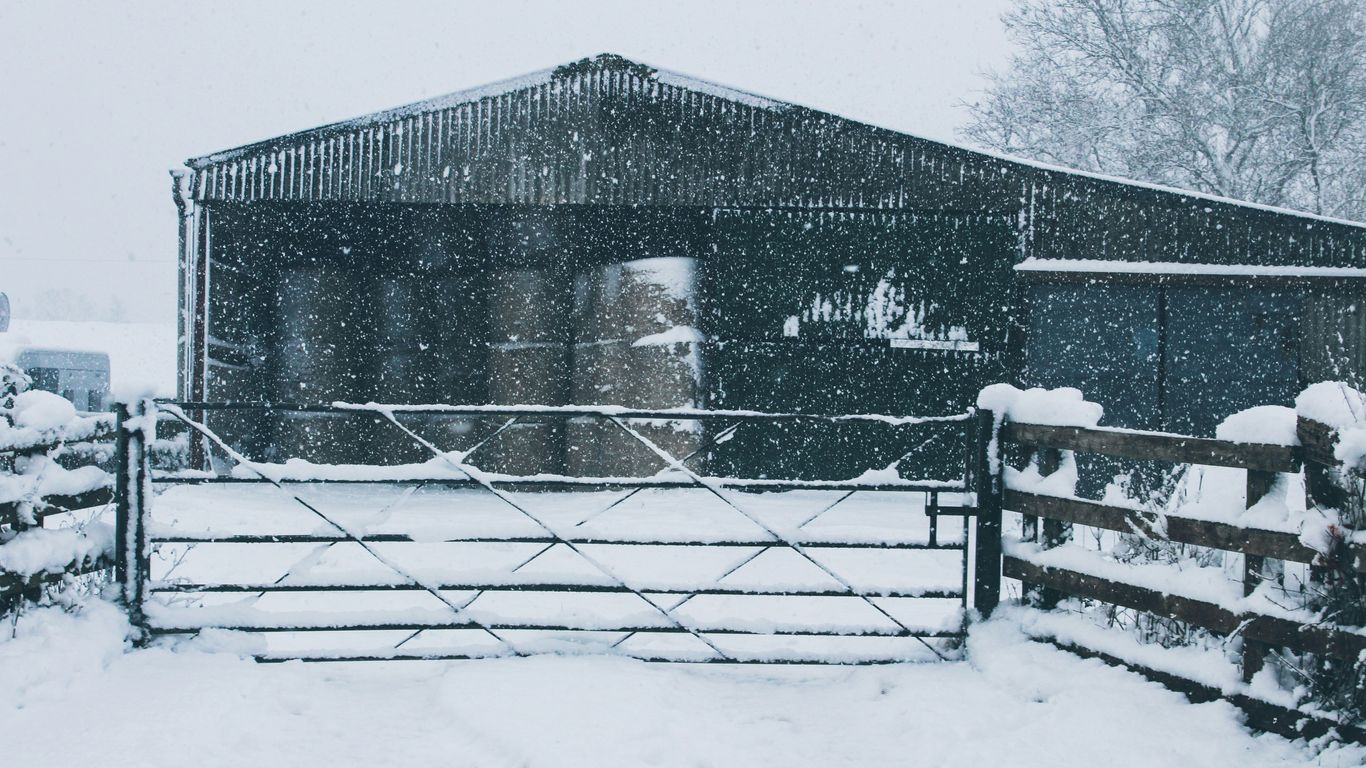
Our animals are part of the homestead, and keeping them healthy and comfortable when the cold hits is a big job. We start thinking about winter prep for them long before the first frost. It’s all about making sure they have what they need to get through the snow and freezing temperatures.
Making sure our animal shelters are draft-free and warm is a top priority. For our chickens, we have a well-insulated coop that keeps them protected from the wind. We don’t use heat lamps; instead, we let them acclimate gradually to the cold. This way, if the power ever goes out, they’re already used to it. Pigs need protection too; a simple shed where they can get out of the wind and rain makes a big difference. For larger animals like cattle, we look at natural windbreaks, like the base of a hill, where they can huddle together. It’s about creating a safe, warm space without relying on electricity.
Water is often the trickiest part of winter animal care. We never leave a hose connected outside; instead, we keep one inside where it won’t freeze. For troughs, we use rubber buckets because they’re easier to break ice out of, and we’ll wrap insulation around them to slow down freezing. Stock tank heaters are a good investment if you have larger troughs, but we also have a backup plan with an old farm spring just in case our well water system has issues. Feeding needs to be planned too. Hauling feed in deep snow is tough, so we try to store feed close to where the animals are kept. We also make sure we have enough hay, especially good quality second-cut hay, to get us through the entire winter, accounting for the fact that animals eat more when it’s really cold. Having enough feed on hand means we don’t have to worry about getting to the feed store during bad weather. It’s wise to have enough feed for your animals, especially if you raise livestock on grass.
If you live in an area that gets a lot of snow, a snowmobile can be a real game-changer for farm chores. We’ve found ours incredibly useful for getting to the far corners of our pasture to check on animals or haul water when the snow is too deep for anything else. It makes navigating snowdrifts much easier and saves a lot of time and effort compared to walking or using a sled. It’s definitely something to consider if heavy snowfall is a regular part of your winter.
Winter homesteading means we need to be prepared for when the weather turns nasty and getting to town becomes a real chore. This is the time to make sure our pantries are full and our fuel supplies are topped off. We don’t want to be caught short when the snow is piled high.
Before the first frost really bites, we should take stock of our food stores. This isn’t just about non-perishables like flour, sugar, and salt, though those are important. Think about all the food we preserved from our gardens and any meat we might have processed. It’s a good idea to have a rough inventory so we know what we have plenty of and what we might need to supplement. Having a well-stocked pantry means fewer trips out in the cold and less stress if roads become impassable.
If we rely on wood heat, now is the time to make sure we have enough split and seasoned wood. We should aim to have a good supply stored where it’s protected from the elements, maybe in a woodshed or under a sturdy tarp. Don’t forget kindling – it makes starting fires much easier, especially when our fingers are numb. For those with pellet stoves, getting our pellet supply in before the heavy snows hit is key. Hauling heavy bags of pellets in icy conditions is no fun, and having a buffer means we won’t run out if a storm delays deliveries or makes store runs impossible.
Propane is another fuel source that can be tricky to manage in winter. If we have a propane tank, we should consider having an extra one on hand or arranging for regular top-ups. This way, if we can’t get out or the delivery service is delayed, we won’t be left in the cold. It’s better to have a little extra than to run out when the temperature plummets.
Planning ahead for our fuel and food needs can make a huge difference in how smoothly we get through the winter months. It reduces stress and ensures we can stay warm and fed, no matter what the weather throws at us.
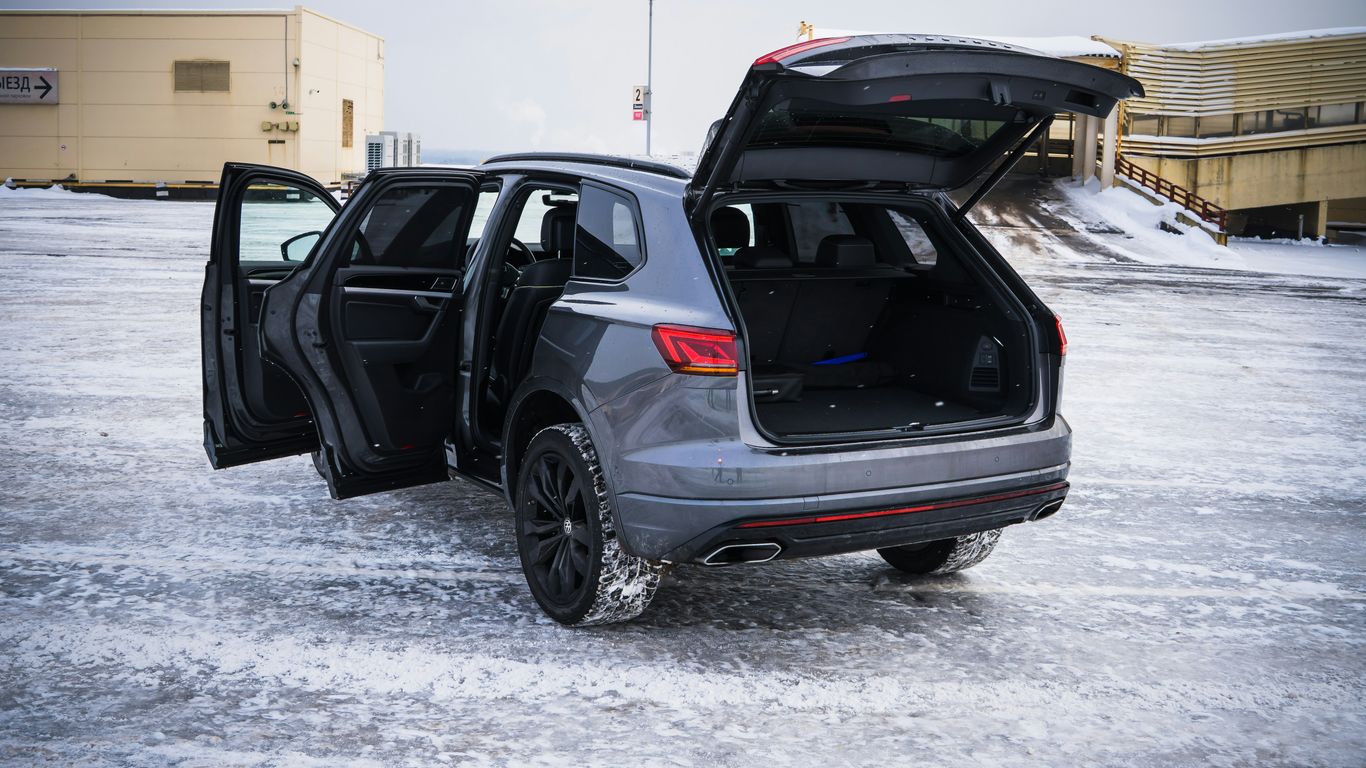
When winter starts to creep in, we need to make sure our vehicles are ready for whatever the road throws at us. It’s not just about getting from point A to point B; it’s about doing it safely and without getting stranded. A little bit of work now can save us a lot of headaches later.
First things first, let’s get our rides in good shape. We should start with a fresh oil change. Using the right oil blend for winter is important because it flows better when it’s really cold, helping our engines start up and run smoother. We also need to check the coolant to make sure it’s rated for low temperatures. If it freezes, it can seriously damage the engine. Don’t forget the battery, either. Cold weather really takes a toll on them, and an old battery might not have enough power to crank the engine. It’s a good idea to have it tested and replace it if there’s any doubt.
We also need to think about the smaller, but still important, things. Fresh wiper blades are a must for clear visibility, and we should fill up the washer fluid reservoir with a solution that won’t freeze. Checking the tire pressure is another key step. Cold air makes tires lose pressure, so we need to make sure they’re inflated correctly for winter driving – often a bit lower pressure gives us better grip on slick roads. If we use snow tires or chains, now’s the time to get them ready or even put them on before the first big storm hits.
Beyond getting the car itself ready, we need to pack an emergency kit. This kit is our lifeline if we get stuck. We should have things like a small shovel to dig out snow, an ice scraper, and a flashlight. Jumper cables are a good idea, too, just in case someone else needs a jump or we do. For comfort and safety, blankets are non-negotiable. We also want to keep some non-perishable food and water, though we need to remember that water can freeze, so we should leave some room in the containers for expansion. Fire starters, like waterproof matches or a lighter, are also smart to include. Having a full tank of gas is also a simple but effective way to stay warm if we have to idle for a while.
Here’s a quick rundown of what we should aim to have in our car kit:
Planning our trips and letting someone know our route and expected arrival time can also make a big difference. If we run into trouble, having someone know where we are supposed to be can speed up getting help.
When winter storms roll in, they don’t just knock out the power; they can take down internet and phone lines too. It’s a real possibility, especially if you live a bit off the beaten path. We learned this the hard way a few years back when a bad ice storm knocked out power for days, and our cell service went with it. Suddenly, we were cut off. Having a backup communication plan isn’t just a good idea, it’s pretty much a necessity for winter homesteading.
If the power grid fails, our usual ways of talking to the outside world often go down with it. This means no internet, no landline, and often, no cell service. We need to have a plan B, and maybe even a plan C.
We’ve found that having multiple ways to communicate gives us peace of mind. It’s not about expecting the worst, but about being ready for whatever winter throws our way. Being able to call for help or get information is incredibly important.
For those times when cell towers are down, GMRS (General Mobile Radio Service) and HAM (Amateur Radio) radios are our go-to alternatives. GMRS is simpler to get into; you just need to get a license, which is pretty easy and inexpensive. It’s good for talking to folks nearby, like neighbors or family members on nearby properties. We use ours a lot for quick check-ins. If you’re looking for more range, especially if you live far out, then looking into a HAM radio license is a smart move. It takes more study, but you can talk to people much farther away, even internationally if you have the right setup. It’s a good way to stay connected when everything else is offline.
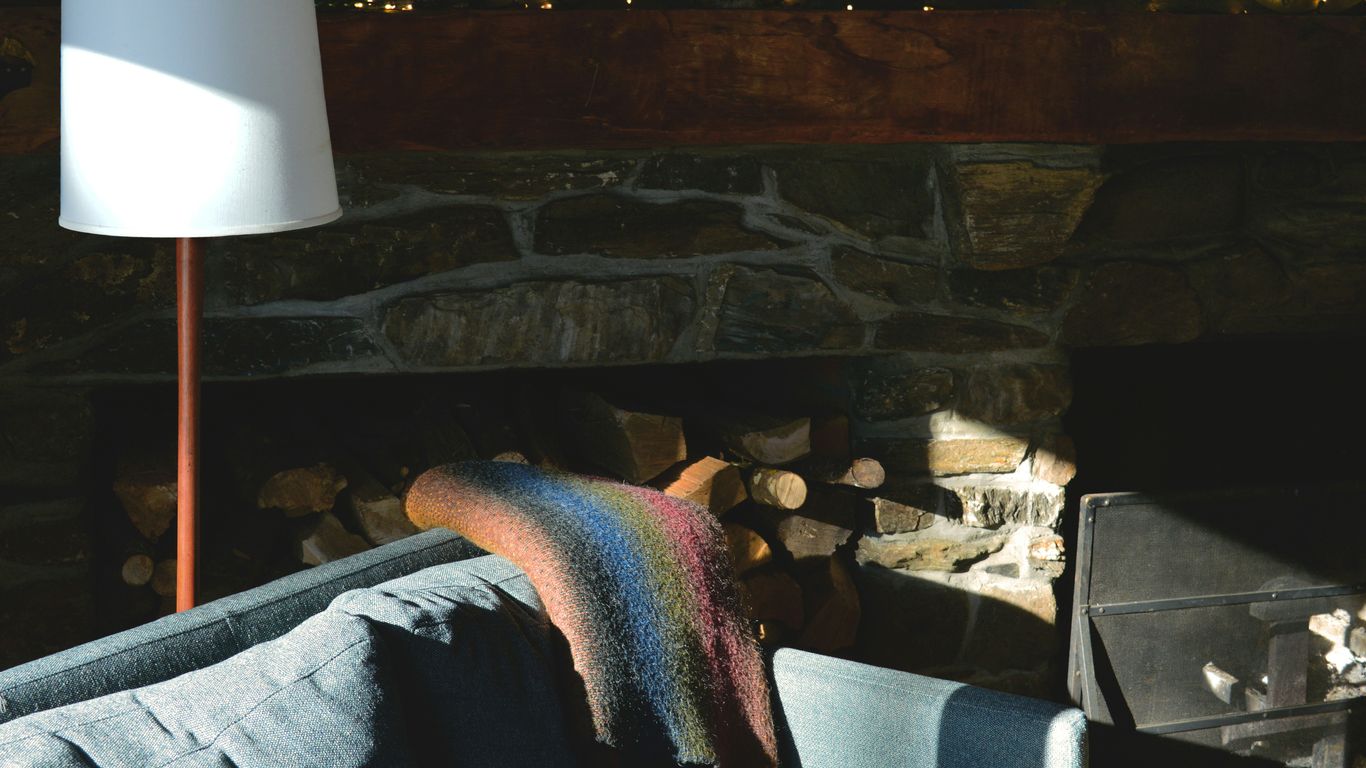
When winter really sets in, staying comfortable is key to getting through the cold days. We’ve all been there, trying to do chores outside when the wind is biting and the snow is flying. It makes everything feel ten times harder. Having the right gear makes a huge difference.
Think about layers. This is the golden rule for staying warm without overheating. Start with a good base layer, like long underwear, that wicks away moisture. Then add insulating layers, such as fleece or wool sweaters. Your outer layer needs to be windproof and waterproof, especially if you’re out for extended periods. Don’t forget your extremities! Warm, waterproof gloves or mittens are a must, and having a spare pair is smart because they will get wet. A warm hat that covers your ears is also non-negotiable. And for your feet? Good, insulated, waterproof boots with plenty of room for thick socks are worth every penny. You don’t want cold, wet feet ruining your day.
Beyond your main clothing, think about the little things that make a big difference. Having boot cleats or ice grippers that you can slip on over your regular boots is a lifesaver when the ice hits. They give you much better traction and prevent nasty falls. Keep a pair of ski goggles handy for those days when the wind and snow are really coming down – they protect your eyes and make visibility much better. And for those extra-cold moments, hand warmers can be a real treat. Make sure these items are easy to grab when you need them, perhaps in a bin by the door or in your vehicle’s emergency kit.
It’s easy to get caught up in the big tasks of winter prep, but don’t overlook your personal comfort. When you’re warm and protected from the elements, you’ll have more energy and a better attitude for all the work that needs doing. Plus, it just makes the whole season more enjoyable.
So, we’ve gone over a bunch of things to get our homesteads ready for the cold. It might seem like a lot, but remember, we don’t have to do it all in one go. We can tackle these tasks bit by bit, focusing on what’s most important for our animals and our homes first. Getting ahead of the game now means we can actually relax and enjoy the cozy parts of winter later, maybe even with a warm drink by the fire. Let’s get this done so we can face the snow and ice with confidence!
We should focus on tasks that keep our homestead running smoothly and protect our animals. This means getting the garden ready for the cold, like harvesting crops and covering the soil. We also need to make sure our animal shelters are secure and ready for harsh weather. Prioritizing these outdoor jobs first ensures our basic needs are met before the really cold weather arrives.
Choosing the right way to heat our home is key. Whether it’s a wood stove or another system, we need to make sure it’s ready. We also have to protect our water pipes from freezing by insulating them and maybe using heat tape. And don’t forget to get the chimney cleaned to prevent fires, especially if we’re using a wood stove.
We need to make sure their homes are warm but still have fresh air, so we shouldn’t seal them up completely. Using heat lamps can be risky, so insulating their shelters is a better, safer bet. We also need a solid plan for getting them food and water, especially if snow makes it hard to get around. Stock tank heaters are a lifesaver for keeping water from freezing.
When winter storms hit, it can be tough to get to the store. We need to make sure our pantry is full of staples like flour and sugar, and we should have plenty of firewood or pellets for heating. Having extra propane on hand is also smart, just in case our main heating source has issues or deliveries are delayed.
We should get an oil change with a winter-friendly blend and check our tires. It’s also super important to keep a winter emergency kit in our car. This should include things like blankets, a first-aid kit, a flashlight, and maybe some snacks, just in case we get stuck somewhere unexpected.
We need a backup plan for communication. Storms can easily knock out power lines, which can take down phone and internet service. Having things like GMRS or HAM radios can be a lifesaver, giving us a way to call for help or get important information when regular services fail.
 February 20, 2026
How to Map Your Homestead for Animals, Garden, and Water
Homestead Planning
Homesteading
February 20, 2026
How to Map Your Homestead for Animals, Garden, and Water
Homestead Planning
Homesteading
Planning out your homestead is a big step, and knowing where to put everything can feel a bit daunting. We've been there, trying to figure out the best spots for our animals, garden, and water sources. It's all about making...
Read More February 19, 2026
How to Winterize Your Homestead Water Supply
Homestead Planning
Homesteading
February 19, 2026
How to Winterize Your Homestead Water Supply
Homestead Planning
Homesteading
As the days get shorter and the air gets crisp, it's time to think about how we're going to winterize our homestead water systems. We've seen firsthand how quickly things can freeze up, leaving us scrambling. This year, we're getting...
Read More February 19, 2026
How to Start a Micro Homestead in an Apartment
Homesteading
Starting a Homestead
Sustainable Living
February 19, 2026
How to Start a Micro Homestead in an Apartment
Homesteading
Starting a Homestead
Sustainable Living
Starting an apartment micro homestead might sound impossible, but we’ve found it’s really about making the best of what we’ve got. We don’t need a backyard or a barn to grow food, cut waste, and learn to do more for...
Read More