


Thinking about homesteading but feel like you need a whole farm to start? We get it. It can seem overwhelming, like you need acres of land and a barn full of animals before you can even begin. But we’ve found that embracing simple living habits can make the journey to homesteading much more manageable, even if you’re starting small. These are the practical, everyday things we do that make a big difference. They aren’t just for people with lots of land; they’re for anyone wanting a more connected and self-reliant life.
When we first started thinking about homesteading, it felt like we had to do everything at once. Grow all our own food, fix everything ourselves, preserve all our own food. It’s a lot! But honestly, one of the best habits we picked up early on, and one that makes everything else so much easier, is keeping good records. It sounds boring, we know, but trust us on this one.
Think of it like this: if you don’t track what you’re doing, how will you know what worked and what didn’t? We started with a simple notebook, but now we use a spreadsheet. It helps us remember when we planted certain seeds, how much we harvested, what repairs we did on the tractor, and even what recipes turned out best. This habit saves us so much time and money in the long run.
Here’s a quick look at what we track:
Keeping records isn’t just about remembering details; it’s about learning from our experiences. It helps us make better decisions for the next season, avoid repeating mistakes, and understand the true costs and benefits of our homesteading efforts. It’s a small step that has a huge impact on our overall success and sanity.
Even if we don’t have a sprawling garden, we can still bring a bit of green goodness into our homes by growing herbs indoors. It’s a fantastic way to have fresh flavors right at our fingertips for cooking, and many herbs have uses beyond the kitchen, too. Plus, it’s a great low-stakes way to learn about plant care.
Starting an indoor herb garden is pretty straightforward. We don’t need a lot of fancy equipment. A sunny windowsill is often enough for many common herbs, but if your light is a bit iffy, a simple clip-on grow light can make a world of difference. We should pick herbs that are known to do well indoors and are relatively forgiving. Think about things like basil, mint, chives, parsley, or oregano. These are generally easy to find as starter plants or even seeds.
When we’re setting them up, we need to make sure our pots have drainage holes – nobody likes soggy roots! Using a good quality potting mix designed for containers is also key. We’ll want to learn the basics of watering: not too much, not too little. It’s better to check the soil with a finger before watering. Harvesting is also a skill in itself; pinching back the tops encourages bushier growth, which means more herbs for us!
Here are a few easy herbs to get started with:
Taking care of a few potted herbs indoors is a simple habit that connects us to nature, even when we’re stuck inside. It teaches us patience and observation, skills that are super useful for any homesteading endeavor, big or small.
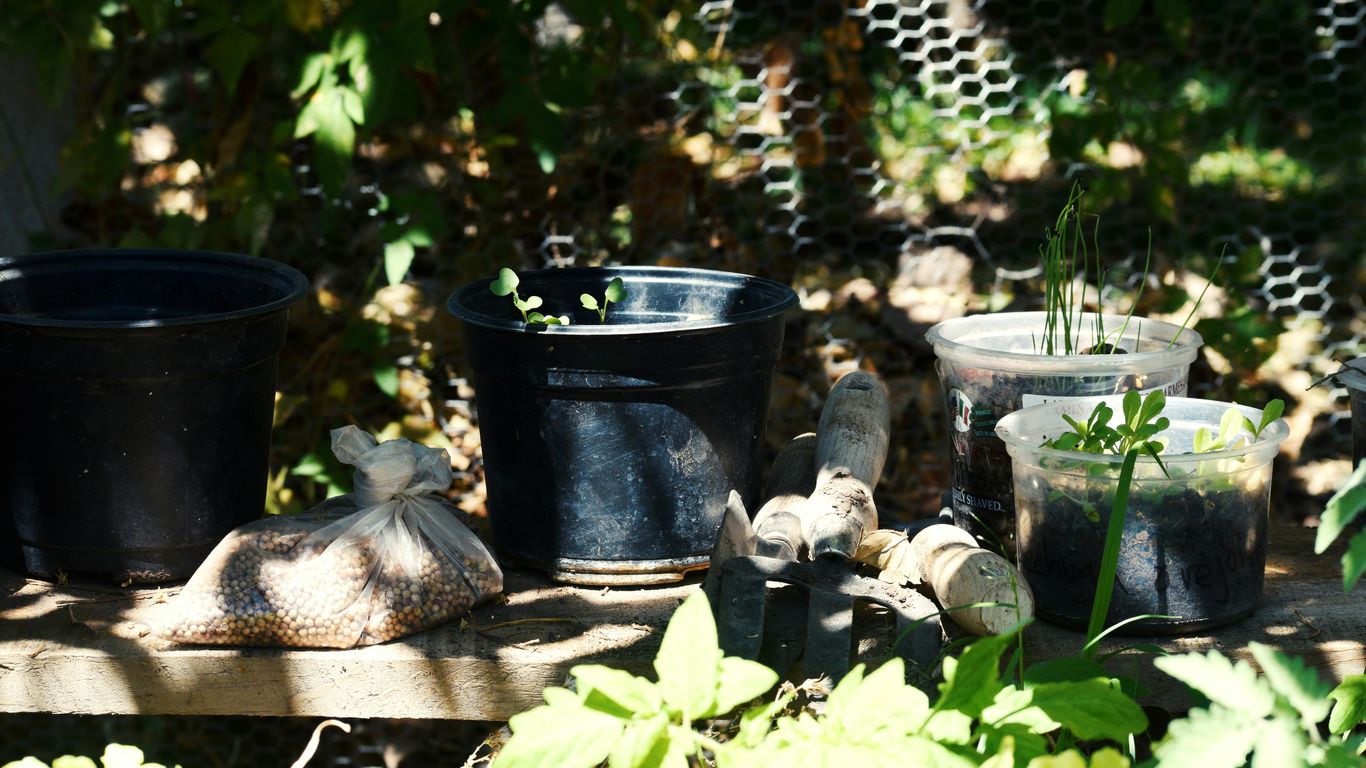
We all create waste, right? From kitchen scraps to yard trimmings, it piles up. But what if we could turn that "trash" into something useful? That’s where composting comes in, and you don’t need a huge backyard to do it. Even with limited space, we can set up a small-scale composting system. It’s a fantastic way to cut down on what we send to the landfill and, in return, get nutrient-rich material for our gardens.
Getting started is simpler than you might think. The key is balancing what we put in. We need a good mix of "greens" (like fruit and veggie peels, coffee grounds) and "browns" (like dry leaves, shredded paper, or cardboard). Too much of one can lead to a smelly mess, but the right balance helps things break down nicely.
Here are a few things to keep in mind for successful small-scale composting:
We can transform our kitchen scraps and yard waste into valuable "black gold" for our plants. It’s a rewarding process that closes the loop on our waste and feeds our gardens naturally.
One of the most grounding habits we’ve picked up is eating what’s local and in-season. It just makes sense, doesn’t it? When we buy produce that’s grown nearby and harvested at its peak, it tastes better, it’s usually cheaper, and we’re supporting our local farmers. Plus, it really helps us connect with the natural rhythm of the year.
We started by visiting our local farmers’ market every Saturday. It’s a great way to see what’s actually growing in our region. We also signed up for a CSA (Community Supported Agriculture) box, which means we get a surprise mix of whatever is ready to harvest each week. It’s pushed us to try new vegetables we might not have picked up otherwise.
Planning our meals around what’s available seasonally has been a game-changer. It simplifies grocery shopping and encourages us to get creative in the kitchen. We keep a running list of favorite seasonal recipes, rotating them as the months change.
Here’s a rough idea of what we tend to see throughout the year:
Learning to identify what’s native or commonly cultivated in our area has also been super helpful. It means we’re not just relying on what the grocery store stocks, but on what nature actually provides.
This practice isn’t just about food; it’s about understanding our environment better. When we eat with the seasons, we’re living more in tune with the land around us, reducing our reliance on long-distance transport, and enjoying food at its absolute best.
Let’s be honest, when something rips or a button pops off, our first instinct is often to toss it and buy a new one. But what if we told you that learning a few basic sewing and mending skills could save you money, reduce waste, and even feel pretty good? We think it’s a skill worth picking up, even if you’ve never touched a needle before.
Think about it: a simple patch can give your favorite jeans a whole new life, and sewing on a button is way faster than heading to the store. It’s not about becoming a master tailor overnight; it’s about knowing how to fix the little things. We started with just a basic sewing kit, keeping it handy in a kitchen drawer. It had a few needles, some thread in common colors, a small pair of scissors, and a handful of buttons. That was enough to tackle most minor clothing emergencies.
Here are a few things we found helpful when we started:
We found that YouTube was a fantastic resource for learning these techniques. There are countless videos showing exactly how to do each step. Mastering these simple repairs means we throw away less and keep our clothes looking good for longer. It’s a small habit that makes a big difference in our homesteading journey, connecting us more to the things we own and reducing our reliance on buying new. For more on building self-sufficiency, check out Homesteading Basics.
Mending isn’t just about fixing clothes; it’s a mindset. It’s about valuing what we have and taking the time to care for it. This approach extends beyond our wardrobe and influences how we think about repairs around the homestead, encouraging us to fix things rather than replace them whenever possible.
We’ve all been there – a scratchy throat, a restless night, or just feeling a bit off. Instead of immediately reaching for the medicine cabinet, we’ve found that making simple natural remedies can be incredibly empowering and connect us more deeply with the plants around us. It’s not about replacing modern medicine, but about having a few go-to options for everyday discomforts.
Think about starting with things you can easily grow or find. A simple tea made from dried peppermint leaves can be soothing for an upset stomach, and a chamomile infusion is wonderful for winding down before bed. We keep a small collection of dried herbs like lavender, calendula, and echinacea on hand. Calendula petals, for instance, can be infused in oil to create a gentle salve for minor skin irritations. It’s amazing what a few basic ingredients can do.
Here are a few ideas to get you started:
Learning to make these remedies is a gradual process. Start small with one or two herbs you’re familiar with. Pay attention to how your body responds and always do your research to ensure you’re using plants safely and effectively. It’s a rewarding skill that builds self-reliance.
We often think homesteading means living out in the country, but a lot of the skills apply right where we are. One of those is getting a handle on how our homes actually function. Knowing the basics of your plumbing, electrical, and heating systems isn’t just for fixing things when they break; it’s about preventing bigger problems and feeling more in control.
Think about it: if the water main bursts, do you know where to turn off the water supply? Or if the power goes out, can you locate the breaker box and figure out which switch controls what? These aren’t super complicated things, but they can save a lot of stress and money.
Here are a few key areas to focus on:
Taking a little time to learn these basics can make a big difference when something goes wrong. It’s not about becoming an expert plumber or electrician, but about having enough knowledge to handle minor issues or at least communicate effectively with a professional when you need to call one in.
We don’t need to be afraid of our homes. A little curiosity goes a long way in making our living spaces more manageable and less mysterious. It’s a practical skill that pays off, whether you own your home or rent.
We’ve all heard about saving energy, but when you’re homesteading, it’s not just about saving a few bucks on the utility bill. It’s about being more self-reliant and understanding our impact. Little changes really add up.
Think about where we use the most power. Lighting and heating/cooling are big ones. We switched out all our old incandescent bulbs for LEDs a while back, and honestly, we didn’t even notice the difference in light quality, but our electricity bill definitely did. Another simple trick is to just unplug things when we’re not using them. That phone charger or TV might seem like it’s off, but it’s still sipping power. Using power strips with on/off switches makes this super easy – just flip the switch when you leave the room.
When it comes to laundry, we’ve ditched the dryer almost entirely. We have a couple of drying racks and a clothesline out back. Yes, it takes a bit longer, especially on damp days, but it saves a ton of energy. Plus, our clothes seem to last longer this way.
Here are a few more ways we cut down:
We’ve found that being more mindful of our energy use makes us feel more connected to our home and the resources we consume. It’s a constant learning process, but the benefits, both for our wallets and our peace of mind, are significant.
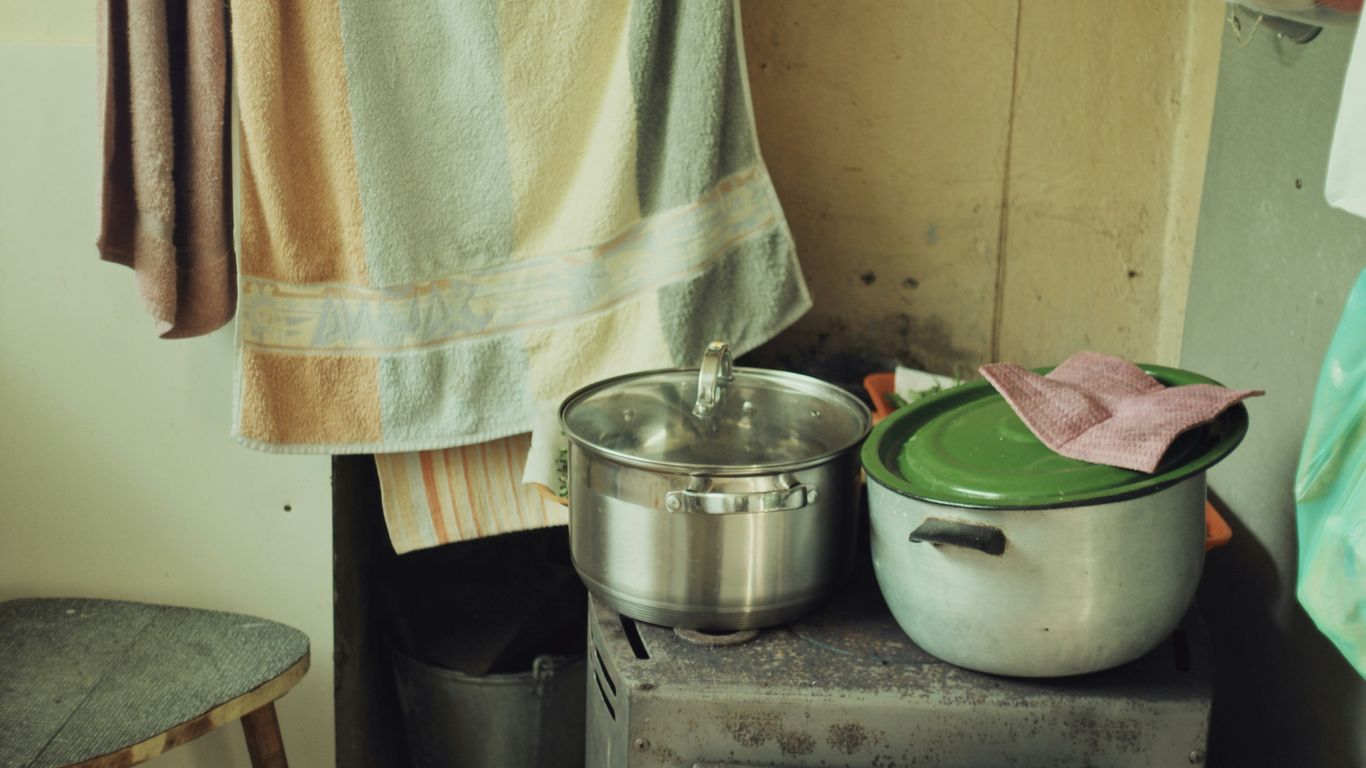
Canning might seem like a big, scary task, but honestly, we found it’s surprisingly doable, even if you’ve only got a small kitchen. It’s one of the simplest ways to preserve food and really boosts that feeling of self-reliance. We started with water bath canning, which is perfect for things like jams, jellies, and fruits. It’s a great way to use up seasonal produce when it’s abundant or to stock up when you find a good deal.
Here’s a quick rundown of how we approach it:
We learned that starting small is key. Don’t try to can hundreds of jars your first time. A few jars of your favorite jam or some pickled cucumbers are a great way to get the hang of the process without feeling overwhelmed. It’s all about building confidence with each batch.
We also found that having the right tools makes a difference. A good set of canning tools, including a jar lifter, funnel, and lid wand, makes the whole process smoother. It’s a fantastic way to extend the life of your harvest and enjoy those flavors long after the growing season is over. Plus, having ready-to-eat meals in a jar is a lifesaver on busy nights.
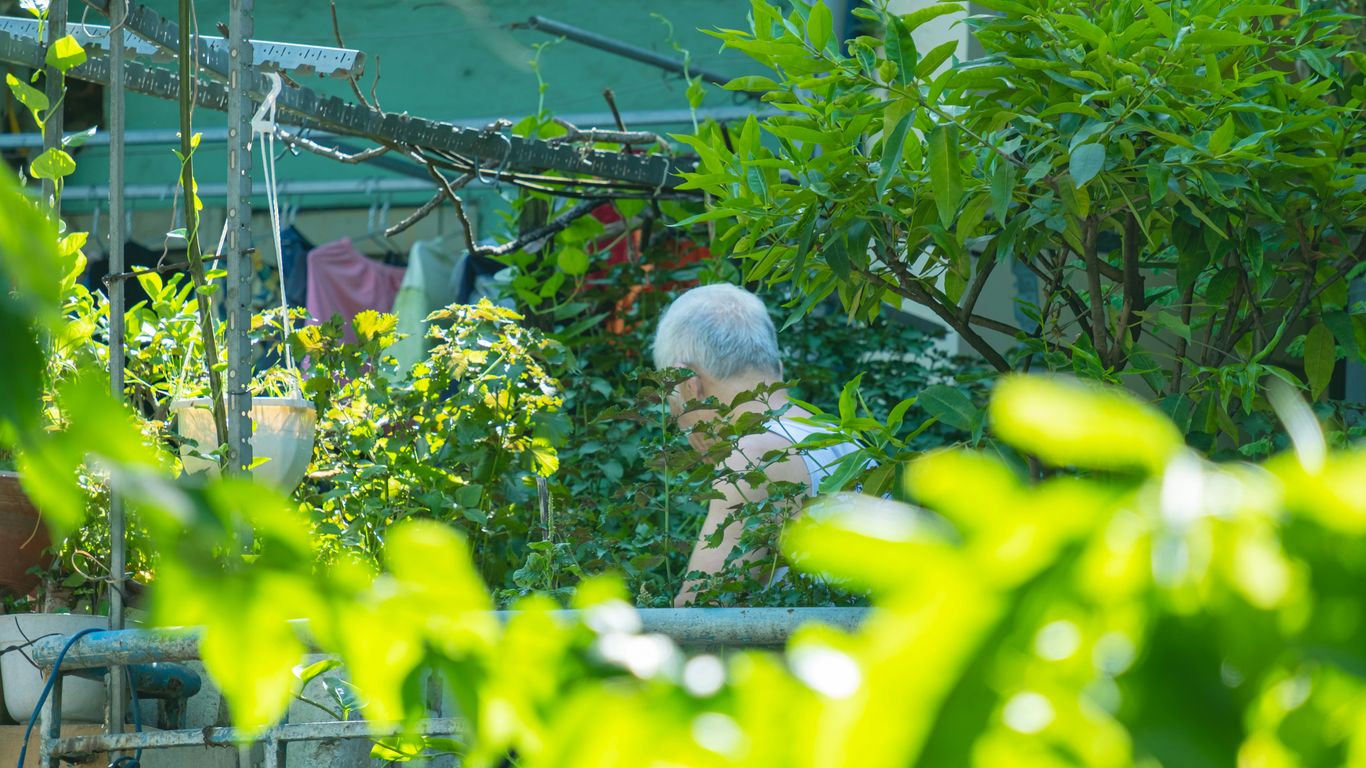
Knowing what grows around us is a pretty neat skill to have. It’s not just about finding pretty flowers; it’s about understanding the natural world we live in. We can start by just paying more attention when we’re out for a walk. The more we notice, the more we’ll learn.
We can use apps on our phones to help identify plants, which is super handy. Just snap a picture, and the app tells us what it is. It’s a good way to learn the names of things, even the common weeds. We should also try to walk the same paths throughout the year. Seeing how plants change with the seasons really helps us get to know them better.
Here are a few ways to get started:
Learning about local plants connects us to our environment in a real way. It’s like unlocking a hidden layer of information about the place we call home. We start to see resources and possibilities where we might have just seen scenery before.
It’s a slow process, but each plant we learn feels like a small victory. It makes us feel more capable and more at home wherever we are.
So, there you have it. We’ve gone over some pretty straightforward habits that can really make a difference when you’re trying to live a more self-sufficient life, even if you’re not on a big farm. It’s not about doing everything perfectly, or all at once. It’s about taking small steps, like keeping track of things, fixing what’s broken instead of tossing it, or growing a few herbs on your windowsill. These little changes add up, and honestly, they make the whole homesteading journey feel a lot less overwhelming and a lot more doable. We’re all learning as we go, and that’s the best part.
Absolutely! Homesteading is more about how we live and the skills we learn, not just where we live. We can practice many homesteading skills like gardening in containers, composting, and preserving food, even in apartments or small spaces. It’s about being resourceful and learning to be more self-reliant, no matter our address.
We find that starting with something simple and useful is best. Keeping records of what we grow or try, growing a few herbs indoors, or starting a small compost bin are great beginner skills. They don’t cost much, are easy to begin, and help us feel more confident as we learn.
We don’t need a lot of space at all! A sunny windowsill can be enough for herbs, a shelf can hold our record-keeping notebook, and a small corner can be used for composting. Even a small balcony or patio can be turned into a productive garden space.
Keeping records is like having a cheat sheet for ourselves later on. We can track what seeds grow best, when we harvested, what worked in our recipes, or when we last fixed something. This saves us time, money, and prevents us from making the same mistakes over and over.
Saving energy is good for our wallet and the planet. We can do things like air-drying our clothes instead of using a machine, unplugging electronics when they’re not in use, and using curtains to help keep our homes cooler in summer and warmer in winter. Being aware of our energy use helps us feel more in control.
We can start by making comforting teas for things like a sore throat or feeling stressed, using common herbs. We can also learn to infuse oils with plants like calendula or lavender for skin care. Focusing on safe, plant-based ingredients is key, and it connects us more to the natural world.
 March 7, 2026
How to Turn Food Preservation Into a Side Hustle
Canning
Homestead Kitchen
Homesteading
Sustainable Living
March 7, 2026
How to Turn Food Preservation Into a Side Hustle
Canning
Homestead Kitchen
Homesteading
Sustainable Living
We've all got those hobbies or skills that we love doing, right? Maybe it's baking, gardening, or even making your own jam. What if we told you that you could turn those passions into a little extra cash? It might...
Read More March 7, 2026
High-Output Crops Perfect for Micro Homesteads
Gardening
Homestead Planning
Homesteading
Starting a Homestead
March 7, 2026
High-Output Crops Perfect for Micro Homesteads
Gardening
Homestead Planning
Homesteading
Starting a Homestead
Thinking about growing your own food but only have a little space? We get it. Many of us are looking for ways to be more self-sufficient, even if we don't have acres to work with. The good news is, you...
Read More March 6, 2026
10 Low-Cost Homestead Side Hustles That Make Money
Homestead Planning
Homesteading
Starting a Homestead
March 6, 2026
10 Low-Cost Homestead Side Hustles That Make Money
Homestead Planning
Homesteading
Starting a Homestead
We all dream of a simpler life, right? One where we're more connected to the land and the seasons. But let's be real, that dream needs some funding. That's where low cost homestead side hustles come in. These aren't about...
Read More