


We’ve been thinking a lot about how to get fresh food from our gardens and farms right into our neighbors’ hands. Selling produce locally seems like a natural step for many of us who love to grow things. It’s a way to share the bounty, connect with our community, and maybe even make a little money. We’ll walk through how we can get started, prepare our harvest, find people who want to buy it, and make sure everything runs smoothly.
So, you’ve got a green thumb and a surplus of delicious veggies? That’s fantastic! Selling your produce locally is a rewarding way to share your harvest and connect with your community. But where do we even begin? Let’s break it down.
This might sound obvious, but it’s the most important first step. If you’re not excited about growing something, you’re probably not going to put in the extra effort to make it thrive, especially when you’re just starting out. Think about what you and your family actually enjoy eating. Do you love fresh, juicy tomatoes? Are you a fan of crisp lettuce or hearty kale? Growing what you love means you’ll be more invested in its success. Plus, when you’re selling it, you can talk about it with genuine enthusiasm because you know how good it is.
We’ve all seen those sprawling, perfect gardens on social media, and it’s easy to feel intimidated. But here’s a little secret: you don’t need acres of land to start selling produce. Begin with a manageable space. This could be a few raised beds, a small patch in your yard, or even a collection of containers on your patio. Starting small has a few big advantages. First, it’s less overwhelming. You can learn the ropes without feeling swamped. Second, if things don’t go exactly as planned – maybe a pest problem or a weird weather spell – it’s not a total disaster. You won’t have invested a huge amount of time or money, making it easier to learn from mistakes and try again. You might be surprised how much food you can produce from a small, well-tended area.
Don’t underestimate the power of community! Connecting with other local farmers, even those who have been doing this for years, can be incredibly beneficial. They’ve likely been through the same challenges you’re facing and have a wealth of knowledge to share. Think about visiting local farmers’ markets not just to sell, but to observe and chat. Many farmers are happy to offer advice, share tips on what grows well in your area, or even point you toward resources. Volunteering at a local urban farm or community garden is another excellent way to learn hands-on and build these connections. It’s a great way to get a feel for the rhythm of farming and understand the practicalities before you fully commit.
The best way to learn is often by doing, but learning from those who have already done it can save you a lot of headaches and help you grow more effectively from the start.
Once we’ve put in the work to grow our beautiful produce, the next step is getting it ready for our customers. This stage is all about making sure what we offer is appealing, fresh, and lasts as long as possible. It might seem like a lot, but with a few good practices, we can make sure our hard work shines through.
Knowing when to pick your crops is a big deal. Harvesting at the right time means better flavor, texture, and shelf life. For most vegetables, we want to pick them in the cool of the morning after the dew has dried. This helps them stay crisp and prevents wilting. For root vegetables, a gentle tug is usually enough, but sometimes a garden fork is needed to loosen the soil first. Leafy greens can be cut with scissors or a knife, and it’s often best to harvest outer leaves so the plant can keep growing.
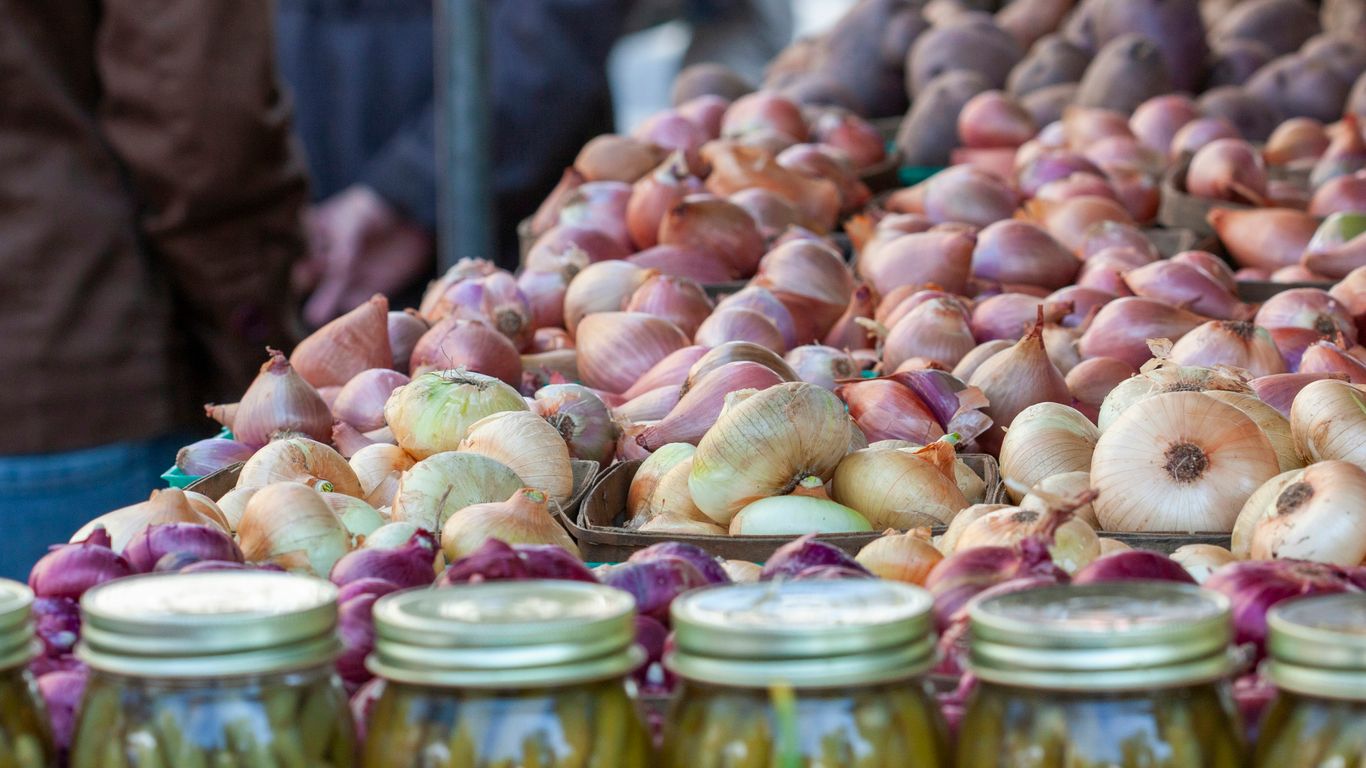
Some crops, like onions, garlic, and winter squash, benefit from a curing process. This means letting them dry out a bit in a warm, airy place for a week or two. Curing toughens the skins and helps them store much longer. After curing, we can store them in a cool, dry, dark place. For things like potatoes, it’s best to store them in a dark, cool spot, but not in the refrigerator, as the cold can turn their starches to sugar, affecting taste and texture. We also need to make sure we’re not storing ethylene-producing fruits (like apples) next to ethylene-sensitive vegetables (like lettuce), as this can speed up spoilage.
Here’s a quick look at storage needs:
| Crop Type | Curing Needed? | Storage Conditions |
|---|---|---|
| Onions & Garlic | Yes | Cool, dry, airy, dark |
| Winter Squash | Yes | Cool, dry, dark (6-8 months) |
| Potatoes | No (but dark) | Cool, dark, humid (not fridge) |
| Root Vegetables | No | Cool, moist (e.g., root cellar) |
| Leafy Greens | No | Refrigerated, high humidity |
Proper storage can make a huge difference in how long our produce stays fresh, reducing waste and keeping customers happy.
Sometimes, we just grow too much to sell right away, or we want to offer value-added products. This is where preserving comes in handy. Freezing is one of the easiest methods. Blanching vegetables briefly before freezing helps them keep their color and nutrients. For fruits, we can make jams, jellies, or sauces. Pickling is another great option for things like cucumbers, carrots, and even some fruits. These preserved goods can be a fantastic way to extend the selling season and offer unique items. Learning these techniques can really help us maximize our farm’s output.
We can think about preserving in a few ways:
Getting these steps right means our produce will look and taste its best when it reaches our customers.
So, you’ve got a fantastic harvest ready to go. Now, where do we find folks who are eager to buy it? This is where the fun really begins, connecting with people who appreciate fresh, local food. We’ve found a few tried-and-true ways to get our produce into the hands of happy customers.
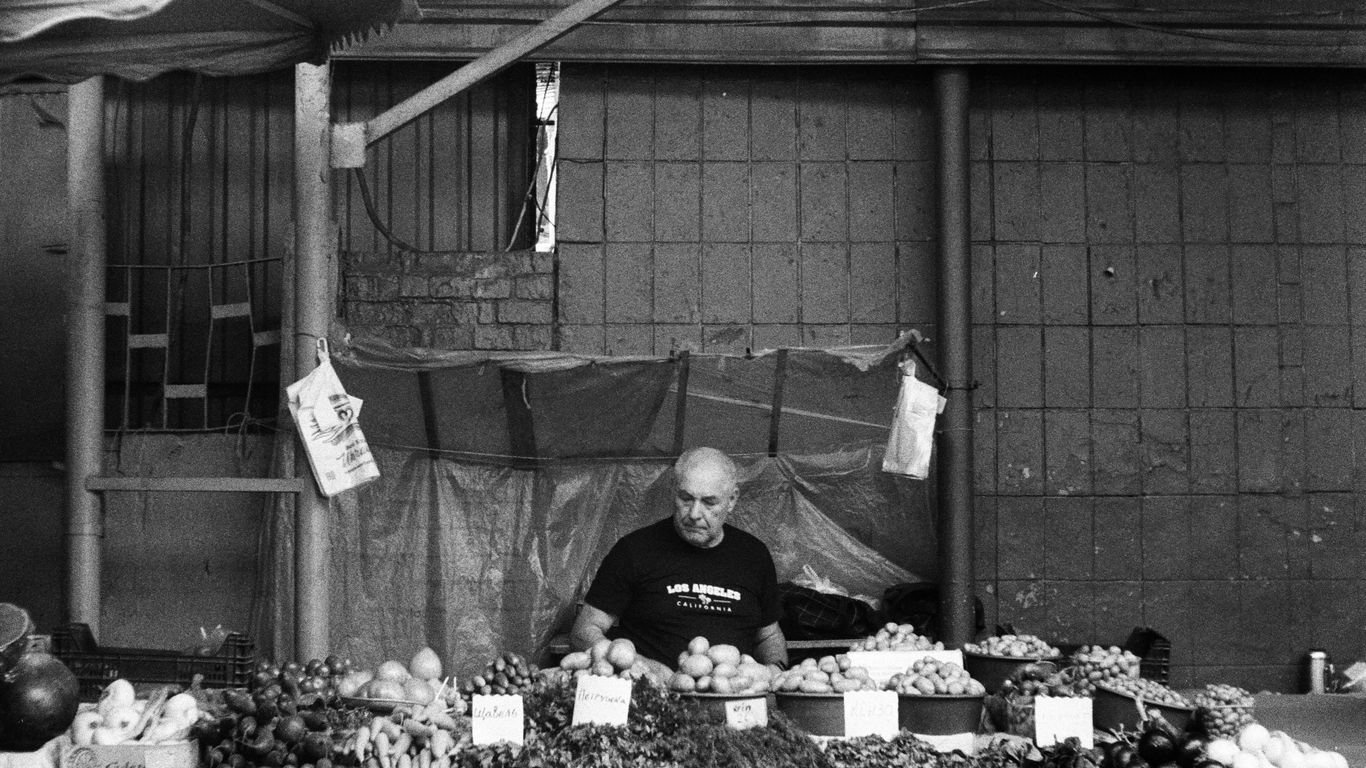
Farmers markets are practically the heart of local produce sales. They’re vibrant places where we can meet our customers face-to-face, share stories about our farm, and let the quality of our produce speak for itself. Setting up a stall can feel like a lot of work at first, but the direct connection you make is incredibly rewarding. Plus, you get to see what other growers are offering, which can be inspiring. We’ve found that being a regular at a market helps build a loyal following.
Community Supported Agriculture, or CSA, is a wonderful way to build a strong relationship with your customers. With a CSA, people pay upfront for a share of your harvest, and then they receive a regular box of whatever is in season. This model provides us with some financial stability early in the season and helps us plan our crops better. It’s a commitment for both us and the customers, but it creates a real partnership. We’ve seen how much people enjoy getting a surprise mix of fresh veggies each week.
This model really helps us connect with people who want to support local agriculture directly. It’s more than just a transaction; it’s about sharing the farming journey.
Selling directly to local grocery stores can be a great way to move larger quantities of produce. It requires a bit more planning in terms of consistency and meeting specific store needs, but it opens up a whole new customer base. We’ve found that many smaller, independent grocers are really keen to stock local items. Building a good relationship with the store manager or produce buyer is key here. It might take a few tries to find the right fit, but it’s worth exploring if you have the volume.
We’ve learned that collaborating with other vendors can expand your customer base and boost sales through bundled deals and cross-promotional discounts. This strategy allows for shared audiences and increased revenue opportunities. Check out vendor collaborations for more ideas on this front.
Once we’ve got the hang of the basics, it’s time to think about how we can really make our local produce venture blossom. This isn’t just about planting seeds; it’s about nurturing our business so it can thrive. We want to keep learning and adapting, making sure we’re not just growing food, but also growing our customer base and our reputation.
Healthy soil is the foundation of everything we grow. It’s not just dirt; it’s a living ecosystem. We need to pay attention to what our soil needs. This means thinking about adding organic matter, like compost, which is like giving our soil a superfood smoothie. Good soil structure helps with drainage and aeration, which plants absolutely love. We can also get our soil tested to see what nutrients might be missing. Taking care of our soil is one of the best investments we can make for a bountiful harvest. It’s a long-term game, but the payoff is huge in terms of plant health and yield.
We all know that growing seasons can be unpredictable. To keep our produce coming even when the weather isn’t cooperating, we can explore season extension. This could involve simple things like using row covers to protect young plants from frost or building cold frames. Hoop houses are another great option, allowing us to grow certain crops well into the cooler months. Even starting seeds indoors early in the year can give us a head start. These methods help us offer a wider variety of produce for a longer period, which our customers will appreciate.
While it’s good to start with what we know and love, growing our business means thinking about what else we can offer. We should consider what’s popular with our customers and what might fill a gap in the local market. Maybe it’s trying a few new types of tomatoes or experimenting with less common greens. We can also look at what other successful local growers are offering. Sometimes, just adding one or two new items can attract new customers or encourage existing ones to buy more. We might even find a niche crop that becomes our signature item. If we’re looking to supply local restaurants, understanding their needs is key to selling produce to restaurants.
We’ve found that talking to our customers and other growers is the best way to figure out what to plant next. It’s all about listening and adapting to what the community wants and what the land can provide.
Alright, so we’ve talked about growing and prepping our amazing produce. Now, let’s get down to the nitty-gritty: how we actually get it into people’s hands and make a sale. This part can feel a bit overwhelming at first, but once we break it down, it’s totally manageable.
First impressions matter, right? How we package our goods can make a big difference. We want our produce to look as good as it tastes, and for customers to feel like they’re getting something special. Think about what makes your produce stand out. Is it the vibrant color of your tomatoes, the crispness of your lettuce, or the unique shape of your heirloom carrots?
This is where we figure out how much to charge. It’s a balancing act between covering our costs, making a fair profit, and offering a price that customers feel is reasonable for high-quality, local food. We need to consider:
Here’s a rough idea for pricing, but remember to adjust based on your specific situation:
| Produce Item | Unit | Our Cost (Est.) | Suggested Price | Notes |
|---|---|---|---|---|
| Tomatoes | lb | $1.50 | $3.00 – $4.00 | Heirloom varieties can fetch a higher price. |
| Lettuce | head | $0.75 | $2.00 – $3.00 | Loose leaf or head lettuce. |
| Zucchini | lb | $0.50 | $1.50 – $2.50 | Often sold by the pound. |
| Berries | pint | $2.00 | $4.00 – $5.00 | Highly perishable, price accordingly. |
Making it easy for people to pay is super important. We don’t want to lose a sale because we couldn’t take their money!
We need to be clear about what payment methods we accept. Posting a small sign at our stand or mentioning it on our social media can prevent any confusion at the point of sale. Being flexible with payments shows we’re serious about serving our customers.
Remember, the goal is to make the entire process, from the customer seeing our produce to them paying for it, as smooth and pleasant as possible. It’s all part of building a good reputation and encouraging repeat business.
Alright, let’s talk about the stuff that isn’t as fun as harvesting but is super important for keeping our produce business legit. We’re talking about the rules and the nitty-gritty details that make sure we’re operating smoothly and legally.
This is probably the most critical part. Every town, county, and state has its own set of rules about selling food. We need to figure out what applies to us. This might include things like:
It can feel like a lot, but getting this right from the start saves us headaches later. A good place to start is by looking up your local government’s website or giving them a call. You can also find a lot of helpful information on selling food products online, including vegetables, at your state’s department of agriculture website.
Don’t be afraid to ask questions. Local officials are usually there to help guide you through the process. It’s better to ask a
So, we’ve talked about getting your hands dirty and growing some food, whether it’s in a big garden or just a few pots on the balcony. We’ve also looked at how to find and buy fresh stuff from local farmers and markets. It might seem like a lot at first, but remember, we all started somewhere. Just take it one step at a time, grow what you like to eat, and don’t be afraid to ask questions. Supporting local food feels good, tastes even better, and it’s a great way to connect with our communities. Happy growing and happy eating!
We suggest starting small! Pick a few things you really love to eat and can grow easily. Don’t try to grow too much at first. It’s also smart to talk to experienced farmers in your area. They have tons of great advice and can help you avoid common mistakes. Volunteering at a local farm or community garden is another fantastic way to learn the ropes.
Timing is everything when it comes to harvesting! We want to pick produce at its peak ripeness for the best flavor and quality. This often means checking your plants daily as they get close to being ready. For some crops, like tomatoes, you’ll see them change color. For others, like lettuce, you might harvest outer leaves before the whole plant is ready. It’s all about observing your plants and knowing what to look for.
There are several great options! Farmers’ markets are a classic choice where people actively look for fresh, local food. Community Supported Agriculture (CSA) programs are another excellent way; you sell shares of your harvest to customers upfront, and they get a box of produce regularly. You can also try selling directly to local grocery stores or restaurants that value fresh, local ingredients.
We can use a few methods to keep our harvest fresh! Freezing is super simple – just wash and chop, then freeze on a tray before bagging. Making jams, jellies, or pickles is also a fantastic way to preserve fruits and vegetables. This not only saves food from going bad but also adds value and variety to what we can offer.
We need to be aware of local rules and regulations. This might include things like permits for selling at markets or specific food safety guidelines. It’s also wise to look into business insurance to protect ourselves. Keeping good records of our sales and expenses is also very important for managing our business and for tax purposes.
Once we’ve got the hang of things, we can focus on improving our soil health through composting, which makes our plants grow better. We can also explore techniques to extend our growing season, like using covers to protect plants from cold. Trying out new and interesting types of produce can also attract more customers and make our offerings more exciting.
 March 7, 2026
How to Turn Food Preservation Into a Side Hustle
Canning
Homestead Kitchen
Homesteading
Sustainable Living
March 7, 2026
How to Turn Food Preservation Into a Side Hustle
Canning
Homestead Kitchen
Homesteading
Sustainable Living
We've all got those hobbies or skills that we love doing, right? Maybe it's baking, gardening, or even making your own jam. What if we told you that you could turn those passions into a little extra cash? It might...
Read More March 7, 2026
High-Output Crops Perfect for Micro Homesteads
Gardening
Homestead Planning
Homesteading
Starting a Homestead
March 7, 2026
High-Output Crops Perfect for Micro Homesteads
Gardening
Homestead Planning
Homesteading
Starting a Homestead
Thinking about growing your own food but only have a little space? We get it. Many of us are looking for ways to be more self-sufficient, even if we don't have acres to work with. The good news is, you...
Read More March 6, 2026
10 Low-Cost Homestead Side Hustles That Make Money
Homestead Planning
Homesteading
Starting a Homestead
March 6, 2026
10 Low-Cost Homestead Side Hustles That Make Money
Homestead Planning
Homesteading
Starting a Homestead
We all dream of a simpler life, right? One where we're more connected to the land and the seasons. But let's be real, that dream needs some funding. That's where low cost homestead side hustles come in. These aren't about...
Read More