



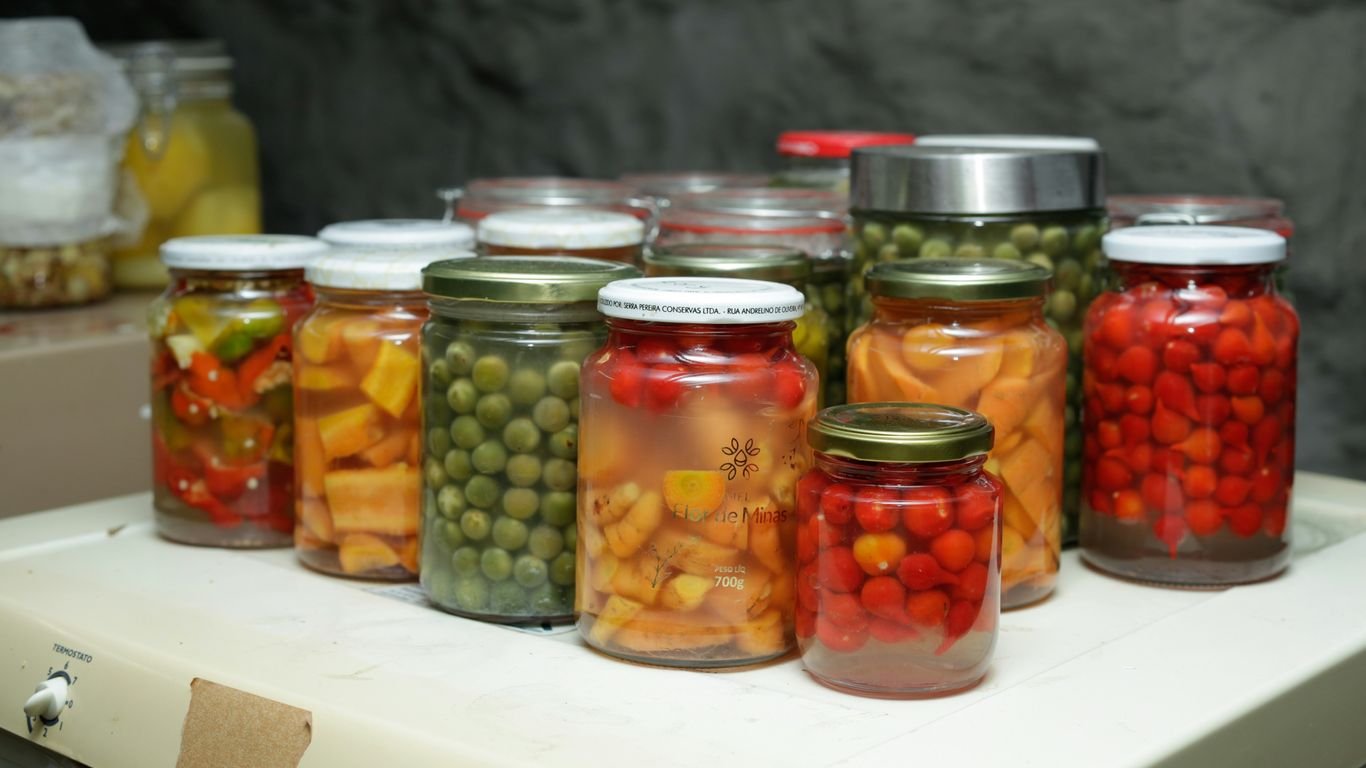
We all love a garden that gives us more than we can eat right away, don’t we? When that happens, we want to make sure we don’t let any of that good food go to waste. That’s where canning comes in. We’ve put together some fantastic high yield canning recipes that will help you fill your pantry with delicious, preserved food from your biggest harvests. It’s a great way to save money and have healthy food ready anytime.
Getting started with canning can feel a bit overwhelming, especially when you’ve got a huge harvest staring you down. We’ve all been there, staring at overflowing garden baskets and wondering how to make all that goodness last. The good news is, with the right approach, canning is totally doable and incredibly rewarding. It’s a fantastic way to save money, reduce waste, and have delicious, homemade food ready to go whenever you need it.
This is probably the most important thing to get straight before you even open a jar. Not all foods are created equal when it comes to canning safety. We need to think about acidity. Foods with a pH of 4.6 or lower are considered acidic and are generally safe for water bath canning. Think fruits, jams, jellies, pickles, and most tomato products (though tomatoes often need a little help with added acid, like lemon juice or citric acid, to be safe).
On the other hand, low-acid foods, like most vegetables, meats, and broths, need a different approach. These foods can potentially harbor Clostridium botulinum spores, which can cause botulism. To kill these spores, we need higher temperatures than a boiling water bath can provide. That’s where the pressure canner comes in. It reaches temperatures well above boiling, making it safe for these lower-acid items.
Here’s a quick rundown:
Always follow tested recipes from reliable sources. They’ve done the science so you don’t have to guess. Trying to
When our gardens overflow, we want to make sure none of that goodness goes to waste. Canning is our go-to method for preserving the season’s best vegetables. It’s a fantastic way to enjoy the taste of summer long after the last frost. We find that canning vegetables not only saves money but also gives us peace of mind knowing we have healthy options readily available.
Fresh corn is a summer highlight, and canning it lets us capture that sweet, just-picked flavor. We usually wait until the corn is perfectly tender, then we blanch and pack it into jars. It’s important to remember that corn is a low-acid food, so we always use a pressure canner for plain corn. This ensures it’s safe and shelf-stable. We love having canned corn for quick weeknight meals, whether it’s mixed into a casserole or served as a simple side dish.
Green beans are one of the easiest vegetables to grow and preserve. When we have a huge haul, canning is the perfect solution. Like corn, green beans are low-acid, meaning they require a pressure canner for safe preservation. However, if you prefer using a water bath canner, pickling them is a great alternative! Dilly beans, with their tangy, garlicky flavor, are a family favorite and process beautifully in a water bath. We find that having jars of both plain and pickled green beans gives us great variety throughout the year.
Carrots are wonderfully versatile, both fresh from the garden and canned. While they can be stored for a while in a cool root cellar, canning extends their life even further. Carrots, being low-acid, are safe to can using a pressure canner. We often can them whole or sliced to add to soups and stews during the colder months. Pickled carrots are another treat; their natural sweetness pairs wonderfully with vinegar and spices, making for a crisp and flavorful condiment. It’s amazing how a simple carrot can be transformed into so many delicious preserved goods.
Lima beans, with their creamy texture and rich flavor, are a welcome addition to our pantry. Canning them is a straightforward process, but like most vegetables, they require a pressure canner to ensure safety due to their low-acid content. We usually blanch them briefly before packing them into jars. Having canned lima beans means we can easily add them to hearty soups, stews, or even make a quick succotash. It’s a simple step that brings a lot of convenience to our meal planning, especially when we want a taste of home-style cooking without the long preparation time. Canning these legumes is a great way to preserve your harvest.
Canning vegetables might seem daunting at first, but with the right equipment and a little practice, it becomes a rewarding part of our food preservation routine. Always follow tested recipes to guarantee safety and quality.

When our fruit trees and bushes are overflowing, we love to capture that summer sweetness to enjoy all year long. Canning fruits is a fantastic way to preserve their natural flavors, and it’s surprisingly straightforward. We find that water bath canning is perfect for most fruits because they are naturally acidic, making them safe for this method. Preserving fruits lets us enjoy the taste of sunshine even in the dead of winter.
We’ve found that apples and apricots are particularly rewarding to can. Apples can be turned into delicious pie fillings, jams, or simply preserved as slices. Apricots, with their vibrant flavor, make wonderful jams, butters, and even pie fillings. Don’t forget about berries! While some, like elderberries, require careful attention to acidity levels, most berries can be transformed into delightful jams and jellies. Even citrus fruits like oranges can be canned, offering a bright, tangy addition to our pantry.
Here are some of our favorite fruit canning projects:
When canning fruits, always follow tested recipes from reliable sources. While many fruits are acidic, it’s important to know the specific requirements for each type to ensure safety. Adjusting sugar levels is often possible, but never compromise on the recommended processing times or acidity adjustments.
We also like to experiment with fruit combinations. Canning a mix of fruits can create unique flavor profiles. For instance, a peach-raspberry jam or an apple-cranberry conserve can be a delightful surprise. Remember, the goal is to capture the essence of the fruit at its peak, so choosing ripe, high-quality produce is key to the best results.
When we think about canning, pickles often come to mind first. They’re a classic for a reason! We love turning a big batch of cucumbers into crisp, tangy pickles that last through the winter. But don’t stop at cucumbers! We can also pickle green beans for a zesty side, or even try something a little different like pickled grapes. The key is a good brine – usually a mix of vinegar, water, salt, and spices. For a quick pickle, you can have them ready in a few days, but for shelf-stable canning, we follow tested recipes to make sure they’re safe and delicious for months.
Here’s a basic idea of what goes into a pickle brine:
Tomatoes are great, but what about turning them into a vibrant salsa? Canning salsa is a fantastic way to preserve the taste of summer. We like to add peppers, onions, and cilantro for that fresh salsa flavor. It’s important to use a tested recipe for salsa, as the acidity needs to be just right to ensure safe canning, especially when using tomatoes that might not be super acidic on their own. We often add a bit of lemon juice or citric acid to boost the acidity if the recipe calls for it.
Beyond salsa, tomatoes are incredibly versatile in the canning world. We can them whole, diced, or as crushed tomatoes. This is a great way to have a base for soups, sauces, and stews all year long. If we have a huge haul of tomatoes, we might even make tomato paste or a rich tomato sauce. Remember, for plain tomatoes, adding a bit of lemon juice or citric acid to each jar is recommended to maintain a safe pH level for water bath canning.
Relishes are another wonderful way to use up a surplus of vegetables. Think about a sweet pickle relish for hot dogs, or a corn relish packed with peppers and onions. We’ve even seen recipes for rhubarb-cherry chutney that are amazing with pork or cream cheese. These often involve chopping up a mix of veggies, cooking them down with vinegar, sugar, and spices, and then canning them. They add a burst of flavor to so many dishes.
Canning relishes and chutneys can seem a bit more involved than simple pickles, but the payoff is huge. You get complex, layered flavors that are perfect for jazzing up meals or serving at gatherings. Just be sure to follow your recipe closely, especially regarding cooking times and ingredient ratios, to get that perfect tangy and savory balance.
So, we’ve covered fruits and veggies, but what about the heartier stuff? Canning meats and broths is totally doable, and it’s a game-changer for quick weeknight meals. Think homemade chicken broth ready to go for soup, or beef stew components you can just heat and eat. The key here is pressure canning. Because meat and broth are low-acid, they absolutely need the higher temperatures that only a pressure canner can provide to be safe. Water bath canning just won’t cut it and can be dangerous.
Here’s a quick rundown of what you’ll need and some general steps:
Don’t guess when it comes to canning meats; safety is paramount.
We touched on this with meats, but it applies to other low-acid foods too, like most vegetables (think plain corn, beans, or potatoes without added acid). These foods have a pH above 4.6, which is the danger zone for Clostridium botulinum spores. These spores can survive boiling water temperatures and produce a deadly toxin. Pressure canning reaches temperatures well above boiling (240°F or higher), which effectively destroys these spores.
It might seem a bit intimidating at first, but once you get the hang of it, it’s quite straightforward. The main things to focus on are:
Remember, the goal of pressure canning low-acid foods is to kill any potential botulism spores. This isn’t something to take lightly, and using reliable, up-to-date recipes is your best defense.
While we’ve mostly talked about preserving whole foods, let’s not forget the sweet stuff! Making your own jams and jellies is incredibly rewarding, and you can get really creative. Forget those recipes that call for a pound of sugar for every pound of fruit; we can make delicious, lower-sugar versions that let the fruit’s natural flavor shine.
Making jam and jelly is a fantastic way to use up fruit that might be a little too soft for canning whole. Just remember, because fruits are high-acid, these are typically safe for water bath canning. Always use a tested recipe, especially if you’re reducing sugar or using alternative pectins.
So there you have it! We’ve walked through some fantastic ways to turn that overflowing garden into jars of deliciousness that will last. Whether you’re just starting out with water bath canning or ready to tackle pressure canning for those low-acid veggies, we hope these ideas give you a great head start. Don’t let that harvest go to waste – get those jars filled and enjoy the fruits (and veggies!) of your labor all year long. Happy canning, everyone!
Think of it like this: water bath canning is like giving your jars a hot bath, boiling them in water. This works great for super acidic foods like fruits and pickles. Pressure canning, on the other hand, is like giving them a high-pressure steam treatment, reaching much hotter temperatures. This is super important for less acidic foods, like most vegetables and meats, because it kills off tougher germs that can’t survive in a regular boiling water bath.
It all comes down to acidity! Foods with a low pH, meaning they’re more acidic, can be safely canned using a water bath. Most vegetables, however, are low in acid. To make them safe for canning, we need the higher heat from a pressure canner to get rid of any nasty bacteria, like botulism spores, that can grow in these less acidic environments.
Yes, you can! But here’s the catch: tomatoes are only slightly acidic, and sometimes not enough for safe water bath canning, especially if you add other veggies to them. To be absolutely sure, we always add a little something extra, like a bit of bottled lemon juice or citric acid, to boost their acidity. This way, we know they’re safe to store on the shelf.
For starters, you’ll need jars, lids, and rings, of course! Then, depending on what you’re canning, you’ll need either a large pot with a rack for water bath canning or a special pressure canner. Don’t confuse a pressure canner with a regular pressure cooker; they’re different tools designed for different jobs.
The golden rule is to always stick to tested recipes from reliable sources. We’re talking about guidelines from places like the National Center for Home Food Preservation or reputable canning books. These recipes have been carefully checked to make sure they use the right ingredients and methods to keep your food safe and delicious.
We always suggest starting with high-acid foods. Think simple fruit jams, jellies, or pickles. Water bath canning is generally easier to learn, and these recipes are a fantastic way to get comfortable with the process before moving on to more complex pressure canning projects.
We love the charm and character that a hobby farm look brings to our outdoor spaces. It feels so welcoming and down-to-earth. If you're looking to capture that same vibe on your own property, we've gathered some simple and pretty...
Read More March 4, 2026
How to Start a Seed Bank at Home
Gardening
Homesteading
Starting a Homestead
Sustainable Living
March 4, 2026
How to Start a Seed Bank at Home
Gardening
Homesteading
Starting a Homestead
Sustainable Living
Starting a seed bank at home might sound like something only hardcore gardeners do, but honestly, it’s a lot simpler than it seems. We realized that saving seeds from our favorite plants not only saves money, but it helps us...
Read More March 4, 2026
How to Grow Enough Food While Working Full Time
Gardening
Homestead Planning
Homesteading
Sustainable Living
March 4, 2026
How to Grow Enough Food While Working Full Time
Gardening
Homestead Planning
Homesteading
Sustainable Living
Trying to grow enough food while working full time can feel like a tall order. Most of us don’t have hours to spend in the garden every day, and space is usually tight. But with some simple planning and a...
Read More