


We’re excited to share how we got started with our own medicinal herb garden. It felt a bit overwhelming at first, but we learned that taking it step-by-step makes it totally doable. Growing our own healing plants has been so rewarding, and we want to show you how you can do it too. This guide is all about making your medicinal herb garden journey simple and enjoyable, from picking the first plant to using your own fresh herbs.
So, you’re thinking about growing your own medicinal herbs? That’s fantastic! It might seem a little daunting at first, like stepping into a new world, but trust us, it’s totally doable. We’ve been there, feeling a bit lost on where to begin, but we found our way, and we want to share that with you. Growing herbs for health and home is a journey, and we’re here to help you take those first few steps.
Simply put, a medicinal herb garden is a space where we grow plants specifically for their healing properties. It’s not just about pretty flowers; it’s about cultivating a personal apothecary right outside our door. Think of it as a living pharmacy, filled with plants that can help with common ailments, boost our well-being, and bring a bit of natural goodness into our lives. It’s a way to connect with nature and learn about the incredible power held within plants.
There are so many reasons why we’d want to grow our own healing herbs. For starters, it’s incredibly rewarding to nurture a plant from a tiny seed into something that can actually help us feel better. Plus, you know exactly what went into growing them – no weird chemicals or treatments. It can also save us a bit of money in the long run, especially if you find yourself buying herbal remedies regularly. And honestly, there’s a special kind of joy in stepping outside and snipping fresh herbs for a tea or a salve. It’s about self-sufficiency and building a closer relationship with the natural world around us. We can cultivate a personalized garden that truly fits our needs.
Before we even think about buying seeds or digging in the dirt, it’s smart to pause and consider what our families actually need. What common sniffles, aches, or worries pop up most often? For us, it might be seasonal allergies, the occasional headache, or maybe digestive upset. Making a list of these common issues helps us choose the right herbs to grow. Instead of trying to grow everything under the sun, we can focus on plants that will be genuinely useful. This targeted approach makes our garden more practical and less overwhelming. It’s about creating a garden that serves us.
Here’s a quick way to think about it:
Focusing on your family’s specific needs will make your medicinal herb garden much more effective and personally rewarding. It turns a general gardening project into a tailored wellness plan.
Okay, so we’ve got our heads around why we want to grow these amazing plants and where they might go. Now comes the really fun part: picking which herbs to invite into our little healing haven. It can feel a bit overwhelming with so many options, but let’s break it down.
Honestly, the best place to start is with yourself. What herbs have you used before? What smells do you love? What remedies are you interested in making? Think about the teas you enjoy, the balms you’ve bought, or even just plants that catch your eye at the nursery. Your intuition is a powerful guide here. If a particular herb calls to you, chances are you’ll enjoy growing it and learning its uses. Don’t feel pressured to grow something just because it’s "popular" in the medicinal herb world if it doesn’t spark your interest.
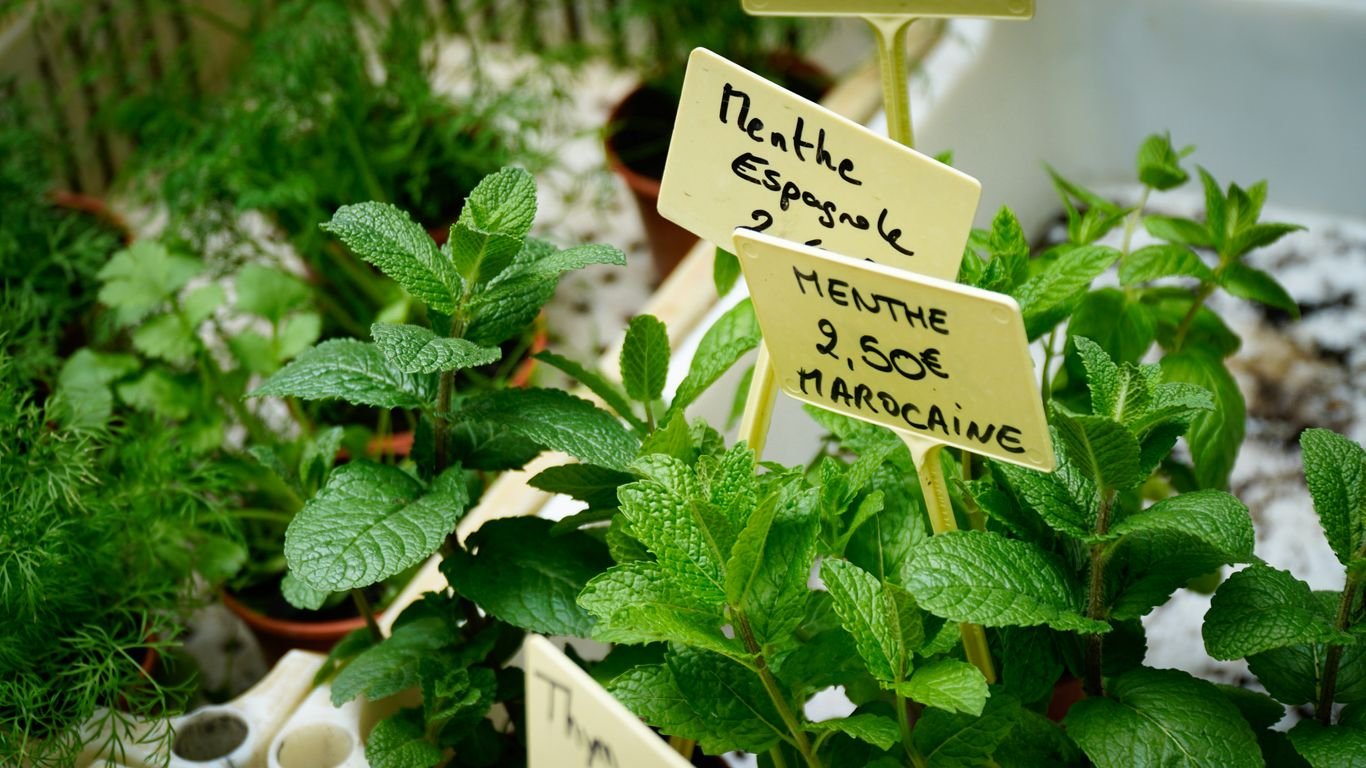
While personal preference is key, there are some workhorse herbs that are fantastic for beginners and offer a wide range of benefits. We’ve found these to be reliable and rewarding:
If you live in an area where deer are frequent visitors (and believe me, they will find your garden!), choosing deer-resistant herbs is a smart move. It can save you a lot of heartache. While no plant is 100% deer-proof, some are much less appealing to them. Here are a few that tend to fare better:
| Herb | Common Uses |
|---|---|
| Calendula | Skin salves, wound healing |
| Horehound | Cough syrups, respiratory issues |
| Rosemary | Memory, digestion, anti-inflammatory |
| Mint | Digestion, nausea, headaches |
| Lavender | Relaxation, sleep, anxiety |
| Echinacea | Immune support |
| Yarrow | Wound healing, fever reduction |
Remember to check local resources or ask experienced gardeners in your area about what deer tend to avoid. Sometimes, even these can be nibbled if deer are particularly hungry, but they’re a good starting point.
Alright, so we’ve got our herb ideas and we’re ready to get them in the ground. But before we start digging, we need a plan for where everything’s going to live. This is where we think about how our garden will actually work and look.
First off, do you want a special spot just for your medicinal herbs, or are you thinking of tucking them in among your veggies and flowers? Both have their perks. A dedicated bed makes it feel like a real apothecary garden, all organized and focused. It’s also easier to manage if you have plants with very different needs. On the other hand, mixing them in can make your whole garden more interesting and functional. Some herbs can even help out your veggies by attracting good bugs or deterring pests. We’ve found that having a bit of both works well for us – a main medicinal patch and then some useful herbs scattered around the vegetable beds.
This is where things get really interesting. We can plant certain herbs together to help each other out. Think of it like a neighborhood where everyone has a role. Some plants attract bees and butterflies, which is great for pollination. Others can actually keep away the critters that want to munch on our precious plants. For example, planting strong-smelling herbs like rosemary or mint near other plants can confuse pests. We also need to consider how tall plants will get and if they’ll shade out their neighbors. It’s all about creating a balanced ecosystem right in our backyard.
Here are a few ideas for pairing:
Now, let’s talk about the practical stuff: light and space. Most medicinal herbs are sun-worshippers, needing at least six hours of direct sunlight a day. So, find the sunniest spots you have. But, some herbs, like mint or lemon balm, can tolerate a bit more shade. It’s important to know what each herb likes. Also, think about how big they’ll get when they’re fully grown. Planting them too close together is a common mistake. Overcrowding can lead to poor air circulation, which invites diseases, and plants will compete for water and nutrients. We learned this the hard way with some of our basil plants getting leggy because they were too close to a taller tomato plant. So, check the mature size of your herbs and give them room to spread out and breathe. If you’re planning to harvest roots, make sure you leave enough space around those plants for digging later on without disturbing everything else.
When planning your layout, always consider the mature size of your plants. It’s much easier to give them space from the start than to try and move them later when they’re crowded.
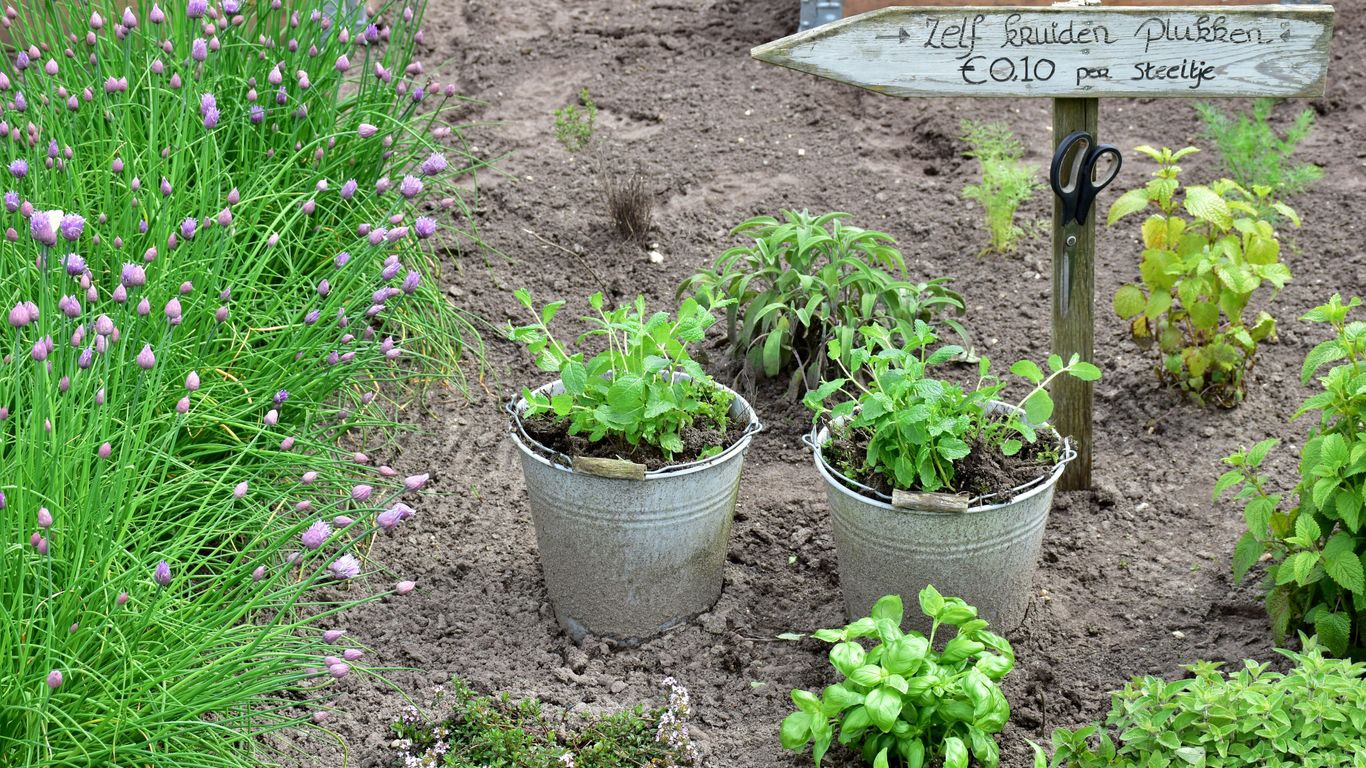
So, you’ve got your garden plan all mapped out, and now it’s time to get plants in the ground. We have two main routes here: starting from seed or buying little starter plants, called transplants. Honestly, both have their perks, and what’s best often depends on the herb and your patience level.
Starting from seed is super economical, especially if you want a lot of a particular herb. You can find seeds for almost anything, and it feels pretty rewarding to watch something grow from a tiny speck. However, some seeds can be a bit fussy. Lavender, for instance, really benefits from a cold treatment (called stratification) before planting, and if you skip that, you might be waiting a long time for a sprout, if one ever shows up. Other seeds, like calendula or dill, are usually pretty straightforward and pop up without much fuss. We’ve found that reading the seed packet instructions is key – they often have specific tips for getting the best germination.
Buying transplants gives you a head start. You skip the tricky germination phase and get a plant that’s already a decent size. This is a great option if you’re a bit short on time or if you’ve had less luck with seeds in the past. Some herbs, like echinacea or peppermint, can be a bit more challenging to start from seed, so buying them as starts is often a good idea. You can even find some herbs sold as ‘crowns,’ which are basically established root systems ready to go.
Timing is everything in gardening, right? Planting your seeds and starts at the right time makes a huge difference in how well they grow. Generally, you’ll want to plant based on your area’s last frost date. Most herbs are pretty happy once the danger of frost has passed and the soil has warmed up a bit.
Most medicinal herbs aren’t super picky about their soil, which is good news for beginners! They generally prefer soil that drains well. Think of it like this: they don’t like having their feet wet all the time, as that can lead to root rot. So, if you have heavy clay soil, you might want to amend it with some compost or sand to improve drainage.
A common mistake is over-fertilizing. Many medicinal herbs actually prefer leaner soil. Too much nitrogen, in particular, can make the plants grow big and leafy but can also dilute the concentration of the beneficial compounds we’re after. So, resist the urge to go overboard with the fertilizer; good quality compost is usually enough.
When preparing your beds, especially if you’re planting perennials that will stay put for years, it’s a good idea to loosen the soil deeply. This helps their roots spread out. If you’re planting herbs that tend to spread aggressively, like mint, consider planting them in containers or using root barriers to keep them in check. Spacing is also important – give your plants enough room to reach their mature size without crowding each other. This helps with air circulation and reduces the risk of diseases.
Starting herbs from seed can be really rewarding, and honestly, pretty simple once you know a few tricks. The biggest thing is to pay attention to what the seed packet says. Seriously, it’s like a little instruction manual for each plant. Some seeds need a specific soil temperature, others might need a bit of a chill (that’s called cold stratification), and some might need their outer shell softened up a bit (scarification). We found that lavender seeds, for example, do way better after a stint in the fridge. Don’t skip those steps; they make a huge difference in getting your little plants to sprout.
Every plant is a little different, and that’s part of what makes gardening fun. Most of the medicinal herbs we’re talking about are pretty happy with well-draining soil, even if it’s a bit rocky. You usually don’t need to go crazy with fertilizer. In fact, too much nitrogen can actually make the medicinal compounds in your herbs less concentrated, which is the opposite of what we want! So, less is often more when it comes to feeding these plants.
We all want our herb gardens to thrive, but sometimes critters have other ideas. Deer can be a real nuisance, munching on plants we’ve carefully tended. If deer are a problem in your area, consider planting some deer-resistant herbs like calendula, rosemary, or mint around the more tempting plants. You can also look into fencing options if it’s a persistent issue. For smaller pests, like aphids, we often find that a strong spray of water can knock them off, or introducing beneficial insects can help keep things in balance. Healthy plants are less susceptible to pests, so focusing on good soil and proper watering goes a long way.
It’s easy to get caught up in the excitement of planting and harvesting, but taking the time to truly understand what each herb needs to thrive is where the magic happens. Observing your plants daily, noticing changes, and responding to their needs will build a stronger connection between you and your garden.
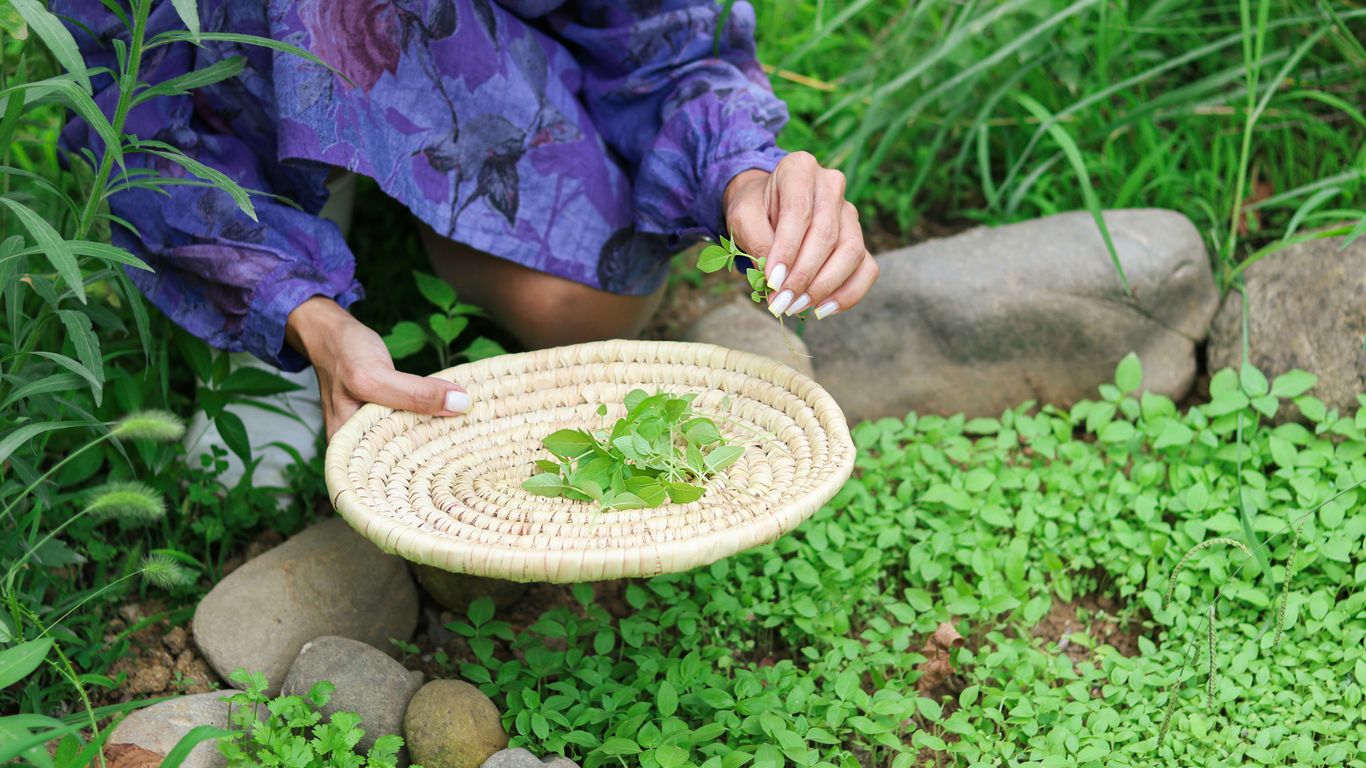
So, you’ve nurtured your plants, and now it’s time for the best part: harvesting and actually using the goodies you’ve grown! It’s pretty rewarding to snip some fresh herbs for a tea or a salve. Knowing when and how to harvest makes a big difference in how potent and useful your herbs will be.
Timing is everything, really. For most leafy herbs like mint, lemon balm, or chamomile, we want to harvest them before they flower, or just as they’re starting to bloom. This is usually when their essential oils are at their peak. The best time of day to harvest is generally in the morning, after the dew has dried but before the sun gets too hot. This helps keep the leaves from wilting too quickly and preserves their medicinal compounds. For roots, like echinacea or valerian, you’ll typically harvest them in the fall after the plant has finished its growing season and stored up energy in the roots. Flowers, like calendula or echinacea petals, are usually best picked when they are fully open and the sun is shining.
Here’s a quick rundown for common parts:
Once you’ve got your harvest, you can use many herbs fresh right away. Making a simple herbal tea is one of the easiest ways to start. Just steep fresh leaves or flowers in hot water for about 5-10 minutes. You can also chop fresh herbs and add them to salads, dressings, or infused oils. For things like wound care, fresh yarrow leaves can be mashed and applied directly (after proper cleaning, of course!). Another great use for fresh herbs is making infused oils or vinegars. Just pack a clean jar with your fresh herbs, cover them with your chosen oil or vinegar, and let it sit in a cool, dark place for a few weeks, shaking it occasionally.
Not all herbs can be used fresh, and sometimes we just have too much to use right away. Drying is the most common way to preserve herbs for later. We like to hang small bundles of herbs upside down in a warm, dry, well-ventilated place away from direct sunlight. You can also use a dehydrator on a very low setting, or even spread them out on screens or paper towels. Make sure the herbs are completely dry before storing them. Any moisture left can lead to mold. Once dry, we crumble the leaves and flowers and store them in airtight glass jars. Keep these jars in a cool, dark cupboard. Properly dried and stored herbs can keep their potency for about a year. For roots, it’s similar – dry them thoroughly and store them in airtight containers.
Storing your herbs properly is key. If they aren’t fully dry, they can get moldy, and then they’re no good for anything. We learned that the hard way with a batch of mint once. Just make sure they’re brittle to the touch before you put them in the jar.
So there you have it! We’ve walked through the basics of getting your very own medicinal herb garden started. It might seem like a lot at first, but remember, we’re all just learning as we go. Start small, pick a few herbs that call to you, and don’t be afraid to experiment. The most important thing is to enjoy the process and connect with these amazing plants. We hope you find as much joy and benefit from your garden as we have. Let us know in the comments what you decide to grow!
A medicinal herb garden is a special spot where we grow plants known for their healing powers. Instead of just looking pretty, these plants are grown so we can use them for teas, salves, and other natural remedies. Think of it as our own little backyard pharmacy, full of fresh, natural goodness.
Growing our own medicinal herbs means we have total control over how they’re grown. We can make sure they’re pure, without any yucky chemicals or pesticides. Plus, it’s a super sustainable way to get natural remedies, and it helps protect plants that might be rare in the wild.
We start by thinking about what health issues our family deals with most often, like colds or tummy troubles. Then, we can choose herbs that help with those specific things. It’s also fun to pick herbs we’re simply drawn to, maybe for their smell or how they look, and then learn about their healing gifts.
Yes, we absolutely can! Many medicinal herbs grow really well alongside vegetables and flowers. Some herbs can even help our veggies grow better by attracting helpful bugs or scaring away pests. We just need to make sure taller herbs don’t block the sun from shorter ones and give each plant enough space.
It really depends! Some herbs, like basil or dill, are pretty easy to start from seed. Others, like lavender or echinacea, can be trickier and might be easier to buy as small plants, called transplants, to give us a head start. We can also find herbs that grow wild, like plantain, which we might already have!
Most medicinal herbs like soil that drains well and don’t need a lot of extra fertilizer. We need to learn what each herb needs in terms of sunlight and water. We should also watch out for pests and animals that might want to munch on our plants, and be ready to deal with them naturally.
 March 7, 2026
High-Output Crops Perfect for Micro Homesteads
Gardening
Homestead Planning
Homesteading
Starting a Homestead
March 7, 2026
High-Output Crops Perfect for Micro Homesteads
Gardening
Homestead Planning
Homesteading
Starting a Homestead
Thinking about growing your own food but only have a little space? We get it. Many of us are looking for ways to be more self-sufficient, even if we don't have acres to work with. The good news is, you...
Read More March 6, 2026
10 Low-Cost Homestead Side Hustles That Make Money
Homestead Planning
Homesteading
Starting a Homestead
March 6, 2026
10 Low-Cost Homestead Side Hustles That Make Money
Homestead Planning
Homesteading
Starting a Homestead
We all dream of a simpler life, right? One where we're more connected to the land and the seasons. But let's be real, that dream needs some funding. That's where low cost homestead side hustles come in. These aren't about...
Read MoreWe love the charm and character that a hobby farm look brings to our outdoor spaces. It feels so welcoming and down-to-earth. If you're looking to capture that same vibe on your own property, we've gathered some simple and pretty...
Read More