


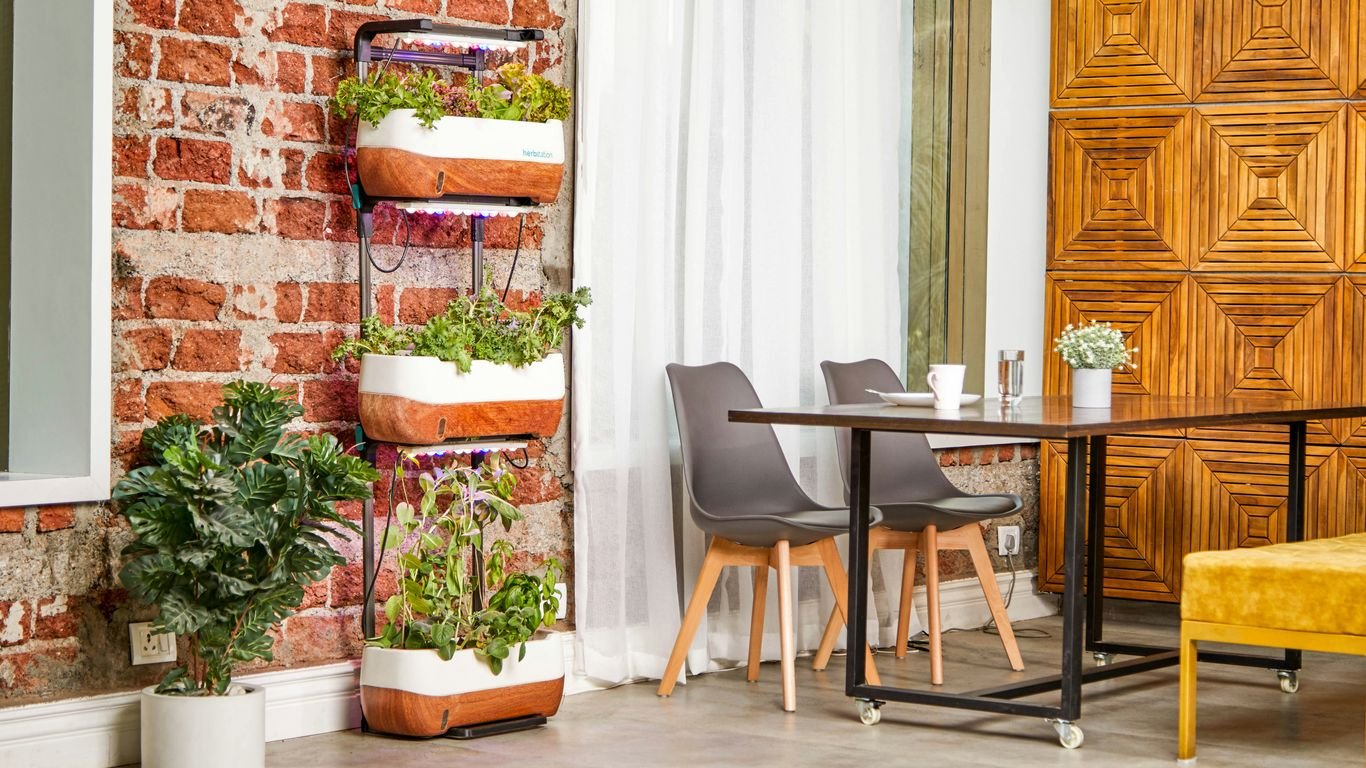
We’ve all been there, staring out at the frozen garden in the dead of winter and wishing for a fresh, crisp salad. Turns out, we don’t have to wait for spring! We’ve figured out how to keep our salad bowls full all year long, right from our own homes. Forget those limp store-bought greens; we’re talking about growing our own delicious, vibrant salad greens indoors, no matter the season. It’s simpler than you might think, and we’re excited to share how we do it.
Getting an indoor salad garden going is simpler than you might think. We’re going to walk through the basics so you can start enjoying fresh greens right from your home, no matter the season. It’s all about picking the right spot, grabbing a few key supplies, and understanding what your plants need to thrive.
Where you decide to set up your garden is pretty important. You don’t need a huge amount of room; even a small kitchen counter or a corner of a room can work. Think about what you want to see while you’re going about your day. Do you want your greens to be a visible part of your living space, or would you prefer them tucked away? Also, consider the temperature. Seeds need a bit of warmth to get started, so a spot that’s consistently around room temperature is ideal. Avoid areas with big temperature swings, like right next to a drafty window or a heating vent, as these can really stress your plants. A spot with a bit of natural light is a bonus, but we’ll talk more about that later.
You don’t need a lot of fancy equipment to start. Here’s a quick rundown of what we found helpful:
Getting the soil and water right is pretty straightforward. For soil, we like to use a potting mix that drains well. You can buy pre-made mixes or create your own. A common recipe involves mixing potting soil with a bit of compost and maybe some perlite for drainage. When you’re ready to plant, moisten the soil before you put it in your trays. It should feel damp, like a wrung-out sponge, but not soggy. Overwatering is a common mistake, so it’s better to water a little less than too much. We usually find that watering once a day is plenty, but keep an eye on your specific setup. If the soil looks dry, give it a drink. The goal is consistently moist, not waterlogged, soil. You can start lettuce seeds indoors by filling seed trays with a moist seed starting mix and covering the seeds with a very light layer of soil [5dae].
So, what exactly can we grow in our indoor salad gardens? The good news is, a lot! We’re not just talking about a sad little head of lettuce here. We can cultivate a vibrant mix of greens that will keep our salads interesting and delicious all year long. The key is choosing varieties that are happy to grow in less-than-ideal conditions, like lower light and consistent indoor temperatures.
Lettuce is probably the first thing that comes to mind, and for good reason. It’s a fantastic starter green for indoor growing. We’ve found that loose-leaf varieties tend to do better than head lettuces. Think about things like Black Seed Simpson, Oakleaf, or Red Sails. They grow quickly and are pretty forgiving. We can get a good harvest from them without needing a ton of space. For a continuous supply, remember to plant new seeds every couple of weeks. It’s amazing how much you can grow on just a windowsill!
If you like a little kick in your salad, we’ve got options! Arugula is a winner. It grows fast and adds that peppery flavor we love. Just give the plants a bit more room than you might think. Radishes are another fun one. They grow surprisingly well indoors, but we need to keep the soil from getting too warm, or they’ll get a bit bitter and bolt. A cooler spot, like a north-facing window, can be perfect for them. We’ve had good luck starting the seeds a bit warmer and then moving them to their cooler growing spot.
Herbs are absolute superstars for indoor gardens. They don’t need a lot of root space and are perfectly content under grow lights. Basil, cilantro, parsley, mint – the possibilities are huge! They add so much flavor and freshness. And then there are the shoots! Things like pea shoots or sunflower shoots grow incredibly fast and add a wonderful texture and taste. They’re almost like a super-fast version of traditional sprouts, but grown in soil, which gives them a more substantial feel. We’ve found that growing these soil-grown sprouts gives us the look and texture of regular salad greens, which our families really enjoy. It’s a great way to add variety and make our salads exciting.
Growing these greens indoors means we have access to fresh produce even when the weather outside is frightful. It’s a simple way to bring a bit of life and color into our homes during the colder months, and it feels good knowing we’re eating something we grew ourselves.
Here’s a quick look at some of our favorites:
We’ve found that starting with these types of greens makes for a really satisfying indoor garden experience. It’s not just about having salad; it’s about having great salad, whenever we want it. For more ideas on what to grow, check out leafy greens indoors.
Now that we’ve got our space and supplies sorted, it’s time to get our hands dirty and actually start growing! Planting your indoor salad garden is pretty straightforward, and we’ve got a couple of methods to keep those greens coming.
This is where the magic begins. We’ll be planting seeds directly into our soil. It’s a simple process, but there are a few things to keep in mind for the best results. Don’t be afraid to experiment with different types of seeds to see what you like best.
Here’s a basic rundown:
Some folks like to cover their newly sown seeds with a thin layer of damp newspaper or plastic wrap for the first few days. This helps keep the moisture consistent, which is key for germination. Once you see those first little sprouts popping up, it’s time to remove the cover and let them greet the light.
Want salad every day? The secret is succession planting. This just means planting small batches of seeds every week or two. Instead of planting a whole tray at once, we’ll stagger our plantings. This way, as one batch is ready to harvest, another is just getting started. It’s a simple way to ensure you always have fresh greens on hand without being overwhelmed by a massive harvest all at once. We usually aim to sow a new tray every 10-14 days, depending on how much salad we eat.
Water is life, right? But overwatering can be just as bad as underwatering, especially indoors. We want our soil to be consistently moist, but not soggy. A good rule of thumb is to check the soil with your finger. If the top inch feels dry, it’s time to water. We prefer to use a watering can with a fine rose or a spray bottle to gently water the soil, avoiding getting the leaves too wet, which can sometimes lead to issues. For our indoor setup, watering once a day is usually sufficient, but this can vary depending on your environment and the type of greens you’re growing. Keep an eye on them, and you’ll get a feel for what they need. You can find great seed starting trays that make watering easier.
Once we’ve got our greens planted, we need to make sure they have the best conditions to really take off. It’s not just about sticking them in a pot and hoping for the best; a little attention goes a long way.
Light is probably the most critical factor for indoor greens. Without enough of it, your plants will get weak and stretched out, a condition we call ‘leggy.’ We want sturdy, healthy plants, not sad, spindly ones. A good quality grow light is a worthwhile investment. Many people find that High Output T5 fixtures work well, but if your budget allows, newer LED options are also fantastic. Aim for a light spectrum that favors vegetative growth, which is typically on the bluer end of the spectrum. Positioning your lights correctly is key; they should be close enough to be effective but not so close that they scorch the leaves.
Most salad greens are pretty happy in a temperature range between 55°F and 70°F. Think of it as a cool, comfortable room. We need to be mindful of where we place our garden. Avoid putting it right next to a radiator, a heating vent, or even a drafty window, especially in winter. Consistent temperatures are best. A small fan can also be helpful to keep the air circulating, which helps prevent fungal issues and strengthens the plants.
Leggy growth happens when plants stretch too much trying to reach for light. If you notice your greens are getting long and thin, it’s a sign they need more light or the light source is too far away. You can try moving the light closer or supplementing with another fixture. Sometimes, if the legginess isn’t too severe, you can gently bury the lower part of the stem when you transplant or pot them up, which can encourage new root growth. For seedlings, ensuring they get adequate light from the start is the best way to prevent this problem altogether. We’ve found that keeping the lights just a few inches above the seedlings works wonders. Indoor growing conditions are quite specific.
We’ve learned that consistent watering, the right temperature, and plenty of light are the main ingredients for a thriving indoor salad garden. It’s a balance, but once you get it right, the rewards are huge.
Alright, so you’ve nurtured your greens, and now it’s time for the best part: eating them! Harvesting your indoor salad garden is super satisfying, and thankfully, it’s pretty straightforward. We’ve got a couple of favorite methods that keep the greens coming.
This is our go-to for most leafy greens like lettuce and spinach. It’s exactly what it sounds like – you cut some leaves, and the plant keeps growing more. The key is to cut about an inch above the soil line. This leaves enough of the plant base intact so it can regrow. We usually grab a handful of leaves and snip them just above our fingers, but you’ll find your own rhythm. It’s a great way to get multiple cuttings from each plant, sometimes up to three or even more depending on the variety and how well you’re taking care of them.
Most of your greens will be ready to harvest when they reach about 6 to 10 inches tall. You’ll see them looking lush and full. Before you start snipping, it’s a good idea to pick off any stray seed hulls that might still be clinging to the leaves. If you’re growing things like radish or sunflower shoots, they might be ready a bit sooner, and you can even use them as sandwich toppers without chopping if you like.
This is where the ‘cut and come again’ magic really shines. By not taking the whole plant at once and leaving that little bit of stem, you’re setting yourself up for more salads down the line. We find that planting new seeds every two weeks really helps maintain a steady supply. This succession planting, combined with the regrowth from your existing plants, means you’re rarely without fresh greens. It’s a simple strategy that makes a big difference in keeping your salad bowl full. You can even check out tips for growing on a small balcony if you’re looking for more space-saving ideas.
Harvesting regularly encourages more growth. Think of it like pruning a bush; you’re just tidying it up and telling it to produce more! Just be gentle and try not to disturb the roots too much when you’re cutting.
Honestly, who doesn’t love a fresh salad? But let’s face it, come winter, our options for crisp, flavorful greens can get pretty sad. We’ve all been there, staring at wilted lettuce or bland sprouts from the grocery store. Growing our own salad greens indoors means we can ditch those disappointing store-bought bags for good. Imagine snipping vibrant, tender leaves right from your windowsill, even when there’s snow on the ground. The taste difference is night and day. Indoor-grown greens are just bursting with flavor and have a satisfying crunch that you just can’t replicate with produce that’s traveled miles. It’s like having a little piece of summer’s bounty available 365 days a year.
Beyond the sheer joy of fresh greens, there’s a nice little bonus: we’re doing our bit for the planet. Think about it – all those greens we buy from the supermarket have to be grown somewhere, often far away, then transported. That’s a lot of fuel burned and emissions released. By growing our own salad ingredients right in our homes, we cut down on that transportation chain significantly. It’s a small change, but collectively, these choices add up. We get delicious food, and the environment gets a little break. It feels good to know we’re making a more sustainable choice, even with something as simple as a salad.
Let’s be real, sometimes life gets a bit monotonous. Having a small indoor salad garden is more than just about the food; it’s a genuinely rewarding hobby. There’s a real sense of accomplishment in nurturing something from a tiny seed into a harvestable plant. Watching those little leaves unfurl and grow is surprisingly therapeutic. Plus, it keeps us engaged and productive, even on those dreary winter days when we might otherwise just be scrolling through our phones. It’s a fantastic way to connect with nature, even if it’s just on your kitchen counter, and the payoff – a delicious, fresh salad – is incredibly satisfying. It’s a simple pleasure that brings a lot of joy and a lot of tasty greens into our lives.
And there you have it! We’ve shown you that growing your own salad greens indoors all year round isn’t some far-off dream. It’s totally doable, even if you think you don’t have the space or the greenest thumb. We’ve gone from figuring out the right spot and what seeds to pick, to actually harvesting those crisp, fresh leaves right from our windowsills or a spare corner. It’s pretty cool, right? Now you can ditch those sad, wilted store-bought bags and enjoy your own homegrown goodness whenever the craving strikes. Give it a shot, and you might be surprised at how easy and rewarding it is. Happy growing!
Not always! While grow lights can definitely help, especially if you don’t have a sunny spot, many greens can do just fine with natural light from a window. We’ve found that even a small window can be enough for some leafy greens to grow well. It really depends on the type of green and how much light your home gets.
If you’re looking for super-fast results, try growing sprouts! We can go from planting seeds to having tasty greens in about a week to ten days. They grow so fast, almost like magic, and they’re perfect for adding to salads or other dishes.
Absolutely! That’s the beauty of an indoor salad garden. By planting seeds at different times, we can have a continuous harvest. It means we don’t have to wait until spring to enjoy fresh, crisp lettuce and other greens. We can have them whenever we want them.
We don’t need anything too fancy. A good potting mix that holds moisture well is usually perfect. We can also mix in a little compost and sea kelp meal to give our plants a nutrient boost. The key is to keep the soil moist but not waterlogged.
That usually means the plants aren’t getting enough light. They’re stretching out trying to find more sun! We should move them to a brighter spot or consider using a grow light. Making sure they have enough light is super important for them to grow strong and bushy.
We use a method called ‘cut and come again.’ This means we snip off the outer leaves with scissors, leaving the center of the plant to keep growing. This way, we can harvest from the same plant multiple times, getting more greens over a longer period. It’s like magic – the plant keeps giving!
 March 7, 2026
How to Turn Food Preservation Into a Side Hustle
Canning
Homestead Kitchen
Homesteading
Sustainable Living
March 7, 2026
How to Turn Food Preservation Into a Side Hustle
Canning
Homestead Kitchen
Homesteading
Sustainable Living
We've all got those hobbies or skills that we love doing, right? Maybe it's baking, gardening, or even making your own jam. What if we told you that you could turn those passions into a little extra cash? It might...
Read More March 7, 2026
High-Output Crops Perfect for Micro Homesteads
Gardening
Homestead Planning
Homesteading
Starting a Homestead
March 7, 2026
High-Output Crops Perfect for Micro Homesteads
Gardening
Homestead Planning
Homesteading
Starting a Homestead
Thinking about growing your own food but only have a little space? We get it. Many of us are looking for ways to be more self-sufficient, even if we don't have acres to work with. The good news is, you...
Read More March 6, 2026
10 Low-Cost Homestead Side Hustles That Make Money
Homestead Planning
Homesteading
Starting a Homestead
March 6, 2026
10 Low-Cost Homestead Side Hustles That Make Money
Homestead Planning
Homesteading
Starting a Homestead
We all dream of a simpler life, right? One where we're more connected to the land and the seasons. But let's be real, that dream needs some funding. That's where low cost homestead side hustles come in. These aren't about...
Read More