


Thinking about growing your own food for the family? It sounds like a big task, but it’s totally doable. We’ve been looking into how to grow food for family needs, and it turns out, with a bit of planning, you can really make a difference in what you eat. It’s all about figuring out what you have space for, what your family actually likes to eat, and how to get the most out of what you plant. Let’s break down how we can get started.

Okay, so we want to grow our own food, but how much space do we actually need? This is a big question, and honestly, there’s no single answer that fits everyone. It really depends on how many people we’re feeding and what we plan to grow.
Generally, a good starting point is to think about 200 square feet of growing space per person. So, for a family of four, that’s around 800 square feet. That might sound like a lot, but remember, this is for feeding your family year-round, including preserving some of the harvest. If your family is bigger or smaller, you’ll just scale that number up or down.
If 800 square feet sounds daunting, don’t worry. You can start smaller and expand as you get more comfortable. The key is to be realistic about what you can manage. Some crops, like sprawling squash or tall corn, take up more room than others, like carrots or lettuce. So, if you’re dreaming of growing those big pumpkins, you’ll need to factor in extra space.
Here’s a rough idea of space needs for some common crops:
| Crop | Space Per Plant | Notes |
|---|---|---|
| Tomatoes | 4-8 sq ft | Needs support (stakes/cages) |
| Bush Beans | 1 sq ft | Can be planted densely |
| Potatoes | 1 sq ft | Can be grown in containers too |
| Squash (Summer) | 9-12 sq ft | Vining varieties need more room |
| Lettuce | 0.5 sq ft | Can be succession planted |
| Carrots | 0.25 sq ft | Planted in rows |
Don’t have a huge yard? No problem! We can get creative. Think about vertical gardening – growing upwards on trellises or supports for things like cucumbers, beans, and even some tomatoes. Intercropping, where you plant different crops together that benefit each other, can also pack more food into a small space. Even using containers on a patio or balcony can yield a surprising amount of produce.
The goal isn’t to have a massive farm overnight. It’s about making smart choices with the space we have to grow food that our family will actually eat and enjoy.
Okay, so we’ve figured out how much space we might need. Now comes the fun part: deciding what to actually plant! This is where we get to think about what we love to eat and how we can make our garden work for our family’s taste buds.
This might sound super obvious, but it’s the most important rule. There’s no point in growing a ton of kale if nobody in the house will touch it. We should take a good look at our grocery lists or what we usually buy at the farmer’s market. What vegetables do we go through the most? What are the kids always asking for? Focusing on these favorites means less wasted food and more happy eaters.
Here’s a quick way to think about it:
While we want to make sure we have enough of our go-to foods, this is also a great chance to branch out a little. Gardening can be a fantastic way to introduce new foods to the family in a low-pressure way. When we grow something ourselves, we’re often more willing to try it, and it can be a fun family activity to taste-test new vegetables together. Maybe we’ll discover a new favorite!
Trying something new doesn’t mean dedicating a huge chunk of the garden. Start with just a few plants of something unfamiliar. If it’s a hit, we can plant more next year. If not, no big loss.
When we’re aiming to grow a significant amount of food, it makes sense to prioritize plants that give us a lot of bang for our buck, space-wise. Some plants produce a huge amount from a single seed or plant, while others give you just one or two items. Thinking about yield can help us maximize what we can grow, especially if our garden space is limited.
Consider these examples:
For example, a single pole bean plant, with the right support, can produce many pounds of beans over the season. Compare that to a single onion plant, which gives you just one onion. If we’re trying to grow a year’s worth of food, focusing on those high-producing plants can make a big difference in how much we can harvest from a smaller area.
Now that we’ve figured out what we want to grow and how much space we have, it’s time to get down to the nitty-gritty: how much do we actually need to plant? This is where we translate our family’s eating habits and our garden’s potential into actual seeds and seedlings.
This is probably the most important part of planning. We need to think about how much of each vegetable our family eats over the course of a whole year. It’s not just about what we eat fresh, but also what we plan to preserve for later. A good starting point is to look at what we buy now. If we eat a lot of potatoes, we’ll need to plant a lot of potatoes. It’s tough to get this perfect the first year, but we can make educated guesses. For example, some sources suggest around 75 to 200 pounds of potatoes per adult for a year’s supply. That sounds like a lot, but remember, that includes fresh eating and storage.
Different plants give us different amounts of food. A single tomato plant can produce a decent haul, while a carrot plant gives us just one carrot. So, we need to know the yield for each vegetable we plan to grow. This information is usually available from seed companies or gardening resources. For instance, a 10-foot row of carrots might yield 7-10 pounds, while a 10-foot row of tomatoes could give us 15-45 pounds. Knowing this helps us figure out how much space we need for each crop to meet our consumption goals.
Once we know how much we need to eat and how much each plant gives us, we can calculate how many rows or plants we need. Let’s say we need 100 pounds of potatoes for the year, and we know a 10-foot row gives us about 15 pounds. That means we’ll need roughly 6-7 rows of 10 feet each, or about 70-85 feet of potato rows in total. We can use this kind of math for all our chosen vegetables. It’s helpful to make a list or even use a spreadsheet to keep track of everything.
Here’s a simplified look at how we might calculate needs for a few common vegetables for one adult:
| Vegetable | Yearly Need (lbs) | Yield per 10ft row (lbs) | Row Length Needed (ft) | Approx. Plants/Seeds |
|---|---|---|---|---|
| Potatoes | 75-200 | 10-20 | 75-100 | 75-85 |
| Carrots | 7-20 | 7-10 | 10-20 | 30-60 |
| Tomatoes | 15-65 | 15-45 | 10-15 | 6-10 |
Remember, these numbers are just starting points. Our actual results will depend on our soil, the weather, and how well we take care of our plants. It’s always better to plant a little extra if we can, especially for crops we really love or plan to store.
We can also think about planting different varieties of the same crop. For example, planting early, mid, and late-season corn can give us a longer harvest period and spread out the risk if one planting fails.
So, we’ve figured out what to grow and how much space we need. Now, let’s talk about getting the absolute most out of every single plant we put in the ground. It’s not just about planting; it’s about smart gardening to really boost what we get back.
One of the simplest tricks we can use is picking the right varieties of our chosen crops. Think about potatoes, for example. Instead of just planting one kind, we can plant early, second early, and maincrop varieties. This spreads out the harvest, meaning we won’t have a mountain of potatoes all at once, and then nothing. The same goes for beans, peas, and even things like onions. By choosing varieties that mature at different times, we get a steady supply throughout the growing season. This also helps spread out the risk; if one variety gets hit by a pest or disease, others might be fine because they’re at a different stage of growth.
When space is tight, we need to think upwards! Vertical gardening is a game-changer. Instead of letting plants sprawl out, we can train them to grow tall. Pole beans are fantastic for this. They need something to climb on, like a trellis or poles, but they produce way more beans per plant than bush beans. Plus, you can often grow quick crops like lettuce or radishes underneath them, essentially getting two crops in the same footprint. Tomatoes and cucumbers also do really well when grown vertically. It keeps the fruit off the ground, reduces disease, and makes harvesting easier.
This is where we get a bit creative with our planting. Intercropping means planting different types of crops together in a way that benefits both. A classic example is planting fast-growing radishes or spinach between slower-growing plants like broccoli or Brussels sprouts. By the time the broccoli needs all that space, the radishes are already harvested. We can also mix plants with different root depths or nutrient needs. For instance, planting deep-rooted plants alongside shallow-rooted ones means they aren’t competing for the same resources in the soil. It’s like having a well-coordinated team working in your garden beds.
We’ve found that by consciously thinking about these techniques – choosing diverse varieties, growing upwards, and planting companion crops – we can significantly increase the amount of food we harvest from the same amount of garden space. It takes a little planning, but the payoff is well worth it.
Here’s a quick look at how different planting strategies can impact yield:
| Technique | Description | Potential Benefit |
|---|---|---|
| Variety Selection | Planting early, mid, and late-maturing types of the same crop. | Extended harvest period, reduced risk of total loss. |
| Vertical Growing | Training vining plants upwards on supports. | Maximizes yield in small footprints, better air flow. |
| Intercropping | Planting fast-growing crops between slower-growing ones. | Utilizes space efficiently, quick harvests. |
| Succession Planting | Replanting a space as soon as a crop is harvested. | Continuous production throughout the season. |
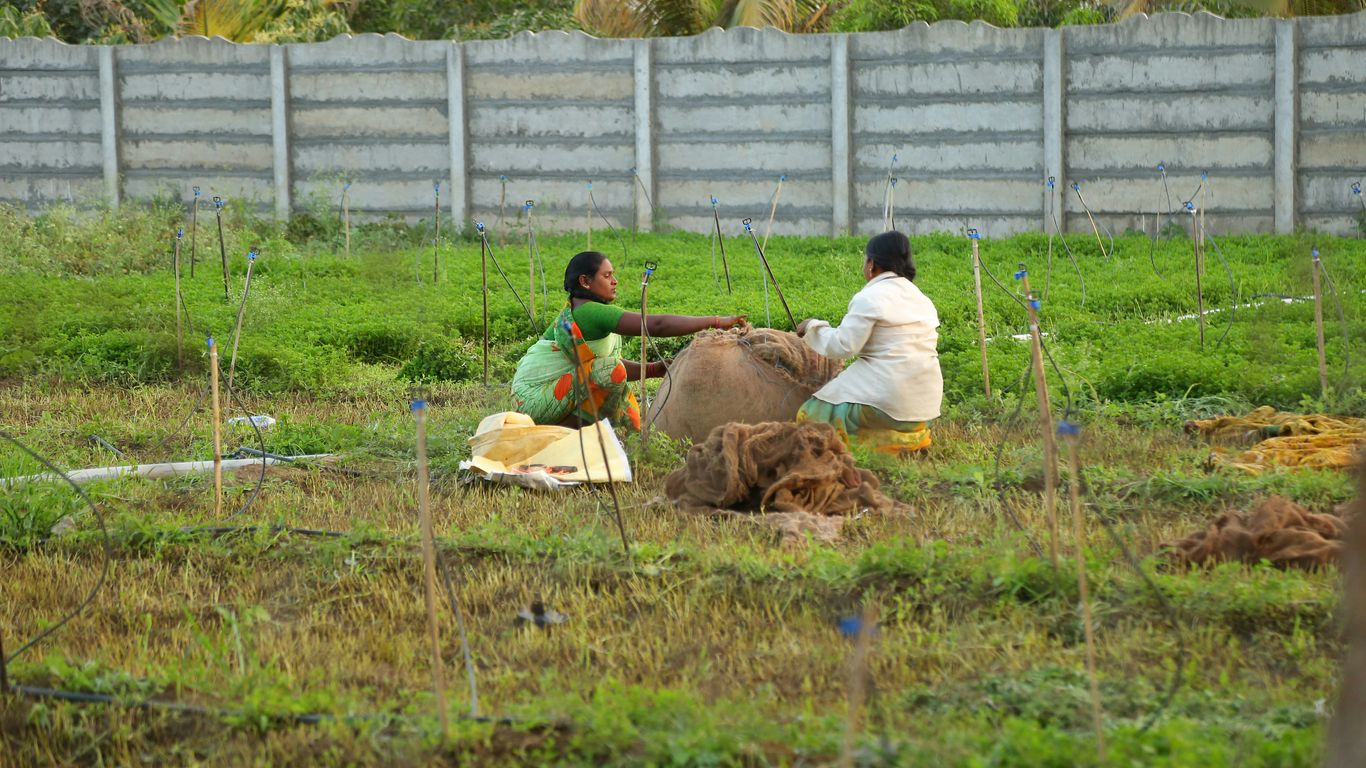
So, we’ve spent all this time growing amazing food, and now we have a ton of it! What do we do with it all? We can’t possibly eat it all fresh, right? That’s where preserving comes in. It’s how we make sure we have delicious, homegrown food all year round, even when the garden isn’t producing.
This is probably the easiest method, and you likely already have a freezer. It’s great for so many things – berries, chopped peppers, green beans, corn, you name it. The trick is to prep your veggies first. Most things need a quick blanch (a short dip in boiling water, then an ice bath) to stop enzymes that can make them mushy later. Then, spread them out on a baking sheet to freeze individually before bagging them up. This stops them from clumping into one giant ice block. We usually bag them in meal-sized portions so it’s easy to grab what we need.
Canning is a bit more involved, but it’s a fantastic way to preserve things like tomatoes, pickles, jams, and even whole meals. You’ll need special jars, lids, and a canner (either a water bath canner for high-acid foods like fruits and pickles, or a pressure canner for low-acid foods like vegetables and meats). Safety is super important here, so make sure you follow tested recipes and procedures exactly. It might seem daunting at first, but there are tons of great resources, including local extension offices and online guides, that can walk you through it step-by-step. Once you get the hang of it, it’s incredibly satisfying to open a jar of home-canned peaches in the middle of winter.
Don’t overlook drying! It’s a simple method that works well for herbs, fruits like apples and apricots, and even some vegetables like tomatoes and peppers. You can use a food dehydrator, your oven on a very low setting, or even just lay things out in the sun on a hot, dry day (if you live somewhere with the right climate). Dried foods are lightweight, take up very little space, and don’t rely on electricity to stay preserved, which is a big plus if you ever have power outages. We love having dried herbs from our garden all winter long.
Preserving your harvest isn’t just about saving food; it’s about extending the enjoyment of your gardening efforts. It connects us to a long tradition of self-sufficiency and ensures that the hard work we put in during the growing season pays off long after the last frost.
Even with all the books and websites out there, sometimes you just need to talk to someone who gets it. We’ve found that tapping into local knowledge is a game-changer for figuring out what works best right where we live.
Think of your local agricultural extension office as a super-resource. These folks are usually tied to universities and have tons of research and practical advice specifically for our region. They know about soil types, common pests, and which plants are likely to thrive (or just plain die) in our specific climate. Don’t be shy about calling them or checking out their website. They often have fact sheets and guides that are incredibly helpful, especially when you’re just starting out or trying to grow something new.
Honestly, some of the best tips we’ve picked up have come from chatting with neighbors or people at the local farmers’ market. Other gardeners in your area have likely been through the same challenges you’re facing. They can tell you which tomato varieties produce the most in your heat, or which cucumber plants are least likely to get powdery mildew. It’s like having a whole team of experienced advisors!
Here are a few ways to connect:
Don’t underestimate the power of local wisdom. What works in one state or even one county over might not be the best bet for your backyard. Getting advice from people who are gardening in similar conditions can save you a lot of time, effort, and disappointment.
Alright, so we’ve talked a lot about planning, space, and what to plant. It might seem like a lot at first, but remember, we don’t have to do it all at once. We can start small, maybe with a few favorite herbs or a couple of rows of tomatoes. The main thing is just getting started. Even growing a little bit of our own food makes a difference for our health and our wallets. Plus, it’s pretty cool to eat something we grew ourselves. So, let’s get those hands dirty and see what we can grow!
The amount of space we need really depends on a few things, like what we like to eat and how much time we have. A good starting point is about 4000 square feet per person for a vegetarian diet, plus extra for paths. For an average family of four, that’s roughly an 800-square-foot garden. Remember, more space means more food, but it also means more work!
We should definitely plant what our family actually eats the most of. It’s no use growing tons of broccoli if nobody likes it! We can check our grocery receipts or visit a farmer’s market to see what we buy most often. Focusing on those favorites means less wasted food and more meals on our table.
Yes, we absolutely should consider trying some new things together! While it’s smart to grow the foods we know we love, stepping outside our comfort zone can be fun. Gardening can even help picky eaters discover new favorite veggies, especially when we make it a family activity.
To figure this out, we need to estimate how much of each vegetable our family eats in a year. For example, if we eat 5 pounds of potatoes a week, that’s about 240 pounds a year! We then need to look up how much a single plant or a row of plants typically yields. We’ll need to grow at least that much, plus a little extra to account for any losses from pests or bad weather.
We can use clever techniques to grow more food in the space we have. Planting different types of the same vegetable that mature at different times helps us harvest over a longer period. We can also try vertical gardening, growing plants upwards on trellises or walls, and intercropping, which means planting different crops together in the same area. These methods can really boost our harvest!
That’s a great problem to have! We can preserve our extra harvest so nothing goes to waste. Freezing is a simple way to keep fruits and veggies fresh for later. Canning is another excellent method for longer storage, though it requires a bit more know-how. We can also dry herbs and some vegetables, which saves space and lasts a long time, even if the power goes out.
 March 7, 2026
How to Turn Food Preservation Into a Side Hustle
Canning
Homestead Kitchen
Homesteading
Sustainable Living
March 7, 2026
How to Turn Food Preservation Into a Side Hustle
Canning
Homestead Kitchen
Homesteading
Sustainable Living
We've all got those hobbies or skills that we love doing, right? Maybe it's baking, gardening, or even making your own jam. What if we told you that you could turn those passions into a little extra cash? It might...
Read More March 7, 2026
High-Output Crops Perfect for Micro Homesteads
Gardening
Homestead Planning
Homesteading
Starting a Homestead
March 7, 2026
High-Output Crops Perfect for Micro Homesteads
Gardening
Homestead Planning
Homesteading
Starting a Homestead
Thinking about growing your own food but only have a little space? We get it. Many of us are looking for ways to be more self-sufficient, even if we don't have acres to work with. The good news is, you...
Read More March 6, 2026
10 Low-Cost Homestead Side Hustles That Make Money
Homestead Planning
Homesteading
Starting a Homestead
March 6, 2026
10 Low-Cost Homestead Side Hustles That Make Money
Homestead Planning
Homesteading
Starting a Homestead
We all dream of a simpler life, right? One where we're more connected to the land and the seasons. But let's be real, that dream needs some funding. That's where low cost homestead side hustles come in. These aren't about...
Read More