



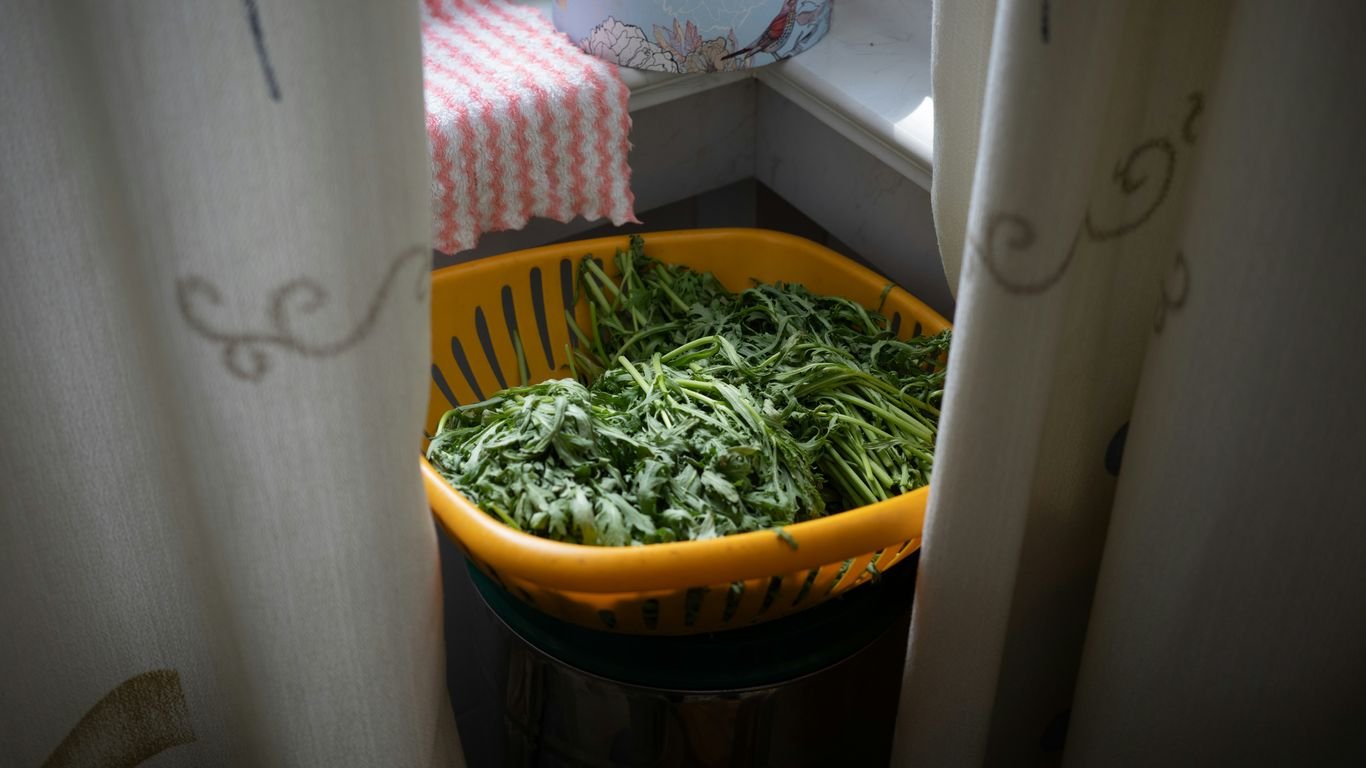
We all love having fresh herbs from the garden, but what happens when the season ends? It’s a bummer, right? Well, we’ve found that there are tons of simple ways to preserve herbs so we can enjoy their flavor all year long. Learning how to preserve herbs is easier than you might think, and it means we don’t have to miss out on that fresh taste, even when it’s snowing outside. We’re going to cover a bunch of methods, from drying and freezing to infusing them in oils and vinegars.
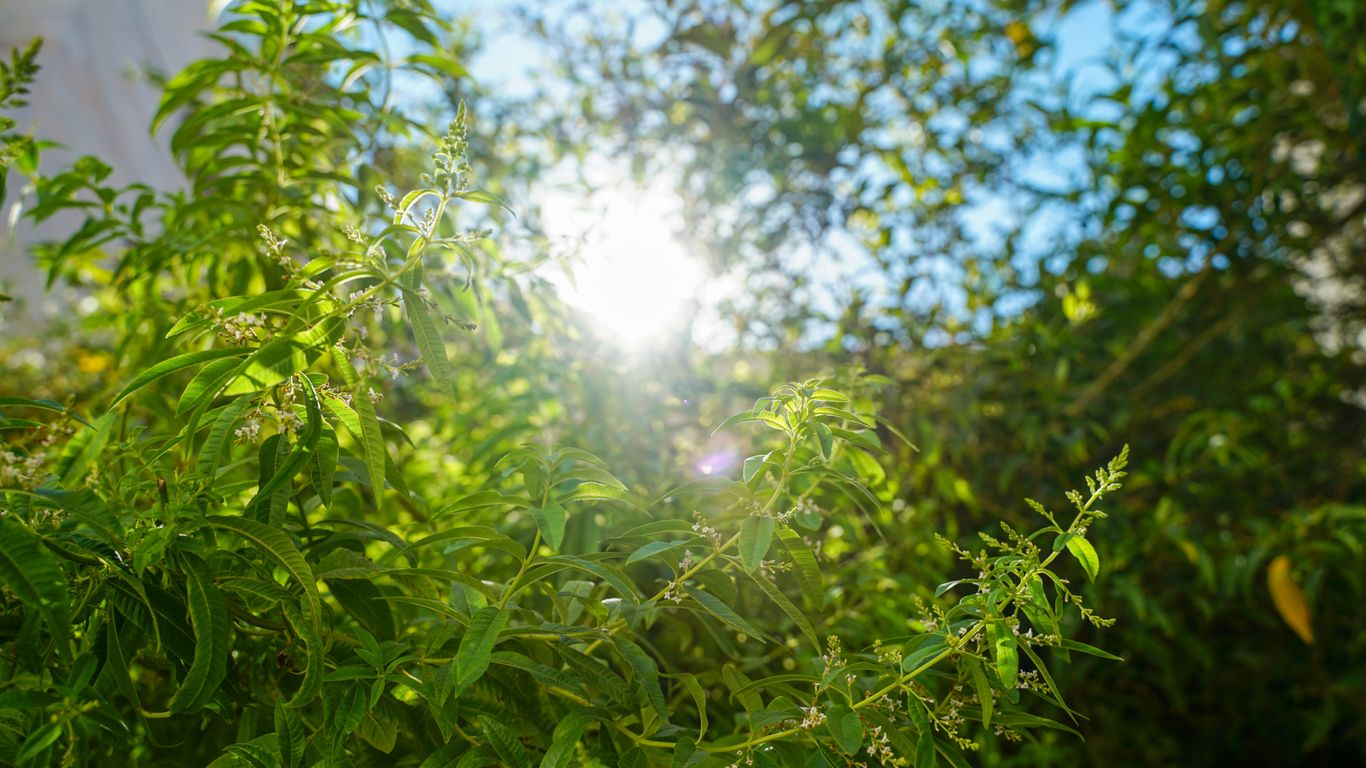
Getting your herbs from the garden into your kitchen is the first step to preserving them for the year ahead. It might seem straightforward, but a little attention to detail here makes a big difference later on. We want to make sure we’re getting the best flavor and quality from our plants.
For the best flavor and potency, we aim to harvest our herbs when they are young and tender. This usually happens in the spring, before the plant puts all its energy into flowering and going to seed. Think of it as catching them at their peak performance. Harvesting before they flower means the leaves are more flavorful and less bitter.
Timing is everything, and when it comes to harvesting herbs, the morning is our go-to. Specifically, we like to get out there right after the dew has dried but before the sun gets too hot. This is when the essential oils in the leaves are most concentrated, giving us the most bang for our buck in terms of flavor and aroma. If you wait until the heat of the day, some of those precious oils can evaporate.
Once we’ve gathered our bounty, it’s time for a gentle clean. We want to get rid of any dirt, tiny bugs, or garden debris that might have hitched a ride. A good rinse under cool water usually does the trick. After washing, it’s super important to get them thoroughly dry. Excess moisture is the enemy of preservation and can lead to mold. We often use a salad spinner for this, followed by a gentle pat-down with clean towels or paper towels. Inspecting them carefully at this stage helps catch any damaged leaves or bits we don’t want.
Here’s a quick rundown of our washing and drying process:
We’ve found that being meticulous about drying at this stage really pays off. It prevents spoilage and ensures that our preserved herbs retain their best quality for months to come.
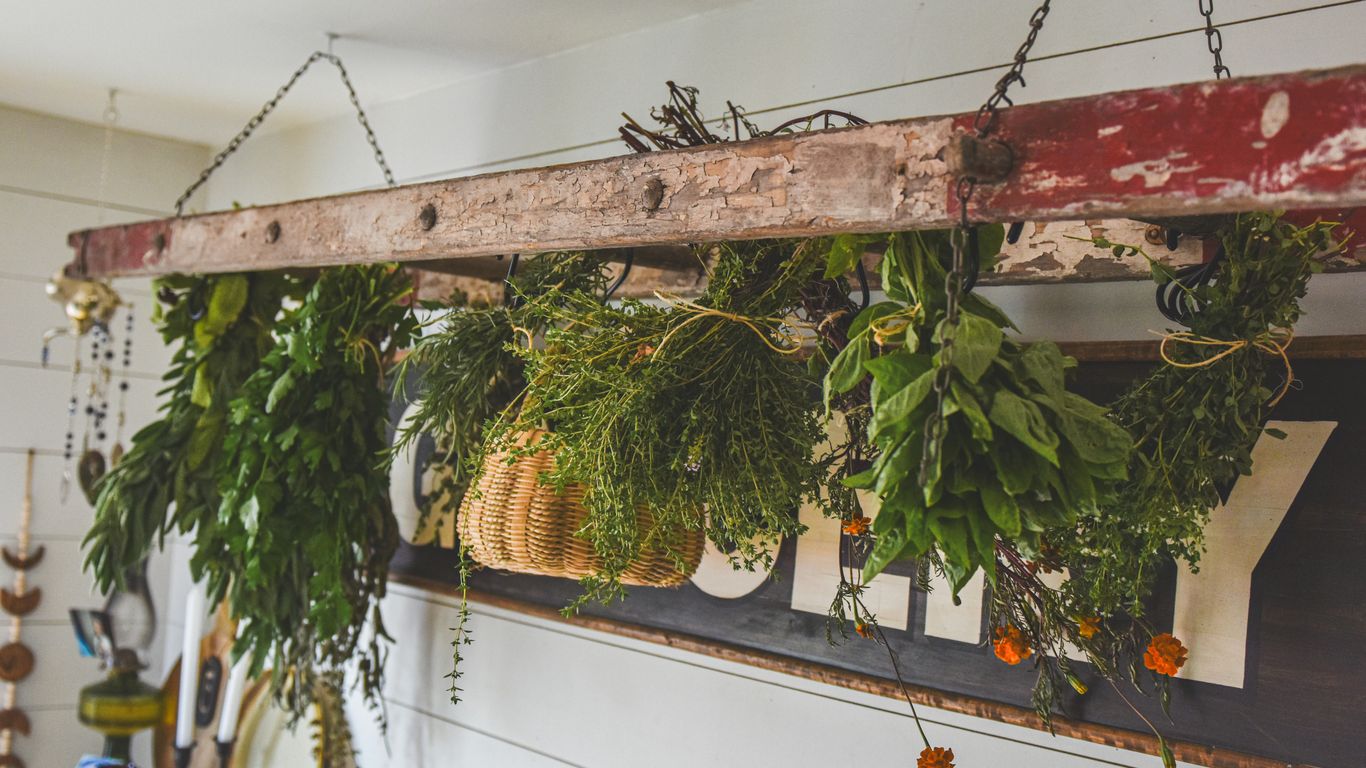
Drying is a classic way to keep herbs around for ages, and honestly, it’s pretty straightforward once you get the hang of it. We find that most herbs do really well when dried, especially the ones we use a lot in cooking, like oregano, thyme, and rosemary. It’s a great method for preserving their flavor and scent for use in teas, cooking, or even homemade beauty products.
This is probably the simplest method. We just gather a few stems together, tie them up with some twine or a rubber band, and hang them upside down. The key is to find a spot that’s warm, dry, and has good air circulation, but importantly, out of direct sunlight. Hanging them upside down helps keep all those good oils concentrated in the leaves, which means more flavor for us later. We usually leave them hanging for a few days to a week, depending on the herb and how humid it is. You’ll know they’re ready when the leaves feel brittle and crumble easily between your fingers. Once they’re totally dry, we strip the leaves off the stems and store them in airtight jars in our pantry.
If you have a food dehydrator, it can speed things up quite a bit. We spread the herbs out in a single layer on the dehydrator trays, making sure not to overcrowd them so air can get around. We set the dehydrator to its lowest setting, usually around 95-120°F. It typically takes about 6-8 hours, but we check on them periodically. It’s important to keep the leaves whole at this stage; we only crumble or chop them right before we use them. This helps keep the essential oils from escaping too quickly. If you don’t have a dehydrator, you can also use your oven on its lowest setting, keeping the door slightly ajar to allow moisture to escape. Just keep a close eye on them so they don’t burn. You can find more details on oven drying here.
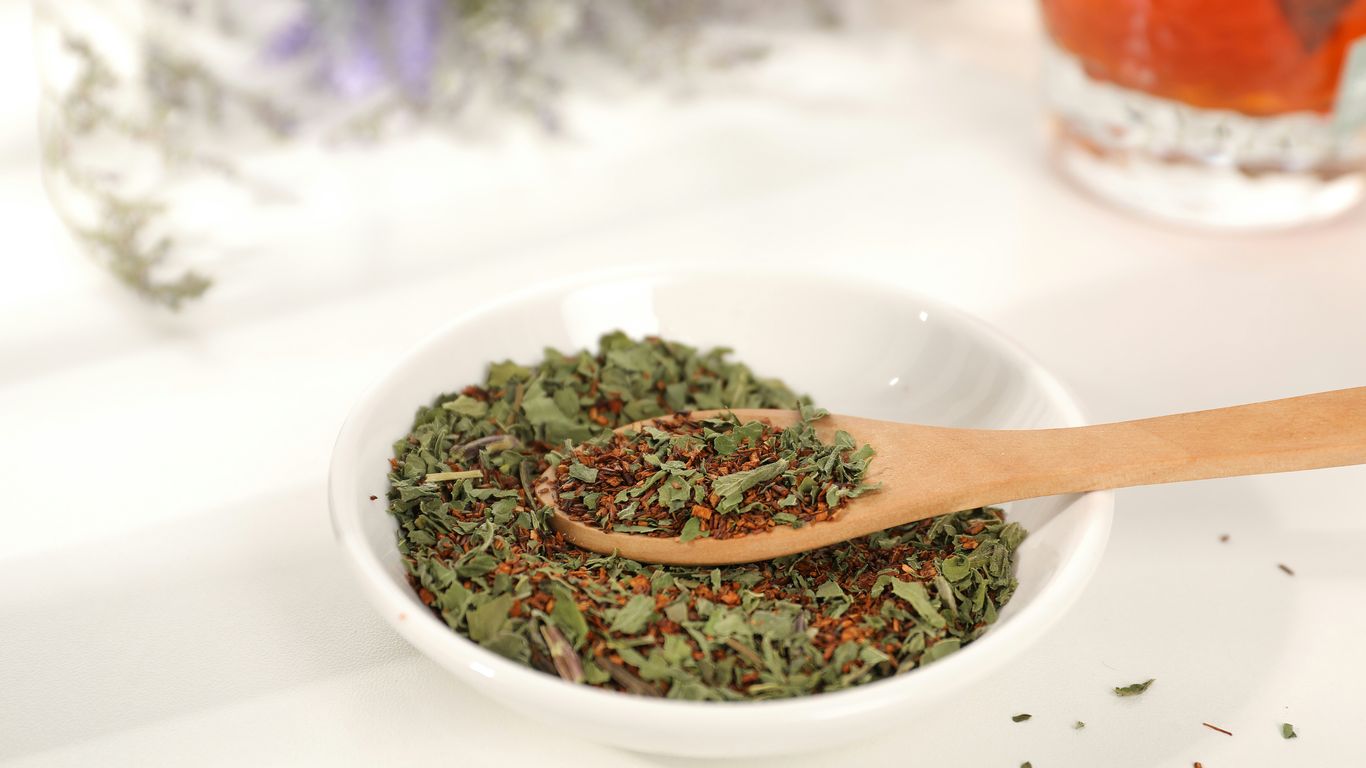
Once our herbs are completely dry, we store them in glass jars with tight-fitting lids. We keep these jars in a cool, dark cupboard. Proper storage is what makes them last for up to a year, sometimes even longer. We avoid storing them in plastic bags because they don’t offer the same protection. When we need them, we just grab a jar, and if we need smaller pieces, we crumble them right then. It’s amazing how much flavor they retain!
Keeping herbs whole until just before use is a good trick for preserving their flavor. The less surface area exposed, the better the essential oils stay put.
Here’s a quick rundown of what we do:
When we have a bounty of fresh herbs, we want to keep them around for as long as possible. Freezing is a fantastic way to lock in that vibrant flavor and color, making them almost as good as fresh, even months later. It’s a pretty simple process, and there are a few ways we like to do it.
This method is great for tender herbs like basil, parsley, cilantro, or mint. We just chop them up, pack them into ice cube trays, and then cover them with either water or olive oil. Once they’re frozen solid, we pop the herb cubes out and store them in a freezer bag. They’re perfect for tossing into soups, stews, or sauces.
Making herb butter, or compound butter, is another favorite. It’s super easy and adds a wonderful flavor boost to so many dishes. We soften some butter, mix in our chopped herbs (think rosemary, thyme, garlic, chives – whatever you like!), roll it into a log using parchment paper, and then freeze it. When we need it, we just slice off a bit. It’s amazing on steak, chicken, or even just some crusty bread.
Sometimes, the simplest method is the best. For herbs like rosemary, thyme, or sage, we can just lay them out on a baking sheet lined with parchment paper and freeze them until they’re firm. After that, we transfer them to an airtight container or freezer bag. This way, we can pull out just what we need without them clumping together. This method works best for heartier herbs that don’t have a lot of moisture.
We find that freezing herbs whole or in larger pieces before chopping them later preserves more of their essential oils and thus, their flavor. It’s a small step that makes a noticeable difference when you’re cooking.
Sometimes, we want to keep our herbs around for a long time, and salt and sugar are old-school ways to do just that. They work by pulling out moisture, which makes it tough for any spoilage to happen. It’s a pretty neat trick that’s been used for ages.
Salt is a fantastic preservative because it draws out water and stops those pesky microbes from growing. We can use it in a couple of ways. For a simple herb salt, we can chop up our herbs and mix them with coarse salt. Think of it like making a chunky paste. Another method is to blend the herbs and salt together until it forms a sort of paste, then spread that mixture out to dry. Once it’s dry, we can blend it again, and it’ll clump up nicely. This dried herb salt can be stored in an airtight container in your pantry, ready to add a burst of flavor to dishes.
This method is great for heartier herbs like rosemary, thyme, and sage. You can even use it to make herb-infused culinary salts for finishing dishes.
We can also use sugar, much like salt, to preserve herbs. This is especially good for more delicate, aromatic herbs. The process is similar: chop the herbs and mix them with sugar, or blend them into a paste and dry it out. However, we need to be extra careful with sugar. If there’s even a little bit of moisture left, the sugar can get syrupy, which isn’t ideal for long-term storage. It’s crucial that the herbs are completely dry before sealing them away. This technique is perfect for herbs like mint, lemon balm, and lavender, turning them into lovely flavored sugars for baking or teas. We found that making sure the herbs are totally dry before sealing them away is key to avoiding a sticky mess.
When preserving with sugar, always double-check that your herbs are bone dry. Any lingering moisture can turn your sugar into an unmanageable syrup, ruining your preservation efforts.
We’ve talked about drying and freezing, but what about keeping those vibrant herb flavors in liquid form? Infusing vinegars and oils is a fantastic way to capture the essence of your herbs and add a gourmet touch to your cooking all year long. It’s surprisingly simple, and the results are pretty spectacular.
Infusing vinegar with herbs is one of the easiest methods to preserve their flavor. Think of all those salad dressings and marinades you can jazz up! We like to pack a clean jar about halfway with fresh herbs, then just cover them with your chosen vinegar. Let it sit for a couple of weeks, tasting it periodically until it reaches the flavor intensity you like. Once it’s ready, strain out the herbs and pour your flavored vinegar into a nice bottle. We often use a bottle with a cork for that extra fancy touch.
Here are some herb and vinegar pairings we love:
Apple cider vinegar and balsamic vinegar are popular choices, but feel free to experiment with rice vinegar or white wine vinegar too. The longer you let the herbs steep, the stronger the flavor will be, so it’s all about finding that perfect balance for your taste buds. For longer storage, consider coating the cork with beeswax to create a good seal proper storage.
Preserving herbs in oil is another wonderful way to keep their flavor handy for cooking. This method works particularly well with heartier herbs like rosemary, sage, thyme, tarragon, and oregano. We find that these herbs hold up beautifully in oil, and the resulting infused oil is a bonus!
Here’s a simple way we do it:
These little cubes are perfect for adding a burst of flavor when starting sauces, sautéing vegetables, or even brushing onto grilled meats. It’s a really convenient way to have seasoned oil ready to go.
Beyond the usual drying and freezing, we’ve found some really fun and tasty ways to keep our herb harvests going all year. These methods not only preserve the herbs but also add a special something to our cooking and drinks.
We all know basil pesto, but don’t stop there! You can make pesto with all sorts of herbs. Think parsley, cilantro, or even a mix of whatever you have on hand. It’s a fantastic way to use up a big bunch of herbs quickly. Just blend your chosen herbs with garlic, nuts (like pine nuts or walnuts), Parmesan cheese, and olive oil. Then, spoon it into ice cube trays or small containers and freeze. These little flavor bombs are perfect for adding a burst of freshness to pasta, sandwiches, or grilled chicken later on.
This one is super simple and adds a nice touch to meals. We just chop up our fresh herbs really fine and mix them with coarse salt. You can use a food processor for this, or just do it by hand if you have the patience. Some people like to dry this mixture out a bit more, but we often just store it in a jar in the fridge. It’s great for finishing off dishes, rimming cocktail glasses, or even just sprinkling on roasted vegetables. Mint, rosemary, and thyme work particularly well for this.
If you’re a fan of sweet things, infusing honey with herbs is a delightful option. We gently warm honey (don’t let it get too hot, or you’ll lose the good stuff!) and stir in fresh herb sprigs. Let it sit for a few days, or even a week, to let the flavors meld. Then, strain out the herbs. This honey is amazing drizzled over yogurt, cheese, or used in tea when you’re feeling under the weather. Lavender, chamomile, and lemon balm are lovely choices for this.
Here are a few of our favorite herb and honey pairings:
We’ve found that the key to most of these creative preservation methods is to start with the freshest herbs possible. The better they are when you preserve them, the better they’ll taste when you use them months down the line. Don’t be afraid to experiment with different herb combinations and see what delicious results you can come up with!
Well, we’ve gone through a bunch of ways to keep those garden herbs around for the long haul. Whether you’re drying them out, freezing them, or even making fancy herb salts, there’s really a method for everyone. It might seem like a lot at first, but once you get the hang of it, it’s pretty straightforward. Now we can all enjoy the taste of fresh herbs, even when it’s snowing outside. Happy preserving!
We find that the best time to harvest herbs is in the morning, right after the dew has dried but before the sun gets too hot. This is when the herbs are packed with the most flavor and scent because their natural oils are at their peak. Picking them when they are young and tender, before they start to flower, also gives us the best results for preserving their taste.
First, we give our herbs a good rinse under cool water to wash away any dirt or little critters. Then, it’s super important to dry them completely. We often use a salad spinner for this, or we gently pat them dry with clean towels. Any leftover moisture can lead to mold, so we make sure they’re bone dry before we move on to preserving them.
Tender herbs, like basil, cilantro, and parsley, have soft, leafy stems and are a bit more delicate. Hardy herbs, such as rosemary, thyme, and sage, have tougher, woodier stems. Knowing this helps us choose the best way to store each type, as some methods work better for one than the other.
Yes, we absolutely can! By using different methods like drying, freezing, or infusing them in oils and vinegars, we can keep our herbs fresh and flavorful for up to a year. It means we can enjoy the taste of our garden all through the colder months.
For us, drying herbs by hanging them upside down or freezing them in ice cube trays with a little water or oil are some of the simplest methods. Making herb-infused vinegars or compound butters is also quite straightforward and gives us delicious results.
Once our herbs are completely dry, we store them in airtight containers, like glass jars with tight-fitting lids. We keep these containers in a cool, dark place, such as a pantry or cupboard. This helps protect them from light, heat, and moisture, which can make them lose their flavor over time.
Living on a homestead offers a unique way of life, and it can also be a fantastic way to save money. We've found that by embracing self-sufficiency, we can significantly cut down our monthly expenses. If you're looking for ways...
Read More March 2, 2026
The Ultimate Pantry Staples List for Homesteaders
Homestead Kitchen
Homesteading
Starting a Homestead
March 2, 2026
The Ultimate Pantry Staples List for Homesteaders
Homestead Kitchen
Homesteading
Starting a Homestead
Getting our homestead pantry staples in order feels like a big job, but it doesn't have to be. We've learned that a well-stocked pantry is more about having the right basics on hand than filling every shelf. It’s about building...
Read More March 2, 2026
How to Make Money With Herbal Products
Homesteading
Sustainable Living
March 2, 2026
How to Make Money With Herbal Products
Homesteading
Sustainable Living
We've all got a passion for herbs, right? Maybe you love making soothing teas, or perhaps you're great at whipping up natural skincare. Whatever it is, you've probably wondered if you could turn that hobby into something more, maybe even...
Read More