


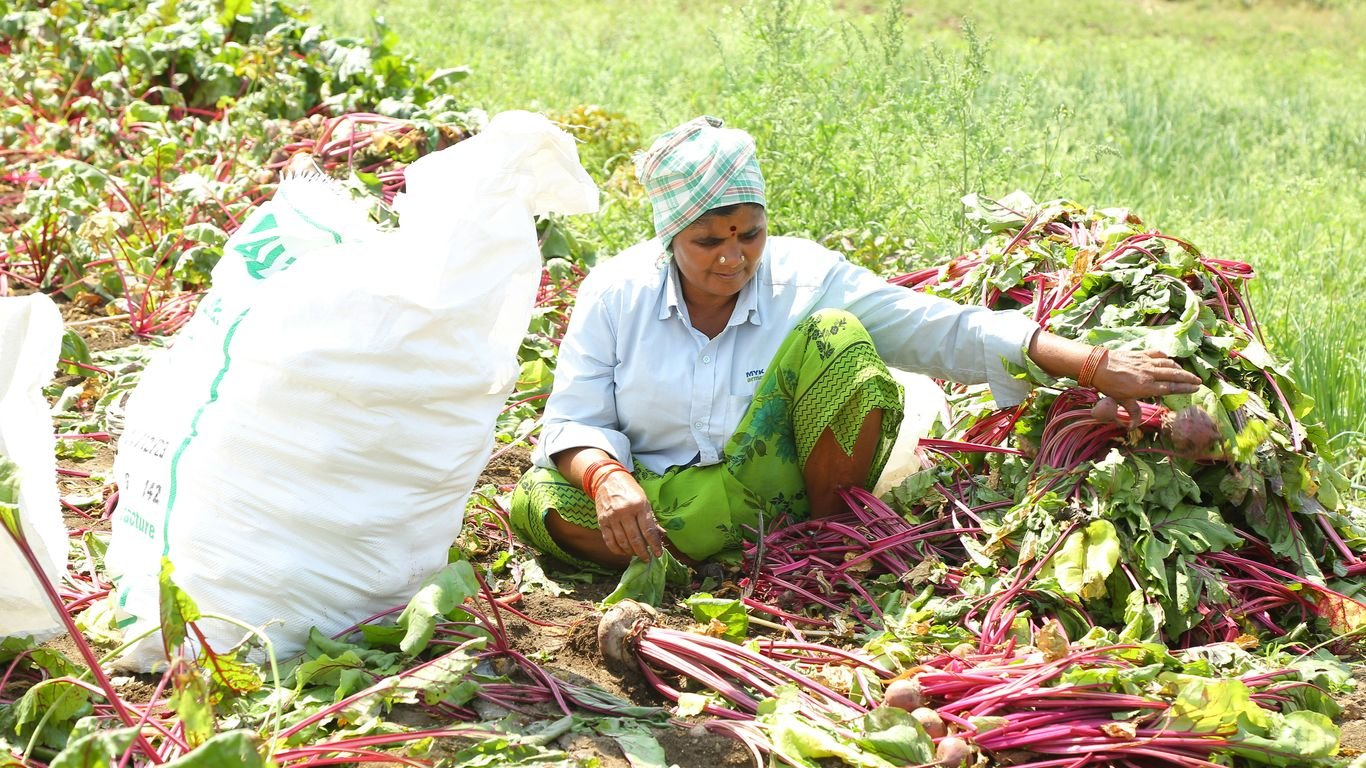
We moved to our homestead a couple of years ago, and with the rising costs of everything, especially groceries, we knew we had to get serious about saving money. It felt overwhelming at first, but we discovered so many simple ways to cut down our food spending. Honestly, we’ve managed to reduce our grocery bill significantly, and we want to share how we did it. You can too!
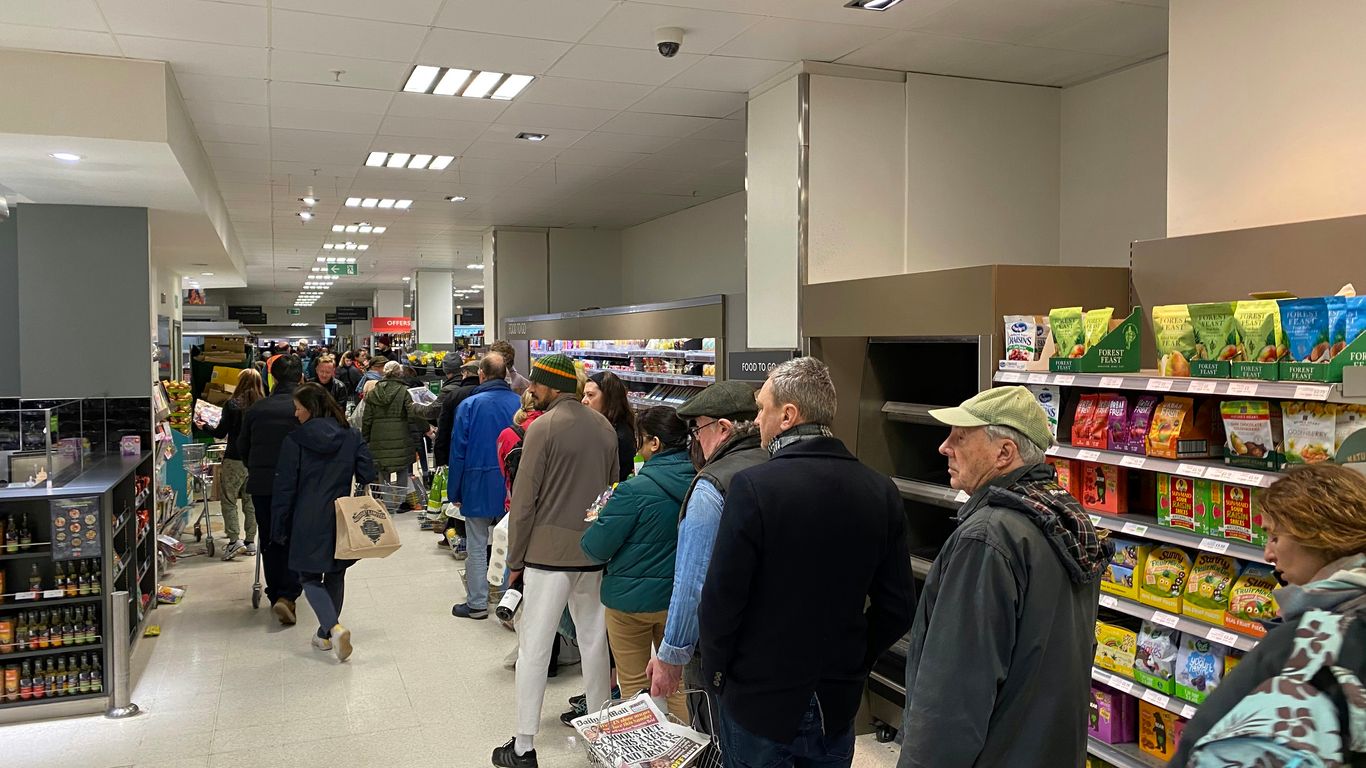
Buying in bulk is one of the most straightforward yet powerful ways we’ve found to slash our grocery spending. When we started homesteading, we quickly realized that those small packages at the supermarket add up fast. Making the switch to larger quantities for our pantry staples has been a game-changer.
Think about things like rice, beans, oats, and flour. Buying these in big bags, like 25 or 50-pound sacks, makes a huge difference in the price per pound. We found that a 50-pound bag of rice costs way less per serving than the small boxes you see on the shelves. It does require some upfront cash and a good place to store it all, but the savings over time are significant. We also noticed that sometimes pre-packaged produce bags, like those for potatoes or apples, can be a bit of a gamble. We’ve learned to weigh a few bags in the produce section and often find that some weigh more than advertised, giving us extra food for the same price. It’s a small trick, but it adds up.
One of the biggest expenses for many families is meat. Instead of buying small packages at the grocery store, we started looking into buying directly from local farmers. This often means buying a whole, half, or even a quarter of an animal. While the initial cost is high, the price per pound for high-quality, ethically raised meat is dramatically lower than retail. We split a whole cow with another family last year, and it filled our freezers for months at a fraction of what we would have spent otherwise. It requires planning and a good freezer, but the savings are undeniable.
Buying in bulk only works if you can store everything properly. For us, a chest freezer has been absolutely essential. It allows us to stock up on meat when we buy directly from farmers or when it’s on sale. We also use it for freezing produce from our garden during peak season. For dry goods like grains and beans, we use large, airtight containers in a cool, dry pantry. This keeps everything fresh and prevents spoilage, which would negate any savings. Having a well-organized pantry and freezer means we can take advantage of bulk deals without worrying about food going bad before we can use it.
When we first started thinking about cutting our grocery bill way down, we realized we were overcomplicating things. We were buying all sorts of fancy pre-made sauces and convenience foods that added up fast. The biggest shift for us was going back to the absolute basics. Think about what people ate for centuries before supermarkets existed. It’s all about simple, whole ingredients that are naturally cheaper and way better for you.
We found that focusing on staples like potatoes, carrots, onions, and grains such as rice, oats, and cornmeal made a huge difference. These items are filling, versatile, and incredibly inexpensive, especially when bought in larger quantities. They form the backbone of so many meals and can be prepared in countless ways. Instead of relying on out-of-season produce or processed snacks, we built our meals around these hearty, budget-friendly foods. It’s amazing how far a bag of rice or a sack of potatoes can stretch.
Honestly, simplifying our diet wasn’t just about saving money; it made us feel better too. When we cut out a lot of the processed stuff, we noticed more energy and fewer digestive issues. It’s a win-win. We started planning meals around what was affordable and readily available, rather than chasing trends or specific ingredients. This meant more soups, stews, and simple roasted vegetables. We also discovered that eating seasonally naturally aligns with lower prices because those foods are abundant.
Learning to make simple dishes from scratch using basic ingredients is a game-changer for our budget. For example, instead of buying bread, we learned to bake our own. Instead of buying canned beans, we soak and cook dried beans. These small changes add up significantly. We also started keeping a running inventory of our pantry so we knew exactly what we had on hand, which helped us plan meals more effectively and avoid buying duplicates. This approach helps us save money on groceries by making smart shopping choices.
The core idea is to rely on ingredients that are naturally inexpensive and have a long shelf life. Think dried beans, lentils, rice, oats, potatoes, onions, and carrots. These aren’t glamorous, but they are the foundation of affordable, filling meals that can be adapted to almost any cuisine.
When we first started thinking about cutting down our grocery bill, cooking from scratch seemed like a big hurdle. It felt like something our grandparents did, not us. But honestly, it’s one of the biggest game-changers we’ve found. By making our own meals, we’ve cut out so much waste and so many unnecessary costs. It’s not as hard as it looks, and the payoff is huge.
Think about all those pre-made sauces, frozen dinners, and packaged snacks. They’re convenient, sure, but they come with a price tag that’s way higher than the sum of their ingredients. Plus, they’re often loaded with things we don’t really want – extra salt, sugar, preservatives, and artificial flavors. When we cook from scratch, we know exactly what’s going into our food. We can choose fresh, whole ingredients and skip all the mystery stuff. It’s a win for our wallets and a win for our health.
This is a big one for us. We have more control over what we eat when we prepare it ourselves. We can adjust the salt, sugar, and fat content to fit our needs. If someone in the family has a specific dietary need or allergy, cooking from scratch makes it so much easier to manage. We’ve found that meals made with simple, recognizable ingredients just taste better and leave us feeling more satisfied. It’s about making food that truly nourishes us.
Buying raw ingredients in bulk and preparing them ourselves is almost always cheaper than buying processed or pre-cooked foods. Take bread, for example. We used to spend a small fortune on loaves from the bakery. Now, we bake our own sourdough. A 55-lb bag of flour, which costs a fraction of what we used to spend on bread, can make about 50 loaves. If a loaf from the store costs $8, that’s a potential saving of nearly $400 just on bread! It’s about seeing food as raw materials that we can transform into delicious, affordable meals. We’ve learned to stretch ingredients, like using leftover bones for broth or incorporating beans and grains to make meat dishes more filling. This approach helps us get the most out of our food.
The initial investment in time might seem daunting, but the long-term savings and health benefits are undeniable. Start small, maybe with one meal a week, and build from there. You’ll be surprised at how quickly it becomes second nature.
We’ve all seen those sprawling homesteads on TV, but honestly, you don’t need acres of land to start growing a good chunk of your own food. Even a small balcony or a little patch in a community garden can make a surprising difference. The key is to start smart and focus on what you actually eat.
Think about it: when you grow your own food, you’re harvesting it at its absolute peak. That means more nutrients and better flavor than anything you’ll find at the grocery store, which often travels long distances. Even if you live in an apartment, you can grow a year’s worth of herbs like basil, dill, or oregano. It’s about maximizing the space you have. We started small, too, and were amazed at how much we could produce. It’s a rewarding process that connects us more to our food.
When we first started, we felt a bit overwhelmed by all the options. The best advice we got was to pick just one or two things to focus on each year. Instead of trying to grow everything at once, which can lead to burnout, we decided to pick one crop to grow a full year’s supply of. This approach lets us build our skills and pantry steadily. For beginners, we highly recommend starting with things like tomatoes, peppers, and bush beans. Tomatoes and peppers can be pricey at the store, and green beans are incredibly productive and grow almost anywhere. These are great choices for growing your own food because they give you a lot of bang for your buck and effort.
Getting started doesn’t have to break the bank. You can find affordable seeds at local swaps or even learn to save your own from existing plants. For tools, look for used items at garage sales or online marketplaces. We found a great potting bench made from reclaimed wood that cost next to nothing. Building a garden is a process, and you can scale up as you go. Don’t feel pressured to buy everything new right away. Focus on getting a few high-yield, low-cost crops in the ground first. You’d be surprised how much you can accomplish with a little planning and resourcefulness.
Growing your own food is a journey, not a race. Each year, pick one more thing to grow a full year’s supply of. This way, you build your self-sufficiency sustainably without getting overwhelmed. It’s about pacing yourself for the long haul.
We’ve found that really getting a handle on our grocery spending means looking at the everyday habits we have. It’s not just about big shopping trips; it’s about the little things we do in our own kitchens that add up. Making conscious choices about what we buy and how we prepare it is key to slashing those bills.
Forget those expensive loaves from the bakery aisle. Baking our own bread, especially sourdough, has been a game-changer. The cost of flour, water, and a bit of salt is incredibly low compared to buying pre-made bread. Plus, the health benefits of naturally fermented sourdough are a nice bonus, and it lasts longer too. The smell of fresh bread filling the house is just a bonus we didn’t know we needed.
When our garden is overflowing or we find amazing deals on produce, we make sure to preserve it. Canning, freezing, and dehydrating are our go-to methods. This way, we can enjoy the taste of summer all year round and avoid paying high prices for out-of-season items. It takes a bit of effort, but the savings are huge.
This is a big one for us. We always check the weekly flyers, both online and in print, to see what’s on sale. Then, we plan our meals around those discounted items and what we already have stocked in our pantry. It stops us from buying things we don’t need and makes sure we use up what we have before it goes bad. It’s a simple way to save money at the grocery store and reduce waste.
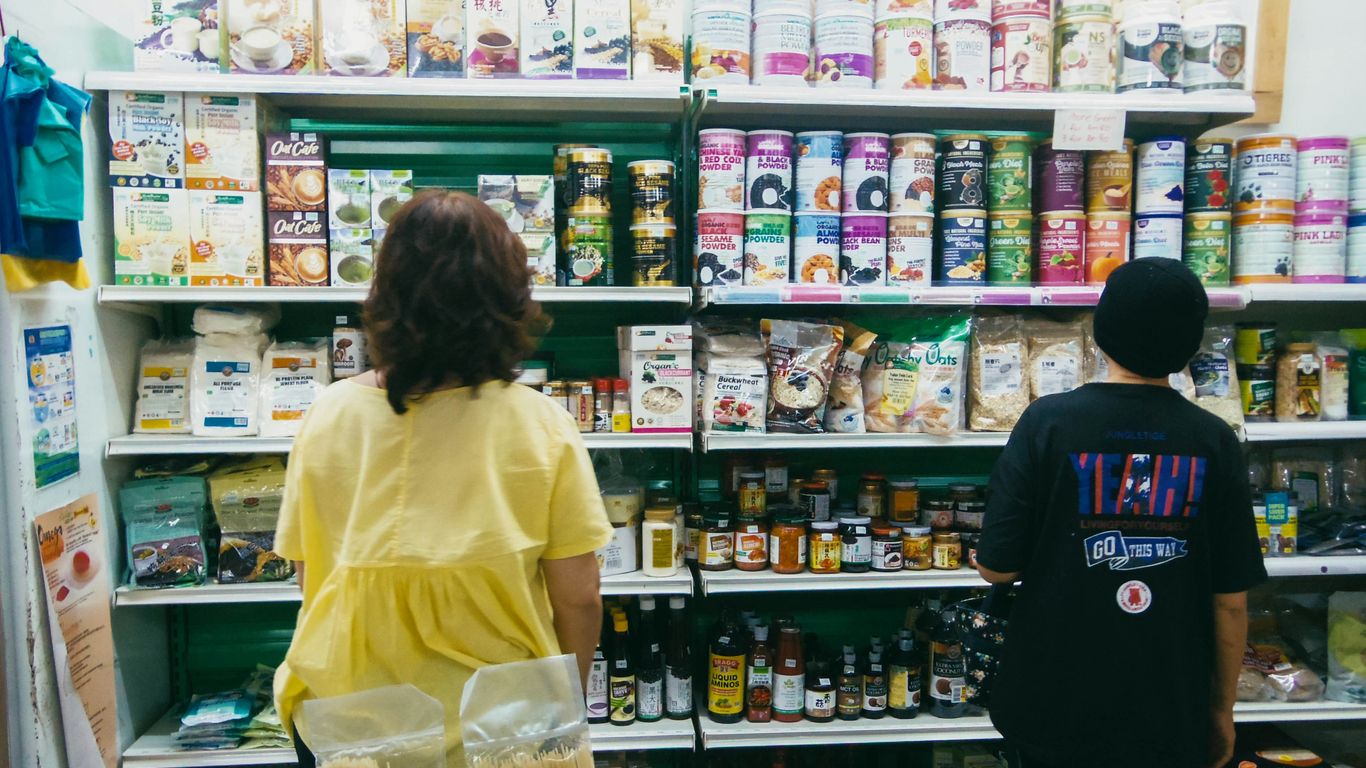
We all want to spend less at the grocery store, right? It sounds simple, but sometimes it feels like a puzzle. We’ve found that a few smart moves can really make a difference in our weekly bill. It’s not about being cheap; it’s about being savvy with our money.
This is a classic tip, and for good reason. As the market winds down, vendors are often more willing to haggle or offer deals to avoid taking unsold produce home. We’ve walked away with bags of ripe tomatoes or bunches of herbs for a fraction of the morning price. It’s a win-win: we get great food for less, and they sell their goods.
Buying in bulk can seem intimidating, especially if you’re used to smaller shops. But think about your pantry staples. Things like flour, rice, oats, and dried beans are much cheaper per pound when you buy larger quantities. We found that buying a 50-pound bag of rice instead of the usual 2-pound bags saved us a good chunk of change over the year. The key is to make sure you have the space to store it properly and that you’ll actually use it before it goes bad.
This one is a game-changer for us. We make it a habit to check online flyers from our local stores before we even think about making a list. Many stores now have apps or websites that show their weekly sales. We plan our meals around what’s on special. If chicken is on sale, we’ll plan a few chicken dinners. If a certain vegetable is a great price, we’ll build meals around that. Planning your meals after you see the sales can lead to significant savings.
Here’s a quick look at how we approach planning around sales:
Sometimes, the best deals aren’t just about the price tag. Consider the ‘unit price’ – the cost per ounce or pound. A larger package might have a higher sticker price, but if the unit price is lower, you’re getting more for your money. Always do the quick math!
We’ve talked a lot about what we can do ourselves, but honestly, we can’t do it all alone. One of the most powerful ways to cut down on grocery costs is by tapping into the people around us. Think about it: we all have different skills, resources, and sometimes, just too much of something.
This is where the real magic happens. We’ve found that trading is way better than just buying. Maybe you’ve got an abundance of zucchini from your garden, and your neighbor has extra eggs from their chickens. A simple swap can save both of you money. We’ve traded jars of homemade jam for fresh-baked bread, and extra firewood for a share of someone’s butchered hog. It builds community and keeps cash in our pockets. It’s amazing what you can find when you just talk to people about what you have and what you need. Connecting with a community dedicated to sustainable agricultural practices can really open up these opportunities.
Buying clubs and co-ops are fantastic for getting bulk prices without having to buy a whole pallet of something yourself. You team up with a group of people, pool your money, and buy large quantities of staples like flour, sugar, or even meat directly from producers. This cuts out the middleman and gets us much better prices. We’ve saved a ton on things like oats and dried beans this way. It takes a little coordination, but the savings are well worth it.
Even if you don’t join a formal club, you can still do this with friends or family. See that giant bag of rice at the warehouse store? If you only need a quarter of it, ask a friend if they want to split it. You get a good price on the amount you need, and they do too. It’s all about sharing the savings and the bounty. This works especially well for items that have a long shelf life or that you use regularly. We often split cases of canned tomatoes or large bags of potatoes with our neighbors, and everyone benefits.
So, there you have it. We’ve walked through a bunch of ways we’ve managed to cut our grocery spending way down, sometimes by half or even more. It’s not always easy, and yeah, sometimes things don’t go as planned, like when that batch of pickles didn’t quite set right. But honestly, the feeling of knowing where our food comes from, and knowing we’re feeding our family well without breaking the bank, that’s pretty amazing. It’s a journey, for sure, and we’re still learning every day, but if we can do it, you totally can too. Start small, pick one or two things that seem doable, and see where it takes you. You might be surprised at how much you can save and how good it feels.
When we buy things like rice, beans, or flour in big bags, the price for each little bit of food is way lower than if we bought small packages. It also means fewer trips to the store, saving us gas and time.
Not at all! You don’t need a huge farm. We’ve grown lots of food even on a small balcony. Starting with easy plants like tomatoes or green beans is a great way to begin, and you’ll be surprised how much you can grow.
When we cook at home, we skip all the extra costs and stuff we don’t need that are in store-bought foods. We know exactly what’s going into our meals, and using basic ingredients is much cheaper than buying pre-made meals.
A neat trick is to go to the farmer’s market right before it closes. Farmers often lower their prices to sell what’s left, so we can get fresh food for much less money. Plus, it’s a good way to support local farmers.
You can still grow food! Even a small garden or pots on a patio can give you a good amount of vegetables. Focus on plants that grow well in small spaces and give you a lot of food, like lettuce or herbs.
We can trade things we have extra of with friends or neighbors who also homestead. For example, maybe we trade some extra eggs for some firewood. Joining groups where we buy things together in large amounts can also cut costs for everyone.
 March 7, 2026
How to Turn Food Preservation Into a Side Hustle
Canning
Homestead Kitchen
Homesteading
Sustainable Living
March 7, 2026
How to Turn Food Preservation Into a Side Hustle
Canning
Homestead Kitchen
Homesteading
Sustainable Living
We've all got those hobbies or skills that we love doing, right? Maybe it's baking, gardening, or even making your own jam. What if we told you that you could turn those passions into a little extra cash? It might...
Read More March 7, 2026
High-Output Crops Perfect for Micro Homesteads
Gardening
Homestead Planning
Homesteading
Starting a Homestead
March 7, 2026
High-Output Crops Perfect for Micro Homesteads
Gardening
Homestead Planning
Homesteading
Starting a Homestead
Thinking about growing your own food but only have a little space? We get it. Many of us are looking for ways to be more self-sufficient, even if we don't have acres to work with. The good news is, you...
Read More March 6, 2026
10 Low-Cost Homestead Side Hustles That Make Money
Homestead Planning
Homesteading
Starting a Homestead
March 6, 2026
10 Low-Cost Homestead Side Hustles That Make Money
Homestead Planning
Homesteading
Starting a Homestead
We all dream of a simpler life, right? One where we're more connected to the land and the seasons. But let's be real, that dream needs some funding. That's where low cost homestead side hustles come in. These aren't about...
Read More