



We’ve been thinking about starting a backyard plant nursery for a while now, and honestly, it seems like a pretty cool way to make some extra cash. It’s not like we’re going to get rich overnight, but the idea of growing plants and selling them right from our own yard is appealing. We figure we can start small, maybe with a few popular plants, and see where it goes. It seems like a good project if you’ve got a bit of space and enjoy getting your hands dirty. We’ll need to figure out the legal stuff, how to grow more plants, where to put everything, and of course, how to actually sell them. It’s a journey, but we’re ready to give it a shot.
Starting a backyard plant nursery might sound like a big undertaking, but we’re here to tell you it’s totally doable, even with a small budget. Think of it as a side project that can grow into something more. The first step is figuring out what you actually want to grow. It’s a good idea to start small, maybe with five to ten popular plants that are easy to find and propagate. Things like azaleas, lilacs, or junipers are often good choices because they’re popular and you can usually find parent plants to take cuttings from. We found that focusing on a few key plants initially made things much simpler.
When we first started, we spent a lot of time researching what sells well in our area. It’s not just about what you like; it’s about what people will buy. We looked at local garden centers and even online forums to get a feel for popular choices. Don’t try to grow everything at once. Pick a few that you’re excited about and that have a good market. This will help you manage your inventory and learn the ropes without getting overwhelmed. You can always expand your selection later on.
Once you know what you want to grow, you’ll need some ‘mother’ plants to get cuttings from. You don’t need to buy fancy, expensive plants for this. Check your own yard, ask friends and neighbors if you can take cuttings, or even look for neglected plants that might be free for the taking. Sometimes, people are happy to get rid of overgrown shrubs. We’ve had success getting cuttings from plants at local parks (with permission, of course!) and even from roadside finds. The goal is to get a few healthy specimens that you can propagate from.
This is a really important point that many people overlook. Some plants are protected by patents or sold under registered trademarks. You can’t just grow and sell these without getting permission, which usually involves a fee or agreement. You can usually spot these by looking for "patent pending" or a patent number on the plant tag, or the ® symbol for trademarks. Honestly, it’s often easier to just avoid these plants when you’re starting out. There are so many other wonderful plants you can grow and sell without any legal headaches. We stick to plants that are readily available and not under patent protection. It simplifies things immensely and lets us focus on growing. If you’re planning your business, creating a business plan can help you think through these details.
Alright, let’s talk about the less glamorous, but super important, side of running our little plant businesses: the legal stuff. We don’t want any surprises down the road, right? So, we need to make sure we’re playing by the rules.
First things first, we’ll likely need a license to sell plants. This isn’t usually a huge hurdle, but it’s a must. Each state has its own process, so a quick search for "nursery license [your state]" should point us in the right direction. In many places, it involves some paperwork and a small fee. Sometimes, an inspector might even pop by to check for any unwanted pests or invasive plants. It’s good to get this sorted early on.
Beyond just a general license, we need to be aware of specific state regulations. Think about where you plan to sell. If you’re shipping plants to other states, you’ll need to know their rules. Some states have strict rules about what plants can enter their borders to prevent the spread of diseases or pests. For example, one state might ban certain fruit-bearing shrubs, while another might have restrictions on specific tree species. It’s our responsibility to know these rules before we ship anything. We don’t want our hard work turned away at a state line or, worse, accidentally introduce something harmful.
This is a big one. We need to be careful about patented plants and those with registered trademarks. You can’t just grow and sell these without permission from the patent or trademark holder. Usually, you’ll see "patent pending" or a patent number on the plant tag if it’s protected. Honestly, it’s often easier to just avoid these plants altogether. There are so many amazing plants out there that we can grow and sell without any legal headaches. Stick to the ones that are open for propagation. We also need to make sure our plants are properly labeled with their correct common and botanical names. It’s not just for looks; it’s often a legal requirement and helps customers know exactly what they’re buying.
So, you’ve got your spot picked out and you’re ready to start filling it with plants. The next big step is figuring out how to actually make more plants. This is where propagation comes in, and honestly, it’s one of the most rewarding parts of running a backyard nursery. It’s how we turn a few stock plants into a whole lot of inventory without breaking the bank.
Taking cuttings is a fantastic way to get new plants for free, or at least for very little cost. You’re essentially taking a piece of a parent plant – a stem, a leaf, or even a root – and coaxing it to grow into a whole new, independent plant. Different plants root better from different types of cuttings, so it’s worth doing a little research on the specific plants you’re interested in. For example, woody plants often do well with semi-hardwood cuttings taken in late summer, while herbaceous plants might be best propagated from softwood cuttings in spring.
Here’s a general idea of how we approach it:
Getting those cuttings to actually grow roots can feel like magic, but it’s mostly about patience and providing the right conditions. We’ve found that success rates can vary wildly at first, so it’s a good idea to take more cuttings than you think you’ll need. If you’re aiming for 100 plants, try rooting 200 cuttings. This buffer accounts for those that don’t make it. Remember, the cost of the parent plant is usually zero, and the rooting medium and hormone are minimal, so even a 50% success rate is pretty good when you’re starting out. We aim to root at least twice what we hope to sell in the first year. It’s a slow technique, but it works. Starting plants from seed is another option, but cuttings often give you a head start.
Besides cuttings, division is another excellent way to multiply your plant stock, especially for perennials and clumping plants. This method involves separating a mature plant into smaller sections, each with its own roots and shoots. It’s best done when the plant is dormant, usually in early spring or fall, to minimize stress. We simply dig up the whole plant, gently tease apart the root ball into smaller clumps, and replant them. It’s a straightforward process that immediately gives you multiple new plants from one original. This is a great way to increase your nursery plant inventory without needing to buy new stock.
Alright, let’s talk about where all these future plant stars are going to live. Getting your backyard nursery space sorted is a big step, and it doesn’t have to be complicated or expensive. We want a spot that works for the plants and for us.
First off, we need to pick a good location. Think about sunlight – some plants love it, others prefer shade. We also need to consider water access; lugging watering cans across the whole yard gets old fast. A level spot is usually best, especially if we’re going to be using benches or shelves. We don’t want anything tipping over! It’s also smart to think about how customers will access the area if we plan on selling directly from home. Maybe a corner of the yard that’s a bit separate but still easy to get to? We’re aiming for a functional setup that makes plant care and sales easier. For some ideas on planning your space, check out backyard planning tips.
Once we have our spot, we need to figure out how to arrange all those pots. Stacking them neatly is key to saving space. We can use shelves, old pallets, or even just arrange them in blocks. Thinking vertically is a good strategy here. We also need to make sure there’s enough air circulation around the plants to keep them healthy. Overcrowding can lead to disease, and nobody wants that. We can use simple racks or even just space them out a bit more than we think we need to. It’s all about making the most of the area we have.
Depending on what we’re growing and where we live, we might need a bit of extra protection for our plants. A shade house is basically a structure that provides filtered sunlight. We can build one pretty simply using some lumber, shade cloth, and maybe some old window frames if we’re lucky. It doesn’t need to be fancy; its main job is to shield delicate seedlings or certain plants from harsh sun. This can be a game-changer for plants that are sensitive to direct light, helping them thrive instead of getting scorched. It’s a way to control the environment just enough to give our plants the best chance.
We want our nursery space to be practical and productive. It’s about creating an environment where our plants can grow well and where we can manage them without too much hassle. Don’t feel pressured to make it look like a commercial garden center right away; focus on what works for you and your plants.
Starting a plant nursery doesn’t have to break the bank. We’ve found that getting creative with supplies and resources can make a huge difference in keeping our initial investment low. The goal is to spend smart, not necessarily spend less, but spend wisely.
When we first started, buying new pots for every single plant felt like a massive expense. We quickly learned to look for alternatives. Check with local landscaping companies; they often have excess pots they’re willing to give away or sell cheaply. Garage sales and online marketplaces are also goldmines for used pots. Even sturdy plastic food containers can be repurposed if you add drainage holes. Remember, presentation matters, so while used pots are great for propagation and early growth, you might want to invest in some new, attractive pots for your final sale plants.
Bagged potting soil from the garden center adds up fast. We found that making our own mix is not only cheaper but also gives us more control over the ingredients. A good basic mix can often be made with compost, pine bark fines, and perlite. You can sometimes get compost or bark mulch in bulk from your local municipality or county, which is much more economical than buying bags. We found that sourcing these materials in larger quantities significantly cut down our per-plant cost. For example, buying in bulk can bring the cost per plant to less than $0.50.
Here’s a basic idea of what we use:
| Ingredient | Approximate Percentage | Notes |
|---|---|---|
| Compost | 40% | Provides nutrients and organic matter |
| Pine Bark Fines | 40% | Improves drainage and aeration |
| Perlite | 20% | Further enhances drainage and aeration |
This is where we really saved money. Instead of buying starter plants, we focused on propagation. We asked friends and neighbors if we could take cuttings from their established plants. Sometimes, you can even find suitable plants at the end of a growing season that are being discarded or are overgrown. Don’t be afraid to ask! Many people are happy to let you take cuttings, especially if it means their plants get a bit of a trim. This is a fantastic way to get high-demand crops started for free.
Starting with cuttings means you’re essentially growing your inventory from scratch. It takes patience, as cuttings need time to root and grow, but the cost savings are immense. We aim to root at least twice as many cuttings as we think we’ll need, knowing that not every cutting will take. This strategy helps build a robust inventory without a large upfront cash outlay.
So, you’ve put in the work, nurtured your plants, and now you’ve got a beautiful collection ready to find new homes. This is where the fun really begins – turning your green thumb into some extra cash! Let’s talk about how we can get these plants from our backyard into the hands of happy customers.
Figuring out the right price can feel tricky, but it’s not rocket science. We need to cover our costs and make a little something extra, right? Think about what it cost you for the pot, the soil, any fertilizer, and even your time. Then, look around at what other local nurseries or garden centers are charging for similar plants. We don’t want to be the cheapest, but we also don’t want to scare people away. A good starting point is to calculate your material costs per plant and then add a markup. For example, if a plant costs us $1.50 in materials and pots, we might aim for a retail price of $5-$7, depending on the plant’s size and how common it is.
Here’s a simple way to think about it:
| Cost Item | Estimated Cost Per Plant |
|---|---|
| Pot/Container | $0.20 |
| Potting Mix | $0.30 |
| Fertilizer/Amendments | $0.10 |
| Plant Stock/Cutting | $0.15 |
| Total Material Cost | $0.75 |
Wholesale Price (approx. 2x material cost) | $1.50 |
Retail Price (approx. 3-5x material cost) | $3.75 – $6.25 |
Remember, these are just examples. Your actual costs will vary. The goal is to find a price that feels fair to you and your customers.
Getting the word out is key. We can’t expect people to just stumble upon our little plant haven. Luckily, there are plenty of low-cost ways to market. Social media is a big one – think Facebook Marketplace, Instagram, or even a local gardening group. Post clear, attractive photos of your plants, mention what’s special about them, and include your location or how people can contact you. Local classified ads or flyers at community centers can also work wonders. Don’t underestimate the power of word-of-mouth either; happy customers are your best advertisement!
If your local rules allow it, selling right from your backyard is super convenient. Set up a small display area where people can see what you have. Make sure your plants are well-organized and clearly labeled with their names and prices. Be ready to chat with customers, answer their questions, and share your passion for plants. Sometimes, people just want to connect with the person who grew the plants they’re buying. This personal touch can make a big difference and build customer loyalty. If direct sales aren’t an option, consider local farmers’ markets or partnering with a local shop that might be interested in selling your plants on consignment.
Building relationships with customers is just as important as growing healthy plants. A friendly conversation and a little bit of shared knowledge can turn a one-time buyer into a repeat customer who tells their friends about your nursery.
So, you’ve got a good start, a few plants are growing, and maybe you’ve even made a sale or two. That’s awesome! Now, how do we keep this momentum going and actually grow this thing into something bigger? The key here is to gradually increase what you have. Think of it like adding more rooms to your house, one at a time, not building a whole new mansion overnight. We can start by taking more cuttings from the plants we already have. If you had success rooting five cuttings last time, try for ten this time. We can also look into dividing larger plants. Many perennials, once they get a bit bigger, can be split into two or more smaller plants. This is a fantastic way to double or triple your stock without needing new parent plants.
This is the big dream for many of us, right? Turning this fun little project into our main gig. It’s totally doable, but it takes time and a solid plan. We need to be realistic about the workload. A full-time nursery means a lot more plants, a lot more selling, and a lot more record-keeping. We’ll need to think about how we’ll handle larger orders, maybe invest in better tools, and definitely get serious about marketing. It’s not just about growing plants anymore; it’s about running a business. We should probably start by setting some income goals and seeing if we can consistently hit them for a year or two before making the leap.
Let’s be real, this isn’t a get-rich-quick scheme. Building a successful nursery takes years. We’re talking about plants that need time to grow, customers who need time to find us, and a reputation that needs time to build. There will be times when a batch of cuttings doesn’t root, or a sale falls through, or the weather just doesn’t cooperate. That’s where patience and persistence come in. We just have to keep at it, learn from our mistakes, and celebrate the small wins along the way. Every plant we successfully grow and sell is a step forward. It’s a marathon, not a sprint, and we’re in it for the long haul.
Building a thriving plant nursery from your backyard is a journey. It requires consistent effort, a willingness to learn, and a good dose of patience. Don’t get discouraged by slow growth; focus on steady progress and enjoy the process of nurturing both your plants and your business.
So, there you have it. Starting a backyard plant nursery might seem like a lot at first, but we’ve seen it’s totally doable, even with just a little cash to get going. It’s not going to make you rich overnight, that’s for sure. It takes time and patience, kind of like waiting for those cuttings to turn into big, sellable plants. But the satisfaction of growing something and earning a bit extra from your own yard? That’s pretty sweet. We encourage you to just jump in, start small with a few plants you love, and see where it takes you. Happy growing!
Yes, we can! It’s amazing, but starting a backyard nursery is one of those rare businesses where you can begin with very little cash. We can find seeds, cuttings, or divisions of plants for free. We can even use regular dirt to start them. The key is to begin small, maybe with just 10 to 20 plants that we really like, and see if we can sell a few. Selling even one plant to someone is a huge step and shows us it’s possible to grow this into something bigger.
We should pick plants that we find interesting and that are popular in our area. For example, things like Arborvitae, Azaleas, Lilacs, Dogwoods, Holly, and Junipers are often good sellers and are easy to get cuttings from. It’s also a good idea to start with a smaller number, maybe 5 to 10 types, so we don’t get overwhelmed. As we get better, we can add more to our collection.
We can grow our own plants! This is called propagation. A common way is taking cuttings from existing plants. We can get these cuttings from our own yard, from friends, or even ask neighbors if we can take some from their plants. We can also learn to start plants from seeds or by dividing larger plants. It takes a little time and patience, but it’s a great way to build up our stock without spending much money.
Yes, we usually do need a license to legally sell plants. Each state has its own rules, so we’ll need to look up the process for our specific state. It often involves some paperwork and a small fee. Sometimes, an inspector might even visit to check for pests. It’s important to check with our local county department of commerce too, as they might have extra rules.
We need to be careful about patented plants. It’s against the law to grow and sell plants that have a patent or are trademarked without getting permission, which usually means making a deal with the owner. These plants often have a ‘patent pending’ notice or a ‘®’ symbol on their tags. It’s much easier to avoid these and focus on plants that we can grow and sell freely. There are plenty of other great plants out there!
This isn’t a fast way to get rich. Building a successful nursery takes time and a lot of hard work. It might take several years to grow a large business. However, we can start small and gradually expand. The income grows as our inventory grows and as we get better at selling. Patience and persistence are super important. We can start it as a side project and see where it leads us.
 March 4, 2026
How to Grow Enough Food While Working Full Time
Gardening
Homestead Planning
Homesteading
Sustainable Living
March 4, 2026
How to Grow Enough Food While Working Full Time
Gardening
Homestead Planning
Homesteading
Sustainable Living
Trying to grow enough food while working full time can feel like a tall order. Most of us don’t have hours to spend in the garden every day, and space is usually tight. But with some simple planning and a...
Read MoreLiving on a homestead offers a unique way of life, and it can also be a fantastic way to save money. We've found that by embracing self-sufficiency, we can significantly cut down our monthly expenses. If you're looking for ways...
Read More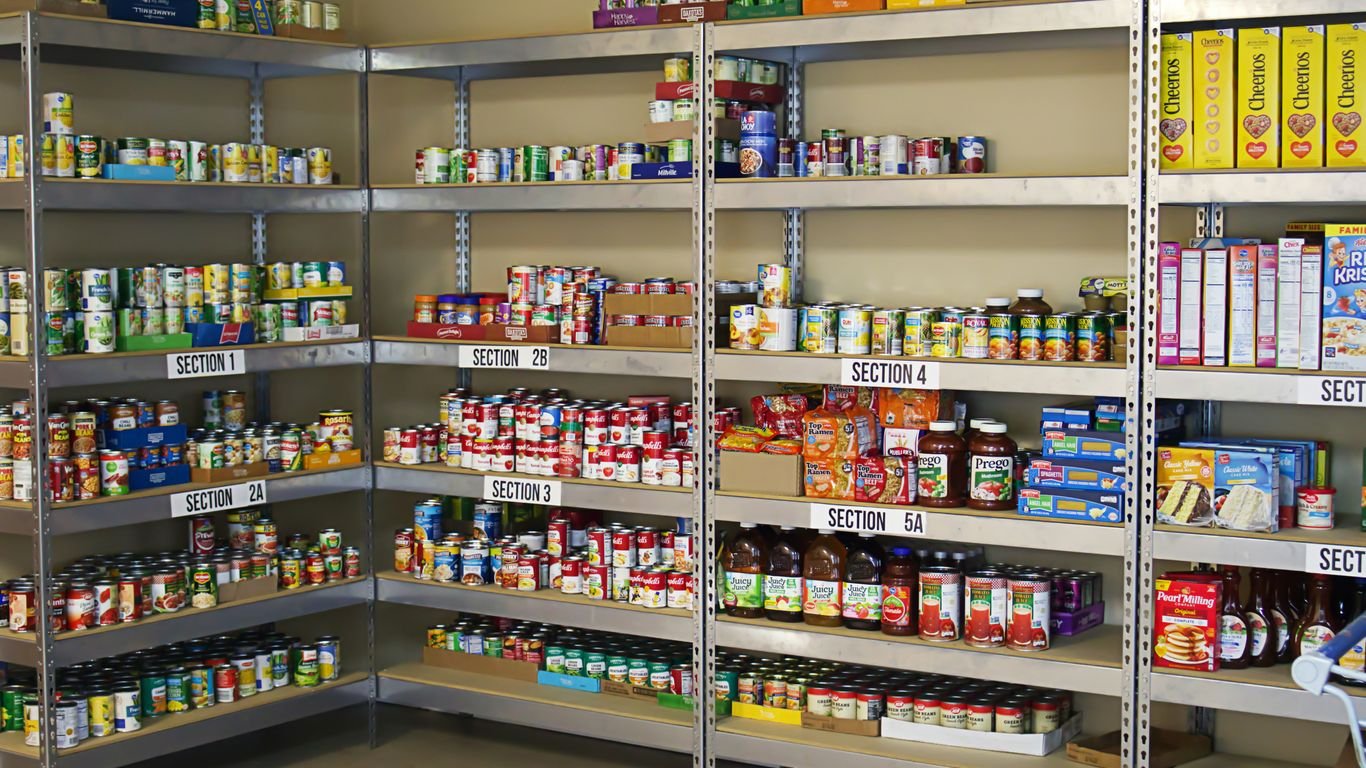 March 2, 2026
The Ultimate Pantry Staples List for Homesteaders
Homestead Kitchen
Homesteading
Starting a Homestead
March 2, 2026
The Ultimate Pantry Staples List for Homesteaders
Homestead Kitchen
Homesteading
Starting a Homestead
Getting our homestead pantry staples in order feels like a big job, but it doesn't have to be. We've learned that a well-stocked pantry is more about having the right basics on hand than filling every shelf. It’s about building...
Read More