


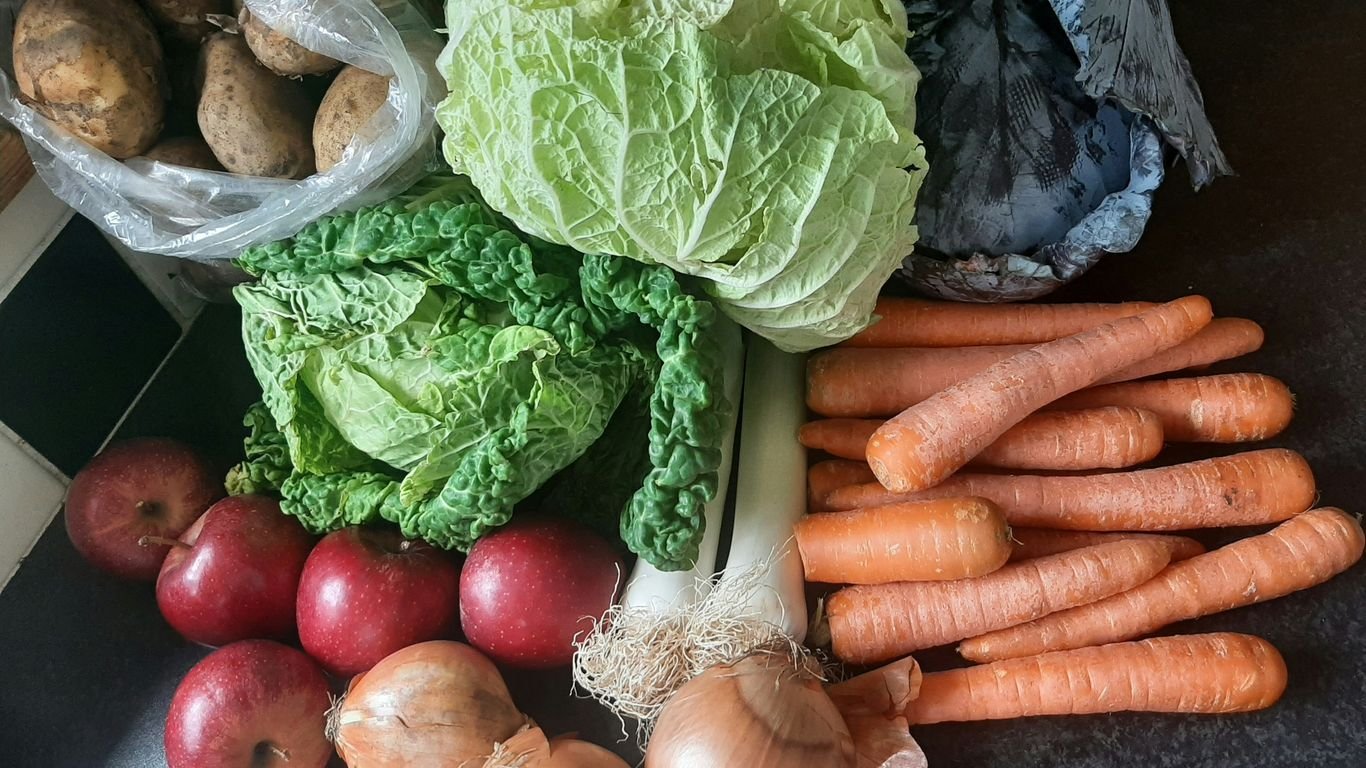
We all end up with more fresh food than we can fit in the fridge sometimes, right? Maybe you’ve got a bounty from the garden or just stocked up during a sale. The good news is, a lot of produce actually does better *outside* the refrigerator. Learning how to store produce without a fridge can save space, energy, and keep things fresh longer. We’re going to explore how to give your fruits and veggies the best environment to last.
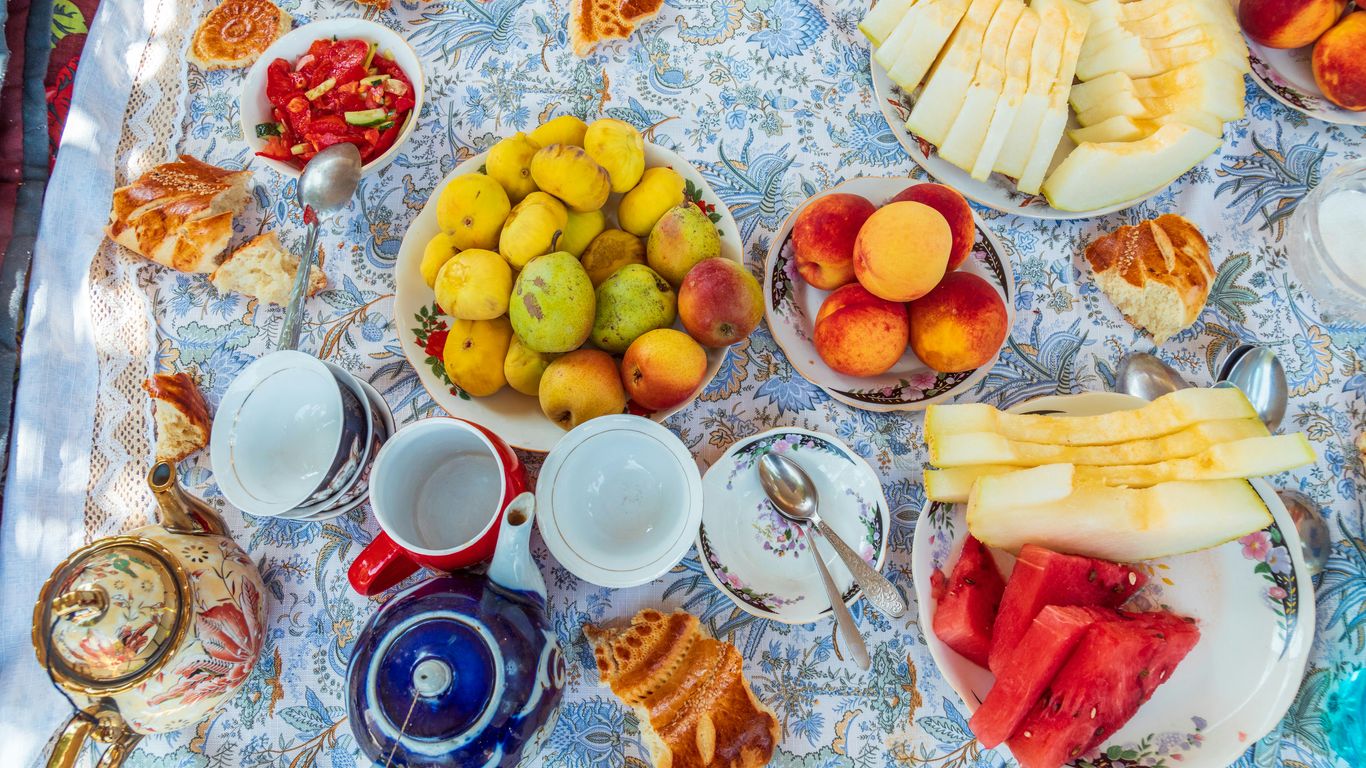
So, you’ve got a haul of fresh goodies, maybe from the farmer’s market or your own garden, and you’re wondering, "Does all of this really need to go in the fridge?" The short answer is no! In fact, some things really don’t like the cold, dry air of your refrigerator. We’re going to explore how to keep your produce fresh without relying solely on that chilly appliance.
Think about how fruits and vegetables are grown – out in the elements, not in a climate-controlled box. Many items, especially those with thicker skins or those that continue to ripen after picking, are perfectly happy outside the fridge. Refrigeration can sometimes actually harm them, like making tomatoes mealy or preventing bananas from ripening properly. The goal is to mimic their natural environment as much as possible, which usually means a place that’s cool, dark, and has decent airflow.
When we talk about storing produce without refrigeration, we’re aiming for a specific set of conditions. Imagine a root cellar, even a makeshift one. We want it to be:
The fridge is great for some things, but it’s a very dehydrating environment. For produce that doesn’t need that intense cold, trying to replicate a cool, dark, and airy spot is usually the best bet for longevity.
Now, let’s be real. Not everything can live happily on the counter or in a cool pantry. There are definitely times when the fridge is your best friend. You’ll want to refrigerate:
Before we even think about where to put our harvested goodies, we need to get them ready. It’s not just a matter of plucking them from the garden and tossing them into a bin. A little bit of prep work goes a long way in making sure our produce lasts as long as possible without needing the cold embrace of a refrigerator. Think of it like getting your house ready for winter – you wouldn’t just leave the windows open, right?
Curing is a big deal for certain items, especially things like onions, garlic, and winter squash. This process is basically about letting them dry out a bit and toughen up their skins. For onions and garlic, we usually leave them with their tops and roots on for a couple of weeks. This helps them heal any nicks from harvesting and reduces moisture, which is the enemy of long-term storage. We’ve found that spreading them out in a well-ventilated spot, out of direct sun, works best. For squash, curing is similar – you want that skin to get hard so it can protect the flesh inside. A warm, dry place is ideal for this. Proper curing is the first line of defense against rot and spoilage.
Leaving a little bit of stem on certain fruits and vegetables when you harvest them can actually help them last longer. Think about apples or tomatoes. That little bit of stem acts like a tiny cap, sealing the entry point where pests or diseases could sneak in and start causing trouble. We try to leave a small stub on things like carrots and beets too. It’s a simple step, but it makes a difference in keeping the produce fresh and preventing it from breaking down too quickly. It’s all about minimizing those little openings where things can go wrong.
When we pick our produce matters more than you might think. Harvesting at the right time, ideally when the weather is dry and cooler, can set your produce up for success. If you’re picking things like potatoes or onions, you want the soil to be relatively dry so they don’t carry excess moisture into storage. For things like tomatoes that we might want to ripen indoors, picking them just before a frost can save your harvest. We’ve learned that produce picked at its peak, and handled gently, has the best chance of staying good for a long time. It’s worth checking out resources on Square Foot Garden harvest to get a better idea of optimal picking times for various crops.
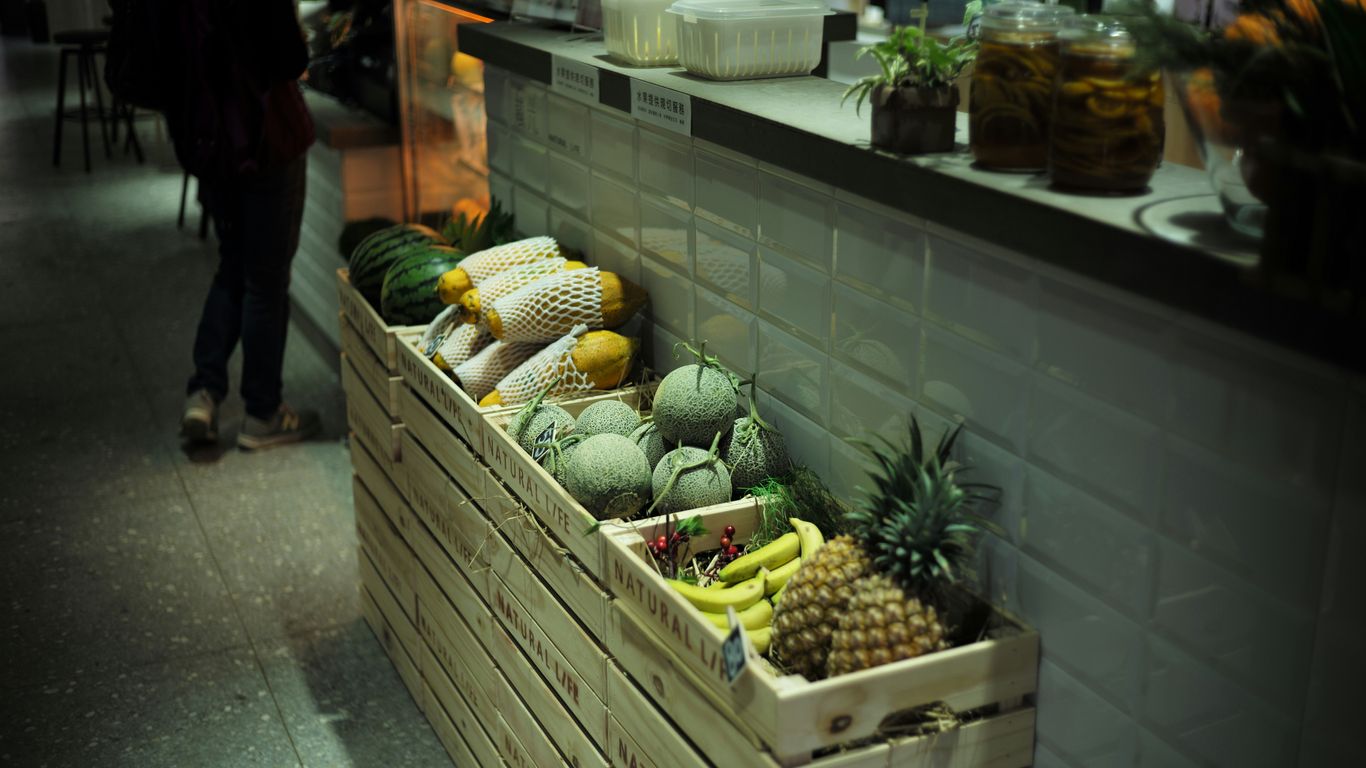
Finding the right spot to store your harvest is key to making it last. We’re not talking about a fancy walk-in root cellar here, though those are great if you have one! For most of us, it’s about identifying those cooler, darker, and well-ventilated nooks and crannies around our homes. Think about places that naturally stay a bit cooler than the rest of the house, away from direct sunlight and heat sources.
When we’re looking for a place to stash our produce, we want something that mimics the conditions of a traditional root cellar as much as possible. This usually means a spot that stays consistently cool, ideally below 60°F (15°C) but above freezing. It also needs to be dry, as excess moisture can encourage mold and rot. Check out closets on exterior walls, or areas under stairs that don’t get much traffic or heat. Even a spare room that you can keep the door closed in might work, especially if it’s on the north side of your house.
Basements and garages are often our go-to spots for non-refrigerated storage, and for good reason. They tend to be cooler and darker than the main living areas. However, we need to be mindful of their specific conditions. A basement might be too damp, while a garage can experience wild temperature swings. If your basement is a bit humid, you might need to use containers that promote airflow or even a dehumidifier. For garages, especially unheated ones, they can be fantastic, but we need to make sure they don’t get too cold in the winter or too hot in the summer. Sometimes, an old, retired chest freezer can be repurposed into an insulated storage box, placed in an unheated shed or breezeway, offering a good buffer against temperature changes.
Even our kitchens, the heart of the home, can have areas suitable for produce storage. Think about those cabinets that are far from the oven or dishwasher. A bread box, for instance, can be a surprisingly good countertop root cellar. They’re dark, which is great for things like onions and potatoes, and they usually have enough ventilation to keep things from getting too stuffy. We also like using decorative baskets or ceramic bowls with lids that allow for some airflow. The goal is to create microclimates within your home that suit different types of produce.
Here’s a quick rundown of what to look for:
For root vegetables like carrots, beets, and turnips, we’ve found that packing them in damp sand or sawdust is a fantastic way to keep them from drying out. It buffers temperature changes and creates a stable environment. Just make sure the sand or sawdust is damp, not soaking wet, and keep a spray bottle handy to re-moisten if needed. We usually use open boxes for this, which allows for good airflow. If you’re storing them in perforated plastic bags, you can wash them first, but be extra mindful of temperature control as bags are less forgiving than sand.
Apples and pears are a bit different. They can be stored individually wrapped in paper to prevent any one bad apple from spoiling the bunch, or simply placed in shallow layers in crates. The key here is to keep them cool and away from anything that produces ethylene gas, as they are sensitive to it. A cool, dark spot is ideal for these fruits. We often find that a slightly humid environment helps them keep their crispness longer.
This one can be tricky, but it’s not impossible! For hardy greens like kale or collards, we sometimes trim the stems and place them in a container with a little bit of water, similar to a bouquet of flowers, and keep them in the coolest spot we can find. For more delicate greens, drying them thoroughly and storing them in breathable containers is the best bet. We’ve also had success with lightly wilting them and then storing them in ventilated bags to allow for some air circulation.
For fruits like tomatoes or avocados that we want to ripen after harvesting, hanging baskets are a great solution. They allow for excellent air circulation, which helps them ripen evenly and prevents bruising. We hang them in a spot that gets indirect light and is at room temperature. This method works wonders for getting those fruits to that perfect stage of readiness.
Alright, so we’ve got our produce ready and we’ve found a good spot to keep it. Now, what do we put it in? This is where the container really matters for keeping things fresh without the fridge. We want something that lets our food breathe but also protects it.
Think about those mesh bags you sometimes get potatoes or onions in from the store. Those are actually pretty great for storing produce. They let air circulate, which is super important to stop mold and keep things from getting too damp. We’ve saved a bunch of these over the years. If you don’t have mesh bags, you can punch some holes in regular plastic bags or even cardboard boxes. Just make sure there are enough holes for air to get in and out. For things like root vegetables, we sometimes use perforated plastic bags. If we notice too much moisture building up, we just add a few more holes. It’s all about finding that balance.
Mesh bags are fantastic because they’re breathable and can either hang or sit on a shelf. Burlap bags are another old-school favorite. They’re cheap, they let air move, and they can wick away moisture. We usually leave the top of the burlap bag open a bit more to get even better airflow. Plus, they’re washable and biodegradable, which is a nice bonus.
Baskets, especially wicker ones, are also winners. Anything with lots of holes is good because it promotes airflow. We’ve even used laundry baskets in a pinch, as long as they have plenty of openings. The key is to avoid packing things too tightly, especially in deeper baskets, to prevent bruising on the stuff at the bottom. Good airflow is probably the single most important factor for container choice.
Here’s a quick rundown of what works well:
When choosing containers, remember that different produce has different needs. Some things need more air than others. It’s better to have several smaller containers than one giant one, just in case something goes bad. This way, you can isolate the problem before it spreads.
Once we’ve got our produce tucked away, the job isn’t quite done. We need to keep an eye on things to make sure our hard work doesn’t go to waste. It’s like having a little garden inside, and just like an outdoor garden, it needs a bit of attention.
This is probably the most important step. We need to peek in on our stored goods pretty often, maybe once a week. Look for anything that’s starting to get soft, moldy, or just looks ‘off’. Pull out any suspect items immediately because one bad apple (or potato, or onion) can spoil the whole bunch. It’s a bit like finding a wilting plant in your indoor jungle – you gotta deal with it before it affects the others.
We’ve talked about finding the right spot, but conditions can change. If we’re using a basement or garage, we should keep an eye on the thermometer and maybe a hygrometer if we have one. Fluctuations can really affect how long things last. For example, root vegetables like carrots and potatoes prefer it cool and a bit damp, but not wet. If it gets too dry, they might shrivel up. If it gets too warm, they might start to sprout or rot.
Just like in a pantry, we want to use the oldest stuff first. If we’ve stored produce in batches, we should try to keep track of which batch is which. When we bring new items in, we can place them behind the older ones. This way, we’re always reaching for the produce that’s been stored the longest. It’s a simple habit that makes a big difference in reducing waste.
Keeping a simple logbook or even just some sticky notes can help us remember what we have, when we stored it, and what needs to be used up first. It takes a few minutes but saves us from finding forgotten treasures that have long since passed their prime.
When we’re planning our gardens with the idea of storing food for the long haul, picking the right kinds of fruits and veggies is a big deal. It’s not just about what grows well in our climate, but also about what will actually last. Think about onions, for example. You wouldn’t plant a bunch of those super-sweet, thin-skinned varieties if you’re hoping they’ll still be good in six months. They’re just not built for it. We need to look for the ones specifically bred for storage.
When you’re flipping through seed catalogs or looking at seed packets at the store, keep an eye out for descriptions. Often, they’ll mention if a particular variety is a "good storer" or "great for storage." This is your first clue! For things like onions, garlic, potatoes, and winter squash, there are definitely types that have a reputation for keeping well through the colder months. For instance, some potato varieties are known to store much better than others. It’s worth doing a little research on the specific types you plan to grow.
Every type of produce has its own natural lifespan, even under ideal storage conditions. Some things, like apples and pears, can last for months if stored properly. Others, like leafy greens, are best eaten fresh or preserved quickly. Even within categories, there’s variation. For example, some winter squash varieties are meant for eating in the fall, while others, like butternut or acorn squash, can last well into winter. Knowing these general timelines helps us plan our harvests and storage strategies. We can’t expect a tomato picked in late summer to last until spring without some serious preservation, but a well-cured pumpkin might surprise us. It’s all about managing expectations and picking varieties that align with our storage goals.
It really comes down to this: not all produce is created equal when it comes to storing. Some varieties are naturally tougher, with thicker skins or different internal structures that make them more resistant to spoilage. For example, when we’re thinking about root vegetables, some carrots or beets are bred to be stored, while others are best for immediate eating. We’ve found that focusing on these storage-friendly types from the start makes a huge difference in how much we can actually put away and use later. It’s like picking the right tool for the job; you wouldn’t try to hammer a nail with a screwdriver, and you shouldn’t expect a delicate lettuce variety to last through winter storage.
Choosing the right varieties from the get-go is probably the most important step in successful long-term produce storage. It sets the stage for everything else we do.
Here’s a quick look at how some common crops stack up:
| Produce Type | Good Storage Varieties (Examples) | Typical Storage Duration (Months) | Notes |
|---|---|---|---|
| Onions | Yellow Spanish, Walla Walla | 6-12 | Need proper curing; dry, cool storage |
| Potatoes | Russet, Kennebec, Yukon Gold | 4-8 | Store in dark, cool, humid conditions |
| Winter Squash | Butternut, Acorn, Kabocha | 3-6 | Cure before storing; store in a cool, dry place |
| Apples | Fuji, Honeycrisp, Granny Smith | 3-6 | Store in cool, humid conditions; away from ethylene producers |
So there you have it! We’ve gone over a bunch of ways to keep our fruits and veggies fresh without needing to cram them all into the fridge. It’s pretty cool how much we can store just by paying attention to things like temperature, airflow, and keeping things dark. Whether you’re using a cool basement, a basket on the counter, or even just a good old-fashioned pantry, there are lots of options. It’s not about being perfect, but about finding what works for us and our homes. Give some of these ideas a try, and you might be surprised at how much longer your produce lasts. Happy storing!
While the fridge keeps things cool, it’s also super dry and doesn’t let much air move around. This can actually make some produce go bad faster or lose its flavor. Think of it like this: some foods need a bit of ‘breathing room’ and a different kind of cool, not the super-chilly, dry air of the fridge.
We want to find spots that are cool, dark, and have good airflow. Basements, garages, or even a cool corner of a pantry can work well. The main idea is to keep them away from heat and direct sunlight, which can speed up spoilage.
Yes, absolutely! Curing is like letting them dry out properly after harvesting. It helps them develop a tougher skin and gets rid of extra moisture, which is key to preventing them from rotting or getting moldy during storage. It’s a crucial step for keeping them around for a long time.
For root veggies like carrots and potatoes, we often pack them in damp sand, sawdust, or wood shavings in boxes. This helps keep them at a steady temperature and stops them from drying out. Just make sure the packing material is damp, not soaking wet, and that there’s some air circulation.
Yes, apples and pears can often be stored outside the fridge in a cool, dark place. A good trick is to wrap each one in a bit of newspaper. This helps soak up any extra moisture and stops one bad apple from spoiling the bunch, plus apples give off a gas that can make other fruits ripen (and spoil) faster, so keeping them separate is smart.
We should definitely check on our stored fruits and veggies regularly, maybe once a week. We need to look for any signs of spoilage, like mold or softness, and remove anything that’s starting to go bad. This helps prevent the rot from spreading to the good produce.
 March 7, 2026
High-Output Crops Perfect for Micro Homesteads
Gardening
Homestead Planning
Homesteading
Starting a Homestead
March 7, 2026
High-Output Crops Perfect for Micro Homesteads
Gardening
Homestead Planning
Homesteading
Starting a Homestead
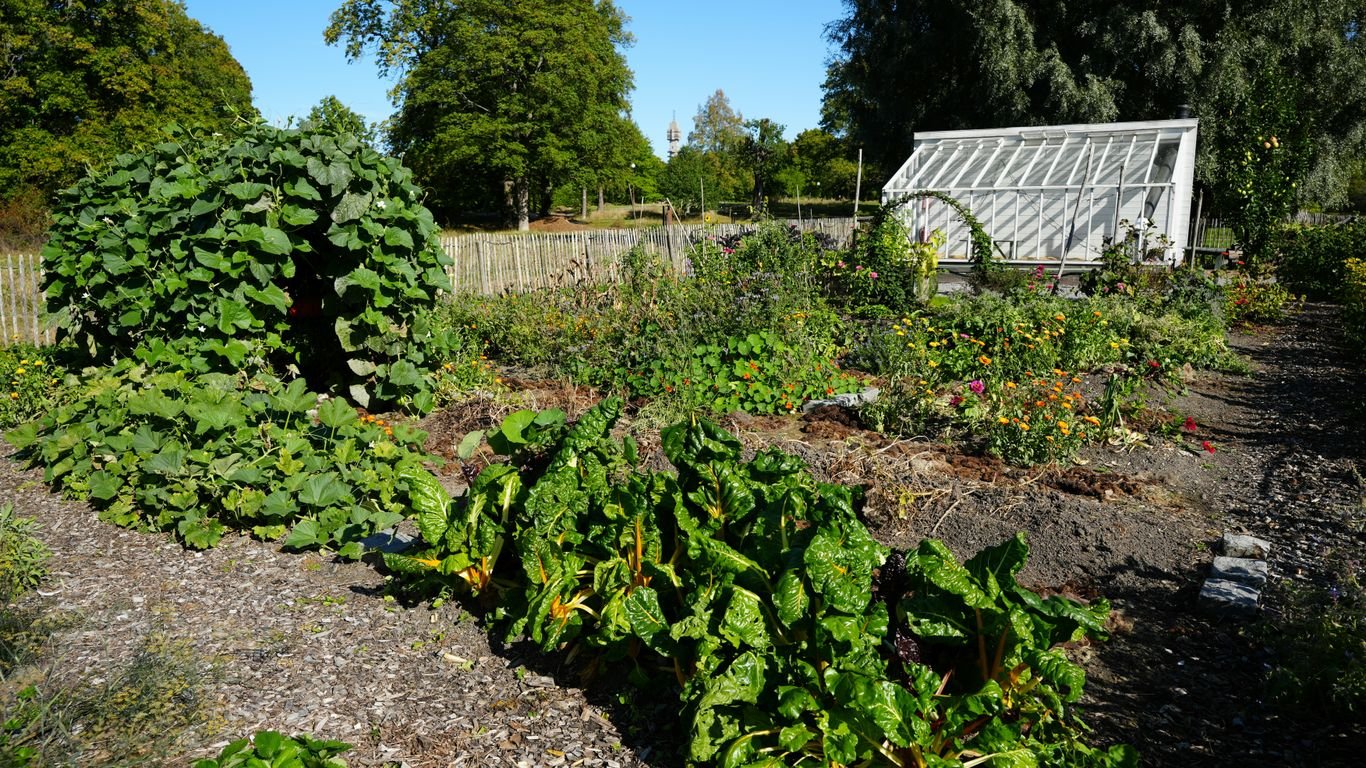
Thinking about growing your own food but only have a little space? We get it. Many of us are looking for ways to be more self-sufficient, even if we don't have acres to work with. The good news is, you...
Read More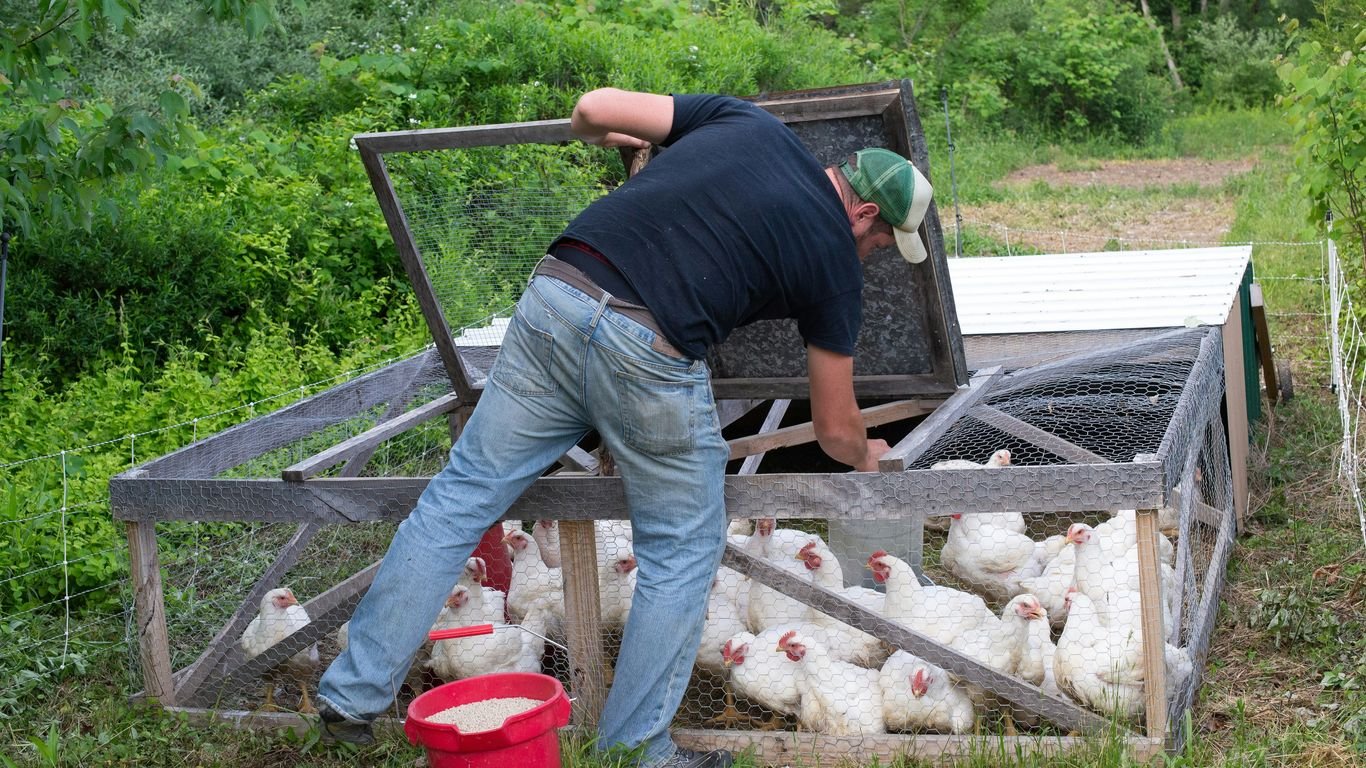 March 6, 2026
10 Low-Cost Homestead Side Hustles That Make Money
Homestead Planning
Homesteading
Starting a Homestead
March 6, 2026
10 Low-Cost Homestead Side Hustles That Make Money
Homestead Planning
Homesteading
Starting a Homestead
We all dream of a simpler life, right? One where we're more connected to the land and the seasons. But let's be real, that dream needs some funding. That's where low cost homestead side hustles come in. These aren't about...
Read More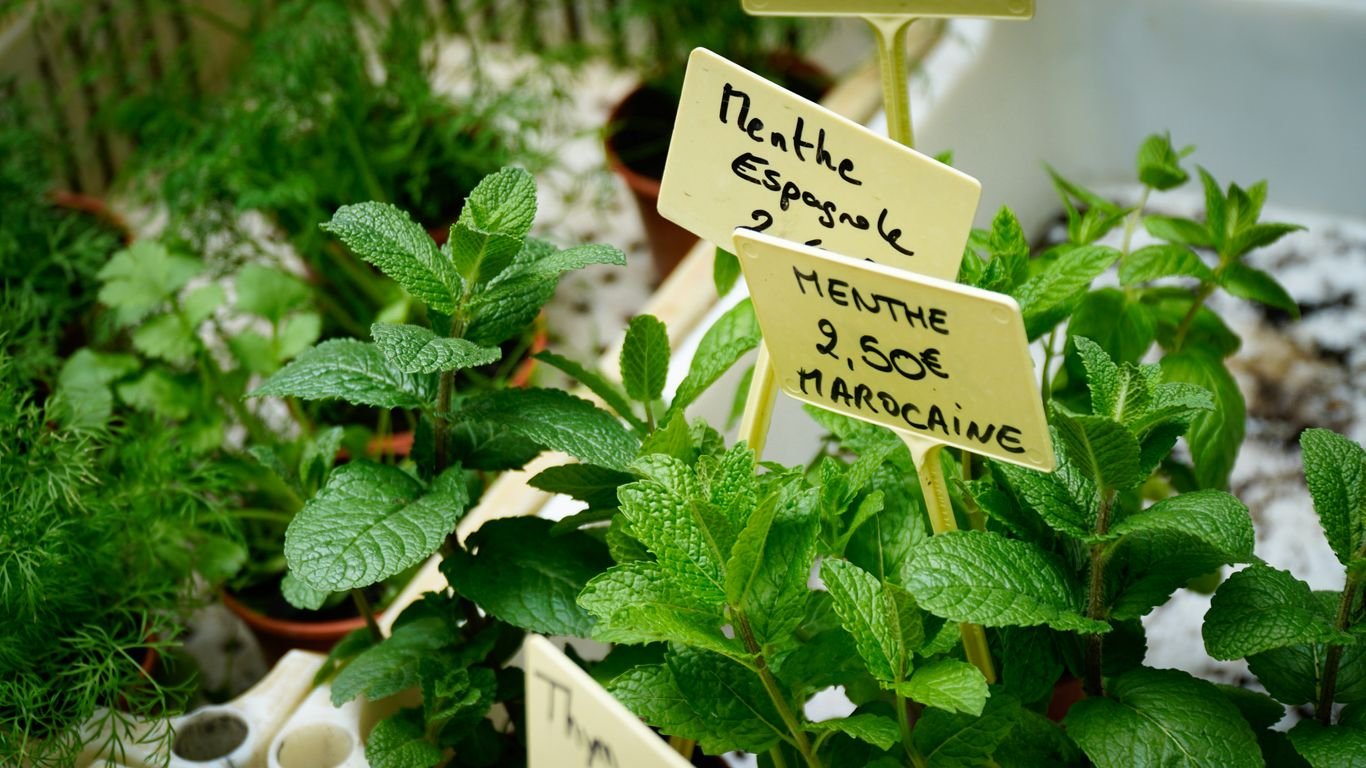 March 5, 2026
How to Grow a Medicinal Herb Garden for Beginners
Gardening
Homesteading
Natural Fertilizers
Sustainable Living
March 5, 2026
How to Grow a Medicinal Herb Garden for Beginners
Gardening
Homesteading
Natural Fertilizers
Sustainable Living
We're excited to share how we got started with our own medicinal herb garden. It felt a bit overwhelming at first, but we learned that taking it step-by-step makes it totally doable. Growing our own healing plants has been so...
Read More