



We’ve been diving into the world of urban homesteading lately, and honestly, it’s way more accessible than we ever thought. You don’t need acres of land to start living a more self-sufficient life. Whether you’re in a small apartment or a house with a tiny yard, there are plenty of ways to bring homesteading skills right into your daily routine. We’re excited to share some of our favorite urban homesteading tips to help you get started.
Thinking about urban homesteading but not sure where to begin? We get it. It can seem like a big leap, especially if you’re picturing sprawling farms and endless fields. But the truth is, you don’t need acres of land to start living a more self-sufficient life. It’s more about a mindset shift and picking up practical skills, right where you are.
At its heart, homesteading is about connecting with your food and resources. It’s about learning to do things for yourself, whether that’s growing a tomato plant on your windowsill or making your own yogurt. It’s a way to slow down, be more resourceful, and rely less on big systems. This journey is about reclaiming old skills and finding satisfaction in creating and providing for yourself and your family. It’s not about perfection; it’s about progress and enjoying the process.
Self-sufficiency is a big part of homesteading, meaning we aim to produce what we can ourselves. This could be anything from growing herbs to baking bread. But urban homesteading also highlights the importance of community. We can’t do it all alone, especially in smaller spaces. Connecting with neighbors, sharing resources, and learning from others who have different skills is just as vital. Think of it as a network of mutual support.
Don’t try to do everything at once. That’s a fast track to feeling overwhelmed. Instead, pick one or two things to start with. Maybe it’s a small herb garden this spring, or learning to make jam from store-bought fruit. Once you get comfortable, you can add more. Building skills gradually makes the whole process more enjoyable and sustainable.
Here’s a simple way to think about starting:
The most important step is simply to begin. Don’t wait for the ‘perfect’ time or the ‘perfect’ setup. Start with what you have, right now, and let your homestead grow organically from there. Small, consistent efforts add up over time.
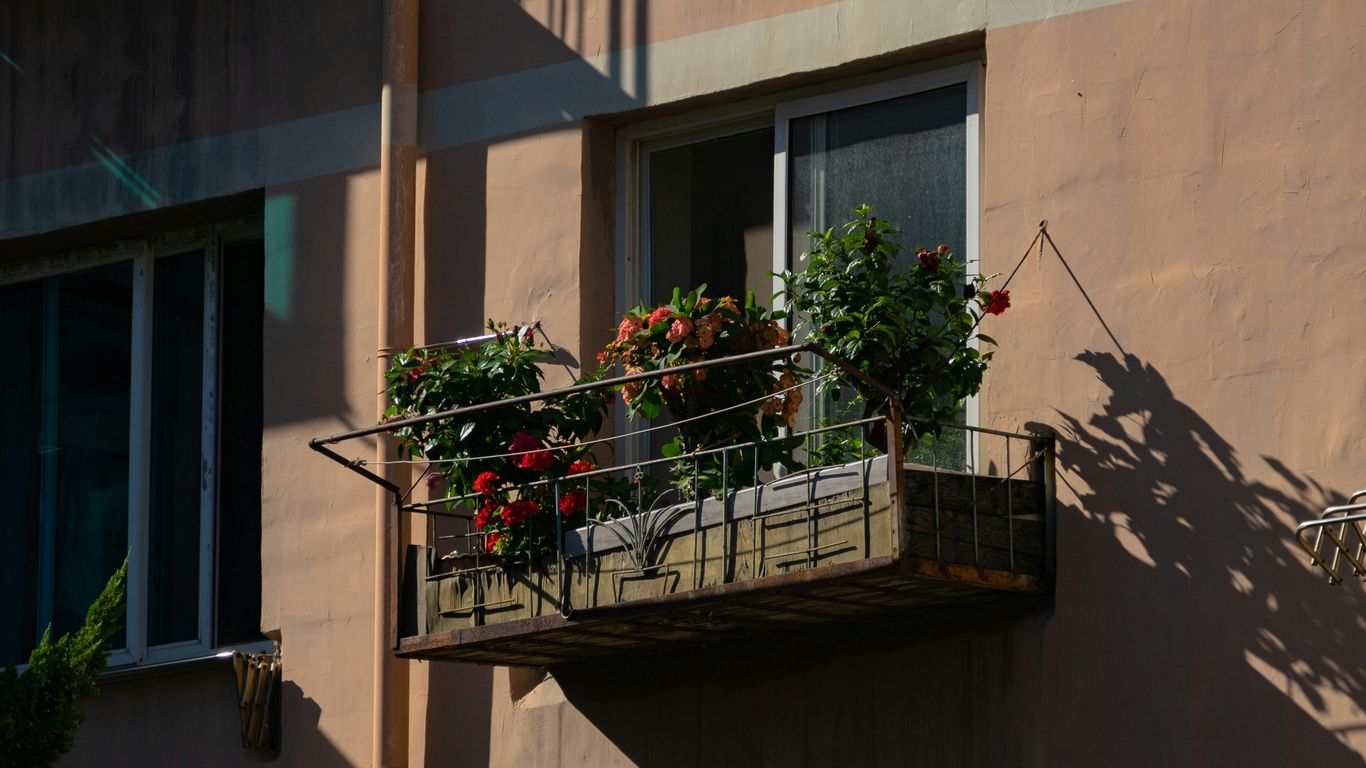
Getting your hands dirty and growing some of your own food is a huge part of urban homesteading. It doesn’t matter if you have a sprawling backyard or just a tiny balcony; there are ways to make it work. We’ve found that starting small and focusing on what we actually like to eat makes all the difference.
This might sound obvious, but it’s worth repeating: plant things you’re excited to harvest and eat! There’s nothing more disheartening than spending time and effort growing a bunch of kale only to find out you don’t really care for it. Think about your favorite meals and what ingredients you use most often. Do you love fresh tomatoes in salads? Are you always reaching for fresh herbs when you cook? Focusing on your favorite foods makes the whole process more enjoyable and less wasteful. We started with things like cherry tomatoes, basil, and a few types of lettuce because we knew we’d use them up quickly. It’s also a great way to try new recipes that call for fresh ingredients you might not normally buy.
Don’t let a lack of yard space get you down. Containers are your best friend in urban gardening. You can grow a surprising amount of food in pots, grow bags, or even repurposed buckets. We’ve had great success growing strawberries, peppers, and even potatoes in containers on our balcony. The key is to choose the right size container for the plant and to use good quality potting mix. Vertical gardening is another fantastic strategy for small spaces. Think trellises for climbing plants like cucumbers or beans, or tiered planters that stack upwards. This way, you’re using the vertical space available, not just the ground. You can find some great ideas for creating a thriving urban garden even with limited space.
Companion planting is an old-school gardening trick that involves planting different crops near each other to benefit one another. It’s like setting up your plants with helpful neighbors! Some plants can deter pests from others, while some can improve soil quality or even boost growth. For example, planting basil near tomatoes is said to improve the tomato’s flavor and repel certain insects. Marigolds are often planted with vegetables to ward off nematodes. It takes a little research to figure out the best pairings, but it can really make a difference in the health and yield of your plants. Here are a few common pairings we’ve found useful:
We learned that observing our plants and the insects around them gave us a lot of clues about what was working and what wasn’t. It’s a continuous learning process, and sometimes the best lessons come from happy accidents in the garden.
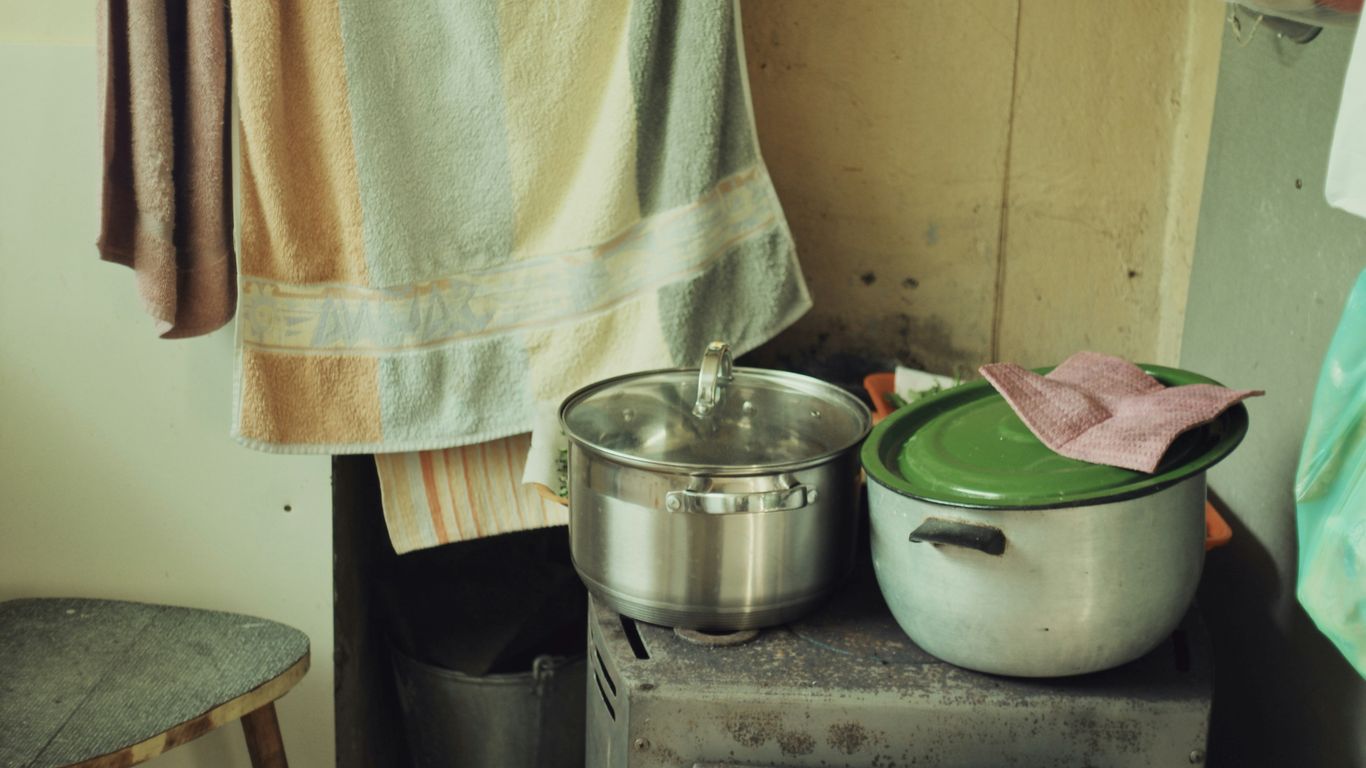
So, we’ve grown some amazing food, right? Now, the real magic happens: making sure we don’t waste a single bit of it. Preserving our harvest is where we really start to feel that self-sufficiency kicking in. It’s about extending the bounty of our small gardens and farmers’ market hauls so we can enjoy them long after the growing season is over.
When we first started, the idea of preserving food seemed a bit daunting. Canning, dehydrating, fermenting – it all sounded like a lot of work. But honestly, once we got into it, we found it’s more about finding the methods that work for us and our lifestyle. The goal isn’t perfection, but rather making the most of what we grow and buy. We’ve learned that even small batches can make a big difference.
These two are probably our go-to methods for everyday use. Freezing is super simple. We chop up veggies like peppers, onions, and zucchini, toss them in bags, and into the freezer they go. It’s a lifesaver for weeknight meals when we’re short on time. Dehydrating is fantastic for things like herbs, fruit slices for snacks, or even making tomato powder. A dehydrator might seem like an extra gadget, but we’ve found ours gets a lot of use, especially for preserving those abundant summer tomatoes.
Fermenting is where things get really interesting, and honestly, pretty easy once you get the hang of it. Think sauerkraut, kimchi, or even simple pickled cucumbers. It’s a great way to add probiotics to our diet and uses minimal equipment – usually just jars and some salt. Canning, especially water bath canning for things like jams and pickles, takes a bit more attention, but it’s incredibly rewarding. We started with simple fruit preserves and have slowly worked our way up. It’s amazing to open a jar of homemade jam in the middle of winter!
We’ve found that dedicating a little time each week to processing whatever produce we have on hand prevents waste and builds up a satisfying pantry of preserved goods. It’s a tangible way to feel more connected to our food.

The kitchen is truly the heart of our urban homestead. It’s where we transform the food we grow or buy into delicious meals and learn to rely less on pre-packaged stuff. We’ve found that picking up a few key kitchen skills makes a huge difference in our self-sufficiency and our wallets.
Learning to cook from scratch might sound intimidating, but it’s really about getting back to basics. Think about making your own pasta sauce instead of opening a jar, or whipping up a simple broth from vegetable scraps. It’s amazing how much better food tastes when you know exactly what’s in it. We started by picking one or two meals a week to make entirely from scratch, and it felt totally doable. It’s also a great way to use up ingredients before they go bad, reducing food waste.
Here are a few ideas to get us started:
We’ve discovered that the most rewarding part of cooking from scratch is the connection it builds to our food. It’s a tangible way to be more independent and resourceful.
There’s something incredibly satisfying about pulling a warm loaf of homemade bread out of the oven. Sourdough has become a big thing for us, and while it has a learning curve, it’s so worth it. We keep a sourdough starter going, which is like having a little pet that feeds us! From simple sandwich bread to pizza dough, baking our own bread has cut down on grocery costs and introduced us to a wonderful traditional skill.
This might sound a bit more advanced, but we’ve found making simple dairy products to be surprisingly accessible. Things like yogurt and ricotta cheese are quite easy to make at home. We started with yogurt, using a bit of store-bought plain yogurt as a starter. It’s so much cheaper than buying it pre-made, and you can control the sugar content. If you’re interested in exploring more ways to be self-sufficient, check out these practical methods to enhance independence practical methods.
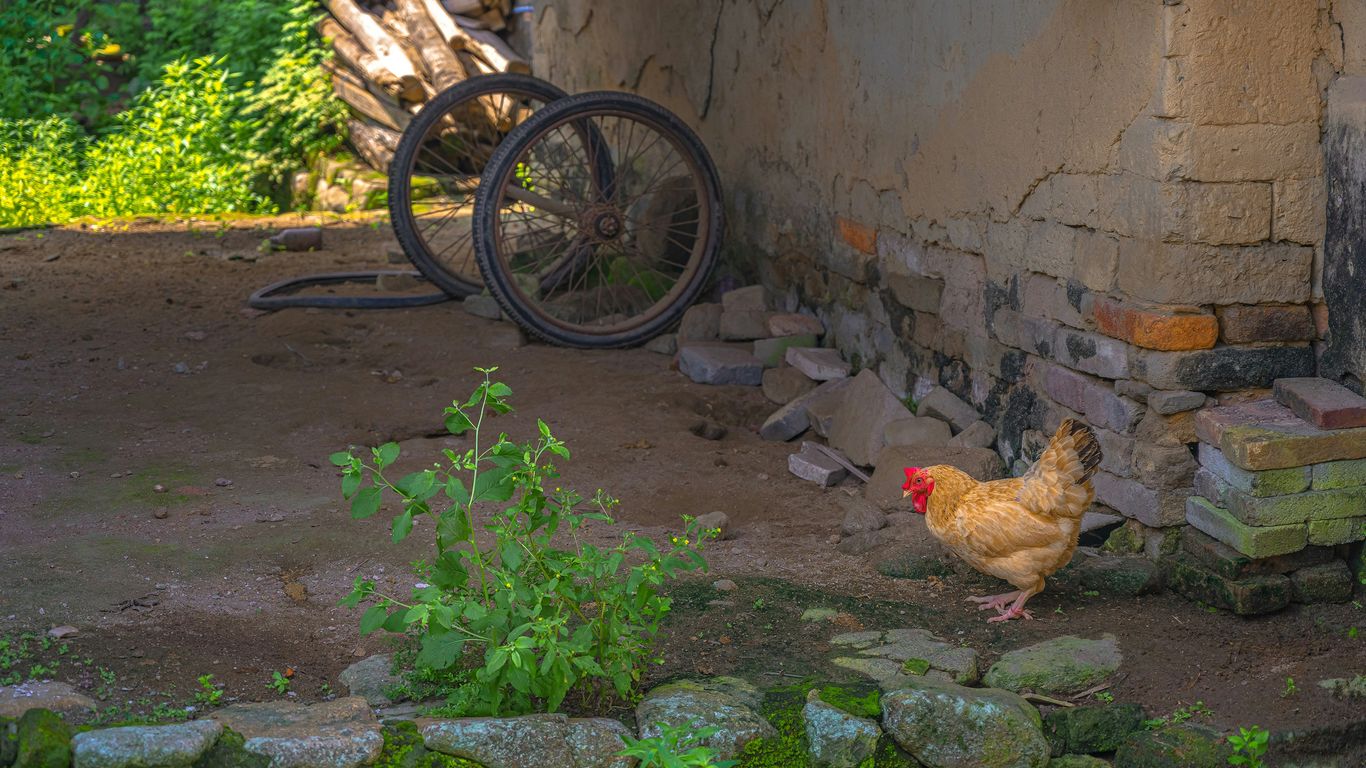
While growing our own food is a huge part of urban homesteading, it’s definitely not the only piece of the puzzle. There are so many other cool things we can do right in our own backyards, or even on a small balcony, to become more self-sufficient and connected to our food and resources. Think of it as expanding our homesteading toolkit!
This is probably one of the most popular urban homesteading activities, and for good reason! Having a few laying hens can provide us with the freshest eggs imaginable. It’s amazing how much personality these birds have, too. We started with just three hens, and honestly, it was way less intimidating than we thought. Plus, their manure is fantastic for our compost pile, which then feeds our garden. It’s a beautiful closed-loop system.
Okay, this one might sound a bit more advanced, but hear us out! Bees are incredibly important for pollination, not just for our gardens but for the environment as a whole. Setting up a hive can be a really rewarding experience. We learned so much just by observing them. Plus, the idea of harvesting our own honey is pretty sweet, right?
This is where we get to be creative and save some money! Urban homesteading often involves making things ourselves and finding new uses for old items. We’ve gotten pretty good at repurposing things that might have otherwise ended up in the trash. It’s a great way to reduce waste and add a personal touch to our homes.
We found that embracing these "beyond the garden" pursuits really rounded out our homesteading journey. It’s not just about growing food; it’s about creating a more sustainable and resourceful lifestyle in our own space. It feels good to know where our eggs come from, to support pollinators, and to fix things up ourselves instead of always buying new.
We’ve found that trying to do this whole urban homesteading thing alone can feel pretty isolating sometimes. It’s easy to feel like you’re the only one making your own yogurt or trying to grow tomatoes on a tiny balcony. But here’s the thing: we don’t have to go it alone! Building connections with other people who are into similar things is not just nice, it’s actually a really smart way to make our homesteading journey smoother and more rewarding.
Seriously, start by just looking around your neighborhood or local area. You might be surprised who else is growing their own food or interested in reducing waste. Visiting farmers’ markets is a great starting point. We’ve met so many cool vendors who are happy to chat about their produce and how they grow it. It’s a low-pressure way to start conversations. Also, check out local gardening clubs or even community gardens. Sometimes just showing up and asking questions is all it takes to find your people.
This was a game-changer for us. Instead of just buying a CSA share, we looked for opportunities to do a "work share." This means you trade a few hours of your time each week helping out on a local farm or garden in exchange for a box of fresh produce. It’s an amazing way to get hands-on experience, learn different growing techniques, and meet the farmers and other volunteers. We learned so much about transplanting, harvesting, and even how to properly store everything we grew.
Don’t be afraid to seek out people who know more than you do. We took a local workshop on beekeeping, and having an instructor who was a seasoned beekeeper made all the difference. They could answer our specific questions and give us the confidence to actually start our own hive. Many areas have non-profit organizations that offer classes on everything from canning to raising chickens. These are fantastic resources for gaining practical skills and building your network.
Building a community around your homesteading efforts isn’t just about having people to talk to; it’s about creating a support system. It’s about sharing resources, trading skills, and learning from each other’s successes and failures. This shared knowledge and mutual support can make a huge difference in how far you go and how much you enjoy the process.
Living the urban homesteading life doesn’t mean you have to go it alone or break the bank. We’ve found that a few smart strategies can make a big difference in how much we can do and how much we save. It’s all about being resourceful and thinking ahead.
One of the biggest ways we cut down on costs and save time is by buying staples in bulk. Think rice, beans, oats, flour, and even things like honey. If you have the space, a chest freezer is a game-changer for storing meat or seasonal produce bought on sale. It might seem like a big upfront cost, but over time, it really adds up. We found that having a constant supply of these items means fewer last-minute trips to the store and more control over what we’re eating.
This is where the creativity really comes in! We started looking at everything we used around the house and asked ourselves if we could make it, fix it, or repurpose something else. It’s amazing what you can do with a little ingenuity. We’ve redone furniture, built simple shelves, and even made things like chicken tractors from old play sets. It’s about valuing what you have and seeing potential in discarded items. This approach not only saves money but also reduces waste and gives our home a unique, personal touch.
Honestly, this was one of the first things we tackled, and it felt like a huge win. Store-bought cleaners can be expensive and full of chemicals we don’t want around. We started simple, making our own dish soap and all-purpose cleaner using basic ingredients like vinegar, baking soda, and castile soap. It’s surprisingly effective, smells great (or at least neutral!), and is so much cheaper. We’re even looking into making our own laundry powder and dishwasher tabs next.
Here’s a quick look at some common DIY cleaner ingredients:
| Ingredient | Uses |
|---|---|
| White Vinegar | Disinfecting, cutting grease, deodorizing |
| Baking Soda | Scrubbing, deodorizing, gentle abrasive |
| Castile Soap | All-purpose cleaning, dish soap base |
| Lemon Juice | Natural bleach, degreaser, fresh scent |
We found that once we started making our own cleaning products, we felt a real sense of accomplishment. It’s a small step, but it connects us more to the process of managing our home and resources.
So, there you have it. Urban homesteading isn’t some far-off dream that needs acres of land or a huge bank account. We’ve seen that it’s really about a mindset, about learning to be a bit more resourceful and connected to what we eat and use. Whether you start with a few herbs on your windowsill, learn to can some jam, or even try your hand at making your own cleaning supplies, every little step counts. Don’t wait for ‘someday.’ Start small, start where you are, and enjoy the journey of building a more self-sufficient life, right in your own neighborhood.
Urban homesteading is all about living a more self-sufficient life, even if we don’t have a lot of land. It means learning skills to grow our own food, make things ourselves, and be resourceful, all within a city or town setting. We can do this in apartments, small yards, or even on balconies!
Not at all! We can start small with just a few pots on a windowsill or a small container garden on a patio. Growing herbs, a few vegetables like tomatoes or peppers, or even just learning to cook from scratch are great ways to begin without needing much space.
We suggest starting with something you enjoy! Maybe it’s growing your favorite herb, learning to make simple bread, or even trying to preserve store-bought fruit like making jam. The key is to pick one or two things and build from there, making it fun and not overwhelming.
Self-sufficiency in an urban setting means reducing our reliance on outside sources. We can do this by growing some of our own food, learning to cook from scratch instead of buying pre-made meals, making our own cleaning supplies, and even repairing items instead of replacing them.
Absolutely! Since we have limited space and resources in the city, connecting with others is super important. We can share tips, trade extra produce, join gardening groups, or participate in ‘work shares’ on local farms. It makes the journey more enjoyable and less lonely.
We understand that life is busy! The beauty of urban homesteading is that we can start with small, manageable steps. Even dedicating just a little time each week to tending a small garden, trying a new recipe, or learning a preservation technique can make a big difference over time.
We love the charm and character that a hobby farm look brings to our outdoor spaces. It feels so welcoming and down-to-earth. If you're looking to capture that same vibe on your own property, we've gathered some simple and pretty...
Read More March 4, 2026
How to Start a Seed Bank at Home
Gardening
Homesteading
Starting a Homestead
Sustainable Living
March 4, 2026
How to Start a Seed Bank at Home
Gardening
Homesteading
Starting a Homestead
Sustainable Living
Starting a seed bank at home might sound like something only hardcore gardeners do, but honestly, it’s a lot simpler than it seems. We realized that saving seeds from our favorite plants not only saves money, but it helps us...
Read More March 4, 2026
How to Grow Enough Food While Working Full Time
Gardening
Homestead Planning
Homesteading
Sustainable Living
March 4, 2026
How to Grow Enough Food While Working Full Time
Gardening
Homestead Planning
Homesteading
Sustainable Living
Trying to grow enough food while working full time can feel like a tall order. Most of us don’t have hours to spend in the garden every day, and space is usually tight. But with some simple planning and a...
Read More