


Thinking about getting a freeze dryer for your kitchen? We get it. It seems like a big step, and you want to make sure you’re using it for the right things. We’ve been experimenting a lot, and we’ve found that some veggies just work better than others. If you’re wondering about the best vegetables to freeze dry at home, we’ve got some ideas for you. We want to make sure you’re preserving foods your family will actually use and enjoy.
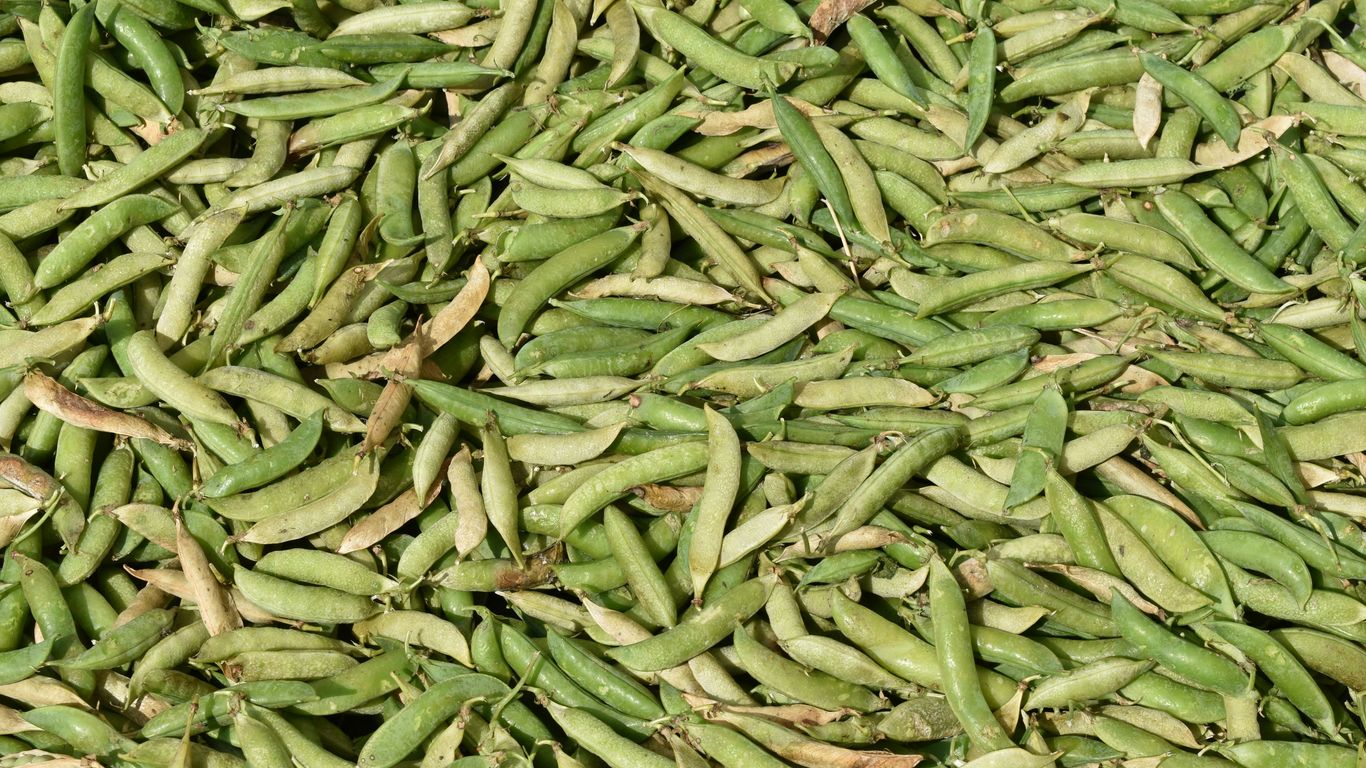
Peas are a fantastic choice for freeze-drying at home. They’re super simple to prepare – you can literally just grab a bag of frozen peas from the grocery store, spread them out on your freeze dryer trays, and let the machine do its thing. We’ve found that peas don’t need any special prep like blanching or puncturing before they go in. It’s okay if they overlap a bit on the trays, just try not to pile them too high, keeping them below the rim is a good rule of thumb. Once freeze-dried, they rehydrate quickly and retain a good amount of their fresh flavor and texture, making them a great addition to meals or a simple side dish. They’re a win for us because the kids actually like eating them, which is always a bonus when you’re stocking up on food for long-term storage.
Corn is another fantastic vegetable to freeze dry. We’ve found that it rehydrates beautifully, unlike some other methods where it can get a bit starchy and expand weirdly in your mouth. It’s super versatile, too. We love tossing it into soups, stews, or even just serving it as a side dish.
When freeze-drying corn, you don’t need to worry too much about how you arrange it on the trays. It’s perfectly fine if the kernels overlap or even stack a bit. This makes it really easy to process large batches without fuss. Just make sure the corn isn’t piled too high, keeping it below the rim of the tray is a good rule of thumb.
Pro Tip: If you’re using fresh corn, you can cut it right off the cob. Frozen corn works just as well, and some sources say it’s already blanched, which is a plus. Either way, you’re in for a treat when you rehydrate it later.
We’ve used freeze-dried corn in all sorts of recipes, from taco soup to casseroles, and it always adds a nice sweetness and texture. It’s a real pantry staple for us now.
Freeze-dried corn is a game-changer for quick meals. It saves so much prep time and tastes so much better than regular dehydrated corn when you rehydrate it.
Green beans are another fantastic vegetable to add to your freeze-dried stash. They’re pretty versatile and kids tend to like them, which is always a win in our book. You can use fresh, frozen, or even canned green beans for this process, though we find that blanching fresh ones first helps them rehydrate better later on.
We love having freeze-dried green beans on hand for quick side dishes. They’re great to toss into casseroles or cook up with a bit of bacon for a simple, tasty meal. If you’re looking for a quick way to prepare them without freeze-drying, check out these Air Fryer Green Beans.
Here’s a quick rundown on preparing them:
Once prepped, spread them in a single layer on your freeze dryer trays. Don’t worry too much if they overlap a little, but try to keep them from piling up too high. They come out wonderfully crisp and retain a good amount of their flavor and nutrients, making them a solid choice for long-term food storage.
Carrots are a fantastic choice for freeze-drying, and we find them super handy to have around for all sorts of meals. You don’t even need to blanch them before they go into the freeze dryer, which is a nice time-saver. We usually prepare them in a few different ways: diced, sliced into thin chips, or cut into long spears. Trying to freeze-dry whole carrots usually doesn’t work out as well because they’re just too thick to dry properly.
Once they’re freeze-dried, carrots are incredibly versatile. We toss them into soups, serve them as a side with a favorite dip, or add them to salads for a bit of crunch and sweetness. They rehydrate nicely and keep their bright color, making any dish look more appealing.
Here’s a quick look at how we prep them:
We’ve found that keeping the pieces relatively uniform in size helps them dry more evenly. This means less chance of some pieces being too dry and others still a bit soft when the cycle is done.
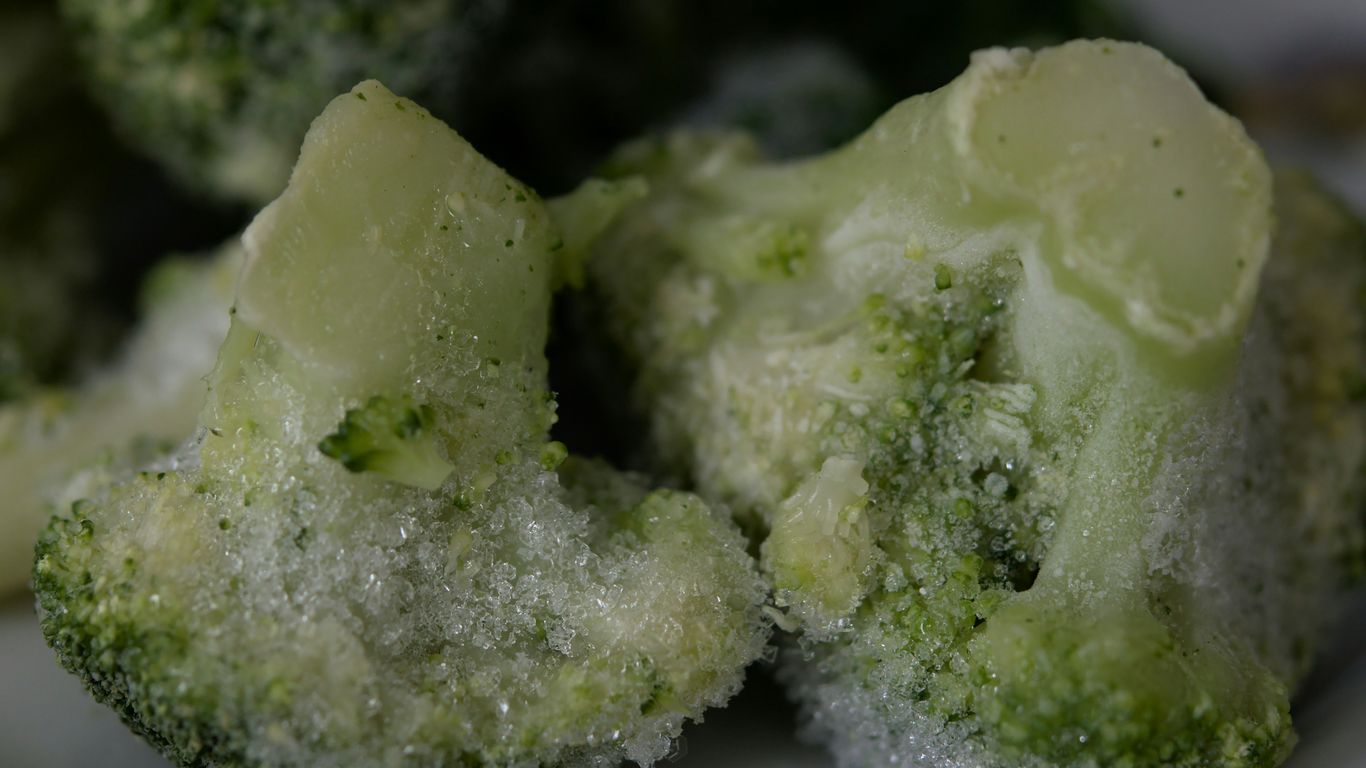
Broccoli is another one of those veggies that can be a bit tricky, mostly because of its tendency to get a little… pungent during the freeze-drying process. We’ve found that cooking it first really helps. It not only tones down that strong smell but also helps it rehydrate better and keeps that nice green color.
So, what’s our go-to method? We usually steam or lightly boil the broccoli florets until they’re tender-crisp. Then, we spread them out on a baking sheet and freeze them solid in our regular freezer. Once they’re frozen, we transfer those icy florets directly into the freeze dryer, using the pre-frozen setting. This pre-freezing step is key to managing the smell and getting the best results.
Here’s a quick rundown of how we prep broccoli:
The pre-freezing step is really the secret weapon for broccoli. It makes a huge difference in the final product and keeps your kitchen from smelling like a science experiment gone wrong. While some people powder broccoli after freeze-drying, we prefer to keep ours in small pieces for adding to meals later. It works great in soups or casseroles, giving them a nice nutritional boost. Just remember to handle your freeze dryer according to its instructions to keep it running smoothly; regular maintenance is important for any home appliance.
We’ve noticed that smaller pieces tend to dry more evenly and don’t turn into a powdery mess. If you do end up with some powdery bits, they’re still great for adding to smoothies or sauces!
Potatoes are a fantastic vegetable to freeze dry, offering a lot of versatility for future meals. We’ve found that they work best when you give them a quick blanch before they go into the freeze dryer. This usually means just a few minutes in boiling water, followed by a good drain and a thorough pat-down to get them as dry as possible. If you skip this step, you might end up with potatoes that turn brown, and nobody wants that.
When you’re prepping them, try to keep the pieces relatively small, about half an inch or less. This helps them dry evenly. We’ve had good luck with diced potatoes, but slices or even small wedges work too. Freeze-dried potatoes can be a lifesaver for quick weeknight dinners. They rehydrate really well, making them perfect for adding to soups, stews, or even making a quick batch of mashed potatoes. You can even get fancy and freeze dry pre-made dishes like au gratin potatoes if you’re feeling adventurous!
Here’s a quick rundown on prepping potatoes:
Freeze-dried potatoes are a great way to extend the life of your harvest, especially if you’ve got a surplus from your garden. They store for a long time and are ready to go when you need a quick side dish.
Having these on hand means you can whip up comforting meals in no time. We’ve even experimented with freeze-drying leftover roasted potatoes, and they turned out surprisingly well! It’s a smart way to reduce food waste and always have a starchy side ready to rehydrate. For more tips on preserving your harvest, check out this guide on preparing your homestead.
Tomatoes are surprisingly great for freeze-drying, even though they’re technically a fruit. We’ve found they work best when sliced about a quarter-inch thick. If you’re dealing with cherry tomatoes, just cutting them in half does the trick. Some folks recommend pre-freezing the slices for a day or two before putting them in the freeze dryer; this seems to help them dry more efficiently. You don’t need to blanch them, which is a nice time-saver.
Once they’re freeze-dried, they shrink down quite a bit and become these little flavor bombs. They’re fantastic for tossing into soups, sauces, or even rehydrating for a quick side dish. We’ve even turned them into a powder, which is super handy for making tomato paste on demand. Just add a little water, and you’ve got paste without opening a whole can.
Freeze-dried tomatoes are incredibly versatile. They can be used whole, chopped, or even powdered to add concentrated tomato flavor to a wide range of dishes, from pasta sauces to dips.
Here’s a quick rundown of how we prep them:
They rehydrate pretty well, though some people find they can be a bit soft. If you’re looking for a more intense tomato flavor, especially for cooking, freeze-dried tomato powder is the way to go. It’s a game-changer for pantry stocking. You can find more tips on preparing produce for the freeze dryer on our site.
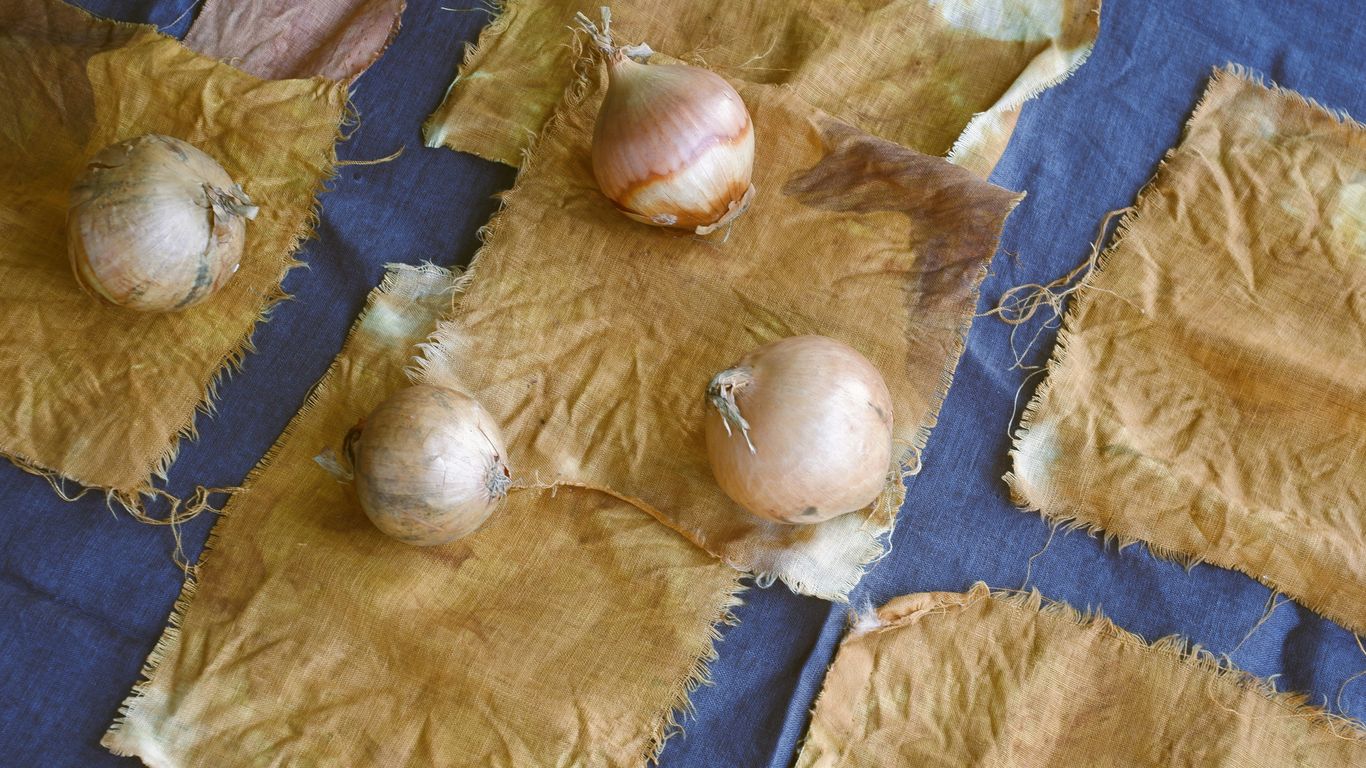
Okay, let’s talk about onions. We’ve freeze-dried a lot of things in our kitchen, and onions are… well, they’re an experience. If you’re thinking about freeze-drying fresh onions at home, be prepared. Your entire house, and likely your freeze dryer, will smell like onions for a good long while. Seriously, it’s a potent aroma that lingers.
We’ve found that the easiest way to get freeze-dried onions without the overwhelming smell is to buy them already freeze-dried. You can find them online, and it saves you the olfactory assault. However, if you’re determined to do it yourself, here are a few things to keep in mind:
Honestly, for onions, the convenience and smell-avoidance of buying them pre-freeze-dried often outweigh the effort of doing them ourselves. But if you’re up for the challenge, just be ready for that oniony aftermath!
We’ve talked about a lot of veggies that are great for freeze-drying, and spinach is definitely one we shouldn’t skip. It’s pretty amazing that we can take something so fresh and leafy and turn it into something that lasts for ages. If you’re not growing your own greens year-round, having freeze-dried spinach on hand is a total game-changer.
We love using freeze-dried spinach to make our own green powder for smoothies. It’s a simple way to boost the nutritional content of your morning drink without any fuss. Just toss the rehydrated spinach into your blender with your other ingredients. It’s also fantastic for adding to soups, stews, or even baked goods where you want a hidden veggie boost. You can even rehydrate it and use it in recipes like a chicken feta spinach sandwich.
Here’s a quick rundown on why we like freeze-drying spinach:
When preparing spinach for the freeze dryer, you don’t need to do much. Just wash and dry it thoroughly. You can place it directly onto the trays. Don’t worry too much about overlapping; spinach is pretty forgiving. It’s a great way to preserve garden harvests when they’re abundant.
Mushrooms are another fantastic vegetable, or technically fungi, that we’ve found freeze-dry really well. They come out looking almost like they did before, just lighter and ready to be stored for ages. We’ve had great success with both fresh and frozen mushrooms from the grocery store. Slicing them up before they go into the freeze dryer seems to be the way to go for the best results.
They retain their earthy flavor and texture, making them super versatile. We love adding them back into dishes like stir-fries, soups, or even rehydrating them for a side dish. It’s pretty cool how they shrink down during the process, but then plump back up when you add water.
Here’s a quick rundown of what we’ve learned:
We’ve found that freeze-dried mushrooms are a game-changer for quick meals. No more worrying about fresh mushrooms going bad before we can use them!
So there you have it! We’ve gone over a bunch of great veggies that do really well in the freeze dryer. From peas and corn that the kids will actually eat, to handy carrots and even those leafy greens, it’s pretty amazing what we can preserve. Remember, the best stuff to freeze dry is always what your family enjoys. Don’t waste your time on things nobody will touch! Give these ideas a try, and happy freeze drying!
The most important thing to remember is to only freeze-dry foods that we actually eat and enjoy. There’s no point in preserving something if it’s just going to sit on the shelf. We should make a list of our favorite fruits and veggies from the garden or farmer’s market and start there.
For peas and corn, we’re usually in luck! We can often just dump them straight onto the freeze-dryer trays. It’s okay if they overlap a bit, just make sure they aren’t piled too high. We don’t need to poke holes in them either.
For green beans, if we’re using fresh ones, it’s a good idea to blanch them first so they rehydrate better later. Carrots are easier; we can dice them, slice them into chips, or cut them into spears. We don’t need to blanch carrots, but we should avoid freezing whole ones because they’re too thick.
Yes, some veggies can be a bit smelly or difficult. Onions, for instance, can make our whole house and freeze-dryer smell strong for a long time, so buying them freeze-dried might be a better option. Broccoli can also be stinky; cooking it first and then freezing it in a regular freezer before putting it in the freeze-dryer can help reduce the smell.
Potatoes definitely need a little attention. We must blanch them for a few minutes, then drain and pat them dry before they go on the trays. If we skip this step, they’ll turn brown. Also, we should keep the potato pieces no bigger than half an inch.
When we store our freeze-dried vegetables properly, they can last for a really long time, often up to 25 years or even longer! This makes them a fantastic option for long-term food storage.
 March 7, 2026
How to Turn Food Preservation Into a Side Hustle
Canning
Homestead Kitchen
Homesteading
Sustainable Living
March 7, 2026
How to Turn Food Preservation Into a Side Hustle
Canning
Homestead Kitchen
Homesteading
Sustainable Living
We've all got those hobbies or skills that we love doing, right? Maybe it's baking, gardening, or even making your own jam. What if we told you that you could turn those passions into a little extra cash? It might...
Read More March 7, 2026
High-Output Crops Perfect for Micro Homesteads
Gardening
Homestead Planning
Homesteading
Starting a Homestead
March 7, 2026
High-Output Crops Perfect for Micro Homesteads
Gardening
Homestead Planning
Homesteading
Starting a Homestead
Thinking about growing your own food but only have a little space? We get it. Many of us are looking for ways to be more self-sufficient, even if we don't have acres to work with. The good news is, you...
Read More March 6, 2026
10 Low-Cost Homestead Side Hustles That Make Money
Homestead Planning
Homesteading
Starting a Homestead
March 6, 2026
10 Low-Cost Homestead Side Hustles That Make Money
Homestead Planning
Homesteading
Starting a Homestead
We all dream of a simpler life, right? One where we're more connected to the land and the seasons. But let's be real, that dream needs some funding. That's where low cost homestead side hustles come in. These aren't about...
Read More