



We know that as a busy homesteader, finding time for all your tasks can feel like a constant juggling act. Between work, family, and the endless list of homestead chores, it’s easy to feel overwhelmed. But what if we told you that with a few smart strategies, you can actually streamline your routines and make more time for what matters? We’ve gathered some practical tips to help you manage your busy homesteader routines without sacrificing your sanity or your homestead goals.
When we’re juggling work and homesteading, it can feel like there aren’t enough hours in the day. We’ve found that getting a handle on our tasks is the first step to making it all work. It’s not about doing more, but about doing things smarter.
It’s easy to get overwhelmed by a long list of things that need doing around the homestead. The key is to figure out what’s most important right now. We try to sit down for a few minutes each morning, or even the night before, to identify the top 2-3 tasks that absolutely must get done. This might be feeding the animals, checking on a sick plant, or making sure the firewood is stocked. Everything else can wait.
We used to try and do everything on our list every single day, and it just led to frustration. Now, we focus on the essentials and accept that some things will roll over to tomorrow. It’s a much calmer way to live.
While we prioritize daily, having a master list is super helpful for keeping track of everything. Think of it as a brain dump for all your homesteading ideas, projects, and recurring tasks. We keep ours in a notebook, but a whiteboard or a digital app works too. The important thing is to get it out of your head. This list helps us see the big picture and plan for the future, whether it’s a big garden project or fixing that leaky faucet.
Homesteading has a natural rhythm, and working with the seasons can save us a lot of time and effort. For example, we do a lot of our preserving in late summer when the harvest is abundant, and we tackle bigger repairs or indoor projects during the winter months when we can’t be outside as much. Planning ahead for these seasonal shifts means we’re not scrambling at the last minute. It helps us make the most of the weather and the resources available to us at different times of the year.
Balancing homestead chores with work and family life is hectic, but effective planning can make it feel less overwhelming. If we take a little time each week to plan, we can get more done with less stress and fewer last-minute headaches. Here are a few planning strategies that have helped our days run smoother.
It’s easy to underestimate a physical planner until you’ve written out the same sticky-note reminders for the hundredth time. Using a paper planner isn’t fancy, but it really helps us stay on track. Here’s why we like it:
Having a paper planner means we don’t have to keep everything in our heads, and our minds can focus on actually getting things done instead of spinning with endless mental lists.
We’ve found that splitting the day into blocks helps keep us focused. Time blocking means setting aside specific hours for different activities. If you’re unsure where to start, try dividing your time this way:
| Time Block | Focus Activity |
|---|---|
| 6-8 am | Animal tending/garden chores |
| 8-5 pm | Off-farm job/work |
| 5-7 pm | Household tasks/meal prep |
| 7-8 pm | Project time/odd jobs |
There’s no shortage of jobs on the homestead, so giving each a spot on the calendar helps keep us realistic (and accountable). Here’s how we break it down:
We also sit down as a family, usually on Sunday night, to look over the week ahead. This helps spot conflicts and figure out what can be shifted or swapped.
The truth is, there’s no way to predict every twist in homestead life, but planning gives us a solid starting point. And when something unexpected pops up, we’re better prepared to adjust, not just react.

We all know how hectic mornings can get, especially when you’re juggling work and homestead life. But what if we told you that a little bit of planning in the morning could make a huge difference? It’s true! By setting up a solid morning routine, we can actually get more done and feel less frazzled throughout the day. It’s about making those first few hours count.
This might sound tough, but hear us out. Even an extra 30 minutes to an hour before the rest of the household is up can be a game-changer. Think of it as your quiet time to focus on a task without interruptions. It’s amazing what we can accomplish when we’re not rushing or being pulled in a million directions. This is the perfect time to tackle something that requires concentration, like planning out your garden beds or working on a craft project. You’ll be surprised how much smoother the rest of your day flows when you’ve already gotten a head start.
Before you even get out of bed, or perhaps with your first cup of coffee, take a moment to decide what you really need to get done that morning. Don’t just wing it. Having a clear, short list of priorities helps us stay focused. Maybe it’s watering the chickens, checking on the seedlings, or responding to a few important emails. Having a clear goal for the morning helps us avoid that feeling of just drifting through the day. It gives us a sense of accomplishment right from the start. We find that writing these down, even just a few bullet points, makes them feel more concrete. It’s a simple way to start your day with a plan.
Our phones are probably the biggest culprits here. That quick scroll through social media or checking emails first thing can easily eat up precious time. Try this: put your phone on ‘do not disturb’ or even in another room for the first hour of your day. You can catch up on everything later. The goal is to create a focused environment where we can actually get things done. It’s about being intentional with our time and not letting the digital world dictate our morning pace. We’ve found that once we get into the habit, it’s not as hard as it seems, and the payoff in productivity is huge.
We all know that homesteading takes time, and when you’re juggling a full-time job, it can feel like there’s never enough of it. But we’ve found some ways to make it work, and they really do make a difference. It’s all about being a bit more strategic with how we spend our time.
Honestly, meal planning has been a game-changer for us. Waking up and knowing exactly what’s for dinner saves so much mental energy and time. We try to use what we already have in the pantry and freezer first. This not only cuts down on food waste but also saves money. We’ve also found some really quick recipes that don’t take all evening to prepare. If you’re really struggling, consider doing a big batch of freezer meals on a weekend. It might sound like a lot of work upfront, but it pays off big time during the week. It means less stress and more time for other things.
Speaking of the freezer, keeping a running list of what’s in there is surprisingly helpful. We just jot down what we put in and then cross it off as we use it. This stops us from buying duplicates or letting things get lost in the back. It ties in perfectly with meal planning, too. You can easily see what you have on hand and build meals around it. It’s a simple step, but it really helps us avoid last-minute grocery runs and food waste.
This one might seem obvious, but we can’t stress enough how much time ordering groceries online saves us. Instead of wandering the aisles, we can just click and collect. We usually schedule our pickup for a time when we’re already out and about, like on the way home from work or on a Saturday morning. It’s a small change, but it frees up a good chunk of time that we used to spend just shopping. It’s one of those things that makes integrating homesteading with a busy work schedule feel much more manageable. You can find some great resources for managing a homestead that touch on these kinds of efficiencies.
We’ve learned that small, consistent changes in our routines can add up to significant time savings. It’s not about doing everything perfectly, but about finding what works for our family and sticking with it. Being realistic about our time and energy levels is key to making this lifestyle sustainable.
Here are a few things we focus on:
We all feel like there aren’t enough hours in the day, especially when juggling work and homesteading. It’s easy to get sidetracked, but there are smart ways we can make the most of the time we do have. It’s about being intentional with our minutes.
Our phones, computers, and the endless scroll of social media can be huge time sinks. It’s okay to use these tools, but we need to set boundaries. Try putting your phone on ‘do not disturb’ and keeping it out of sight when you need to focus on a task. You’ll be amazed at how much more you can get done when you’re not constantly checking notifications. Unplugging, even for short periods, can seriously boost our productivity.
Evenings can be tough for getting things done after a long day, but they’re also a prime opportunity to catch up. Instead of just zoning out, pick one task you can tackle. Maybe it’s prepping veggies for the next day, doing a quick tidy-up, or working on a craft project. Sometimes, having something enjoyable to look forward to can make it easier to get started.
Those little breaks during the workday, or even longer ones, can be surprisingly useful. Instead of just scrolling through your phone, use that time for small, focused tasks. This could be answering a few emails, planning out your next homestead project, or even just reading an article that helps you learn something new. Even 15 minutes here and there can add up.
Homesteading isn’t about doing everything, all at once, with picture-perfect results. For us, it’s about keeping our sanity while still moving forward—one step at a time, even if our boots are caked in mud and there’s a batch of overcooked jam on the stove. Let’s talk about how we can keep it real, and maybe even find some joy in how imperfect our routines and efforts might seem.
If we try to do everything, we’re setting ourselves up to feel constantly behind. The truth? “Doing it all” is a myth. Here’s how we’ve learned to set realistic boundaries:
On some days, just gathering the eggs or sweeping the kitchen counts as a victory. Homesteading isn’t about perfection; it’s about progress.
We’ve learned, often the hard way, that there is never—never—a perfect time to jump in. Jobs, kids’ schedules, surprise bills, messes, mistakes…there’s always something. If we’d waited for the stars to align, our garden beds would still be choked with weeds and dreams. Here’s why starting now matters:
We stopped trying to mimic everyone else’s version of a homestead. Now, we focus on what actually matters to us. Not every homestead project is created equal—here’s how we sort that out:
| Project | Priority Level | Why We Chose It |
|---|---|---|
| Backyard Chickens | High | Steady eggs |
| Weekly Fresh Bread | Medium | Taste & cost |
| Decorative Flower Beds | Low | Looks only |
| Farmer’s Market Table | Low | Too much effort |
At the end of the day, our homesteading journey is about making life richer (not busier), by focusing on what works for us—not what looks impressive to anyone else.
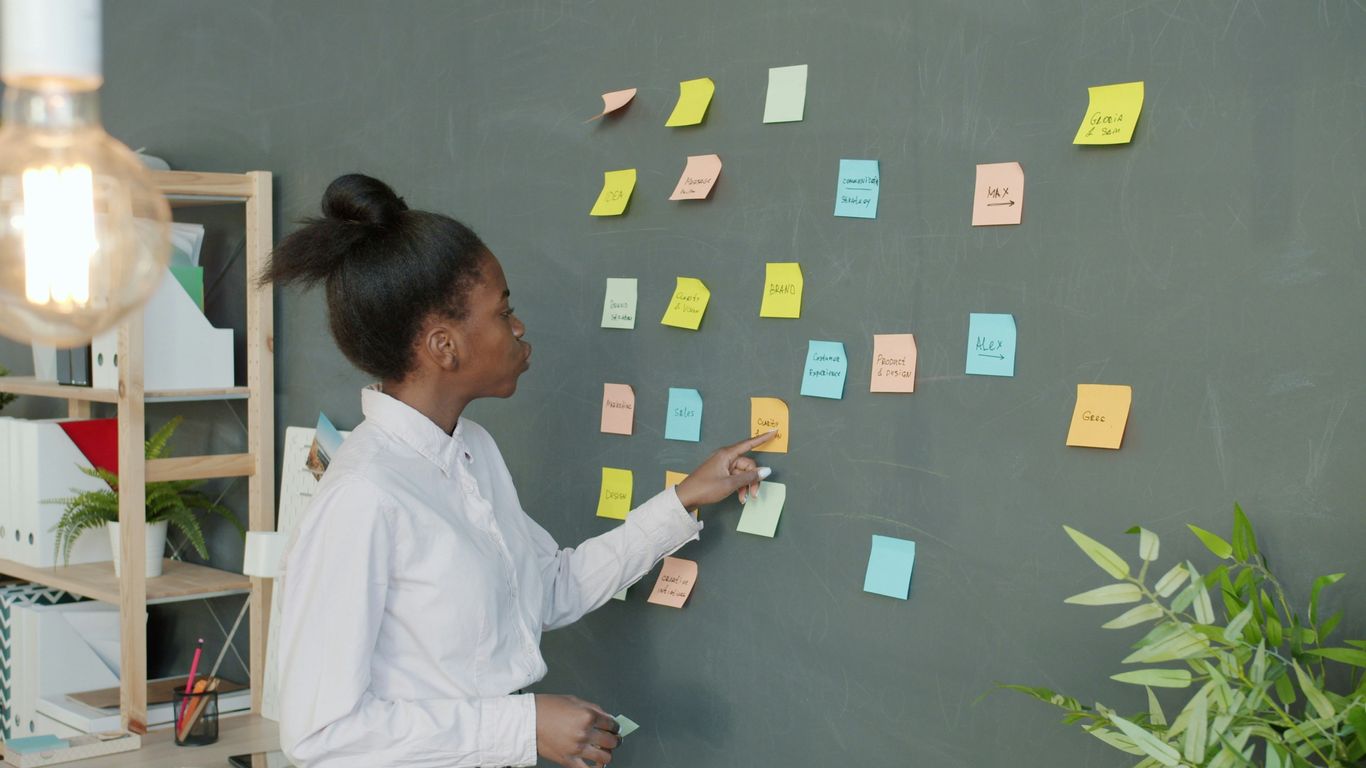
We all have those days where the to-do list feels like it’s growing faster than we can cross things off. It’s easy to fall into the trap of thinking we have to do it all ourselves, but that’s just not sustainable. Learning to ask for help and delegate tasks is a game-changer for managing our homesteads. It’s not a sign of weakness; it’s a smart strategy to keep things running smoothly and prevent burnout.
Sometimes, the biggest hurdle is just admitting we can’t do it all. Maybe you’re facing a huge project, like butchering chickens or a massive garden harvest, that feels overwhelming. Instead of stressing, think about who you can call on. Neighbors, friends, or even family might be willing to lend a hand, especially if you offer something in return, like a shared meal or a future favor. Building these relationships now means you have a support system when you really need it. Remember, community is a powerful tool, and rural living often thrives on this kind of mutual aid.
If your budget allows, consider outsourcing certain tasks. This doesn’t mean giving up control of your homestead; it means freeing up your time and energy for the things only you can do. Think about what takes up a lot of your time but isn’t your favorite part of homesteading. Maybe it’s bookkeeping, social media management for a small farm stand, or even regular lawn care. Hiring someone for a few hours a week or month can make a significant difference in your overall productivity and stress levels.
Everyone has different skills and talents. Take a look around your community and see what people are good at. Does your neighbor have an amazing knack for fixing small engines? Does your friend make the best sourdough? Instead of trying to learn every single skill yourself, see if you can trade services or collaborate. You might be great at preserving food, while someone else excels at carpentry. By recognizing and utilizing these community strengths, we can accomplish more together than we ever could alone. It’s about working smarter, not just harder.
So, there we have it. We know life gets crazy busy, especially when you’re juggling work and trying to keep a homestead running. It might feel like there’s never enough time, but hopefully, these ideas give you a good starting point. Remember, it’s not about doing everything perfectly or all at once. It’s about finding what works for us, making small changes, and not being afraid to ask for help or take a break. We can totally do this, one planned meal and one crossed-off to-do list item at a time.
We can streamline our homestead tasks by first figuring out what’s most important to do each day. Making a big list of everything we need to do and then breaking it down by season can also really help us stay on track and feel less overwhelmed.
We find that using a paper planner is super helpful. We can write down all our appointments and chores. Then, we try to block out specific times for different tasks throughout the day. This way, we know exactly what we should be working on and when.
Waking up just a little bit earlier, even 30 minutes, can make a big difference. It gives us quiet time before the rest of the household wakes up. We set a simple goal for the morning and try to avoid distractions like our phones until we’ve finished our task.
Meal planning is a game-changer! We plan our meals for the week ahead, using what we already have in our pantry and freezer. Ordering groceries online for pickup also saves us a lot of time and hassle.
We need to be mindful of distractions, especially from our phones and computers. It’s okay to take breaks, but we should try to unplug and focus on the task at hand. Using our evenings productively for certain chores can also help us get more done.
It’s important to be realistic about what we can achieve. We can’t do it all, and that’s perfectly fine. We should focus on our main priorities and not wait for the ‘perfect’ time to start things. Asking for help when we need it is also a sign of strength.
 February 20, 2026
How to Map Your Homestead for Animals, Garden, and Water
Homestead Planning
Homesteading
February 20, 2026
How to Map Your Homestead for Animals, Garden, and Water
Homestead Planning
Homesteading
Planning out your homestead is a big step, and knowing where to put everything can feel a bit daunting. We've been there, trying to figure out the best spots for our animals, garden, and water sources. It's all about making...
Read More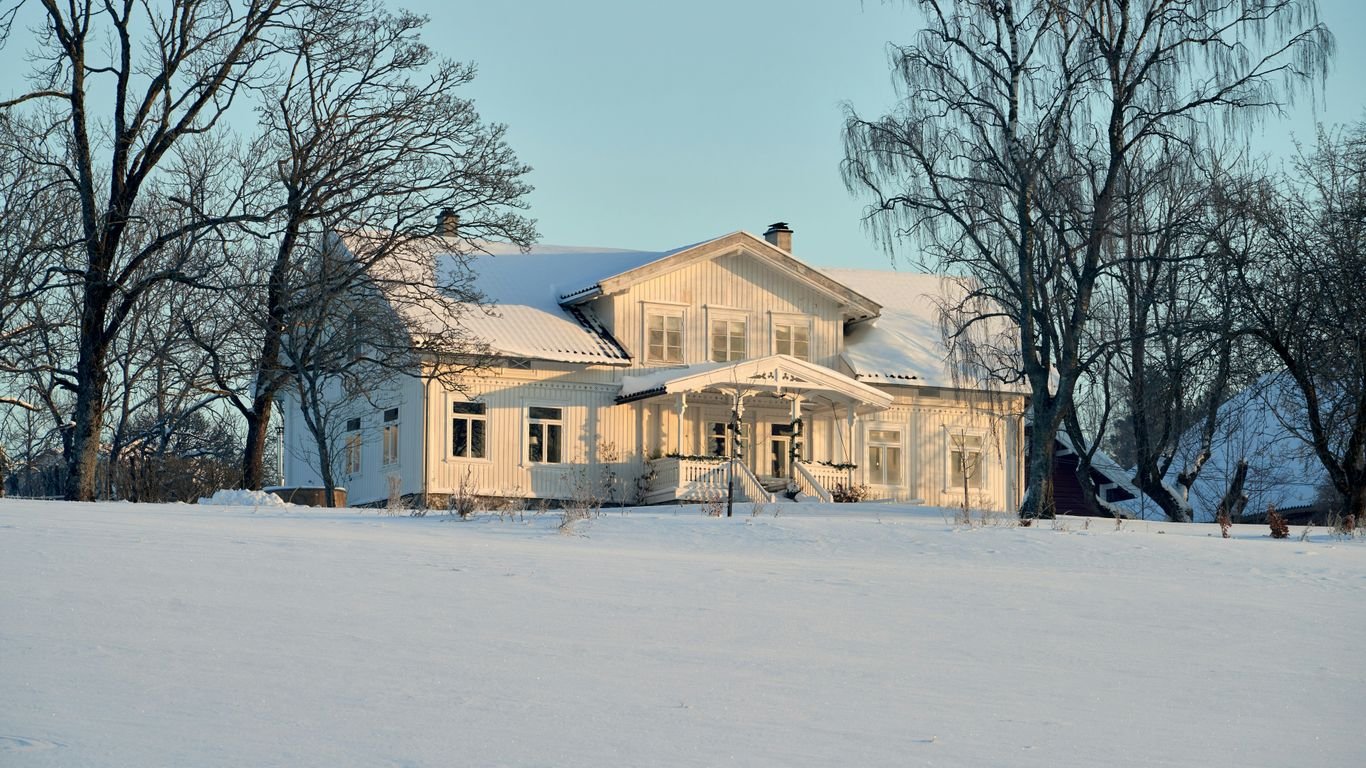 February 19, 2026
How to Winterize Your Homestead Water Supply
Homestead Planning
Homesteading
February 19, 2026
How to Winterize Your Homestead Water Supply
Homestead Planning
Homesteading
As the days get shorter and the air gets crisp, it's time to think about how we're going to winterize our homestead water systems. We've seen firsthand how quickly things can freeze up, leaving us scrambling. This year, we're getting...
Read More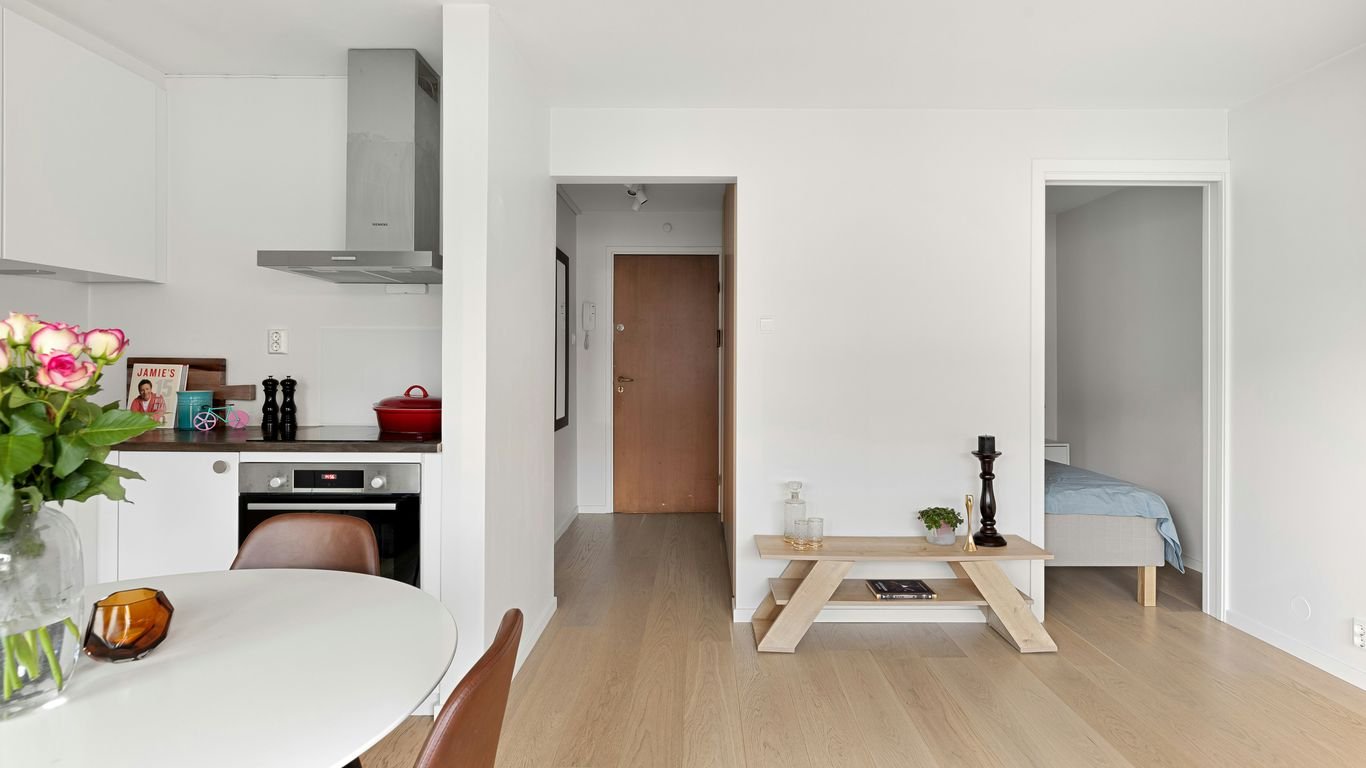 February 19, 2026
How to Start a Micro Homestead in an Apartment
Homesteading
Starting a Homestead
Sustainable Living
February 19, 2026
How to Start a Micro Homestead in an Apartment
Homesteading
Starting a Homestead
Sustainable Living
Starting an apartment micro homestead might sound impossible, but we’ve found it’s really about making the best of what we’ve got. We don’t need a backyard or a barn to grow food, cut waste, and learn to do more for...
Read More