



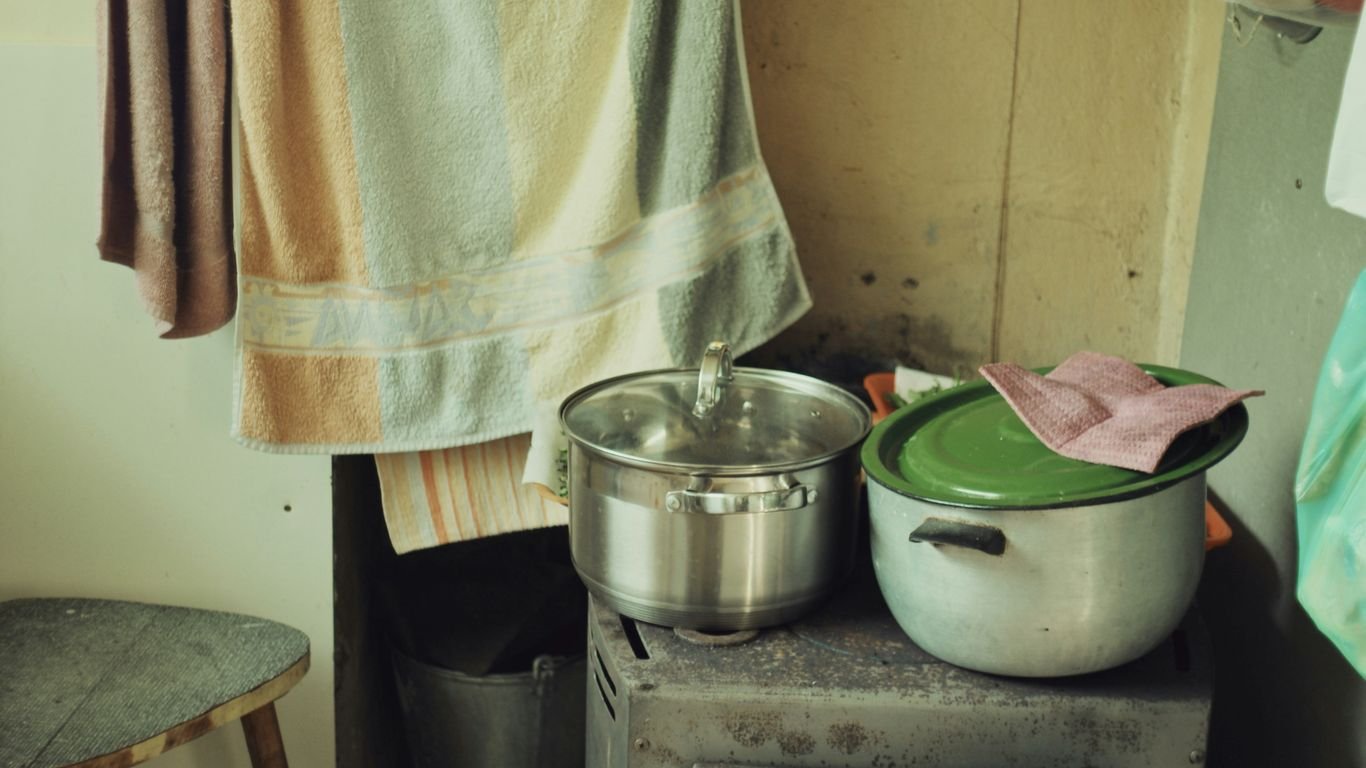
When the weather turns cold and the snow starts to fall, we find ourselves reaching for those jars we filled up earlier in the year. There’s something so comforting about opening a jar of something delicious that you made yourself. We love doing winter canning recipes because it means we have tasty food ready to go, no matter what the weather is doing outside. It’s a great way to use up produce or take advantage of sales, and honestly, the warmth from the canner is pretty nice when it’s chilly in the house.
When the weather outside is frightful, nothing warms us up quite like a steaming bowl of homemade soup. We love having jars of ready-to-go soup in our pantry, especially during those chilly winter months. It’s like a little bit of sunshine waiting on the shelf for a quick and easy meal.
Chicken soup is a timeless favorite for a reason. It’s comforting, packed with good-for-you ingredients, and incredibly versatile. We find that canning a basic chicken soup base allows us to customize it later with whatever we have on hand – maybe some extra veggies from the crisper drawer or a handful of noodles.
Don’t let the idea of canning French onion soup intimidate you! The deep, savory flavor of caramelized onions is absolutely worth the effort. Imagine opening a jar, ladling it into a bowl, topping it with crusty bread and gooey cheese, and broiling it to perfection. It’s a little bit of restaurant magic right in our own homes.
This mushroom soup base is a game-changer for quick weeknight meals. It’s the perfect foundation for a rich and creamy mushroom soup. Just add a splash of cream or milk when you heat it up, and you’ve got a luxurious soup ready in minutes. We love using it as a base for casseroles too!
This hearty soup, often called Zuppa Toscana, tastes like something you’d get at a fancy restaurant, but we can easily make it ourselves and preserve it. It’s packed with sausage, potatoes, and kale, making it a complete and satisfying meal in a jar. It’s one of our go-to recipes when we want something truly comforting and filling.
When winter hits, we’re always grateful for those jars of chili and beans waiting on the pantry shelves. There’s nothing like knowing that dinner’s ready to go—no soaking, no fuss. Let’s break down our go-to ways for pressure canning these cold-season staples for simple weeknight meals and make-ahead comfort food.
Canning homemade chili means we’re never caught off guard on those frigid nights when the idea of cooking just sounds like too much work. Pressure canning locks in all that rich, simmered flavor and gives us a meal that just needs to be heated up. Here’s how we do it:
A big batch now saves hours later, and hey, nothing beats homemade!
Dried beans are super cheap, but waiting for them to soak and cook every time? No thanks. We like to can beans in quart or pint jars for extra-fast protein all year round.
| Bean Type | Pint Jars | Quart Jars |
|---|---|---|
| Black Beans | 75 min | 90 min |
| Pinto Beans | 75 min | 90 min |
| Chickpeas | 75 min | 90 min |
If there’s one task in winter that pays off all year, it’s canning beans. You’ll reach for them again and again, trust us.
Having jars of beans on hand means a whole range of quick meals is within reach:
We like to season some batches for extra flavor while leaving others plain for flexibility. With a shelf full of these jars, weeknight meals pretty much make themselves, and we’re rarely tempted by store-bought cans anymore.
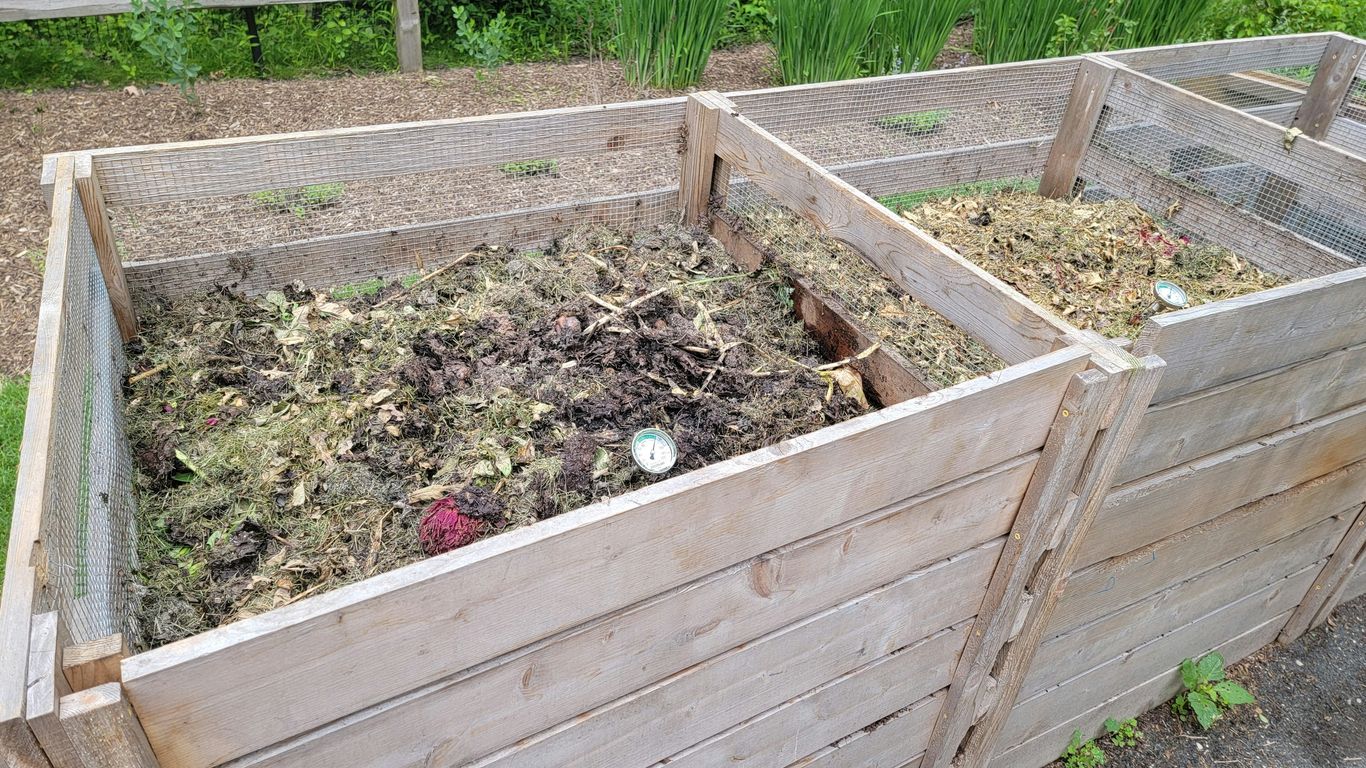
When winter really sets in, we find ourselves reaching for the most comforting foods. That’s where canning root vegetables and hearty greens comes in handy. It’s a fantastic way to keep those nutritious, filling ingredients on hand all season long. We love having jars of these ready to go for quick side dishes or to bulk up soups and stews.
Carrots are such a versatile vegetable, and canning them is pretty straightforward. They hold up well to pressure canning, which is the safe method for low-acid vegetables like carrots. We often can plain carrots, but they’re also great when canned with other mixed vegetables. They add a lovely sweetness and color to dishes. It’s amazing how a simple jar of home-canned carrots can transform a weeknight meal. You can serve them as a simple side, or toss them into your favorite chicken soup or pot roast recipes. If you’re looking for a specific recipe, Ball canning has a good one for home-canned carrot soup.
Beets are one of those vegetables that really shine when pickled. Their natural sweetness pairs wonderfully with the tang of vinegar and warm spices. We like to make a big batch of sweet and sour pickled beets to enjoy throughout the winter. They’re perfect on a charcuterie board or as a zesty side dish. The process is pretty simple, and you can water bath can them safely because of the vinegar.
Here’s a basic idea of what goes into a batch:
Potatoes are a pantry staple for a reason, and canning them means you’ll always have a hearty base for meals. While you can store them in a cool, dark place for a while, canning gives them a much longer shelf life. We usually pressure can potatoes, as they are a low-acid food. They’re perfect for adding to soups, stews, or even mashing up later. It’s a bit more work than just storing them, but having them ready to go makes it totally worth it. You can find tested recipes for pressure canning vegetables to ensure they are safe and delicious.
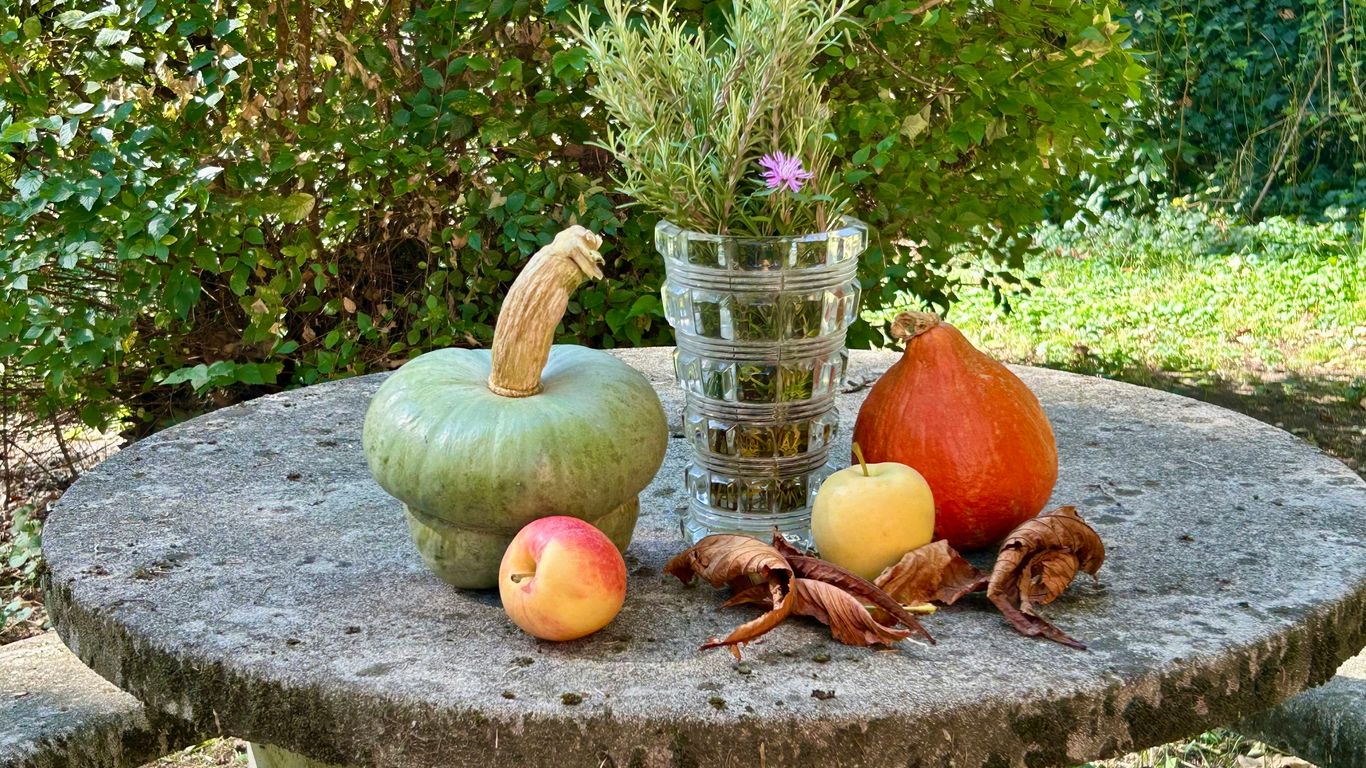
When the weather outside is frightful, nothing beats a taste of sunshine from your pantry. We love preserving fruits because it’s like bottling up summer to enjoy later. Whether you’re craving a sweet spread for your morning toast or a vibrant addition to a dessert, canning fruits is a fantastic way to keep those flavors alive.
Tomatoes might seem like a vegetable, but botanically, they’re a fruit! Canning them is super versatile. We use them for everything from quick pasta sauces to hearty stews. The key to safe tomato canning is ensuring they remain acidic enough. This usually means adding a bit of lemon juice or citric acid, especially if you’re making salsa. We’ve found that water bath canning is perfect for most tomato preparations, like making a big batch of tomato sauce for the winter.
Berries are a canning favorite for a reason. Their natural sweetness and vibrant colors make for beautiful jars. We especially love making low-sugar jams and jellies so the true flavor of the fruit shines through. Think about a simple strawberry jam or a tangy raspberry jelly. It’s amazing how a few jars of these can brighten up a gloomy day.
Apples and pears are the quintessential fall fruits, and canning them means we can enjoy their comforting flavors all year long. We often can them as slices in syrup, but our absolute favorite is making apple pie filling. It’s a lifesaver for quick desserts on busy nights. Just imagine opening a jar of perfectly spiced apple slices to top ice cream!
Canning fruits like apples and pears is a wonderful way to capture the essence of autumn. It allows us to have ready-to-use ingredients for pies, crumbles, or simply as a sweet side dish whenever the craving strikes.
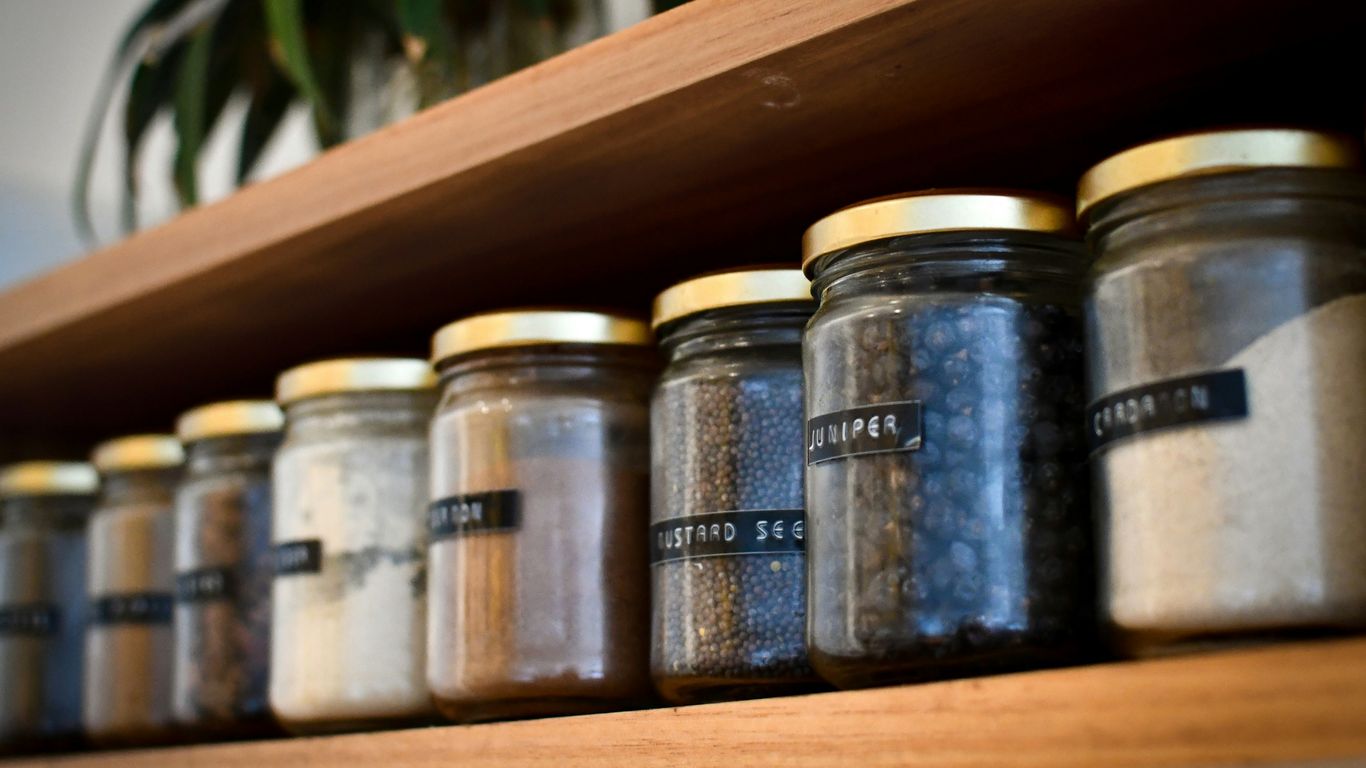
When the weather outside is frightful, having a well-stocked pantry with savory broths and meats makes cooking so much easier. We love using our canned goods to whip up quick meals, especially after a long day. It’s incredibly satisfying to pull a jar of homemade goodness off the shelf.
Don’t toss those bones after your next roast chicken or holiday turkey! They’re the perfect base for a rich, flavorful stock. Making your own stock is a fantastic way to use up kitchen scraps and save money. We usually save up carcasses in the freezer until we have enough for a big batch. It’s a simple process, and the resulting stock is so much better than anything store-bought. You can use it interchangeably for chicken or turkey in any recipe.
Got leftover holiday turkey or a whole chicken you cooked up? Instead of letting it linger in the fridge, consider canning the cooked meat. This is a lifesaver for busy weeknights. Imagine pulling out a jar of ready-to-use chicken for tacos, salads, or casseroles. It’s a great way to preserve that cooked meat and free up freezer space, too.
For those who hunt, canning venison is a smart way to store your harvest. After the fall hunting season, we often find ourselves with plenty of venison. Canning it means we can enjoy lean, delicious venison throughout the winter months without relying on the freezer. It’s perfect for stews, chili, or even just served as a simple main dish.
Canning meats and stocks requires a pressure canner. Because these items are low-acid, a water bath canner won’t reach the temperatures needed for safe preservation. Always follow tested recipes and guidelines for processing times and methods to ensure safety.
When it comes to waking up our winter table, nothing compares to the sharp crunch of something pickled. During these cold months, we find ourselves reaching for those jars of pickled veggies for a quick snack, a spark of flavor with dinner, or even just to remind us summer will return eventually. There’s something a little magical about pulling a brightly colored, vinegary treat from the pantry when the world outside is still gray and quiet. Let’s get into some of our favorite pickled recipes for the season.
Dilly beans are snappy, garlicky, and honestly a must-have. We love having these around because:
Simple Dilly Bean Ingredients:
| Ingredient | Amount |
|---|---|
| Green beans | 2 lbs |
| White vinegar | 2 1/2 cups |
| Water | 2 1/2 cups |
| Pickling salt | 1/4 cup |
| Garlic cloves | 4-6, whole |
| Fresh dill | 4 heads |
| Red pepper flake | 1 tsp (opt.) |
We know beets aren’t for everyone, but pickled with spices, they become irresistible. The sweetness of the beets plays well with a hit of cloves and cinnamon. Here’s why we always set aside a few jars:
We swear, the hardest part of making pickled beets is not eating half of them straight from the jar right after they cool. They’re that addictive.
If you’ve never tried pickled asparagus, you’re in for a treat. These are crisp, a little tangy, and great for adding to Bloody Marys or even just snacking. We’ll pickle them as soon as the first stalks show up in spring, but any time you find asparagus at a good price is fair game.
Why pickled asparagus?
Our best tip: Use wide-mouth jars and trim your spears to fit. The jar doesn’t care if they’re all exactly the same height, and neither do we.
Ready for a tangy winter pantry? Try your hand at one or all of these — and if you catch us sneaking a few bites right from the fridge door, well, that’s just part of the fun.
So there we have it! We’ve gone through some great ways to keep our pantries stocked with delicious, homemade goodness, even when the weather outside is frightful. It feels good knowing we can pull out a jar of soup or some canned veggies when we need them, right? Don’t let that canning equipment gather dust just because it’s cold out. There’s always something we can preserve, from those last bits of fall fruit to hearty winter vegetables. Let’s keep those jars full and enjoy the fruits (and veggies!) of our labor all winter long.
Pressure canning is used for foods that are low in acid, like most vegetables, meats, and soups. It uses high pressure and heat to make sure everything is safe to eat. Water bath canning is for high-acid foods like fruits, jams, jellies, and pickles. It just needs boiling water to seal the jars.
No, we shouldn’t can soups with cream, milk, flour, or noodles. These ingredients can make it hard for heat to reach the center of the jar, which isn’t safe. It’s best to add any dairy, thickeners, or noodles when we open the jar and heat the soup to eat.
If we store them in a cool, dark place, home-canned foods can last about a year or even longer. For the best taste and safety, we try to use them within a year. Always check the seal and look for any signs of spoilage before eating.
Yes, frozen fruits and veggies work great for canning in winter. We just need to thaw them first and follow the regular canning steps. This is a good way to use up produce we saved from summer or fall.
We can, but we need to be careful. It’s important to follow safe canning guidelines and not make soups too thick. We should use tested recipes as a base and avoid adding dairy, flour, or too much fat. If in doubt, we look for recipes from trusted sources.
Carrots, potatoes, beets, and greens like kale are all great for winter canning. We can also make broths, stocks, and even can meats if we have leftovers from holiday meals. Pickled veggies like beets and dilly beans add variety to our pantry, too.
 March 4, 2026
How to Start a Seed Bank at Home
Gardening
Homesteading
Starting a Homestead
Sustainable Living
March 4, 2026
How to Start a Seed Bank at Home
Gardening
Homesteading
Starting a Homestead
Sustainable Living
Starting a seed bank at home might sound like something only hardcore gardeners do, but honestly, it’s a lot simpler than it seems. We realized that saving seeds from our favorite plants not only saves money, but it helps us...
Read More March 4, 2026
How to Grow Enough Food While Working Full Time
Gardening
Homestead Planning
Homesteading
Sustainable Living
March 4, 2026
How to Grow Enough Food While Working Full Time
Gardening
Homestead Planning
Homesteading
Sustainable Living
Trying to grow enough food while working full time can feel like a tall order. Most of us don’t have hours to spend in the garden every day, and space is usually tight. But with some simple planning and a...
Read MoreLiving on a homestead offers a unique way of life, and it can also be a fantastic way to save money. We've found that by embracing self-sufficiency, we can significantly cut down our monthly expenses. If you're looking for ways...
Read More