


We’ve been thinking a lot lately about how much stuff we throw away. It feels like there’s always something going into the trash, and honestly, it’s a bit overwhelming. That’s why we’re looking into ways to embrace a zero waste homestead lifestyle. It’s not about being perfect, but about making small, smart changes that add up. We want to share some simple ideas we’ve found that can help cut down on household waste, making our homes and our planet a little bit healthier.
One of the most impactful things we’ve done for zero-waste homesteading is starting a compost pile. It feels good to turn our kitchen scraps and yard waste into something useful instead of just tossing it all in the trash. Composting significantly reduces the amount of waste that ends up in landfills. It’s not as complicated as it might seem, and there are several ways to do it depending on your space and needs.
We started with a simple heap in a corner of our yard, but eventually built a more contained bin using old pallets. If you have a smaller space, even a simple bin made from a five-gallon bucket can work. The key is to balance your "greens" (like fruit and vegetable scraps, coffee grounds) with your "browns" (like dry leaves, shredded paper, cardboard). This mix provides the right environment for decomposition.
Here’s a basic idea of what goes in:
We found that regularly turning the pile helps speed things up. It’s amazing how quickly food scraps disappear and transform into nutrient-rich soil amendment for our garden. If you’re looking for a straightforward way to begin, check out this guide on how to start composting.
Turning organic waste into compost is a fantastic way to close the loop on our household consumption. It not only diverts waste but also creates a valuable resource for our gardens, reducing the need for store-bought fertilizers. It’s a win-win for our homestead and the environment.
We’ve all seen those big storms roll through, right? And then, suddenly, our gutters are overflowing and the yard looks like a small lake. Instead of letting all that water just run off and potentially cause erosion or just go down the drain, we can catch it. That’s where rain barrels come in. They’re basically big containers that sit under your downspouts to collect rainwater.
Using collected rainwater is a fantastic way to cut down on your reliance on municipal water, especially for outdoor tasks. Think about it: watering the garden, washing the car, or even topping up the bird bath. All these things use water, and using rainwater for them means less demand on our treated water supply. Plus, it can save us a bit on the water bill, which is always a nice bonus.
Here’s a quick rundown of why we love them:
Setting one up is usually pretty straightforward. You just need to make sure it’s legal in your area – some places have rules about collecting rainwater. We found that placing it on a few cinder blocks gives it a little extra height, making it easier to get a watering can underneath or even hook up a small pump later on if we wanted to get fancy. It’s a small step, but it feels good knowing we’re making the most of what nature gives us.
We’ve all got them, right? Those jars that seem to multiply in our cupboards. Instead of letting them gather dust or tossing them out, we’ve found they’re absolute workhorses for a zero-waste lifestyle. Mason jars are incredibly versatile for storing, preserving, and even making things from scratch.
Think about it: we use them for everything from storing bulk dry goods like flour and oats to keeping our homemade yogurt fresh. They’re perfect for packing lunches, holding leftovers, or even whipping up a quick salad dressing. We’ve even gotten into making our own spice mixes and storing them in smaller mason jars. It cuts down on so much packaging waste from store-bought versions.
Here are a few ways we love using them:
We’ve found that by actively looking for ways to reuse these simple glass containers, we’ve significantly reduced the amount of plastic and single-use packaging that comes into our home. It’s a small change that makes a big difference over time.
Switching out our old light bulbs for LEDs might seem like a small thing, but it makes a surprisingly big difference in our zero-waste journey. Those old incandescent bulbs burn out way too fast and use a ton of energy. LEDs, on the other hand, last for ages and sip electricity.
Think about it: fewer bulb replacements mean less waste heading to the landfill. Plus, using less energy means less demand on power plants, which is good for everyone. We found that making the switch across our whole house didn’t just cut down on trash; it also noticeably lowered our electricity bill. It’s one of those simple changes that pays off in more ways than one.
Here’s a quick look at why we love LEDs:
We noticed that even in areas where we need lighting for specific tasks, like our farm lighting needs, LEDs are a practical choice. They conserve power and provide reliable light without draining our resources.
It’s a straightforward swap that aligns perfectly with a more sustainable lifestyle. We’ve gradually replaced every bulb in our home, and honestly, we don’t even think about it anymore. It’s just how we light our space now.
We’ve all seen it – the sheer amount of plastic packaging that comes with everyday items. It’s a bit overwhelming, isn’t it? One of the simplest ways we’ve found to cut down on this is by switching to reusable containers. Think about it: instead of buying pre-packaged snacks or bulk goods that come in plastic bags, we can bring our own containers. This not only cuts down on waste but often saves us money too, especially when buying in bulk.
We started by replacing disposable plastic bags and wraps with sturdy glass jars and metal tins. Mason jars have become our go-to for everything from storing leftovers and pantry staples to packing lunches. They’re fantastic because they’re durable, easy to clean, and you can see exactly what’s inside. For dry goods like grains, nuts, and pasta, we use a variety of sizes of glass jars. This makes our pantry look organized and helps us keep track of what we have. It’s also a great way to avoid those flimsy plastic bags that stores often use for single items.
Here are a few ways we use reusable containers:
Making this switch might seem small, but when you add it up, it makes a big difference. It’s about being more mindful of what we bring into our homes and what we send out. Plus, it just feels good to know we’re not contributing to the endless stream of plastic waste. For more ideas on reducing plastic in your kitchen, check out this guide on simple plastic alternatives.
We found that by consciously choosing reusable options, we significantly reduced the amount of packaging waste entering our home. It’s a habit that takes a little getting used to, but the benefits for our planet and our wallets are undeniable.
We’ve all been there – standing at the checkout, realizing we forgot our reusable bags. It’s a common slip-up, but one that adds up quickly to a mountain of plastic. For us, making the switch to reusable grocery bags was one of the first big steps we took towards reducing our household waste. It might seem small, but think about how many times a week you go to the store. Multiply that by the number of plastic bags you might use, and it’s pretty staggering.
We found the easiest way to remember them is to keep a few sturdy cloth bags right in the car. That way, even if we make an unplanned stop, we’re covered. For smaller trips, sometimes a nice woven basket works even better. You can just place items directly into it as you shop, and then unload them onto the counter at checkout. The cashier just puts them back in as they scan. It’s surprisingly efficient and often gets compliments!
Here are a few tips to make the switch easier:
Making conscious choices about our shopping habits, like bringing our own bags, significantly cuts down on the amount of disposable material entering our homes. It’s a simple change that has a big impact over time.
It’s not just about bags, though. We also try to be mindful of product packaging when we’re shopping. If we can find something with less plastic or paper, we go for that. Sometimes, we even rethink a purchase altogether if the packaging seems excessive. It’s all part of a bigger effort to be more mindful consumers and reduce our impact. You can find some great reusable options for all sorts of shopping needs, from groceries to everyday errands, helping you on your zero-waste travel kit journey.
We all know plastic is a huge problem, right? It piles up in landfills and oceans, and honestly, it’s just not great for the planet. One of the easiest swaps we can make is ditching those single-use plastic water bottles. Seriously, think about how many of those we go through! Instead, we’ve started carrying our own reusable water bottles everywhere we go. It’s a simple change, but it makes a big difference over time. We keep a few different kinds around – some for hot days when we need something cold, and others for when we’re out and about and just need a quick sip. It saves us money too, since we’re not constantly buying bottled water. Plus, there are so many cool designs out there now, you can find one that really fits your style. It’s a small step, but it’s one of the most effective ways we’ve found to cut down on plastic waste. We even found some great options for repurposing old plastic bottles into planters or bird feeders, giving them a second life instead of just tossing them creative ways to repurpose.
Here are a few reasons why making the switch is so worthwhile:
Making the switch to reusable water bottles is a no-brainer for anyone looking to reduce their household waste. It’s a habit that’s easy to adopt and has a significant positive impact on the environment.
We’ve all seen them – those plastic toilet brushes that eventually need replacing. It feels like a small thing, but when you add up all the plastic items we toss, it really starts to pile up. That’s why we’ve made the switch to wooden toilet brushes.
They’re a simple swap that makes a big difference in reducing plastic waste. We found ours online, but you can often find them at zero-waste stores or even some larger home goods retailers now. The handle is usually made of wood, and the bristles are often natural fibers like tampico or boar hair. When the brush head eventually wears out, you can usually just replace the head, not the whole thing. This means less waste going into the landfill.
Here’s why we love them:
It might seem like a small detail, but every little bit helps us move towards a more sustainable home. Plus, it’s a satisfying feeling knowing we’re not adding more plastic to the world.
When we first started looking into wooden toilet brushes, we were a bit unsure about how well they’d clean compared to plastic. But we were pleasantly surprised! They work just as effectively, and the natural bristles seem to get into all the nooks and crannies. It’s a win-win for cleanliness and the planet.
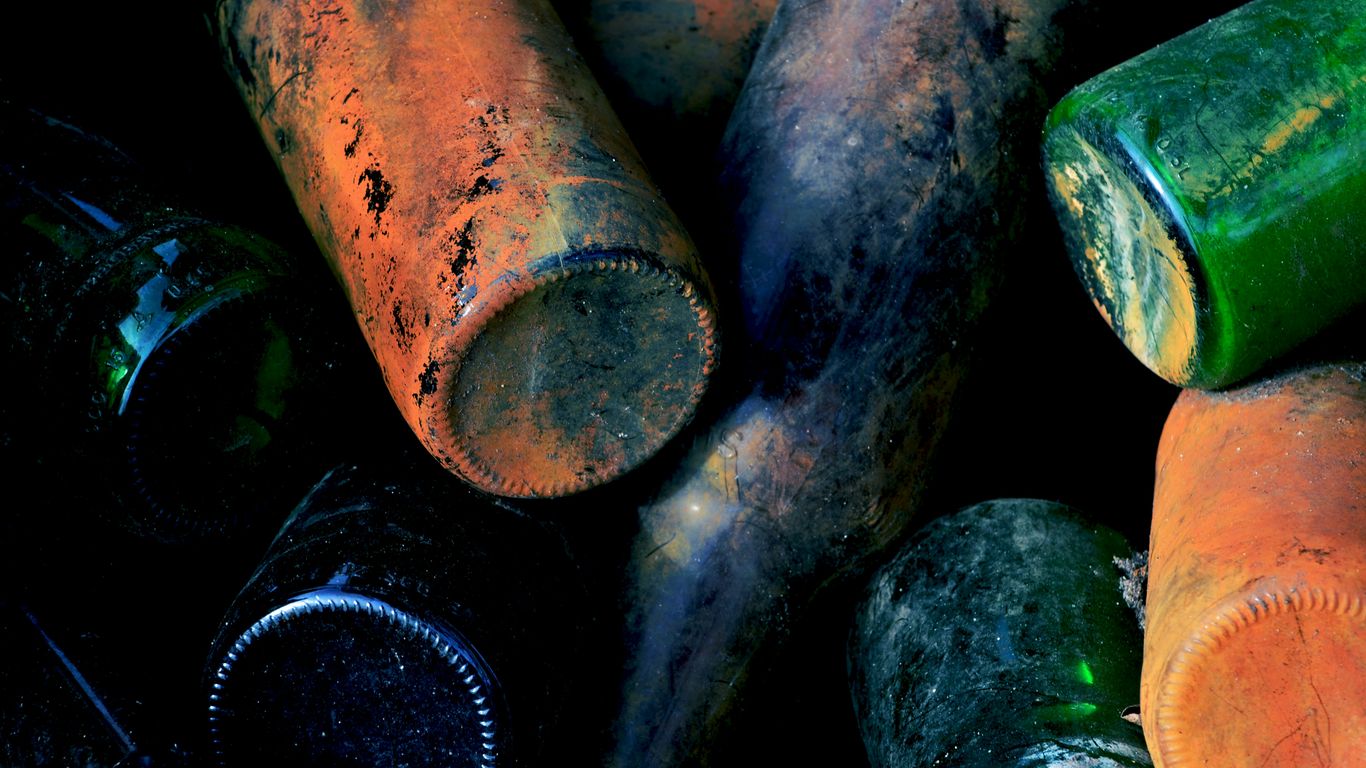
We’ve all seen them – those beautiful glass bottles that once held fancy olive oil, wine, or even just sparkling water. Instead of tossing them in the recycling bin (or worse, the trash!), we can give them a whole new life around our homestead. Think about it: these sturdy containers are perfect for so many things.
We love using glass bottles for storing homemade sauces, infused oils, and even our own homemade cleaning solutions. It feels so much better knowing exactly what’s inside and that we’re not adding more plastic to the pile. Plus, they just look nicer on the shelf, don’t they?
Here are a few ways we’ve found glass bottles super useful:
Repurposing glass bottles is a fantastic way to cut down on waste. It takes a little bit of effort to clean them thoroughly, but the payoff in reduced trash and the satisfaction of reusing something is totally worth it. We’ve found that a good soak and a scrub with a bottle brush usually does the trick.
Don’t forget about those smaller glass jars too, like jam jars or baby food jars. They’re perfect for organizing small items in the workshop or craft room, or for portioning out homemade spice blends. It’s all about seeing the potential in what we already have.
We’ve all seen those fluffy feather dusters, right? They look a bit old-fashioned, but honestly, they work surprisingly well for quick dusting. Instead of buying disposable dusters that just create more waste, we decided to invest in a good quality feather duster. It’s a simple swap that makes a big difference.
We use ours for all sorts of surfaces – shelves, blinds, even electronics. The natural feathers are great at trapping dust without just pushing it around. Plus, when it gets dirty, we just give it a good shake outside. It’s a tool that lasts for ages if you take care of it. It really makes us think about how many single-use cleaning products we’ve just accepted as normal over the years. Finding effective alternatives to things like Swiffer pads is a big part of our zero-waste journey dust-free home.
Here’s why we love our feather duster:
We found that keeping up with dusting became much less of a chore once we had a tool that was both effective and eco-friendly. It’s one of those small changes that adds up.
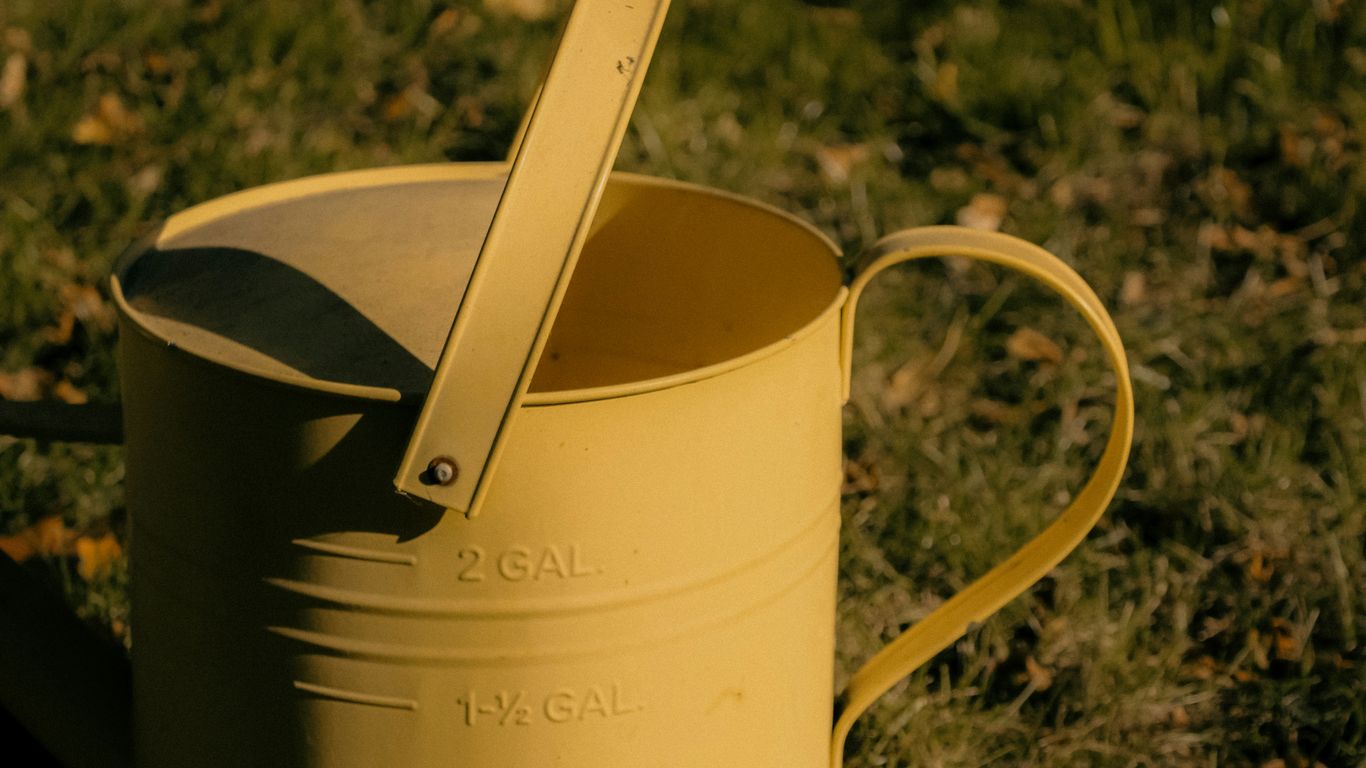
We’ve found that five-gallon buckets are absolute workhorses around our homestead. They’re incredibly versatile and can replace so many single-use items. Think about it: instead of buying specialized containers for various tasks, a sturdy bucket can do the job. We use them for everything from storing bulk dry goods like flour and grains to carrying water from our well. They’re also fantastic for harvesting garden produce, mixing soil amendments, or even as a temporary seat when you need a break.
When we buy items in bulk, like rice or beans, we often transfer them into food-grade five-gallon buckets for long-term storage. This keeps them fresh and protected from pests, and it means we’re not dealing with a bunch of smaller plastic bags. We just make sure to get food-grade buckets to avoid any unwanted chemicals leaching into our food.
Here are a few ways we rely on these buckets:
We’ve learned that investing in a few good quality five-gallon buckets has saved us money and reduced a surprising amount of packaging waste over time. They’re durable, reusable, and can be found affordably, especially if you look for used ones from food-safe sources.

When we started thinking about reducing waste in our kitchen, canning came up pretty quickly. It’s a fantastic way to preserve food, especially from the garden, and cut down on what might otherwise spoil. For years, the standard practice involved those single-use metal lids. You’d use them once, and then they’d head to the recycling bin, or worse, the trash.
But then we discovered reusable canning lids. These are a game-changer for zero-waste canning. Instead of disposable metal, you get lids made from durable materials like silicone or specialized plastics that are designed to be used over and over again. This significantly cuts down on the waste associated with preserving our food.
Here’s why we’ve made the switch:
It took a little getting used to the process, as they often work a bit differently than the traditional metal lids. Usually, you’ll use a separate band that stays on the jar, and the reusable lid is what creates the seal. We found that following the manufacturer’s instructions carefully was key to getting a good seal every time.
Making the switch to reusable canning lids is a simple yet impactful step for anyone serious about reducing waste in their kitchen. It aligns perfectly with the principles of homesteading and self-sufficiency, allowing us to preserve our bounty without the constant stream of disposable materials.
So, there we have it! Twelve simple ways we can all start cutting down on waste around our homes. It might seem like a lot at first, but remember, we don’t have to do everything all at once. Pick one or two things that feel doable for you right now. Maybe it’s finally starting that compost bin or swapping out plastic bags for reusable ones. Every little bit truly makes a difference, and when we all make these small changes together, we can really start to see a positive impact on our planet. Let’s keep learning and keep trying!
Composting is a fantastic way to keep food scraps and yard waste out of landfills. It turns that waste into rich soil for our gardens, which is a win-win! Plus, it helps reduce the amount of harmful gases released into the air.
Rain barrels collect rainwater that would otherwise just run off. We can then use this collected water for our plants or animals instead of using our regular water supply. This saves water and the energy needed to pump or treat it.
Mason jars are super handy for storing all sorts of things, from pantry staples to leftovers. Because they’re made of glass, we can wash and reuse them over and over, cutting down on plastic waste and saving money in the long run.
LED bulbs use way less electricity than old-fashioned bulbs, which means less energy is needed from power plants. They also last much, much longer, so we’re not throwing away burnt-out bulbs as often. It’s a simple change that saves energy and reduces waste.
We can swap out plastic food containers, snack bags, and even grocery bags for reusable ones. Think glass containers, cloth bags, and metal water bottles. It might seem small, but it makes a big difference in reducing the amount of plastic we toss.
Yes, they are! While traditional canning lids are single-use, reusable canning lids can be used many times. This saves us money and significantly cuts down on the metal waste that comes from preserving food.
Living on a homestead offers a unique way of life, and it can also be a fantastic way to save money. We've found that by embracing self-sufficiency, we can significantly cut down our monthly expenses. If you're looking for ways...
Read More March 2, 2026
The Ultimate Pantry Staples List for Homesteaders
Homestead Kitchen
Homesteading
Starting a Homestead
March 2, 2026
The Ultimate Pantry Staples List for Homesteaders
Homestead Kitchen
Homesteading
Starting a Homestead
Getting our homestead pantry staples in order feels like a big job, but it doesn't have to be. We've learned that a well-stocked pantry is more about having the right basics on hand than filling every shelf. It’s about building...
Read More March 2, 2026
How to Make Money With Herbal Products
Homesteading
Sustainable Living
March 2, 2026
How to Make Money With Herbal Products
Homesteading
Sustainable Living
We've all got a passion for herbs, right? Maybe you love making soothing teas, or perhaps you're great at whipping up natural skincare. Whatever it is, you've probably wondered if you could turn that hobby into something more, maybe even...
Read More