



We’ve all seen those fancy bottles of artisanal vinegar at the store and thought, ‘I could probably do that.’ Well, guess what? You probably can! Making your own vinegar at home is a surprisingly simple process that can save you money and give you a unique flavor boost for your cooking. We’re going to walk you through everything you need to know, from the basic science to getting your first batch bubbling. Get ready to explore the wonderful world of homemade vinegar!
So, you want to make your own vinegar? Awesome! It’s not as complicated as it might sound. At its heart, vinegar making is all about fermentation, a natural process that’s been used for centuries. We’re basically taking something sweet and letting tiny organisms do their magic.
Fermentation for vinegar happens in two main stages. First, yeast gets involved. If you’re starting with something like fruit juice or even wine, yeast converts the sugars into alcohol. This is the same process that happens when making beer or wine. Think of it as the first step in the transformation. After the alcohol is made, a different set of microbes, called acetic acid bacteria (AAB), comes into play. These little guys need oxygen to work. They take the alcohol and convert it into acetic acid – which is the main component of vinegar. It’s this second stage that truly turns alcohol into vinegar.
To get started, you don’t need much. The most important things are:
The container you use is pretty important. You want something that allows air to get in but keeps out dust and bugs. Glass jars are a popular choice because they’re easy to clean and you can see what’s happening. We usually use wide-mouthed jars, like a large jar for making vinegar. You’ll want to cover the opening with something breathable, like cheesecloth or a coffee filter, secured with a rubber band. This lets the air in for the bacteria but keeps unwanted things out. Avoid using metal containers, especially reactive ones, as they can interact with the acid.
Alright, let’s get down to business and actually start making some vinegar! It might seem a bit daunting at first, but we’re going to break it down into simple steps. Think of it like baking a cake, but instead of sugar and flour, we’re working with alcohol and some helpful bacteria.
The first thing we need is something alcoholic to convert into vinegar. This is where we choose our starting point. For your very first batch, keeping it simple is key. A good starting point is often a store-bought wine or even a hard cider. The alcohol content is important here; ideally, we want something between 5-7% ABV. If your chosen base is too strong, like a wine over 10% ABV, you’ll need to dilute it with a bit of water. This range is perfect for the acetic acid bacteria that do all the magic work. We’re not looking for anything too fancy at this stage; just a clean, straightforward alcoholic liquid will do. You can find more details on selecting your base over at making homemade vinegar.
Now, we need to introduce those friendly bacteria to our alcoholic base. This is called the starter culture, or sometimes ‘mother of vinegar’. You can buy a starter online, or if you’re feeling adventurous, you can use a bit of unpasteurized, ‘live’ vinegar from the store. Just make sure it says it contains ‘the mother’. We’re essentially giving our new vinegar batch a head start. A common method is to mix your starter with a little bit of your base liquid in a clean jar and let it sit for a few days to get active before combining it with the rest of your batch. This helps to build up a healthy population of bacteria.
Once you’ve got your base liquid ready and your starter culture is prepped, it’s time for the main event: the first fermentation. We’ll combine the two in a clean vessel. Remember, these bacteria need air to do their job, so we can’t seal the container tightly. A piece of cheesecloth secured with a rubber band is perfect for this. It keeps the bugs out while letting the air in. We’ll place this in a warm, dark spot. Over the next few weeks, the magic happens. The alcohol starts to convert into acetic acid, which is what gives vinegar its tangy flavor. It’s a slow process, so patience is your best friend here. We’re looking for that distinct vinegary smell and taste to develop.
It’s important to keep things clean throughout this process. Sterilizing your equipment, like jars and spoons, helps prevent unwanted bacteria from taking over and potentially ruining your batch. A little bit of care upfront goes a long way in ensuring a successful and tasty final product.
Now that we’ve got our vinegar project underway, it’s time to talk about what happens next. This is where the magic really starts to happen, and we get to watch our liquid transform. We need to understand the tiny workers making this all possible: the acetic acid bacteria. These little guys are the stars of the show, converting alcohol into the tangy goodness we call vinegar.
These bacteria, often abbreviated as AAB, are naturally present in the air. When they get a good supply of oxygen and alcohol (from our base liquid), they get to work. They essentially ‘breathe’ the alcohol and oxygen, producing acetic acid as a byproduct. It’s a pretty neat biological process, and the more oxygen they have, the faster they can do their job. Think of it like this: more air means a happier, more productive bacteria colony.
We all want our vinegar to be ready sooner rather than later, right? Here are a few things we can do to speed things up:
Sometimes, things don’t go exactly as planned. Don’t worry, it happens to the best of us!
We’ve learned that patience is key. Vinegar making is a natural process, and sometimes it just takes its own sweet time. Don’t be tempted to rush it or mess with it too much. Let the bacteria do their work, and you’ll be rewarded with delicious homemade vinegar.
It’s all about creating the right environment for those acetic acid bacteria to thrive. With a little attention and the right conditions, we’ll be well on our way to a fantastic batch of vinegar.
So, you’ve nurtured your vinegar, and it’s smelling and tasting just right. That’s awesome! Now comes the exciting part: harvesting and storing your liquid gold. It’s not super complicated, but there are a few things to keep in mind to make sure your homemade vinegar stays delicious and lasts a good long while.
How do you know when it’s time to bottle? Well, it’s mostly about taste and smell. Your vinegar should have a pleasant, tangy aroma and a sharp, acidic flavor without any off-putting smells. If it still tastes too mild or has a boozy scent, it needs more time to ferment. We usually wait until the fermentation process has completely stopped, meaning you won’t see any more bubbles forming. A good rule of thumb is to taste it every few days after the initial fermentation period. The moment it hits that perfect balance of tartness and complexity is when you know it’s ready.
Once your vinegar is ready, it’s time to get it into bottles. We like to use clean glass bottles or jars for this. Make sure they’re sterilized to prevent any unwanted bacteria from spoiling your hard work. You can use a funnel to carefully pour the vinegar into your chosen containers. If you’re using bottles with metal lids, it’s a good idea to put a piece of plastic wrap between the lid and the bottle to avoid any weird reactions. We’ve found that using bottles with corks or plastic caps works really well for long-term storage.
Storing your homemade vinegar correctly is key to keeping it fresh. We always store our bottles in a cool, dark place, like a pantry or a cupboard. Keeping it out of direct sunlight helps preserve its flavor and quality. If you’ve made a particularly large batch, you might consider refrigerating some of it, though it’s not strictly necessary if stored properly. Properly stored vinegar can last for a really long time, often for years! Just remember to give it a sniff and a taste every now and then to make sure it’s still tasting great. For more tips on storing different types of homemade condiments, check out this guide to storing kimchi.
Here’s a quick rundown of what to look for:
Remember, the ‘mother’ of vinegar, a gelatinous blob, might form in your bottle. Don’t freak out! It’s a sign of healthy fermentation and can even be used to start your next batch. You can strain it out if you prefer a clearer vinegar.
Once we’ve got the hang of making a basic vinegar, the real fun begins! We can start experimenting with all sorts of ingredients to create unique flavors. It’s amazing how much variety we can achieve right in our own kitchens.
Fruit is probably the most common starting point for homemade vinegar, and for good reason. The natural sugars in fruit are perfect for fermentation. We can use almost any fruit we like, from common apples and grapes to more exotic berries and stone fruits. Each fruit brings its own distinct character to the final vinegar.
Don’t stop at fruit! Many vegetables can also be transformed into delicious vinegars. This is a brilliant way to use up vegetable odds and ends that might otherwise go to waste. Think about the natural sweetness or earthiness that vegetables can bring.
While not a base ingredient for fermentation itself, infusing herbs into a finished vinegar is a simple yet effective way to add another layer of flavor. After we’ve made our base vinegar (fruit or vegetable), we can steep fresh or dried herbs in it for a few weeks.
The possibilities are truly endless when we start thinking outside the box. We can combine fruits, vegetables, and herbs to create truly custom vinegars that reflect our own tastes and what’s in season. It’s all about experimentation and having fun with the process!
Well, we’ve walked through the basics of making your own vinegar at home. It’s not some complicated science experiment; it’s really just about patience and letting nature do its thing. We’ve seen how simple ingredients can transform over time into something tangy and useful. Don’t be afraid to experiment with different fruits or even wine scraps. The best part is the satisfaction of using something you made yourself. So go ahead, give it a try, and enjoy the delicious results!
Fermentation is like a tiny party happening with microscopic helpers called bacteria and yeast. They eat sugars and turn them into other things, like alcohol and then, for vinegar, into something that makes it sour. We need this process because it’s how the magic happens to transform simple liquids into tangy vinegar.
For our first vinegar adventure, we’ll need a liquid that has sugar, like fruit juice or even wine. We also need a special starter, often called a ‘mother of vinegar,’ which is packed with the good bacteria that turn alcohol into acetic acid. Cleanliness is super important too, so we don’t invite the wrong kind of microbes to our party.
We can tell our vinegar is ready when it tastes just right – tangy and sharp, but not too harsh. It should smell good, too, like vinegar should! Sometimes, we might see a new ‘mother’ forming on top, which is a sign of a healthy batch. We can taste it gently over time to find that perfect flavor.
If our vinegar seems stuck, it might be too cold, or perhaps it doesn’t have enough air. Sometimes, the starter culture might not be strong enough. We can try moving it to a warmer spot or ensuring it has some airflow. If mold appears, sadly, we have to toss that batch and start fresh, making sure everything is extra clean next time.
We can make vinegar from many things that contain sugar! Fruits like apples and grapes are popular choices, but we can also use things like berries, honey, or even leftover wine. The key is having sugar for the yeast and bacteria to work with. Different starting ingredients give us wonderfully different flavors.
The main difference comes from what we use to start! Apple cider vinegar is made from apples, wine vinegar from wine, and so on. Each one has its own unique taste and aroma. We can also add herbs or spices during or after the fermentation to create even more exciting flavors, like a rosemary-infused vinegar or a spicy chili vinegar.
 March 7, 2026
How to Turn Food Preservation Into a Side Hustle
Canning
Homestead Kitchen
Homesteading
Sustainable Living
March 7, 2026
How to Turn Food Preservation Into a Side Hustle
Canning
Homestead Kitchen
Homesteading
Sustainable Living
We've all got those hobbies or skills that we love doing, right? Maybe it's baking, gardening, or even making your own jam. What if we told you that you could turn those passions into a little extra cash? It might...
Read More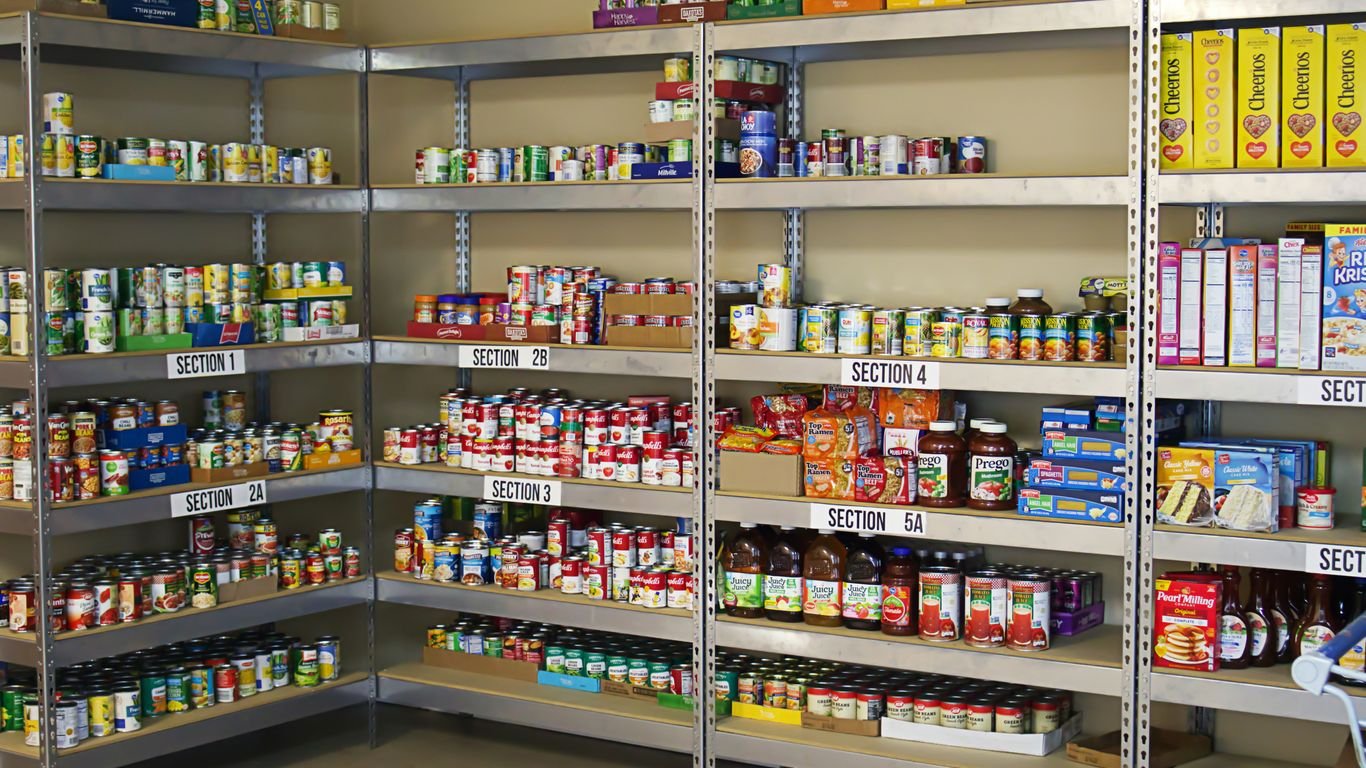 March 2, 2026
The Ultimate Pantry Staples List for Homesteaders
Homestead Kitchen
Homesteading
Starting a Homestead
March 2, 2026
The Ultimate Pantry Staples List for Homesteaders
Homestead Kitchen
Homesteading
Starting a Homestead
Getting our homestead pantry staples in order feels like a big job, but it doesn't have to be. We've learned that a well-stocked pantry is more about having the right basics on hand than filling every shelf. It’s about building...
Read More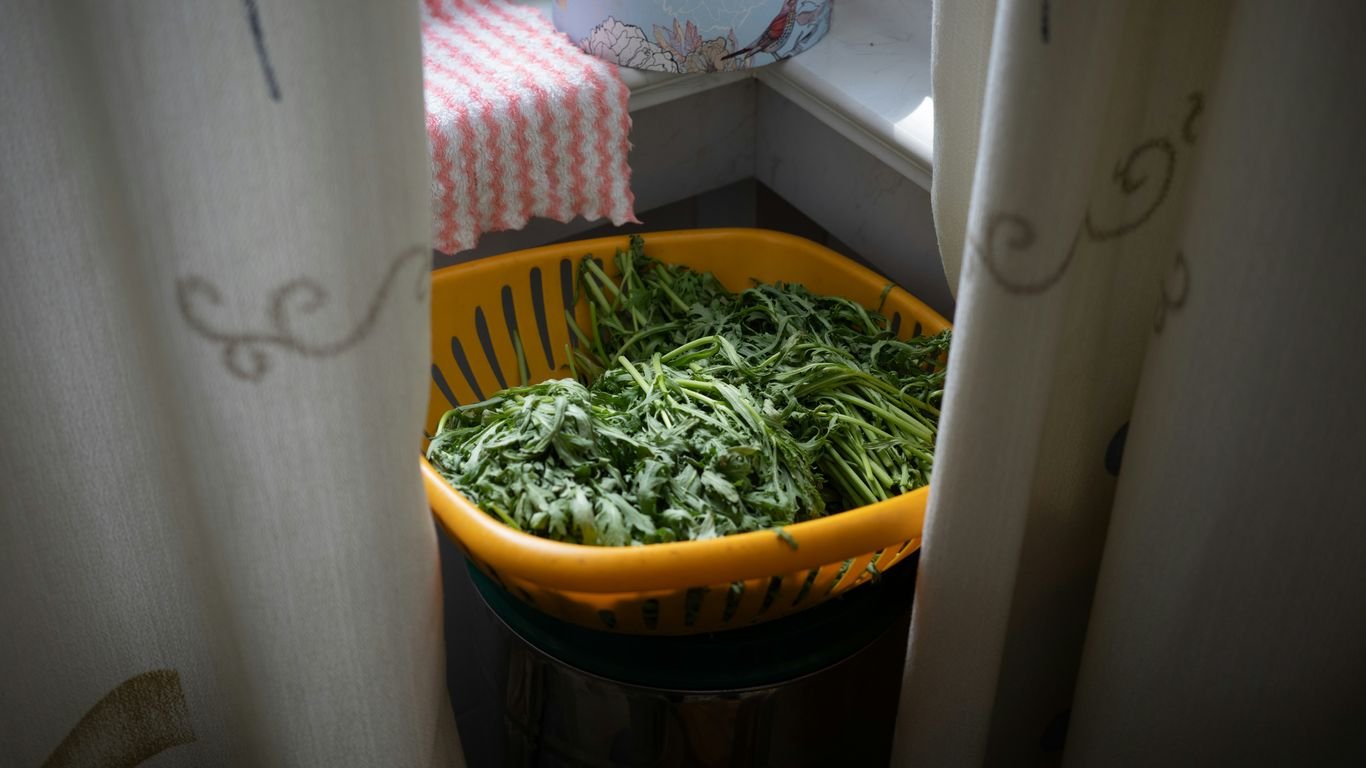 February 27, 2026
How to Preserve Herbs for a Full Year
Canning
Homestead Kitchen
Homesteading
Sustainable Living
February 27, 2026
How to Preserve Herbs for a Full Year
Canning
Homestead Kitchen
Homesteading
Sustainable Living
We all love having fresh herbs from the garden, but what happens when the season ends? It’s a bummer, right? Well, we’ve found that there are tons of simple ways to preserve herbs so we can enjoy their flavor all...
Read More