



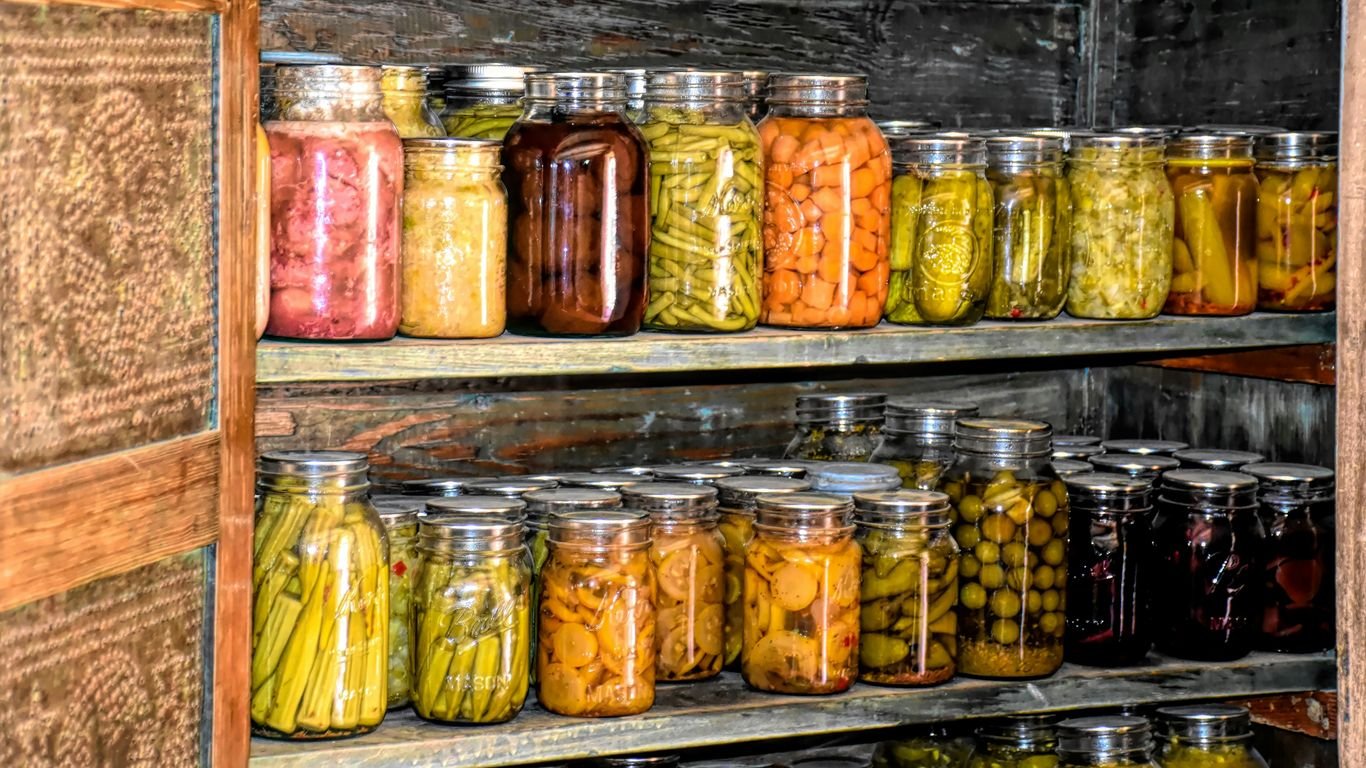
We’ve been digging through our recipe boxes and old cookbooks lately, looking for those tried-and-true old fashioned canning recipes that our grandmothers swore by. It’s amazing how many of those classic methods still work perfectly today, bringing those familiar tastes right back to our kitchens. We’re excited to share some of our favorites, from sweet jams to zesty pickles, all made with that same care and tradition.
There’s something special about opening a jar of homemade preserves or pickles, isn’t there? It’s like unlocking a little bit of sunshine and a whole lot of memories. We’ve been digging into our family recipe boxes and found some real gems that remind us of Grandma’s kitchen. These aren’t complicated, fancy recipes; they’re the simple, honest flavors that have stood the test of time.
This apricot jam recipe is a direct hand-me-down, thick and full of fruit. It’s the kind of jam that makes toast feel like a special occasion. Making it brings back memories of sticky fingers and the sweet smell filling the house. It’s a straightforward recipe that lets the natural sweetness of the apricots shine through.
Don’t throw away that watermelon rind! Our grandmothers knew better. This recipe turns what would be waste into a surprisingly delicious, tangy pickle. They’re crisp, refreshing, and perfect for serving alongside barbecue or as a unique addition to a cheese board. It’s a true testament to the "waste not, want not" philosophy.
These pickled beets are a vibrant addition to any pantry. The combination of sweet vinegar, warm spices, and earthy beets creates a flavor that’s hard to beat. They’re not just tasty; the deep ruby color makes them look beautiful in the jar, turning them into a thoughtful, homemade gift. We love them straight from the jar or chopped up in salads.
These old-fashioned recipes are more than just food preservation; they’re a way to connect with our past and share those flavors with the people we love. They remind us of simpler times and the satisfaction of creating something delicious with our own hands.
If you’re new to canning, remember that safety is key. Following tested recipes and proper techniques will help you create shelf-stable foods you can enjoy for months. You can find great resources for canning supplies and equipment to get you started on your own preserving journey here.
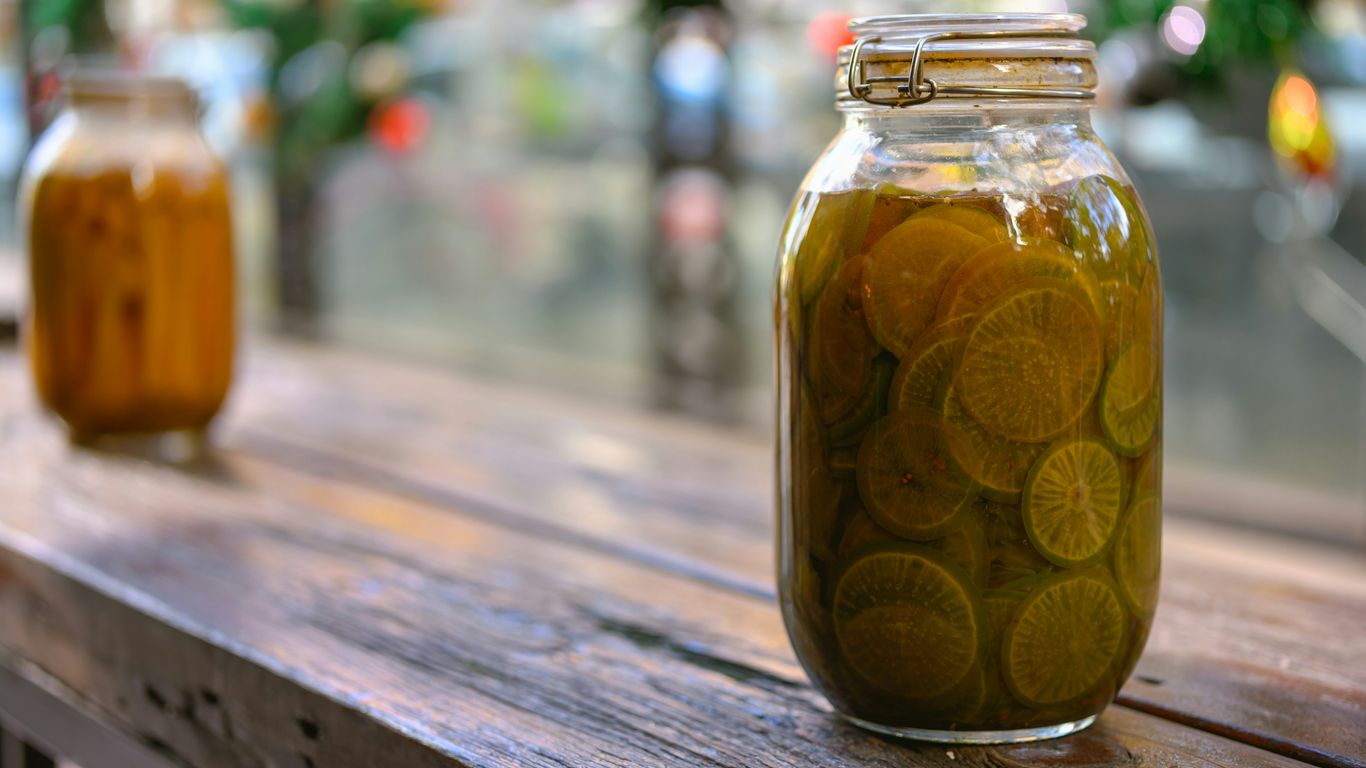
When we think about old-fashioned canning, pickles always come to mind. They’re a staple for a reason, offering that satisfying crunch and tangy bite that just screams "homemade goodness." We’ve got a few favorites that have stood the test of time, from the ever-popular dill pickle to some more surprising options.
Ah, the dill pickle. It’s a classic for a reason. We remember our moms and grandmas carefully packing cucumbers into jars, the kitchen filled with the scent of vinegar and dill. Getting that perfect crispness, though, can be a bit of a challenge when you’re processing them for shelf-stable storage. Over the years, we’ve learned a few tricks. Adding things like grape leaves or horseradish leaves to the jar can help keep those cucumbers firm, thanks to their natural tannins. We also like to try pasteurizing our pickles instead of a full boiling water bath. It takes a little longer, but the results are often worth it for that extra crunch.
We’ve found that using the freshest cucumbers possible is key. Any that are a bit soft or blemished can be set aside for making relish instead.
Don’t overlook the humble green bean! Pickled green beans are a fantastic way to preserve a summer garden bounty, and they have a wonderful, zippy flavor. They’re surprisingly versatile, too – we love them as a snack straight from the jar, or even as a garnish for a Bloody Mary. Some recipes call for a bit of heat, like cayenne pepper, which really wakes them up. They store well and add a bright, tangy note to any meal.
If you’ve ever grown zucchini, you know you can end up with an absolute mountain of it. While zucchini bread is great, pickling it is another fantastic way to use up that surplus. Zucchini relish is a revelation! It’s sweet, tangy, and a wonderful way to use up those extra squash. We’ve adapted an old family recipe that only needed a few tweaks to meet modern canning standards. It’s perfect for sandwiches, burgers, or just about anything that needs a little flavor boost. It’s amazing how well zucchini takes on the flavors of the pickling brine.

When summer fruits are at their peak, we love to capture that sunshine in a jar. Making jam might seem a bit old-fashioned, but honestly, it’s one of our favorite ways to preserve the season’s bounty. Forget those super-sweet, pectin-heavy recipes from childhood; we’re talking about jams that let the fruit shine.
This isn’t your grandma’s super-sweet strawberry jam. We’ve found that using a good amount of ripe, flavorful strawberries and just a touch of sugar lets the natural sweetness and tartness of the fruit really come through. It’s amazing how much flavor you can pack into a jar this way.
Berries are fantastic for preserving because they often have a natural tartness that balances beautifully with sweetness. We love mixing different berries – raspberries, blackberries, blueberries – to create a complex flavor profile. It’s a wonderful way to use up whatever berries are abundant.
We’ve discovered that using a pectin like Pomona’s Universal Pectin is a game-changer. It allows us to make jams with significantly less sugar, sometimes even none at all, while still achieving a lovely set. This means the true taste of the fruit isn’t masked by sweetness.
For something a little more special, this plum jam is a winner. The deep, rich flavor of plums pairs wonderfully with the crunch of walnuts and a hint of rum. It’s perfect for gifting or for serving alongside cheese and crackers. It reminds us of cozy evenings and good company. We found a recipe that uses about 4 cups of chopped plums and 1 cup of chopped walnuts, with just enough sugar to help it set, plus a splash of rum towards the end of cooking. It makes about 3-4 half-pint jars and is a real treat. This kind of preserve is perfect for preserving fall harvests when plums are often at their best.
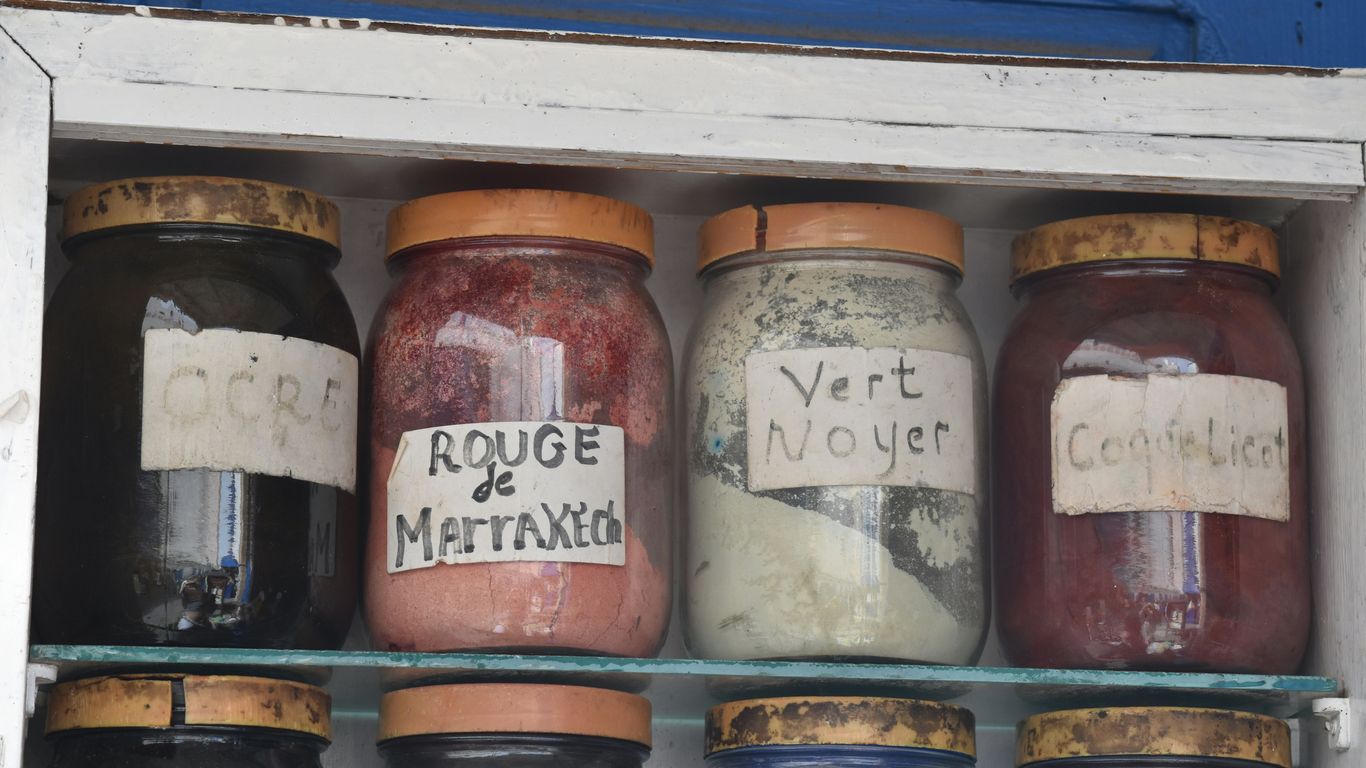
We love a good pickle, but sometimes we want something a little more complex. That’s where Southern Chow Chow comes in. This isn’t your average relish; it’s a hearty, flavorful mix of chopped vegetables with a sweet and tangy kick. It’s been a staple in Southern kitchens for ages, and for good reason. We like to serve it alongside grilled meats, on top of pinto beans, or even just with some crackers. It’s a fantastic way to use up a surplus of garden veggies, and the flavor only gets better as it sits.
Making Chow Chow is a great way to preserve a variety of vegetables. We often add things like cabbage, peppers, onions, and sometimes even corn or green tomatoes. The key is the brine – a mix of vinegar, sugar, and spices that gives it that signature taste. It’s a bit of a project, but totally worth it for the delicious results.
Who says canning is just for fruits and veggies? We’ve discovered that preserving pesto, especially with pecans, is a game-changer. This isn’t your typical basil pesto; we swap out pine nuts for pecans, which gives it a wonderfully rich, earthy flavor. It’s perfect for those times when you want a quick, flavorful meal. Just a spoonful can transform pasta, spread on a sandwich, or even dolloped onto grilled chicken.
We find that Pecan Pesto is best when made with fresh, high-quality ingredients. The pecans add a lovely texture and depth that you just don’t get with other nuts. It’s a sophisticated preserve that feels a little fancy but is surprisingly easy to make. We always make sure to have a few jars ready in the fridge for whenever the mood strikes.
There’s nothing quite like the smell of apple pie baking, and with canned apple pie filling, we can have that taste of autumn any time of year. This is one of those recipes that just makes sense for canning. Instead of buying it from the store, we can make our own, controlling the ingredients and sweetness. It’s perfect for whipping up a quick pie, crisp, or even just serving warm over ice cream.
We like to add a blend of spices like cinnamon, nutmeg, and a touch of allspice to really bring out the apple flavor. Using a mix of apple varieties can also add complexity. Having a jar of this ready to go means dessert emergencies are a thing of the past. It’s a comforting and delicious way to preserve the harvest and enjoy it long after the season is over. You can even find tested recipes for canning meals in a jar for a complete ready-to-heat option.
When we think about canning, fruits and jams often come to mind first. But let’s not forget about the amazing ways we can preserve vegetables! It’s a fantastic way to keep those garden goodies or market finds from going to waste. We’re talking about staples that make weeknight dinners a breeze and some surprising additions that can really liven up your pantry.
There’s something incredibly satisfying about opening a jar of homemade tomato sauce. It’s so much better than anything you can buy in a store, and it’s surprisingly simple to make. We usually grow a lot of tomatoes, and by the end of the season, we have way more than we can eat fresh. Canning the sauce is the perfect solution. It’s a base for so many meals – pasta dishes, soups, stews, you name it. Making your own sauce means you control exactly what goes in it, no weird additives or excessive sugar.
Here’s a basic rundown of how we do it:
Okra can be a bit divisive, but pickled okra? That’s a whole different story. It’s a Southern favorite for a reason, and it’s not just for Bloody Marys, though it does make a fantastic garnish for one. The pickling process transforms the okra, giving it a crisp texture and a tangy, vinegary bite that’s just addictive. We love to snack on them straight from the jar or chop them up to add to salads or relishes.
Pickled okra is a great way to use up a surplus of okra when it’s in season. The vinegar brine not only preserves the okra but also gives it a unique flavor that’s hard to replicate.
For some of us, canned asparagus brings back memories of childhood meals. While the canned version from the grocery store might not have been the most exciting, canning asparagus ourselves is a different experience. Because asparagus is a low-acid vegetable, you must use a pressure canner for plain asparagus. If you only have a water bath canner, pickling is the way to go, and pickled asparagus is surprisingly delicious!
We find that pressure-canned asparagus is tender and perfect for adding to casseroles or serving as a simple side dish. It’s a bit more effort than just opening a store-bought can, but the flavor and texture are so much better. Plus, knowing exactly what went into the jar feels good.
So there you have it! We’ve taken a trip back in time, exploring some of those tried-and-true canning recipes that our grandparents and great-grandparents relied on. It’s pretty cool to think that these methods, passed down through generations, still work perfectly well today. Whether you’re making sweet jams, tangy pickles, or hearty relishes, there’s a real satisfaction in filling your pantry with food you’ve preserved yourself. We hope this inspires you to give some of these old-fashioned recipes a try. Happy canning!
We love using old-fashioned canning recipes because they connect us to the past and remind us of simpler times. Many of these recipes have been passed down through families for generations, bringing back warm memories of grandmas and childhood kitchens. Plus, they often use basic ingredients and methods that still work perfectly today for preserving delicious foods.
Yes, we make sure to use recipes that have been updated to follow today’s safety rules for canning. While the original recipes are classic, we’ve checked them to ensure they meet current standards for keeping food safe on your shelf.
We can a wide variety of foods! Our collection includes sweet jams and fruit preserves, tangy pickles like dill or watermelon rind, and even savory items like tomato sauce and relish. We also have recipes for things like pickled beets and green beans, showing that you can preserve almost any fruit or vegetable.
For the most part, no! We use standard canning equipment like jars, lids, and a large pot for water bath canning or a pressure canner. The methods are straightforward and don’t require fancy gadgets. It’s all about careful preparation and following the steps.
Canning our own food means we have tasty treats all year round, even when the fruits and veggies aren’t in season. It’s a great way to save money, reduce food waste, and know exactly what’s in our food. Plus, sharing jars of homemade goodies makes for wonderful gifts!
Don’t worry, we were all beginners once! We recommend starting with simpler recipes like jams or dill pickles. Always read the recipe carefully, make sure your jars and equipment are clean, and follow the processing times exactly. There are also great guides available to help you learn the basics safely.
 March 7, 2026
How to Turn Food Preservation Into a Side Hustle
Canning
Homestead Kitchen
Homesteading
Sustainable Living
March 7, 2026
How to Turn Food Preservation Into a Side Hustle
Canning
Homestead Kitchen
Homesteading
Sustainable Living
We've all got those hobbies or skills that we love doing, right? Maybe it's baking, gardening, or even making your own jam. What if we told you that you could turn those passions into a little extra cash? It might...
Read More March 2, 2026
The Ultimate Pantry Staples List for Homesteaders
Homestead Kitchen
Homesteading
Starting a Homestead
March 2, 2026
The Ultimate Pantry Staples List for Homesteaders
Homestead Kitchen
Homesteading
Starting a Homestead
Getting our homestead pantry staples in order feels like a big job, but it doesn't have to be. We've learned that a well-stocked pantry is more about having the right basics on hand than filling every shelf. It’s about building...
Read More February 27, 2026
How to Preserve Herbs for a Full Year
Canning
Homestead Kitchen
Homesteading
Sustainable Living
February 27, 2026
How to Preserve Herbs for a Full Year
Canning
Homestead Kitchen
Homesteading
Sustainable Living
We all love having fresh herbs from the garden, but what happens when the season ends? It’s a bummer, right? Well, we’ve found that there are tons of simple ways to preserve herbs so we can enjoy their flavor all...
Read More