


We all want a beautiful garden, but sometimes it feels like it takes up all our free time. Between watering, weeding, and harvesting, it’s easy to feel overwhelmed. But what if we told you there are simple habits you can adopt that will give you back hours every week? These time saving gardening tips aren’t complicated; they’re just smart ways to work with your garden, not against it. Let’s look at some easy changes we can make to spend less time working and more time enjoying our green spaces.
We’ve all been there: you bring home a beautiful new plant, get it settled into its new spot, and then… it just doesn’t make it. It’s a common gardening heartbreak, but often, it comes down to one simple step we might be skipping. Watering in new plants right after planting is a game-changer. It might seem obvious, but giving that plant a good soak immediately helps reduce the shock of transplanting. Think of it like giving them a comforting drink after a big move.
This initial watering does a few important things. First, it helps settle the soil around the roots, eliminating air pockets that can dry out the plant. Second, it encourages those roots to start reaching out into their new home, making the plant more stable and ready to grow. Even plants that we usually think of as tough, like succulents or cacti, benefit from this. It’s not about keeping them constantly wet, but about giving them a solid start.
Here’s a quick rundown of why it’s so effective:
So, next time you plant something new, whether it’s in the ground or a pot, grab that watering can. It’s a small habit that makes a big difference in how well your new green friends thrive.
We all know that healthy soil is the foundation of a great garden, and honestly, the easiest way we’ve found to keep our soil happy is by composting. It might sound like a lot of work, but once you get into the rhythm, it’s surprisingly simple and saves us so much time and money.
Think about it: instead of buying bags of soil amendments or fertilizer, we just toss our kitchen scraps and yard waste into a bin. Fruit and veggie peels, coffee grounds, eggshells, grass clippings – they all go in. This simple act diverts waste from the landfill and creates a nutrient-rich powerhouse for our plants. It’s a win-win.
We’ve found that having a dedicated compost bin makes a huge difference. It keeps things tidy and speeds up the decomposition process. We aim to add a few inches of finished compost to our beds each year, and the difference in plant vigor is incredible. It improves soil structure, helps retain moisture, and feeds the beneficial microbes that do so much of the heavy lifting for us.
Here’s a quick rundown of what we typically toss in:
We try to avoid meat, dairy, and oily foods because they can attract pests and take longer to break down. If you’re short on space or time, even a small worm bin can be super effective for turning kitchen waste into garden gold. Worm castings are like a superfood for your plants, and vermicomposting is a pretty low-maintenance way to get them learn more about worm composting.
Making compost isn’t just about feeding your plants; it’s about closing the loop in your garden ecosystem. What you take from the earth, you give back. It’s a satisfying cycle that leads to healthier plants and a more resilient garden, all while reducing our waste.
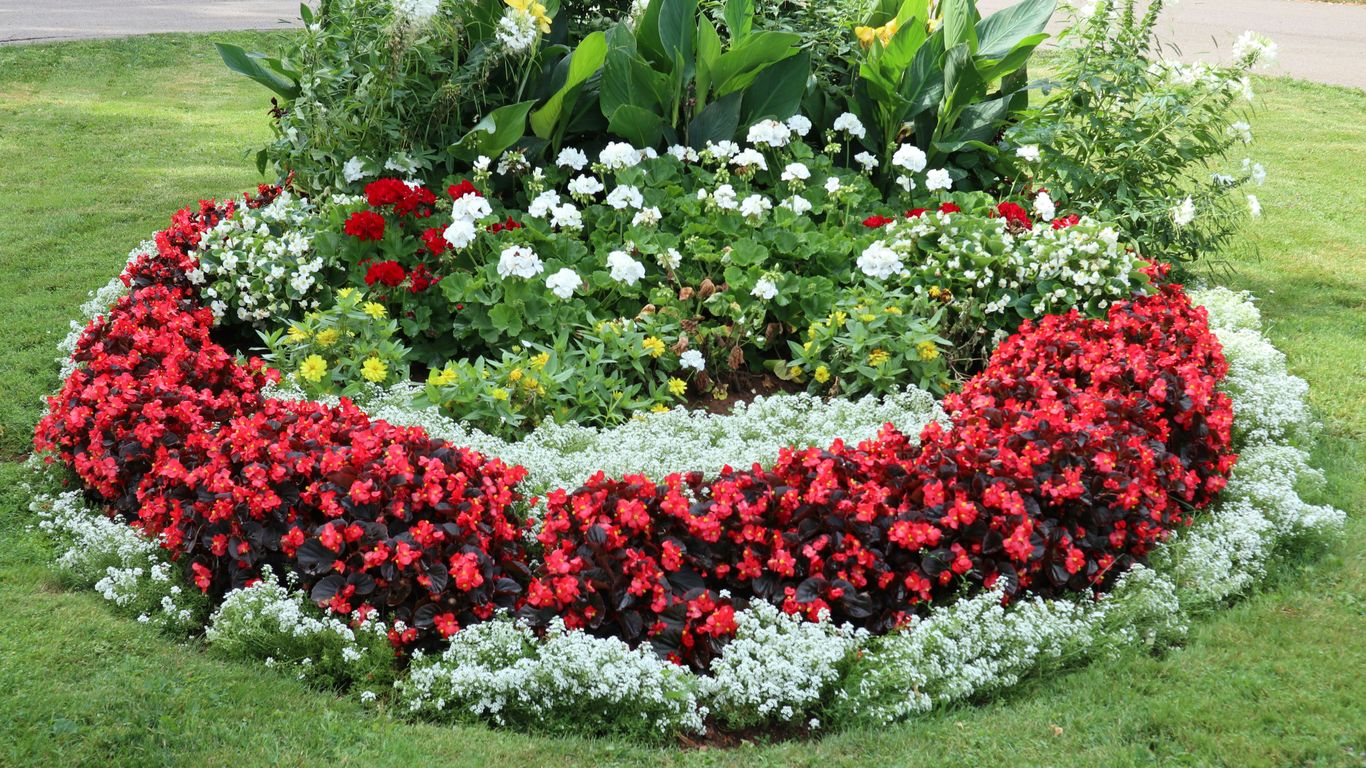
We all know that weeds can be a major time suck in the garden. One of the best ways we’ve found to keep them under control, and save ourselves hours of pulling, is by using mulch. Spreading a layer of organic material over your garden beds does a few things. First, it smothers existing weeds and prevents new ones from sprouting by blocking sunlight. Second, it helps the soil retain moisture, meaning we water less often, especially during those hot summer months. And as it breaks down, it adds nutrients back into the soil, which is a win-win.
We like to use a mix of things for our mulch. Shredded leaves we collect in the fall are fantastic and free. Wood chips from local tree services are another great option, especially for pathways or around larger shrubs. Even straw can work well in vegetable gardens. The key is to apply a layer that’s about 2-3 inches thick, but be sure to keep it a little away from the base of your plants to avoid rot.
Here’s a quick rundown of why we mulch:
Applying mulch is one of those tasks that feels like a bit of work upfront, but the time it saves us later in weeding and watering is absolutely worth it. It’s a simple habit that makes a huge difference in how much time we spend working in the garden versus enjoying it.
We all love those showy plants that promise a spectacular harvest, right? The giant tomatoes, the impressive sunflowers. But let’s be real, sometimes those divas don’t perform. One year, pests might decimate your prize-winning squash, or a weird weather pattern could stunt your corn. If your entire garden is built around these high-maintenance stars, you might find yourself feeling pretty discouraged when things go wrong.
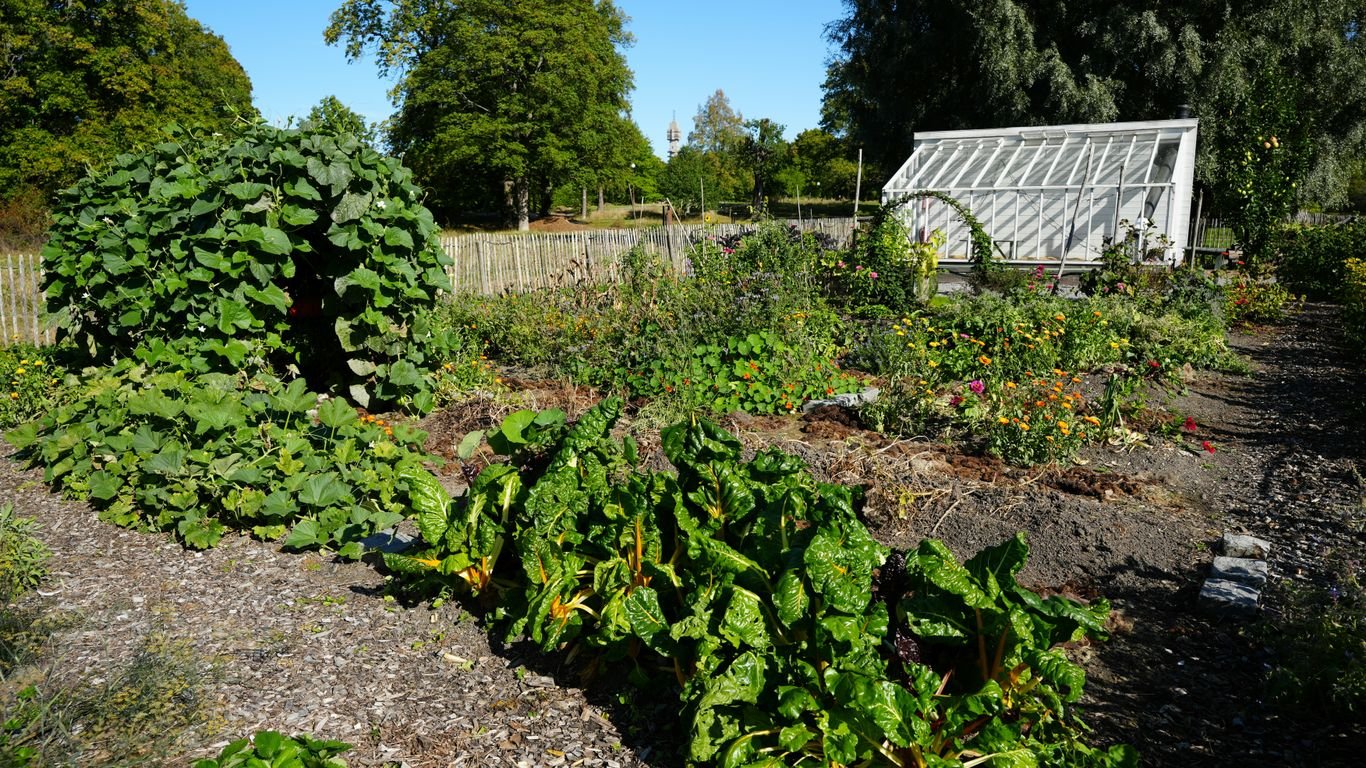
Instead, we’ve learned to mix in the workhorses. These are the plants that just grow. Think about things like Swiss chard, bush beans, or even herbs like mint and parsley. They might not win any beauty contests, but they consistently produce. Having a solid base of reliable plants means you’ll always have something to harvest, even when the more temperamental ones falter. This consistent success is a huge motivator and keeps us coming back to the garden day after day.
Here are a few of our go-to reliable growers:
Relying on plants that are known to be tough and productive takes the pressure off. It ensures that even on days when we don’t have a lot of time or energy, we can still go out and pick something fresh for dinner. It’s about building a garden that works for us, not one we constantly have to fight with.
We’ve all heard that we need to help the bees, right? Well, it turns out that planting for pollinators is a total win-win for our gardens. When we put in plants that attract bees, butterflies, and other helpful insects, we’re not just giving them a snack; we’re actually helping our own plants produce more fruit and veggies. It’s like a little ecosystem boost.
Think about it: a garden buzzing with life is a garden that’s working harder for us. More pollinators mean better pollination for our tomatoes, cucumbers, and fruit trees. Plus, it adds so much more visual interest. Instead of just a few flowers, we get a whole show of fluttering wings and busy bodies.
So, how do we do this without turning our yards into a wild mess? We can start small. Even a few pots on the patio can make a difference. We like to mix in plants that bloom at different times, so there’s always something for them to eat.
Here are a few easy ones we’ve had good luck with:
Making our gardens more pollinator-friendly is a simple step that pays off big time, both for nature and for our harvests. It’s a habit that makes our gardens more vibrant and productive, all while doing a little good for the planet. We just let some plants go to seed at the end of the season, and that gives us free plants the next year, which is a nice bonus.

We get so caught up in the doing – the planting, the weeding, the watering – that we sometimes forget the main reason we have a garden in the first place: to enjoy it! It’s easy to see gardening as just a list of chores, but it’s so much more than that. Take a moment, really look at what you’ve created. Notice the way the light hits the leaves in the afternoon, or how many different kinds of bees are buzzing around your flowers.
Spending time in your garden isn’t just a nice-to-do; it’s actually good for us. Studies show that just a short time outdoors can lower stress and improve our mood. So, brew your morning coffee out there, bring a book to read on a sunny bench, or simply sit and observe.
Think about what brings you the most joy. Is it the vibrant colors of blooming flowers? The taste of fresh herbs? Or maybe just the quiet peace of being surrounded by nature? Focus on those things. Plant what you love to eat and then actually sit down and savor it.
Making your garden a place you want to be, rather than a place you feel you have to work in, changes everything. It shifts the perspective from obligation to pleasure.
Here are a few ideas to help you soak it all in:
By intentionally making time to enjoy your garden, you’ll find that the work feels less like a chore and more like a natural extension of simply appreciating the space. It’s about connecting with nature and finding a bit of peace right outside your door. This shift in mindset can make all the difference, turning your garden into a true sanctuary. It’s a great way to practice urban homesteading on any scale.
Weeds are the garden equivalent of that one guest who overstays their welcome. They hog resources, crowd out the good stuff, and generally make a mess. The biggest time-saver when it comes to weeds is tackling them before they get a chance to spread. If we let weeds go to seed, we’re basically signing up for a much bigger battle next year, and the year after that. It’s a cycle that’s hard to break.
The secret is consistent, short bursts of weeding. Instead of waiting until the garden is a jungle, we try to spend just 10 minutes each time we go out there, pulling whatever we see. It doesn’t take long, and it makes a huge difference. This approach prevents weeds from flowering and dropping seeds all over the place. Think of it as preventative maintenance for your garden beds.
Here’s a simple strategy we follow:
By staying on top of them, we spend far less time on major weed removal later on. It’s about working smarter, not harder, and keeping our garden looking tidy and productive. This habit also helps improve the soil over time, especially when we use methods like no-dig gardening which disturb the soil less and therefore expose fewer weed seeds to sunlight and rain.
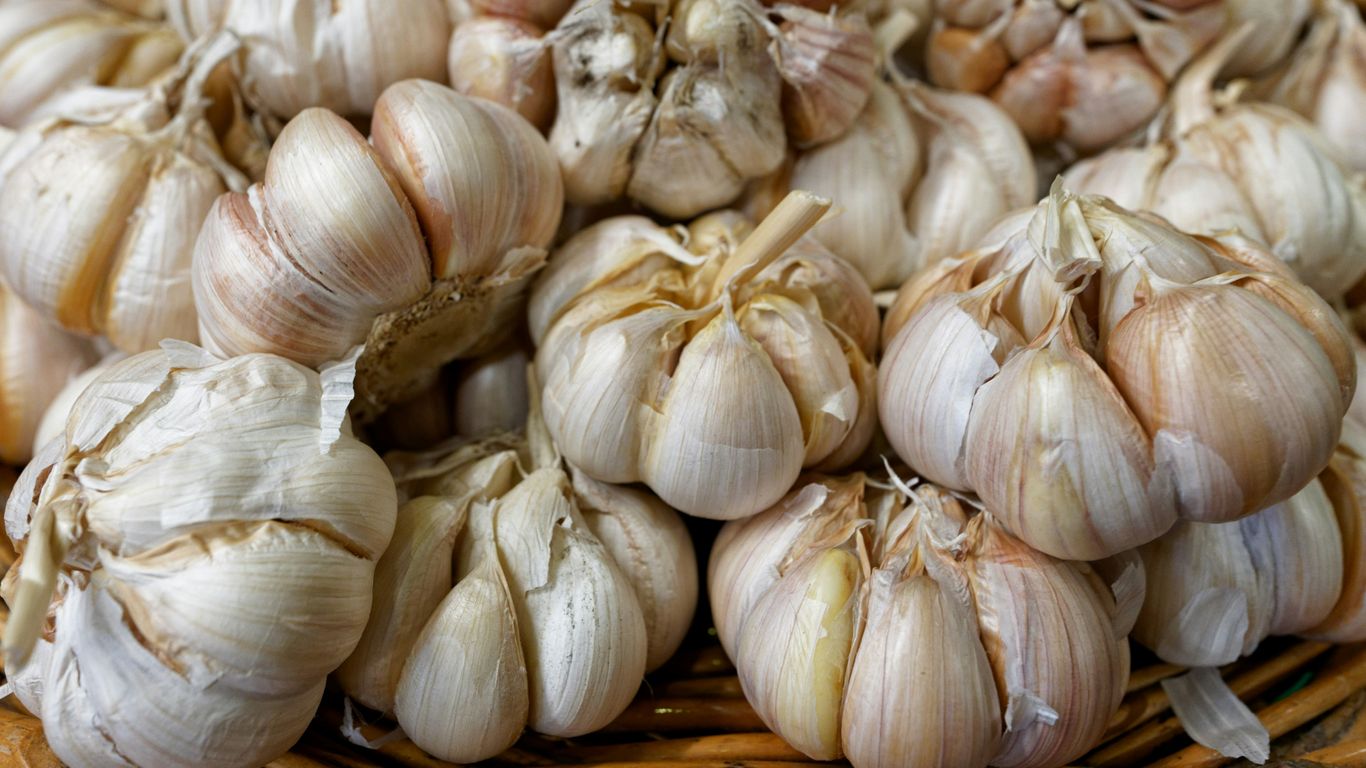
After we pull our garlic and onions from the ground, we don’t just toss them in a basket. Nope. We give them a proper cure. This step is super important for making them last through the winter. We usually lay them out in a shady, well-ventilated spot, like a porch or a covered patio, for about two weeks. The goal is to let those outer skins dry out completely while keeping the insides firm.
We’ve found that this curing process makes a huge difference in how long they store. If you skip this, you’ll likely end up with soft spots or mold much sooner. It’s a simple step, but it really pays off. We just spread them out on screens or old shelves so air can get all around them.
Here’s a quick rundown of what we do:
This simple habit means we can enjoy our homegrown garlic and onions for months, which is a big win for us. It’s one of those little things that saves us time and money later on, especially when we’re looking for fresh flavor during the colder months. It’s a good idea to know how to store these alliums properly, as they are pretty forgiving crops to grow in the first place.
Curing is basically letting the plant finish its drying process above ground. It hardens the outer layers and seals in the flavor and moisture for storage. Think of it like letting a cut heal before you put it to use.
We’ve found that using row covers is a total game-changer for protecting our plants and extending the growing season. These lightweight fabrics are super versatile. You can just lay them directly over your plants, weighing down the edges with rocks or wood to keep them in place. Or, for a more structured setup, we like to create little hoop houses. This involves sticking some flexible tubing or rebar into the ground on either side of a bed, creating arches. Then, we drape the row cover over these hoops. It’s like giving your plants their own personal greenhouse!
Row covers do a few awesome things:
We usually go for a medium-weight fabric, but you can find different weights depending on your needs. Heavier covers offer more frost protection but block more light, so it’s a balance. Honestly, they’re one of the easiest ways we’ve found to get a jump on spring planting and keep things going later into the fall. It’s amazing how much difference a simple piece of fabric can make in the garden.
We all love that feeling of a bountiful harvest, right? But what happens after we bring it all in? If we just toss it all in a bin, a lot of that hard work can go to waste. Learning how to store your produce properly is a game-changer for saving time and food.
First off, don’t wash your veggies right after picking them. Just brush off the excess dirt. Washing them too early can actually make them spoil faster. Save the washing for right before you plan to cook them. It sounds simple, but it makes a big difference in how long things last. For things like onions and garlic, we need to cure them first. This means letting them dry out a bit so their skins toughen up. This step is super important to prevent rot later on. We usually leave them in a dry, airy spot for a week or two.
Here’s a quick rundown of what we do for some common items:
Proper storage isn’t just about keeping food fresh; it’s about respecting the effort that went into growing it. Taking a few extra steps after harvest means we get to enjoy our garden’s bounty for much longer, reducing waste and saving trips to the store.
We also found that having dedicated containers right in the garden makes a huge difference. Having baskets or bags handy means we’re more likely to bring our harvest in without a second thought. It’s easy to forget a bag when you head out, but if one is always waiting for you, it’s a no-brainer. This simple habit helps us collect all our produce efficiently.
Look, we get it. Gardening can feel like a lot. But by weaving these simple habits into our routines, we’ve found that the work just… shrinks. It’s less about wrestling with the weeds and more about enjoying the sunshine. We hope these tips help you reclaim some of your precious time and make your garden a place of joy, not just chores. Give them a try, and let us know how it goes!
When we plant something new, it’s like moving to a new house – it’s a big change! Watering them right away helps their roots settle into their new home, making them stronger and less likely to get stressed or wilt. It’s a simple step that makes a huge difference in helping our new plants thrive.
Composting is like giving our garden a healthy meal. When we add compost, our soil becomes richer and healthier. This means our plants grow better and stronger, needing less fussing over like extra watering or feeding. Plus, we’re recycling kitchen scraps and yard waste, so we have less trash to deal with!
Mulching is like putting a cozy blanket on our garden beds. It helps keep the soil moist, which means we don’t have to water as often. It also keeps weeds from popping up, saving us tons of time spent pulling them. Plus, it protects the soil from getting too hot or too cold.
We all love those fancy, showy plants, but sometimes they can be tricky. Growing reliable plants, like certain herbs or leafy greens, means we’re more likely to get a harvest. This success keeps us motivated and reminds us why we love gardening, even when some of the more dramatic plants don’t cooperate.
When we plant flowers that bees and butterflies love, these helpful insects visit our garden. They help pollinate our fruits and vegetables, which means we get more food! It also brings more life and beauty to our garden, making it a more enjoyable place to be.
Storing our harvest the right way is key. For things like garlic and onions, we need to let them dry out properly before storing them. For other veggies, sometimes it’s better to just brush off the dirt and wash them right before we eat them. This helps them stay fresh for much longer, so we can enjoy our hard work for weeks!
 March 7, 2026
High-Output Crops Perfect for Micro Homesteads
Gardening
Homestead Planning
Homesteading
Starting a Homestead
March 7, 2026
High-Output Crops Perfect for Micro Homesteads
Gardening
Homestead Planning
Homesteading
Starting a Homestead
Thinking about growing your own food but only have a little space? We get it. Many of us are looking for ways to be more self-sufficient, even if we don't have acres to work with. The good news is, you...
Read More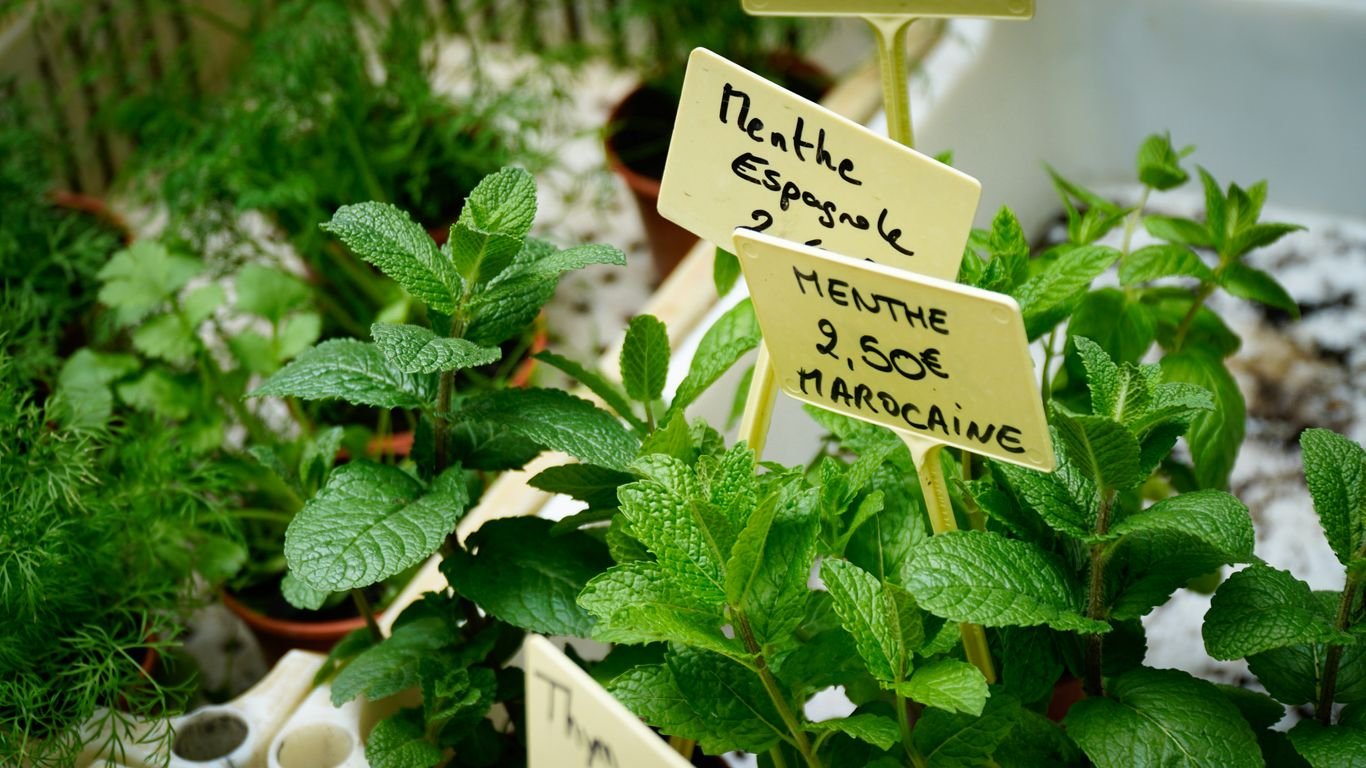 March 5, 2026
How to Grow a Medicinal Herb Garden for Beginners
Gardening
Homesteading
Natural Fertilizers
Sustainable Living
March 5, 2026
How to Grow a Medicinal Herb Garden for Beginners
Gardening
Homesteading
Natural Fertilizers
Sustainable Living
We're excited to share how we got started with our own medicinal herb garden. It felt a bit overwhelming at first, but we learned that taking it step-by-step makes it totally doable. Growing our own healing plants has been so...
Read MoreWe love the charm and character that a hobby farm look brings to our outdoor spaces. It feels so welcoming and down-to-earth. If you're looking to capture that same vibe on your own property, we've gathered some simple and pretty...
Read More