



We all want a kitchen that runs smoothly, right? A pantry that’s always stocked with what we need can make meal prep so much easier. But keeping it organized, especially when ingredients come and go with the seasons, can feel like a puzzle. That’s where a good pantry rotation plan comes in. We’ve put together some ideas to help us all get our pantries in tip-top shape, making sure we use what we have before it goes bad and always having the right things on hand.
Getting a handle on what’s actually in our pantry is the first big step to making meal planning and cooking way less stressful. We’ve all been there, staring into a cupboard full of stuff, convinced we have nothing to eat. The truth is, a little bit of inventory work goes a long way.
To really know what we need, we first have to figure out what we use. The best way to do this is to sit down and jot down our favorite go-to recipes. Once we have that list, we can break down each recipe into its ingredients. Then, we combine all those ingredients from all our recipes to see what pops up most often. This master list is super helpful not just for the pantry, but for the fridge and freezer too. It helps us build a pantry that supports our actual cooking habits.
Once we’ve got our master list, we can start to see which non-perishable items we go through the most. Think pasta, rice, dry beans, canned sauces, oatmeal, flour, sugar, and spices. We recommend aiming to keep a 3-4 month supply of these staples on hand. When these items go on sale, it’s the perfect time to stock up. This strategy alone can save us a good chunk of change over the year. If a large supply isn’t in the cards right now, no worries. Just make sure to add these items to your shopping list the moment you use the last one.
Here’s a quick look at some common staples:
| Item Category | Examples |
|---|---|
| Grains & Starches | Rice, Pasta, Oats, Flour, Cornmeal |
| Legumes | Dry Beans (black, pinto, kidney), Lentils |
| Canned Goods | Tomatoes, Sauces, Vegetables, Soups, Tuna |
| Baking Supplies | Sugar, Salt, Baking Soda, Baking Powder, Cocoa Powder |
| Spices & Seasonings | Salt, Pepper, Garlic Powder, Onion Powder, Dried Herbs |
Taking stock of what we have is more than just counting cans. It’s about understanding our food habits and making smarter choices. It helps us avoid buying duplicates and reduces food waste because we’re more likely to use what we already own. Plus, knowing our stock makes meal planning so much easier. We can see at a glance what we have to work with, which inspires creativity in the kitchen. It’s a simple habit that makes a big difference in how we approach our meals and grocery shopping. For more ideas on how to connect with seasonal eating, you might find inspiration in local and in-season produce.
Regularly checking our pantry isn’t just about organization; it’s about mindful consumption and efficient meal preparation. It prevents last-minute grocery runs and ensures we’re always ready to whip up a meal without stress.
Alright, let’s talk about making our food last longer. It’s frustrating when we buy good stuff, only to have it go bad before we can use it, right? A big part of keeping our pantries and fridges in check is how we store things. We’re not just talking about shoving cans onto shelves; it’s about giving our ingredients the best chance to stay fresh and tasty.
When we think about pantry storage, shelves are the foundation. For dry goods like pasta, rice, and canned items, sturdy shelving is key. We want shelves that can handle the weight without bowing. If you’re using a standard cabinet, make sure the shelves are adjustable so we can customize the height for different items. For root vegetables or items that need airflow, open shelving or wire racks work great. It’s all about giving things space and preventing that dreaded overcrowding that can lead to spoilage.
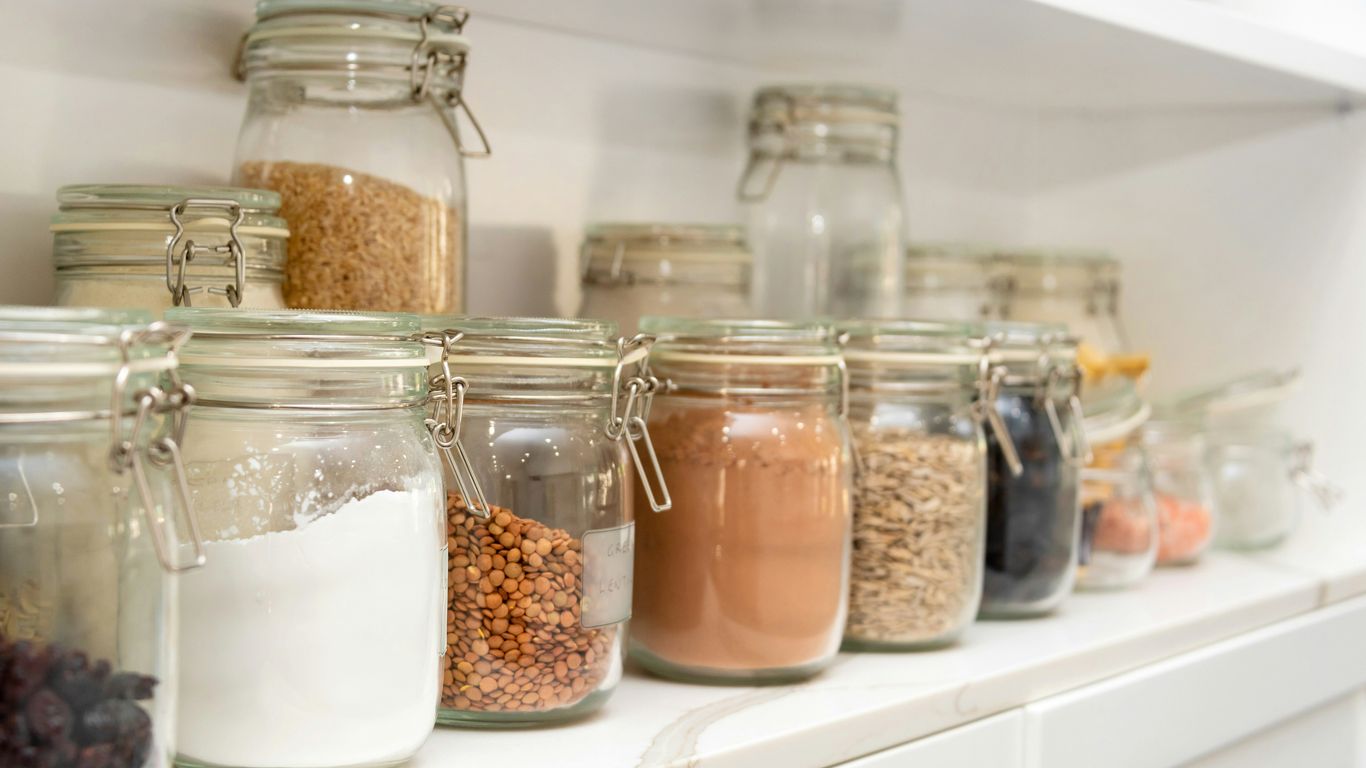
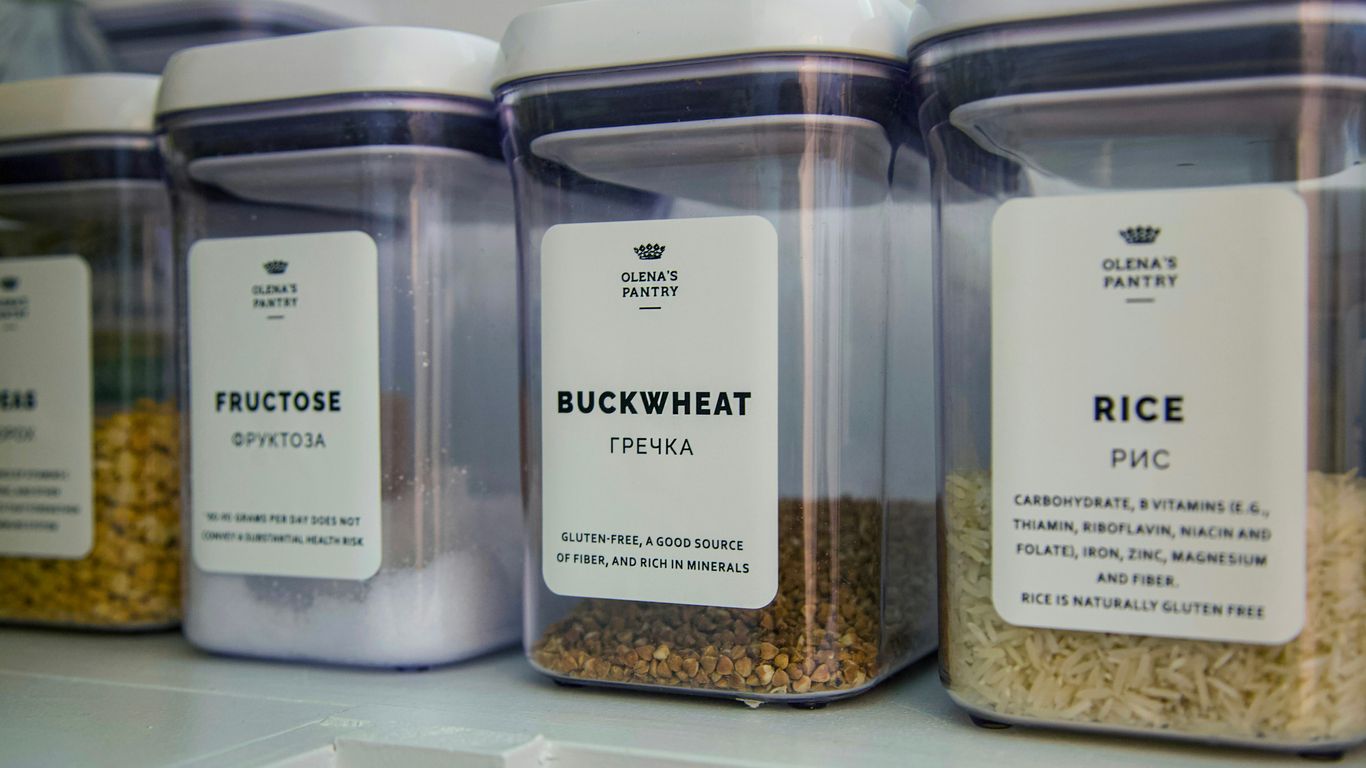
This is where we really start to see a difference. Using clear containers for things like flour, sugar, nuts, and dried beans is a game-changer. We can instantly see what we have and how much is left. Plus, they keep pests out and moisture away. For the fridge, clear bins are fantastic for grouping similar items. Think one bin for yogurts, another for cheeses, or a dedicated one for all our berries. It makes finding things so much easier and stops those rogue items from getting lost in the back.
We’ve found that investing in a good set of airtight, clear containers not only looks tidy but also significantly cuts down on food waste by keeping ingredients fresh longer. It’s a small change that makes a big impact.
Our kitchens aren’t always huge, so we need to be clever with the space we have. This is where pantry organizers come in handy. Think about tiered shelves for cans so we can see everything at a glance, not just the front row. Lazy Susans are brilliant for corners or for spices, letting us spin and grab what we need without digging. We can also use stackable bins or drawer organizers to make use of vertical space. Even simple shelf risers can double the usable area in a cabinet. For produce, using breathable bags or containers in the fridge helps maintain the right humidity and airflow, keeping things like leafy greens crisp and fruits from ripening too fast. It’s about making every inch count and ensuring everything is accessible. For example, keeping apples and bananas separate is important because apples release ethylene gas, which can speed up the ripening of other produce. We can use specialized produce bags to help manage this. Here’s a quick look at how some common items do best:
| Item Type | Best Storage Location | Container/Method |
|---|---|---|
| Leafy Greens | Fridge Crisper | Ventilated bag, slightly damp paper towel |
| Root Vegetables | Cool, Dark Pantry | Breathable bag or bin, away from onions |
| Berries | Fridge | Original container or shallow, breathable container |
| Onions & Garlic | Cool, Dark Pantry | Mesh bag or open bowl for airflow |
| Herbs (Soft) | Fridge | Jar with water, loosely covered |
| Herbs (Woody) | Fridge Crisper | Damp towel in a bag |
| Apples & Pears | Fridge Crisper | Perforated bag, away from other produce |
Okay, so we’ve got our inventory sorted and our storage looking sharp. Now, let’s talk about actually using what we have before it goes bad. This is where the First-In, First-Out (FIFO) method comes in. It sounds fancy, but it’s really just a common-sense way to make sure we’re eating the oldest stuff first. This simple principle is the backbone of a waste-free pantry.
At its heart, FIFO means exactly what it sounds like: the first items we put into our pantry are the first ones we should take out and use. Think of it like a line at the grocery store – the person who got there first gets served first. When we buy new groceries, especially canned goods or pantry staples, we need to place them behind the older items. This way, when we reach for, say, a can of beans, we’re naturally grabbing the one that’s been sitting there the longest. It’s a straightforward way to prevent things from expiring unnoticed in the back of a shelf. This practice is key to managing your home food storage.
To make FIFO work even better, a little labeling goes a long way. We like to use a simple marker or some sticker labels to jot down the purchase date or, even better, the expiration date right on the packaging. This visual cue is super helpful, especially when you have similar items stacked up. You can even get creative with color-coding if you’re feeling ambitious – maybe red for items to use this month, yellow for next month, and green for those with plenty of time. It makes grabbing the right item at a glance much easier.
How we arrange our shelves directly impacts how well FIFO works. We’ve found that using tiered shelves or specialized can organizers really helps. These organizers are designed so that when you place new cans in, they roll to the back, pushing the older ones forward. It’s like a little conveyor belt for your food! For other items, like bags of rice or pasta, just make sure to place new bags behind the existing ones. This physical arrangement makes the rotation process almost automatic. We also try to keep items we use most frequently at eye level and within easy reach, so they get rotated through faster.
Here’s a quick look at how we arrange things:
Sticking to FIFO isn’t just about avoiding waste; it’s also about saving money. When we use what we buy before it expires, we’re not throwing away perfectly good food – and our hard-earned cash along with it. It’s a win-win for our wallets and our kitchens.
This is where we get to have some fun with our pantry! As the seasons change, so do the ingredients we reach for. Thinking seasonally means we can take advantage of what’s fresh and often cheaper at the grocery store. It’s also a great time to stock up on those non-perishables that form the backbone of our meals.
We all know that summer brings juicy tomatoes and crisp corn, while fall offers hearty squash and root vegetables. Instead of fighting it, let’s work with it! When certain produce is in season, it’s usually at its peak flavor and price. This is the perfect time to incorporate them into our cooking. Think about making big batches of tomato sauce in late summer or roasting a ton of root vegetables in the fall. We can then preserve some of these seasonal gems for later use, whether through freezing, canning, or dehydrating. This way, we get to enjoy the taste of summer in the middle of winter.
When we see those seasonal favorites hitting the shelves, it’s a good cue to buy a little extra. But it’s not just about seasonal items. We should also be keeping an eye out for sales on our pantry staples. Things like pasta, rice, canned beans, and spices are always useful. Stocking up when items are on sale can save us a significant amount of money over the year. We can use our pantry inventory list to know exactly what we need and how much we use regularly. This makes it easy to grab deals on things we know will get used, like canned corn for soups or pasta sauce for quick weeknight dinners. It’s all about being prepared and saving cash.
Beyond just buying what’s in season or on sale, we want to build stacks of ingredients that are versatile. Think about items that can be used in multiple ways. For example, a bag of dried lentils can be a soup base, a side dish, or even a meat substitute in certain recipes. We can also create our own homemade mixes for things like taco seasoning or pancake batter. This not only saves money compared to buying pre-made packets but also lets us control the ingredients. Having these versatile building blocks ready to go makes meal planning so much easier, especially when we’re trying to use up what we have on hand. It’s about creating a pantry that works for us, not the other way around. For more ideas on how to organize your kitchen, check out homestead meal prep.
We should always aim to have a good supply of versatile, non-perishable items. These form the foundation of our meals and are great to have on hand, especially when inspiration strikes or a sale pops up.
Our pantry is great for dry goods, but let’s be real, it’s not the only place we store food that helps us out during the week. We’ve got to talk about the freezer and other spots too. Think of your freezer as a super-powered extension of your pantry. It’s perfect for keeping things fresh longer and for those times when you find a great deal on something you use a lot.
Freezer meals are a lifesaver, especially on busy weeknights. We like to prep things in advance when we have a bit more time. This could be anything from full casseroles to pre-portioned ingredients for quick stir-fries or soups. Having these ready to go means we can avoid the temptation of ordering takeout and save some cash.
When we see fresh produce on sale during its peak season, we grab extra. A lot of these items freeze beautifully. We’re talking berries for smoothies, chopped onions and peppers for sauces, or even flash-frozen veggies like corn and zucchini that are perfect for roasting or grilling later. It’s a smart way to enjoy seasonal flavors year-round and reduce food waste.
Making our own spice blends and baking mixes is another game-changer. Instead of buying pre-made taco seasoning or pancake mix, we whip up our own. We buy spices in bulk when they’re on sale, which saves a ton of money. Plus, we know exactly what’s in them. Some of our favorites include:
Keeping a well-stocked freezer and making your own mixes might seem like extra work at first, but it really pays off in the long run. It makes weeknight dinners so much easier and helps us stick to our grocery budget.
So, we’ve gone through the whole process of setting up our pantry, stocking it with seasonal goodies, and getting organized. But what happens next? The real magic of a well-managed pantry isn’t just in the initial setup; it’s in the ongoing maintenance. We need to make sure our hard work pays off by keeping things fresh and usable.
This is probably the most important part. We can’t just set it and forget it. A quick check-in every month or so is usually enough. We’re looking for a few things:
We find that a simple spreadsheet or even a notebook kept near the pantry works wonders for tracking. It doesn’t need to be fancy, just functional.
This is where our pantry rotation plan really shines. When we’re planning our meals for the week or month, we should actively look at what needs to be used up. Got a can of diced tomatoes that’s been in there a bit longer? Plan a chili or a pasta sauce. A bag of rice nearing its date? Maybe it’s stir-fry week. This approach helps us reduce waste and makes sure we’re getting the most out of everything we buy.
Here’s a quick way to think about it:
When we go grocery shopping, we need to remember our rotation system. Always put new items behind the older ones. This is the core of the First-In, First-Out (FIFO) method we talked about. If we just shove new things to the front, the older stuff will just sit there and eventually go bad. It takes a little extra second, but it makes a huge difference in keeping our pantry stocked with usable food. We also want to be mindful of buying too much of something just because it’s on sale, especially if it’s something we don’t use very often. It’s better to buy what we know we’ll use and keep rotating through it.
So, there you have it! We’ve gone through how to get our pantries in shape, from knowing what we’ve got to making sure we use things up before they go bad. It might seem like a lot at first, but honestly, once we get into the swing of it, it just becomes part of how we do things. Having a well-organized pantry means less stress when we’re trying to figure out dinner, and it definitely helps us save a few bucks by not letting food go to waste. Plus, it’s kind of satisfying to open those doors and see everything neat and tidy, right? Let’s keep this going and enjoy the benefits of a pantry that works for us.
Rotating pantry items, like using the oldest cans first, is super important. It helps us make sure we use our food before it goes bad. This way, we don’t waste food, and we always know what we have is fresh and good to eat.
We figure out what we use the most by looking at our favorite recipes. We make a list of all the ingredients we need for those meals. Then, we see which ones we buy and use over and over. Those are our essential ingredients!
We use clear containers so we can easily see what’s inside. We also like to use shelves that let us stack things neatly. Sometimes, we even use over-the-door organizers for smaller items like spices. The goal is to make everything easy to find and keep things tidy.
A great way to save money is to buy things when they’re on sale, especially the items we use a lot. If we know we need pasta or rice regularly, we stock up when the price is low. This can save us a lot of cash over the year!
When certain fruits or veggies are in season, they’re usually cheaper and taste better. We can buy extra when they’re in season, use them right away, or even freeze them for later. This helps us enjoy fresh flavors all year round.
We try to give our pantry a good look every few months. This way, we can catch anything that’s about to expire, see what we’re running low on, and make sure everything is still organized. It keeps our pantry ready for anything!
 March 7, 2026
How to Turn Food Preservation Into a Side Hustle
Canning
Homestead Kitchen
Homesteading
Sustainable Living
March 7, 2026
How to Turn Food Preservation Into a Side Hustle
Canning
Homestead Kitchen
Homesteading
Sustainable Living
We've all got those hobbies or skills that we love doing, right? Maybe it's baking, gardening, or even making your own jam. What if we told you that you could turn those passions into a little extra cash? It might...
Read More March 7, 2026
High-Output Crops Perfect for Micro Homesteads
Gardening
Homestead Planning
Homesteading
Starting a Homestead
March 7, 2026
High-Output Crops Perfect for Micro Homesteads
Gardening
Homestead Planning
Homesteading
Starting a Homestead
Thinking about growing your own food but only have a little space? We get it. Many of us are looking for ways to be more self-sufficient, even if we don't have acres to work with. The good news is, you...
Read More March 6, 2026
10 Low-Cost Homestead Side Hustles That Make Money
Homestead Planning
Homesteading
Starting a Homestead
March 6, 2026
10 Low-Cost Homestead Side Hustles That Make Money
Homestead Planning
Homesteading
Starting a Homestead
We all dream of a simpler life, right? One where we're more connected to the land and the seasons. But let's be real, that dream needs some funding. That's where low cost homestead side hustles come in. These aren't about...
Read More