




We all want to live a little lighter on our wallets, right? Sometimes, the simplest changes can make a big difference when it comes to saving money. We’ve found that embracing a bit of simple living money saving can really add up. It’s not about deprivation, but about being smarter with what we have. Let’s look at some easy ways we can cut back without feeling like we’re missing out.
We all use napkins, right? Whether it’s at the dinner table or for cleaning up little spills, they’re a common household item. But have you ever stopped to think about how much money we spend on paper napkins over time? It really adds up. We made the switch to cloth napkins a few years back, and honestly, we haven’t missed paper ones at all. It’s such a simple change, but it makes a difference.
Think about it: every time you run out of paper napkins, you have to buy more. There aren’t many coupons for them, and they just seem to disappear. With cloth napkins, you just toss them in with your regular laundry. We usually do a load every other day, and throwing in a few cloth napkins barely adds any extra work. Plus, you can find really nice ones, or even make your own if you’re crafty. We’ve found ours have lasted for years, saving us money and reducing waste.
Here’s a quick look at the potential savings:
| Item | Estimated Annual Cost (Paper) | Estimated Annual Cost (Cloth) | Savings Per Year |
|---|---|---|---|
| Average Family | $100 – $200 | $20 (initial purchase) | $80 – $180+ |
It’s a small change, but it’s one of those practical hacks that really pays off. We just keep a basket of them on the table, and when they’re dirty, they go straight into the laundry hamper. Easy peasy.
We all know those paper towels are convenient, but have we really thought about how much we go through? It feels like we’re constantly buying new rolls, and they just disappear. A simple switch we’ve made is to use old cloth towels, t-shirts, or even worn-out sheets as cleaning rags. This small change can add up to significant savings over time.
Think about it: a pack of reusable cloths might cost a bit upfront, but they can replace countless rolls of paper towels. We found a pack of 12 reusable cloths that has lasted us ages, saving us money and reducing waste. It’s a win-win!
Here’s why we love using rags:
We’ve found that having a designated bin for dirty rags near where we clean makes it easy to toss them in after use. Then, we just throw them in with our regular laundry loads. It really doesn’t add much extra work, and the money we save is definitely worth it. It’s a simple hack that makes a real difference in our budget and our home.
Making the switch from paper towels to reusable rags is a straightforward way to cut down on household expenses and reduce your environmental footprint. It’s a small habit that yields noticeable results.

We all know those fancy cleaning sprays and wipes can add up. Plus, who knows what’s really in them? We’ve found that making our own cleaning solutions is not only way cheaper but also pretty simple. You can tackle most household messes with just a few basic ingredients.
Think about it: vinegar, baking soda, and some essential oils can handle a surprising amount of cleaning. We use a simple mix of vinegar and water for our windows and mirrors – no streaks! For tougher grime on countertops or the stove, a paste of baking soda and water works wonders. It’s amazing how effective these natural ingredients are.
Here’s a quick rundown of some basics we keep on hand:
We’ve found that a simple spray bottle filled with a 1:1 ratio of water and white vinegar is our go-to for almost everything. For the bathroom, we sometimes add a few drops of tea tree oil for extra germ-fighting power. It smells a bit vinegary at first, but the scent fades quickly, leaving things smelling clean.
Making your own cleaners means you control exactly what goes into them. This is especially helpful if anyone in the house has sensitivities or allergies to commercial cleaning products. Plus, you’re cutting down on plastic waste from all those single-use bottles.
It really doesn’t take much time to whip up a batch, and the savings over time are significant. We’ve definitely noticed a difference in our grocery budget since we started this habit.
We all have those little lights and clocks on our devices that seem harmless, right? But here’s the thing: even when they’re "off," many electronics are still quietly sipping electricity. This phantom load, or vampire power, can really add up over time. Think about your TV, game consoles, coffee maker, or even phone chargers left plugged in. They’re all potential energy drains.
Making a conscious effort to unplug devices when we’re not actively using them is a simple habit that pays off. It’s not about going completely off-grid; it’s about being mindful. We can start by looking around before bed. See any little lights or clocks? Unplug them if you can. It might seem small, but these little actions collectively make a difference. For instance, a phone charger might only use a tiny bit of power, but if everyone in the house leaves theirs plugged in 24/7, that’s a surprising amount of wasted energy and money over a year. We found that unplugging our entertainment center when not in use saved us a noticeable amount on our monthly bill. It’s a good idea to identify which of your appliances are the biggest culprits. You can even use a device like a Kill-A-Watt meter to see exactly how much power different electronics are drawing when they’re idle. This can be eye-opening and motivate you to unplug more than you thought possible. Consider unplugging things like coffee makers, bread machines, or anything with a clock that you don’t need to keep set. It’s a small change that contributes to overall energy conservation.
We all want to save money where we can, and one area that often gets overlooked is our electricity bill. If you’re on a time-of-use electricity plan, you’re probably already aware that the cost of power fluctuates throughout the day. This means there are specific times when electricity is cheaper to use than others. By shifting when we run our high-energy appliances, we can significantly cut down on our utility costs.
Think about your washing machine, dishwasher, or even your electric dryer. These are the big energy users in our homes. Instead of running them whenever it’s convenient, try to schedule their use during off-peak hours. These are typically the times when demand for electricity is lowest, and therefore, the price is lower. You can usually find out what your off-peak times are by checking your utility provider’s website or looking at a recent bill.
Here’s a simple breakdown of how it can work:
If you’re not on a time-of-use plan, you’re likely on a single-rate tariff. In that case, the price of electricity stays the same no matter when you use it, so this particular hack won’t apply. But it’s worth checking your plan to see if you could benefit from shifting your usage.
It might take a little planning to adjust your routine, but the savings can really add up over time. Even small changes, like running the dishwasher right before you go to bed or starting a load of laundry first thing in the morning, can make a difference. It’s about being mindful of when we’re using the most power and making smart choices to reduce our expenses.

We all know that dryers eat up a lot of electricity, right? It’s one of those appliances that we just accept as a necessary evil. But what if we told you there’s a super simple way to cut down on that energy use and save some cash? Yep, we’re talking about line drying our clothes. It might sound old-fashioned, but it’s actually a pretty smart move for our wallets and our wardrobes.
Think about it: every time we toss a load into the dryer, we’re paying for that electricity. Depending on your local rates, running the dryer can add up pretty quickly each month. If you’re doing a few loads a week, that cost can really start to pile up over the year. Switching to line drying is a direct way to cut that expense to zero.
Now, we get it. Not everyone has a sprawling backyard with a perfect clothesline. But you don’t need one! There are tons of options. You can get a simple clothesline that you string up between two points, or even a collapsible drying rack that works great indoors. If it’s chilly or rainy outside, just bring the rack inside. It’s a small change that makes a big difference.
Beyond the savings, line drying is actually kinder to our clothes. The harsh tumbling and heat of a dryer can wear out fabrics faster, leading to pilling, stretching, and fading. Air drying helps preserve the fibers, keeping our clothes looking newer for longer. It’s a win-win: saving money and making our clothes last. Plus, there’s something nice about the fresh, clean smell of laundry that’s been dried by the sun and breeze. It’s a simple habit that really pays off.
Here are a few ways we make it work:
Line drying is not just about saving money on your electricity bill; it’s also about extending the life of your clothes. Gentler drying methods mean less wear and tear on the fabric, saving you money on replacements in the long run. It’s a sustainable choice that benefits both your budget and your closet. care for your garments.
So next time you’re doing laundry, give line drying a try. Your wallet and your clothes will thank you.
We’ve all heard that eating less meat is good for the planet, but did you know it can also be really good for your wallet? Meat is often one of the pricier items on our grocery lists. By planning to skip meat for a couple of days each week, we can make a noticeable dent in our food budget. It might take a little creativity to come up with satisfying meals, especially if you have picky eaters at home, but there are tons of hearty vegetarian options out there.
Think big, filling vegetable stews, hearty lentil shepherd’s pie, or even creative pasta dishes loaded with veggies. We’ve found that focusing on filling, flavorful meals makes the transition much smoother. It’s not about deprivation; it’s about discovering new favorites!
Making even a couple of meatless meals a week can add up to significant savings over time. Plus, it’s a great way to explore a wider variety of plant-based foods and recipes.
Here are some ideas to get you started:
Exploring plant-based eating can open up a whole new world of flavors and recipes, and it’s a simple change that can have a big impact on your grocery bill.
We all have those nights, right? You get home, you’re exhausted, and the last thing you want to do is figure out dinner. It’s so tempting to just grab something quick and easy, but that can really add up. That’s where making one freezer meal a week comes in handy.
Think of it as a little insurance policy against those "too tired to cook" evenings. Instead of ordering takeout or making an impulse grocery run, you can just pull a pre-made meal from the freezer. It’s a fantastic way to stick to your budget and your healthy eating goals without adding extra stress to your week. The best part? You don’t even need to set aside a special cooking day. While you’re already in the kitchen making dinner one night, just double the recipe and freeze half. It’s that simple!
Here’s how we approach it:
This strategy helps us avoid costly last-minute meal decisions and ensures we always have a good option on hand. It’s a key part of our homestead meal preparation efforts.

We all have those everyday items that we use once and then toss. Think about it: paper towels, plastic wrap, disposable razors, single-use coffee pods. It adds up, both for our wallets and for the planet. Making the switch to reusable alternatives might seem like a small change, but it can lead to some serious savings over time.
Instead of grabbing a paper towel for every little spill, we can keep a stack of old t-shirts or microfiber cloths handy. They work just as well, if not better, for cleaning up messes, and we can just toss them in the wash. For food storage, ditching the plastic wrap and single-use bags for reusable containers or beeswax wraps is a game-changer. It keeps food fresh and saves us from constantly buying more disposable options.
Consider these swaps:
These small changes really add up. It’s about being more mindful of what we consume and finding durable, reusable options that serve the same purpose. It might take a little effort upfront to find what works best for us, but the long-term financial and environmental benefits are totally worth it. Plus, it feels good to reduce our waste. We can even find creative ways to reuse items we already have, like repurposing glass jars for storage, which is a great part of homesteading on a budget.
It’s easy to get caught up in the convenience of disposables, but taking a moment to consider the recurring cost and waste can be eye-opening. We can start small, maybe by swapping out just one disposable item this week, and build from there.

Buying new furniture can really add up, can’t it? We’ve all been there, eyeing that perfect sofa or dining set, only to be hit with the sticker shock. But what if we told you that you probably already have furniture that just needs a little love to look amazing again? Instead of spending a fortune, we can give our existing pieces a whole new life. Think about that old dresser in the attic or that chair with the worn-out fabric. A little bit of effort can transform them into something you’ll be proud to show off.
We can start by taking stock of what we have. Maybe a coat of paint is all that’s needed for a side table, or perhaps reupholstering a chair with a fun new fabric would do the trick. It’s amazing what a difference a new shade can make to a vintage lamp base, too. Combining old and new pieces can really give our space a unique character. It’s not just about saving money; it’s also a great way to be more sustainable and reduce waste. Plus, there’s a real sense of accomplishment in creating something beautiful yourself.
Here are a few ideas to get us started:
Don’t underestimate the power of a good cleaning and some minor repairs. Sometimes, a piece of furniture just needs to be brought back to its former glory, not completely reinvented. Check for loose joints, sand down rough edges, and give it a thorough clean before you even think about painting or reupholstering.
We can find tons of inspiration for these kinds of projects online, with many websites offering creative DIY ideas to upcycle and repurpose furniture. It’s a fantastic way to save money and add personal touches to our homes. So, before we go out and buy something new, let’s look around and see what treasures we can uncover and refresh right where we are. Check out some creative DIY ideas for inspiration.
We all have them. Those little monthly charges that just seem to disappear from our bank accounts without us even noticing. Streaming services, apps, online magazines, maybe even a subscription box we signed up for on a whim. It’s easy to let these things pile up, and before you know it, you’re spending a surprising amount of money each month on things you barely use, or perhaps don’t use at all. It’s time we took a good, hard look at our subscriptions.
Think about it: how many streaming services do you really watch? Do you still need that app you downloaded for a specific purpose months ago? When was the last time you actually opened that online magazine? These small, recurring costs add up faster than you might think. A simple audit can reveal a lot and put money back in our pockets.
Here’s how we can tackle this:
We often forget about free trials too. A good trick is to use a pre-paid card for these. Once the trial ends, they can’t charge you, and the subscription just stops. It saves us the hassle of remembering to cancel and keeps our main card details secure.
Taking a few hours to go through this process might seem like a chore, but the savings can be significant over the year. It’s about being more mindful of where our money is going and making sure we’re only paying for what truly adds value to our lives.
When we’re at the grocery store, it’s easy to grab the familiar name brands we’ve always used. But have you ever stopped to think about why? Often, those name brands come with a higher price tag just because of the label. We’ve found that switching to home-brand or generic versions of many products can lead to some serious savings without sacrificing quality.
Think about it: many store brands use the same ingredients and are manufactured in the same factories as their name-brand counterparts. The difference is usually just the packaging and the marketing budget. For everyday items like canned goods, pasta, cleaning supplies, and even some medications, the generic option is often identical in function and effectiveness. We’ve saved a noticeable amount on our grocery bill just by making this one simple change.
Here’s a quick look at where we’ve seen the biggest impact:
Of course, there are some exceptions. For items where quality or specific features are paramount, like certain electronics or specialized tools, sticking with a trusted name brand might be worth it for the long-term value. But for the vast majority of our weekly shopping, the home-brand choice has been a total win for our budget. It’s a small shift that adds up quickly over time.
So there you have it! We’ve gone through a bunch of ways we can all trim down our spending without feeling like we’re missing out. It’s not about deprivation, right? It’s more about being smart with what we have and making small changes that add up. Whether it’s remembering to unplug things, using up food before it goes bad, or just choosing the store brand, these little hacks can really make a difference in our bank accounts. We hope you found some ideas here that you can start using right away. Happy saving!
Using cloth rags instead of paper towels is a fantastic way to save money over time. Think about how many rolls of paper towels we buy in a year! By cutting up old clothes or sheets, we can create our own reusable cleaning cloths. This not only keeps money in our pockets but also helps reduce waste.
We can make a lot of our own cleaning stuff pretty cheaply! Simple ingredients like vinegar, baking soda, and water can be mixed to create effective all-purpose cleaners, glass cleaners, and more. It’s surprisingly easy and works just as well as store-bought options.
Even when they’re turned off, many electronics still use a small amount of electricity if they’re plugged in. This is called ‘standby power.’ By unplugging things like phone chargers, TVs, and coffee makers when we’re not using them, we can stop this ‘phantom load’ and lower our electricity bill.
If our electricity plan has ‘time-of-use’ rates, it means the price of electricity changes throughout the day. We can save money by running big appliances like the dishwasher or washing machine during ‘off-peak’ hours when the electricity is cheaper. We just need to check our bill to see if we have this kind of plan.
Meat can be one of the most expensive items we buy at the grocery store. By planning to eat plant-based meals a couple of times a week, we can significantly cut down on our food costs. There are tons of delicious and filling vegetarian recipes out there!
Sometimes after a long day, we’re too tired to cook, and that’s when we might be tempted to grab expensive takeout. By making an extra meal one night and freezing it, we have a quick, budget-friendly, and healthy option ready to go for those busy evenings. It prevents impulse spending on food.
 March 7, 2026
How to Turn Food Preservation Into a Side Hustle
Canning
Homestead Kitchen
Homesteading
Sustainable Living
March 7, 2026
How to Turn Food Preservation Into a Side Hustle
Canning
Homestead Kitchen
Homesteading
Sustainable Living
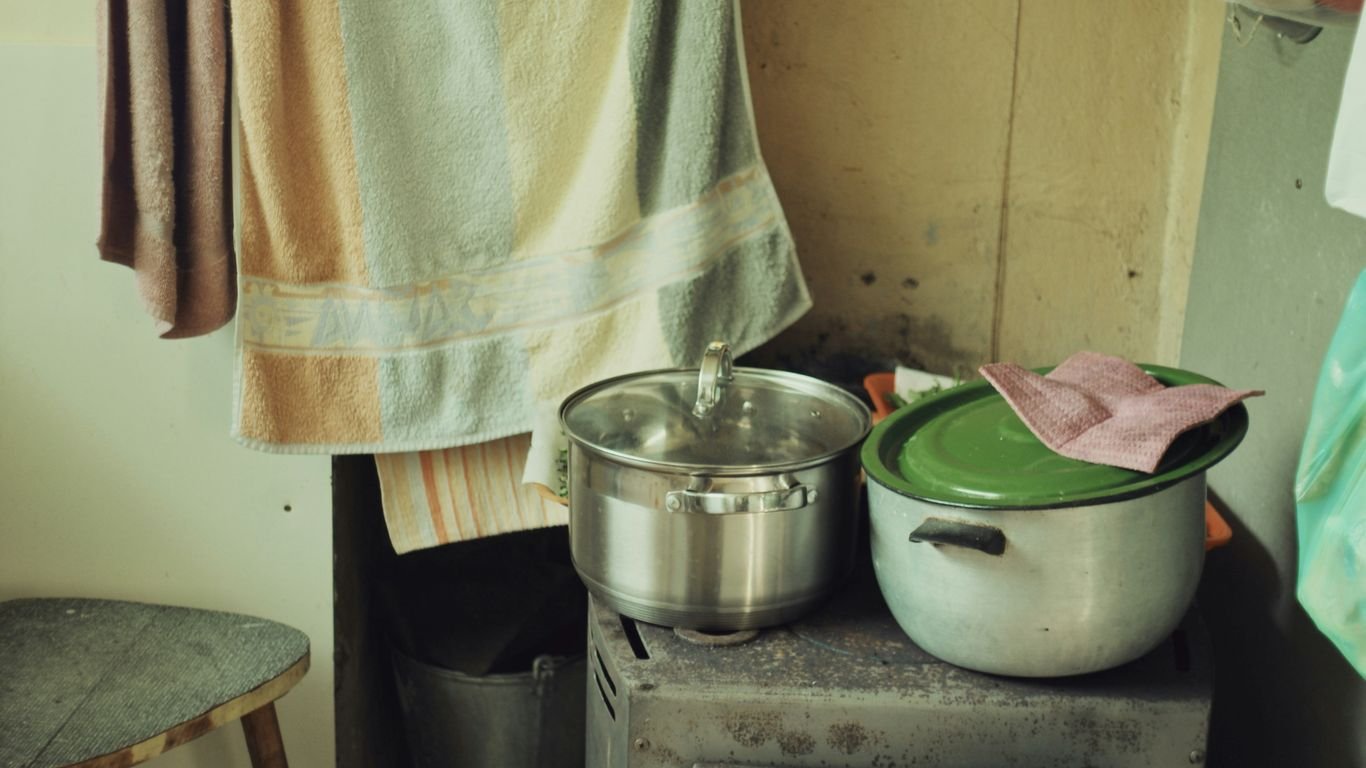
We've all got those hobbies or skills that we love doing, right? Maybe it's baking, gardening, or even making your own jam. What if we told you that you could turn those passions into a little extra cash? It might...
Read More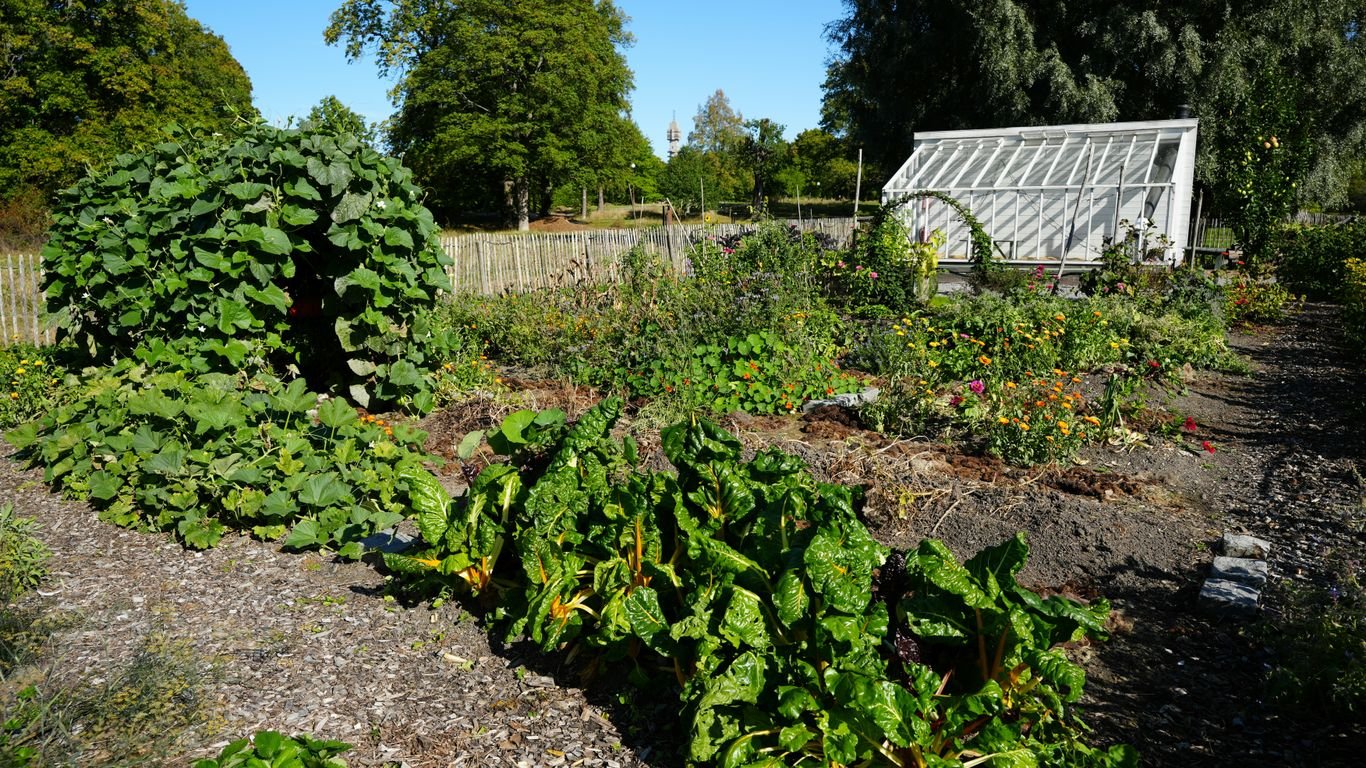 March 7, 2026
High-Output Crops Perfect for Micro Homesteads
Gardening
Homestead Planning
Homesteading
Starting a Homestead
March 7, 2026
High-Output Crops Perfect for Micro Homesteads
Gardening
Homestead Planning
Homesteading
Starting a Homestead
Thinking about growing your own food but only have a little space? We get it. Many of us are looking for ways to be more self-sufficient, even if we don't have acres to work with. The good news is, you...
Read More March 6, 2026
10 Low-Cost Homestead Side Hustles That Make Money
Homestead Planning
Homesteading
Starting a Homestead
March 6, 2026
10 Low-Cost Homestead Side Hustles That Make Money
Homestead Planning
Homesteading
Starting a Homestead
We all dream of a simpler life, right? One where we're more connected to the land and the seasons. But let's be real, that dream needs some funding. That's where low cost homestead side hustles come in. These aren't about...
Read More