



Homesteading can seem like a big, expensive undertaking, but we’ve found that it doesn’t have to be. We’re always looking for ways to live a more self-sufficient life without breaking the bank. Turns out, many of the most rewarding homestead projects are actually super cheap – many can be done for under $10! We’re excited to share some of our favorite cheap homestead projects that can help you save money and live a little simpler.
We all know that fresh food is best, but buying it can add up fast. Starting a garden, even a small one, is a fantastic way to cut down on grocery bills and get your hands dirty. You don’t need acres of land or fancy equipment to get going. Think about what you actually eat. Do you use a lot of fresh herbs? A few pots on a sunny windowsill can provide plenty of basil, mint, or parsley with very little investment. This is a great entry point for beginners.
If you’re ready for a bit more, consider container gardening. Old plastic tubs, buckets, or even kiddie pools can be repurposed into planters. Just make sure to drill some drainage holes in the bottom! This is perfect for small spaces like balconies or patios. We’ve found that growing things like salad greens, radishes, peppers, and dwarf tomatoes works really well in containers.
Here are a few ideas for budget-friendly garden setups:
When planning your garden layout, think about how tall plants will grow and how much sun they need. Taller plants can even provide shade for smaller, shade-loving ones. Don’t be afraid to get creative with your plant choices and arrangement. The goal is to grow what you’ll eat and enjoy the process.
Starting small is key. Don’t try to grow everything at once. Focus on a few things you love and expand as you get more comfortable and learn what works best in your space and climate.
Saving seeds is a fantastic way to cut down on gardening costs year after year. Instead of buying new seeds every spring, we collect them from our best-producing plants at the end of the season. It’s not as complicated as it sounds, and it feels really rewarding to grow plants from seeds you saved yourself.
We usually focus on saving seeds from open-pollinated or heirloom varieties because they tend to breed true to type. Hybrid seeds often don’t produce plants that are the same as the parent plant, so saving those isn’t usually worth the effort for us. Some of the easiest things to save seeds from include beans, peas, tomatoes, and peppers.
Here’s a basic rundown of how we do it:
The key is to make sure the seeds are thoroughly dry before you put them away. If there’s any moisture left, they can mold and won’t be viable next season. We store our dried seeds in small envelopes or glass jars, clearly labeled with the plant type and the year. It’s a simple step that makes a big difference in our gardening budget.
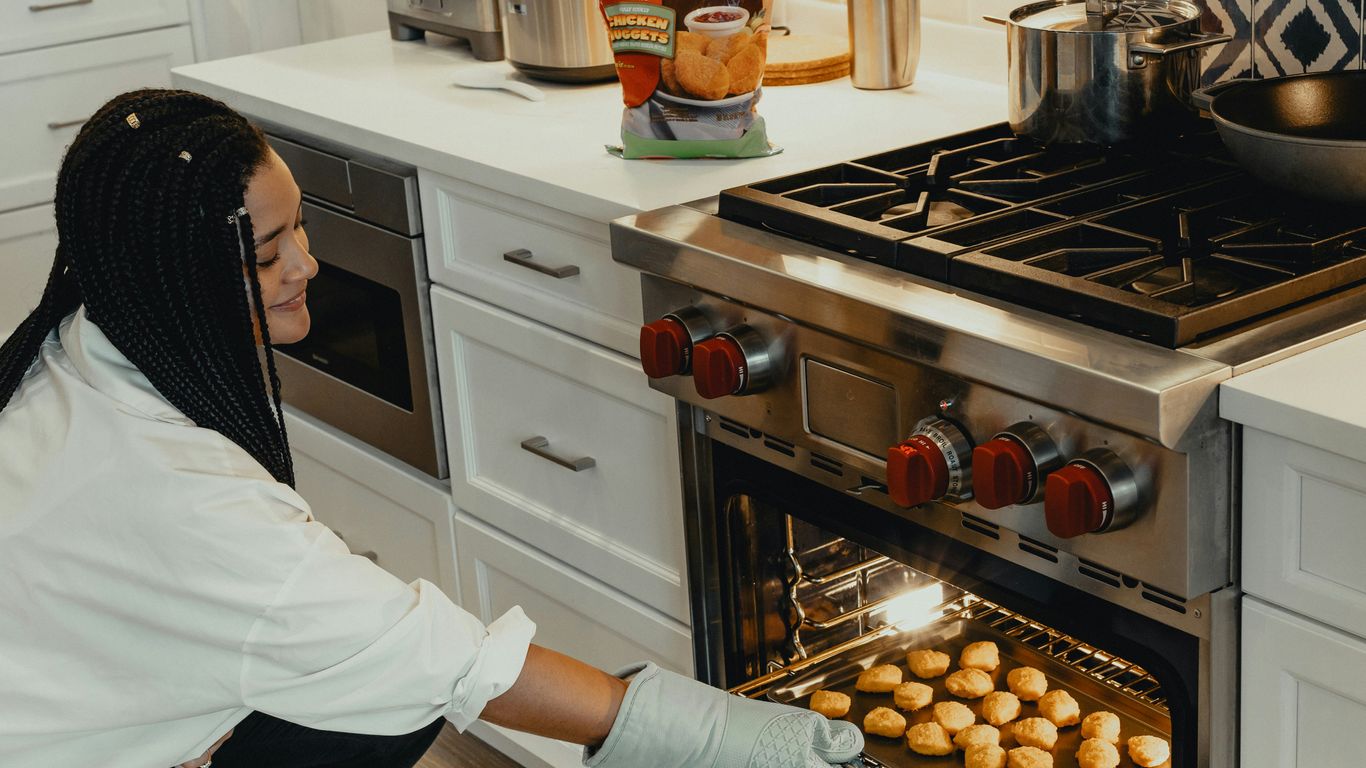
We’ve found that one of the biggest ways to save money on a homestead, even a small one, is by cooking from scratch. It might seem like a lot of work at first, especially if you’re used to grabbing pre-made meals or eating out. But honestly, once you get into the rhythm, it’s not that bad. Plus, the food just tastes better, and you know exactly what’s going into it.
Think about it: those boxed mixes and frozen dinners are convenient, sure, but they add up fast. Making things like bread, pasta sauces, or even simple desserts from basic ingredients is way cheaper. We’re talking about taking simple things like flour, eggs, and sugar and turning them into delicious meals for a fraction of the cost. It’s amazing how much you can save by avoiding the processed stuff. For example, making a big batch of cornbread from scratch costs pennies, while a mix can be almost double that for a much smaller amount.
Here are a few ideas to get you started:
Cooking from scratch means you control the ingredients. You can avoid preservatives, excess sugar, and sodium, making your meals healthier too. It’s a win-win for your wallet and your well-being.
Don’t be afraid to try out some old-fashioned recipes. Many Depression-era recipes are designed for simplicity and affordability, using ingredients that are easy to find and cheap to buy. You can find tons of these online, and they’re a great way to learn new skills. We’ve even found some great shelf-stable meal ideas that use canned goods and pantry staples, perfect for when fresh ingredients are scarce 21 shelf-stable meal ideas.
It’s not about being perfect; it’s about making small changes that add up. Start with one thing, like baking your own bread once a week, and see how much you save. You might be surprised at how much money you can keep in your pocket.
Turning our kitchen scraps and yard waste into something useful for the garden sounds like a win-win, right? Composting is one of those homesteading basics that really pays off without costing much. We can take things like vegetable peels, coffee grounds, and grass clippings and transform them into nutrient-rich soil amendment. It’s basically free fertilizer!
Getting started is simpler than you might think. We don’t need a fancy setup. A simple bin can be made from repurposed materials or a basic storage tote. The key is to get a good mix of "greens" (like food scraps) and "browns" (like dry leaves or shredded paper). This balance helps the decomposition process along. We just need to make sure we have a good balance of materials.
Here’s a basic breakdown of what we can compost:
We’ll want to keep our compost pile moist, like a wrung-out sponge, and turn it occasionally to let air in. This helps everything break down faster. If you’re looking for a more structured approach, there are many affordable rectangular compost bins available that can help manage the process efficiently.
Composting is a fantastic way to reduce landfill waste while simultaneously creating a valuable resource for our gardens. It’s a slow process, but the payoff in healthier soil and reduced waste is well worth the minimal effort involved.
We can all agree that store-bought cleaning supplies add up, and honestly, a lot of them are packed with chemicals we don’t want hanging around our homes. The good news is, we can whip up effective cleaners using simple ingredients we probably already have. Making your own cleaners is not only cheaper, but it’s also way better for us and the planet.
Think about it: a bottle of all-purpose cleaner, a glass cleaner, a scrub for the tub… it’s easy to spend $20 or more on these items. But with a few pantry staples, we can tackle most cleaning jobs for pennies.
Here are some of our go-to ingredients and how we use them:
We’ve found that a simple mix of equal parts vinegar and water in a spray bottle handles about 80% of our cleaning needs. For tougher jobs, a paste of baking soda and water is our secret weapon.
We’ve ditched paper towels for reusable cloths, which we just toss in the wash. It saves a ton of money and reduces waste. So next time you’re running low on cleaning supplies, give these homemade options a try. You might be surprised at how well they work!
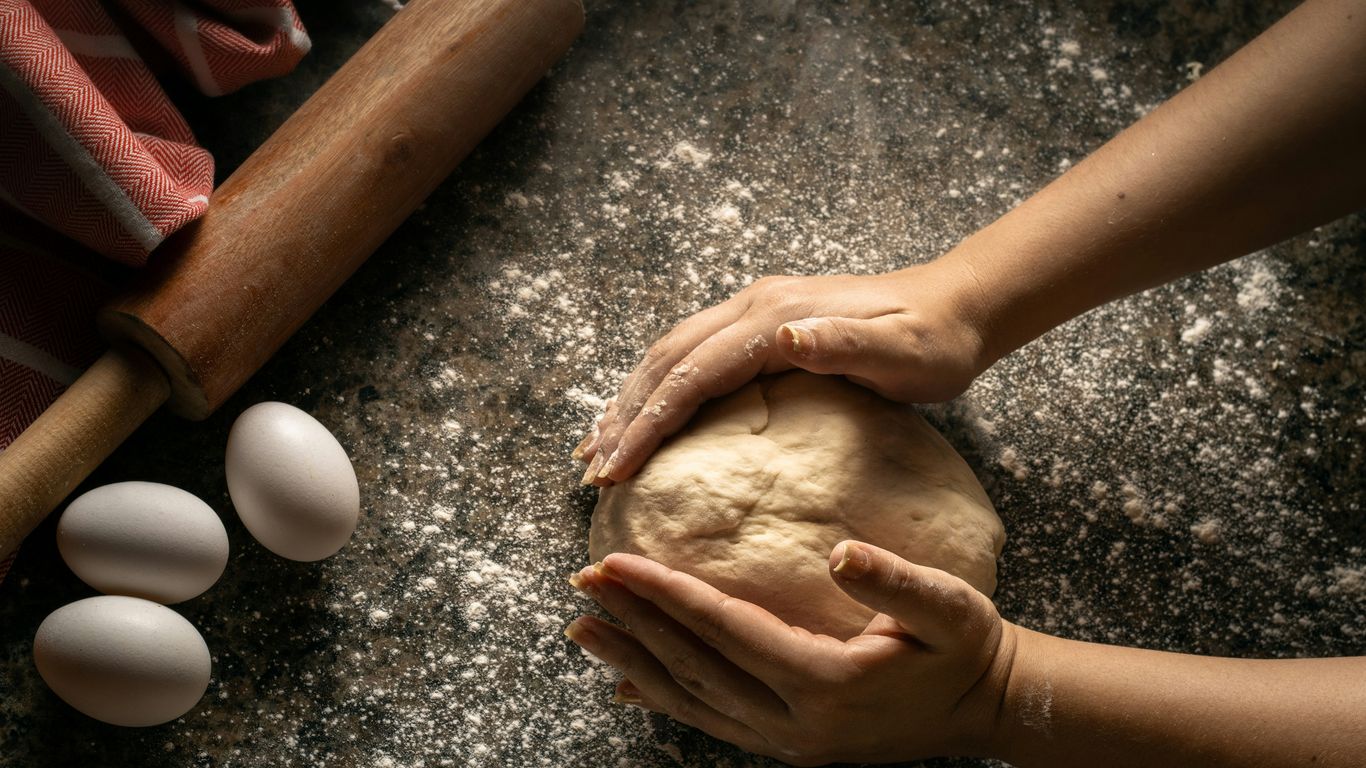
Forget those pricey store-bought loaves! Baking our own bread is a fantastic way to save money and get a taste of that true homesteading satisfaction. Think about it – a simple loaf of bread can cost a few dollars at the grocery store, but the ingredients to make it at home are incredibly cheap, especially if you buy them in bulk. We’re talking flour, yeast, water, and a pinch of salt. That’s it!
Learning to bake bread isn’t just about saving cash; it’s about control. We get to decide exactly what goes into our food – no weird preservatives or unpronounceable ingredients. Plus, the smell of fresh bread baking in our kitchen is just unbeatable. It’s a skill that pays off, literally, every time we pull a warm loaf out of the oven.
Here’s a basic idea of what you might need and the potential savings:
| Item | Store-Bought Cost (approx.) | Homemade Cost (approx.) | Savings per Loaf (approx.) |
|---|---|---|---|
| Basic White | $3.00 | $0.75 | $2.25 |
| Whole Wheat | $4.00 | $1.00 | $3.00 |
Of course, these are just estimates, and prices can change. But the trend is clear: baking at home is cheaper.
Getting started is simpler than you might think. We can begin with a basic no-knead recipe, which requires minimal effort. The key is patience and letting the dough do its thing. We’ve found that using a Dutch oven really helps create that perfect crust. It traps the steam, giving us that bakery-quality finish right in our own oven. It’s a small investment that makes a big difference in the final product. So, let’s get our hands floured and start baking!
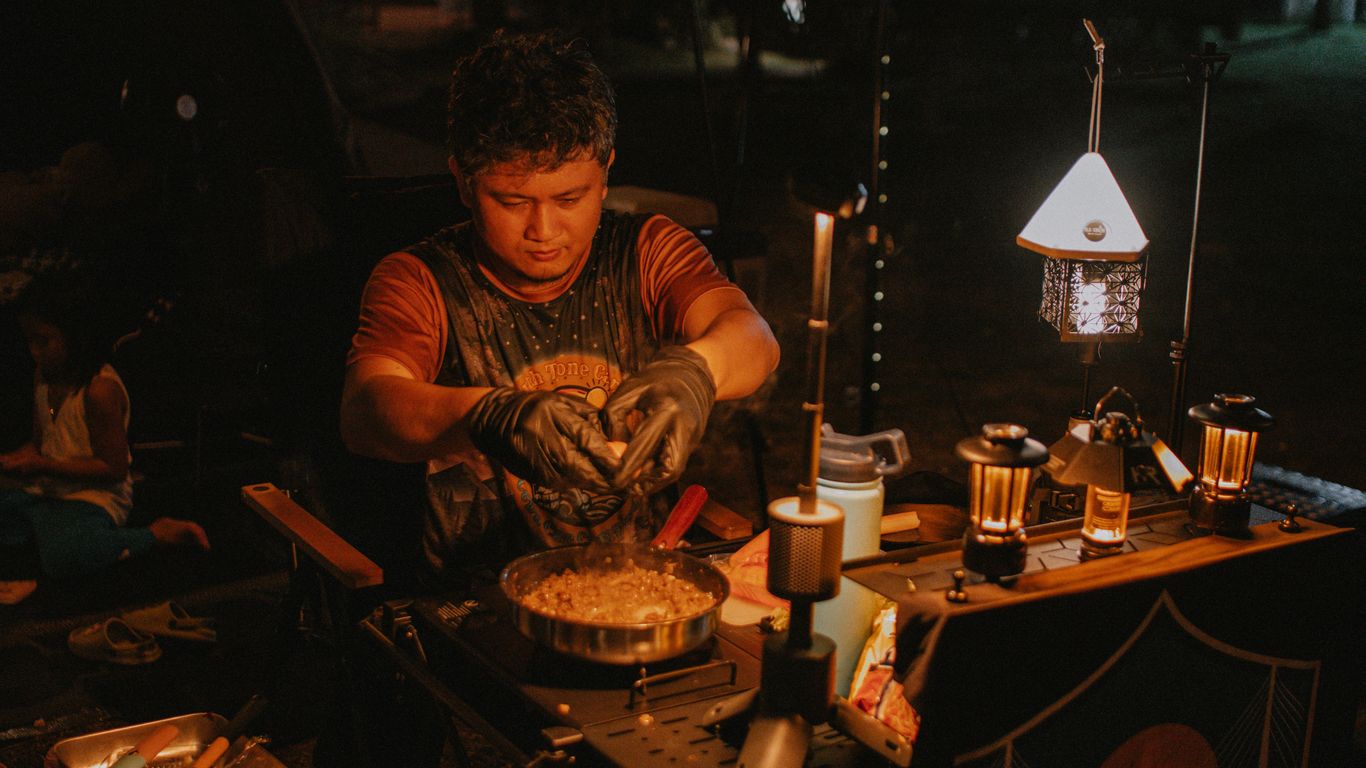
Making your own candles can be a surprisingly simple and rewarding project, and it’s a fantastic way to save money. Think about it – those fancy candles at the store can cost a pretty penny, but you can whip up your own for just a few cents each. It’s a skill that’s not only budget-friendly but also comes in handy, especially if the power ever goes out. We’ve found that using a slow cooker makes the process even easier, melting down wax and letting us add our favorite scents.
Here’s a basic rundown of what you might need:
We were amazed at how quickly we could make a batch of custom candles. It’s a great way to use up old candle remnants too. Just melt them down, add a new wick, and you’ve got a fresh candle. Plus, you get to control exactly what goes into them, avoiding those artificial smells. It’s a little bit of DIY magic right in our kitchen, and the results are always worth it.
We can all agree that throwing away clothes with a small tear or a missing button is a waste. Learning some basic sewing skills is a fantastic way to extend the life of our garments and save money. You don’t need a fancy sewing machine to start; a simple hand-sewing kit from the dollar store is perfectly adequate for most repairs. Mastering a few stitches can make a huge difference.
Think about it: a loose hem, a popped seam, or a missing button can often be fixed in minutes with just a needle and thread. It’s a skill that pays for itself pretty quickly.
Here are a few stitches we found useful:
Getting started is easy. You can find inexpensive sewing kits that include needles, thread in various colors, a few buttons, and even a small pair of scissors. Practicing on scrap fabric is a good way to get a feel for the stitches before tackling your favorite shirt. We found that looking up basic sewing techniques online was really helpful, especially for visual learners. It’s amazing how much you can mend with just a little practice. This is a great skill to add to your list of homesteading abilities.
Fixing clothes instead of replacing them is a direct way to cut down on waste and spending. It’s a small skill that has a big impact on our budget and our environmental footprint.
Paper napkins and paper towels add up fast, don’t they? We’ve found a super simple way to cut down on that expense: making our own cloth napkins. It’s easier than you might think, and you can use up old fabric scraps or even an old t-shirt. This is a fantastic project for using up materials you already have.
We usually just grab some scrap fabric or an old, soft t-shirt. Then, we cut them into squares. A good size to aim for is about 16×16 inches, but honestly, you can make them any size you like. We don’t worry too much about perfect edges; a simple hem or even just leaving the edges a little frayed works fine for us. If you want a cleaner look, you can fold the edges over twice and sew them down. It’s a quick process, and soon you’ll have a whole stack of reusable napkins ready to go.
Here’s a basic rundown:
It’s a great way to reduce waste and save money. Plus, they look so much nicer on the table than paper ones. If you’re looking for a simple sewing project, this is definitely it. You can find a quick and easy method for sewing cloth napkins that skips the tricky mitered corners, making it super straightforward for anyone to try.
Making your own napkins is a small step that makes a big difference in reducing household waste and saving money over time. It’s a practical homesteading skill that pays off.
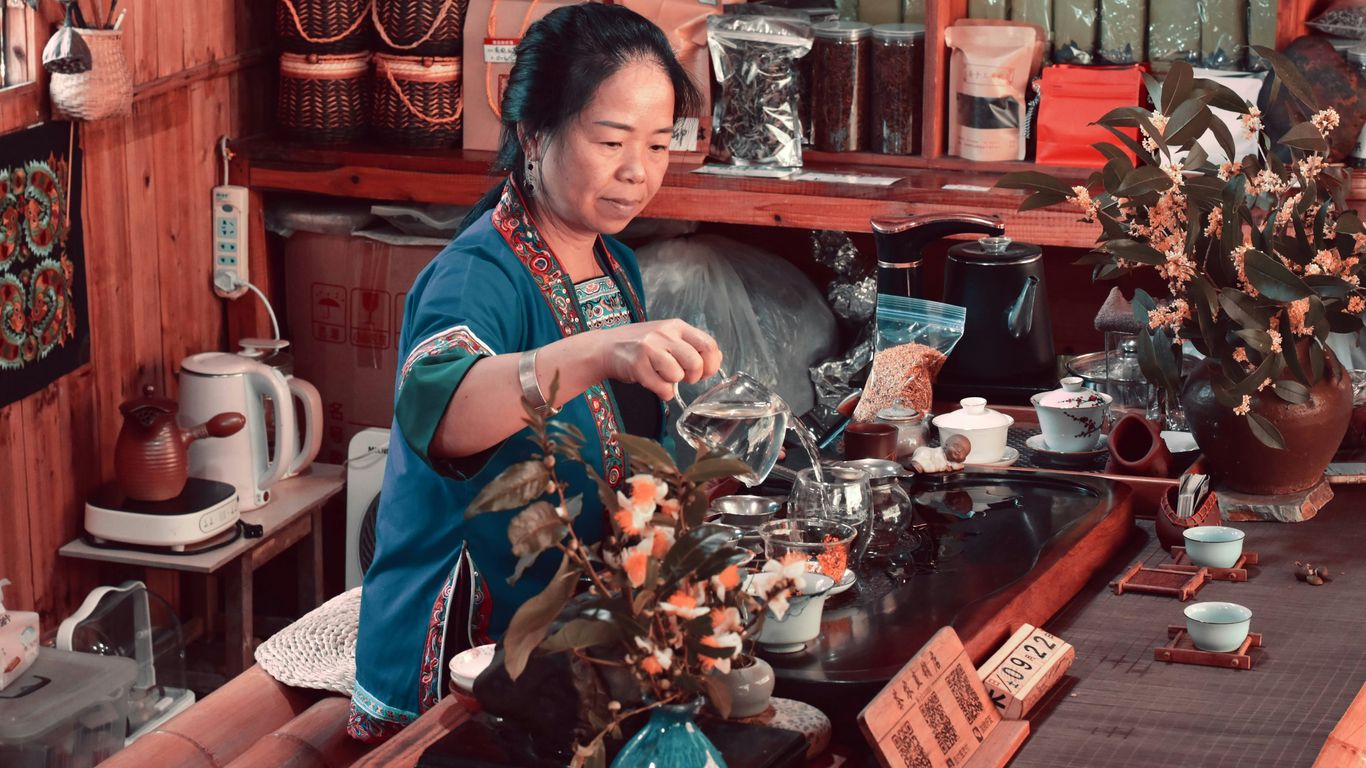
We’ve spent time growing food, making cleaners, and baking bread, so why not share the bounty? Making gifts from our homestead is a fantastic way to show love without spending a lot of cash. Think about all the things we’ve already made or grown – jams, pickles, soaps, knitted items, or even just pretty jars of dried herbs. These aren’t just random items; they’re gifts made with our own hands and from our own efforts.
Turning our homestead’s surplus into thoughtful presents is a win-win. It saves us money we’d otherwise spend on store-bought gifts, and the recipient gets something unique and personal.
Here are some ideas for gifts we can easily whip up:
When we make gifts, we’re not just giving an object; we’re giving a piece of our time, effort, and the fruits of our labor. It’s a way to share the homesteading spirit directly with the people we care about, making the gift even more special.
So there you have it! We’ve gone through a bunch of ways to get that homesteading vibe without emptying your wallet. Remember, you don’t have to do everything at once. Pick a project or two that sounds fun and give it a shot. We found that even small changes, like making our own cleaning supplies or starting a tiny herb garden, made a big difference. It’s all about finding what works for us and enjoying the process. Happy homesteading, everyone!
The main idea is to live more simply and save money by doing things ourselves. We want to show that you don’t need a lot of cash to start growing your own food, making things, and becoming more self-sufficient. It’s all about being smart with our resources and enjoying the process.
Not at all! We can start small with just a few seeds and some basic supplies. Sometimes, we can even get free materials or use things we already have. The goal is to grow what we can ourselves, which saves us money on groceries in the long run.
When we cook from scratch, we avoid buying expensive pre-made meals or eating out. We know exactly what goes into our food, and it’s usually much cheaper. Plus, it’s a great way to use up ingredients we might have grown or bought in bulk.
Many store-bought cleaners have harsh chemicals and cost a lot. We can use simple, cheap ingredients like vinegar and baking soda to make effective cleaners for our homes. It’s better for our wallets and often better for the environment too.
Yes, especially if we compare it to buying fancy or specialty bread. Once we have a basic recipe and learn the technique, the ingredients are usually quite affordable. Plus, the smell of fresh-baked bread is a wonderful bonus!
We can turn things we make for our homestead, like jams, soaps, or even knitted items, into thoughtful gifts. Making candles or simple sewn items like reusable napkins are also great, low-cost gift ideas that people appreciate.
 March 7, 2026
How to Turn Food Preservation Into a Side Hustle
Canning
Homestead Kitchen
Homesteading
Sustainable Living
March 7, 2026
How to Turn Food Preservation Into a Side Hustle
Canning
Homestead Kitchen
Homesteading
Sustainable Living
We've all got those hobbies or skills that we love doing, right? Maybe it's baking, gardening, or even making your own jam. What if we told you that you could turn those passions into a little extra cash? It might...
Read More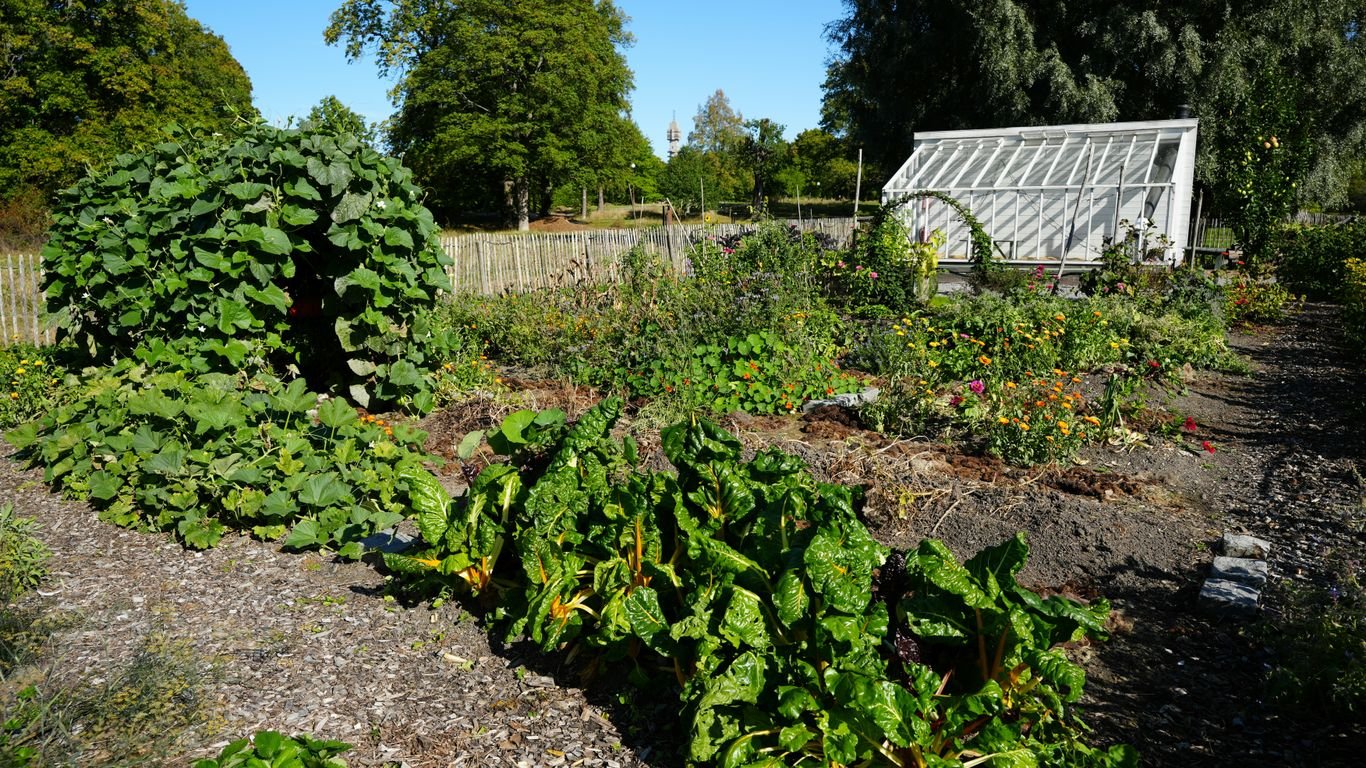 March 7, 2026
High-Output Crops Perfect for Micro Homesteads
Gardening
Homestead Planning
Homesteading
Starting a Homestead
March 7, 2026
High-Output Crops Perfect for Micro Homesteads
Gardening
Homestead Planning
Homesteading
Starting a Homestead
Thinking about growing your own food but only have a little space? We get it. Many of us are looking for ways to be more self-sufficient, even if we don't have acres to work with. The good news is, you...
Read More March 6, 2026
10 Low-Cost Homestead Side Hustles That Make Money
Homestead Planning
Homesteading
Starting a Homestead
March 6, 2026
10 Low-Cost Homestead Side Hustles That Make Money
Homestead Planning
Homesteading
Starting a Homestead
We all dream of a simpler life, right? One where we're more connected to the land and the seasons. But let's be real, that dream needs some funding. That's where low cost homestead side hustles come in. These aren't about...
Read More