



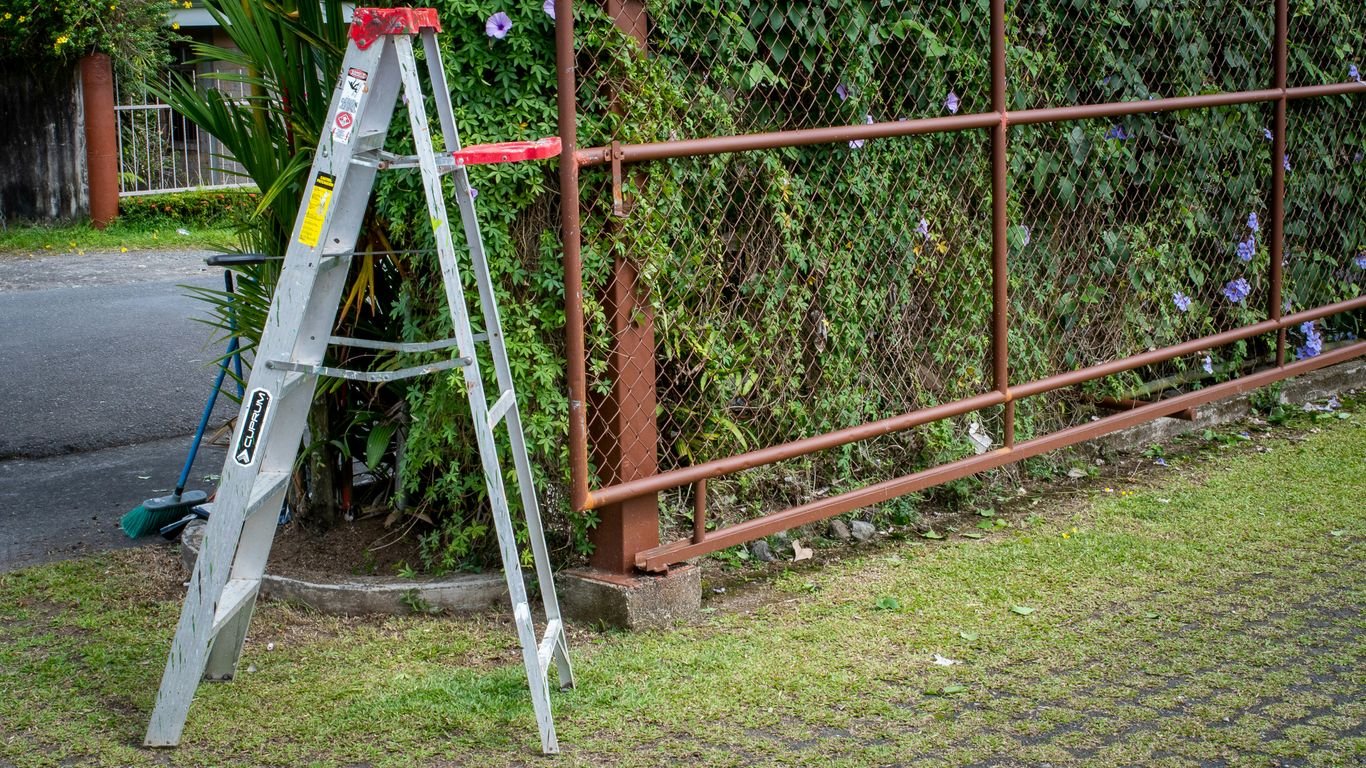
We all know that homesteading can sometimes feel like a lot. There are always projects, big and small, that need our attention. But what if we told you that many common household issues can be fixed in a flash? We’ve put together a list of quick homestead fixes that you can tackle in 15 minutes or less. These are the kinds of things that keep our homes running smoothly without taking up our whole weekend. Let’s get these little tasks done!
We’ve all been there: you’re ready to tackle a leaky sink or a constantly running toilet, and then you hit a snag. The shutoff valve, the very thing meant to stop the water, just won’t cooperate. It’s frustrating, but thankfully, some of these valves are surprisingly easy to fix.
If you find yourself with a stubborn shutoff valve that refuses to turn off the water, don’t panic. For many common types, a simple washer replacement can do the trick. This fix can save you from calling a plumber and potentially a lot of hassle.
Here’s how we usually handle it:
Sometimes, the issue isn’t the washer but just some gunk preventing a good seal. A quick clean-out can often get things working smoothly again.
Give it a try! You might be surprised at how simple it is to get that shutoff valve working like new again.
We’ve all been there – you turn on the faucet, and instead of a steady stream, you get a dribble, or worse, a spray that shoots off in a random direction. It’s usually not a big deal and often just means the aerator on the end of your faucet needs a little attention. This is one of those quick fixes that makes a surprising difference.
Here’s how we tackle it:
This simple cleaning process can often solve low pressure or erratic spray issues, saving you a trip to the hardware store or a call to a plumber. It’s amazing what a little vinegar and a toothbrush can do!
This fix usually takes less than 15 minutes and can make your faucet feel brand new.
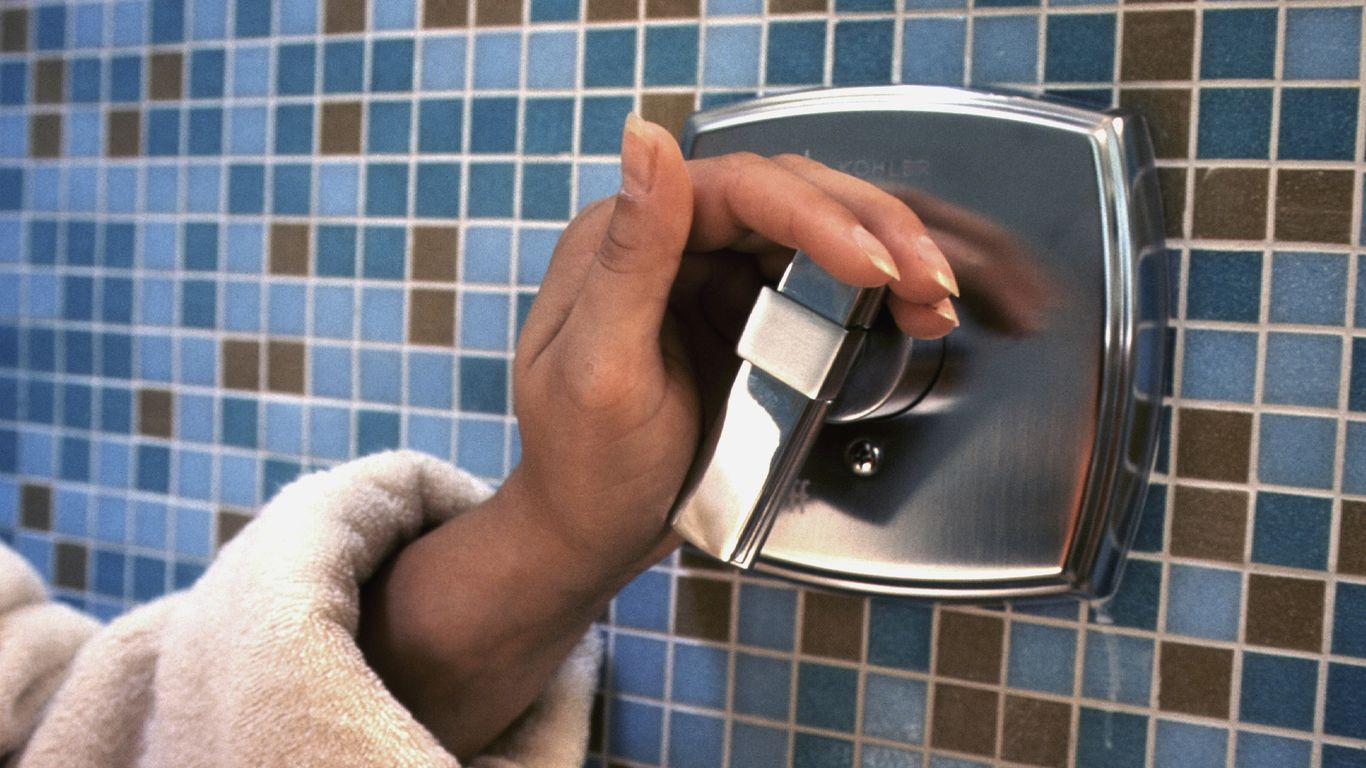
We’ve all been there. You flush the toilet, and instead of a smooth descent, you get that dreaded slow gurgle, followed by a rising water level. Before you panic and reach for the plunger or, worse, the toilet snake, try this super simple trick. A little bit of dish soap can work wonders.
It sounds almost too easy, right? But here’s the science behind it: liquid dish soap is designed to break down grease and grime, and in this case, it acts as a lubricant. When you pour about half a cup of your regular liquid dish soap into the toilet bowl, let it sit for a good 15-20 minutes. This gives the soap time to seep down into the clog and reduce the friction. When you come back, try flushing again. Often, the clog will have loosened enough to slide on through without any extra effort.
Here’s how we usually do it:
This method is particularly effective for clogs caused by organic waste or toilet paper that has simply gotten too thick. It’s a gentle approach that avoids harsh chemicals and the mess of plunging.
If the dish soap trick doesn’t do the job after a couple of tries, then it might be time to consider a plunger or a snake. But for those minor, everyday clogs, this is our go-to first step.
We’ve all been there. You flush the toilet, and instead of a satisfying "glug-glug-stop," you hear that constant, annoying trickle. A running toilet isn’t just a waste of water; it can really get on your nerves. Thankfully, we can usually fix this common household issue pretty quickly.
Often, the culprit is a simple mechanical problem inside the tank. The most frequent offender is the flapper chain. If it’s too long or gets tangled, it won’t create a proper seal, letting water constantly seep into the bowl. Another common cause is a worn-out flapper or a faulty fill valve.
Here’s a super simple fix for a kinked chain:
If the chain isn’t the issue, you might need to adjust or replace the fill valve or the flapper itself. These parts are inexpensive and usually available at any hardware store. Replacing them is a straightforward process that can save you a lot of water and frustration.
This simple adjustment can stop that phantom flush and save us some serious money on our water bill. It’s amazing what a little piece of plastic can do!
We’ve all been there: wrestling with a vinyl window or door that just won’t budge. It’s frustrating, right? Often, this sticking is due to gunk building up in the tracks, but sometimes, even clean ones can bind. Don’t force it – a quick spray can make all the difference.
Here’s what we do:
We’ve found that using the right kind of lubricant is key. Avoid oil-based greases, as they tend to collect dirt and can actually make the problem worse over time. For sliding glass doors, silicone-based or dry PTFE spray lubricants are recommended. These ensure smooth operation without attracting dust. Avoid oil-based greases, as they can accumulate dirt and impede the door’s movement.
Sometimes, the simplest fixes are the most effective. A little bit of the right spray can save you a lot of hassle and prevent potential damage from forcing stubborn parts.
We’ve all been there – you’re trying to enjoy a relaxing shower, and the showerhead starts doing its own little dance. A wobbly showerhead isn’t just annoying; it can also mean water is spraying in directions you don’t want it to. This fix is surprisingly simple and uses expanding foam to secure that loose pipe.
Here’s how we tackle it:
This method works because the expanding foam creates a solid, supportive structure around the pipe inside the wall. It essentially locks the pipe in place, stopping that annoying wobble. It’s a great way to stabilize not just showerheads, but other similar fixtures that might be coming loose.
Your showerhead should now be stable and pointing exactly where you want it. It’s a quick fix that makes a big difference in your daily shower experience.
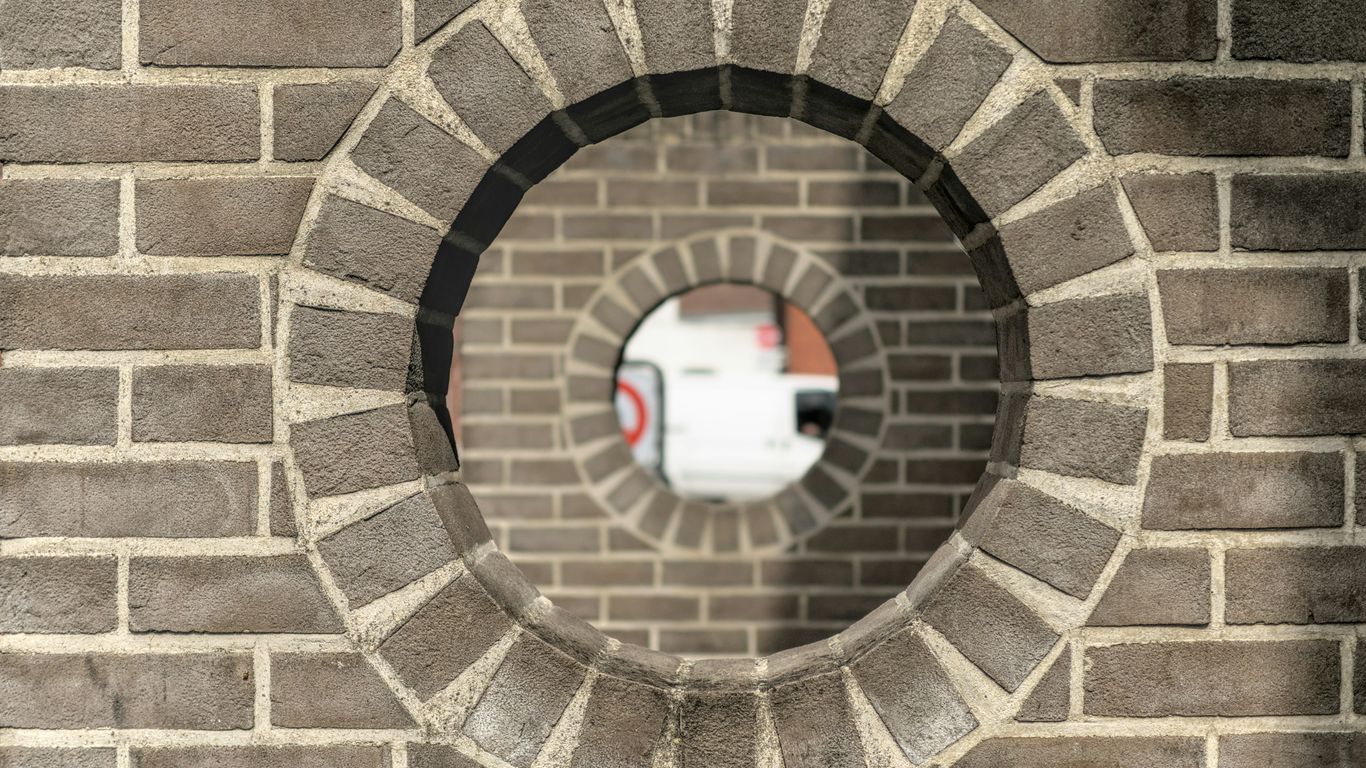
We’ve all been there. You’re doing a quick check around the house, and bam! You notice a hole in the ceiling. Maybe it’s from a leaky pipe that’s now fixed, or perhaps a dropped tool. Whatever the cause, patching a hole, especially in a textured ceiling, can be a real pain. It often means trying to match the texture, then repainting the entire section, or even the whole ceiling, to make it blend in. It’s a time-consuming fix that we often put off.
But what if we told you there’s a super simple, almost sneaky way to deal with it? Just cover it up with a smoke detector. Seriously! Most of us have battery-operated smoke detectors, and they’re usually mounted right in the middle of a room or hallway. If you’ve got a small to medium-sized hole that’s driving you crazy, a smoke detector can be the perfect disguise. It’s a two-for-one deal: you fix the visual annoyance and add a bit more safety to your home. Just make sure the detector is still functional and not expired before you mount it as a permanent fixture. It’s a quick fix that makes a surprising difference.
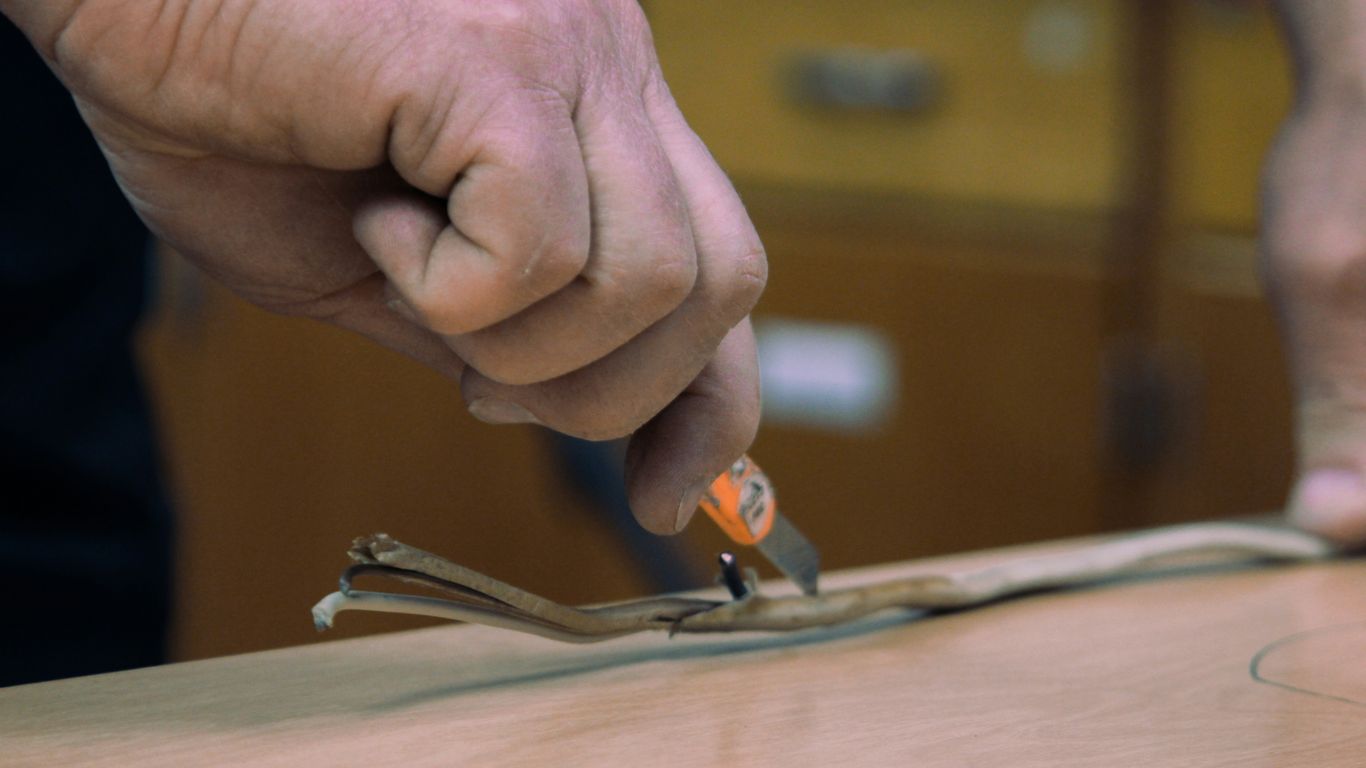
We’ve all been there. You’re trying to fix something, and suddenly, the screw head is just a mangled mess. It won’t budge, and your screwdriver just spins uselessly. A stripped screw can really put a damper on a quick fix.
Don’t toss that project just yet! There are a few ways we can get that stubborn screw out. One of the easiest methods involves a rubber band. Place a wide rubber band flat over the stripped screw head. Then, press your screwdriver firmly into the rubber band and screw head, and try to turn it slowly. The rubber can fill in the stripped gaps and give your screwdriver something to grip.
If that doesn’t work, it might be time to invest in a screw extractor kit. These handy tools are designed specifically for this problem. They usually have two ends. One end drills a small hole into the damaged screw head, and the other end has reverse threads that bite into the screw as you turn it counterclockwise, backing it out.
Here’s a quick rundown of what you might need:
Sometimes, a little bit of patience and the right tool can save you from a lot of frustration. Don’t let a stripped screw win!
We all love reusing glass jars for storage, whether it’s for pantry staples, homemade jams, or even just organizing small bits and bobs around the homestead. But those sticky labels can be a real pain to get off, right? Don’t worry, we’ve got a super simple trick that works like a charm.
The trick is to soak the jars in hot, soapy water and then use a bit of oil to get rid of any leftover residue. It sounds too easy, but it really does the job.
Here’s how we do it:
This method is great because it doesn’t involve harsh chemicals and uses things we usually have lying around the house. Plus, it’s quick enough that you can get a whole batch of jars ready for their next life in no time.
This way, we can keep our jars looking clean and new, ready for whatever we need them for next. It’s a small fix, but it makes a big difference when you’re trying to keep things tidy and organized on the homestead.

We all love a good quick fix, right? Sometimes, though, the best "fix" is actually about having the right supplies on hand. While baling twine has its place, especially for quick fencing jobs or bundling things up, we’ve found that a good supply of duct tape and zip ties can solve a surprising number of homestead problems. These two items are incredibly versatile and often more reliable than twine for many tasks.
Think about it: duct tape can patch almost anything temporarily, from a leaky hose to a ripped tarp. Zip ties, on the other hand, are fantastic for securing things quickly and neatly. We use them for everything from organizing cables to temporarily reattaching a broken piece of equipment.
Here’s why we lean towards these two:
While baling twine has its uses, especially for agricultural purposes like securing hay bales, it can fray and break more easily than its modern counterparts. For general homestead repairs and quick fixes, having a good stock of duct tape and zip ties is a game-changer. You can find information on taxable items, which might include certain types of twine, on tax resources like Alabama sales tax rules.
We’ve learned that investing in a few rolls of quality duct tape and a big assortment of zip ties saves us time and frustration in the long run. They’re simple, effective, and ready for whatever the homestead throws at us.
So there you have it! Ten quick fixes that can save us a ton of time and hassle around the homestead. We know life gets busy, and sometimes it feels like there’s always something that needs attention. But tackling these small jobs in just 15 minutes can make a real difference. It’s about keeping things running smoothly without letting small problems turn into big headaches. We hope these tips help you get more done and enjoy your homesteading life a little bit more. Happy fixing!
For most of these fixes, we only need basic tools like screwdrivers, pliers, a rag, and maybe some household items like dish soap or a toothbrush. Some fixes might call for a drill or a spray lubricant, but generally, we’re keeping it simple.
The whole point is speed! We’re aiming for fixes that take about 15 minutes or less. Some might even be done in just a few minutes.
Absolutely! We’ve chosen fixes that don’t require expert skills. If you can follow simple instructions, you can handle these. Safety first, of course!
Don’t worry if something doesn’t go exactly as planned. Sometimes things are a bit trickier than they seem. We can always try a different approach or look for more detailed guides if needed.
Most of these are pretty universal and work for common household issues. Whether you’re in a house, apartment, or even a small cabin, these quick fixes should help out.
We’re tackling everyday annoyances like leaky valves, slow faucets, clogged toilets, and squeaky windows. Basically, those little things that can be a pain but are usually easy to sort out quickly.
 March 7, 2026
How to Turn Food Preservation Into a Side Hustle
Canning
Homestead Kitchen
Homesteading
Sustainable Living
March 7, 2026
How to Turn Food Preservation Into a Side Hustle
Canning
Homestead Kitchen
Homesteading
Sustainable Living
We've all got those hobbies or skills that we love doing, right? Maybe it's baking, gardening, or even making your own jam. What if we told you that you could turn those passions into a little extra cash? It might...
Read More March 7, 2026
High-Output Crops Perfect for Micro Homesteads
Gardening
Homestead Planning
Homesteading
Starting a Homestead
March 7, 2026
High-Output Crops Perfect for Micro Homesteads
Gardening
Homestead Planning
Homesteading
Starting a Homestead
Thinking about growing your own food but only have a little space? We get it. Many of us are looking for ways to be more self-sufficient, even if we don't have acres to work with. The good news is, you...
Read More March 6, 2026
10 Low-Cost Homestead Side Hustles That Make Money
Homestead Planning
Homesteading
Starting a Homestead
March 6, 2026
10 Low-Cost Homestead Side Hustles That Make Money
Homestead Planning
Homesteading
Starting a Homestead
We all dream of a simpler life, right? One where we're more connected to the land and the seasons. But let's be real, that dream needs some funding. That's where low cost homestead side hustles come in. These aren't about...
Read More