


For those of us looking to be a bit more self-sufficient, growing our own food is a big step. We want plants that give us a lot back for our effort, and that’s where knowing about high yield crops comes in handy. We’ve put together a list of ten crops that we think are great for any homesteader wanting to get the most out of their garden.
When we think about high-yield crops for the homestead, potatoes are almost always at the top of the list. They’re calorie-dense, relatively easy to grow, and can produce a lot of food in a small space. Plus, they store pretty well if you’ve got a cool, dark spot.
We like to grow a mix of varieties. Some are better for eating fresh throughout the summer, while others, like the Elba Seed Potato, are known for their hardiness and excellent disease resistance, making them a solid choice for longer storage. Choosing the right variety for your climate and intended use is key.
Here’s a quick rundown on how we approach growing them:
Storing potatoes is pretty straightforward. We aim for a temperature between 40-55 degrees Fahrenheit. A basement, root cellar, or even a cool, dark corner of a shed can work. We often use plastic bins with holes drilled in them for ventilation. Just make sure they aren’t exposed to light, or you’ll end up with green potatoes.
Potatoes are a fantastic staple crop that can provide a significant amount of food for your family. Their versatility in the kitchen and their ability to be stored for months make them a cornerstone of any self-sufficient pantry.
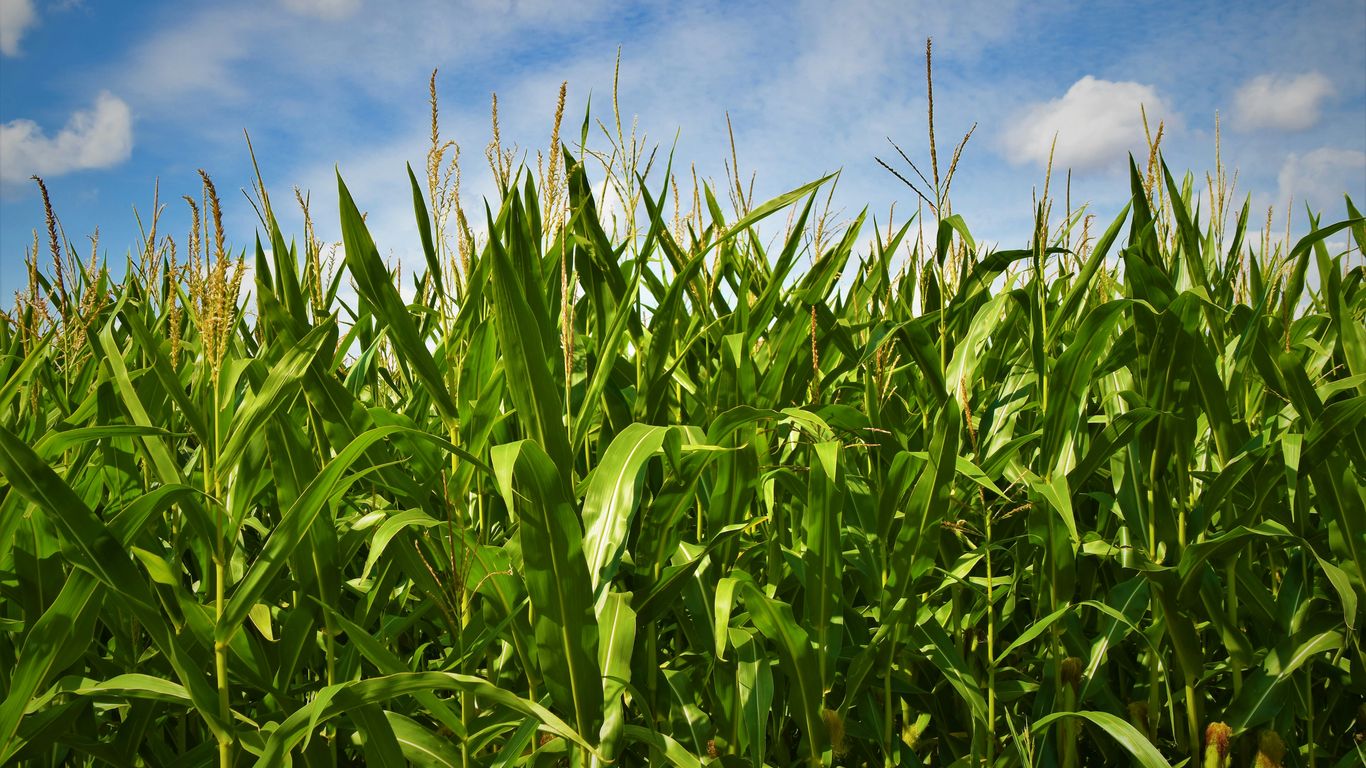
Corn is a fantastic crop for any homesteader to have in the garden. It’s incredibly versatile; you can eat it fresh off the cob, dry it for grinding into flour, or even use it to feed livestock. Plus, it’s a great source of carbohydrates and can produce a lot of food from a relatively small space. We’ve found that planting corn in blocks, rather than long rows, really helps with pollination, leading to a better harvest.
There are a few main types of corn to consider:
We highly recommend looking for open-pollinated varieties. This way, you can save your own seeds year after year, which is a huge win for self-sufficiency. Some flint and dent corn seeds can be saved for up to 10 years if stored properly!
When it comes to yield, you can expect roughly 30,000 calories from just 100 square feet of planted corn. If you’re interested in unique varieties, check out something like ‘Floriani Red Flint’ heirloom corn, which has shown higher nutrient values than standard supermarket cornmeal. Growing your own grain corn means you’ll have a more nutritious product than what you can buy, and it’s a really satisfying process from planting to grinding. We’ve been growing ‘Bloody Butcher’ for years, and it’s perfect for our morning hot cereal.
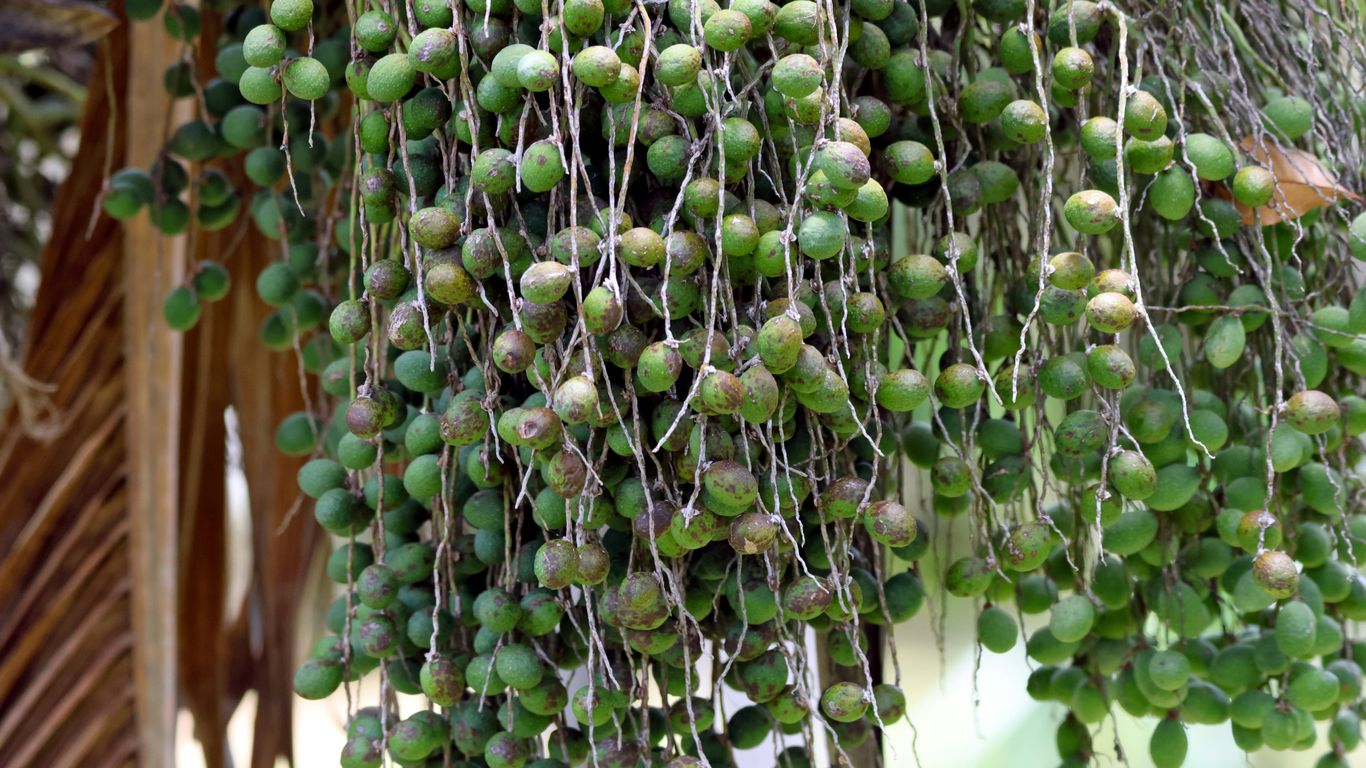
Beans are such a powerhouse for any homesteader. We love them because they pack a serious protein punch, which is great for filling up our pantries and our bellies. Plus, they’re pretty forgiving to grow, which is always a win in our book. Whether you’re looking for fresh green beans to snap or dry beans to store for the long haul, there’s a bean variety out there for you.
We’ve found that choosing the right type of bean for our climate makes all the difference. For us, in a warmer, more humid area, cowpeas, sometimes called "Southern peas" or "crowder peas," do much better than, say, pinto beans. They seem to shrug off the heat and humidity that can bother other varieties, and the bean beetles don’t seem to bother them as much. It’s all about finding what thrives where you are.
Here’s a quick look at what we aim for:
When we’re planning our garden, we think about whether we want a quick harvest of bush beans or a longer, continuous yield from pole beans that need something to climb on. Both have their place, depending on what we need and how much space we have.
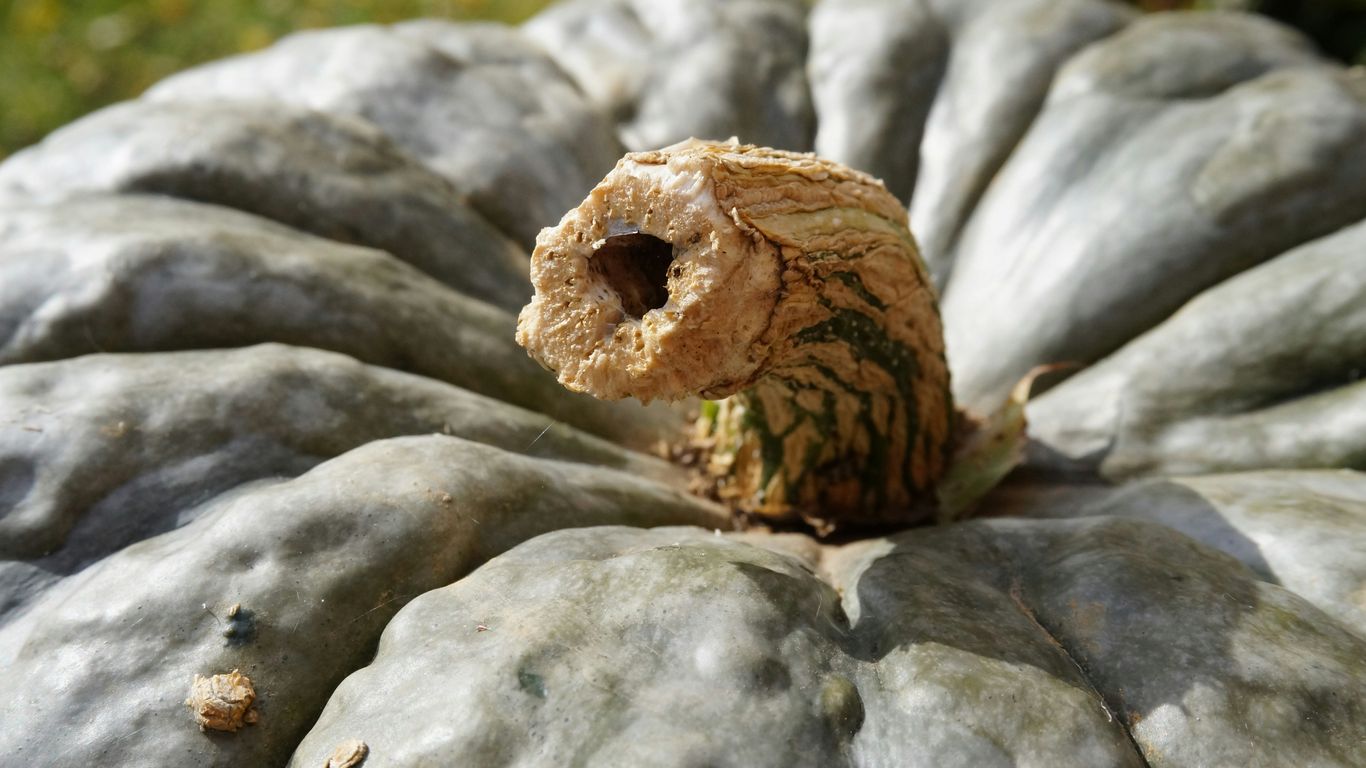
When we think about stocking up for the colder months, winter squash is one of those crops that just makes sense. These guys are nutritional powerhouses, packed with vitamins A and C, and they store like champs. We’re talking about varieties like butternut, acorn, and pumpkin – the kind that can sit in a cool, dry spot for months, sometimes even up to a year if you’re lucky and they’re cured right.
Growing them is pretty straightforward, though they do like to sprawl, so give them plenty of room. We’ve found that planting them near a compost pile works wonders; the vines grow right over it, and it helps keep weeds down. The yield can be seriously impressive, often hitting 50-90 pounds per 100 square feet, and with a bit of luck and good soil, we’ve seen yields even higher.
Here’s a quick rundown on getting them ready for storage:
We love how versatile they are too. Roasting, soups, pies – they fit into so many meals. Plus, a pile of colorful winter squash on the counter looks pretty darn good, acting as both food and decoration.
Winter squash varieties differ in their growing needs and storage potential. Moschata types, like butternut, tend to be more disease-resistant but need a longer growing season. Maxima and Pepo types might mature faster but can be more susceptible to pests. Knowing your local climate helps pick the best variety for your homestead.
We think garlic is one of those crops that just makes sense for a homestead. It doesn’t take up a ton of space, it stores pretty well, and honestly, what dish doesn’t get better with a little garlic? Plus, it’s surprisingly easy to grow.
We usually plant our garlic in the fall, right before the ground freezes. This gives the bulbs a head start and means less work for us when spring rolls around and we’re busy with everything else. We find that planting through plastic mulch works well, and we often reuse beds that grew beans or lettuce earlier in the season. Just give them about six inches of space in every direction.
Here’s a quick rundown of how we do it:
The best part? You can save some of your harvest to replant the following fall. It’s a fantastic way to keep yourself supplied year after year. We’ve found that varieties like ‘Music’ do really well for us, but it’s always a good idea to check with local growers or extension offices to see what performs best in your specific area. It’s a real winner for adding flavor to our meals and a little extra cash to our pockets.
We can’t talk about high-yield homestead crops without mentioning tomatoes. These things are just so versatile, right? We use them for everything – fresh salads, canning sauces for winter, making salsa, and even just snacking on them straight from the vine. Plus, they really do produce a lot if you give them what they need.
When we’re picking out what to grow, we usually go for a mix. Determinate varieties are great if you’re planning a big canning session because they tend to produce their fruit all at once. For just eating fresh throughout the season, indeterminate types are the way to go, as they keep producing over a longer period. We’ve had really good luck with varieties like Dixie Red hybrid for slicing.
Here are a few tips that really help us get the most out of our tomato plants:
Tomatoes are one of those crops that just feel like summer. The smell of the plants, the taste of a sun-ripened fruit… it’s hard to beat. Getting a good harvest means a lot of delicious food preserved for later, which is a huge win for any homestead.
Strawberries are a bit of a special case on our list. They aren’t the easiest crop to get started with, and if you’re just beginning your homesteading journey or have very limited space, you might want to look at other options first. However, for those who are set up for them, strawberries can be incredibly profitable. We’ve seen friends bring in serious cash from these little red gems at the farmers market.
The key to making them work is often having multiple plantings and choosing different varieties that ripen at different times. This way, you can keep a steady supply going for a longer period, which is what customers really appreciate. They’re usually one of the first fruits we can harvest, giving us a nice early-season income boost.
Here’s a quick rundown of why they’re worth considering:
While they might require a bit more setup and planning than some other crops, the payoff for strawberries can be substantial. If you have the space and are willing to put in the effort to manage different varieties and planting times, they can become a real money-maker for the homestead.
We find that keeping the soil cool and moist with an organic mulch really helps the plants thrive and produce well.
We often overlook grains when we think about gardening, but honestly, they’re pretty important for being truly self-sufficient. Growing even a small patch of wheat can give us flour for baking or grains for breakfast.
We’ve found that heirloom varieties are often the way to go for homesteaders. They tend to grow taller, have better root systems, and can actually yield more in organic gardens than modern types. Plus, some folks who have trouble with gluten say they can handle these older varieties. It might cost a bit more for the initial seed, but you can grow out your own supply from there.
Here’s a quick rundown on how we approach growing wheat:
A good yield to aim for is about 6 pounds of wheat per 100 square feet. If you can manage around 800 square feet, you could potentially grow enough wheat to have a loaf of fresh bread every week for a whole year. Storing the whole grains in airtight jars in a cool, dry place works well, and you can grind them as needed. Or, grind larger batches and keep the flour in the freezer.
We like to use heirloom varieties because they often perform better in our garden and we can save the seeds for the next year. It’s a rewarding crop to grow, even if it takes a bit more work than some others.
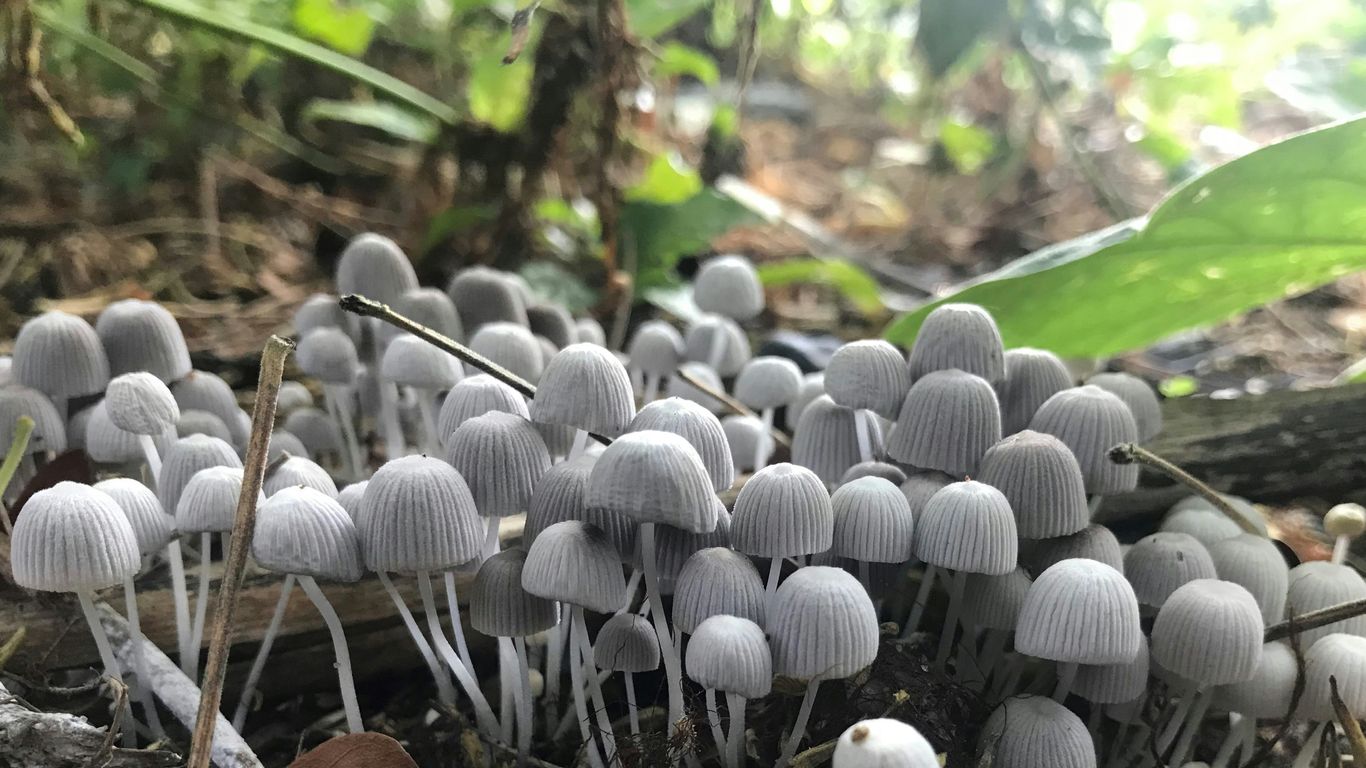
We’ve talked a lot about growing things from seeds and soil, but what about growing something completely different? Mushrooms are a fantastic addition to any homesteader’s repertoire. They grow fast, don’t need much space, and can even be grown indoors. The mushroom industry is really taking off, so there’s definitely a market if you decide to sell some of your harvest.
Growing your own mushrooms might sound complicated, but it’s actually pretty straightforward once you get the hang of it. You can start with a simple mushroom growing kit, which is a great way to learn the basics. These kits usually come with everything you need, including the mushroom spawn and the substrate. We found that oyster and shiitake varieties are pretty forgiving for beginners.
Here’s a general idea of what’s involved:
Maintaining the right conditions is key. You’ll want to keep the humidity high and ensure there’s good air exchange. If you’re thinking about setting up a dedicated space, growing mushrooms indoors requires careful management of humidity, temperature, air exchange, and light. It’s a bit of a science, but totally doable.
We’ve found that a simple spray bottle to mist the growing area regularly works wonders for keeping humidity up. Plus, using a large plastic tote with some holes drilled in it can create a mini-greenhouse effect for fruiting.
Oh, zucchini. We either love it or we’re drowning in it! This plant is famous for its ridiculously high yield. Seriously, one or two plants can produce more zucchini than you might know what to do with during the growing season. It’s a fantastic crop for homesteaders because it’s pretty easy to grow and gives back so much.
We find that zucchini really thrives with plenty of sun – aim for at least 6 to 8 hours a day. Good, well-draining soil is key, and mixing in some compost before planting really gives it a good start. Keep the soil consistently moist, but don’t let it get waterlogged; that’s a recipe for root rot. A layer of mulch is your best friend here; it helps keep the moisture in and keeps those pesky weeds down.
Zucchini plants are hungry and thirsty. Consistent watering and feeding, especially once the fruits start forming, will keep production high and the quality good. Don’t be afraid to harvest them when they’re smaller, too – they tend to be more tender and flavorful that way.
Here’s a quick rundown on getting the most out of your zucchini patch:
The sheer volume of zucchini you can get from just a couple of plants makes it a top contender for any homesteader looking to maximize their garden’s output. Whether you’re making zucchini bread, grilling it, or adding it to stir-fries, you’ll have plenty to go around.
So there you have it – ten crops that can really make a difference on our homesteads. We’ve talked about things that fill the pantry for months, like potatoes and winter squash, and others that give us protein, like beans. We also touched on grains and some of the more versatile options. It’s a lot to take in, for sure, but remember, we don’t have to do it all at once. Start with what you like to eat and what seems manageable for your space. Growing our own food is a big step towards being more self-reliant, and honestly, there’s a real satisfaction in harvesting something we grew ourselves. Happy planting!
Potatoes are fantastic because they give us a lot of food for the space we plant them in. They’re also pretty easy to grow and can be stored for a long time in a cool, dark place, which is super helpful for having food all year.
Beans are a great source of protein, which is important for a healthy diet. Dry beans can be stored for ages, and green beans are easy to freeze or can. We can get a lot of beans from just a few plants, especially if we choose the right kind.
To get the best pollination, it’s better to plant corn in blocks instead of long rows. This helps the plants help each other make more corn. We can also save seeds from special types of corn to plant next year.
Winter squash varieties, like butternut or acorn squash, are amazing because they can last for many months without spoiling. They’re also packed with good stuff for our bodies and can be used in many different meals.
Growing wheat might seem tricky, but it’s quite doable. We can plant seeds directly in the ground and harvest the grain. Once we get the hang of separating the grain from the stalks, we can have our own flour for baking bread.
Mushrooms are a rapidly growing market, and some types, like oyster or shiitake, are quite simple to grow, even indoors. The initial cost to start is low, and they can bring in money pretty quickly.
 March 7, 2026
How to Turn Food Preservation Into a Side Hustle
Canning
Homestead Kitchen
Homesteading
Sustainable Living
March 7, 2026
How to Turn Food Preservation Into a Side Hustle
Canning
Homestead Kitchen
Homesteading
Sustainable Living
We've all got those hobbies or skills that we love doing, right? Maybe it's baking, gardening, or even making your own jam. What if we told you that you could turn those passions into a little extra cash? It might...
Read More March 7, 2026
High-Output Crops Perfect for Micro Homesteads
Gardening
Homestead Planning
Homesteading
Starting a Homestead
March 7, 2026
High-Output Crops Perfect for Micro Homesteads
Gardening
Homestead Planning
Homesteading
Starting a Homestead
Thinking about growing your own food but only have a little space? We get it. Many of us are looking for ways to be more self-sufficient, even if we don't have acres to work with. The good news is, you...
Read More March 6, 2026
10 Low-Cost Homestead Side Hustles That Make Money
Homestead Planning
Homesteading
Starting a Homestead
March 6, 2026
10 Low-Cost Homestead Side Hustles That Make Money
Homestead Planning
Homesteading
Starting a Homestead
We all dream of a simpler life, right? One where we're more connected to the land and the seasons. But let's be real, that dream needs some funding. That's where low cost homestead side hustles come in. These aren't about...
Read More