


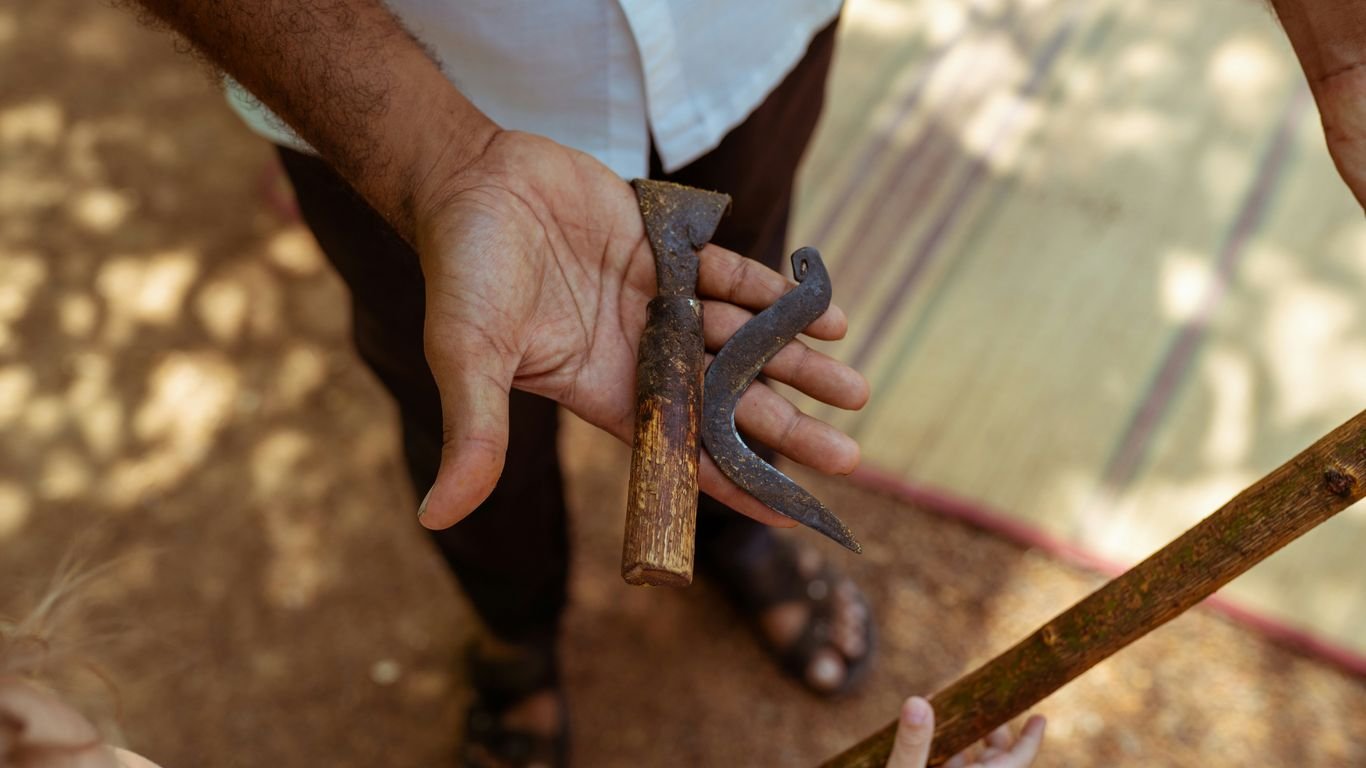
We’ve all been there, staring at a DIY project that seems way bigger than we thought. Sometimes, the right tools can make all the difference between a weekend warrior success and a total mess. We’ve put together a list of homestead tools that we really wish we’d had sooner. These aren’t necessarily the flashiest gadgets, but they’re the ones that get used again and again, saving us time, effort, and a whole lot of frustration. Let’s talk about some of the best homestead tools we’ve found.
When we first started thinking about fixing up our old place, we honestly didn’t give wood glue much thought. It seemed like a basic item, maybe even a bit boring. But let us tell you, having a good quality wood glue on hand has saved us countless times. From reattaching loose trim to fixing wobbly chair legs, this stuff is a lifesaver. It’s the unsung hero of quick repairs.
We’ve found that not all glues are created equal. For serious projects, we reach for something with serious holding power. It’s amazing how a little bit of glue can make something feel solid and new again. We’ve used it on everything from furniture to small structural fixes, and it always holds up.
Here’s why we think it’s so important:
We’ve learned that investing in a reliable brand, like Titebond Original Wood Glue, makes a huge difference. It dries clear and holds tight, which is exactly what we need.
Don’t underestimate the power of a good adhesive. It’s one of those things you’ll reach for more often than you think, and having it ready means you can tackle those little annoyances before they become bigger problems.
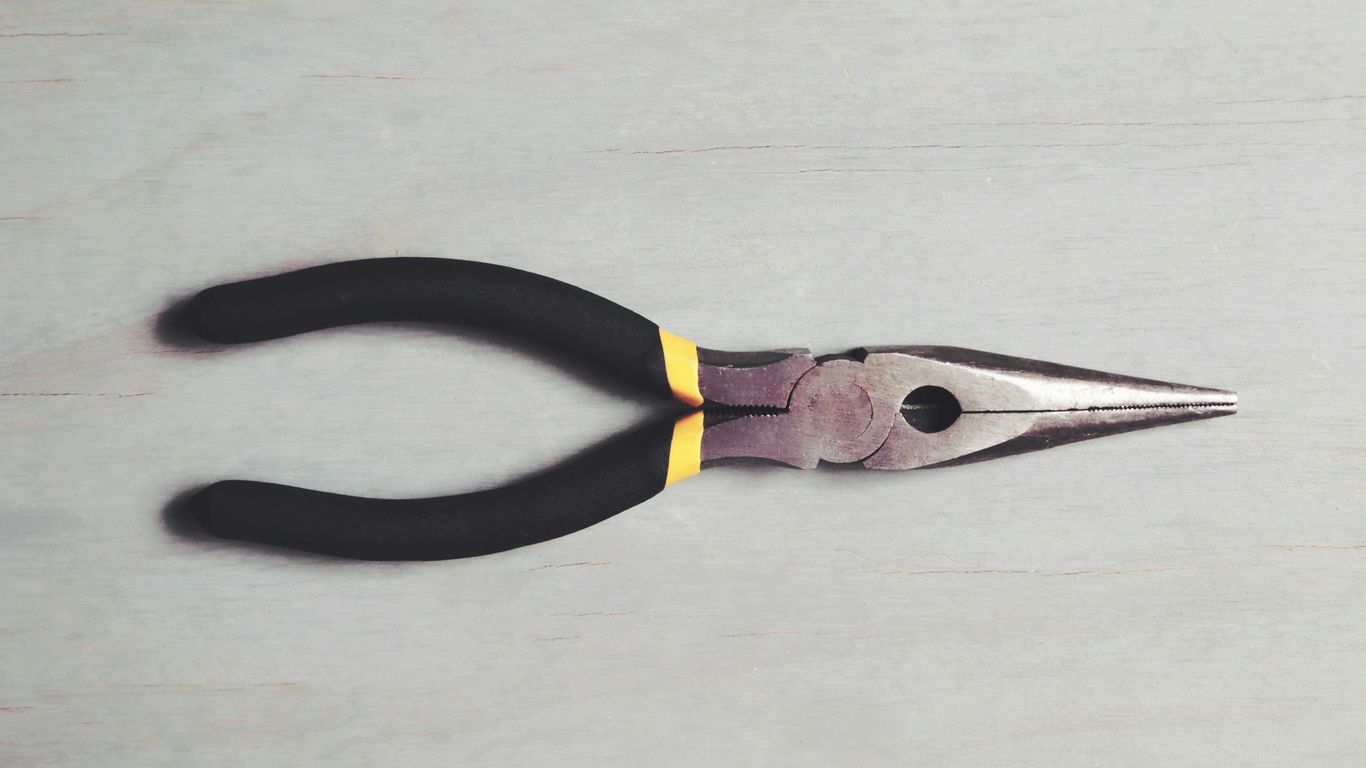
When we first started working on our old house, we quickly realized that things just don’t fit together like they used to. Doors sag, shelves warp, and sometimes, pieces of furniture just come apart. That’s where pipe clamps come in. They’re not fancy, but they are incredibly useful for holding pieces of wood together while glue dries. We’ve found them to be a lifesaver for everything from fixing wobbly chair legs to reattaching trim.
These clamps are essentially two threaded pipes with adjustable heads that slide onto them. You can buy them in various lengths, or even make your own using standard plumbing pipes. The beauty of them is their versatility; you can adjust the span to fit almost any project. We keep a few different sizes on hand, and they’ve saved us countless times from having to buy new items or hire someone for simple repairs.
Here’s why we think they’re a must-have:
We’ve used them for everything from repairing antique furniture to building simple shelves. If you’re doing any kind of woodworking or furniture repair, a set of pipe clamps is a tool you’ll definitely want to have. They’re a great addition to any homestead toolkit, especially if you’re looking to keep older items in good shape. For more on keeping your home in good repair, consider looking into food preservation tools as well.
We’ve all been there. You finally get that perfect antique dresser or a sturdy wooden table set up in your home, only to realize that moving it even an inch scratches up your beautiful floors. It’s a homeowner’s nightmare, especially if you have hardwood or delicate flooring. That’s where these little lifesavers come in: felt furniture pads.
These aren’t just any old pads; they’re a simple, inexpensive solution that can save you a ton of headaches and repair costs down the line. We started using them on everything, from the legs of our dining chairs that get scooted in and out a hundred times a day, to the heavy bookshelf in the living room. The difference they make in protecting our floors is incredible.
Applying them is straightforward. You just peel off the backing and stick them to the bottom of your furniture legs. We’ve found that the adhesive is usually pretty strong, but for heavier pieces or high-traffic areas, you might want to consider pads with a stronger, more permanent adhesive, or even ones you can nail or screw on.
Here’s a quick rundown of why we love them:
We learned early on that trying to move heavy furniture without them is just asking for trouble. A small pack of these pads costs next to nothing, but the peace of mind and the protection they offer our floors are priceless. Don’t wait until you’ve got a deep scratch to realize you needed these.
When we first started thinking about fixing up our old house, we knew we wanted to keep as much of its original character as possible. That’s where reclaimed hardware comes in. It’s not just about aesthetics, though. Using salvaged materials is a fantastic way to reduce waste and give old things new life. We’ve found that sourcing original doorknobs, hinges, latches, and even cabinet pulls can make a huge difference in how authentic a space feels. It’s amazing what a difference a few well-chosen pieces can make.
We’ve learned that there are some great places to look for this stuff. Sometimes, local architectural salvage yards are treasure troves. Other times, we’ve had luck with online marketplaces or even by keeping an eye out for demolition sales. Finding the right pieces can sometimes take patience, but the payoff is totally worth it. It’s like giving your home a piece of its own history back.
Here are a few things we look for:
It’s also worth noting that sometimes, you can find really unique, custom-made hardware from smaller shops that specialize in restoration. We found a great place that makes historically appropriate fixtures, and they were surprisingly affordable compared to some of the big-name restoration suppliers. It’s always a good idea to check out local options first, as they often have a better understanding of the architectural styles in your area. Plus, supporting local businesses feels good, and it’s a great way to reduce waste on your homestead.
We’ve found that mixing and matching can work too. Don’t be afraid to combine pieces from different eras if they have a similar feel. The goal is to create a cohesive look that feels right for your home, not necessarily to be perfectly period-accurate down to the last screw.
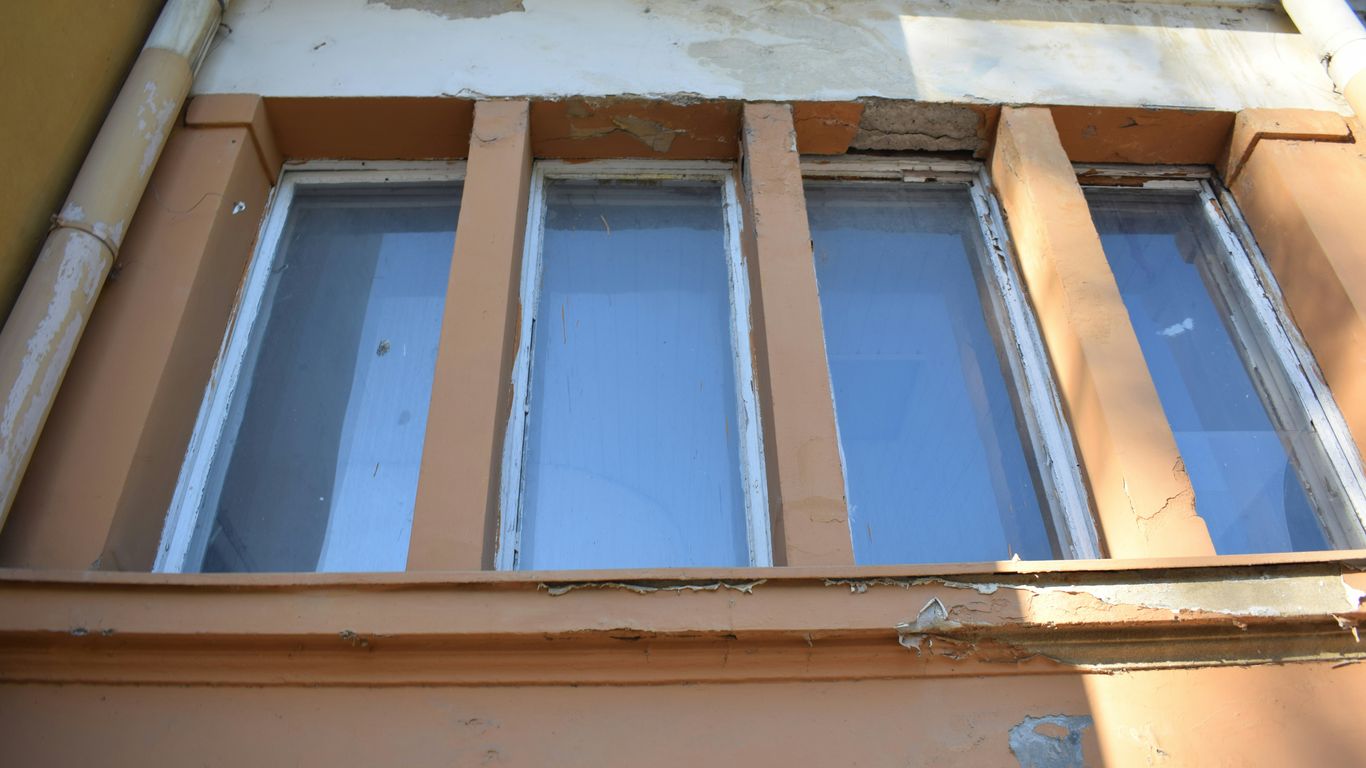
We’ve all seen them – those beautiful old houses with windows that look like they’ve seen better days. Maybe they’re drafty, sticky, or just plain worn out. But before you go ripping them out for some modern vinyl replacements, hear us out. Restoring your original double-hung windows can be incredibly rewarding, and honestly, it’s often more practical than you might think.
These old windows were built to last, and with a little work, we can bring them back to life. It’s not just about aesthetics; it’s about preserving the character of our homes and improving their energy efficiency. We’ve found that tackling this project ourselves, or at least understanding the process, saves us a lot of headaches and money in the long run.
Here’s a quick rundown of what goes into it:
Don’t underestimate the value of your original windows. They were often made with better materials and craftsmanship than what’s available today. Plus, restoring them keeps that historic charm intact. We found a great resource for understanding the process and finding materials at [Double Hung Window Restoration](Double Hung Window Restoration).
Sometimes, the biggest hurdle is just getting started. Breaking down the restoration into smaller, manageable steps makes the whole project feel less daunting. We focus on one window at a time, or even just one part of a window, and celebrate the small victories along the way. It’s a process, but the results are worth it.
If you’re feeling overwhelmed, there are professionals who specialize in this. We’ve heard good things about companies that focus on [architectural restoration and renovation](My Three Sons). They can often repair or replicate original parts, breathing new life into tired windows. It’s good to know your options, whether you decide to DIY or hire it out.
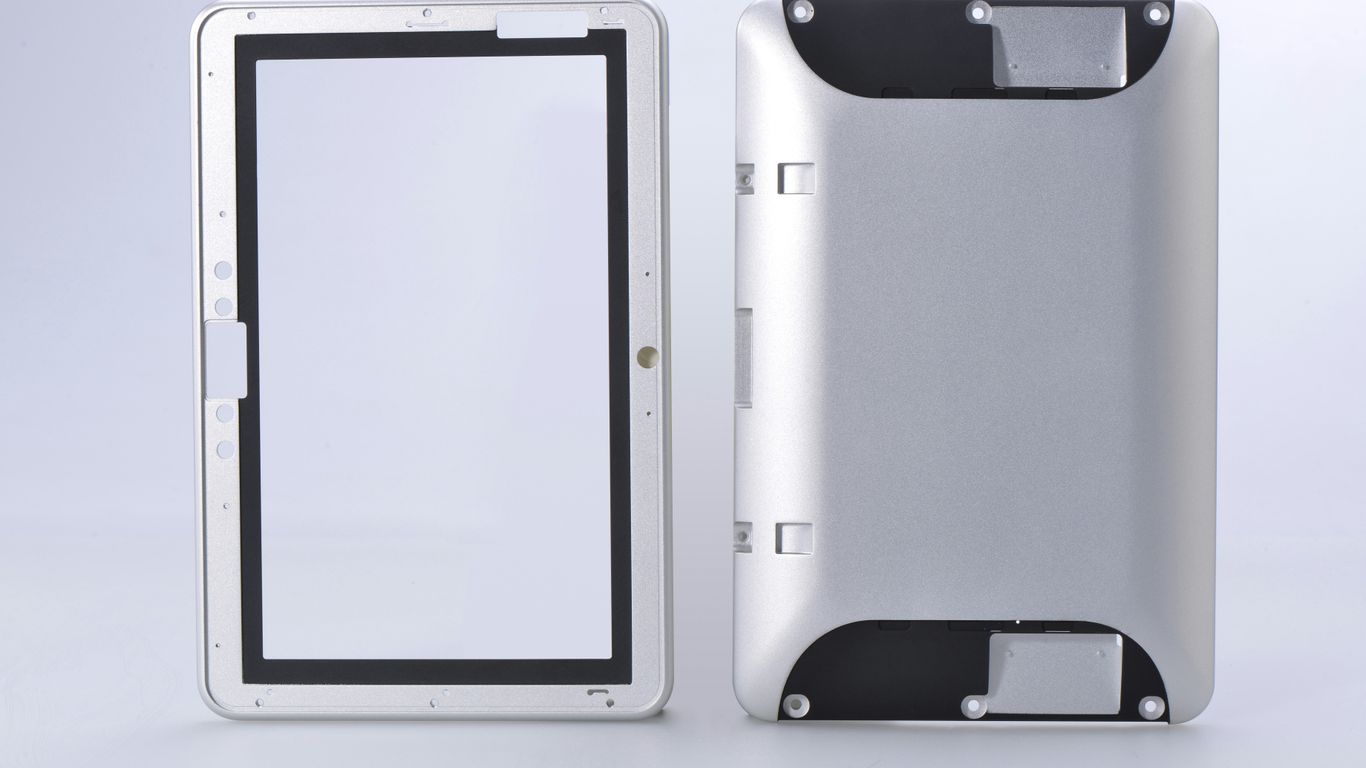
We’ve all been there – a broken window screen, a screen door that’s seen better days, or maybe you’re working on a historic home and need something that fits the era. Instead of wrestling with flimsy kits from the big box stores, we found that getting custom screens made is a game-changer. It might sound fancy, but it’s surprisingly accessible and makes a huge difference.
Think about it: standard screens just don’t fit perfectly, especially in older homes with slightly wonky window frames. Custom screens, on the other hand, are built to your exact measurements. This means a tighter fit, better protection from bugs, and a much cleaner look. We recently had a few made for our sunroom, and the difference in keeping out even the tiniest gnats was incredible. Plus, the quality of materials used by custom shops is often way better than what you find off the shelf. We’re talking about sturdier frames and more durable mesh that won’t tear the first time a pet brushes against it.
When we looked into it, we found a few key things to consider:
Getting custom screens made is a worthwhile investment for both function and aesthetics. We found a local place that uses really good materials, and they even offered options for historically appropriate storm windows, which turned out to be surprisingly quiet and energy efficient. It’s one of those things where the quality and perfect fit just make you wonder why you didn’t do it sooner. If you’re dealing with old windows or just want a better solution than the usual, definitely look into a local custom screen manufacturer. You might be surprised at how affordable and effective it can be, especially when you consider the longevity and performance compared to off-the-shelf options. For example, screen printing offers superior color fidelity, up to 30% better than digital methods, especially on materials like glass and metal [ae53].
We learned that not all screen makers are the same. Some focus on basic repairs, while others can craft intricate, historically accurate screens or incredibly robust doors. It’s worth asking about their experience with older homes or specific material requests.
When we’re working on our homestead, we want things to last. That means protecting the wood we use, especially anything that’s going to be outside. We’ve found that using the right wood preservatives makes a huge difference in how long our projects hold up against the elements. It’s not just about making things look good; it’s about preventing rot and insect damage before it even starts.
There are a bunch of options out there, and honestly, it can be a bit overwhelming at first. We’ve tried a few different things over the years. Some people swear by traditional methods, like applying used motor oil to lumber. It’s an old-school trick that really does extend the life of wood, especially for things like fence posts or outdoor furniture. We’ve seen old projects treated this way still standing strong after decades.
For more modern solutions, we look at penetrating oils and sealants. These soak into the wood, offering protection from moisture and UV rays. When we’re choosing a product, we usually check the label to see what kind of protection it offers. Some are better for preventing rot, while others focus on stopping UV damage or insect infestation. It’s good to know what you’re up against with your specific project.
Here’s a quick rundown of what we consider:
We’ve learned that the best approach is often a combination of good building practices and the right protective treatments. Don’t skimp on this step if you want your hard work to last for years to come.
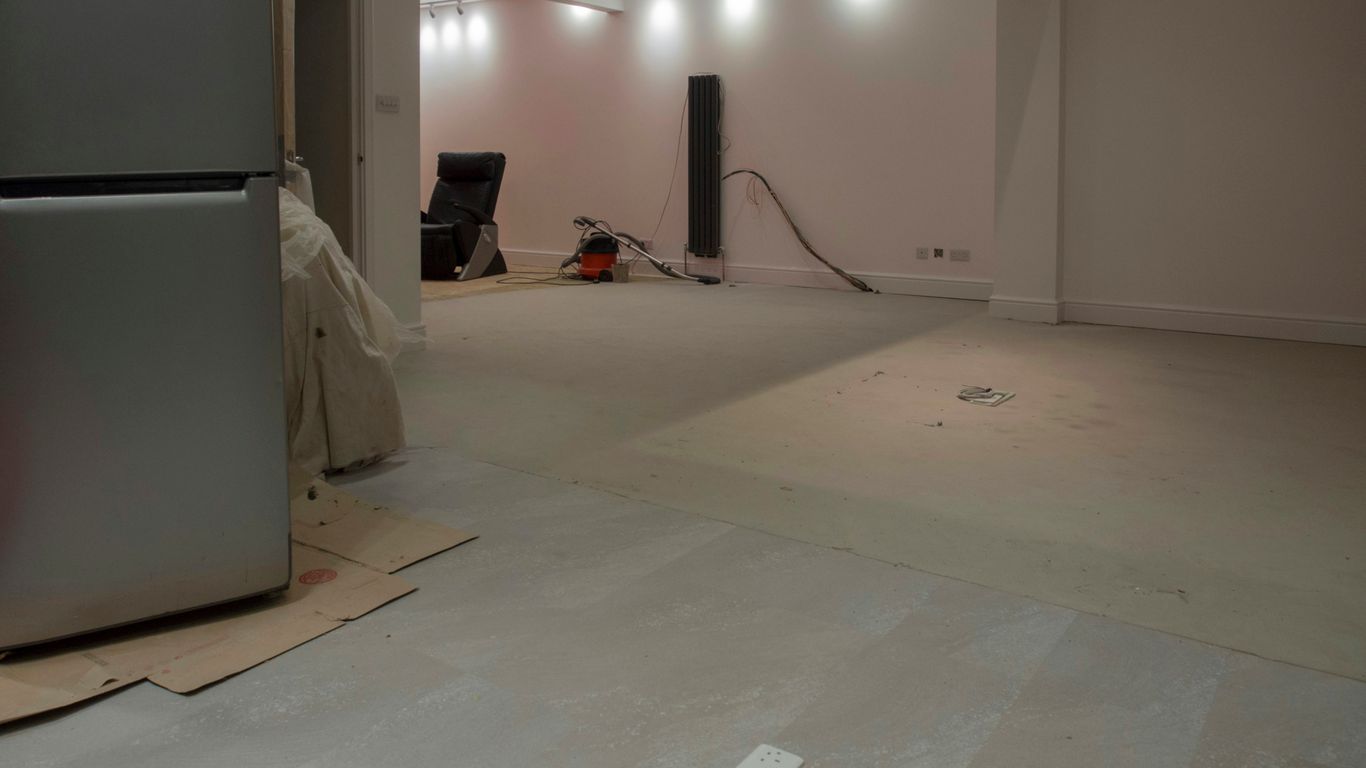
We’ve all seen those old houses with floors that have seen better days. Scratched, worn, maybe even a bit dull. But before you think about covering them up with carpet or replacing them entirely, consider refinishing them. It’s a process that can bring tired wood floors back to life, making them look almost new again. We found that tackling this ourselves, or hiring the right pros, can make a huge difference in the feel of our homes.
Refinishing isn’t just about making things look pretty; it’s about preserving the history and character of our homes. Old wood has a story, and a good refinish job lets that story shine through. It can be a bit of work, sure, but the results are usually worth it. We’ve learned that the key is to go into it with a plan and the right mindset.
Here’s a general idea of what the process involves:
We learned that hiring professionals can be a smart move, especially for larger jobs or if you’re not comfortable with the heavy-duty sanding equipment. Look for folks who have a good reputation for detail and who minimize dust. Some even use vacuums attached to their sanders, which is a game-changer.
It might seem daunting, but seeing those old floors transform is incredibly satisfying. It’s one of those projects that really makes us feel more connected to our homes and the work we put into them.
When we first started thinking about fixing up our old house, upholstery wasn’t high on our list. We figured we’d just buy new furniture. But then we started looking at the quality of older pieces and realized we could bring them back to life. That’s where upholstery tools come in. You don’t need a whole workshop, but a few key items can make a huge difference.
First off, you’ll want a good staple gun. We found that a pneumatic staple gun makes the job go so much faster, especially when you’re dealing with a lot of fabric. Just make sure you get one that can handle the staple size you need. Alongside that, a set of upholstery needles and heavy-duty thread are a must for any hand-sewing repairs. We also found a set of upholstery tools like this Sunex 3934 Upholstery Tool 5-Piece set incredibly useful for getting into tight spots and removing old staples without damaging the frame.
Here are a few things we keep handy:
Don’t be intimidated by the idea of reupholstering. Start with a simple project, like a dining chair seat. You’ll learn a lot, and the satisfaction of transforming an old piece is pretty great. We found that taking our time and not rushing the process led to much better results.
We’ve all heard about conserving water, right? Well, setting up a rainwater collection system is a pretty direct way to do just that on our homesteads. It’s not just about saving money on your water bill, though that’s a nice perk. It’s about having a backup supply, especially if you’re growing a lot of your own food or live somewhere with unpredictable rainfall.
Think about it: every time it rains, you’re essentially getting free water. We can capture this water from our roofs using gutters and downspouts, directing it into storage tanks. This collected water can then be used for a variety of things around the property.
Here’s a quick rundown of what’s involved:
We found that even a basic setup can make a noticeable difference in our water usage. It’s a system that pays for itself over time, both financially and in terms of self-sufficiency. Plus, it feels pretty good knowing we’re making the most of every drop that falls from the sky.
So there you have it – ten tools that we think will make your homesteading life a whole lot easier. We know it can be tempting to put off buying new gear, especially when you’re already juggling so many projects. But trust us, investing in the right tools now will save you time, frustration, and probably a few headaches down the road. Think of them as partners in your homesteading journey. Happy building, fixing, and creating!
We find that strong wood glue is a lifesaver for fixing all sorts of things around our historic home. Whether it’s a wobbly chair leg, a loose door, or even parts of the floor, good glue can make repairs simple and keep things from falling apart. It’s one of those basic tools that we reach for again and again.
Pipe clamps are super handy for holding pieces of wood together while glue dries. Think of them like big, strong hands that clamp down tight. We use them a lot for bigger projects, like fixing cabinets or even parts of our porch, to make sure everything stays put and dries perfectly.
Putting felt pads on the bottom of our furniture is a game-changer! It stops scratches and makes it way easier to slide things around when we’re cleaning or rearranging. We’ve learned that protecting our old floors is key, and these little pads do a fantastic job without us even thinking about it.
We love hunting for reclaimed hardware at places that specialize in old building parts. Sometimes local salvage yards or even online shops dedicated to historic home items have amazing finds. It’s like finding treasure that adds character and history to our doors, cabinets, and fixtures.
Restoring old double-hung windows can be a bit of a project, but it’s totally doable. We found that learning the right techniques makes a big difference. It’s rewarding to bring them back to life, keeping the charm of our home intact, and often they work better than new ones once fixed up.
For our older windows, sometimes standard screens just don’t fit right or last long. Getting custom screens made, especially with strong materials like stainless steel mesh, means we get screens that fit perfectly and can withstand a lot. It’s a great way to keep bugs out while still enjoying fresh air.
 March 7, 2026
How to Turn Food Preservation Into a Side Hustle
Canning
Homestead Kitchen
Homesteading
Sustainable Living
March 7, 2026
How to Turn Food Preservation Into a Side Hustle
Canning
Homestead Kitchen
Homesteading
Sustainable Living
We've all got those hobbies or skills that we love doing, right? Maybe it's baking, gardening, or even making your own jam. What if we told you that you could turn those passions into a little extra cash? It might...
Read More March 7, 2026
High-Output Crops Perfect for Micro Homesteads
Gardening
Homestead Planning
Homesteading
Starting a Homestead
March 7, 2026
High-Output Crops Perfect for Micro Homesteads
Gardening
Homestead Planning
Homesteading
Starting a Homestead
Thinking about growing your own food but only have a little space? We get it. Many of us are looking for ways to be more self-sufficient, even if we don't have acres to work with. The good news is, you...
Read More March 6, 2026
10 Low-Cost Homestead Side Hustles That Make Money
Homestead Planning
Homesteading
Starting a Homestead
March 6, 2026
10 Low-Cost Homestead Side Hustles That Make Money
Homestead Planning
Homesteading
Starting a Homestead
We all dream of a simpler life, right? One where we're more connected to the land and the seasons. But let's be real, that dream needs some funding. That's where low cost homestead side hustles come in. These aren't about...
Read More