



We’ve all thought about making a little extra money from our homesteads, right? It feels good to be self-sufficient, but sometimes, you just need to bring in some cash. Luckily, there are tons of practical homestead skills for income that we can actually use. We’re talking about turning what we already do or can easily learn into a nice little side hustle. Let’s look at some ways we can make our hard work pay off.
We all know that most homesteads have chickens, and if you have chickens, you likely have eggs. It’s a pretty straightforward way to start making a little money from your homestead. You might not get rich selling eggs, but it’s a solid way to cover feed costs and maybe even make a small profit. Plus, it opens the door to customers who might later buy other things you produce, like jams or vegetables.
So, how do we turn those daily eggs into a little income? First, think about your eggs themselves. Customers, especially those who aren’t farmers themselves, want to see clean, nice-looking eggs. While you can’t control the color, you can definitely make sure they’re clean and presentable. Presentation really matters when you’re selling to folks outside the farming community.
Here are a few things to consider when setting up your egg sales:
Selling eggs is a fantastic starting point. It’s a product most homesteads can easily produce, and there’s a consistent demand. Just remember to focus on quality, presentation, and understanding your local market and regulations.

Raising meat birds, like chickens, can be a really rewarding way to bring in some extra cash. We’ve found that people are increasingly looking for locally raised, high-quality meat, and selling broiler chickens is a great way to meet that demand. It’s not just about the money, though; it’s about providing good food and connecting with our community.
When we first started, we looked into all the costs involved. You’ll need things like a good coop, feeders, waterers, and heat lamps. Having a movable coop is a game-changer for pasture-raising, as it lets us move the birds to fresh ground regularly. It really helps keep things clean and healthy for them. You can find a sample budget for raising chickens for meat that breaks down these costs pretty well.
Here’s a basic rundown of what you might need:
Selling the birds themselves, rather than pre-cut meat, often simplifies things legally. We’ve found that marketing directly to friends, neighbors, and through local online groups works best for us. People appreciate knowing where their food comes from, and we love being able to provide that.
It’s important to research your local regulations regarding selling poultry. Some areas have specific rules about processing and sales, so knowing these beforehand will save you a lot of headaches down the road. We always make sure we’re following the guidelines so we can operate smoothly and keep our customers happy.
If you’ve got a patch of berry bushes, a few apple trees, or even a small orchard, you’ve got a goldmine waiting to happen. Selling fresh fruit can be a really straightforward way to bring in some extra cash, especially when things are in season. Think about what grows well on your land. Strawberries, raspberries, blueberries, apples, peaches, pears – the list goes on. We found that setting up a little roadside stand was super effective. People driving by often can’t resist a basket of ripe, juicy berries.
Don’t underestimate the appeal of just-picked produce.
Here are a few ways we’ve found success:
We’ve learned that timing is everything. You want to sell your fruit when it’s at its peak ripeness. It might mean a lot of work for a short period, but the payoff is worth it. We also found that offering a mix of popular and slightly more unusual fruits can attract different customers. For instance, alongside apples, we might offer some elderberries or pawpaws if they grow well for us.
Selling fruit directly from your homestead means you’re cutting out the middleman. This allows you to keep more of the profit and build relationships with your customers. It’s a win-win for everyone involved.
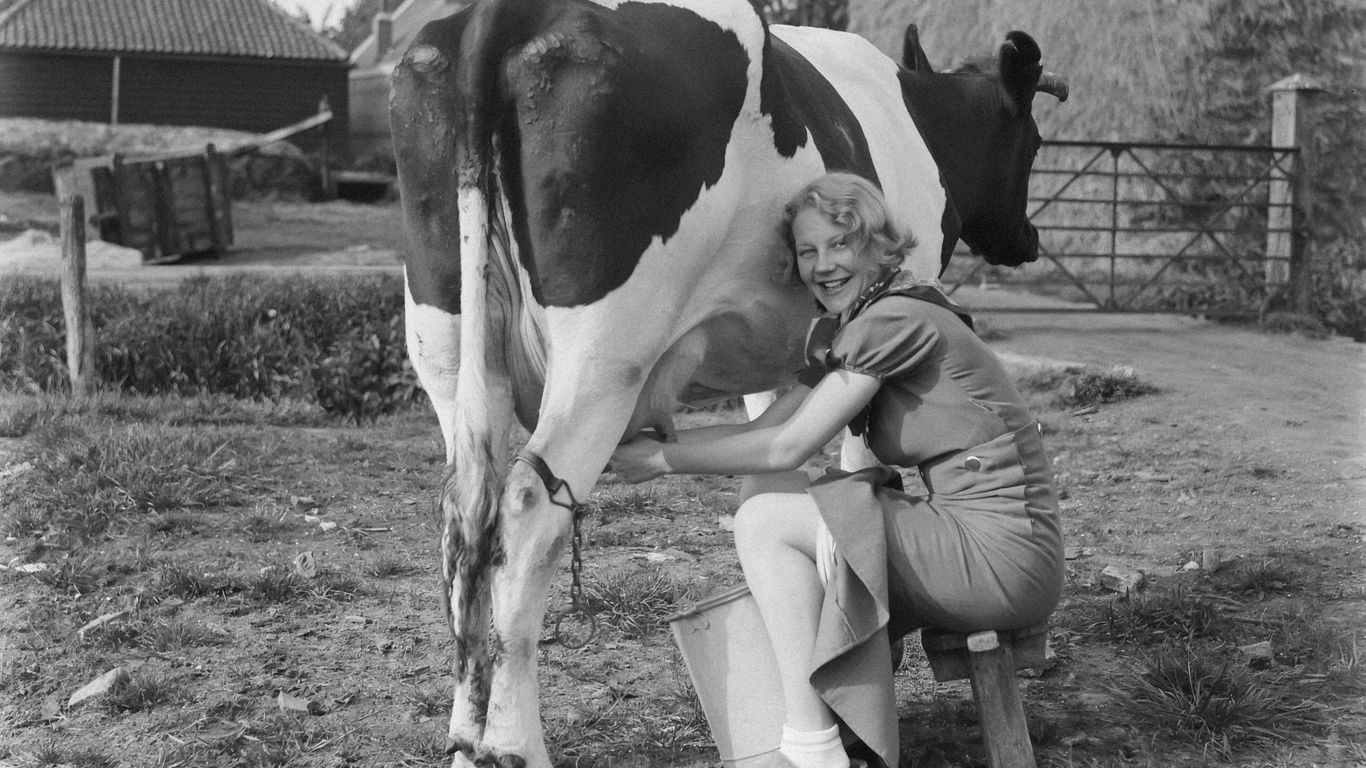
If you’ve got a dairy cow or a couple of milk goats, you might find yourself with more milk than your family can use. Don’t let that extra goodness go to waste! Selling your surplus milk can be a nice little income stream. It’s a way to share the bounty of your homestead and help out neighbors or community members who want fresh, local dairy.
We’ve found that offering milk shares is a popular way to do this, especially if your state has regulations about selling raw milk. This usually involves customers signing a contract and paying a one-time deposit, making them technically part-owners of the animal. In return, they get a set amount of milk each week. Prices can vary, but we’ve seen them range from $8 to $15 per gallon, depending on the farm and where you’re located. It’s a good idea to check out what others are charging in your area.
Here are a few things to keep in mind when selling your extra milk:
Remember to give your customers plenty of notice before you need to dry off a cow. Some folks rely on the milk for health reasons, so advance warning is always appreciated. It’s a simple way to turn a homestead surplus into a bit of extra cash, and it helps build connections within your community. You can find more information on selling farm products at local farmer’s markets.
If you’re already milking a cow or goats, you’ve got a goldmine on your hands beyond just selling the milk itself. Turning that fresh milk into cheeses, yogurt, butter, or even ice cream can really boost your homestead income. It takes a bit more effort and knowledge than just bottling milk, but the payoff can be significant.
Making cheese, for example, can range from simple fresh cheeses like ricotta or mozzarella to more complex aged varieties. Each type requires different techniques and aging times, but the demand for artisanal, homemade dairy products is definitely there. We’ve found that people are really interested in knowing where their food comes from, and a delicious, handcrafted cheese is a fantastic way to meet that need.
Here’s a general idea of what you might need to consider:
Turning extra milk into value-added products like cheese or yogurt is a smart move for any homesteader. It allows you to diversify your income streams and offer unique, high-quality goods to your community. Plus, there’s a real satisfaction in creating something delicious from your own animals’ milk.
Keeping bees can be a sweet deal, literally. We’ve found that local honey is always in demand, and it’s not too difficult to get started if you have the space and a bit of courage. Bees do most of the work, and we just help them out and collect the rewards.
The process of harvesting honey and beeswax is surprisingly straightforward once you get the hang of it. You’ll need some basic equipment, of course, like a smoker, a hive tool, and protective gear. But the payoff is worth it. We sell our honey in jars of various sizes, and people love knowing it came from our own hives. It’s a natural product with a great taste that you just can’t get from a supermarket.
Beyond honey, beeswax is another fantastic product. Crafters and folks making their own salves or candles often look for pure beeswax. We collect the extra comb and render it down. It’s a bit more labor-intensive than honey, but it adds another income stream.
Here’s a quick look at what we typically get from our hives:
We’ve learned that educating our customers about the benefits of local, raw honey and pure beeswax goes a long way. People appreciate knowing where their food and products come from, and supporting local beekeepers is something many are happy to do. It’s a win-win situation.
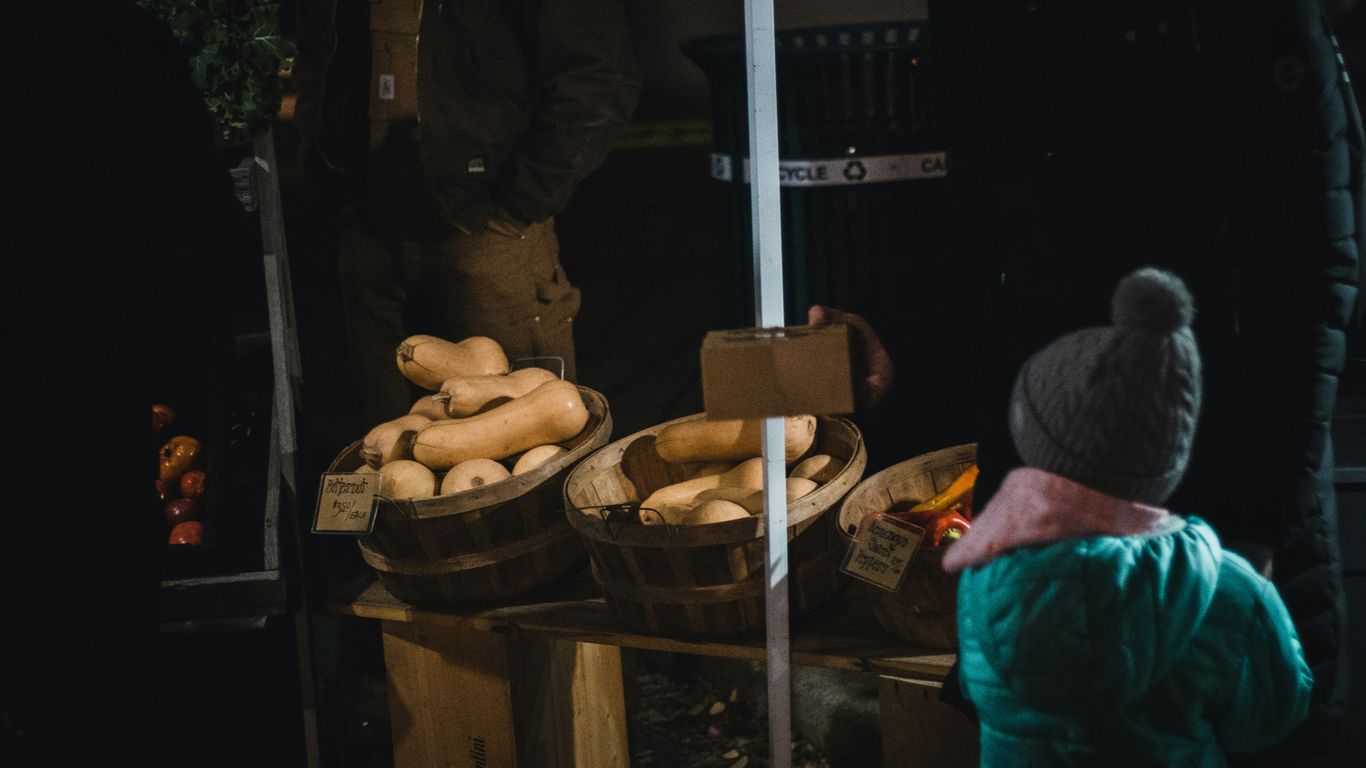
We’ve found that one of the most straightforward ways to bring in a little extra cash from the homestead is by selling what we grow. Our garden isn’t just for us anymore; it’s become a source of income, too. Whether it’s a surplus of tomatoes, a bumper crop of zucchini, or an abundance of fresh herbs, there’s usually someone nearby who’d rather buy them than grow them themselves. Selling your extra produce can be a fantastic way to offset gardening costs and even turn a profit.
We started small, just offering a few things to our neighbors. Now, we regularly sell at our local farmer’s market, which has been a great way to connect with the community and learn what people are looking for. It’s amazing how much interest there is in locally grown food. We’ve learned to plan our planting with sales in mind, focusing on popular items and those that have a good shelf life. Some of our best sellers include:
Beyond just selling whole vegetables, we’ve also found success with value-added products. Drying excess herbs to make custom blends or selling small potted herb plants for kitchen gardens has proven quite popular. It’s all about finding what works for your garden and your market. Remember to check out the best seasonal produce for farm stands to help you plan.
When selling produce, it’s wise to understand your local regulations. Some areas have specific rules about selling food directly to consumers, especially if you’re selling at a market. Doing a little homework upfront can save a lot of headaches later on.
We also discovered that propagating plants is a good side hustle. Taking cuttings from our existing strawberry plants or grapevines has allowed us to sell starter plants without impacting our own harvest. It’s a win-win situation that requires minimal extra resources.
There’s something incredibly comforting about a freshly baked treat, and people are always looking for that homemade goodness. We’ve found that selling baked goods can be a really sweet way to bring in some extra cash from our homestead. Think about what you love to bake – maybe it’s crusty sourdough bread, fluffy cinnamon rolls, or decadent cookies. These simple pleasures are often the biggest sellers at local markets.
Getting started is pretty straightforward. First, figure out what you’ll specialize in. It’s better to do a few things really well than to offer a huge, overwhelming menu. We started with just a couple of types of bread and some muffins, and that worked out great. You’ll also need to check your local cottage food laws to understand what you can and can’t sell from your home kitchen. These regulations vary a lot by state, so it’s important to do your homework.
Here are a few ideas to get your oven fired up:
We found that packaging matters too. Simple, attractive packaging makes your goods look even more appealing. We use brown paper bags with a nice stamp or a simple ribbon. It doesn’t have to be fancy, just clean and inviting. Offering a few seasonal specials can also keep customers coming back for more. For instance, pumpkin bread in the fall or lemon tarts in the spring.
Selling baked goods is a fantastic way to share your kitchen talents. It’s a tangible product that brings joy to others, and the demand is usually quite steady. Plus, the smell of fresh baking is a great advertisement in itself!
Don’t forget about presentation at markets. A nice tablecloth, a clear display of your items, and a friendly smile go a long way. We also like to have a small sign with our prices and a brief description of each item. If you’re looking for inspiration on how to transform your homestead skills into income, baking is a wonderful place to start.
There’s something incredibly satisfying about opening a jar of homemade jam or jelly, knowing you put those delicious flavors together yourself. We’ve found that selling these preserves can be a really sweet deal, both literally and figuratively. It’s a fantastic way to use up extra fruit from our garden or local orchards, turning potential waste into profit.
The key is to make them taste amazing and look appealing on the shelf. We focus on using high-quality ingredients and unique flavor combinations that stand out. Think beyond just strawberry or grape; consider things like spiced apple, mixed berry with lavender, or even a spicy peach jam. People love trying new things, especially when they come from a local source.
Here’s a quick look at what we’ve learned:
We’ve found that offering a variety of flavors keeps customers coming back. It’s also a great way to use up those odd bits of fruit that might not be perfect for selling whole.
Selling jams and jellies is a wonderful way to extend the bounty of our harvest and share it with our community. It’s a simple process, really, but the rewards can be quite significant, both in terms of income and the joy of sharing our creations.
Raising steers for beef can be a really rewarding part of homesteading, and it’s a great way to provide high-quality meat for your community. When we first started thinking about this, we realized that selling the whole animal, or even halves and quarters, often means fewer regulations than selling individual cuts. This is a big plus!
The key is to focus on grass-fed, as that’s what many consumers are looking for. It’s a healthier option and often commands a better price. We found that building relationships with people who value this kind of food makes all the difference. They trust us, and they’re willing to pay for the quality and care we put into raising our animals.
Here’s a general idea of how we approach it:
Selling steers directly can seem like a lot of work upfront, but once you get into a rhythm, it becomes a predictable part of our homestead income. It’s about more than just the money; it’s about providing good food and connecting with people who care about where their food comes from.
We’ve gone over a bunch of ways we can turn our homesteading skills into something that brings in a little extra cash, or maybe even a lot. It’s pretty cool when you think about it – all those things we do to live a more self-sufficient life can actually help pay the bills. Whether you’re great at making jam, fixing fences, or raising chickens, there’s likely someone out there who needs what you can offer. So, don’t just let those talents sit there. Start small, see what works for you, and before you know it, you might just be running a little homestead business. It’s a rewarding way to live, and even more so when it helps support itself.
Selling farm-fresh eggs is a great way to begin. We can offer them to neighbors, friends, or set up a small stand at the end of our driveway. People really appreciate knowing where their food comes from, and fresh eggs are always in demand.
Raising meat birds, like chickens, can be quite profitable. We’d need to learn about the best breeds for meat production and how to care for them properly. Then, we can sell them whole or by the cut, often directly to customers or at local markets.
Absolutely! If we grow more vegetables and herbs than we can use, selling the extras at a farmers’ market or to local restaurants is a fantastic option. We can also sell fruit from our trees or bushes.
If we have animals like cows or goats that produce extra milk, we can sell that fresh milk. We could also take it a step further and make and sell dairy products like cheese, butter, or yogurt. It’s important to check local rules about selling raw milk, though.
Beekeeping can be a sweet deal! We can harvest honey and beeswax from our hives and sell these natural products. They’re popular for cooking, crafts, and natural remedies.
Definitely! If we enjoy baking or preserving, we can turn those skills into income. Selling homemade bread, pies, jams, jellies, and other goodies at local events or through an online shop can be very rewarding.
 March 7, 2026
How to Turn Food Preservation Into a Side Hustle
Canning
Homestead Kitchen
Homesteading
Sustainable Living
March 7, 2026
How to Turn Food Preservation Into a Side Hustle
Canning
Homestead Kitchen
Homesteading
Sustainable Living
We've all got those hobbies or skills that we love doing, right? Maybe it's baking, gardening, or even making your own jam. What if we told you that you could turn those passions into a little extra cash? It might...
Read More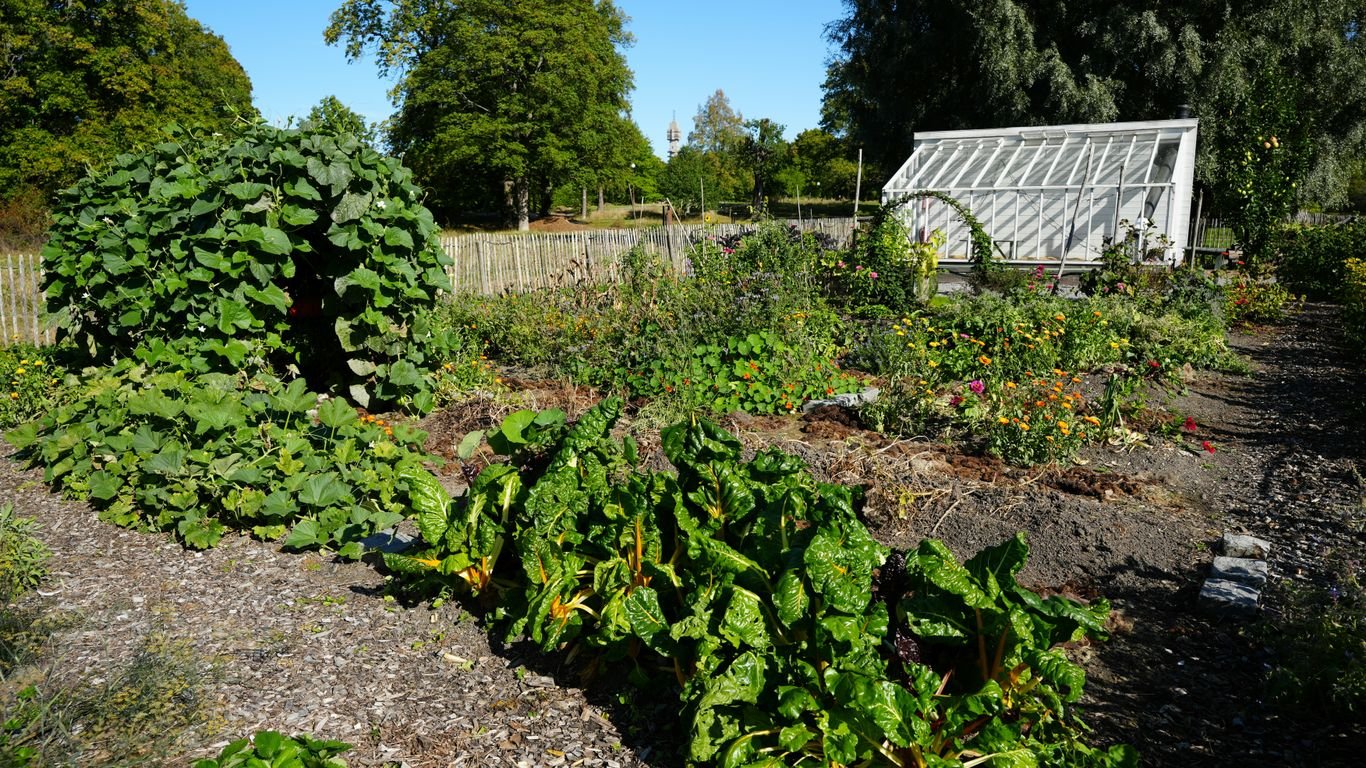 March 7, 2026
High-Output Crops Perfect for Micro Homesteads
Gardening
Homestead Planning
Homesteading
Starting a Homestead
March 7, 2026
High-Output Crops Perfect for Micro Homesteads
Gardening
Homestead Planning
Homesteading
Starting a Homestead
Thinking about growing your own food but only have a little space? We get it. Many of us are looking for ways to be more self-sufficient, even if we don't have acres to work with. The good news is, you...
Read More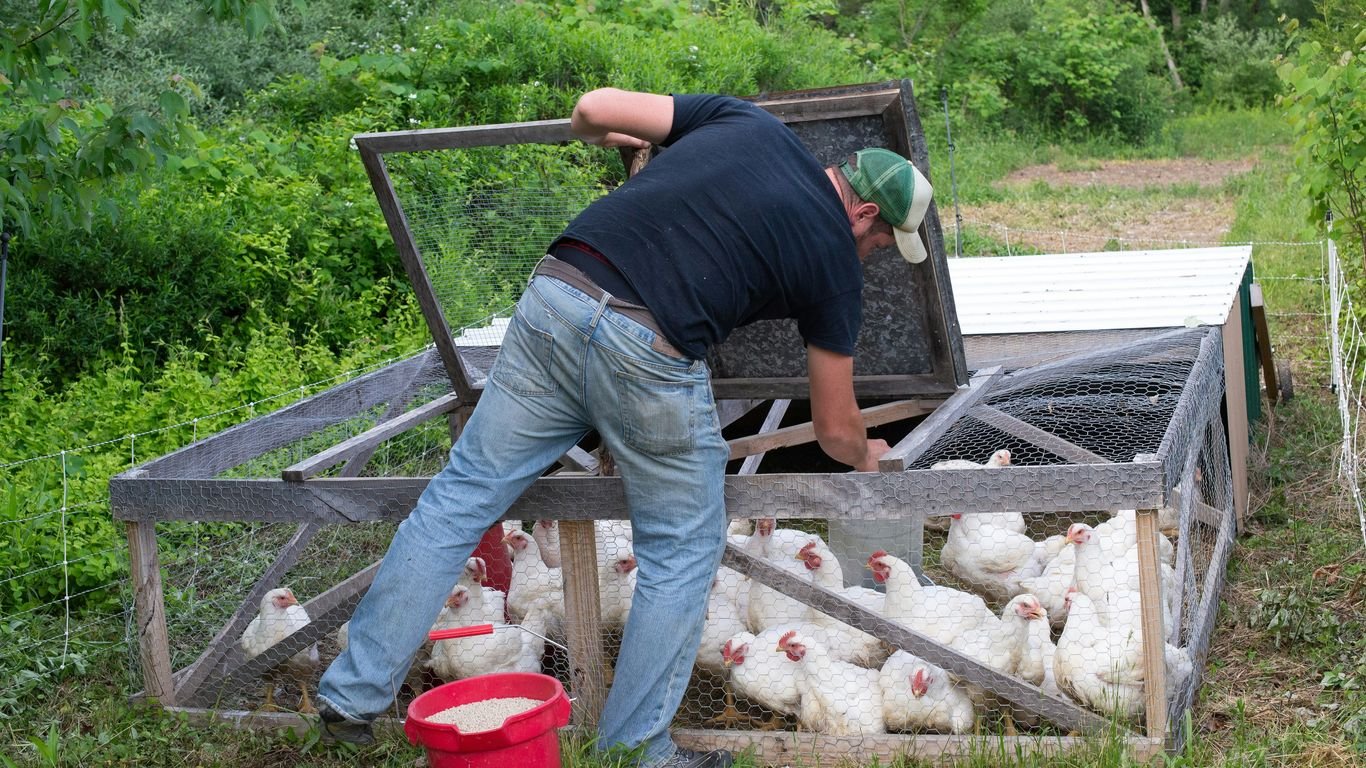 March 6, 2026
10 Low-Cost Homestead Side Hustles That Make Money
Homestead Planning
Homesteading
Starting a Homestead
March 6, 2026
10 Low-Cost Homestead Side Hustles That Make Money
Homestead Planning
Homesteading
Starting a Homestead
We all dream of a simpler life, right? One where we're more connected to the land and the seasons. But let's be real, that dream needs some funding. That's where low cost homestead side hustles come in. These aren't about...
Read More