



We all see the glossy pictures online – the perfect gardens, the happy animals, the peaceful country life. It looks amazing, right? We jumped into homesteading with both feet, eager for that self-sufficient dream. But let’s be real, the reality is a lot messier, a lot harder, and a lot more complicated than the highlight reels suggest. We’ve learned a ton through trial and error, and we want to share some of the hard truths about homesteading that nobody seems to talk about upfront.
Let’s just get this out of the way: homesteading is messy. Like, really messy. Forget those pristine Instagram photos of perfectly clean chicken coops or spotless gardens. Those are moments in time, usually right after a deep clean. The reality is that we’re constantly dealing with mud, animal waste, and general grime. Our hands will be perpetually dirty, no matter how much we scrub or if we wear gloves. It’s just part of the job.
We’re talking about mucking out stalls, digging in the soil, and cleaning up after animals. There’s poop – lots of it, from various creatures, each with its own unique smell and texture. Then there’s the mud that seems to cling to everything, especially after a good rain. And don’t even get us started on the occasional, shall we say, biological surprises that come with raising livestock.
Here’s a little peek at what our daily dirt might look like:
We have to accept that a certain level of dirt is unavoidable. It’s a sign that we’re actively engaged with the land and our animals, not just observing from a distance. Learning to embrace the mess is a big step in becoming a functional homesteader.
It’s not just about the visible dirt, either. It’s the smell of the barn, the feel of damp earth under your fingernails, and the constant battle against dust. We’ve learned to keep old towels and cleaning supplies handy near every entrance. Getting used to a less-than-spotless environment is key. We’re not aiming for sterile; we’re aiming for functional and productive, and that often comes with a layer of honest dirt.
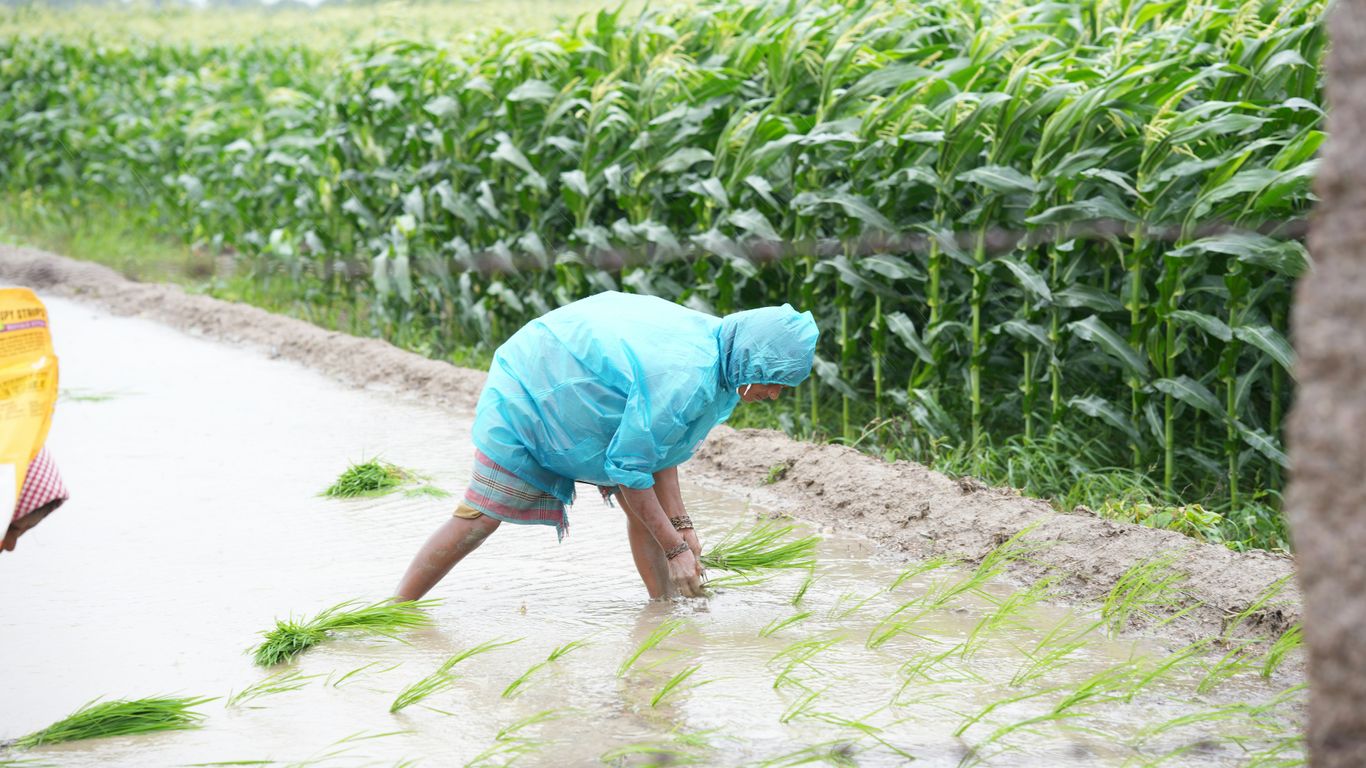
Let’s be real, homesteading is not a walk in the park. Forget those glossy magazine pictures; the reality involves a lot of sweat and grit. We’re talking early mornings, late nights, and days filled with tasks that leave us physically tired. It’s a constant cycle of tending to animals, working the land, and maintaining everything that keeps the homestead running. This lifestyle demands a significant physical and mental commitment.
We often find ourselves juggling multiple projects at once, from fixing a fence to canning produce. There’s always something that needs attention, repair, or a helping hand. It’s easy to underestimate the sheer volume of work involved until you’re in the thick of it. We’ve learned that trying to do everything perfectly all at once is a recipe for burnout. Instead, we focus on tackling tasks one by one, celebrating small victories along the way.
Here’s a glimpse of what that hard work looks like:
We quickly realized that homesteading isn’t about achieving a perfect, effortless existence. It’s about embracing the challenge, learning from our efforts, and finding satisfaction in the process, even when our muscles ache and our hands are dirty. It’s a continuous learning experience, and we’re always discovering new ways to be more efficient and effective in our tasks. This dedication is part of what makes the homesteading lifestyle so rewarding, despite the demanding nature of the work.
We all like to think we’ve got things figured out, right? We make plans, we set goals, and we expect things to go according to that neat little schedule we’ve drawn up. But out here on the homestead, that kind of thinking goes out the window pretty fast. Nature doesn’t check our calendar. One year, we might have a perfect growing season with just the right amount of sun and rain. The next? We could be dealing with a drought, an early frost, or a freak storm that flattens half our crops.
It’s not just the weather, either. Life throws curveballs constantly. The price of feed can skyrocket overnight, a disease can wipe out a local flock of chickens, or the market for your eggs might suddenly dry up. What worked perfectly last year might be a complete bust this year, and there’s often no clear reason why.
You’re constantly adapting, improvising, and learning to roll with the punches. It’s a humbling experience, for sure. We’ve learned to have backup plans for our backup plans, and even then, we know that sometimes, despite our best efforts, things just won’t go our way.
Here are just a few of the unpredictable elements we deal with:
We used to get so frustrated when our carefully laid plans went awry. Now, we try to see it as part of the adventure. It keeps us on our toes and reminds us that we’re working with forces much bigger than ourselves.
We all start homesteading with grand visions, right? We imagine ourselves effortlessly tending a sprawling garden, raising happy animals, preserving mountains of food, and keeping a spotless home, all while looking like we just stepped out of a magazine. The reality, however, is that you simply cannot do it all. There’s always more to do than there are hours in the day, and trying to achieve perfection in every single area is a fast track to burnout. We’ve learned that prioritizing is key. Some days, the most important task is hauling water in a blizzard, not dusting the bookshelves. You have to accept that some things will just have to wait, or maybe never get done.
It’s easy to see polished homesteading blogs and think it’s all achievable. But behind those perfect photos, there’s often a lot of compromise, or perhaps a lot of help. We’ve come to terms with the fact that our house might be a bit messy, or that a project we planned for the weekend will have to wait until next month. It’s about making tough choices.
Here’s a glimpse of how our priorities often shake out:
We also realized that relying on community or family support, which was common in the past, isn’t always readily available today. Trying to do it all solo is a huge undertaking. It means letting go of the idea of a pristine life and embracing the beautiful chaos that comes with a working homestead. It’s okay to not be perfect; it’s more important to be effective and kind to ourselves. Learning to accept limitations is a big part of realistic homesteading.
Let’s be real, we’re going to mess up. A lot. You can read all the books, watch all the videos, and talk to every experienced homesteader you know, but there’s still a good chance your first attempt at something will go sideways. Maybe you’ll plant your tomatoes too early and watch a late frost turn them into mush. Or perhaps that batch of cheese you spent all day making will end up tasting… well, let’s just say ‘interesting’ and leave it at that. We’ve had entire batches of seedlings die overnight because we didn’t quite grasp the nuances of temperature control. It happens.
The biggest takeaway is that failure isn’t the end; it’s just a really tough teacher. It’s easy to get discouraged when things don’t go as planned, especially when you’ve invested time, money, and a whole lot of hope. But every failed attempt is a lesson learned. We learned that year we tried to raise meat chickens in the middle of a heatwave – turns out, they need shade and plenty of water, who knew?
Here are a few common areas where we’ve stumbled:
It’s important to remember that homesteading is a continuous learning process. We’re not aiming for perfection right out of the gate. Instead, we focus on progress, adapting to what the land and our animals throw at us, and celebrating the small wins, even after a significant setback. It’s about resilience and the willingness to try again, maybe a little wiser this time around.
We all picture the romantic side of homesteading – fresh eggs, homegrown veggies, a simpler life. But let’s get real for a second. The upfront costs alone can be a shocker. Think about land, fencing, tools, seeds, livestock, and then all the stuff you need to keep them alive and healthy. It adds up faster than you can say ‘organic compost’.
We quickly learned that "frugal" doesn’t always mean "cheap." Buying quality tools that last, investing in good breeding stock, or opting for organic, non-GMO seeds often means a bigger initial outlay. And don’t even get us started on repairs. Something always breaks, whether it’s a tractor, a water pump, or a greenhouse panel. These aren’t small, quick fixes either; they often require specialized parts or even professional help, which drains the budget.
Here’s a rough idea of what we found ourselves spending on in the first couple of years:
It’s easy to get caught up in the dream and underestimate the financial commitment. We found ourselves constantly juggling expenses, prioritizing what absolutely needed to be done versus what we wanted to do. It’s a constant balancing act, and you’ll likely need a solid emergency fund, especially during that first year of homesteading.
We also discovered that while selling surplus can bring in a little cash, it rarely covers the costs. It’s more of a bonus than a reliable income stream, at least in the beginning. So, be prepared for the financial reality – it’s a significant investment, both in time and money.
We all knew homesteading would be work, but sometimes the quiet is deafening. When you’re out in the middle of acres, or even just a few acres with no close neighbors, the silence can really settle in. Our days are often filled with tasks that don’t involve much human interaction. We might spend hours tending the garden, fixing fences, or caring for animals, with only the chickens or the wind for company.
It’s easy to get so caught up in the daily grind that our social lives take a backseat. We might miss calls or forget to reply to texts because we’re elbow-deep in compost or trying to coax a stubborn goat back into its pen. This isn’t because we don’t value our friends; it’s just that the demands of the homestead can be all-consuming.
Here are a few ways we’ve learned to combat the isolation:
The reality is, homesteading can feel isolating, especially if you didn’t grow up in this lifestyle. It takes a conscious effort to maintain connections with the outside world, but it’s vital for our well-being.
We all picture ourselves as instant homesteading pros, right? Like we’ll just step onto our land and know exactly how to milk a cow, fix a fence, or can tomatoes. The reality? It’s a constant, sometimes overwhelming, education. You’re going to feel like you’re back in kindergarten most days.
Think about it: we’re learning everything from scratch. There’s animal husbandry, which involves understanding breeds, diets, common illnesses, and birth cycles. Then there’s gardening, which means soil science, pest control (the natural kind, usually), crop rotation, and understanding weather patterns. Add in food preservation – canning, dehydrating, fermenting – each with its own set of rules and potential pitfalls. And don’t forget basic construction, plumbing, and electrical work, because something always breaks.
Here’s a small taste of what we’ve had to figure out:
It’s a lot. We’ve spent countless hours reading books, watching videos, and asking neighbors for advice. And even then, we mess up. We’ve had crops fail, animals get sick, and projects go sideways. It’s humbling, but also kind of exciting.
The biggest takeaway is that you have to be okay with not knowing everything, and actually enjoy the process of figuring things out. If you’re not willing to learn and adapt, homesteading will chew you up and spit you out pretty quickly.
We all know that life is finite, but when you’re homesteading with animals, you’re confronted with this reality much more often than most. It’s not just about the planned butchering for meat, though that’s a significant part of it. We’ve had young chicks succumb to illness, a beloved old dog pass peacefully in his sleep, and even a few unfortunate incidents with predators that left us heartbroken. It’s a harsh truth that death is an unavoidable part of caring for livestock.
We’ve learned that animals can die from a variety of causes:
It’s tough, no doubt about it. We remember losing our first flock of chickens to a fox; it felt like a personal failure. You pour your heart into these creatures, and their passing leaves a real void. It forces us to think differently about where our food comes from and to appreciate the life given, whether for sustenance or companionship.
Dealing with animal loss is emotionally taxing. It requires a level of resilience we might not have known we possessed until we’re faced with it. It’s a stark reminder of the responsibilities that come with raising living beings.
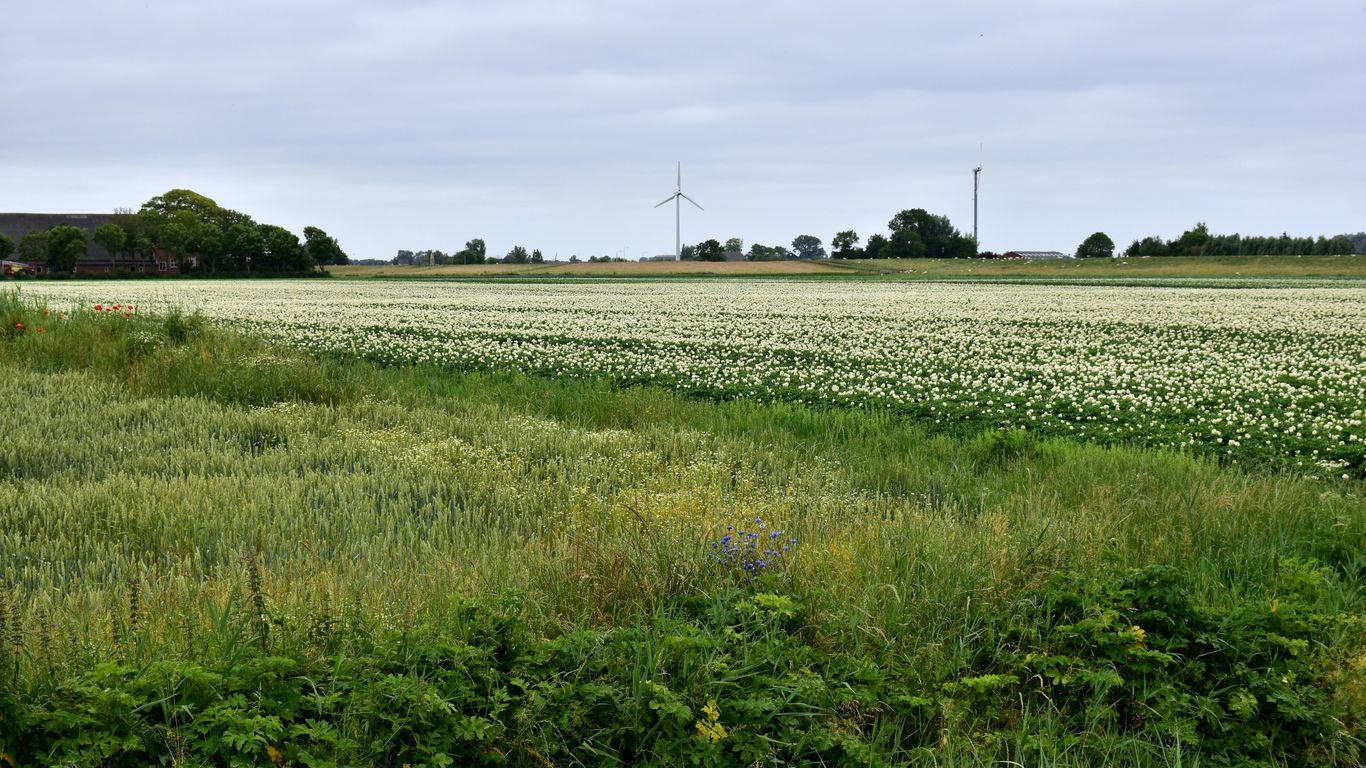
We all dream of bountiful harvests, of overflowing pantries and freezers packed with the fruits of our labor. But the reality of homesteading often includes the sting of a poor harvest. It’s a hard truth that no matter how much we plan, prepare, and pour our energy into our gardens and fields, nature doesn’t always cooperate. We’ve had years where a late frost wiped out our tender seedlings, or a sudden drought turned promising rows of corn into brittle stalks. Sometimes it’s a specific pest that decides our prize-winning tomatoes are their personal buffet, or a disease that sweeps through the chicken coop, impacting our egg supply.
It’s easy to feel defeated when months of work yield little return. We might have planned our entire winter’s food supply around a specific crop, only to have it fail. This unpredictability is a constant companion.
Here are a few things that can derail a harvest:
We’ve learned that diversification is key. Planting a wide variety of crops, including some more resilient or heirloom varieties, can help mitigate losses. If one thing fails, hopefully, something else will thrive. It’s about learning to adapt and not putting all our hopes into a single basket.
It’s a humbling experience, reminding us that we are stewards of the land, not its masters. We can only do our best, learn from each setback, and keep planting for the next season.
We all think homesteading is about getting away from it all, right? Well, sometimes ‘it all’ includes a whole lot of paperwork and rules we didn’t see coming. It turns out that raising chickens, selling eggs, or even building a simple shed can bump up against local ordinances and state laws. We learned this the hard way when we tried to put up a small greenhouse without checking the zoning first.
It’s not just about building codes, either. Depending on where you live, there can be regulations about water usage, waste disposal, and even the types of animals you can keep. We’ve found that understanding these local laws is a big part of setting up your homestead properly. It’s easy to get caught up in the dream of self-sufficiency, but ignoring the legal side can lead to fines or having to tear down something you worked hard on.
Here are a few common areas where regulations pop up:
It can feel overwhelming, but there are resources out there. Joining a local farming group or checking with your county’s planning department can save a lot of headaches. We found that being proactive about understanding the rules for off-grid living in our area saved us a ton of trouble down the line.
The biggest surprise for us was how much these rules varied even between neighboring towns. What’s perfectly fine in one place might be a big no-no just a few miles away. It really pays to do your homework on your specific location.
Homesteading isn’t a hobby you can pick up and put down. It’s a 365-day-a-year gig, no exceptions. Think of it less like a weekend project and more like a full-time job that never clocks out. Even on holidays, when you’re feeling under the weather, or when you’d rather be doing absolutely anything else, the work still needs doing. The animals don’t take a day off, the garden doesn’t pause for your birthday, and that leaky faucet won’t fix itself.
We’ve learned that life on the homestead means your schedule revolves around the needs of the land and the creatures we care for. It requires a constant state of readiness and a willingness to show up, day in and day out. This commitment is what builds resilience and truly connects us to our stewardship of time. It’s about understanding that the rhythm of the homestead dictates the rhythm of our lives.
Here’s a look at what that daily grind can involve:
The reality is, there will be days you’re tempted to just let things slide, but that’s when the homestead can start to unravel. Consistency is key, even when it’s tough.
This daily dedication means you’re always on your toes, ready to tackle whatever comes your way. It’s demanding, for sure, but it’s also incredibly rewarding. You become deeply attuned to the cycles of nature and the well-being of your homestead. It’s a lifestyle that asks a lot, but it gives back in ways you can’t always quantify.
Look, homesteading isn’t always the picture-perfect life you see online. We’ve talked about the dirt, the exhaustion, the unexpected problems, and the times we’ve seriously questioned our life choices. It’s messy, it’s hard, and it definitely doesn’t always go according to plan. But here’s the thing: even with all the tough stuff, there’s a deep satisfaction that comes from this way of life. We’ve learned so much, grown in ways we never expected, and found a connection to the land and our food that’s hard to beat. It’s a journey, for sure, with plenty of bumps, but for us, the good moments far outweigh the bad. If you’re thinking about it, go in with your eyes open, ready for the hard work, and you might just find it’s exactly what you’ve been looking for.
Not at all! Online pictures often show the ‘after’ moment, right after cleaning. In reality, homesteading involves a lot of dirt, mud, and animal messes. Our hands will get dirty, and our living spaces might not always look magazine-ready. It’s part of the hands-on work involved.
Homesteading is definitely hard work, and it can be physically demanding. We might start our days early and finish late. While strength is helpful, it’s more about consistency and learning to pace ourselves. We’ll need to get used to physical tasks, but it’s not about being a bodybuilder.
Nature is unpredictable! We can’t control the weather, pests, or diseases. Sometimes our harvests won’t be as good as we hoped. We learn to expect the unexpected and try to grow different types of plants to reduce losses when things don’t go as planned.
No, we can’t do it all. There’s always too much to do, and sometimes things just have to wait. We’ll need to prioritize tasks and accept that some projects might take longer or not get finished right away. It’s okay to ask for help or let some things slide.
Failure is a normal part of homesteading. We’ll try things that don’t work, and that’s how we learn. It’s not about being perfect, but about learning from our experiences, even the tough ones. Every year is different, and what worked before might not work again.
Yes, it’s a daily commitment. Our lives will revolve around the homestead, even on holidays or special occasions. Animals need care every day, and there are always chores to be done. We need to be ready to be busy, even when we don’t feel like it.
 March 7, 2026
How to Turn Food Preservation Into a Side Hustle
Canning
Homestead Kitchen
Homesteading
Sustainable Living
March 7, 2026
How to Turn Food Preservation Into a Side Hustle
Canning
Homestead Kitchen
Homesteading
Sustainable Living
We've all got those hobbies or skills that we love doing, right? Maybe it's baking, gardening, or even making your own jam. What if we told you that you could turn those passions into a little extra cash? It might...
Read More March 7, 2026
High-Output Crops Perfect for Micro Homesteads
Gardening
Homestead Planning
Homesteading
Starting a Homestead
March 7, 2026
High-Output Crops Perfect for Micro Homesteads
Gardening
Homestead Planning
Homesteading
Starting a Homestead
Thinking about growing your own food but only have a little space? We get it. Many of us are looking for ways to be more self-sufficient, even if we don't have acres to work with. The good news is, you...
Read More March 6, 2026
10 Low-Cost Homestead Side Hustles That Make Money
Homestead Planning
Homesteading
Starting a Homestead
March 6, 2026
10 Low-Cost Homestead Side Hustles That Make Money
Homestead Planning
Homesteading
Starting a Homestead
We all dream of a simpler life, right? One where we're more connected to the land and the seasons. But let's be real, that dream needs some funding. That's where low cost homestead side hustles come in. These aren't about...
Read More