



Working a full-time job and trying to keep up with a homestead can feel like a juggling act, right? We’ve been there. It’s easy to feel overwhelmed, wondering how to fit everything in. But with a solid homestead schedule full time job, it’s totally doable. We’ve learned to break down tasks, use our time wisely, and make the most of every day and weekend. This isn’t about perfection, it’s about making our homestead dreams a reality, even with busy careers.

We get it. Juggling a full-time job and a homestead feels like you’re constantly running on a treadmill that’s set to ‘fast’. But honestly, it’s totally doable if we get smart about our time. The key is to break down what really needs doing each day and when we can realistically fit it in. Think of your mornings and evenings as prime time for those non-negotiable tasks. We’re talking about feeding the animals before we even think about coffee, and a quick check on everything before we hit the hay. It’s not about doing everything, but doing the right things when it makes the most sense.
This might sound wild, but there are actually pockets of time during the workday we can use. Maybe it’s that lunch break where instead of scrolling, we quickly check emails for our farm stand or plan out the evening’s garden harvest. Or perhaps it’s using a commute to listen to a podcast about soil health or animal husbandry. Even small bursts of focused time can add up. We need to be creative and look for those little windows. It’s about making our work time work for us, too.
Weekends are where we can really tackle the bigger projects. Think deep cleaning coops, major garden prep, or processing any harvests. But it’s also important not to burn ourselves out. We need to schedule in some downtime too, otherwise, what’s the point? A good strategy is to pick one or two major tasks for Saturday and one for Sunday, leaving room for relaxation and family time. It’s a balance, for sure, but one that makes the whole homesteading thing sustainable and enjoyable.
When we’re juggling a full-time job and a homestead, those early mornings and late evenings become our most precious time for chores. It’s easy to feel overwhelmed, but breaking down the daily tasks makes them manageable. We’ve found that a consistent routine is key to keeping everything running smoothly without burning out.
Our day almost always starts with our animals. Before we even think about coffee, we’re out there making sure everyone has fresh food and water. This usually involves feeding the chickens, ducks, and any other critters we might have. For us, it’s about 30 minutes each morning. We also check their waterers to make sure they’re clean and full. If it’s cold out, we double-check that heated waterers are working properly. This quick check sets them up for the day and gives us a moment of peace before the workday chaos begins.
After the animals are settled, we do a brief sweep of the garden. This isn’t a deep dive, just a quick look to see if anything needs immediate attention. We might pull a few rogue weeds that have popped up overnight or check on any plants that look a bit sad. Doing a little bit of garden maintenance each day prevents a massive weeding session later. If we have time, we’ll give any thirsty plants a drink, especially during dry spells. This habit helps us stay on top of things and makes the bigger garden tasks feel less daunting. It’s also a great way to connect with the growing season and see the progress we’re making.
As the workday winds down, we head back out for our evening rounds. This is our chance to make sure all the animals are safe and secure for the night. We check that the coop doors are locked, that everyone is settled in, and that there are no unexpected visitors trying to get into the garden. We also do a final check on water levels and give any animals that need it a small evening meal. This part of the routine is really about peace of mind. Knowing that our homestead is secure and our animals are tucked in allows us to relax and recharge for the next day. It’s a quiet time, often when the world feels still, and it’s a nice way to end our active homesteading day before focusing on creating a personal legacy.
Establishing a consistent daily rhythm, even with a demanding job, is what makes homesteading sustainable for us. It’s not about doing everything perfectly every single day, but about showing up and doing what needs to be done, little by little.
While daily tasks keep the homestead ticking, weekly chores are the backbone of our operation, preventing bigger issues down the line. These are the tasks that, if skipped, start to pile up and make life harder. We’ve found that dedicating specific times each week to these jobs makes a huge difference.
Keeping our animals healthy and happy means regular cleaning of their living spaces. For our rabbits, this involves a weekly scoop of manure from under their hutches. We use this for our compost, so it’s a win-win. If we have a mama rabbit with a new litter, we’re in there even more often to keep her nest clean and dry. Chicks in the brooder also get a weekly clean-out, especially as they get older and produce more waste. It’s not glamorous, but it’s important for their health. We also do a more thorough cleaning of the hen house twice a year, but the weekly upkeep prevents major build-up.
Depending on the season, our weekly garden tasks shift. In the summer, this often means harvesting what’s ready and starting to think about preservation. We might spend a Saturday afternoon canning tomatoes or freezing beans. Even if there isn’t a huge harvest, we’re always doing quick checks for pests or diseases that could spread. This proactive approach saves us a lot of trouble later on. We also make sure to keep our garden beds clear of encroaching weeds, which is a constant battle here. A little bit of weed whacking around the beds each week keeps things manageable.
Beyond the garden beds, the rest of the property needs attention too. Mowing usually happens every couple of weeks for us, but in the peak growing season, it can be a weekly affair. We also tackle weed whacking around fences, outbuildings, and any other areas the mower can’t reach. This keeps the place looking tidy and prevents invasive plants from taking over. It’s amazing how quickly things can get overgrown if you let them!
We’ve learned that consistency is key. Setting aside time each week, even if it’s just a few hours on a Saturday, makes these tasks feel less like a burden and more like a routine. It’s about staying on top of things before they become overwhelming.
Here’s a quick look at our typical weekly breakdown:
These weekly tasks are what keep our homestead functioning smoothly, allowing us to enjoy the bigger projects and daily rhythms without constant catch-up.
Working full-time and running a homestead can feel like juggling chainsaws sometimes. We get it. But with a few smart strategies, we can actually make things run a lot smoother. It’s all about being intentional with our time and resources.
Think of time blocking like putting your chores and projects into specific slots on your calendar. Instead of just hoping you’ll get to the garden weeding, you actually schedule it. Even 30 minutes here or there can make a big difference. We find that dedicating specific times, like an hour after dinner for animal checks or Saturday mornings for bigger garden tasks, helps us stay on track. It’s not about being rigid, but about giving our homestead tasks the attention they deserve.
Here’s a sample of how we might block out time:
| Day | Morning (Before Work) | Evening (After Work) | Weekend Morning | Weekend Afternoon |
|---|---|---|---|---|
| Monday | Feed animals | Quick garden check | N/A | N/A |
| Tuesday | Feed animals | Water plants | N/A | N/A |
| Wednesday | Feed animals | Egg collection | N/A | N/A |
| Thursday | Feed animals | Quick garden check | N/A | N/A |
| Friday | Feed animals | Water plants | N/A | N/A |
| Saturday | Livestock chores | Garden harvest | Property upkeep | Project work |
| Sunday | Relax/Plan | Relax/Plan | Relax/Plan | Relax/Plan |
This is where we can really gain some ground. Look for ways to make tasks happen with less direct input from us. Think about automatic waterers for the chickens or setting up a simple compost system. We also try to batch similar tasks. For example, instead of preserving one jar of jam at a time, we’ll set aside a few hours on a weekend to do a big batch. Creating systems means less thinking and less effort for the same, or even better, results. It’s about working smarter, not harder.
We’ve found that setting up simple routines, like always collecting eggs at the same time each day, makes it second nature. It becomes part of the flow rather than another thing to remember. This frees up mental energy for more complex tasks or just a moment to breathe.
If you have a family, don’t try to do it all yourself! Even young kids can help with simple tasks like collecting eggs or feeding chickens. Older kids and partners can take on more responsibility. Clearly defining roles and responsibilities can prevent confusion and ensure tasks get done. We started by assigning one or two small chores to each family member, and it’s made a huge difference. It not only lightens our load but also teaches valuable skills and responsibility to everyone involved.
Our homesteading life really follows the sun and the seasons, doesn’t it? Working full-time means we have to be extra smart about how we align our chores with what nature is doing. It’s not just about getting things done; it’s about doing the right things at the right time.
Spring is all about new beginnings. For us, this means getting the garden beds ready as soon as the ground thaws enough. We’re talking about planting those early crops like lettuce, spinach, and peas. If we’re lucky with our frost dates, we’ll start on tomatoes and peppers too. It’s a busy time for the animals as well. Lambing and kidding seasons are usually in full swing, so we’re up for extra checks, making sure the little ones are healthy and the mamas are doing okay. We also need to get our rain barrels cleaned out and ready to go for watering.
Summer is when everything really takes off. The garden is producing, and the days are long, but also hot. We’re focused on keeping plants watered, weeding like crazy, and dealing with pests. This is also prime time for harvesting early crops and starting to think about preservation. Canning, freezing, and dehydrating become regular activities. For the animals, it’s about making sure they have plenty of shade and fresh water. We might also be shearing sheep or dealing with flies. It’s a lot of maintenance, but seeing the bounty is worth it.
Fall is our big harvest season. We’re gathering in all the late crops, like root vegetables and winter squash. This is also when we do a lot of preserving for the winter months. We’re also busy gathering firewood and getting the property ready for the cold. This means cleaning out gutters, winterizing water lines, and making sure animal shelters are draft-free and have plenty of dry bedding. It’s a push to get everything buttoned up before the snow flies.
The key is to look ahead. What needs to be done before winter hits? What seeds do we need to order now for spring? Thinking seasonally helps us avoid last-minute scrambles and makes sure our homestead keeps running smoothly, even with our work schedules.
Look, homesteading isn’t a one-size-fits-all deal. What works for us might not be the perfect fit for you, and that’s totally okay. The beauty of this lifestyle is that we get to shape it around our own lives and what we want to achieve. Maybe your big dream is just a small herb garden on your balcony, or perhaps you’re aiming for a flock of chickens that can supply all your egg needs. Figure out what truly matters to you and build your schedule from there. Don’t get bogged down trying to do everything everyone else is doing. Focus on your personal goals, whether that’s growing a specific vegetable, raising a few rabbits, or just making your own bread.
One of the best things about homesteading is its inherent flexibility. Life happens, right? A sudden storm might mean you need to bring the chickens in early, or a work deadline could push back your evening garden check. Instead of getting stressed, we’ve learned to roll with it. Think of your schedule as a guide, not a rigid set of rules. If you miss a weeding session, don’t beat yourself up. Just pick it up the next day or when you have a spare moment. This adaptability is key to long-term homesteading success, especially when balancing it with a full-time job.
Finding that sweet spot between your job, your family, and your homestead can feel like a juggling act. We’ve found that being realistic about our time and energy is super important. It’s better to do a few things well than to try and cram too much in and feel overwhelmed.
Here’s a quick look at how we try to balance:
We’ve learned that sometimes, saying ‘no’ to extra commitments outside the homestead is necessary to protect our time and energy for what we’ve chosen to prioritize. It’s about making conscious choices that support our homesteading journey without burning ourselves out.
So, there you have it. We know it can seem like a lot when you’re juggling a full-time job and trying to keep a homestead running. But honestly, it’s all about finding what works for us. We’ve learned that even small, consistent efforts add up. Don’t get discouraged if your schedule looks different from someone else’s; the beauty of homesteading is that we can shape it to fit our lives. Keep at it, adjust as needed, and remember why you started. We’re all just figuring this out as we go, and that’s perfectly okay.
We’ve found that even with a full-time job, we can manage our homestead by dedicating about 30 minutes each day to essential tasks. This includes things like feeding our animals, giving them fresh water, and doing a quick check on the garden. It’s all about making small, consistent efforts.
Weekends are our time to tackle bigger jobs. We usually spend time on deeper cleaning for our animals’ living spaces, harvesting produce from the garden, and doing any property upkeep like mowing or weed-whacking. It’s a good time to get those tasks done that take a bit longer.
We use a method called ‘time blocking,’ where we set aside specific times for different chores. It helps us stay focused and makes sure nothing gets forgotten. We also look for ways to automate things, like setting up automatic waterers, to save precious time.
Absolutely! Our homestead tasks definitely change throughout the year. In spring, we focus on planting and new animal births, while summer is for growing and preserving food. Fall is for harvesting, and winter is for preparing for the cold. It’s important to adjust our schedule to what nature is doing.
We believe in flexibility. Homesteading can be whatever you want it to be. If you have a busy life, you can focus on just a few tasks or dedicate more time on days you have it. It’s about finding a balance that works for you and your family, and not letting it add too much stress.
Yes! We learned that sharing the work makes it much more manageable and enjoyable. We assign age-appropriate tasks to our kids, which teaches them responsibility and makes them feel like a part of the homesteading team. It’s a great way to bond and get things done together.
 March 7, 2026
How to Turn Food Preservation Into a Side Hustle
Canning
Homestead Kitchen
Homesteading
Sustainable Living
March 7, 2026
How to Turn Food Preservation Into a Side Hustle
Canning
Homestead Kitchen
Homesteading
Sustainable Living
We've all got those hobbies or skills that we love doing, right? Maybe it's baking, gardening, or even making your own jam. What if we told you that you could turn those passions into a little extra cash? It might...
Read More March 7, 2026
High-Output Crops Perfect for Micro Homesteads
Gardening
Homestead Planning
Homesteading
Starting a Homestead
March 7, 2026
High-Output Crops Perfect for Micro Homesteads
Gardening
Homestead Planning
Homesteading
Starting a Homestead
Thinking about growing your own food but only have a little space? We get it. Many of us are looking for ways to be more self-sufficient, even if we don't have acres to work with. The good news is, you...
Read More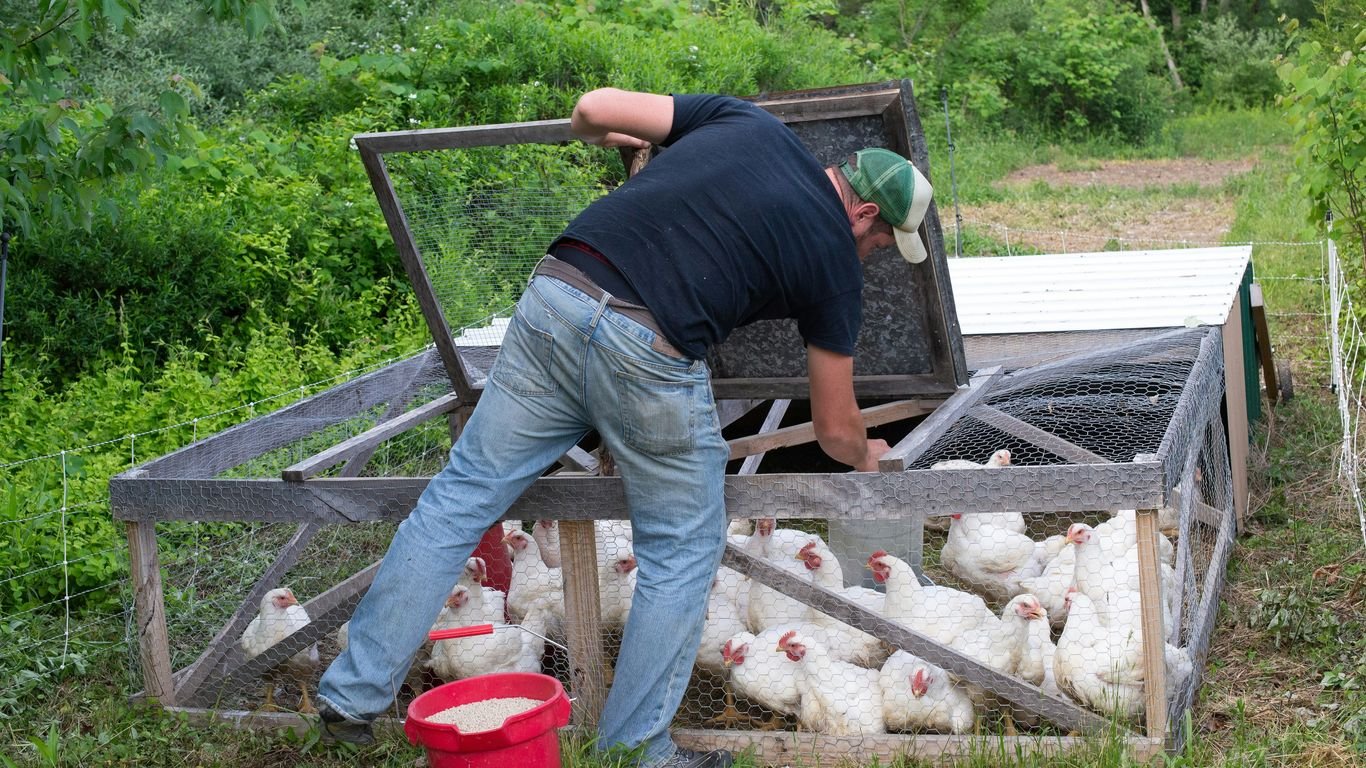 March 6, 2026
10 Low-Cost Homestead Side Hustles That Make Money
Homestead Planning
Homesteading
Starting a Homestead
March 6, 2026
10 Low-Cost Homestead Side Hustles That Make Money
Homestead Planning
Homesteading
Starting a Homestead
We all dream of a simpler life, right? One where we're more connected to the land and the seasons. But let's be real, that dream needs some funding. That's where low cost homestead side hustles come in. These aren't about...
Read More