


Thinking about turning a piece of land into your own homestead? It can feel like a big project, but we’re here to break it down. Designing your homestead layout is a huge part of making it work for you. We’ll walk through how to plan everything out, from picking the best spot for your house to figuring out where your garden and outbuildings will go. It’s about making your land functional and beautiful, step by step.
Before we even think about where the chicken coop goes or how many garden beds we’ll have, we need to get a handle on the land itself. This is the foundational stuff, the part where we really get to know what we’re working with. It’s like prepping for a big project – you wouldn’t start building without a solid plan, right? So, let’s dig into how we figure out the best way to set up our homestead.
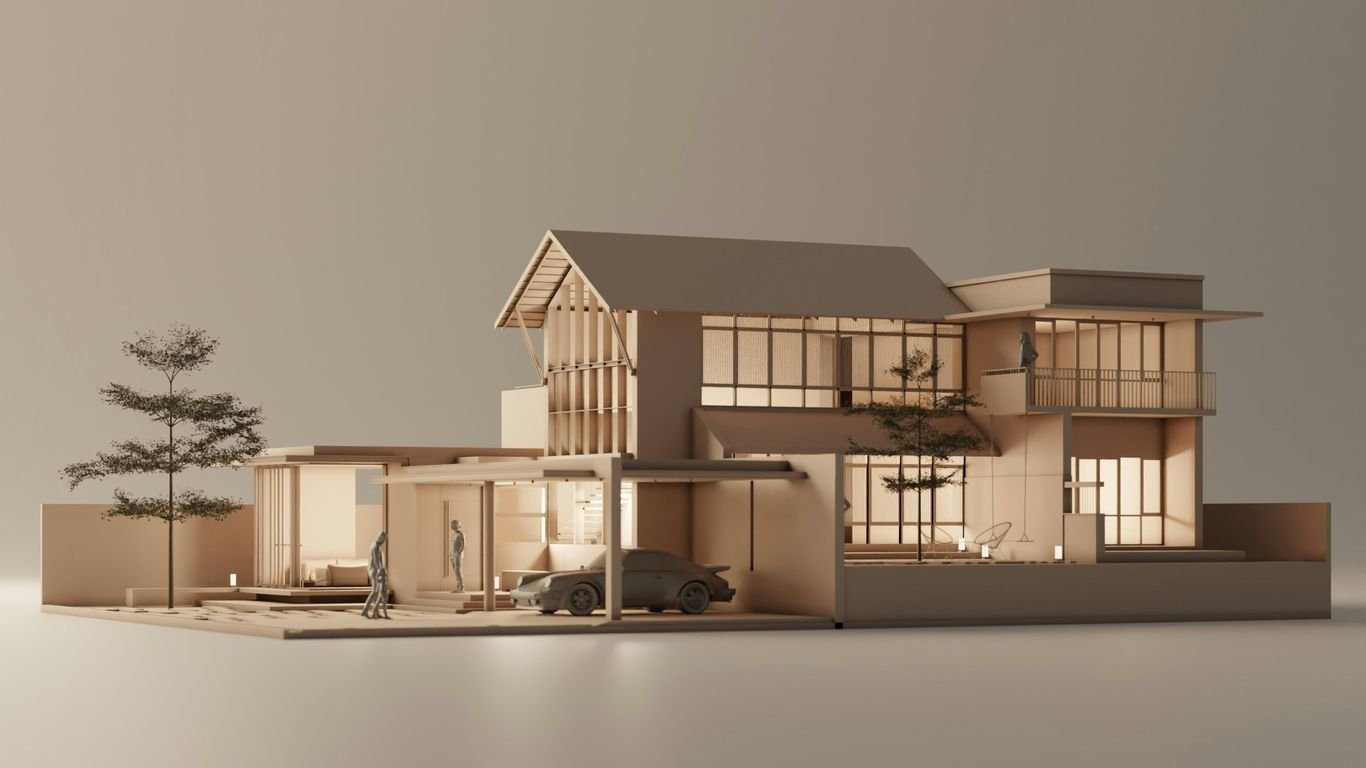
Finding the right spot for our actual house is a big deal. It’s not just about the view, though that’s nice! We need to think about practical things. Does the land drain well? Is it easy to get to, especially in bad weather? We should definitely walk the whole property, maybe even bring a builder along to get a second opinion. Don’t just pick the flattest spot or the one with the best view without checking other factors. We also need to consider things like easements and any obstructions that might make getting to our house tricky. A good idea is to get a perc test done to see if the land is suitable for a septic system, and a soil test to make sure it can handle the foundation we have in mind. Picking the right homesite early on saves a ton of headaches later.
Now, let’s really look at what our land has to offer. We need to observe how the sun moves across it throughout the day and across the seasons. Some spots will be sunny all day, perfect for sun-loving veggies, while others will be shady, good for different plants or maybe just a nice quiet spot. Water is another big one. Where’s the nearest spigot? Will we need to set up rainwater collection? Our garden and any future animals will need water, so we need to make sure we can get it to them easily. And the soil! Healthy soil is the backbone of any good garden. We should get a soil test done to see what nutrients it has and what it might need. It’s also smart to check local rules about what we can do, like raising certain animals or building specific structures. This is where we start dreaming about what’s possible on our little piece of earth.
This is where we get down to the nitty-gritty details of our land. We’ve already touched on it, but it’s worth repeating because it’s so important. We need to spend time just observing. Watch where the sun hits and where the shade falls at different times of the day. Think about how that changes from summer to winter. For water, we need to figure out our sources and how we’ll get it where it needs to go. This might involve planning for hoses, irrigation, or even rainwater harvesting systems. And the soil – we really need to understand its makeup. Is it sandy, clay, or something else? Does it have the right pH? Knowing this helps us plan what we can grow and how we can improve it. We can even look at resources for designing multi-family homesteads if we’re thinking about sharing the space or planning for future generations.
Here’s a quick rundown of what to look for:
Taking the time to thoroughly assess these elements before making any big decisions will prevent a lot of potential problems down the road. It’s about working with your land, not against it.
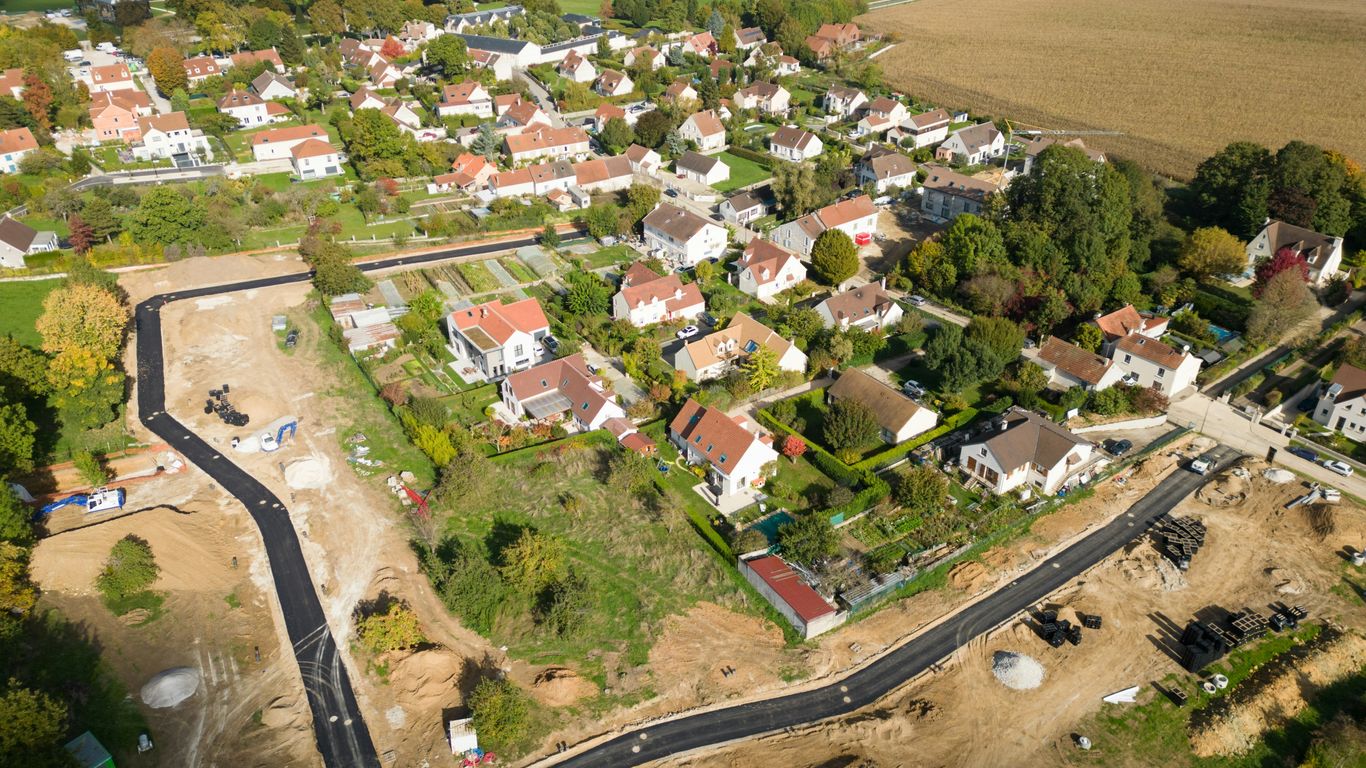
Before we can even think about putting up walls, we need to get our land ready. This stage is all about making sure the ground itself is prepped and legalities are sorted. It might not be the most glamorous part, but trust us, it’s super important.
Unless you’ve bought a perfectly flat, already cleared lot (lucky you!), you’ll likely need to clear some trees, brush, or maybe even old structures. This is usually not a DIY job. We found that asking friends or our real estate agent for recommendations worked best. It’s a good idea to get at least three quotes from different services. Prices can really vary, and you want to make sure you’re not overpaying. Also, double-check that whoever you hire is properly licensed and insured. We learned that some general contractors can handle this or subcontract it out, but it’s always good to know who’s actually doing the work on your property.
This is where things can get a bit bureaucratic, but it’s non-negotiable. Depending on where you live, you’ll need various permits before you can start any significant work. This often includes permits for land clearing, septic systems, and wells. We found it helpful to contact our local county building department early on. They can tell us exactly what’s needed and guide us through the application process. Ignoring permits can lead to costly fines and delays down the road.
Here’s a quick rundown of what we encountered:
We learned that zoning laws and local ordinances can also affect what and where you can build. It’s worth doing some homework on these early to avoid surprises.
This step is critical, especially if you’re clearing land or planning fences. A boundary survey clearly marks the legal limits of your property. We hired a licensed surveyor to come out and put stakes in the ground showing exactly where our property lines are. This prevents any accidental encroachment onto a neighbor’s land (or vice-versa!) and gives us peace of mind. It also helps when you’re figuring out where to place driveways or buildings so they are well within your property boundaries. We made sure to get a copy of the survey to share with our clearing crew and future builders.
Now that we’ve got a handle on our land and its potential, it’s time to actually draw up a plan for how everything will fit together. This is where we start thinking about how we’ll actually use the space day-to-day. We want our homestead to work for us, not the other way around, right?
First things first, grab some paper and a pencil. We’re going to sketch out our property. Don’t worry about making it perfect; this is just for us. Mark out the house, any existing structures, driveways, and property lines. Then, start thinking about where you want everything else to go. Where will the garden beds be? Do you want chickens? If so, where will their coop go? What about a place for firewood, tools, or maybe even a future greenhouse? Thinking about these placements now can save a lot of headaches later. We want to make sure things are convenient. For example, putting the kitchen herb garden right outside the back door makes a lot of sense, doesn’t it? Similarly, the compost bin should be close enough to the garden for easy access, but maybe not right outside your bedroom window.
Permaculture is a fancy word for designing human settlements and agricultural systems that mimic the relationships found in natural ecosystems. It’s all about working with nature, not against it. A big part of this is thinking in terms of ‘zones’.
Here’s a simple way to look at it:
By placing things we use most often closer to the house, we save ourselves steps and energy. It just makes sense to have our most-used items within easy reach. We also want to think about how different elements can support each other. For instance, can we use rainwater runoff from a shed roof to water a garden? Can we plant trees that provide shade for a coop in the summer?
This is all about making sure we can actually get to everything we need to without a hassle. Think about pathways. Will you be walking, or driving a tractor? We need to make sure our paths are wide enough and lead where we need them to go. Consider how you’ll move materials – like soil for the garden or feed for the animals. Also, think about where you’ll park vehicles, store equipment, and manage waste. A well-thought-out layout means less time spent wrestling with obstacles and more time enjoying our homestead. We don’t want to be tripping over tools or having to move three piles of lumber just to get to the chicken coop, do we?
We’re aiming for a layout that feels natural and intuitive. It should minimize wasted movement and make daily chores feel less like a chore. Think about the sun’s path throughout the day and year when placing things like gardens or animal shelters. Also, consider prevailing winds for windbreaks and how water naturally flows across your land.
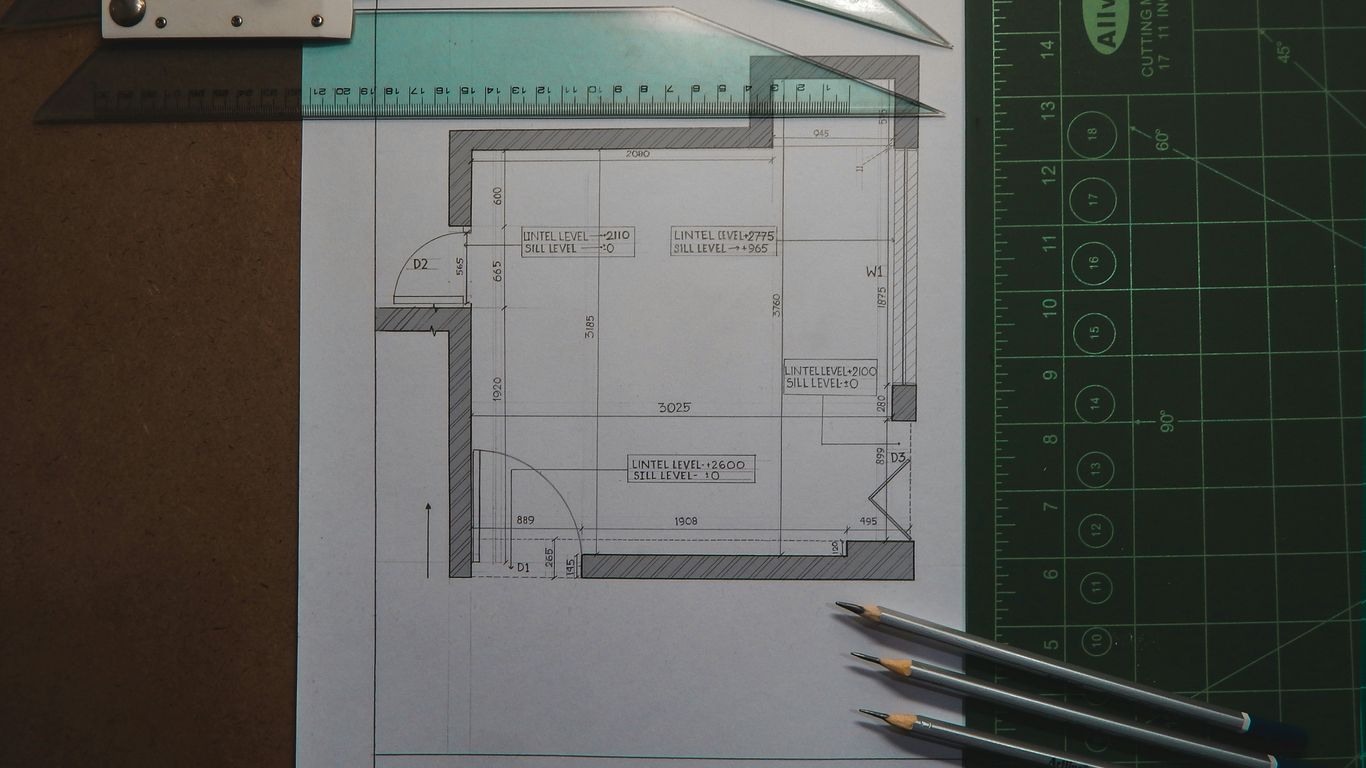
When we first started looking at land, we had a pretty clear idea of the kind of house we wanted. But once we found the perfect spot, we realized our dream home might not actually fit. It’s super important to make sure the house design works with the land you’ve chosen. Think about the slope, where the sun hits, and how water will drain. A house that looks great on paper might be a nightmare to build on a steep hill or in a boggy area. We spent a lot of time talking with our builder and looking at different plans before settling on one that felt right for our property. Don’t fall in love with a house plan before you’ve really assessed your land.
Unless you’re paying cash for everything, getting a construction loan is a big step. We learned that it’s best to start this process as early as possible. Building a house isn’t cheap, and the loan needs to be approved before any actual building can begin. It’s a different kind of loan than a regular mortgage, and the bank will want to see detailed plans and budgets. We found that having a good relationship with our bank helped a lot.
Here’s a quick look at what we went through:
This part can feel like a maze, but it’s really important. Before you can even break ground, you’ll need to get various permits. This usually includes permits for the foundation, plumbing, electrical, and septic systems, if you’re not on a public sewer. Your local building department is your best friend here; they’ll tell you exactly what you need. After the permits are in hand, the inspections start. They happen at different stages of construction – think foundation pour, framing, electrical rough-in, and final inspection. These inspections are there to make sure everything is built safely and up to code. We had about ten inspections in total, and it’s best to be present for them if you can, or at least have your contractor there. It’s all about making sure the house is sound and legal.
Once the main house is sorted, we can start thinking about the other structures that make a homestead truly functional. These aren’t just afterthoughts; they’re key to making our land work for us. We need places for tools, animals, and maybe even a quiet spot to work.
These are the workhorses of the homestead. A good shed is invaluable for storing everything from lawnmowers and tillers to bags of feed and gardening supplies. We want it to be sturdy, dry, and easy to access. Barns are a bigger undertaking, of course, but if we plan on having larger animals like horses or cows, it’s a must. Think about the size needed for stalls, hay storage, and maybe even a small workshop area. Garages are pretty straightforward – a place to keep vehicles out of the weather, but they can also double as extra storage or a workspace.
If we’re serious about extending our growing season or protecting delicate plants, a greenhouse or high tunnel is the way to go. Greenhouses offer a controlled environment, perfect for starting seeds early or overwintering tender perennials. High tunnels, while simpler, provide significant protection from frost and wind, allowing us to grow crops well into the colder months. We’ll need to consider placement carefully, making sure they get plenty of sunlight.
For many of us, chickens are a staple on the homestead, providing fresh eggs daily. A well-designed coop is vital for their safety and health. It needs to be predator-proof, offer good ventilation, and have easy access for cleaning and egg collection. We’ll want roosting bars and nesting boxes, too. On the other hand, maybe we need a dedicated space to work or study. An office pod, even a small one, can be a game-changer. It gives us a quiet zone away from the main house, helping us focus on tasks without distractions. These structures, big or small, are what turn a piece of land into a working homestead.
When planning outbuildings, think about how you’ll use them day-to-day. Easy access to a tool shed from the garden, or a convenient path to the chicken coop, makes a huge difference in how much you actually get done. Don’t just build them; build them smart.
Here’s a quick look at some common outbuilding needs:
| Structure Type | Primary Use | Key Considerations |
|---|---|---|
| Garden Shed | Tools, potting soil, small equipment | Weatherproof, organized shelving, easy door access |
| Chicken Coop | Housing for laying hens | Predator protection, ventilation, roosting/nesting space |
| Greenhouse/High Tunnel | Season extension, seed starting, plant protection | Sunlight exposure, temperature control, ventilation |
| Workshop/Garage | Vehicle storage, project space, tool storage | Size, power access, lighting, durability |
Water is life, right? And having a pond or even a small water feature on our homestead can make a huge difference. It’s not just about looks, though they can be pretty. A pond can attract wildlife, help with irrigation, and even be a place for some ducks if we’re feeling ambitious. When we first looked at our land, it was pretty dry, so adding a water source was high on our list. We looked into different ways to create one, from digging out a natural-looking pond to installing a pre-fab one. The key is to think about how you’ll fill it and how you’ll manage it long-term. We found that placing it in a lower spot on the property helped with natural collection, and we’re planning to use a solar pump for circulation. It’s a project, for sure, but one that really brings the land to life.
This is where we really start to see our homestead take shape. We’ve always wanted to grow a good chunk of our own food, and getting the garden set up is a big part of that. We started small, honestly. Trying to do too much at once felt overwhelming. We picked a spot that gets good sun and worked on improving the soil. Raised beds have been a game-changer for us. They make it easier to manage the soil, keep the weeds somewhat in check, and they just look tidy. We’re also experimenting with companion planting to get more out of our space and help keep pests away naturally.
Here are a few things we learned when setting up our garden areas:
Beyond just growing food, we’re looking at how the land itself can work for us. That’s where things like swales and windbreaks come in. Swales are basically shallow ditches dug on contour lines. They help slow down rainwater, letting it soak into the ground instead of running off. This is fantastic for keeping our soil moist, especially during dry spells. We’ve been mapping out the contours of our land to figure out the best places to put them. For windbreaks, we’re planting rows of trees and shrubs. These aren’t just for show; they help protect our gardens and buildings from strong winds, which can really dry things out and cause damage. Plus, they add a nice bit of habitat for birds and other critters. It’s all about working with the land’s natural patterns.
So, we’ve walked through the whole process, from picking the perfect spot for your house to figuring out where the chicken coop should go. It might seem like a lot, and honestly, it is. Building a homestead from scratch is a big project, but it’s also incredibly rewarding. Remember, it doesn’t all have to happen at once. Start with the basics, learn as you go, and enjoy the journey of creating a place that’s truly yours. We’ve shared a lot of ideas here, and there’s even more detail in the eGuide if you want to really dive deep. But for now, take what you’ve learned, start planning, and get ready to build something amazing that you and your family can enjoy for years to come.
Before we even think about where to put the house or garden, we need to get to know our land. This means checking out where the sun shines the most, where water might collect, and what the soil is like. We also need to pick the best spot for our home, thinking about things like how easy it is to get to and if it’s suitable for building.
Clearing land can be a big job, and it’s usually best to get help from professionals. They have the right tools and know-how to do it safely and efficiently. We should get a few price quotes from different companies and make sure they are licensed before they start any work.
To make our homestead work well, we should draw a map of our property and think about how everything will connect. This includes planning paths so we can easily move around, putting gardens near water sources, and making sure our compost bins are close to where we need them. Thinking about how animals, gardens, and buildings will work together is key.
When we build our house, we need to make sure the design fits our land. We also need to get our building permits sorted out early. It’s smart to apply for a construction loan as soon as possible if we need one, because building can’t start until it’s approved. And remember, the county will need to inspect our work as we go to make sure it’s safe.
Most homesteads benefit from extra buildings. We might need a barn for storage or animals, a shed for tools, or a garage for vehicles. Depending on our goals, we could also build a greenhouse to grow plants year-round, or a chicken coop for fresh eggs. Some people even add small office pods for a quiet workspace.
Landscaping is more than just making things look pretty; it can make our homestead work better. We can add features like ponds for water or beauty, create gardens for growing food, and even build things like swales (ditches that help manage water) or windbreaks (lines of trees that block wind). These elements can help our land be more productive and sustainable.
 March 7, 2026
How to Turn Food Preservation Into a Side Hustle
Canning
Homestead Kitchen
Homesteading
Sustainable Living
March 7, 2026
How to Turn Food Preservation Into a Side Hustle
Canning
Homestead Kitchen
Homesteading
Sustainable Living
We've all got those hobbies or skills that we love doing, right? Maybe it's baking, gardening, or even making your own jam. What if we told you that you could turn those passions into a little extra cash? It might...
Read More March 7, 2026
High-Output Crops Perfect for Micro Homesteads
Gardening
Homestead Planning
Homesteading
Starting a Homestead
March 7, 2026
High-Output Crops Perfect for Micro Homesteads
Gardening
Homestead Planning
Homesteading
Starting a Homestead
Thinking about growing your own food but only have a little space? We get it. Many of us are looking for ways to be more self-sufficient, even if we don't have acres to work with. The good news is, you...
Read More March 6, 2026
10 Low-Cost Homestead Side Hustles That Make Money
Homestead Planning
Homesteading
Starting a Homestead
March 6, 2026
10 Low-Cost Homestead Side Hustles That Make Money
Homestead Planning
Homesteading
Starting a Homestead
We all dream of a simpler life, right? One where we're more connected to the land and the seasons. But let's be real, that dream needs some funding. That's where low cost homestead side hustles come in. These aren't about...
Read More