


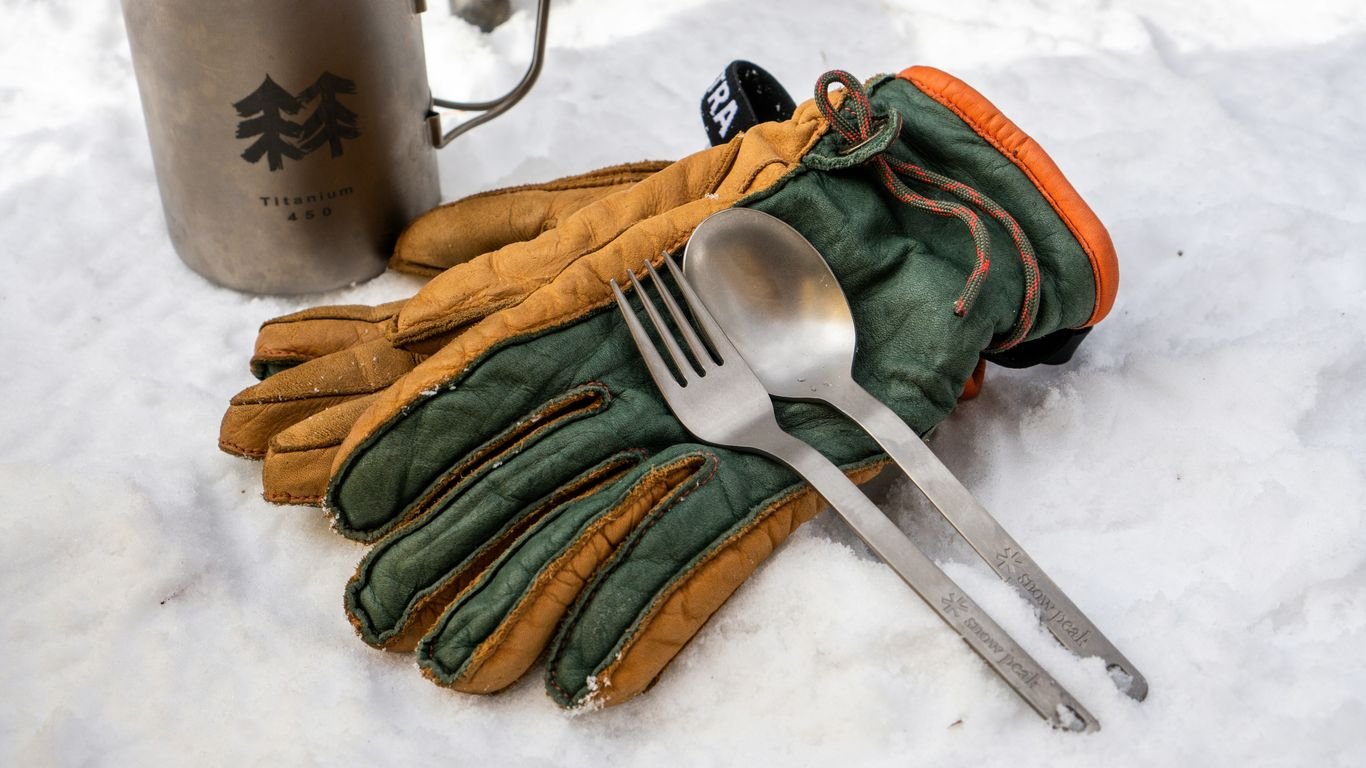
Getting ready for the changing seasons on our homestead is a big part of our lives. We’ve learned that a little preparation goes a long way, making sure we have what we need, whether it’s planting seeds in the spring or storing root crops in the fall. This seasonal homestead prep helps us stay on track and makes the most of our efforts throughout the year.
Spring is a time of renewal on the homestead, and we’re usually itching to get back outside after a long winter. It’s all about shaking off the frost and getting things growing again. We like to tackle our spring prep in a few key areas to make sure the growing season starts off right.
As soon as the snow melts, we’re usually eager to get seeds started. For us, this means starting some things indoors about six to eight weeks before our last expected frost. We’re talking tomatoes, peppers, and herbs that need a bit of a head start. We also get our onion sets and some brassicas like broccoli and cabbage going indoors. It’s a bit of a juggling act with lights and heat mats, but seeing those tiny sprouts is always so rewarding. Once the soil is workable and the danger of hard frost has passed, we direct sow cool-season crops like carrots, radishes, lettuce, and spinach right into the ground. We also use row covers or low tunnels to give these early crops a bit of extra protection and warmth.
Before we can plant anything, those beds need some attention. We start by clearing out any leftover debris from last year and then amending the soil. This usually involves adding compost and any other organic matter that our soil needs. If you have a greenhouse, now’s the time to give it a good cleaning and get the soil ready for planting. We also lay down mulch or weed barriers in areas that tend to get overgrown quickly. This saves us a lot of work later in the season. Getting the soil healthy is the first step to a bountiful harvest.
Spring is also prime time for new life on the homestead. If we’re adding to our flock of chickens or other poultry, we usually place our orders early in the year to get the best selection. We make sure their brooder setup is ready with heat lamps, food, and water before they even arrive. For any livestock that might be giving birth this spring, we prepare clean, dry birthing areas and gather any supplies we might need, just in case. It’s always better to be prepared!
This is one of our favorite spring activities! As soon as the temperatures start to fluctuate between freezing at night and thawing during the day, we know it’s sugaring season. We identify our tappable trees, usually maples, and get our buckets and spiles ready. It’s a lot of work boiling down the sap, but the reward of fresh maple syrup is absolutely worth it. We make sure to clean and store all our sugaring equipment properly once the season is over so it’s ready for next year.
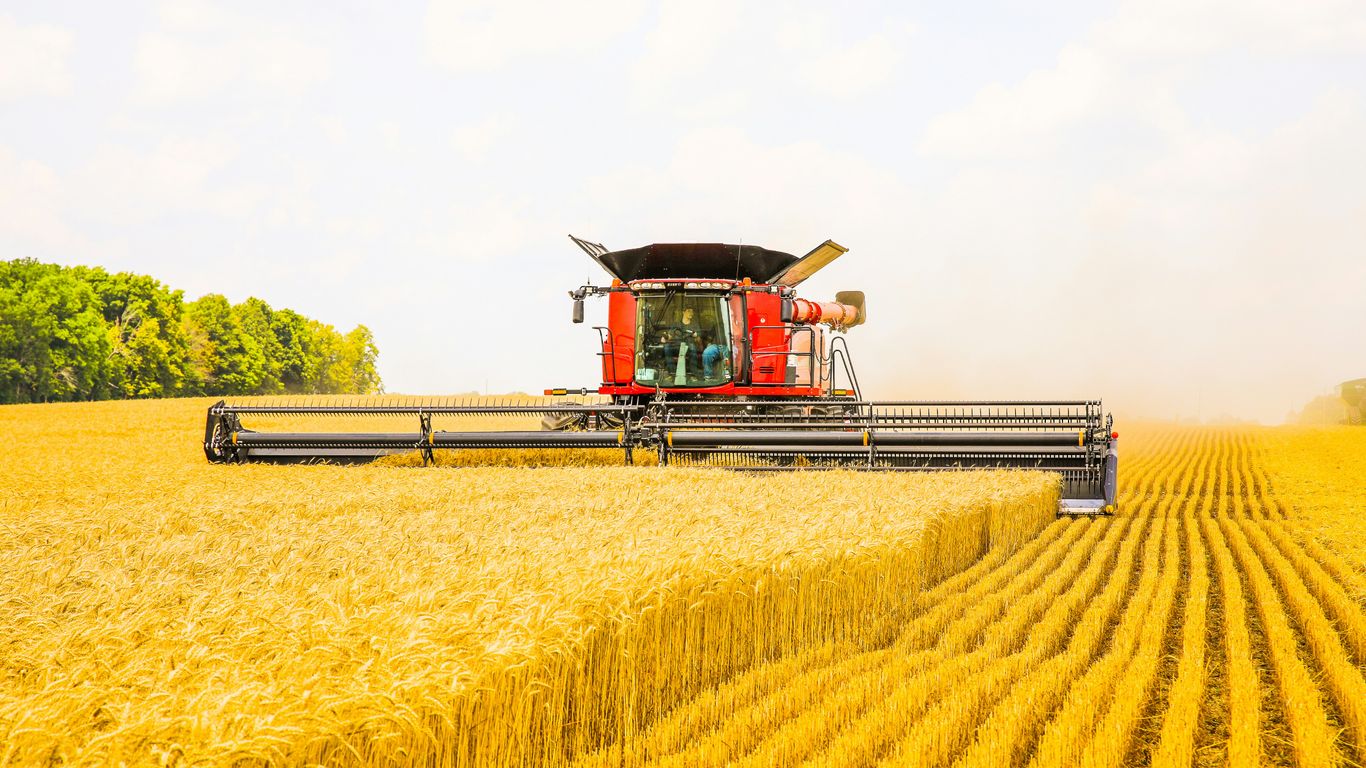
Summer is when our homestead really hits its stride. The days are long, the plants are growing like crazy, and we’re busy harvesting and preserving. It’s a time of abundance, but also a time of consistent work to keep everything thriving.
This is probably the most constant task during the summer. Those weeds just don’t quit! We try to stay on top of them by weeding regularly, ideally when they’re small and easier to pull. Mulching is our best friend here, as it suppresses weeds, retains moisture, and helps regulate soil temperature. We use whatever we have on hand, like straw, wood chips, or even grass clippings. Our compost piles are also working overtime, taking kitchen scraps and garden waste and turning it into black gold for next year’s garden. It’s a cycle we really rely on.
We’ve found that a good layer of mulch can cut down our weeding time by more than half. It’s a game-changer for keeping the garden manageable.
This is the payoff for all our spring planting! We’re constantly harvesting vegetables, fruits, and herbs. What we don’t eat fresh, we’re busy preserving. Canning, freezing, and dehydrating are our go-to methods. It feels so good to put up jars of tomatoes, beans, and berries, knowing we’ll have healthy food all winter long. We also try to get a jump on some of the early fruit harvests, like strawberries and raspberries, before the main rush.
For us, summer often means processing our first batch of meat birds, usually chickens. It’s a big job, but getting them done before the intense heat of late summer makes it more manageable. We also might process rabbits if we’re raising them. Doing this in batches allows us to have a steady supply of meat in the freezer throughout the year. It’s a practical part of homesteading that we’ve learned to handle efficiently.
Our bees are usually very active in the summer. We check on them regularly to make sure they’re healthy, have enough space, and are producing honey. If they seem to be building up a lot of honey stores, we’ll add supers – those extra boxes where they store honey. It’s fascinating to watch them work, and of course, we look forward to the honey harvest later in the season. If you’re new to beekeeping, understanding hive health is key, and there are great resources available to help you get started with backyard beekeeping.
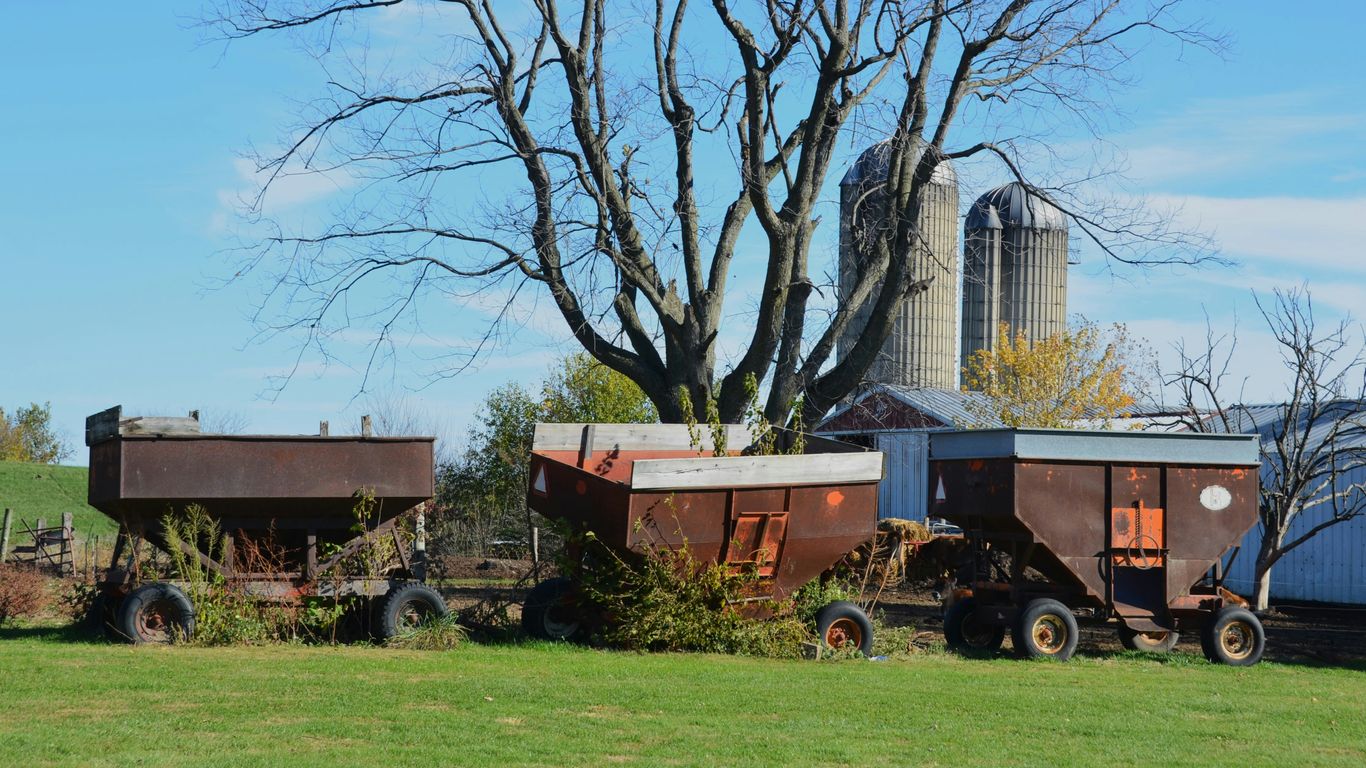
Fall on the homestead is a time of winding down the growing season and getting everything ready for the cold months ahead. It’s a busy period, but also one that feels really satisfying as we see the fruits of our labor being stored away.
This is prime time for digging up all those wonderful root vegetables we planted back in the spring and summer. Potatoes, carrots, beets, parsnips – they all need to be harvested before the ground freezes solid. We usually try to get the bulk of our root crops out of the ground in October, keeping an eye on the weather forecast for any early frosts. After harvesting, we cure things like potatoes and squash for a bit, which helps them store better. Then, it’s into the root cellar or a cool, dark basement for safekeeping.
As the garden winds down, we’re still busy preserving what we can. This might mean canning the last of the tomatoes, making applesauce from any windfall apples, or dehydrating herbs. We also try to get any late-season greens like kale or collards into the freezer. It’s important to process your harvest promptly so nothing goes to waste. We find that having a good system for canning, freezing, and dehydrating makes this process much smoother.
Before the really cold weather hits, we do a thorough check of everything outside. This includes:
We also take this time to clean out our chimney and make sure our wood stove is in good working order. A clean chimney is a safe chimney, and we don’t want any surprises when we need that heat the most.
Fall is the perfect time to plant garlic for a harvest next summer. We plant ours in October, giving the cloves enough time to establish roots before the ground freezes. We also start collecting leaves from our yard and the neighbors’ yards. These leaves are fantastic for mulching our garden beds over winter, protecting the soil and adding nutrients when they break down. It’s a win-win: we clear our lawn and get free mulch for the garden.
Winter on the homestead is a time for a bit of a breather, but it’s far from idle. We focus on keeping our animals healthy, planning for the next growing season, and making sure our systems are ready for the cold. It’s also a good time to tackle those bigger projects we put off during the busy months.
Our animals are our priority when the temperatures drop. We make sure they have plenty of fresh, unfrozen water – heated waterers are a lifesaver here. Bedding is kept clean and dry to prevent illness. For our laying hens, we might add supplemental light to keep production up, though we also accept that egg numbers will naturally decrease. This is also a prime time for breeding. We plan which animals will be bred to ensure a steady supply of new life come spring, carefully considering genetics and health.
While the garden beds are sleeping under a blanket of snow, our minds are busy planning. We pore over seed catalogs, comparing varieties and noting what worked well (and what didn’t) in our garden journal from the past year. We decide on crop rotation, plan out companion planting, and sketch out where everything will go. Ordering seeds early is key, as popular varieties can sell out. We also think about grains we might want to grow, considering storage and usage for the year ahead.
Late winter is the perfect time to give our fruit trees a good haircut. We prune away dead, damaged, or crossing branches. This helps shape the tree, improves air circulation, and encourages better fruit production. Once pruning is done, and before the buds start to swell, we apply a dormant oil spray. This helps smother overwintering insect eggs and scale insects, giving our trees a cleaner start in the spring.
Keeping the house warm is a major task in winter. We make sure we have a good supply of split firewood, often processing wood we’ve cut and stacked in warmer months. It’s also the time to take a hard look at our finances. We review the past year’s expenses, track our homestead’s income, and create a budget for the upcoming year. This includes planning for any large purchases, like new equipment or livestock, and setting financial goals.
Winter is a period of reflection and preparation. It’s when we analyze what worked and what didn’t, refine our plans, and ensure our homestead is set up for success in the coming seasons. It’s a quiet time, but an important one.
Building a well-stocked pantry is one of the most satisfying parts of homesteading. It’s not just about having food on hand; it’s about having the right food, ready for whatever comes our way. We aim to keep a good supply of staples so we can cook from scratch, save money, and not have to run to the store every other day. It really makes a difference when you can just pull ingredients from your shelves for a quick meal or when unexpected guests arrive.
This is the foundation of our pantry. Think of these as the building blocks for so many meals. We always try to have a good amount of:
We store these in large, airtight containers, often five-gallon buckets with gamma seal lids, especially for things like flour and rice. Freezing grains for a few days before storing them can help kill any potential insect eggs. It’s a good idea to have enough to last at least 3-4 months.
While we love preserving our garden bounty, having some canned goods is a lifesaver. They’re perfect for when we’re short on time or need to supplement a meal.
These might seem small, but they make a big impact on flavor. We keep a variety of cooking oils like olive oil and coconut oil. For vinegars, apple cider vinegar is a must-have, along with white and balsamic. Don’t forget the basics like salt, pepper, mustard, and any hot sauces you enjoy.
These are fantastic for snacking, adding to baked goods, or boosting the nutrition of a meal. We always have a good stock of nuts like almonds and walnuts, dried fruits such as raisins and apricots, and seeds like chia and flax. They’re also great for making your own trail mixes.
Making some of these staples yourself, like brown sugar by mixing molasses with white sugar, can save money and give you more control over ingredients. It’s a small step that adds up.
When we first started homesteading, the idea of planning meals around what was actually growing in the garden felt a bit strange. We were so used to just buying what we wanted, when we wanted it. But honestly, eating seasonally has become one of our favorite parts of this lifestyle. It just makes sense. The best flavor and the most nutrients come from food that’s just been picked. We start by taking a walk through the garden, or checking our root cellar, and asking ourselves: What’s ready now? What needs to be used up soon? What do we have plenty of? This simple inventory guides our entire week. For instance, if spring brings a flood of asparagus and peas, we’re thinking asparagus soup or a big pasta primavera. It’s amazing how much less fuss cooking requires when the ingredients are at their peak. This approach really does save us time and money, and it makes meals feel so much more connected to the time of year. We often find ourselves heading to the garden for a bit of ‘grocery shopping’ right before dinner.
Come winter, when the garden beds are sleeping under a blanket of snow, our preserved goods take center stage. This is where all that hard work of canning, freezing, and dehydrating pays off. We don’t just randomly pull jars from the shelves; we plan. Our inventory from the fall harvest is key here. We look at what we have in abundance – maybe it’s jars of home-canned beans, bags of freeze-dried corn, or bottles of bone broth. We’ll plan meals like hearty stews, chilis, or soups that can use up a variety of these stored items. For example, a winter chili might use canned tomatoes, dried beans, and freeze-dried peppers. It’s about making those preserved foods last and still providing nourishing, home-cooked meals. We also keep a close eye on what we have less of, using those items more sparingly.
Life on a homestead, or really anywhere, rarely goes exactly according to plan. We’ve learned the hard way that having a backup is a really good idea. This means keeping some ready-to-eat options on hand for those days when you’re unexpectedly busy, tired, or just plain out of time. Think about pressure-canned meats like beef or chicken, pre-made freezer meals, or even a hearty canned stew. These aren’t everyday meals, but they are lifesavers. Having these on hand means we can still get a wholesome meal on the table without resorting to a last-minute trip to the store, which we try to avoid as much as possible. It’s about having a little insurance for those crazy days.
One of the biggest hurdles we faced when we really committed to eating from our garden and pantry was figuring out how to make those homegrown ingredients the star of the show. It’s easy to let them become just another side dish. We found that focusing on versatile dishes like soups, salads, and stir-fries was a game-changer. These types of meals are fantastic for using up whatever is available. We’ve gotten pretty creative, too, trying out new combinations of vegetables we might not have thought of otherwise. It’s a fun challenge to see what delicious meals we can create just by looking at what’s ripe for the picking. This approach helps us reduce our grocery bill significantly over the year.
So, we’ve gone through what we should be thinking about for each season. It might seem like a lot, but honestly, it’s just about staying on top of things. We’re not aiming for perfection here, just trying to be ready. Keeping a simple list or just remembering these key tasks helps us feel more prepared, whether it’s for a big harvest or just getting through a cold spell. We can do this, one season at a time.
We start by looking at what each season brings. In spring, we focus on seeds, garden tools, and animal birthing supplies. Summer is all about canning jars, freezer space, and supplies for butchering. Fall means gathering root crop storage bins and winterizing supplies, while in winter we stock up on animal feed, firewood, and pantry staples. We always check what we have left from last year so we don’t buy too much.
We always keep basic dry goods like rice, beans, pasta, flour, and oats. We also stock up on oils, vinegars, canned tomatoes, and home-canned fruits and veggies. Nuts, seeds, and dried fruit are great for snacks and baking. Having these basics means we can make a meal even if we can’t get to the store.
We look at what’s fresh in the garden first, then use what’s in the pantry or freezer to fill in the gaps. Our meals change with the seasons. In spring, we eat lots of greens and eggs. In summer, we use tomatoes, squash, and fresh herbs. In winter, we rely more on canned and dried foods. Planning ahead helps us stretch our food until the next harvest.
Before spring, we gather clean towels, gloves, and any medicine or supplements our animals might need. We set up safe, clean birthing pens and make sure we have extra bedding. We also check our supplies for bottle feeding in case a baby animal needs extra help.
We add compost, mulch, and sometimes manure to our soil every season. We also rotate our crops so the same plant isn’t grown in the same spot each year. This helps prevent diseases and keeps the soil full of nutrients for strong, healthy plants.
We store root crops like potatoes, carrots, and beets in a cool, dark place—usually a root cellar or basement. We keep them in bins with some sand or sawdust to stop them from drying out. We also can, freeze, or dry other fruits and veggies so we can enjoy them all winter long.
 March 7, 2026
How to Turn Food Preservation Into a Side Hustle
Canning
Homestead Kitchen
Homesteading
Sustainable Living
March 7, 2026
How to Turn Food Preservation Into a Side Hustle
Canning
Homestead Kitchen
Homesteading
Sustainable Living
We've all got those hobbies or skills that we love doing, right? Maybe it's baking, gardening, or even making your own jam. What if we told you that you could turn those passions into a little extra cash? It might...
Read More March 7, 2026
High-Output Crops Perfect for Micro Homesteads
Gardening
Homestead Planning
Homesteading
Starting a Homestead
March 7, 2026
High-Output Crops Perfect for Micro Homesteads
Gardening
Homestead Planning
Homesteading
Starting a Homestead
Thinking about growing your own food but only have a little space? We get it. Many of us are looking for ways to be more self-sufficient, even if we don't have acres to work with. The good news is, you...
Read More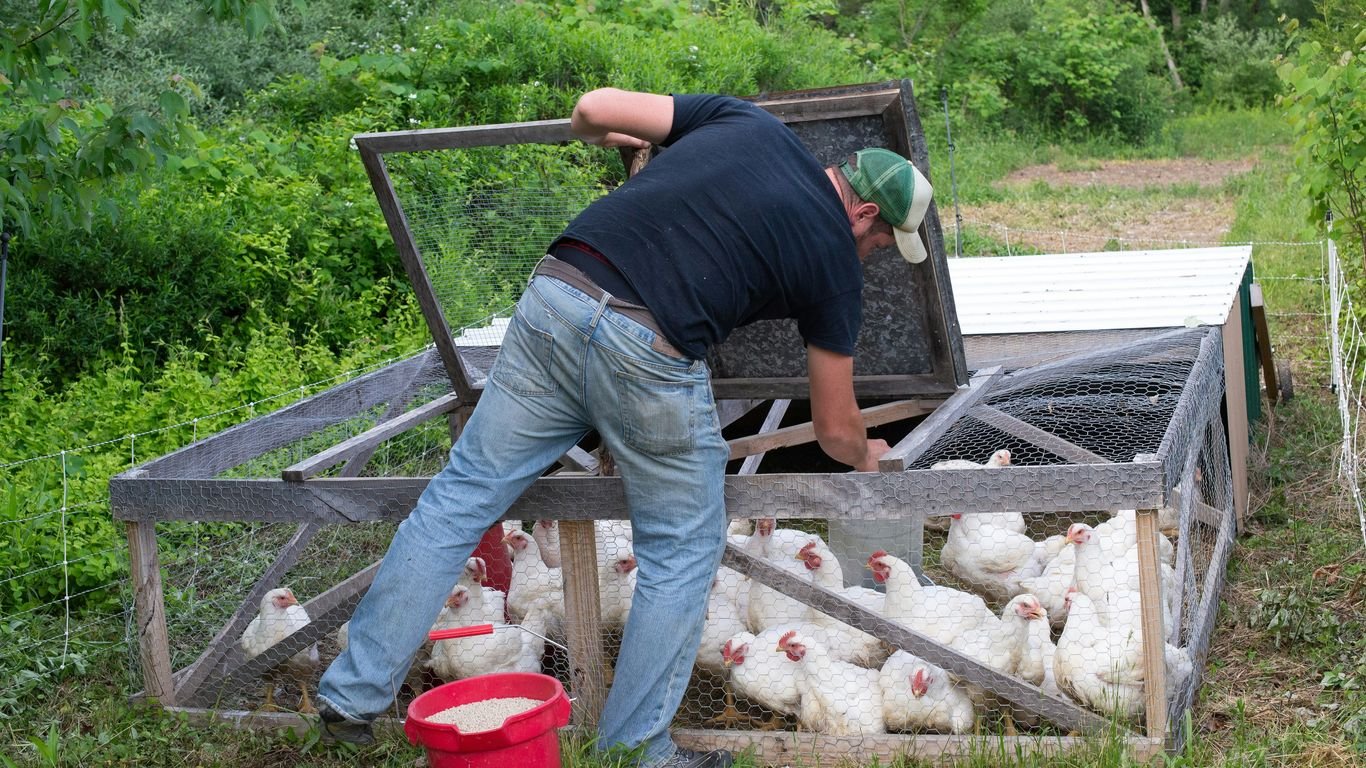 March 6, 2026
10 Low-Cost Homestead Side Hustles That Make Money
Homestead Planning
Homesteading
Starting a Homestead
March 6, 2026
10 Low-Cost Homestead Side Hustles That Make Money
Homestead Planning
Homesteading
Starting a Homestead
We all dream of a simpler life, right? One where we're more connected to the land and the seasons. But let's be real, that dream needs some funding. That's where low cost homestead side hustles come in. These aren't about...
Read More