


We’ve been thinking a lot lately about how to make our backyard work harder for us, you know? Like, really tap into what we can grow and raise right here at home. It’s not about being completely cut off, but more about having a good buffer and enjoying the freshest food possible. Planning a self sufficient backyard can seem like a big project, but we’re breaking it down into manageable steps. Let’s figure out how we can create our own little haven of abundance.
Before we start digging and planting, we need to figure out what ‘self-sufficient’ actually means to us. It’s not a one-size-fits-all thing, you know? For some, it might mean growing every single vegetable they eat, while for others, it’s about having enough fresh produce for the summer and a good stash for winter. We’ve got to be real about what we want to achieve and what we can actually handle.
Let’s be honest, the idea of being totally self-sufficient sounds pretty cool, right? But what does that look like in our own backyard? Is it about cutting down grocery bills, having the freshest possible food, or maybe trying out some heirloom varieties we can’t find at the store? It could also be about reducing our reliance on outside systems or just having a deeper connection with where our food comes from. We need to pinpoint our personal definition before we get too far.
Okay, so we know what self-sufficiency means to us. Now, let’s get practical. Trying to grow everything all at once is a recipe for burnout. It’s way better to start small and build up. Think about what you and your family actually eat. Are you big salad eaters? Do you love root vegetables in the winter? We should aim for goals that are achievable within our space, time, and skill level. Maybe this year it’s just a few key vegetables, and next year we add fruit trees or some chickens.
Here’s a way to think about it:
Why are we doing this? Is it a desire for healthier food, a way to save money, or maybe just a hobby that gets us outdoors? Understanding our ‘why’ will keep us going when things get tough, like when pests show up or a heatwave wilts our plants. What do we hope to gain? More control over our food? A more sustainable lifestyle? Knowing our desired outcomes helps us measure our success and adjust our plans as we go. It’s about more than just food; it’s about a certain way of living.
We need to be honest about our energy levels and the time we can commit. It’s better to have a small, successful garden that we manage well than a huge, overwhelming one that becomes a chore.
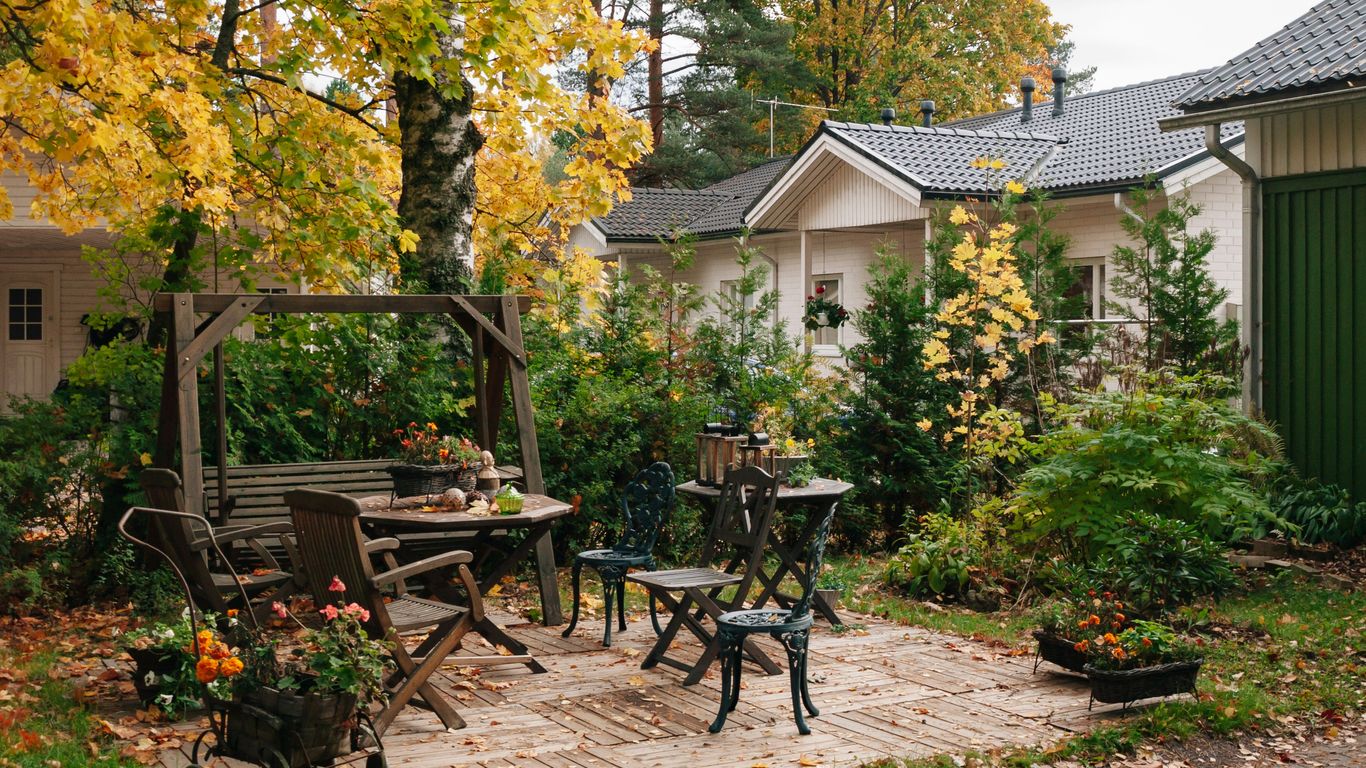
Alright, so we’ve got our goals in mind, and now it’s time to get down to the nitty-gritty of actually planning where everything will go in our backyard. This is where we turn those big ideas into a workable layout. It’s not just about sticking plants in the ground; it’s about creating a system that works with our space, not against it.
First things first, grab some paper and a pencil, or even a digital tool if that’s more your speed. We need to draw out our backyard. Don’t worry about making it perfect; a rough sketch is totally fine. Mark down existing structures like your house, sheds, fences, and any large trees. Then, start thinking about where you want your garden beds, compost bins, water sources, and maybe even space for small animals. It helps to think about how you’ll move around the space too – we’ll want clear paths.
This is a big one. We need to pay attention to where the sun hits our yard throughout the day and at different times of the year. Some areas might get full sun all day, while others are shady in the morning or afternoon. This will dictate what we can grow where. We also need to think about our soil. Is it sandy, clay, or something in between? Does it drain well? We might not know all the answers right away, but observing our yard is key. We can do simple tests or just watch how water behaves after rain.
Understanding your yard’s sun exposure and soil type is like getting a cheat sheet for plant success. Don’t skip this step; it saves a lot of guesswork later on.
Beyond just plants, a self-sufficient backyard needs some basic infrastructure. This includes things like:
We also need to think about how these elements connect. For instance, placing the compost bin relatively close to the garden beds makes hauling finished compost easier. If we plan on having chickens, their coop and run need to be considered in relation to the garden and water sources too.
Okay, so we’ve got our space mapped out, and now it’s time for the fun part: picking what we’re actually going to grow! This is where we really start to see our self-sufficient backyard come to life. It’s not just about throwing seeds in the ground; it’s about making smart choices so we get the most bang for our buck, or rather, our soil. We want plants that will give us a steady supply of food, not just a one-off surprise.
To really get a consistent harvest, we need to think about planting things that mature at different times. This means looking at early, mid-season, and late varieties of our favorite crops. For example, planting a mix of early, mid, and late potatoes means we won’t have all of them ready at once. The same goes for things like corn or beans. We can also use succession planting, which is basically sowing seeds every few weeks. This way, as one crop finishes, another is just getting started. It takes a bit more planning, but it means we’re always harvesting something.
While annuals are great for quick harvests, we also want to think long-term. Perennial plants and fruit trees are fantastic for self-sufficiency because they come back year after year. Once they’re established, they require less work than annuals. Berries, asparagus, rhubarb, and many herbs are good perennial choices. And of course, fruit trees are a big investment of time and space, but imagine having your own apples, pears, or cherries! We should also look for annuals that tend to self-seed, like dill or cilantro, which can pop up again next year with a little encouragement.
Planting perennials and fruit trees is like setting up a future food source. It takes patience, but the payoff in reduced work and consistent harvests is huge.
Having food available all year means we need to plan for the lean months. This is where storage crops come in. Think about things that can be kept for a long time after harvesting. Root vegetables like potatoes, carrots, beets, and parsnips are excellent for this. Winter squash, onions, garlic, and dried beans are also great candidates. Learning how to properly cure and store these crops is just as important as growing them. This way, we can enjoy the fruits (and vegetables!) of our labor even when the garden is covered in snow.
Here’s a quick look at some good storage crops:
Bringing animals into our backyard setup can really make things feel more alive and productive. It’s not just about having pets; it’s about creating a little ecosystem where everything works together. We’ve found that choosing the right animals and giving them their own space is key to making this work smoothly.
When we think about adding animals, the first thing we consider is what fits best with our goals and our space. Not all animals are suited for every backyard. For instance, chickens are pretty common and provide eggs, plus their manure is great for compost. We also looked into rabbits, which can be raised for meat or just as pets, and their waste is also a good compost addition. If you have a bit more space, goats or sheep can help manage pasture and provide milk or wool, but they need more room and careful management, especially regarding breeding. Pigs, on the other hand, are best kept separate from other animals because they tend to forage and eat whatever they find. It’s all about finding companions that complement, rather than complicate, our backyard farm.
Creating the right living space for our animals is super important. For chickens, we’ve used chicken tractors, which are basically movable pens. This lets us move them around the yard, giving them fresh grass and letting their manure fertilize different spots without overdoing any one area. This also helps keep the area clean and reduces parasite buildup. For rabbits, we’ve seen that raising them in tractors on the grass, with wire bottoms to stop digging, is a more natural approach than small cages. If we were to have larger animals like goats, we’d need sturdy fencing and designated areas. Rotating animals through different sections of the yard, or using systems like chicken tractors, helps prevent overgrazing and allows the land to recover. This practice is a big part of designing a self-sustaining farm.
Animal waste is pure gold for our garden! We make sure our compost piles are located conveniently close to the animal pens and the garden itself. This makes hauling the manure much easier. We mix bedding materials, like straw or wood shavings, with the manure to create a balanced compost. This combination breaks down nicely and provides nutrient-rich material for our soil. It’s a cycle: the animals produce waste, which we compost, and then we use that compost to grow more food. It’s a simple but effective way to keep our garden thriving without needing to buy fertilizers.
We’ve learned that integrating animals isn’t just about adding livestock; it’s about weaving them into the fabric of our backyard system. Their presence can manage vegetation, control pests, and, most importantly, provide the nutrients needed to keep our soil healthy and productive. It’s a give-and-take relationship that benefits the entire backyard ecosystem.
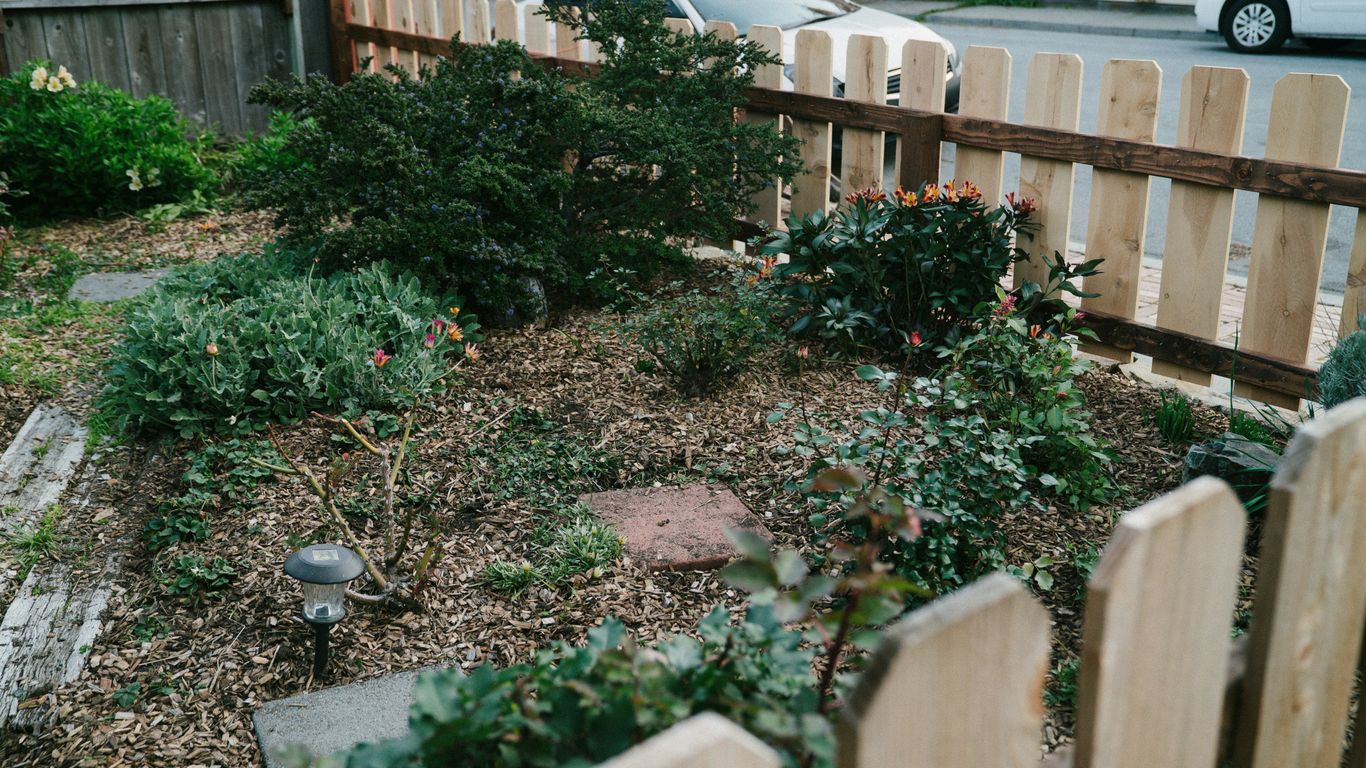
We need to think about how we keep our garden fed, not just with store-bought stuff, but by making our own "food" for the soil. This is all about making a closed loop, where waste from one part of our backyard becomes food for another. It’s a pretty neat system once you get it going.
Composting is like magic for your garden. We take all our kitchen scraps – veggie peels, coffee grounds, eggshells – and yard waste like leaves and grass clippings, and turn it into rich, dark compost. This stuff is gold for feeding our plants and improving the soil structure. It helps the soil hold water better and makes it easier for plant roots to grow. Plus, it cuts down on what we send to the landfill. We aim to have at least one active compost bin going at all times, and a second one curing. This way, we always have finished compost ready to go when we need it for planting new crops.
If we decide to have animals, like chickens, their manure is a fantastic fertilizer. But we can’t just dump fresh manure on our plants; it’s too strong and can burn them. We need to compost it first. A good way to do this is to mix the manure with carbon-rich materials like straw or dried leaves. This helps break it down and makes it safe and beneficial for the soil. We move our chicken tractor regularly, so their manure gets spread out and doesn’t build up too much in one spot, which also helps with pest control.
Healthy soil is the foundation of a self-sufficient backyard. It’s not something that happens overnight. It takes consistent effort. We build healthy soil by:
We’ve found that the more we focus on feeding the soil, the less we have to worry about feeding the plants directly. A thriving soil ecosystem means healthier, more resilient plants that can better withstand pests and diseases on their own.
It’s a cycle, really. We grow food, we compost scraps, we use manure, we build soil, and then we grow even better food. It feels good to be part of that natural process.
So, we’ve mapped out our space, picked our plants, and maybe even brought in some critters. Now, how do we keep this whole self-sufficient dream going year after year? It’s not just about getting a good harvest this season; it’s about building something that lasts. This means thinking ahead, being smart with our resources, and always being ready to learn.
This is where we get serious about timing. A good planting schedule is like a roadmap for our garden throughout the year. It helps us make sure we’re planting things at the right time so they have the best chance to grow and produce. We need to consider when to start seeds indoors, when to transplant them outside, and when to direct sow. We also need to think about succession planting – planting a new batch of something right after the previous one is harvested. This way, we can have a continuous supply of fresh food.
Here’s a basic idea of how we can break it down:
Buying seeds every year adds up, and honestly, it’s not very self-sufficient. Learning to save our own seeds is a game-changer. It means we can grow varieties that are perfectly suited to our backyard and our tastes. Plus, it’s incredibly rewarding to plant something that grew from a seed we saved ourselves. We need to make sure we’re saving seeds from healthy, strong plants. For open-pollinated or heirloom varieties, this is pretty straightforward. We just let a few plants go to seed, collect them when they’re dry, and store them properly. It’s a skill that takes a little practice, but it’s totally worth it for long-term independence.
Let’s be real: not everything we try is going to work perfectly. That’s okay! Our backyard ecosystem is a living thing, and it’s always teaching us. We should get comfortable with trying new things, whether it’s a different crop, a new composting method, or a different way to manage pests. We need to keep notes on what we do, what happens, and what we learn. This way, we build up our own knowledge base specific to our little patch of earth. The most successful self-sufficient gardens are the ones that evolve. We’re not aiming for a static picture; we’re aiming for a dynamic, thriving system that gets better with time and experience. So, don’t be afraid to get your hands dirty and learn as you go!
Alright, we’ve talked a lot about planning out a backyard that can help us be more self-sufficient. It might seem like a lot at first, with mapping things out, thinking about what to plant, and even considering animals. But remember, we don’t have to do it all at once. Start small, learn as you go, and don’t get discouraged if something doesn’t work out perfectly the first time. Every season is a chance to get a little better, a little more prepared. The most important thing is to just get started. You’ve got this!
For us, a self-sufficient backyard means we can grow most, if not all, of the food we eat right at home. It’s about relying on our own resources, like making our own compost for fertilizer and saving seeds from our harvest to plant next year. We aim to produce enough food to feed our family throughout the year, with extra to store or even share with neighbors.
We start by sketching out our garden space and thinking about where the sun shines the most throughout the day. We also check our soil to make sure it’s healthy. Knowing these things helps us decide which plants will grow best in different spots. It’s also smart to think about what we actually like to eat and what stores well for the colder months.
Yes, it’s possible! It takes good planning, though. We choose crops that can be harvested at different times, like root vegetables that store well in the winter and greens that can be grown in cooler weather. We also plan for preserving food, like canning or freezing, so we have plenty when fresh produce isn’t available.
Adding animals can be a great way to help our garden ecosystem, but we need to choose them wisely. For example, chickens can help with pest control and provide eggs, while rabbits can offer meat. We need to make sure we create good homes for them and manage their waste properly, as it makes excellent compost for our plants. We also need to think about how they’ll interact with our plants, especially younger trees.
Composting is our secret weapon! We turn kitchen scraps and yard waste into rich soil food. Animal manure, when properly composted, is also fantastic for feeding our plants. By recycling these materials, we build up healthy soil naturally, which means healthier, more productive plants for us.
Gardening is a journey, and not everything will be a success every time. We embrace experimentation and see every outcome, good or bad, as a chance to learn. We keep records of what we plant and when, and we learn to adjust our plans for the next season. The most important thing is to keep trying and enjoy the process!
 March 7, 2026
How to Turn Food Preservation Into a Side Hustle
Canning
Homestead Kitchen
Homesteading
Sustainable Living
March 7, 2026
How to Turn Food Preservation Into a Side Hustle
Canning
Homestead Kitchen
Homesteading
Sustainable Living
We've all got those hobbies or skills that we love doing, right? Maybe it's baking, gardening, or even making your own jam. What if we told you that you could turn those passions into a little extra cash? It might...
Read More March 7, 2026
High-Output Crops Perfect for Micro Homesteads
Gardening
Homestead Planning
Homesteading
Starting a Homestead
March 7, 2026
High-Output Crops Perfect for Micro Homesteads
Gardening
Homestead Planning
Homesteading
Starting a Homestead
Thinking about growing your own food but only have a little space? We get it. Many of us are looking for ways to be more self-sufficient, even if we don't have acres to work with. The good news is, you...
Read More March 6, 2026
10 Low-Cost Homestead Side Hustles That Make Money
Homestead Planning
Homesteading
Starting a Homestead
March 6, 2026
10 Low-Cost Homestead Side Hustles That Make Money
Homestead Planning
Homesteading
Starting a Homestead
We all dream of a simpler life, right? One where we're more connected to the land and the seasons. But let's be real, that dream needs some funding. That's where low cost homestead side hustles come in. These aren't about...
Read More