



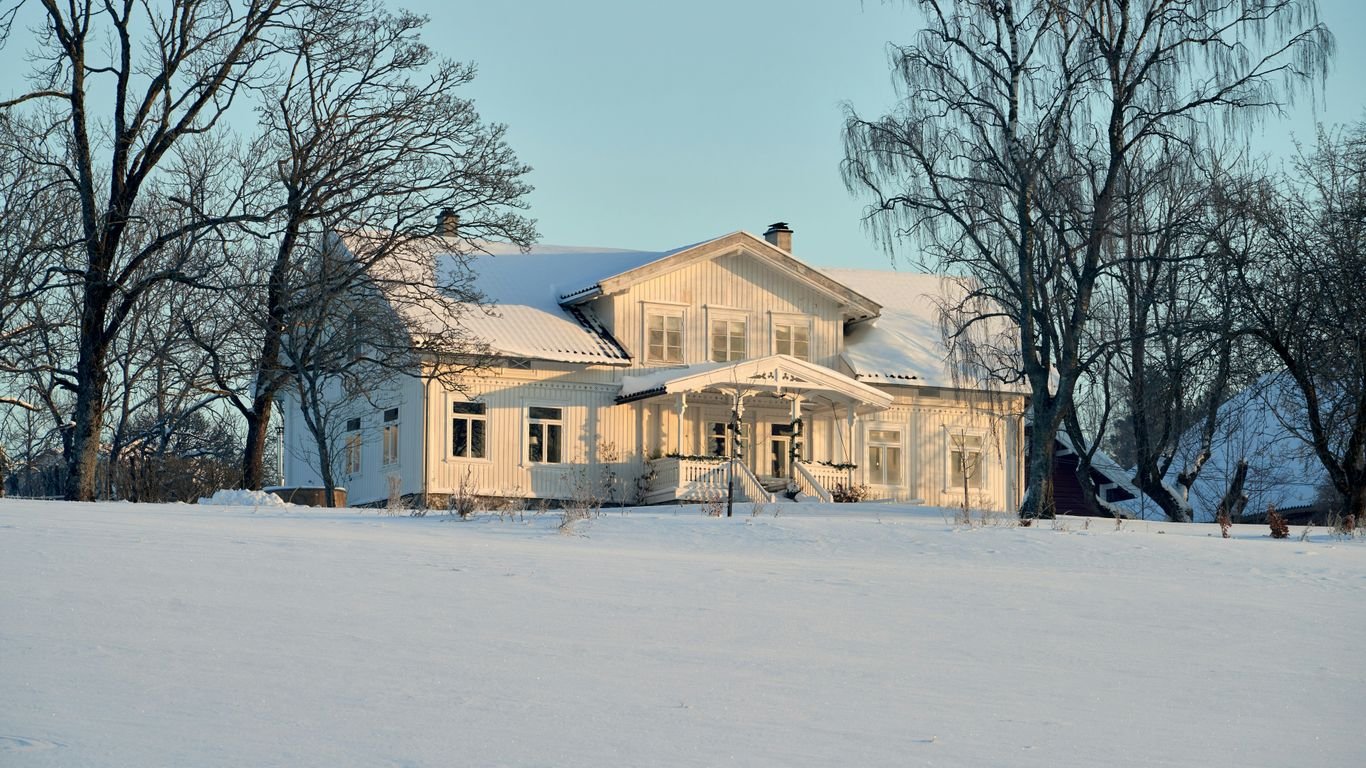
As the days get shorter and the air gets crisp, it’s time to think about how we’re going to winterize our homestead water systems. We’ve seen firsthand how quickly things can freeze up, leaving us scrambling. This year, we’re getting ahead of it, making sure our pipes, faucets, and well are all prepped and ready for whatever the cold throws at us. It’s all about keeping that water flowing, no matter how low the temperature drops.
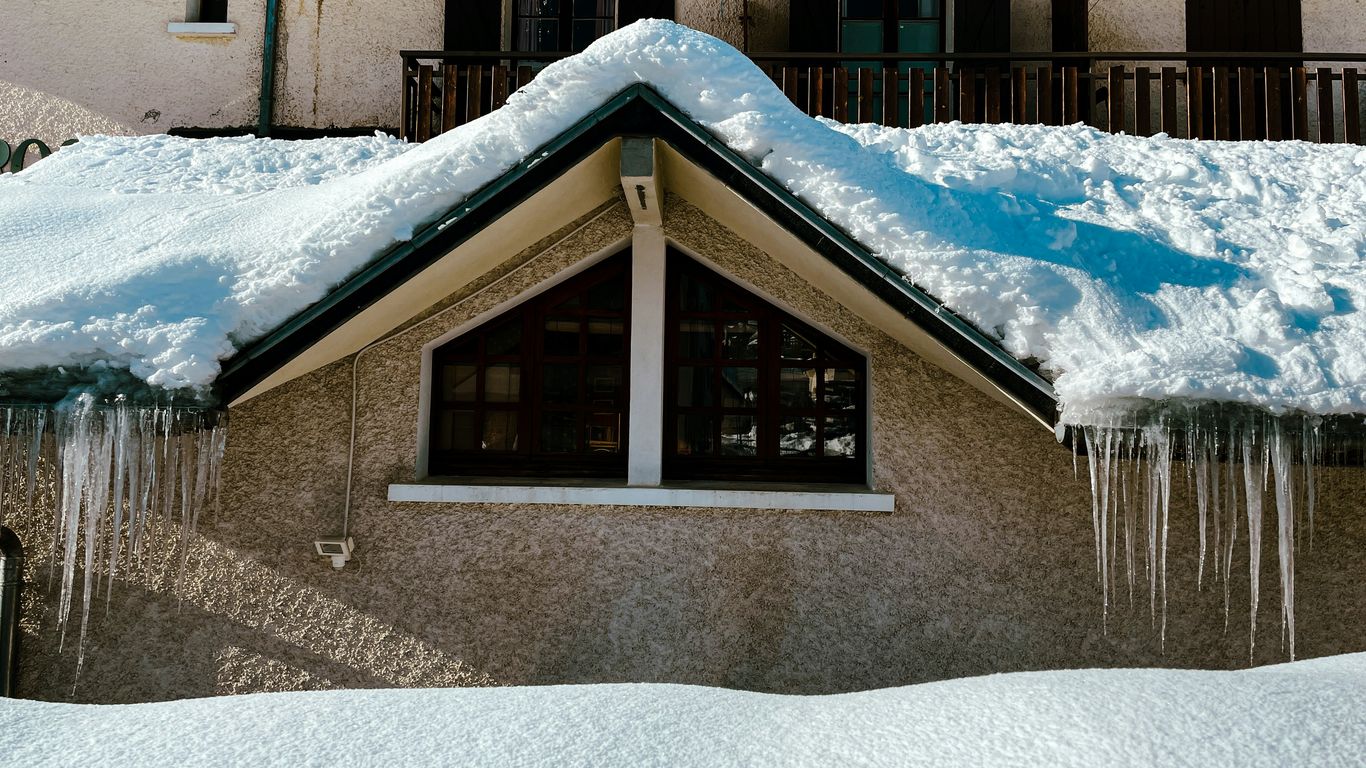
When winter starts to bite, our well systems are definitely something we need to pay attention to. We’ve seen firsthand how a frozen pipe can cause a real headache, leaving us without water when we need it most. It’s not just about convenience; for homesteaders, a reliable water supply is pretty much everything, especially for our animals. So, let’s talk about how we can keep our wells happy and flowing, even when the temperatures drop way down.
One of the first things we do is wrap any exposed pipes that are vulnerable to freezing with heat tape. This isn’t just any old tape; it’s specifically designed to generate a bit of warmth. We usually run it along the bottom of the pipe because, as you probably know, heat rises. Securing it with zip ties along the pressure tank line is a good way to keep it in place. This simple step can make a huge difference in preventing those dreaded frozen pipes. If you’re looking for ways to protect indoor plumbing, heat tape is a great option to consider for cold weather.
After the heat tape, we focus on insulation. It’s not enough to just slap some fiberglass around; we need something that won’t get ruined if it gets damp. We’ve found that using sill plate sealer, which is a type of foam insulation, works really well. It doesn’t soak up moisture like other materials can. Condensation can build up, and if your insulation gets wet, it pretty much loses its ability to keep things warm. So, choosing the right kind of insulation is key to keeping the pipes protected.
What happens if the power goes out during a blizzard? That’s a question we’ve had to answer for ourselves. We set up a system so we can run our well pump off a generator. This usually involves installing a special plug that our generator can connect to. It’s a bit of extra work, but knowing we can still get water if the main electricity fails gives us a lot of peace of mind. It’s like having a backup plan for our backup plan, just in case.
We’ve learned that a little preparation goes a long way. Ignoring the potential for freezing can lead to costly repairs and significant disruption. Taking these steps proactively helps us avoid those problems.
Here’s a quick rundown of what we do:
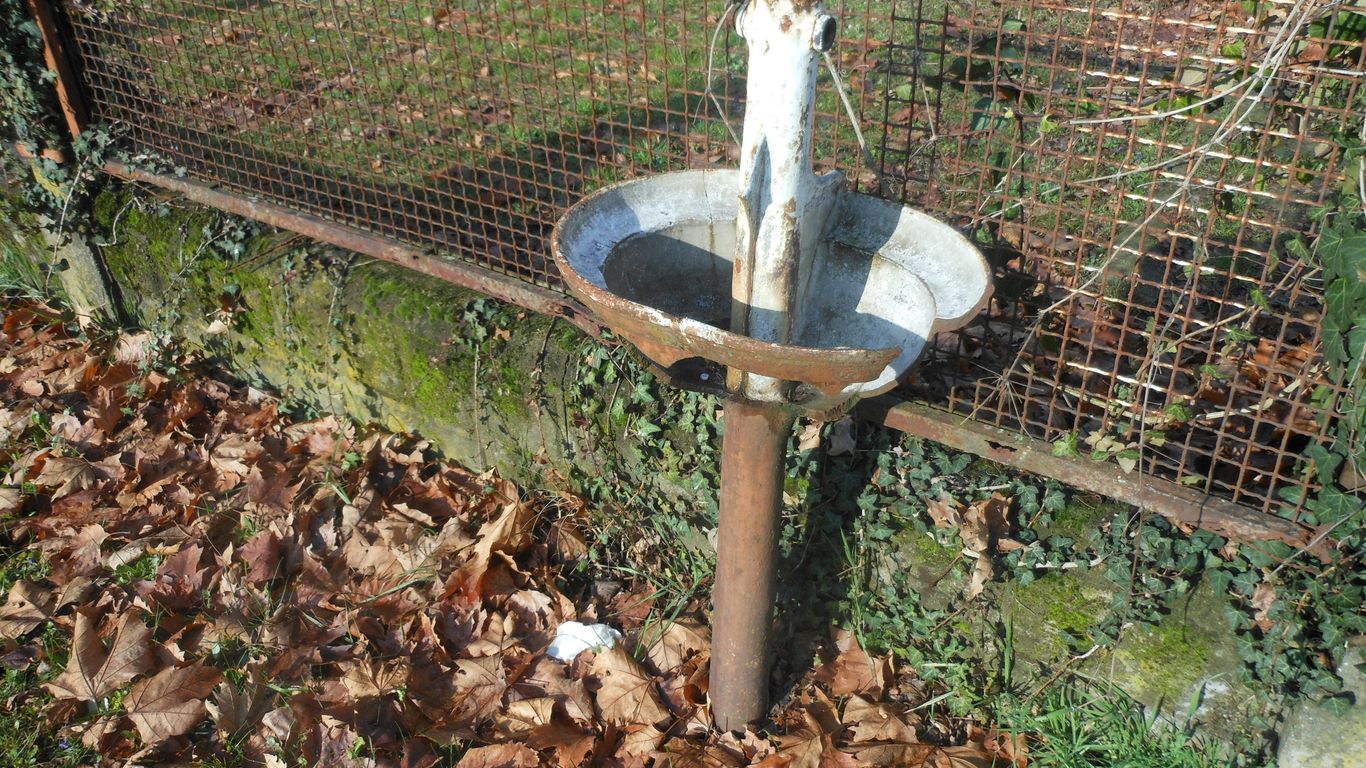
When winter starts creeping in, those handy outdoor faucets, or hose bibs, become a real weak spot for our homestead’s water system. We’ve all seen those pictures of burst pipes, and trust us, it’s not a pretty sight. Taking a little time now to protect them will save us a lot of headaches and expensive repairs later on. It’s like giving them a warm coat before they head out into the cold.
The first step is pretty straightforward: say goodbye to your garden hoses for the season. We need to disconnect them from the faucet and make sure they’re completely drained. Water left inside can freeze and expand, which is exactly what we’re trying to avoid. After draining, coil them up neatly and store them somewhere dry, like the garage or a shed. This keeps them out of the elements and ready for spring. If you have a wall-mounted hose hanger, now’s the time to use it!
Next up, we need to insulate the faucet itself. Think of it as giving your hose bib a cozy sweater. You can buy special foam insulation sleeves designed for this purpose, or even use some scrap insulation material you might have lying around. The goal is to create a barrier against the cold. Make sure the insulation fits snugly around the faucet, covering any exposed parts. We want to keep that metal from getting too frosty.
For an extra layer of protection, we’ll use a frost-proof cover. These are usually made of hard plastic or foam and fit right over the insulated faucet. They act like a little house for your hose bib, keeping wind and extreme cold away. Just slip it on and secure it according to its design – some have straps, others just fit tightly. It’s a simple step that makes a big difference in preventing freeze-ups. If you’re worried about your outdoor faucets, letting them drip slightly during cold snaps can also help keep water moving, as the City of Savannah advises residents to let faucets drip.
We’ve found that taking these few extra steps with our outdoor faucets really pays off. It’s not just about preventing damage; it’s about peace of mind knowing that this part of our water system is ready for whatever winter throws at us. Plus, it means less work when spring finally arrives.
Before the real cold hits, we need to make sure all the water is out of our pipes. If water freezes inside them, it expands and can cause some serious damage, like bursting the pipes or even cracking your toilet bowl. It’s a messy and expensive problem we definitely want to avoid.
First things first, we need to stop the flow of water to the entire house or the section we’re winterizing. You’ll need to find your main water shut-off valve. This is usually located where the water line enters your home, often in a basement, crawl space, or utility closet. Sometimes, if you have an older home or a specific setup, this valve might be outside, buried underground with a cover. Whatever the case, locate that valve and turn it completely off. This is the most important step to prevent any water from getting back into the lines.
Once the main supply is off, we need to give the water somewhere to go. Most plumbing systems have dedicated drain valves. These are typically located at the lowest points in your plumbing system. Think basements, crawl spaces, or even outside spigots if they’re designed to drain. Open these drain valves to let gravity do its work. You might need a bucket or a hose to direct the draining water away from your foundation.
To help get as much water out as possible, we’ll open up all the fixtures. Go around and open up every faucet – hot and cold. Let them run until no more water comes out. For toilets, after you’ve shut off the water supply to them (if they have a separate shut-off), flush them. This will empty the tank and bowl, and by opening the sink faucets nearby, you help pull any remaining water out of the lines leading to the toilet. It’s a good idea to leave the sink faucets and toilet flappers open so air can get in and help the water drain completely, preventing vacuum locks.
Leaving a few fixtures open also helps prevent a vacuum from forming in the pipes, which could hinder complete drainage. It’s like cracking a window to let the air out so everything can flow freely.
Here’s a quick rundown of the process:
Alright, so we’ve talked about getting the main water lines ready for winter, but we can’t forget about the little traps in our plumbing. You know, the U-shaped bits under sinks and in the bottom of toilets? They’re there to keep sewer smells from wafting up into our homes, which is pretty important. But, that little bit of water sitting in them can freeze up if we’re not careful, and nobody wants that.
For the toilet, the easiest way to protect that trap is by using some RV antifreeze. It’s non-toxic and designed specifically for this kind of job. First, give the toilet a good flush to push as much water as possible down the drain. Then, pour about a gallon of the RV antifreeze directly into the toilet bowl. Flushing it will help push the antifreeze down into the trap, ensuring it’s protected from freezing. This method not only prevents freezing but also keeps those pesky sewer odors at bay.
Sinks have similar traps, and we need to protect them too. For each sink, you’ll want to pour about a half-gallon of RV antifreeze down the drain. Some residual water might mix with it, but using that much antifreeze should be plenty to keep it from freezing solid. It’s a simple step that makes a big difference in preventing costly repairs down the line. If you’re looking for ways to manage water on your homestead, exploring rainwater harvesting systems might also be a good idea for other uses.
Remember, the goal here is to replace the water in the traps with a fluid that won’t freeze. RV antifreeze is our go-to because it’s safe for plumbing and effective against the cold.
When we think about winterizing our homestead, we often focus on the pipes and faucets, but we also need to consider what happens when the weather really goes wild. Extreme cold snaps or heavy snow can knock out power, and that’s when our preparations really get put to the test. It’s not just about keeping the water flowing; it’s about having backup plans in place.
If you’ve applied heat tape to your pipes, you’ll need a reliable way to power it if the main electricity goes out. We’ve found that having a few heavy-duty, outdoor-rated extension cords on hand is a smart move. These aren’t your everyday indoor cords; they’re built to withstand colder temperatures and outdoor conditions. We make sure ours are stored properly, coiled up and out of the way, so they don’t get brittle or damaged before we need them. Having a dedicated power source for critical systems like heat tape can make all the difference. It’s a simple step, but it means your pipes won’t freeze just because the grid goes down.
For those of us with wells, a generator is practically a necessity. If your well pump relies on electricity, a power outage means no water. We learned this the hard way after a bad storm left us without power for days. Setting up a proper connection for your generator to your well pump is key. This usually involves a transfer switch or a specific inlet box. It’s not something to mess around with if you’re not comfortable with electrical work; we hired an electrician to make sure ours was installed safely and correctly. This setup allows us to hook up our generator and keep the well pump running, providing us with water even when the main power is out. It’s a good idea to test your generator periodically throughout the year, not just when winter hits, to make sure it’s ready to go.
Beyond the water systems themselves, think about all the other tools and equipment you might need during extreme weather. This includes things like snow shovels, salt or sand for icy paths, and any emergency supplies. We make it a point to gather these items and store them in an easily accessible place, like a designated spot in the shed or garage. It’s also a good time to check that everything is in good working order. You don’t want to discover your snowblower won’t start when you’re buried in three feet of snow. Taking a few hours in the fall to organize and check your winter gear means you’re ready to face whatever the weather throws at us, and you won’t be scrambling to find outdoor spigots that might be frozen.
When preparing for extreme weather, think about the domino effect. If the power goes out, what else stops working? Your well pump, your heat tape, maybe even your internet. Having backup power for essential water systems is just one piece of the puzzle. We also need to consider how we’ll manage if we can’t easily get to our water sources or if our usual methods are compromised. It’s about building resilience into our homestead’s infrastructure.
So there we have it. We’ve gone through the steps to get our water systems ready for the cold. It might seem like a lot, but taking these measures now means we won’t be dealing with frozen pipes and no water when we least expect it. Think of it as giving our homestead a warm blanket for the winter. We’ve covered insulating pipes, using heat tape, and even setting up backup power for the well. Plus, we remembered to drain those hoses and tuck them away safely. Doing this work now saves us headaches later, and keeps our water flowing, no matter how low the temperature drops. We hope this helps you keep your homestead running smoothly all winter long!
We need to winterize our water system to stop pipes from freezing and bursting. When water freezes, it expands, and this can cause a lot of damage, leading to leaks and costly repairs. It’s like giving our pipes a warm coat for the winter so they don’t get hurt by the cold.
Heat tape is like an electric blanket for our pipes. We wrap it around the pipes, especially in areas that are more likely to freeze, and plug it in. This keeps the water warm enough so it doesn’t turn into ice, even when it’s super cold outside.
For outdoor faucets, we first disconnect and drain any hoses attached. Then, we wrap the faucet itself with insulation, like a cozy scarf, and put a special frost-proof cover over it. This keeps the faucet from freezing up and breaking.
To drain our water lines, we first shut off the main water supply. Then, we open up all the drain valves to let the water out. We also open sinks and flush toilets to make sure all the water is gone from the pipes.
Toilets and sinks have traps that hold water to stop bad smells from coming up. If we just drain these, the water can freeze and crack the traps. We pour a special RV antifreeze into them to keep the water from freezing while still blocking those smells.
If the power goes out, our heat tape and well pumps might stop working, which could lead to frozen pipes. We prepare by having temporary power cords ready for the heat tape and a way to connect a generator to power the well pump. This way, we still have water even during an outage.
 February 20, 2026
How to Map Your Homestead for Animals, Garden, and Water
Homestead Planning
Homesteading
February 20, 2026
How to Map Your Homestead for Animals, Garden, and Water
Homestead Planning
Homesteading
Planning out your homestead is a big step, and knowing where to put everything can feel a bit daunting. We've been there, trying to figure out the best spots for our animals, garden, and water sources. It's all about making...
Read More February 19, 2026
How to Start a Micro Homestead in an Apartment
Homesteading
Starting a Homestead
Sustainable Living
February 19, 2026
How to Start a Micro Homestead in an Apartment
Homesteading
Starting a Homestead
Sustainable Living
Starting an apartment micro homestead might sound impossible, but we’ve found it’s really about making the best of what we’ve got. We don’t need a backyard or a barn to grow food, cut waste, and learn to do more for...
Read More February 18, 2026
The Best Vegetables to Freeze Dry at Home
Canning
Homestead Kitchen
Homesteading
Sustainable Living
February 18, 2026
The Best Vegetables to Freeze Dry at Home
Canning
Homestead Kitchen
Homesteading
Sustainable Living
Thinking about getting a freeze dryer for your kitchen? We get it. It seems like a big step, and you want to make sure you're using it for the right things. We've been experimenting a lot, and we've found that...
Read More