


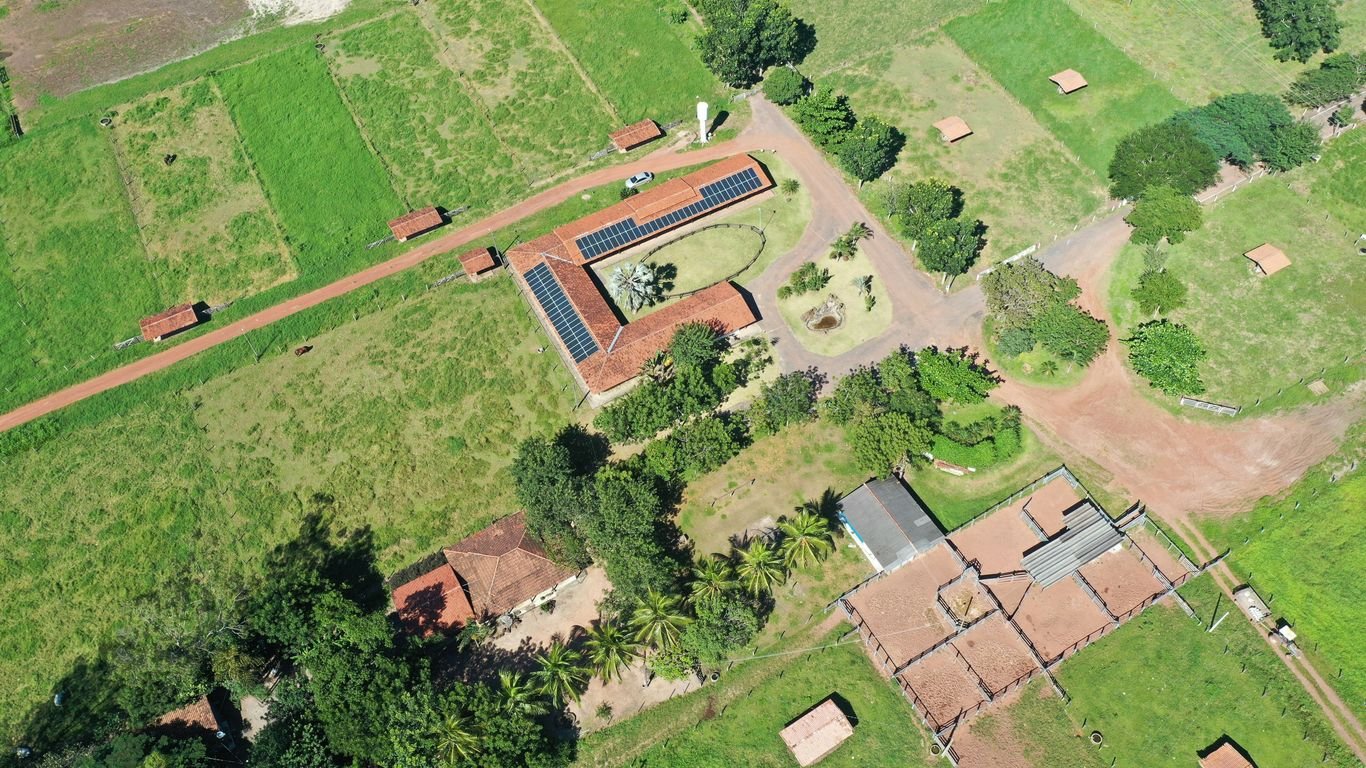
We’ve been thinking a lot about how to make the most of a small piece of land, specifically a one-acre homestead layout. It’s amazing how much you can fit and how much food you can grow when you have a solid plan. We wanted to share our approach to designing a functional and productive one acre homestead layout, because honestly, it’s more achievable than you might think.
Getting started with a one-acre homestead can feel like a big project, but with a solid plan, we can make it work. Before we even think about digging or building, we need to get a good handle on our space. Thinking through the layout on paper first saves a ton of headaches later. It’s all about making sure we use every bit of that land effectively.
First off, let’s get real about what one acre actually looks like. It’s about 43,560 square feet. A common shape for an acre is roughly 147 feet by 296 feet, but yours might be different. Knowing these measurements is key. We need to visualize how much room we actually have to work with. It’s more space than you might think, but it’s not endless, so we have to be smart about it.
This is where the fun begins! Grab some graph paper or use a simple drawing app. We’ll sketch out where everything might go: the garden beds, the chicken coop, maybe a small area for goats, a place for the compost bins, and a shed. Think about how things connect. Do we want the garden close to the house? Where’s the best spot for the chicken run so it doesn’t bother the neighbors but is still easy to access?
Here’s a basic idea of what we might fit:
Our land isn’t just a flat rectangle. We need to look at the shape of our acre and any slopes or features. Does the land drain well? Are there shady spots that would be good for certain plants or animals? Maybe a corner is too steep for a garden but perfect for a small goat pasture. We have to work with our land, not against it. If we have a long, narrow lot, our layout will look very different from someone with a more square piece of property. We need to adapt our plans to fit what we’ve got.
Planning ahead helps us avoid mistakes and make sure we have enough space for everything we want to do, from growing food to housing animals. It’s about making our one acre work as hard as we do.
When we first started thinking about our one-acre homestead, we knew we couldn’t just throw things together randomly. We needed a plan for the key players that would make our little farm work. This means thinking about where our food will come from, how we’ll house our animals, and what we need to keep everything running smoothly.
Gardening is a big part of homesteading, and on an acre, we have to be smart about space. Raised beds are fantastic for this. They give us more control over the soil quality, which is a huge win, especially if our native soil isn’t the best. Plus, they make weeding and harvesting a lot easier on our backs. We’re aiming for about 500-550 square feet of garden space, and breaking it up into smaller, manageable raised beds, like 4×8 feet, makes a lot of sense. This way, we can grow a good amount of produce without it feeling overwhelming.
We definitely want some animals! Chickens are a must for fresh eggs, and ducks can be great pest controllers and also provide eggs. For chickens, we’re looking at about 4 square feet of coop space and 8 square feet of run space per bird. Ducks need a bit more room, maybe 4-6 square feet in the coop and 16 square feet outside. Goats are a bit more of a commitment space-wise. They need around 15 square feet of bedded area each, and their pen should be at least 200-250 square feet per goat. It’s a balancing act, but totally doable on an acre. Having a reliable water source is key for all our animals, so we’re looking into options like a well.
Beyond vegetables, we want fruit! Fruit trees are a long-term investment, and while they take up space, they offer delicious rewards. We’re planning for around nine fruit trees, keeping in mind they need room to grow. For berry bushes, we’re thinking two to three per person in the household. If we skip some trees, we could fit at least 15 berry bushes, which would give us plenty for ourselves and maybe some to share or sell.
Bees are tiny powerhouses! Not only do they help pollinate our garden and fruit trees, which means better harvests, but they also give us honey. We’re planning for three beehives. It’s amazing how much impact these little guys can have on the overall health and productivity of our homestead. Plus, fresh honey is just the best.
We’ve found that by carefully planning where each element goes, we can make the most of our limited space. It’s all about making sure our garden, animals, and other features work together harmoniously.
Here’s a quick look at what we’re fitting in:
This setup helps us get a lot of production from our single acre.
When we first started thinking about our one-acre homestead, we knew we wanted some animals. It just feels more like a real homestead with a few critters around, right? But with only an acre, we had to be smart about what we chose and how we managed them. It’s all about finding that balance.
For us, chickens were a no-brainer to start with. They’re pretty easy to manage, and who doesn’t love fresh eggs every morning? We picked a few breeds known for being good layers, like Rhode Island Reds and Australorps. We learned quickly that a dozen hens is usually plenty for a small family, giving us enough eggs with a few left over. We keep them in a movable coop, which is great because we can shift it around the yard to let them scratch up bugs and fertilize different patches of grass. It’s like a little lawnmower and fertilizer spreader all in one!
We also decided to add a few ducks. Honestly, they’re a bit more low-maintenance than chickens in some ways, and they lay these wonderfully rich eggs. The key thing with ducks, though, is water. They really need a place to splash around. We didn’t have a natural pond, so we set up a large, sturdy plastic tub with a small solar pump to keep the water moving. It’s not fancy, but they seem to love it. It keeps them happy and clean, and it helps keep their area from getting too muddy.
Goats were the next step for us. We wanted milk for cheese and yogurt, and they’re also fantastic at clearing brush. We started with just two friendly does. It’s important to check your local zoning laws first, as not all areas allow goats, even on an acre. We also made sure their pen was well away from the property line to be considerate of our neighbors. They need good fencing because they are escape artists! We found that a simple, sturdy shelter and a good supply of hay and fresh water are the basics. They do produce manure, but it’s not as potent as cow manure, so we still rely on our compost system for the garden.
Managing animals on a small plot means being really mindful of space and resources. We learned to rotate their living areas when possible, especially for the chickens, to let the grass recover and to spread the benefits of their manure. It’s a constant learning process, but seeing them thrive makes it all worthwhile.
When we think about homesteading, we often picture the growing and the raising, but the real magic happens when we close the loop and make our little farm as self-sufficient as possible. That means thinking about how we manage our waste, how we power our lives, and where our water comes from. These aren’t just afterthoughts; they’re the backbone of a truly sustainable setup.
Composting is like giving our kitchen scraps and yard waste a second life. Instead of tossing things in the trash, we turn them into rich, dark soil that our garden will absolutely love. A three-bin system is pretty straightforward and works wonders. We start by filling the first bin with our greens (like vegetable peels and grass clippings) and browns (like dry leaves and shredded cardboard). Once that bin is full, we turn it into the second bin to let it break down further. The third bin is for the finished compost, ready to be dug into our garden beds. It’s a continuous cycle that feeds our soil and reduces what we send to the landfill.
Here’s a quick look at what goes where:
Keeping a good balance of greens and browns is key. Too much of one can make things smell or slow down the decomposition process. We want a nice, earthy smell, not a rotten one!
Thinking about going off-grid, or at least reducing our reliance on the main power lines? Solar panels are a fantastic option. Even on a one-acre homestead, we can find space for a few panels. For a typical small home and some basic needs, around six panels might do the trick. It’s a bit of an investment upfront, sure, but the long-term savings and the feeling of independence are pretty great. Plus, it’s a clean way to get the electricity we need for lights, pumps, and maybe even a small workshop.
Water is life, especially for our animal friends. We need a reliable source for them. Depending on our setup, this could mean a few things. We might connect a spigot to our house water supply for easy access to troughs. If we’re aiming for more self-sufficiency, we could look into rainwater harvesting systems. Collecting rain from our shed roof, for example, can provide a good amount of water for the animals, especially if we have storage tanks. For ducks, a dedicated pond is a must, but even chickens and goats need clean, fresh water available at all times. We need to make sure whatever system we choose is easy to maintain and keeps the water clean and accessible, even in different weather conditions.
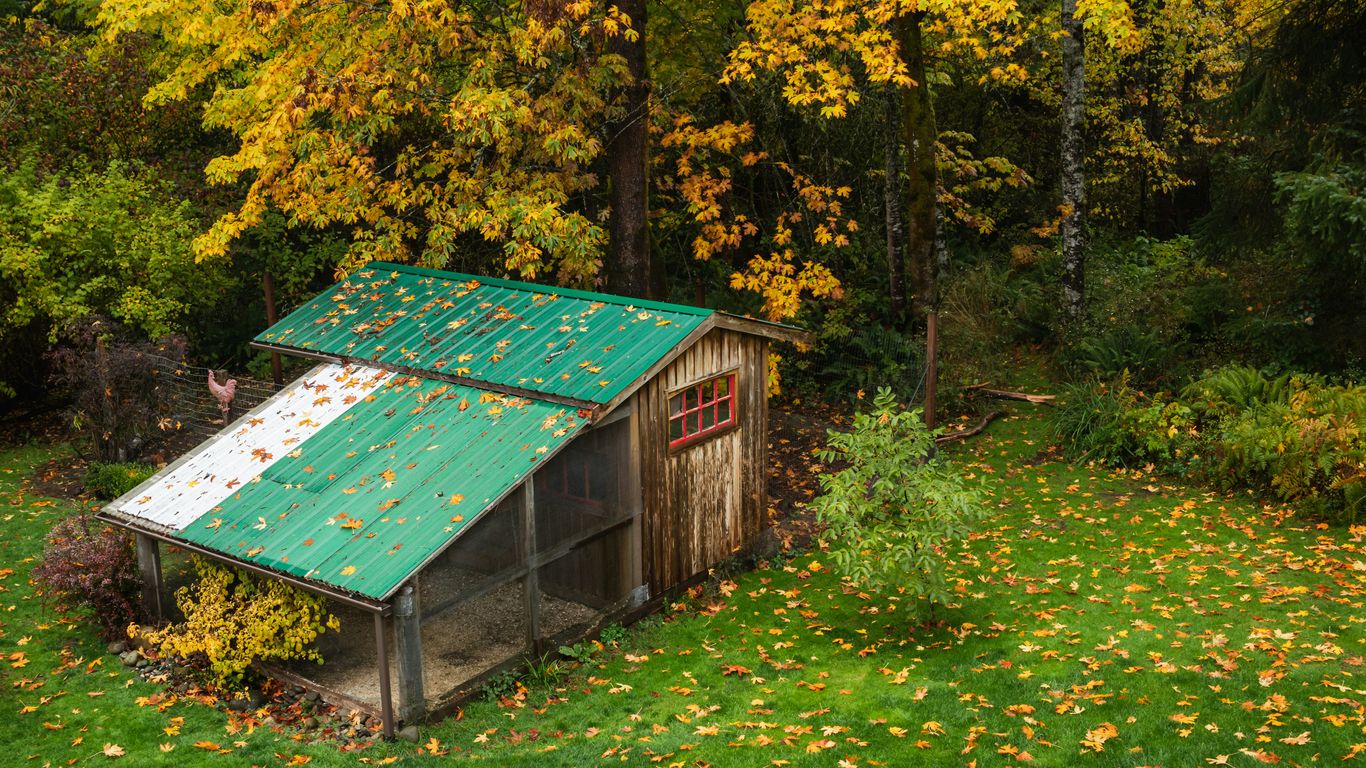
When we first started planning our one-acre homestead, we almost skipped the shed. It felt like a luxury we couldn’t afford space-wise. But honestly, it’s become one of the most important buildings we have. Having a dedicated place to store tools, feed, and equipment keeps everything organized and protected from the weather. Without it, our tools would be rusting in the rain, and we’d be tripping over bags of chicken feed. It just makes everything run smoother when you know where things are and they aren’t getting ruined.
Fencing is a big deal on a small homestead. We learned this pretty quickly! You need it to keep your animals in their designated areas, but also to keep predators out. For our chickens, we used a simple chicken wire fence around their coop and run. For the goats, we needed something sturdier, so we opted for electric fencing combined with a strong woven wire. It’s a bit of an investment, but it saves a lot of headaches.
Here’s a quick look at what we used:
This is where the real planning comes in. We have to decide how much space to give to our garden beds versus where the animals will roam. It’s a constant juggle. We found that by using raised beds for the garden, we could pack more growing space into a smaller footprint. This freed up more area for the chicken run and the goat pen. It’s all about making smart choices so you don’t feel cramped.
We realized that by thinking vertically with our garden and efficiently with our animal housing, we could fit more of what we wanted onto our acre without feeling overwhelmed. It’s about making every square foot count.
Here’s a rough idea of how we allocated space:
| Area | Approximate Size | Notes |
|---|---|---|
| House & Yard | 0.25 Acres | Living space, pathways, small patio |
| Garden Beds | 0.25 Acres | 16 raised beds (4×8 ft each) |
| Chicken Coop/Run | 0.1 Acres | Space for 8-10 chickens |
| Goat Pen | 0.2 Acres | Room for 2-3 goats, includes shelter |
| Orchard/Berry Bushes | 0.15 Acres | Fruit trees and berry patches |
| Compost/Shed | 0.05 Acres | Compost bins and storage shed |
| Duck Pond | Small area | Integrated near chicken run or garden |
So, we’ve laid out our acre, figured out where the garden beds go, where the chickens will roost, and maybe even where the goats will roam. Now, let’s talk about what all this planning actually means for us. It’s about making sure every bit of this land works hard for us, helping us get closer to feeding ourselves and maybe even making a little something on the side.
It’s easy to get excited about all the possibilities, but we need to be realistic about what one acre can actually give us. Think about it like this: if we’ve got 16 raised beds, each 4×8 feet, that’s a good chunk of space for veggies. Add in some fruit trees and berry bushes, and we’re looking at a decent harvest. For livestock, we need to consider how many eggs we’ll get from our chickens, or how much milk we might get from a goat (if we decide to go that route). The key is to match our goals with what the land can realistically produce.
Here’s a rough idea of what we might aim for:
| Item | Estimated Yield | Notes |
|---|---|---|
| Raised Garden Beds (16) | Significant vegetable harvest | Depends on crop rotation and soil health |
| Fruit Trees (9) | Seasonal fruit | Apples, pears, plums, etc. |
| Berry Bushes | Seasonal berries | Strawberries, raspberries, blueberries |
| Chickens (e.g., 6) | ~30 eggs/week | Varies with breed and season |
| Bees (3 Hives) | 30-60 lbs honey/year | Depends on local flora and hive health |
This is where the real satisfaction comes in. We’re not necessarily aiming to be completely off-grid and self-sufficient overnight, but we can certainly get a good portion of our food from our own land. Imagine stepping outside to grab fresh eggs for breakfast, picking ripe tomatoes for lunch, and maybe even using honey from our own bees in your tea. It’s about reducing our reliance on grocery stores for staples and enjoying the taste of food we’ve grown ourselves. This is a big step towards a more independent lifestyle, and it feels pretty good.
We’re building a system here, where each part supports the others. The compost feeds the garden, the garden feeds us, and the bees help pollinate everything. It’s a cycle that makes our little homestead work.
While our primary goal is likely feeding ourselves, there’s definitely potential to make a little extra income from our one-acre homestead. Selling excess eggs at a local farmers market, sharing some of our extra honey, or even offering some of our fresh produce can bring in a bit of cash. It might not make us rich, but it can help offset the costs of running the homestead. Think about what you might have a surplus of – maybe it’s extra jam from all those berries, or perhaps some herbs from your garden. We can explore selling our produce and see what works best for us.
Alright, we’ve walked through how to make the most of that one acre you’ve got. It might seem like a lot to take in, but remember, this is just a starting point. We’ve seen that with a good plan, we can fit in gardens, animals, and even some solar power. Don’t feel like you have to do it all at once. Start with what feels right for you and your space. The most important thing is to get out there and start doing. We can learn as we go, adjust our plans, and figure out what works best for our own little homestead. Happy homesteading!
Yes, one acre can be plenty of room for a homestead! We’ve found that with smart planning, we can grow a good amount of our own food and even raise some animals. It’s amazing how much you can fit when you map everything out carefully.
An acre is about 43,560 square feet. Think of it as a rectangle that’s roughly 147 feet wide and 296 feet long. This gives us a good amount of space to work with for gardens, animals, and other homestead needs.
We can comfortably keep smaller animals like chickens, ducks, and bees. Goats are also a great option for milk and can fit on an acre. We’ve found that these animals provide a lot for us without taking up too much space.
We can grow a significant amount of food! With raised garden beds, fruit trees, and berry bushes, we can produce hundreds, even thousands, of pounds of vegetables, fruits, eggs, and honey each year. It’s enough to make a big difference in our food supply.
Being completely self-sufficient on one acre is possible, especially for one or two people. However, for larger families, we’d likely still need to buy some food. But even then, we can cut our food costs way down and have a lot of fresh, homegrown food.
Before we start digging, we should always check local rules about what animals and buildings are allowed. It’s also super important to think about our neighbors and make sure our homestead plans won’t cause any problems for them. Planning ahead makes everything smoother.
 March 7, 2026
How to Turn Food Preservation Into a Side Hustle
Canning
Homestead Kitchen
Homesteading
Sustainable Living
March 7, 2026
How to Turn Food Preservation Into a Side Hustle
Canning
Homestead Kitchen
Homesteading
Sustainable Living
We've all got those hobbies or skills that we love doing, right? Maybe it's baking, gardening, or even making your own jam. What if we told you that you could turn those passions into a little extra cash? It might...
Read More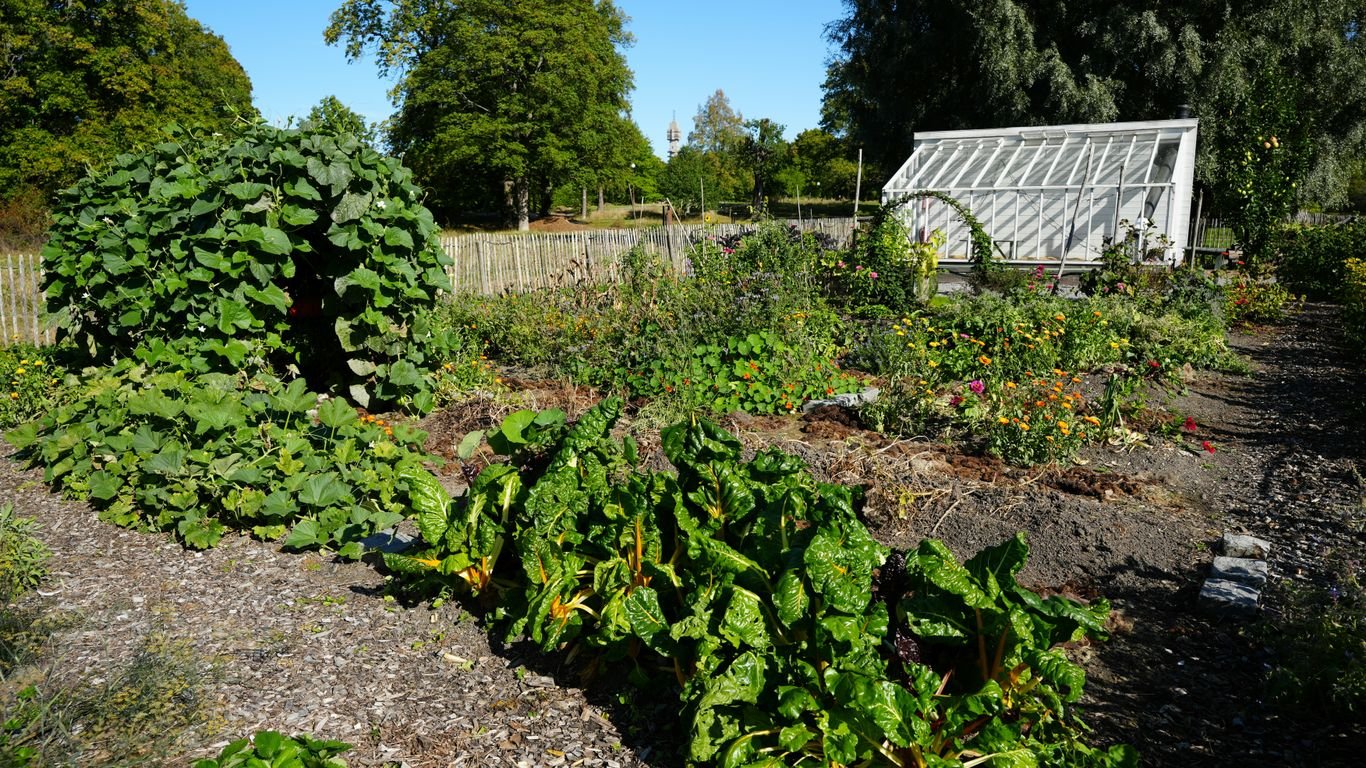 March 7, 2026
High-Output Crops Perfect for Micro Homesteads
Gardening
Homestead Planning
Homesteading
Starting a Homestead
March 7, 2026
High-Output Crops Perfect for Micro Homesteads
Gardening
Homestead Planning
Homesteading
Starting a Homestead
Thinking about growing your own food but only have a little space? We get it. Many of us are looking for ways to be more self-sufficient, even if we don't have acres to work with. The good news is, you...
Read More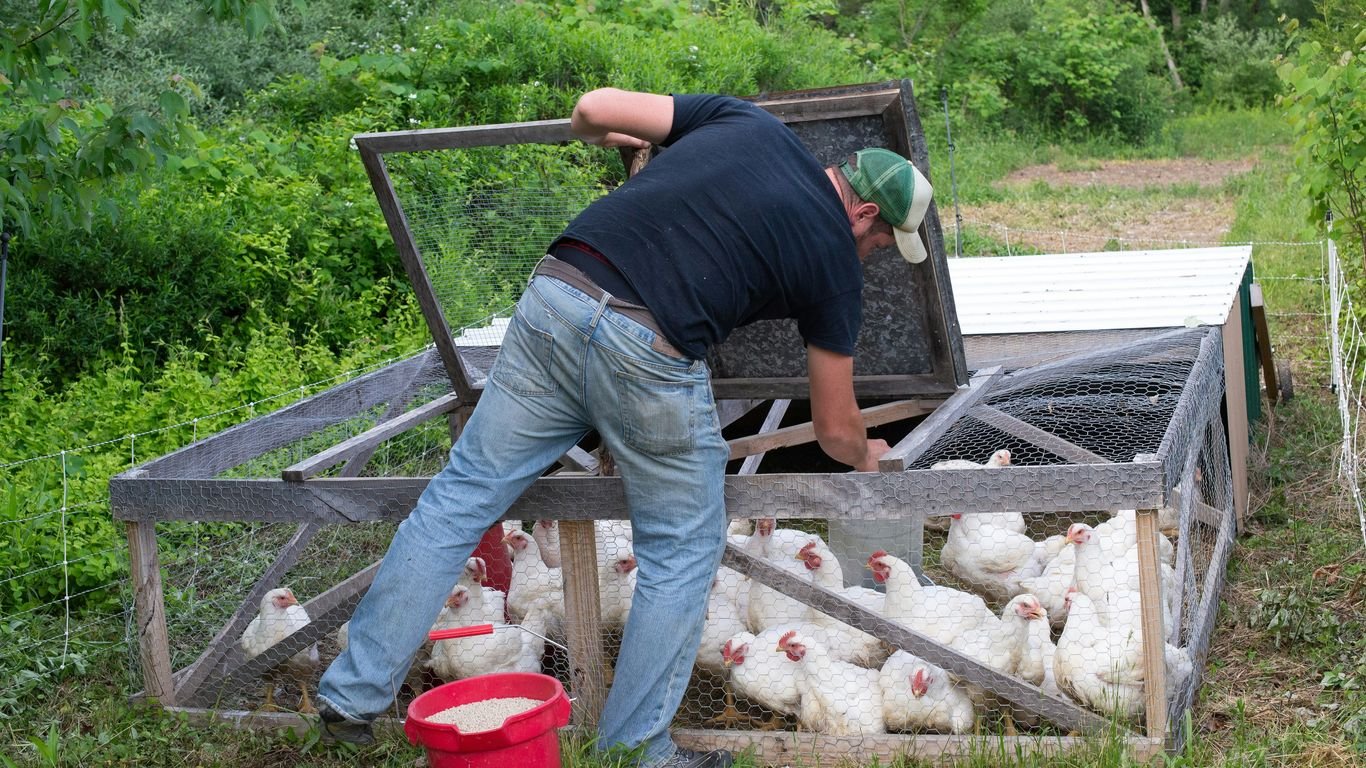 March 6, 2026
10 Low-Cost Homestead Side Hustles That Make Money
Homestead Planning
Homesteading
Starting a Homestead
March 6, 2026
10 Low-Cost Homestead Side Hustles That Make Money
Homestead Planning
Homesteading
Starting a Homestead
We all dream of a simpler life, right? One where we're more connected to the land and the seasons. But let's be real, that dream needs some funding. That's where low cost homestead side hustles come in. These aren't about...
Read More