



Trying to balance a full-time job with the dream of homesteading can feel like a lot. We get it. It seems like there are never enough hours in the day to get everything done, let alone start a whole new way of living. But what if we told you it’s totally doable? You don’t need to quit your job or have acres of land to start. We’re going to show you how to make homesteading work, even with a busy schedule. It’s all about being smart with your time, learning the right skills, and shifting your mindset. Let’s figure out how we can homestead with a full time job, together.
We get it. You’re working a full-time job, and the dream of homesteading feels like it’s always just out of reach. You look at your to-do list, then out at the garden, then back at the laundry pile, and wonder, "How can I possibly fit all this in?" You’re not alone. It often feels like there aren’t enough hours in the day, especially with all the distractions pulling at our attention. But here’s the thing: it’s not always about finding more time. It’s about making the most of the time we already have.
We often think we need more hours to get everything done, but that’s usually not the case. Instead, we need to be smarter about how we use the time we’ve got. Think about it – how much time do we spend scrolling through our phones or getting caught up in things that don’t really matter in the long run? Reclaiming your time means being intentional about where your minutes go. It’s about cutting out the noise and focusing on what truly brings you closer to your homesteading goals.
Let’s be honest, we all have things that eat up our time without us even realizing it. These are the "time stealers." They can be anything from endless social media scrolling to getting sidetracked by emails or even just getting stuck in conversations that go nowhere. We need to figure out what these are for us. Maybe it’s setting a timer for social media or designating specific times for checking emails. We can even try a simple time audit for a few days to see where our time is really going. It might surprise you!
Here are some common time stealers:
Once we’ve identified our time stealers, we can start building routines and rhythms that make our days flow better. This isn’t about a rigid schedule, but more about creating predictable patterns. For example, maybe you dedicate 30 minutes each morning to garden tasks before work, or you set aside an hour on Saturday mornings for bigger projects. Having these rhythms helps us get things done without feeling overwhelmed. It’s about finding a flow that works for your life. We’ve found that having a plan for our week, even a loose one, makes a huge difference. It helps us stay on track and feel more accomplished. You can find some great ideas for building these rhythms in community discussions, like those found in skill sessions.
We don’t have to do everything perfectly. The goal is progress, not perfection. By creating simple rhythms and being mindful of how we spend our time, we can make significant headway on our homesteading dreams, even with a full-time job.
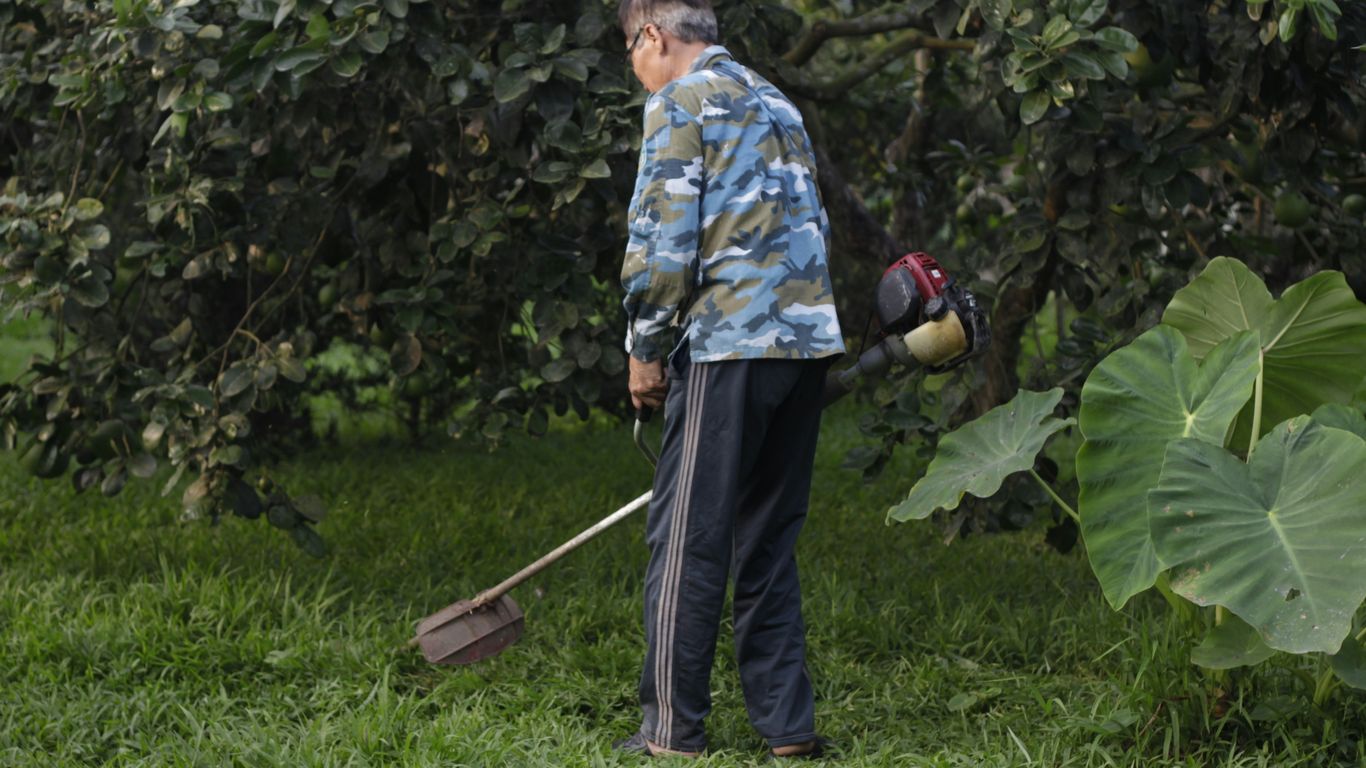
When we first started thinking about homesteading, it felt like we needed acres of land and a lifetime of experience. But the truth is, homesteading is really about skills, not just the amount of land you have. You can build a self-reliant life with what you’ve got, right where you are. It’s about learning to do things for yourself, whether that’s growing a tomato on your balcony or preserving food in your tiny kitchen.
Forget the image of sprawling farms for a moment. The real heart of homesteading lies in the practical abilities we cultivate. Think about it: knowing how to mend clothes, fix a leaky faucet, or even just cook a meal from scratch are all homesteading skills. These abilities don’t require a huge plot of land; they just require a willingness to learn and practice. We’ve found that focusing on acquiring these hands-on skills first makes a huge difference. It builds confidence and shows us that we can handle more than we thought.
Nobody is born knowing how to can jam or troubleshoot a garden pest. We learn by doing, and honestly, we learn by messing up. Our first attempts at making sourdough were… interesting. The loaves were flat, dense, and sometimes a little sour in the wrong way. But each time, we learned something. We learned about hydration levels, proofing times, and oven temperatures. The key is to start small and be okay with imperfection. Don’t try to master everything at once. Pick one thing, like learning to make a simple bread or growing a single herb, and stick with it until you feel comfortable.
While we can learn a lot from books and online videos, there’s something special about learning from other people. We’ve found so much value in connecting with others who are further along on their homesteading journey. Whether it’s a neighbor who has a killer garden or an online community sharing tips, learning from mentors can speed up the process and prevent common mistakes. Don’t be afraid to ask questions! Most people are happy to share what they know. We’ve found that sharing our struggles and successes with others makes the whole process more enjoyable and less isolating.
Feeling overwhelmed by the idea of homesteading while working a full-time job? We get it. It’s easy to look at homesteading blogs and think you need acres of land and endless free time. But that’s just not true. The real secret is to start small, really small. Think about one thing you want to achieve, like making your own bread or growing a few herbs. The goal isn’t to do everything at once, but to build momentum with manageable projects.
Instead of trying to overhaul your entire diet or kitchen, pick one meal or one recipe to focus on. Maybe it’s learning to make a really good sourdough starter, or perhaps it’s mastering a simple canning recipe for jam. This focused approach makes the learning curve less steep. You can dedicate a little time each week to practicing, and before you know it, you’ll have a new skill under your belt. It’s about building confidence through small wins. We found that focusing on making jam was a great entry point for us.
We’ve all seen those perfect homesteading photos online, right? It’s easy to get discouraged if your first attempt doesn’t look like that. But here’s the thing: homesteading is messy. Your first loaf of bread might be a brick, your first batch of pickles might be too salty. That’s okay! These aren’t failures; they’re learning opportunities. The most important thing is to just try. Don’t get bogged down in over-researching. Just start doing, and you’ll figure things out as you go. Remember, systems reveal themselves through repetition.
It’s tempting to want to learn everything all at once, but that’s a fast track to burnout. Be honest about how much time and energy you actually have. Maybe you can commit to one new skill or project every few months. For example, you could spend three months focusing on gardening, then move on to food preservation for the next three. This phased approach prevents you from feeling swamped. It’s better to do a few things well than to try to do too many things poorly.
The key is to integrate these new practices into your existing life without adding undue stress. Think about how you can adapt skills to your current living situation, whether that’s a small apartment or a rented house. Homesteading is about resourcefulness, not just land ownership.
Here’s a simple way to think about your first steps:

When we first started thinking about homesteading, it felt like we were signing up for a perfect, idyllic life. We pictured sun-drenched mornings, overflowing gardens, and a general sense of calm. The reality, as many of you know, is a bit different. It’s messy, it’s challenging, and sometimes, it’s downright frustrating. That’s where shifting our mindset comes in. It’s not about pretending everything is perfect; it’s about learning to work with what we’ve got and finding joy in the process, even when it’s tough.
It sounds simple, right? Just be grateful. But when you’re dealing with a failed crop, a sick animal, or a project that’s gone sideways, it can feel impossible. We’ve found that making gratitude a daily practice, not just something we think about at Thanksgiving, really changes things. It helps us see the wins, no matter how small. Did the chickens lay eggs today? Great. Did we manage to fix that leaky faucet? Awesome. Focusing on these small positives helps us keep perspective when bigger problems arise. It’s like a little mental reset button.
Homesteading isn’t always easy. In fact, most of the time, it’s pretty hard work. We’ve learned that accepting this ‘hard’ is key. It’s not a sign that we’re failing or doing something wrong. It’s just part of the deal. Whether it’s wrestling a stubborn goat into its pen or spending hours preserving food, these tough moments are where we build competence and resilience. Instead of getting discouraged, we try to see them as opportunities to learn and grow. The goal isn’t to avoid hard things, but to get better at handling them.
This is probably the trickiest mindset shift for us. When something goes wrong – and it will – it’s easy to get stuck in the frustration. We’ve had projects that took way longer than expected, or things that just didn’t work out at all. Instead of dwelling on the negative, we try to ask ourselves: What can we learn from this? Is there a silver lining? Sometimes, a failed experiment teaches us more than a successful one. It forces us to re-evaluate, adapt, and come up with new solutions. It’s about reframing the setback as a stepping stone, not a dead end.
Let’s be real, homesteading isn’t always sunshine and perfectly ripe tomatoes. Sometimes, things just don’t go according to plan. We’ve had chickens that decided to stop laying right when we needed eggs the most, gardens that got absolutely demolished by unexpected hail, and projects that took twice as long and cost twice as much as we thought. These moments can feel like big failures, but they’re actually where we learn the most. It’s in these tough spots that we figure out what we’re really made of. Instead of getting discouraged, we try to look at setbacks as opportunities to adjust our approach. Maybe that chicken breed isn’t suited for our climate, or perhaps we need a better way to protect the garden next season. It’s about adapting, not giving up.
We used to get really hung up on doing everything perfectly. Every jar of jam had to look like it came from a magazine, and every garden row had to be immaculate. But when you’re juggling a full-time job and homesteading, perfection is a pretty high bar. We’ve learned that showing up consistently, even if it’s not perfect, is far more effective. It’s better to put up ten jars of slightly imperfect jam than to aim for magazine-worthy jam and end up with none because you ran out of time. Steadiness means doing what you can, when you can, and accepting that ‘good enough’ is often exactly what we need. It’s about building habits that stick, like weeding for 15 minutes every evening or checking on the animals at the same time each day, rather than trying to do a massive overhaul once a month.
This ties right into the last point. We have to be honest with ourselves about what’s achievable with our limited time and energy. It’s easy to get caught up in what other homesteaders are doing on social media, but their reality might be very different from ours. We focus on what brings us joy and meets our needs, rather than trying to replicate someone else’s entire operation. This means celebrating small wins, like successfully growing our first batch of herbs or finally figuring out how to mend that leaky faucet. It also means being okay with the fact that some things might take longer, or we might not get to every project on our list this year.
We’ve found that keeping a simple journal helps. We jot down what worked, what didn’t, and what we learned. It’s not about judgment, but about tracking our progress and understanding our own rhythm. This practice helps us stay grounded and appreciate how far we’ve come, even on days when it feels like we’re barely moving forward.
We often picture homesteading as this big, sprawling farm with acres of land. But honestly, that’s not the whole picture. The heart of homesteading isn’t about how much land you own; it’s about the skills you learn and how you apply them to live a more self-reliant life. Think about it: canning, preserving food, mending clothes, basic repairs, growing some of your own food – these are all skills that can be done anywhere. You don’t need a giant garden to learn how to make jam, and you certainly don’t need a barn to learn how to mend a tear in your favorite shirt.
This is where things get really interesting for us busy folks. We might be living in a small apartment or even traveling in an RV, but we can still practice homesteading principles. Growing herbs on a windowsill, setting up a small composting system, learning to cook from scratch with basic ingredients, or even mastering the art of making your own cleaning supplies – these are all totally doable without a backyard. It’s about resourcefulness. We can learn to make the most of the space we have, whether that’s a tiny balcony or a few square feet in a mobile home. It’s about being intentional with what we have and what we can do. For example, learning to preserve food isn’t just for big harvests; it’s also about making the most of a good sale at the grocery store or a bounty from a local farmer’s market. We can explore practical methods to enhance self-sufficiency that fit our current living situation.
At its core, homesteading is about self-reliance. It’s about building confidence in our ability to take care of ourselves and our families. When we learn a new skill, like how to properly store root vegetables or how to make a simple sourdough starter, that skill stays with us. It’s not tied to a piece of land. We can take that knowledge with us wherever we go. This is incredibly freeing. It means that even if our living situation changes, our ability to be resourceful and independent doesn’t have to. We can adapt and continue to build on our skills.
Thinking of homesteading as a lifelong adventure rather than a destination makes it much more manageable, especially with a full-time job. It’s about the journey of learning and growing. We can start small, maybe with one new skill or one new recipe each month. We don’t have to do it all at once.
Here are a few ideas to get us started:
The beauty of homesteading skills is that they are transferable and build upon each other. Each small success builds confidence and opens the door to learning something new. It’s a continuous process of becoming more capable and less dependent on external systems for our basic needs.
It’s about finding joy in the process and celebrating the small wins along the way. We are building a more resilient and capable version of ourselves, one skill at a time, no matter where we call home.
Look, we get it. Trying to fit homesteading into a busy life with a full-time job can feel like trying to cram a whole watermelon into a tiny lunchbox. It’s a lot. But as we’ve talked about, it’s not about having more hours in the day. It’s about being smarter with the time we’ve got. We can totally do this by focusing on what matters, setting realistic goals, and not being afraid to ask for help or learn as we go. Remember, it’s a journey, not a race. So take a deep breath, pick one small thing to start with, and let’s get our hands dirty, even if it’s just for a little while each week.
It’s not really about finding extra hours, but about using the time we already have more wisely. We can start by figuring out what things waste our time, like scrolling too much or getting sidetracked. Then, we can create simple routines that make our days flow better, so we can fit in what matters most for our homestead.
Focusing on skills is more important than having a lot of land when you’re starting out. We should build our confidence by practicing, even if it’s just small things. Finding experienced people to learn from or joining a group can also make learning easier and more fun.
We can begin with just one small thing, like trying a new recipe to can or starting a tiny herb garden. It’s okay if things aren’t perfect when we’re learning. Setting limits on what we try to learn at once helps us avoid feeling stressed and makes the journey more enjoyable.
Being thankful for what we have each day can really help manage stress. We also need to accept that some things will be tough, and that’s okay. Learning to see the good parts, even when things are difficult, makes us stronger and happier homesteaders.
We learn from mistakes and see them as chances to get better. It’s more important to be steady and keep trying than to be perfect all the time. Having a realistic view of homesteading, knowing that not everything will go smoothly, helps us build strength and keep moving forward.
Absolutely! Many homesteading skills, like growing food, preserving it, or making things, can be done in apartments or even RVs. Self-reliance is a skill we can build anywhere. Homesteading is really about a way of living and learning that can be an amazing adventure throughout our lives.
 March 7, 2026
How to Turn Food Preservation Into a Side Hustle
Canning
Homestead Kitchen
Homesteading
Sustainable Living
March 7, 2026
How to Turn Food Preservation Into a Side Hustle
Canning
Homestead Kitchen
Homesteading
Sustainable Living
We've all got those hobbies or skills that we love doing, right? Maybe it's baking, gardening, or even making your own jam. What if we told you that you could turn those passions into a little extra cash? It might...
Read More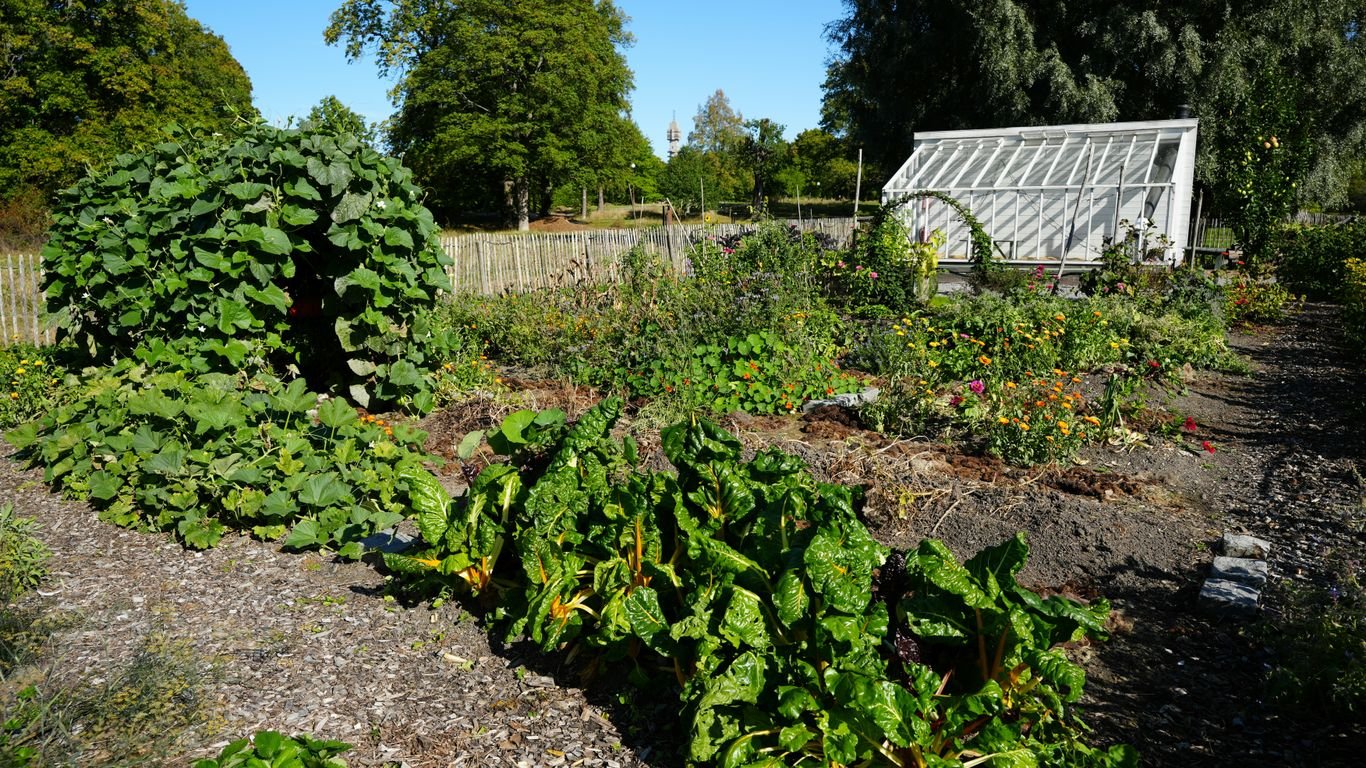 March 7, 2026
High-Output Crops Perfect for Micro Homesteads
Gardening
Homestead Planning
Homesteading
Starting a Homestead
March 7, 2026
High-Output Crops Perfect for Micro Homesteads
Gardening
Homestead Planning
Homesteading
Starting a Homestead
Thinking about growing your own food but only have a little space? We get it. Many of us are looking for ways to be more self-sufficient, even if we don't have acres to work with. The good news is, you...
Read More March 6, 2026
10 Low-Cost Homestead Side Hustles That Make Money
Homestead Planning
Homesteading
Starting a Homestead
March 6, 2026
10 Low-Cost Homestead Side Hustles That Make Money
Homestead Planning
Homesteading
Starting a Homestead
We all dream of a simpler life, right? One where we're more connected to the land and the seasons. But let's be real, that dream needs some funding. That's where low cost homestead side hustles come in. These aren't about...
Read More