


Starting an apartment micro homestead might sound impossible, but we’ve found it’s really about making the best of what we’ve got. We don’t need a backyard or a barn to grow food, cut waste, and learn to do more for ourselves. With a few containers, some creativity, and a little patience, we can bring bits of homesteading right into our apartments. Whether we’re baking bread from scratch or growing tomatoes on the windowsill, each step makes us a bit more self-reliant and connected to what we eat and use every day.
When we decide to turn our apartment into a little homestead, squeezing in as much green as possible becomes the real challenge. Let’s break down some practical ways we can get the most out of every inch.
We don’t need a backyard to eat fresh. Our windowsills and balconies are perfect spots for growing herbs like basil, chives, and mint, or even small, leafy greens like lettuce and arugula.
| Plant | Light Needed | Min. Container Depth |
|---|---|---|
| Basil | 6+ hours | 6 inches |
| Radishes | 4-6 hours | 4 inches |
| Cherry Tomatoes | 6+ hours | 12 inches |
| Lettuce | 4+ hours | 6 inches |
Sometimes, the trick is just starting small—one pot of herbs can spark more ideas for the space you have.
When we run out of floor space, the only way is up. Vertical gardens help us grow more without the clutter.
Hydroponics might sound fancy, but it just means growing plants in water—no soil needed. We can build or buy a small setup, place it under a grow light, and have fresh salads year-round.
Key Considerations for Small-Space Growing:
With some simple ideas and patience, we can actually bring a little bit of a farm life into our apartment—even if it’s just one mini tomato at a time.
Let’s get real: turning an apartment into a micro homestead sounds a bit intimidating at first, but we can break it down into doable projects. We don’t need a backyard to make big changes—just a willingness to try things out, mess up, learn, and get better. Here’s how we’ve managed to boost our apartment homestead game using a few DIY tricks that actually work.
Most people think you need a big backyard or a fancy setup to compost, but it’s totally possible (and not as gross as you’d imagine) in apartments. Here’s what we learned after our first attempt went a little sideways:
The finished compost is surprisingly handy: we add it to our container garden, and the plants genuinely perk up.
Small compost projects don’t just shrink food waste, they feed our plants and our self-sufficiency streak.
Water bills can add up fast—especially if we’re trying to keep container veggies alive. Not every apartment lets us set up barrels, but a window planter with a rain catch is often fine. Here’s a quick rundown:
Smart water management, like using rainwater, is an easy way to live more sustainably and cut down costs. Our setup was inspired by methods found in resourceful outdoor homestead tips.
The store-bought stuff is expensive and packed with weird ingredients. We started making our own and haven’t looked back:
When we started, every recipe felt like a mini science experiment. Now, it’s our new normal, and we like knowing exactly what’s on our surfaces and in our air.
Micro homesteading isn’t about getting everything perfect. It’s about trying simple solutions, staying creative, and using what we’ve got—even if what we’ve got is just a corner of a kitchen or a balcony with a single railing. Each of these projects helps us live a bit lighter and a lot happier.
When we think about homesteading, we often picture wide-open spaces and sprawling gardens. But the truth is, many core homesteading skills are totally adaptable to apartment living. Learning these kitchen skills can make a big difference in our self-sufficiency and help us connect with our food in a new way.
There’s something incredibly satisfying about pulling a warm loaf of bread out of the oven, especially when you made it yourself. For apartment dwellers, focusing on smaller, manageable recipes is key. Think about simple no-knead bread recipes that don’t require a lot of counter space or fancy equipment. We can also get creative with other staples like pancakes, muffins, or even homemade pasta. These aren’t just about saving money; they’re about understanding the ingredients we eat and enjoying the process.
Learning to bake from scratch is a foundational skill that connects us to a long tradition of self-reliance. It’s about more than just food; it’s about a sense of accomplishment and a deeper appreciation for what we consume.
Even with a small harvest from our window boxes or a haul from the farmer’s market, preserving food is a vital skill. Fermenting, like making sauerkraut or kimchi, is fantastic because it requires minimal equipment and can be done right on our countertops. Canning might seem more involved, but it’s a great way to store seasonal produce for months. We can also explore dehydrating fruits and vegetables, which is perfect for small spaces and creates shelf-stable snacks. These methods help us reduce waste and enjoy fresh flavors year-round. For those interested in getting started with food preservation, exploring resources on preserving food at home can be really helpful.
Once we start growing even a small amount of food, planning our meals around it becomes a natural next step. This means looking at what’s in season, what we’ve preserved, and what we might have on hand. It encourages us to be more creative in the kitchen and less reliant on last-minute grocery runs. We can create weekly meal plans that incorporate our fresh herbs, a few homegrown tomatoes, or some of our fermented goodies. This approach not only minimizes food waste but also helps us appreciate the bounty, however small, that we’ve managed to cultivate ourselves.
Homesteading can feel pretty lonely at first, especially when you’re tucked in a building surrounded by traffic instead of chickens. The good news? We’re not doing this alone. There’s a whole community out there of folks trying to do the same thing, and reaching out can really make our apartment micro homesteading more rewarding — not to mention a lot more fun.
Even if we only have enough space for a few pots of herbs, we can still get local, fresh food by joining a CSA (Community Supported Agriculture) or hitting up a nearby farmer’s market. Both are great ways to add variety to our meals and support small producers in our region.
| Source | How To Connect | Seasonal Availability |
|---|---|---|
| CSA | Online sign-ups, local flyers | Weekly or Bi-weekly |
| Farmer’s Markets | Local listings, word of mouth | Spring-Fall, varies |
It’s easy to feel stuck when a tomato plant won’t set fruit, or we’re not sure if our compost experiment is working. This is where local homesteading groups shine.
Sometimes just swapping a story with someone in the same boat is the best support there is.
When we have a question, sharing it with a group can turn up solutions we never would have found alone.
In between growing salad greens on the windowsill and mixing up homemade cleaner, we can always level up our homesteading skills through online communities. The internet is packed with forums, YouTube channels, and blogs focused on apartment-scale self-sufficiency.
Connecting, even a little bit, keeps us motivated and makes our small successes feel bigger. We all have something to learn, and something to share, no matter how small our homestead may be.
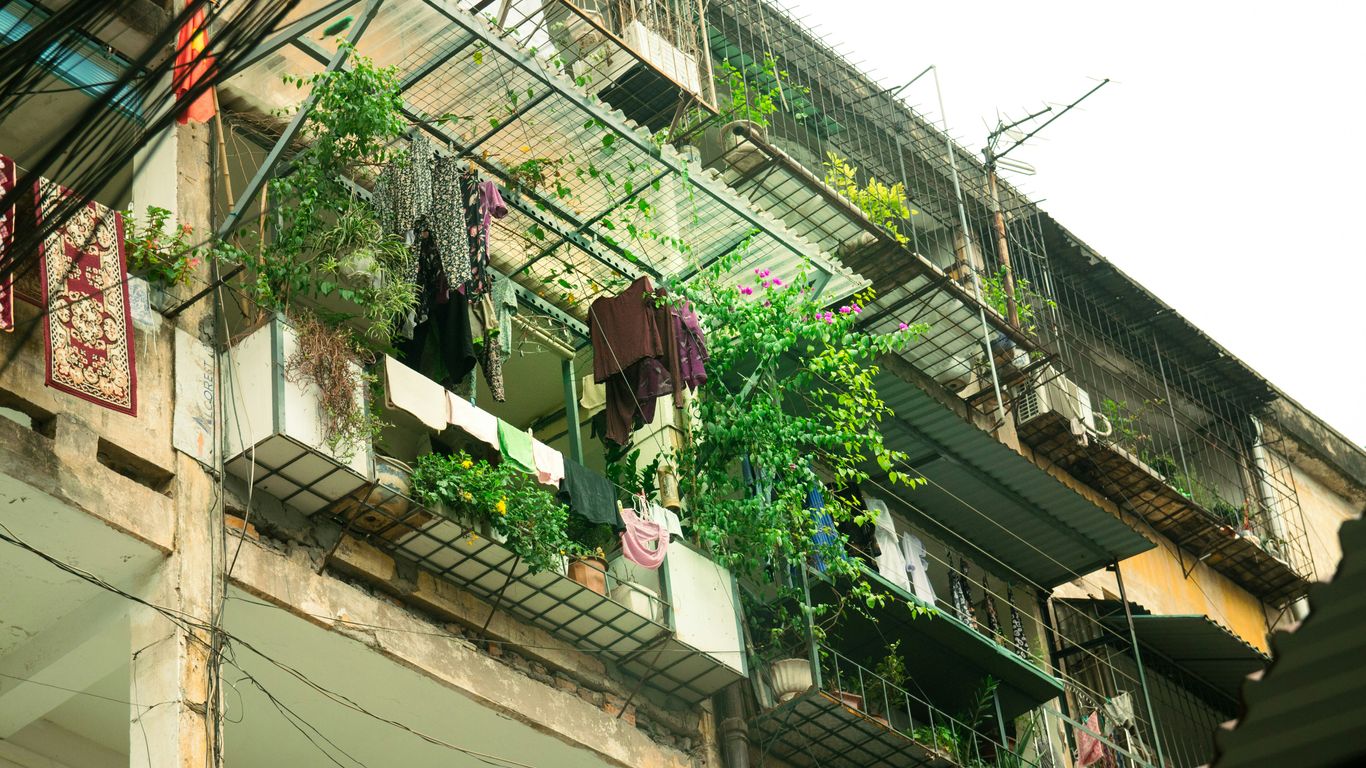
When we try to bring a bit of homesteading spirit into an apartment, it’s a different kind of challenge than doing it on a big piece of land. But weird building rules, less space, and city limitations can teach us to be pretty inventive if we stick with it.
Before we get too ambitious—no kidding about building a chicken coop on the balcony—we really need to check both our lease and city bylaws. These rules can be surprisingly detailed about stuff like compost bins, container gardens, or even something as simple as drying clothes outside.
If we ever feel unsure, it’s honestly better to ask than to deal with trouble later. Plus, sometimes landlords know what’s worked before or what other tenants have tried. They’re usually happy to see us care for the property!
A lot of us imagine a lush garden—even in raised beds outside our apartment—but have you ever stopped to think what might be in the actual soil? In older cities, lead and other contaminants can be a big problem, especially near roads or older buildings. If we get the chance to use outdoor soil for a garden, it’s smart to:
| Urban Soil Risk | Best Plant Choices | Safe Solutions |
|---|---|---|
| High in lead | Tomatoes, Peppers, Herbs | Container gardening, Add compost |
| Unknown quality | Leafy greens (in pots) | Use commercial potting mix |
Even when space is limited, we don’t skimp on safety—growing food, not worry, is our motto.
We might not have barns, root cellars, or big greenhouses, but we can reimagine a lot of old homestead tricks for our tiny homes. It just takes a little extra planning, and, sometimes, letting go of what doesn’t fit:
The best part? By scaling things to fit our apartment, we keep finding new ways to make do with what we have. That’s micro homesteading at its simplest. Some days it’s learning to work around the rules; other days, it’s getting creative when we bump up against the limits of our space. When that happens, we remind ourselves: progress, not perfection.
Apartment micro-homesteading isn’t about living on a farm or making everything from scratch—though those things sound pretty amazing. It’s more about how we look at daily life and use what we already have. Even in a small apartment, we can build habits that lean into self-sufficiency, resourcefulness, and a sustainable outlook. Let’s get into how we can adopt the homesteading mindset, not just play at the surface.
Making self-sufficiency a part of our routine doesn’t mean we have to overhaul our lives overnight. We can start by:
Each tiny step toward sustainability actually adds up, and over time, it becomes a regular part of who we are.
The best progress comes from small, steady changes we can actually stick with. No need to hit perfection; just start where you are and keep going.
Curious how a regular routine can build good habits? There’s real value in establishing calming, productive rhythms each morning. Homestead morning routines can help us keep our apartment lives feeling grounded, too.
We all throw stuff out that could still be useful. With a homesteading frame of mind, we turn old items into new solutions. For example:
Here’s a simple table with ideas for upcycling common household items:
| Item | Quick Upcycling Idea |
|---|---|
| Glass jars | Herb pots or food storage |
| Egg cartons | Seed starters |
| T-shirt scraps | Cleaning cloths |
| Plastic buckets | DIY planters |
The more we reuse, the less we spend—and the less trash we create!
We start small and build at our own pace. Skills don’t show up overnight. Whenever we learn something new, we get a bit more independent:
This process means we never feel swamped or stuck. Our apartment homestead grows as we grow!
Let’s remind ourselves: micro-homesteading isn’t about being the best or doing it all. It’s about making thoughtful choices every day, even in the smallest spaces. If we’re willing to learn and adapt, there’s no limit to how much we can accomplish, one step at a time.
We get it, starting a micro-homestead in an apartment might sound like a lot. But really, it’s about taking small steps. You don’t have to grow all your own food or raise chickens overnight. Maybe you start by growing some herbs on your windowsill or making your own cleaning supplies. Every little bit counts, and honestly, it’s pretty rewarding. Plus, you’re learning skills that are useful no matter where you live. So, give it a try! Pick one thing that sparks your interest and just go for it. You might be surprised at what you can do, even in a small space.
A micro homestead in an apartment means we’re finding ways to be more self-sufficient right where we live, even if we don’t have a big yard. It’s about using our limited space creatively, like growing herbs on a windowsill or starting a small balcony garden. We focus on doing what we can, like making some of our own food or reducing waste, instead of needing a huge farm.
Not at all! The whole idea of micro homesteading is to work with the space you have. We can use vertical planters to grow upwards, hang baskets from our balconies, or even set up small hydroponic systems indoors. Even a sunny window can be enough to grow a few essential herbs.
It can be a learning process, but it’s definitely doable. We need to pick plants that do well in containers and consider how much sunlight we get. Starting with easy-to-grow things like basil, mint, or cherry tomatoes is a great way to begin. We can also look into resources that suggest the best plants for apartment growing.
That’s a common challenge we face. Before we start anything, we should always check our lease agreement and any building or neighborhood rules. Sometimes, there are specific regulations about what we can do. If direct gardening isn’t allowed, we might focus more on indoor projects like making our own cleaning supplies or learning to bake from scratch.
We can still connect with local food sources! Joining a Community Supported Agriculture (CSA) program means we get a box of fresh, seasonal produce from a nearby farm regularly. Visiting farmers’ markets is another fantastic way to support local growers and get the freshest ingredients available.
The most important thing is to see homesteading as a mindset, not just a hobby. It’s about making small, sustainable choices every day. We should celebrate the progress we make, learn from any mistakes, and remember that even small steps towards self-sufficiency and reducing our impact on the planet make a big difference.
 February 20, 2026
How to Map Your Homestead for Animals, Garden, and Water
Homestead Planning
Homesteading
February 20, 2026
How to Map Your Homestead for Animals, Garden, and Water
Homestead Planning
Homesteading
Planning out your homestead is a big step, and knowing where to put everything can feel a bit daunting. We've been there, trying to figure out the best spots for our animals, garden, and water sources. It's all about making...
Read More February 19, 2026
How to Winterize Your Homestead Water Supply
Homestead Planning
Homesteading
February 19, 2026
How to Winterize Your Homestead Water Supply
Homestead Planning
Homesteading
As the days get shorter and the air gets crisp, it's time to think about how we're going to winterize our homestead water systems. We've seen firsthand how quickly things can freeze up, leaving us scrambling. This year, we're getting...
Read More February 18, 2026
The Best Vegetables to Freeze Dry at Home
Canning
Homestead Kitchen
Homesteading
Sustainable Living
February 18, 2026
The Best Vegetables to Freeze Dry at Home
Canning
Homestead Kitchen
Homesteading
Sustainable Living
Thinking about getting a freeze dryer for your kitchen? We get it. It seems like a big step, and you want to make sure you're using it for the right things. We've been experimenting a lot, and we've found that...
Read More