


We’ve all seen those perfect homestead pictures online, right? Rolling hills, big gardens, happy animals. It looks amazing, but let’s be honest, for most of us, that kind of setup feels completely out of reach financially. The good news is, homesteading on a budget isn’t about having a huge amount of land or a massive savings account. It’s really about resourcefulness, making smart choices, and building things up step by step. We can start right where we are, with what we have, and make real progress. It’s a mindset shift, focusing on practical skills and making do, rather than chasing expensive ideals. This whole journey is about embracing the reality of starting small and finding creative ways to make it work.
Let’s get real for a second. When we talk about homesteading, especially on a budget, we’re not usually talking about inheriting a sprawling estate with barns and acres of pristine land. That picture is more of a fantasy than a starting point for most of us. The truth is, homesteading is a mindset, a way of approaching life that’s all about being resourceful and making smart choices. It’s about building momentum with small, affordable projects, one step at a time.
The romantic vision of a huge farm can feel completely out of reach financially, and for many of us, it is. But here’s the secret: modern homesteading isn’t defined by how many acres you have. It’s defined by your actions and your willingness to learn. It’s a lifestyle shift—a conscious move toward reducing waste, producing some of your own food, and learning practical, hands-on skills. You don’t need a massive inheritance to start; you just need a plan. The most successful budget homesteaders I know didn’t wait around for the "perfect" property. They got started by turning their current living space into a hub of production.
We often think we need a lot of land to begin, but that’s just not true. The idea that you need 50 acres and a barn is a generation out of date. Modern homesteading is a mindset, not a measurement. You can start powerful homesteading practices right where you are. A half-acre suburban lot is more than enough space for a serious vegetable garden, a small flock of chickens, and a row of fruit bushes. Even an apartment balcony can support a killer container garden for fresh herbs and salad greens. It’s all about working with the space you have, not waiting for the perfect farm that may never come. The whole key is to stay out of debt. Save up for one small project at a time, get good at it, and then roll the savings and momentum into the next thing. Don’t fall into the trap of comparing your beginning to someone else’s five-year-old homestead. You can start with next to nothing. Seriously. If you focus on building skills first, your initial investment is tiny. Learning to bake your own bread, cook from scratch, or mend your clothes costs very little but starts saving you money from day one. For the hands-on projects, just start small. A container garden can get going for under $30. A compost system can be built for free from reclaimed pallets. You can learn to preserve food with a used canning kit for $50 or less. This is a great way to start saving money on groceries.
The goal here is to build momentum and see tangible benefits fast. This proves the concept to yourself and your family, making it much easier to commit to bigger projects down the road. Think about starting with skills that save you money right away. Making your own cleaning supplies, cooking every meal from scratch, and learning to mend clothes are all homesteading activities that require knowledge, not a bunch of cash. As you get comfortable with these, you can slowly start weaving in more ambitious projects. The core principle of homesteading on a budget is this: Do what you can, with what you have, where you are. It’s about progress, not perfection. Here are some high-impact, low-cost starter projects:
The most successful budget homesteaders don’t start with a lot of money; they start with a lot of resourcefulness. The goal is progress, not instant perfection. Your off-farm job is the engine that powers your homestead dreams, especially in the beginning. It provides the steady income you need for supplies, tools, and all those little things that pop up. The trick is being brutally realistic about your time and energy. You can’t do everything at once. Start with weekend projects and simple daily chores, like tending a small garden bed or caring for a handful of chickens.
This shift in mindset is everything. Instead of seeing limitations, you start to see opportunities for self-sufficiency everywhere you look. You can find plenty of frugal living tips to help you get started. Discover practical strategies
When we first started thinking about homesteading, the idea of needing acres of land and a barn full of fancy equipment felt totally out of reach. It’s easy to get discouraged by those glossy magazine pictures, right? But here’s the thing we learned pretty quickly: homesteading on a budget isn’t about having a lot of land or money. It’s about being smart, resourceful, and starting with what you’ve got, right where you are.
Don’t have a big yard? No problem! We discovered that you can grow a surprising amount of food in containers. Think herbs, lettuce, spinach, and even cherry tomatoes can thrive on a small balcony, patio, or even a sunny windowsill. All you really need are some pots (check thrift stores or repurpose old buckets!), good quality potting soil, and some seeds or starter plants. It’s a fantastic way to get fresh produce without a huge investment. We started with just a few pots of basil and mint, and it felt like a huge win.
Getting a few chickens can be a game-changer for fresh eggs. We found that starting with just three or four hens is totally manageable and provides a nice daily supply. Before you get too excited, though, definitely check your local city or county ordinances first – some places have rules about keeping poultry. Setting up a simple coop doesn’t have to cost a fortune. You can often find used coops or build a basic one from scrap materials. Plus, the manure is gold for your garden!
This is where we saw some of the biggest immediate savings. Learning to cook from scratch, bake your own bread, or preserve seasonal fruits and vegetables can drastically cut down your grocery bill. Instead of buying pre-made sauces or bread, we started making our own. It takes a little time, but the cost savings are significant. Plus, the taste is so much better!
The core idea is to focus on skills and resourcefulness over expensive equipment. We learned that "use it up, wear it out, make it do, or do without" isn’t just an old saying; it’s a practical roadmap for budget homesteading.
Here are some of the first things we focused on:
These initial steps might seem small, but they build confidence and show you that you can produce your own food and save money, even without a large farm.

Okay, so we’ve talked about starting small and getting creative with your current space. But what about actually finding land? The dream of owning acreage can feel impossible when you’re on a tight budget. Forget scrolling through endless listings for pristine, move-in-ready farms; those are usually out of reach. We need to think differently.
Most people look for land in the same places, which means the best deals get snapped up fast or are simply too expensive. We need to widen our search. Think about areas that might be overlooked. Sometimes, properties that aren’t listed on major real estate sites can be found through local classifieds, community bulletin boards, or even by talking to people who already live in the rural areas you’re interested in. Don’t be afraid to put the word out that you’re looking for land. You never know who might know someone who’s looking to sell a parcel. States like Tennessee, Missouri, and Oklahoma often have more affordable land options compared to other regions, making them good places to start your search for budget-friendly rural property.
Buying raw, undeveloped land might seem cheap upfront, but the costs to add essentials like a well, septic system, and electricity can add up incredibly fast. We’re talking thousands, sometimes tens of thousands, of dollars. Instead, we should actively look for properties that already have some of these things in place, even if they need work. A place with an old, functional well, a working septic system, or even just access to power at the property line can save us a fortune. An old barn or shed, even if it’s a bit run-down, is also a huge plus for storage or housing animals, saving us the cost of building from scratch.
Don’t shy away from land that isn’t "perfect." Properties with overgrown fields, a slightly leaky barn, or a house that needs cosmetic updates are often ignored by mainstream buyers. This is exactly where we can find opportunities. These "fixer-upper" homesteads are frequently priced much lower, giving us a chance to get more land for our money. We can then use our time and sweat equity to improve the property gradually, rather than taking on massive debt for something already polished. It’s about seeing potential where others see problems. Remember, the goal is to build a self-sufficient life, not to impress the neighbors with a manicured lawn right away.
Finding affordable land is less about finding a hidden gem and more about being willing to see the potential in what others overlook. It requires patience and a willingness to do some of the work yourself, but it’s absolutely achievable.
Finding land for our homestead dreams without breaking the bank can feel like a huge hurdle. We all picture that sprawling farm, but the reality is, most of us are starting with limited funds. Thankfully, there are ways to get our hands on property that don’t involve a massive mortgage or a lottery win. We just have to get a little creative.
This is one of the most direct routes we can take. Instead of going through a bank, we work directly with the seller. They essentially become the lender, and we make our payments to them. This can be a lifesaver if our credit isn’t perfect or if we don’t have a huge down payment ready for a traditional lender. Sellers are often more flexible with terms, and we can sometimes avoid a lot of the fees that banks charge. It’s super important to get everything in writing and have a lawyer look over the contract. This protects everyone and makes sure we all know exactly what we’re agreeing to.
Buying isn’t the only way to get access to land. We can look into long-term leases. This means we pay rent for the land over an extended period, maybe five, ten, or even more years. It gives us the stability to build our homestead without the huge upfront cost of purchasing. Another cool option is work-trade. We might find an older farmer or landowner who needs help with chores or maintenance. In exchange for our labor, we could get permission to use a portion of their land for our garden or a few animals. It’s a win-win: they get help, and we get a place to start.
Don’t underestimate the power of starting right where we are. Our current suburban lot, even if it’s just a quarter-acre, can be a fantastic starting point. We can set up raised garden beds, maybe get a small flock of chickens if local rules allow, and start composting. It’s a way to get our homesteading journey going, learn skills, and produce food while we save up for a larger rural property down the line. It proves that you don’t need acres of land to start living a more self-sufficient life.
Starting a homestead can feel like you need a truckload of gear right from the get-go. Shovels, hoes, fencing, maybe even a tiller – the list goes on. Buying all of this new? It’s a fast track to blowing your budget before you even plant a single seed. But here’s the secret: you don’t have to buy everything new. We learned pretty quickly that becoming a savvy shopper for used items is one of the biggest money-savers we’ve found.
Our rule of thumb is simple: never buy new if you can find it used. Think about it – tools bought new lose value the moment you walk out the door with them. Plus, a lot of older tools were just built tougher. We’ve found solid steel shovels and sturdy wooden handles that just don’t seem to be made anymore. It’s like finding treasure when you score a great piece of equipment for a fraction of its original price.
Where do we look? Auctions and estate sales are goldmines. You can often find entire lots of farm equipment or gardening tools for way less than they’d cost new. Just remember to inspect everything closely and set a budget before the bidding starts. Online marketplaces like Facebook Marketplace and Craigslist are also fantastic. We set up alerts for things we need, like "garden plow" or "chicken feeder," so we get notified the second something pops up. Don’t forget about rural yard sales, either. Driving through farming communities on a Saturday morning often turns up practical, durable items that folks in town just don’t have.
Do you really need to own a post-hole digger if you only use it once a year? Probably not. Tapping into your community is a smart move for those big, expensive tools you don’t use often. Check if your area has a tool-lending library. They work like a book library – you pay a small annual fee and can borrow all sorts of equipment. It’s a great way to get access to good tools without the cost of buying, maintaining, and storing them.
If a formal library isn’t an option, build your own informal network. Get to know your neighbors and other homesteaders. Maybe someone has a rototiller they’d be happy to lend you in exchange for some fresh eggs or a share of your zucchini harvest. Building these relationships creates a supportive community where everyone benefits.
Sometimes, the best deals aren’t just about buying used; they’re about making do with what you have or what others are getting rid of. We’ve found that having basic repair skills can turn what looks like junk into a working asset. A tiller that won’t start might just need a new spark plug, which costs next to nothing. A shovel with a cracked handle can be fixed with a new piece of wood and a bit of effort. Learning to clean a carburetor or sharpen a blade can save you a ton of money over time. There are tons of free tutorials online for fixing small engines and tools.
We also keep an eye out for materials that can be repurposed. Old fencing wire, wooden pallets, even discarded bricks can often be found for free if you’re willing to haul them away. A little effort to straighten bent posts or repurpose wood can save you a fortune on materials. It’s all about looking at things with a creative eye and seeing the potential for a second life.
Here’s a look at how much you can save by buying used:
| Item | New Price (Approx.) | Used Price (Approx.) | Savings (Approx.) |
|---|---|---|---|
| Garden Tiller | $500 | $150 | $350 |
| Wheelbarrow | $100 | $30 | $70 |
| Hand Pruners | $40 | $10 | $30 |
| Fencing T-Posts | $5 each | $1 each | $4 each |
| Chicken Feeder | $60 | $20 | $40 |
Don’t underestimate the power of a little elbow grease and a willingness to learn basic repairs. What looks like a broken item to one person might be a perfectly good tool waiting to be revived by another. This mindset is key to keeping costs down on the homestead.
So, we’ve talked about getting started small and finding land without breaking the bank. Now, let’s get to the really fun part: making our homestead actually earn its keep. It’s not just about cutting costs; it’s about creating a system where our efforts bring in a little income, helping to fund our projects and maybe even pay for themselves.
This is often the first and easiest way we can start seeing a return. If we plant a few extra tomato plants or grow more zucchini than we can eat, why let it go to waste? We can set up a small farm stand on the edge of our property if we have the space and local rules allow it. Even a simple sign and a cooler can attract neighbors or passersby. Selling extra eggs from our small flock is another straightforward option. Most people are happy to pay a bit more for fresh, local eggs.
This can be a bit more involved, but it’s a direct way to generate income. If we decide to raise chickens for meat, for example, we can factor in the cost of chicks, feed, and housing. Then, we can raise a few extra birds with the intention of selling them to friends, family, or even at a local market if regulations permit. The key here is to calculate our costs carefully and price our products fairly to ensure we’re actually making a profit.
We need to be realistic about the time, effort, and upfront costs involved in raising animals for meat. It’s not just about the sale; it’s about responsible animal husbandry and understanding local laws regarding selling meat products.
Beyond produce and meat, there are other small ventures we can explore. Maybe we get really good at making jams and jellies from our fruit surplus and sell those. Or perhaps we can start propagating extra plants from our garden and sell them as starts in the spring. Even offering services like garden sitting for neighbors while they’re on vacation can bring in a little cash. The goal is to identify what we’re good at, what our homestead produces, and what our community needs, and then find a way to connect those dots.
Here are a few ideas to get us thinking:
Starting a homestead on a budget isn’t just about finding cheap land or tools; it’s really about building a solid foundation of practical skills. These abilities are what allow us to be resourceful, save money, and truly live more self-sufficiently. Think of them as your homesteading toolkit – the more you have, the less you’ll need to buy.
Growing food is fantastic, but making sure it lasts is where the real savings happen. We’ve found that learning to preserve our bounty means we can eat from our own efforts all year long, drastically cutting down on grocery bills, especially in the lean winter months. Start simple; dehydrating is a great entry point. You can even use your oven on its lowest setting if you don’t have a dehydrator. Making fruit leather or drying herbs is surprisingly easy. Once you’re comfortable with that, you can explore other methods like fermentation (hello, sauerkraut!) or canning. Finding used canning jars and equipment at thrift stores can save a bundle.
Honestly, the amount of money we used to spend on cleaning products was a bit shocking when we looked back. Turns out, many effective cleaners can be made with simple, inexpensive ingredients like vinegar, baking soda, and lemon juice. We’ve ditched the harsh chemicals and found that these natural alternatives work just as well, if not better, for most household tasks. It’s a small change that adds up quickly in savings and is much better for our health and the environment.
This is a big one for keeping costs down. Whether it’s a fence post that’s leaning, a leaky faucet, or a tear in a favorite jacket, knowing how to fix things yourself saves a ton of money. Instead of calling a repair person or buying something new, we try to tackle repairs ourselves first. It takes practice, and we’ve definitely had our share of learning curves (and maybe a few botched attempts!), but the satisfaction and savings are immense. The ability to repair and maintain what we have is fundamental to a budget-friendly homestead.
Here are a few areas we focus on:
We’ve learned that embracing these skills isn’t just about saving money; it’s about building confidence and a deeper connection to our home and the things we use every day. It’s about resourcefulness and making do, which is the heart of homesteading on a budget.
Look, homesteading on a budget isn’t some impossible dream reserved for people with deep pockets. It’s really about being smart, using what you’ve got, and taking things one step at a time. We’ve seen that you don’t need a huge piece of land or fancy equipment to get started. You can begin right where you are, whether that’s a tiny balcony garden or learning to bake your own bread. The real magic happens when we shift our focus from what we don’t have to what we can do. By prioritizing skills, looking for used gear, and tapping into our communities, we can build a more self-sufficient life without going broke. It’s a journey, for sure, and it takes some grit, but it’s totally doable. So, let’s get out there and start building.
Not at all! The idea that you need a huge farm is a myth. We can start homesteading with the space we have, whether it’s a small backyard, a balcony for container gardens, or even just focusing on skills like cooking from scratch and mending clothes. It’s about resourcefulness, not acreage.
You can start with very little cash. The key is to focus on learning skills first, which cost almost nothing. For hands-on projects, we can begin small with things like a container garden for under $30 or building a compost bin for free. The goal is to save up for projects one at a time and avoid debt.
Absolutely! Many of us do. Our jobs provide the income needed for homestead supplies. We just need to be realistic about our time and energy. We can start with weekend projects and simple daily tasks, gradually building up as we go.
Instead of looking at expensive, perfect listings, we should search for properties with existing infrastructure like a well, septic system, or old outbuildings. These ‘imperfect’ places are often cheaper and save us a lot of money on setup costs. Thinking creatively is key.
We should always look for used items first! Old tools are often built better and cost much less. We can also join tool-sharing libraries or create informal networks with neighbors to borrow or trade for equipment we don’t need all the time.
We can start small ventures like selling extra eggs or produce from our garden. Raising animals for meat or starting a small business like making soap or jams can also bring in extra income. The idea is to make each homesteading activity help cover its own costs.
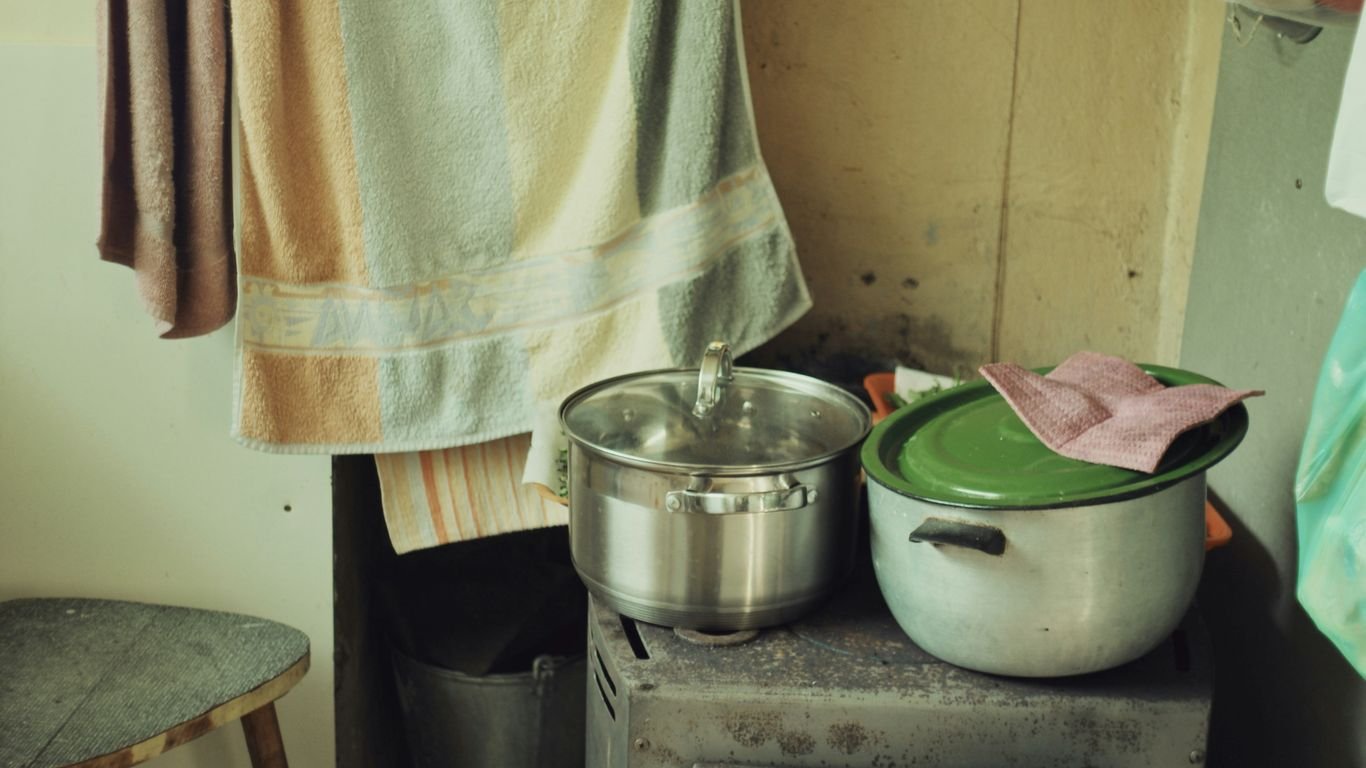 March 7, 2026
How to Turn Food Preservation Into a Side Hustle
Canning
Homestead Kitchen
Homesteading
Sustainable Living
March 7, 2026
How to Turn Food Preservation Into a Side Hustle
Canning
Homestead Kitchen
Homesteading
Sustainable Living
We've all got those hobbies or skills that we love doing, right? Maybe it's baking, gardening, or even making your own jam. What if we told you that you could turn those passions into a little extra cash? It might...
Read More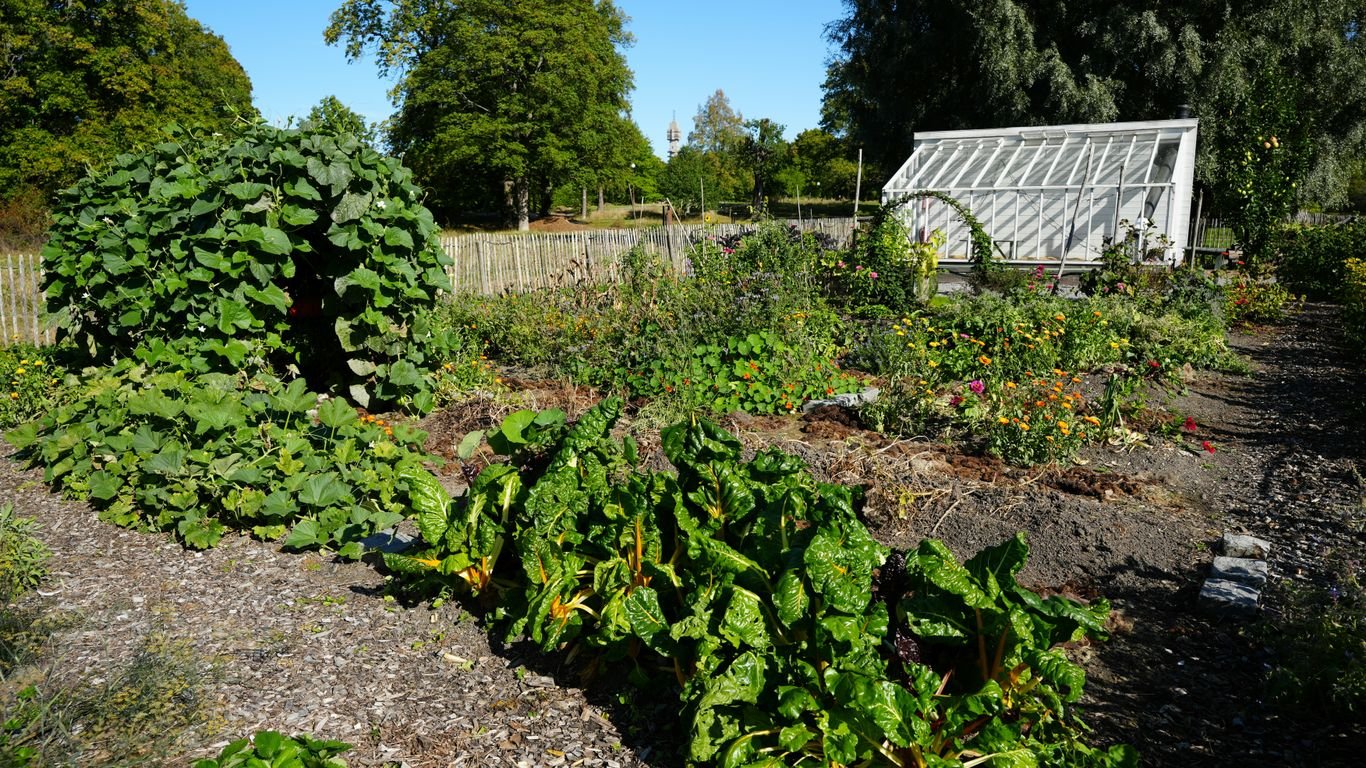 March 7, 2026
High-Output Crops Perfect for Micro Homesteads
Gardening
Homestead Planning
Homesteading
Starting a Homestead
March 7, 2026
High-Output Crops Perfect for Micro Homesteads
Gardening
Homestead Planning
Homesteading
Starting a Homestead
Thinking about growing your own food but only have a little space? We get it. Many of us are looking for ways to be more self-sufficient, even if we don't have acres to work with. The good news is, you...
Read More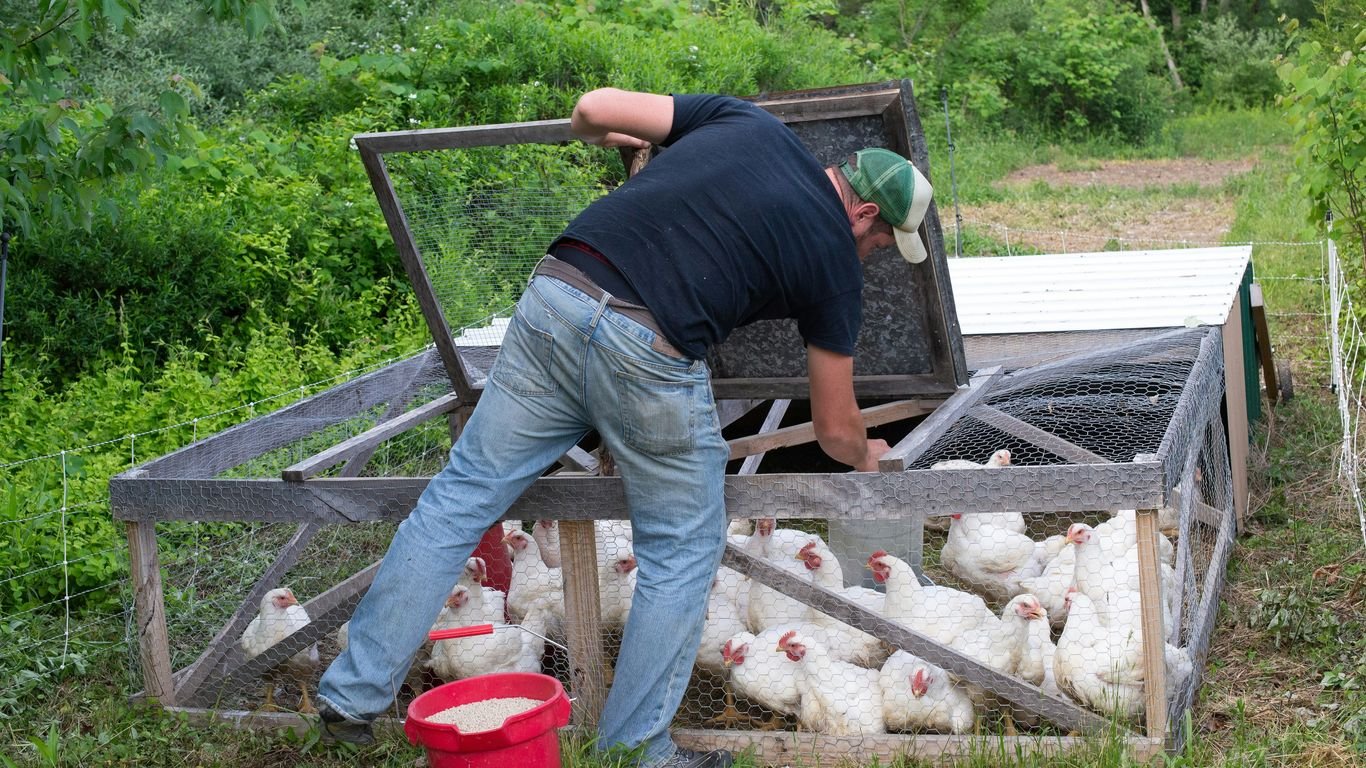 March 6, 2026
10 Low-Cost Homestead Side Hustles That Make Money
Homestead Planning
Homesteading
Starting a Homestead
March 6, 2026
10 Low-Cost Homestead Side Hustles That Make Money
Homestead Planning
Homesteading
Starting a Homestead
We all dream of a simpler life, right? One where we're more connected to the land and the seasons. But let's be real, that dream needs some funding. That's where low cost homestead side hustles come in. These aren't about...
Read More